The Military Mistakes That Destroyed Great Empires
No empire is invincible, no matter how big or how powerful. Military mistakes in particular have been responsible for the collapse of some of the greatest states in world history. While they often occurred due to larger systemic problems within their respective societies, these errors frequently led to catastrophic consequences. For example, over-reliance on the assistance of the Roman military led to the fall of Cleopatra's Egypt, while the Sicilian Expedition showcased the weaknesses of the Athenian Empire and marked the beginning of its end.
Athens Launches The Sicilian Expedition

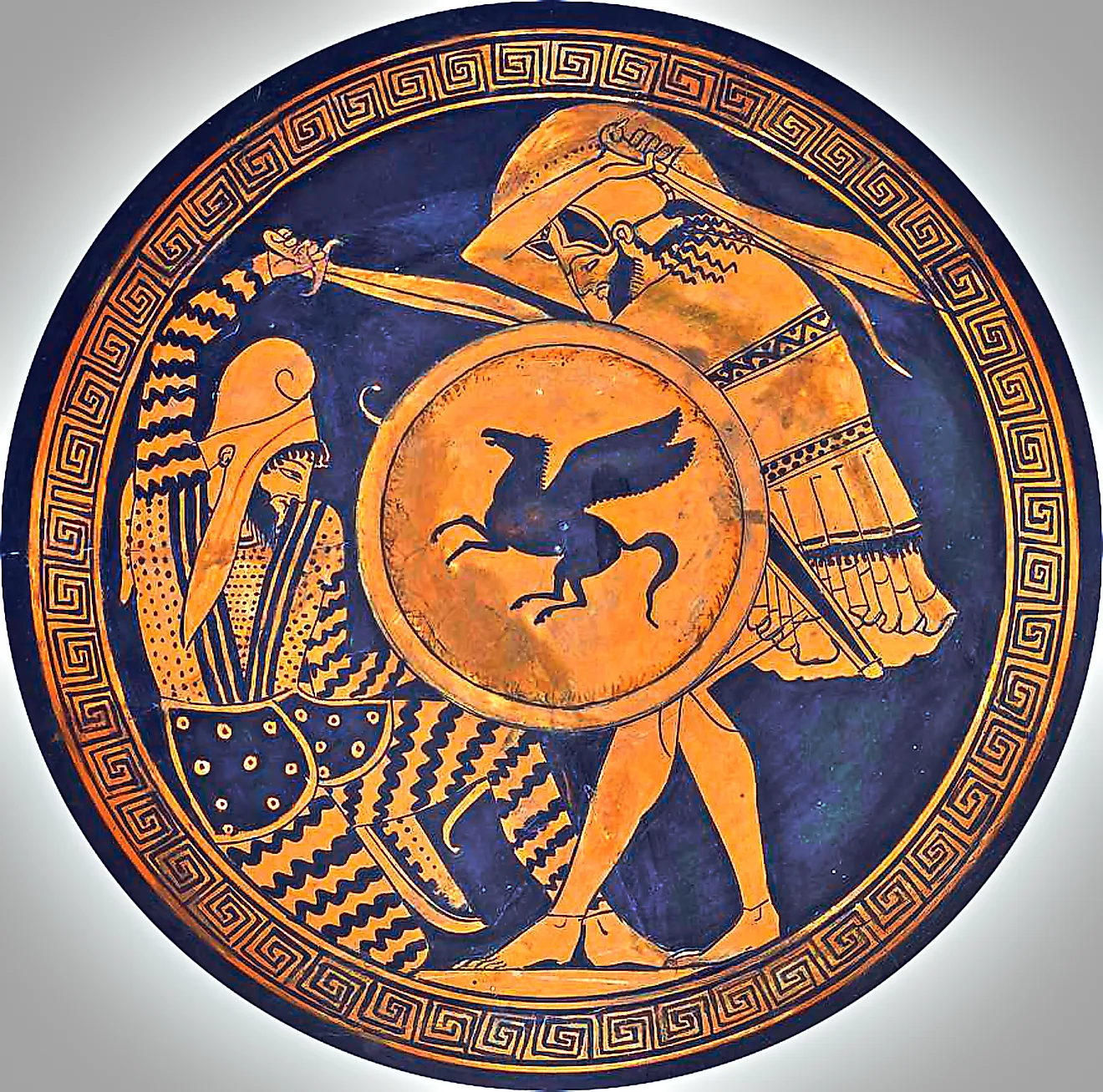
The Delian League was founded in 478 BCE. An alliance of hundreds of Greek city-states, it was established to help protect Greece from Persia. Over time, it began to function more like an Athenian Empire. In 454 BCE, the league treasury was moved from Delos to Athens. States were also forced to pay tribute to Athens in the form of ships or money. Finally, if a state tried to leave the Delian League, Athens often responded with military force.
All these measures made Athens by far the most powerful city-state in Greece. Anxiety about this strength led to the outbreak of the Peloponnesian War in 431 BCE, a nearly thirty-year conflict between Athens and Sparta. Naval superiority initially gave Athens the advantage, but a deadly plague and a series of Spartan victories quickly turned the tables. Regardless, by about the midway point in the war, victory was possible for either side.

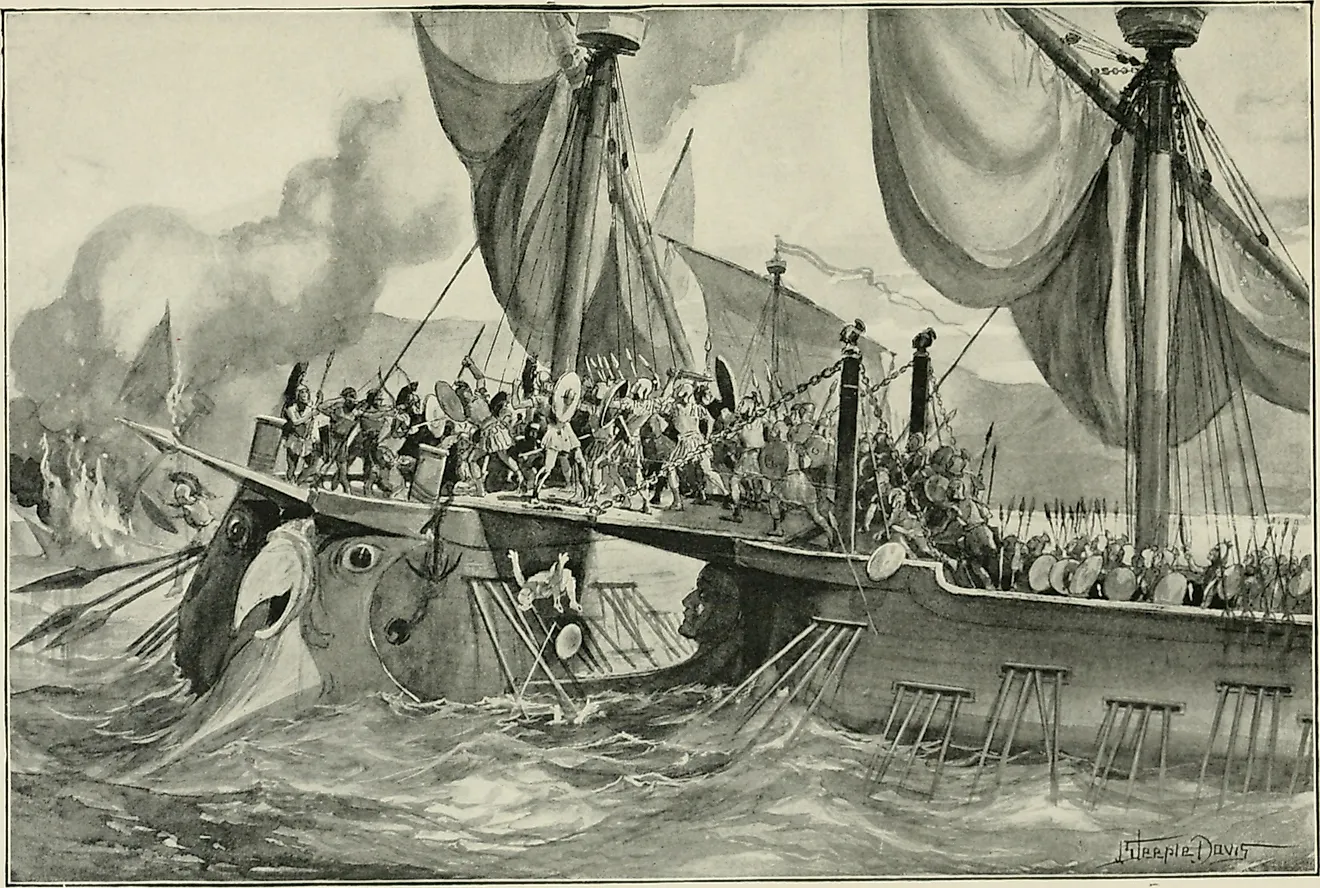
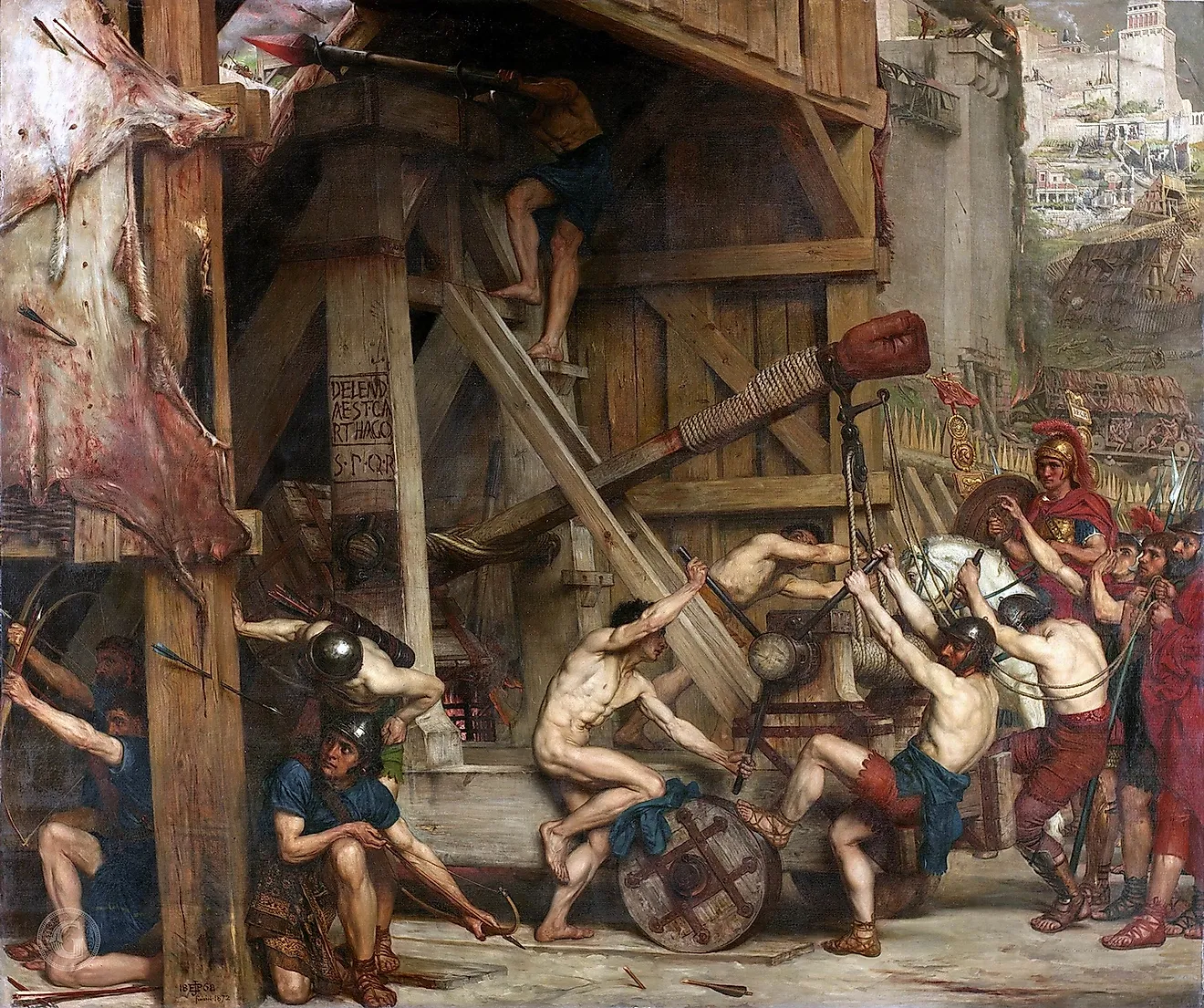
This changed in 415 BCE when Athens launched the Sicilian Expedition. It did so to take the Spartan-allied city of Syracuse and to control trade routes in the Western Mediterranean. While the expedition was supposed to be relatively quick, it ended up taking two years as Athens got bogged down trying to starve Syracuse with a long siege. Ultimately, the Athenian fleet got trapped in Syracuse's harbor, where it was destroyed.
The scale and nature of this defeat were devastating. Whereas before, Athens was considered an unbeatable naval power, the Sicilian Expedition demonstrated that it was far from invincible. Athens was also now down about 200 ships, greatly diminishing its naval capacity. In short, the Sicilian Expedition marked the beginning of the end for the Athenian Empire, and the Delian League was disbanded shortly after Sparta won the Peloponnesian War in 404 BCE.
Egypt Becomes Overly Reliant On Roman Support
After Alexander the Great died in 323 BCE, one of his generals, Ptolemy I Soter, established a kingdom in Egypt. Known as Ptolemaic Egypt, it was one of the most powerful states in the Mediterranean for centuries. Eventually, this changed. Territorial overreach, dynastic infighting, and revolts from the native population against the Greek ruling class weakened Egypt over time. By 100 BCE, even though it was still powerful on paper, Egypt lacked the capacity to properly defend itself.
Rather than addressing these internal problems, Egyptian leaders instead turned to Rome. One of the first examples of this occurred in 168 BCE, when the Syria-based Seleucid Empire invaded Egypt. Egypt thus asked Rome for aid, which Rome provided in the form of diplomatic support. The Seleucids subsequently withdrew from Egypt because they feared the Roman military.

The reign of Cleopatra VII Thea Philopator (51 to 30 BCE) saw Egypt become even more reliant on Rome. With the help of General Julius Caesar, Cleopatra defeated her brother (and husband), Ptolemy XIII, in a civil war and became the undisputed ruler of Egypt. After Caesar was assassinated in 44 BCE, Cleopatra resecured Roman support by entering into a political and romantic relationship with Mark Antony, a Roman general and politician.

While this reliance on Rome was useful in the short term, it was disastrous over the long run. Antony's rivals argued that his relationship with Cleopatra meant that he was no longer loyal to Rome. This ultimately led to the Roman Senate declaring war on Cleopatra, and in turn Antony. After the two were defeated by Octavian in the Battle of Actium in 31 BCE, they retreated to Egypt. With Roman support gone, Cleopatra had no real capacity to defend Egypt herself. Therefore, she and Antony committed suicide, and Rome annexed Egypt in 30 BCE.
Rome Expands Beyond Sustainable Limits

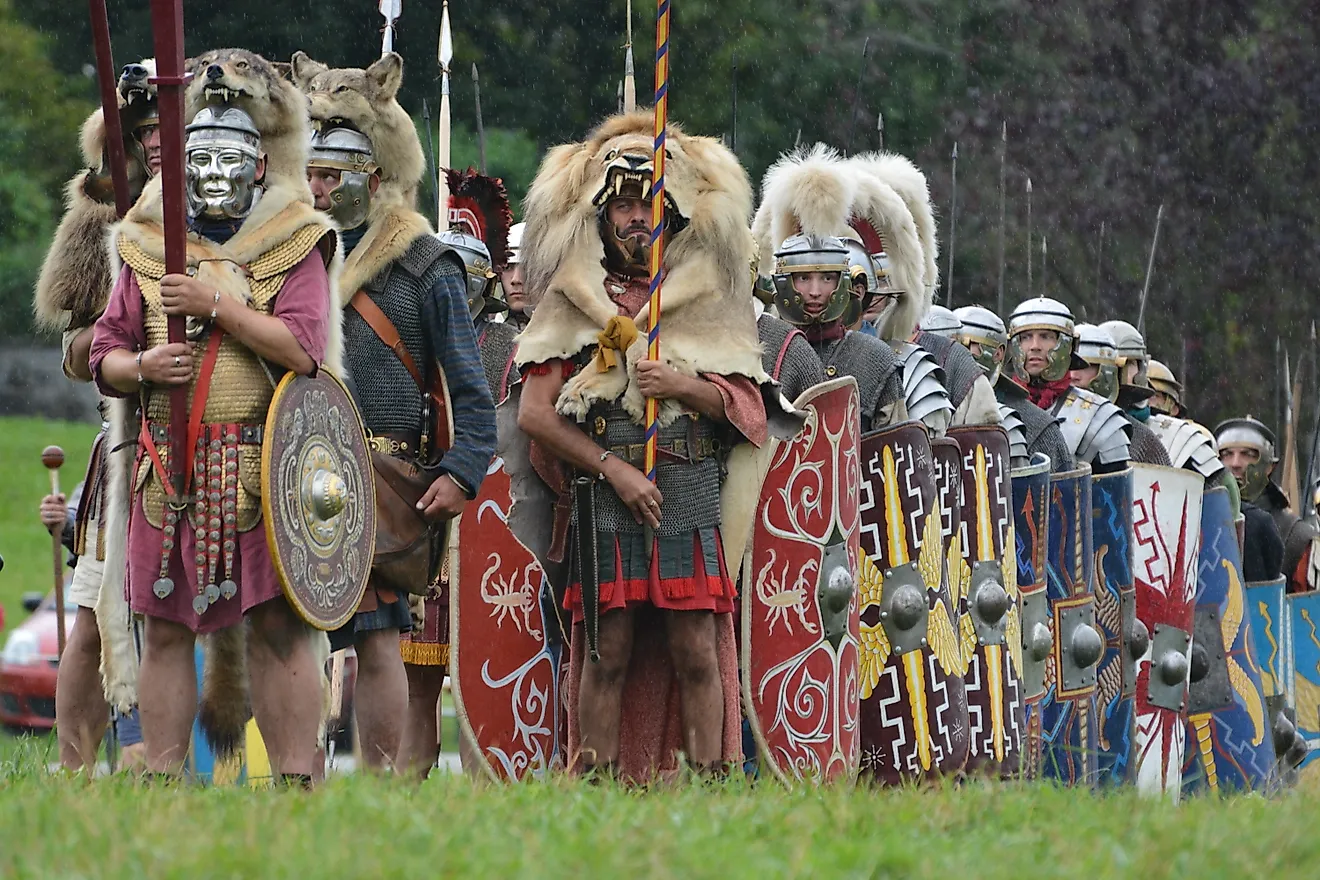
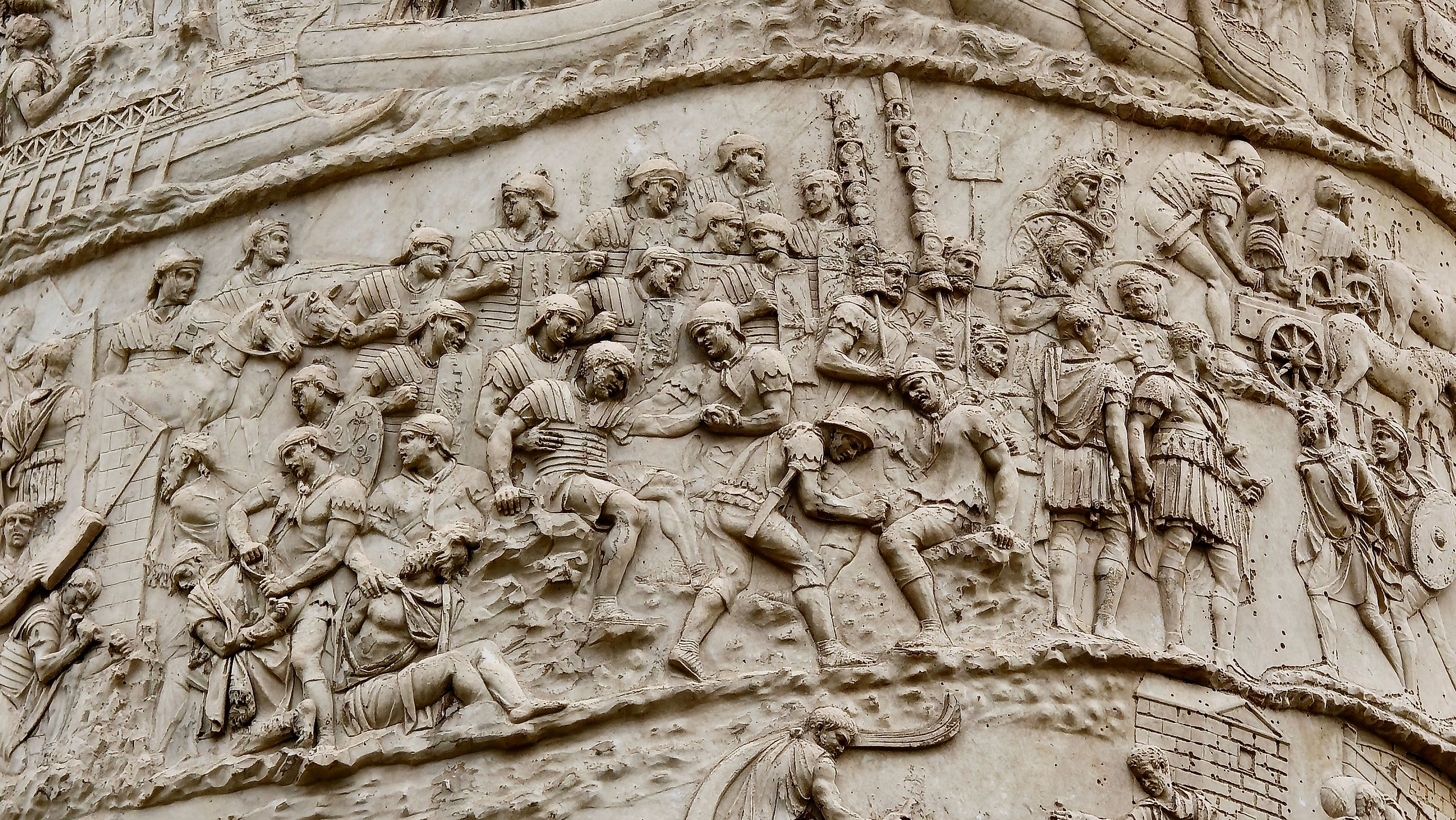
At its peak, the Roman Empire was nearly 2 million square miles. Stretching from Britain to Mesopotamia, its size was both a strength and a weakness. It had millions of people upon whom it could draw for tax revenue and military support. Nevertheless, its seemingly endless borders were practically impossible to defend, making it vulnerable to barbarian invasions. Enormous armies were thus required to protect Rome, which in turn required large tax revenues.

During the 3rd, 4th, and 5th centuries AD, these problems became crippling. Since everyday life was increasingly unsafe and taxes were so high, many people fled. In turn, the Roman government was forced to raise taxes on those who remained. The defensive needs of the massive state also led to an increasing reliance on barbarian mercenaries. Doing so "hollowed out" the empire, since these mercenaries often established kingdoms within its borders. Ultimately, all these problems, as caused by overexpansion, proved fatal, and the Western Roman Empire fell in 476 AD.
The Ottoman Empire Fights On Too Many Fronts
By the 20th century, the Ottoman Empire was in trouble. Its stagnant economy, military, and administrative state had caused it to fall behind the other European powers. While the Tanzimat Reforms in the mid-1800s helped the empire modernize somewhat, it was still considered the "sick man of Europe".

All these problems came to the forefront during World War I (1914 to 1918). Admittedly, the Ottomans put up a valiant effort and managed to fight on four fronts for nearly four years. They even achieved some major victories, the most notable of which was at Gallipoli in 1915. However, this wasn't enough.

The Ottomans suffered a massive defeat against the Russians in the Battle of Sarikamish (1914 to 1915). Despite an initial victory, they were also pushed back by the British in Mesopotamia. Finally, the combined forces of the British in the Sinai Peninsula and the revolting Arab population in the Hejaz overwhelmed the Ottomans, and they were pushed all the way back to Syria.
All these defeats forced the Ottomans to sign the Armistice of Mudros on October 30th, 1918. Doing so ended the war and paved the way for the Allies to divide the empire between themselves. Ultimately, the Ottoman Empire officially ended in 1922, and the Republic of Turkey emerged as its successor state the following year.
A Pattern Written In Blood
Across nine centuries and three continents, the same fault line runs beneath each collapse. Athens gambled a fleet it could not replace, Ptolemaic Egypt outsourced its defense to a rival that would eventually swallow it, Rome grew borders it could no longer pay to hold, and the Ottomans spread a failing army across four fronts at once. None of these states fell to a single lost battle alone. Each had already hollowed itself out from within, and the military blunder was simply the moment the weakness became fatal.