Did Cleopatra Really Marry Her Brother?
Cleopatra is one of the most fascinating figures in ancient history. As the last pharaoh of Egypt, her reign marked the end of a civilization that existed for over 3,000 years. Cleopatra also remains popular due to a seemingly lurid personal life.
Her romantic relationships with Roman leaders Julius Caesar and Mark Antony have been dramatized in countless plays, movies, and television shows. However, Cleopatra’s familial relationships are perhaps the most infamous aspect of her legacy. She did, in fact, marry two of her brothers. To understand why and how these marriages fundamentally altered the trajectory of Egyptian civilization, continue reading this article.
Early Life

Cleopatra was born in 69 BCE in Alexandria, the capital of Egypt at the time. A member of the Ptolemaic dynasty, which was founded by Ptolemy Soter I in 323 after Alexander the Great died, Cleopatra was ethnically Greek. She spoke Greek, maintained Greek customs, and received a formal Greek education. At the same time, Cleopatra embraced Egyptian culture. She learned the Egyptian language, embraced aspects of Egyptian fashion, and even presented herself as the living embodiment of the god Isis. These measures helped ingratiate her with the Egyptian populace at a time when the Ptolemies were increasing unpopular.
Cleopatra Marries Her Brother(s)

When Cleopatra’s father, Ptolemy XII Auletes, died in 51 BCE, his will ordered that Egypt be jointly ruled by Cleopatra and her younger brother, Ptolemy XIII Theos Philopator. To legitmize their rule, Cleopatra and Ptolemy XIII married. This marriage was purely ceremonial and political. Being siblings, paired with their age difference (Cleopatra was 18, and Ptolemy XIII was 10), left little room for romance. It was also unstable, and a power struggle emerged between Cleopatra and her brother’s advisors.

This struggle eventually spiraled into a full-on civil war. In 48 BCE, Ptolemy XIII’s regency council pushed Cleopatra out of Alexandria and forced her to flee to Syria. She quickly raised an army and returned to Egypt. Around the same time, Cleopatra formed a political and romantic relationship with Roman general Julius Caesar, who was fighting his own civil war. With Caesar’s help, Cleopatra defeated her brother in the Battle of the Nile in 47 BCE. To satisfy Ptolemaic tradition, she then married her even younger brother, Ptolemy XIV. He died soon afterward amidst mysterious circumstances. While some speculate that Cleopatra poisoned him, historians are unable to verify this claim. Regardless, she could now rule Egypt independently.
Cleopatra And Julius Caesar

Now that both her brothers (and husbands) were dead, Cleopatra was free to further foster her relationship with Caesar. She gave birth to his son and named him Caesaron. Cleopatra also spent increasingly extended periods of time in Rome once Caesar won his own civil war and became the undisputed leader of the Republic.
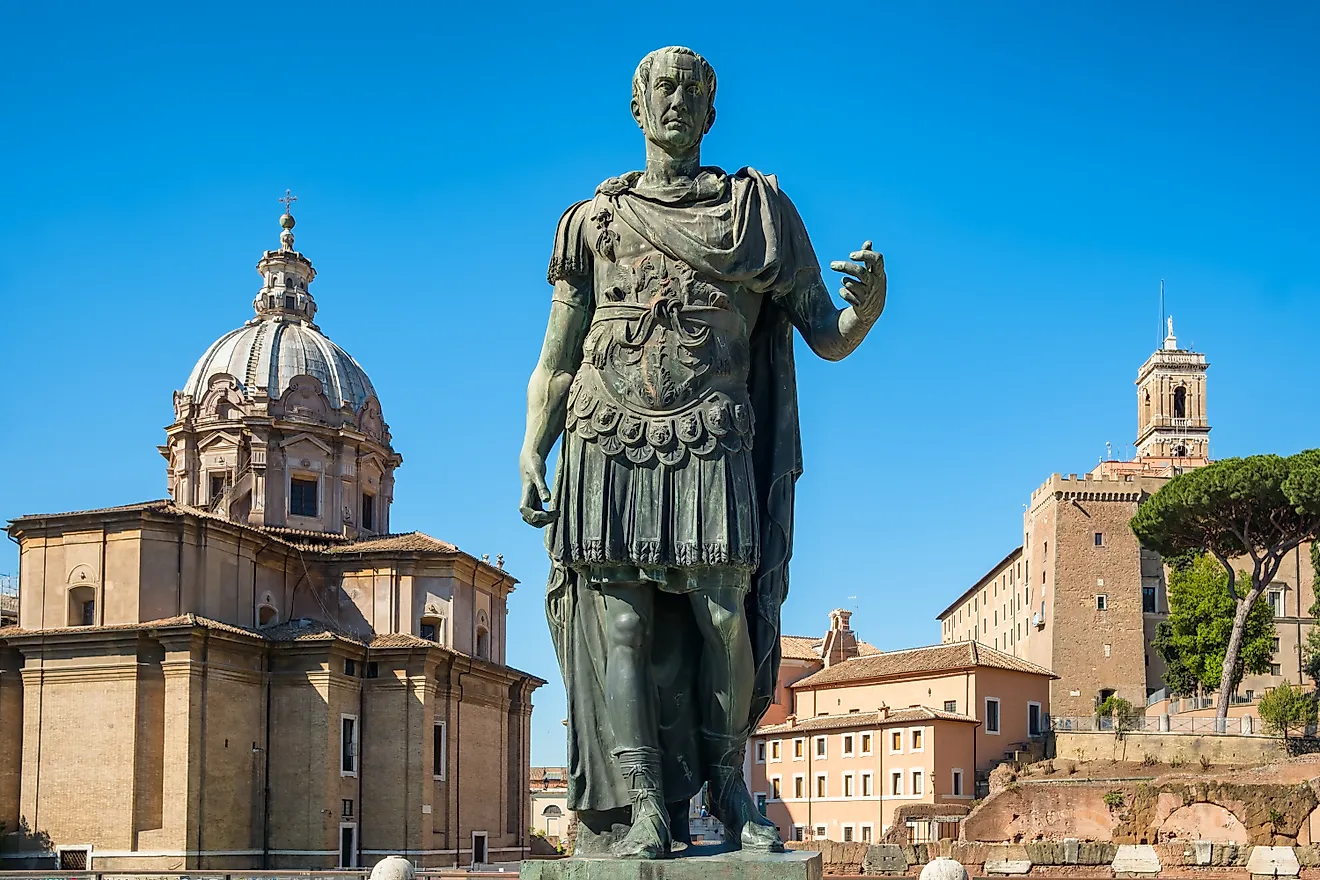
Everything changed on March 15th, 44 BCE. Worried about Caesar’s increasingly absolute power, a group of senators assassinated him. On top of being a personal tragedy, this assassination was an existential threat to Cleopatra’s rule. She relied on Roman military support to maintain her grip on power and Egyptian independence. With this support now anything but guaranteed, Cleopatra travelled back to Egypt and contemplated what to do next.
Cleopatra And Mark Antony

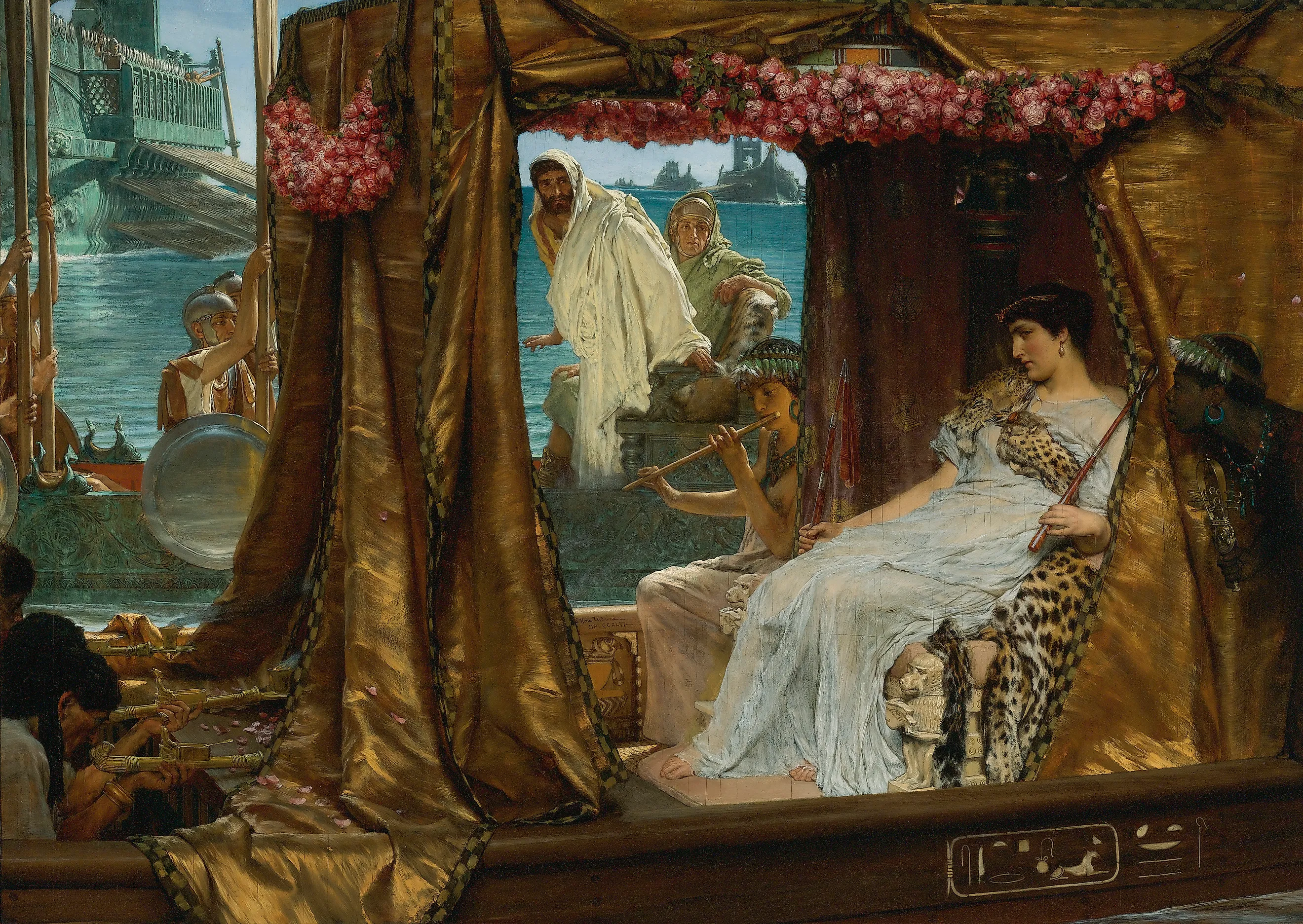
She eventually resecured Roman support via Mark Antony. One of Caesar’s top generals and closest allies, he came to control the Roman Republic’s eastern provinces following the Battle of Philippi in 42 BCE. The next year, Cleopatra courted Antony, and they began a romantic and strategic partnership. This relationship was mutually beneficial. Antony required Egypt’s wealth and agricultural capacity to fund his military campaigns against Persia, and Cleopatra needed Roman military strength. The two also had three children together.

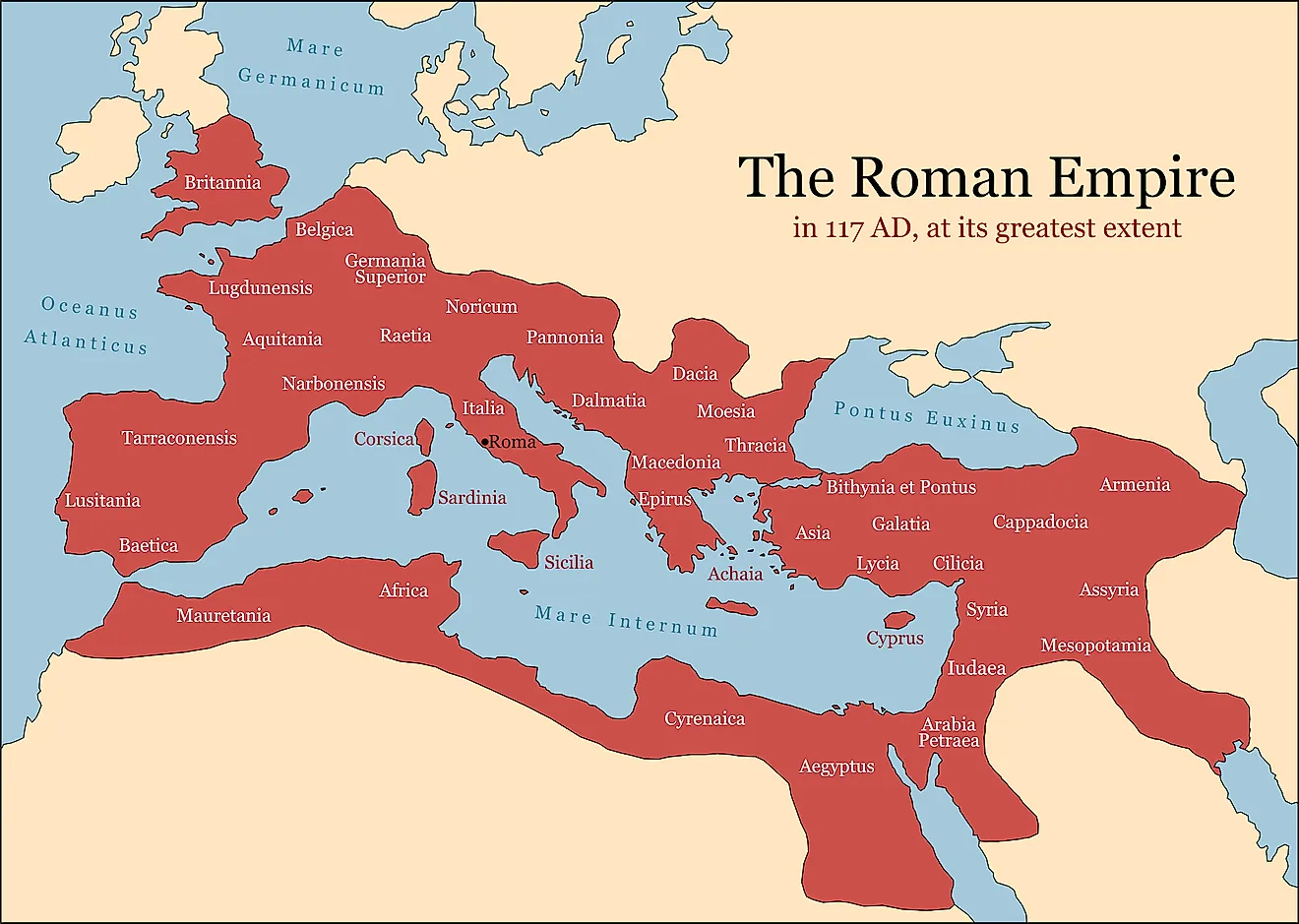
Antony’s relationship with Cleopatra led to questions about his loyalty to Rome, particularly from his rival, Octavian, who controlled the western provinces. These questions became even louder in 34 BCE, when Antony proclaimed that Cleopatra was the “Queen of Kings”, formally recognized Caesarion as Caesar’s legitimate heir, and gave vast swaths of Eastern Rome to her other children. Octavian used this act to argue that Antony had become corrupted by the “foreign queen”, and the Senate subsequently declared war on Antony (and Cleopatra). The decisive conflict came in 31 BCE in the Battle of Actium, when Octavian decimated Antony and Cleopatra’s fleet. The two fled back to Egypt, but without any meaningful land army, they had no way of defending themselves. Octavian invaded in 30 BCE, and Antony and Cleopatra committed suicide. Egypt became a Roman province soon thereafter, marking the end of Egyptian independence for the next 2,000 years.
Impact And Legacy
Cleopatra married her brothers. Rather than doing so out of a sense of love or admiration, these marriages were purely strategic arrangements meant to legitmize Ptolemaic rule over Egypt. This was not the only time Cleopatra used traditionally romantic arrangements to further her political goals. Her relationship with Julius Caesar was crucial to her winning a civil war, becoming the sole ruler of Egypt, and maintaining Egyptian independence. Cleopatra’s relationship with Mark Antony again played a similar role, although it ultimately led to her downfall.