What Were The Most Brilliant Military Maneuvers In Ancient History?
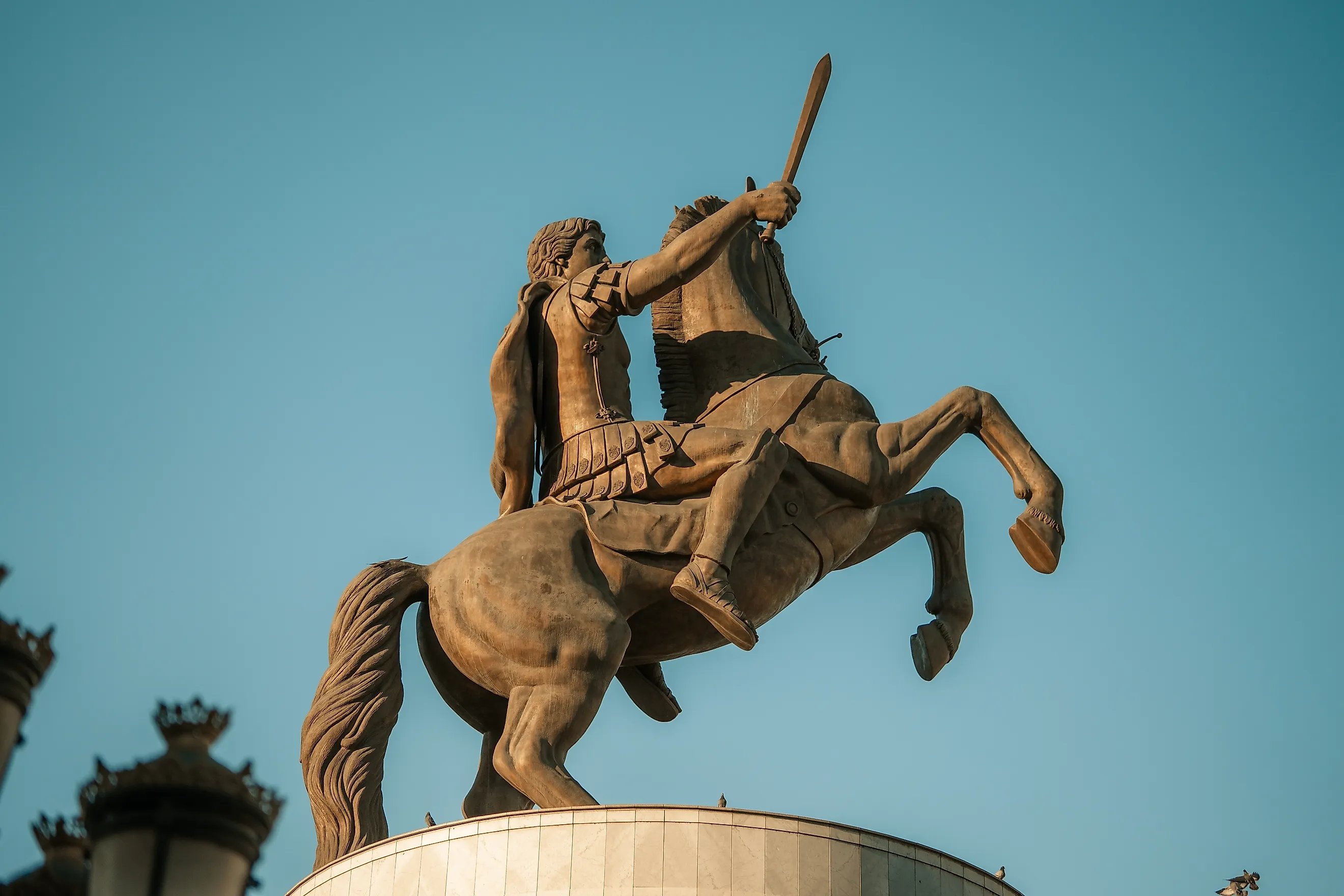
In the days of hand-to-hand combat, one daring military maneuver could alter the trajectory of an entire civilization. Generals like Hannibal Barca and Alexander the Great were responsible for brilliant tactics that turned an enemy's strength into a weakness. Themistocles trapped a larger Persian fleet in the narrow waters of Salamis, while Alexander the Great stretched the Persian line at Gaugamela until he could drive a cavalry wedge toward Darius III. Hannibal went even further at Cannae, allowing the Roman center to push forward until it was surrounded, and Julius Caesar built two rings of fortifications at Alesia so his army could besiege one enemy while defending itself from another. If there was a theme connecting each of these tactics, it was bold decision-making in the name of control.
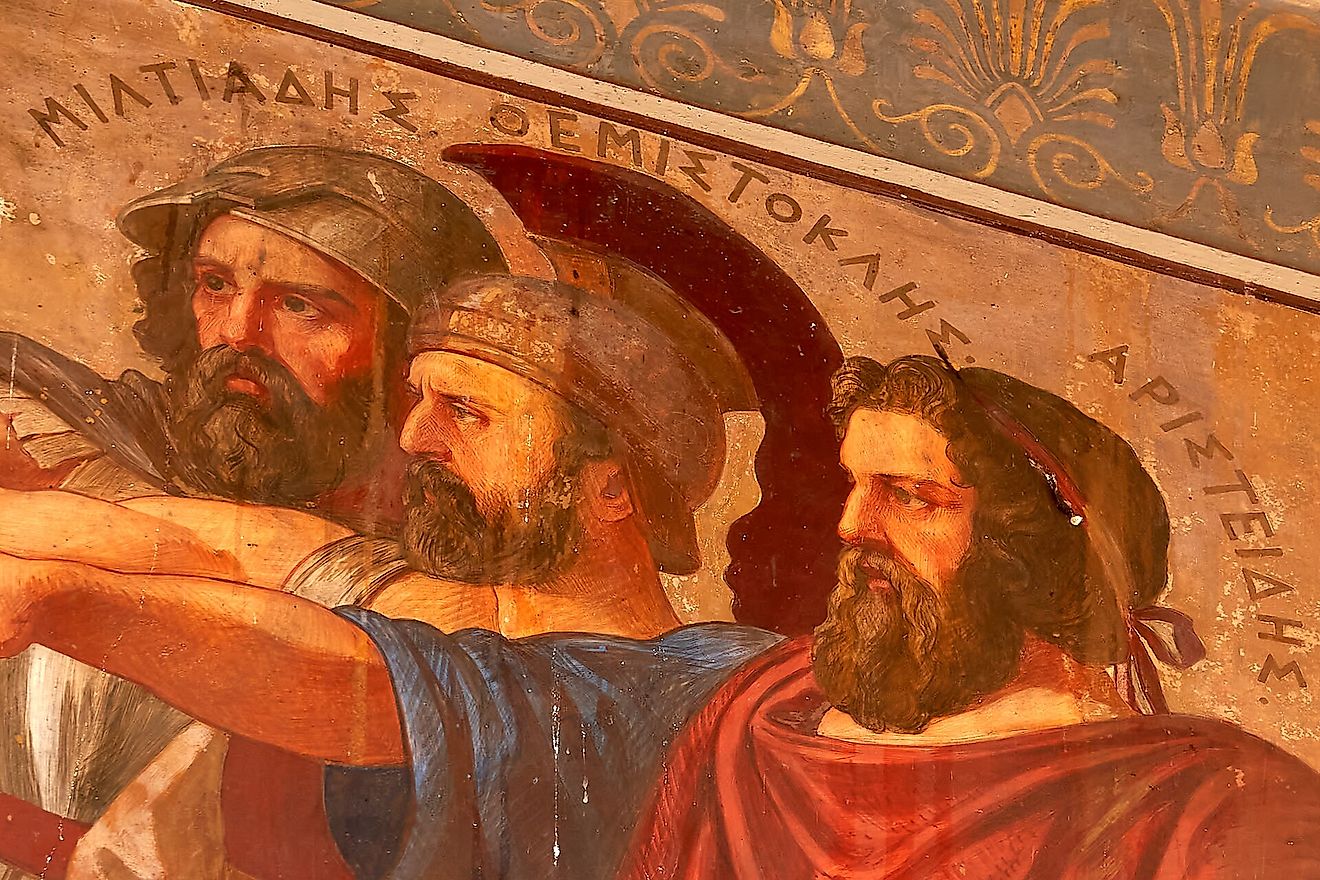
Themistocles' Deception (The Battle Of Salamis, 480 BCE)

In 480 BCE, Persia invaded Greece with a huge army and fleet. After breaking through the Greek defense at Thermopylae, the Persians occupied an evacuated Athens. The remaining Greek fleet gathered near the island of Salamis. Persia had more ships, while the Greeks had one major advantage: the narrow channel between Salamis and the mainland could prevent the Persians from using their greater numbers effectively.
Themistocles, the leading Athenian commander, helped make sure the battle happened there. According to Herodotus, he secretly sent his servant Sicinnus to the Persians with a false message claiming that the divided Greeks were frightened and preparing to escape. Xerxes ordered his fleet to block the routes out of the straits, committing Persian ships to the confined waters. When battle began, the tight space made it difficult for the larger fleet to maneuver. Greek triremes could strike in a crowded battlefield where Persian numbers offered less advantage.
What followed was a major Persian defeat. Xerxes soon returned to Asia with much of his army, leaving a force under Mardonius to continue the invasion. That remaining army was defeated at Plataea in 479 BCE. Themistocles' success at Salamis came from shaping the enemy's decision before the fighting began. He convinced the Persians that they were closing a trap on a frightened opponent when they were actually entering terrain chosen by the Greeks.
Alexander's Oblique Attack (The Battle Of Gaugamela, 331 BCE)

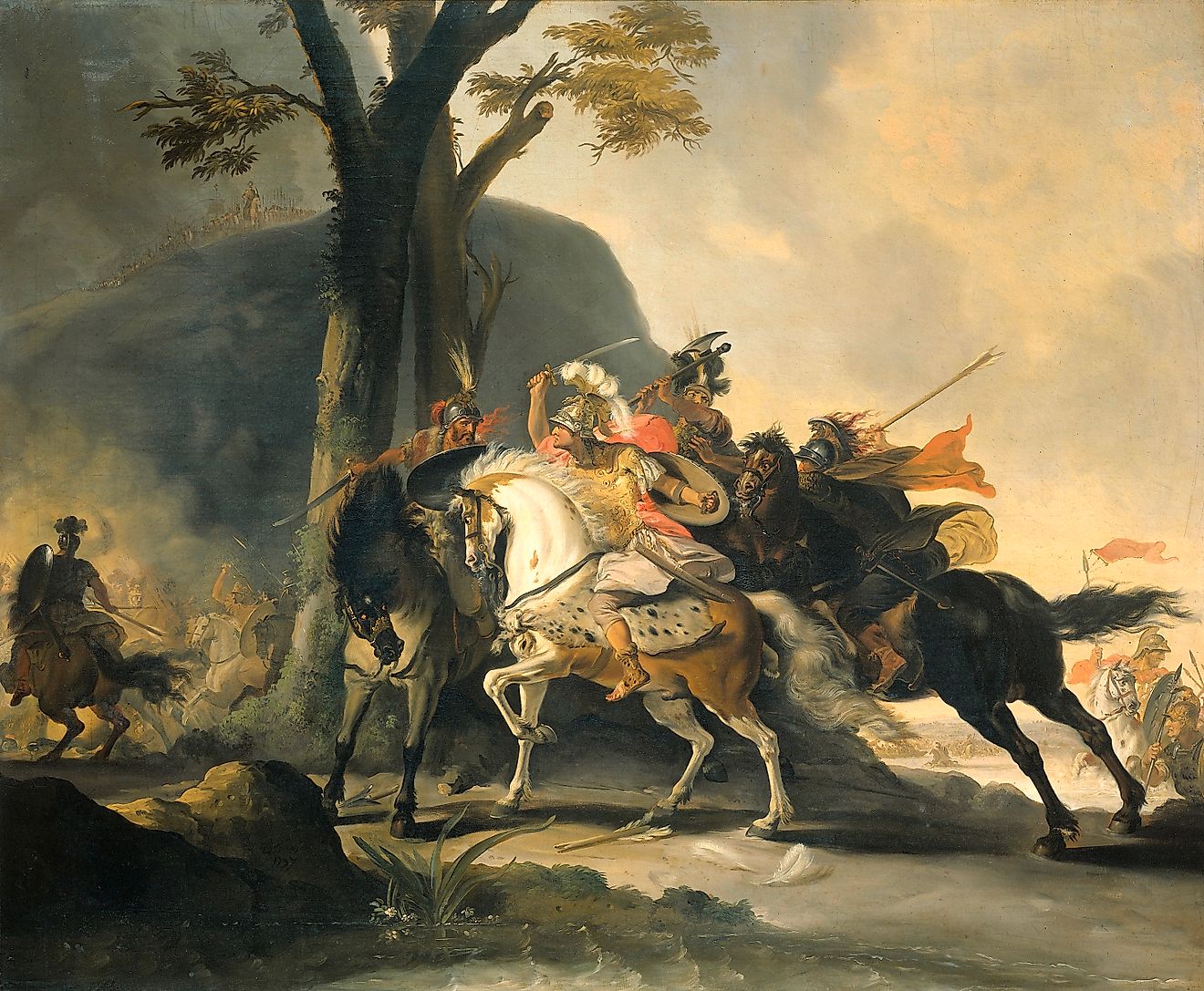
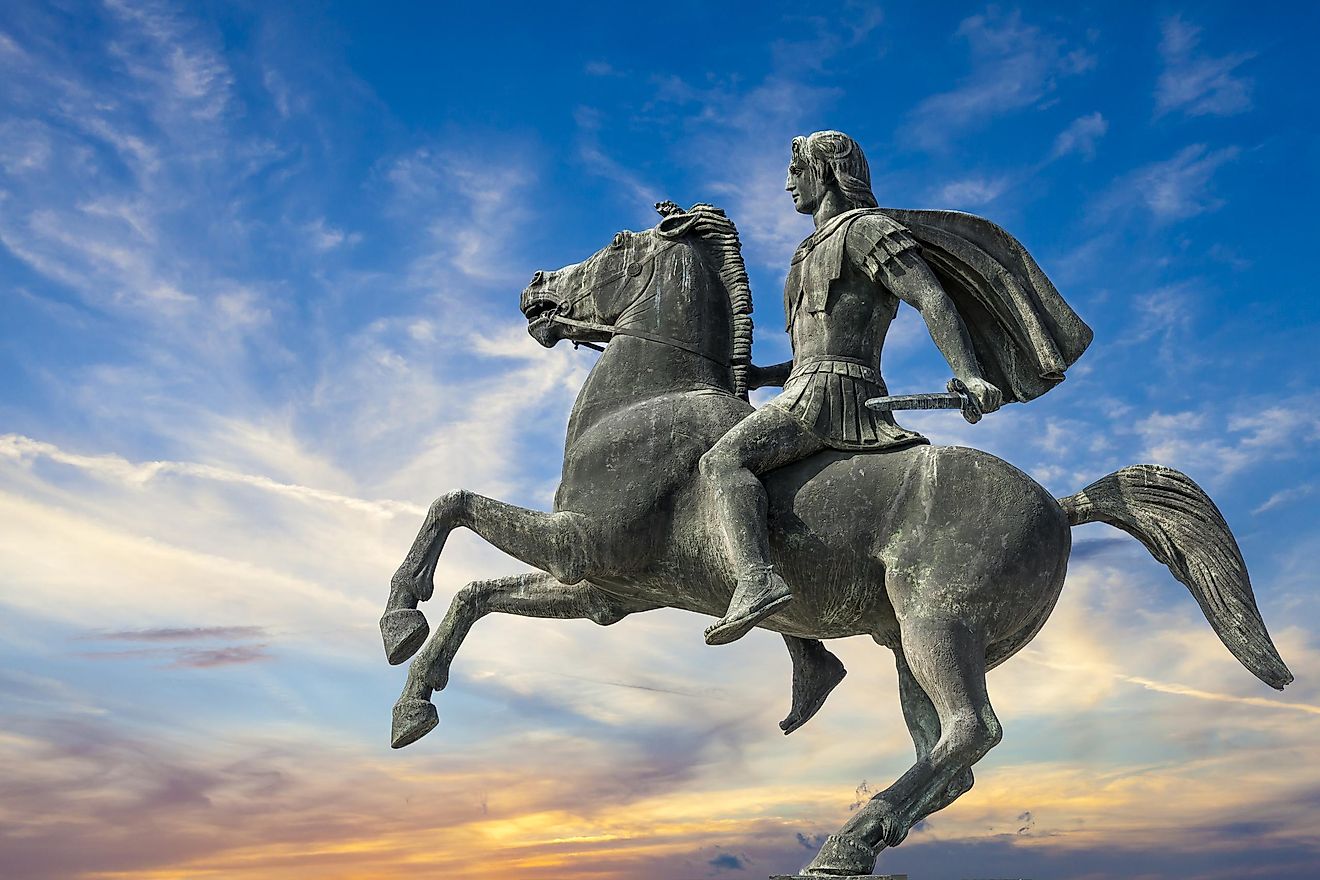
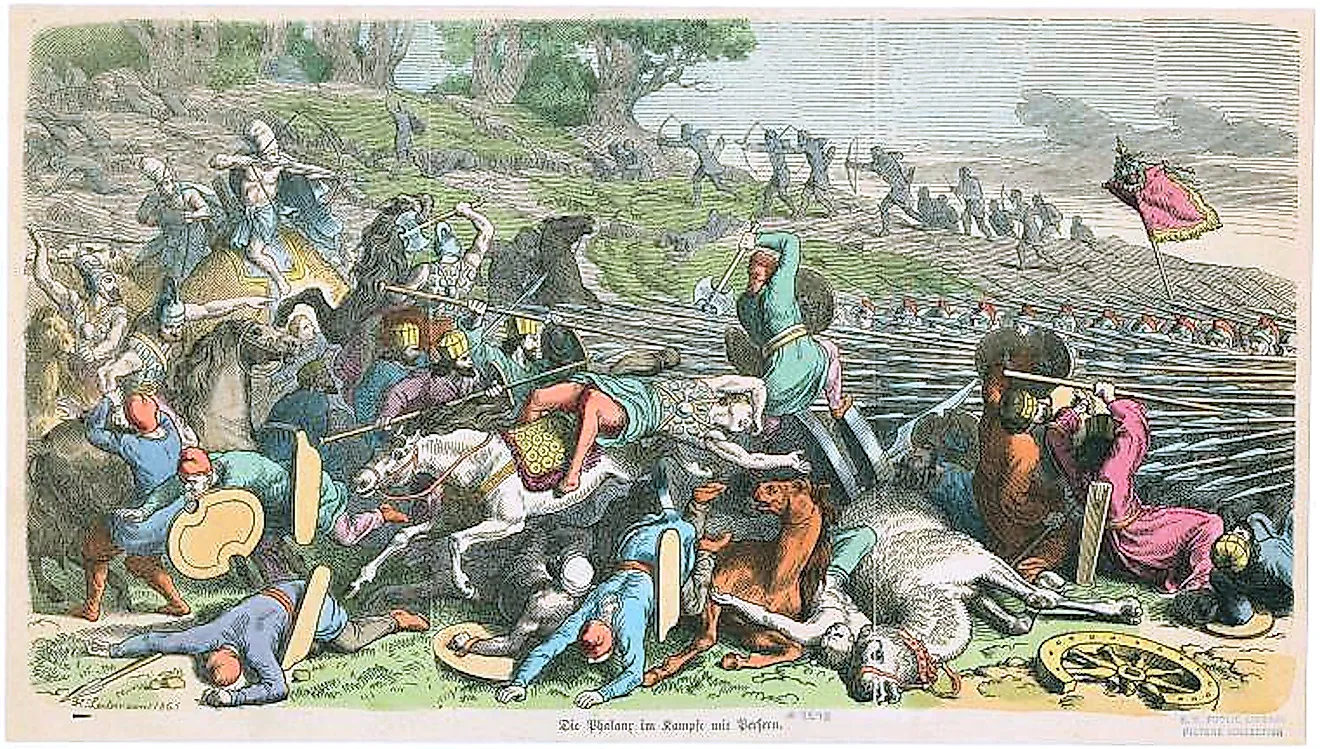
Alexander the Great invaded the Persian Empire in 334 BCE and won a series of victories across Asia Minor and the eastern Mediterranean. By 331 BCE, he had reached the decisive confrontation with Darius III near Gaugamela in what is now northern Iraq. Alexander probably commanded around 47,000 troops. The exact size of the Persian army is unknown because ancient estimates are wildly inflated, but Darius clearly had the larger force and enough cavalry to extend beyond the Macedonian flanks.
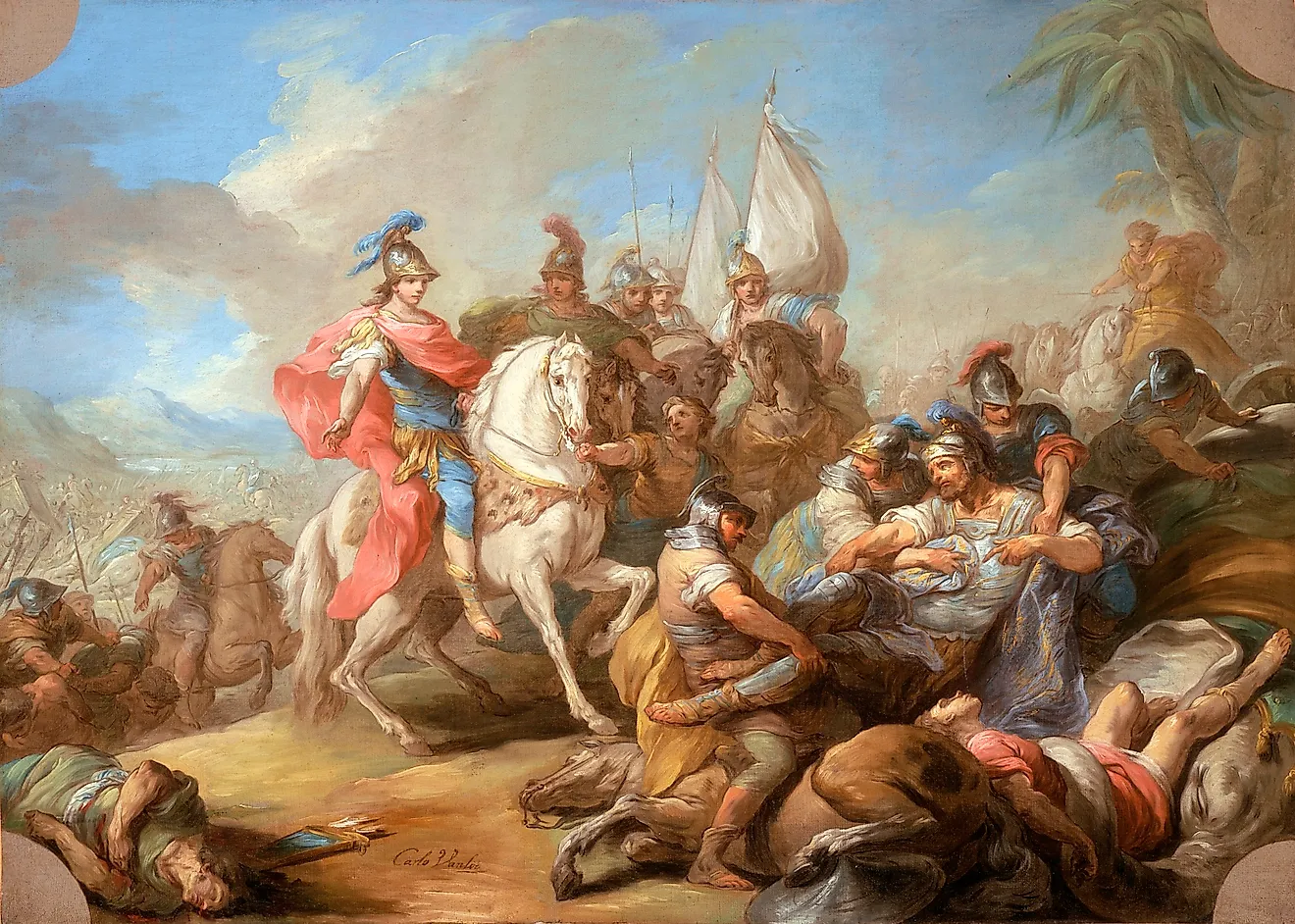
Alexander responded with movement. As the armies approached each other, his right wing advanced diagonally to the right. The Persian left moved with him to prevent Alexander from reaching its flank and escaping the ground Darius had prepared for his cavalry and chariots. As Persian units shifted outward, their line became stretched. A gap opened between part of the Persian left and center.
Alexander was waiting for exactly that opening. He formed his Companion cavalry and nearby infantry into a wedge and drove toward the Persian center, where Darius was positioned. The attack threatened the king directly, and Darius fled the field as the Persian formation began to break apart. Fighting continued elsewhere, especially against the Macedonian left, so the battle was more complicated than a single charge. Still, Alexander's rightward advance helped create the opening that made his decisive attack possible. Gaugamela shattered Darius's ability to defend the heart of the Persian Empire and opened Babylon, Susa, and Persepolis to Alexander.
Hannibal's Double Envelopment (The Battle Of Cannae, 216 BCE)

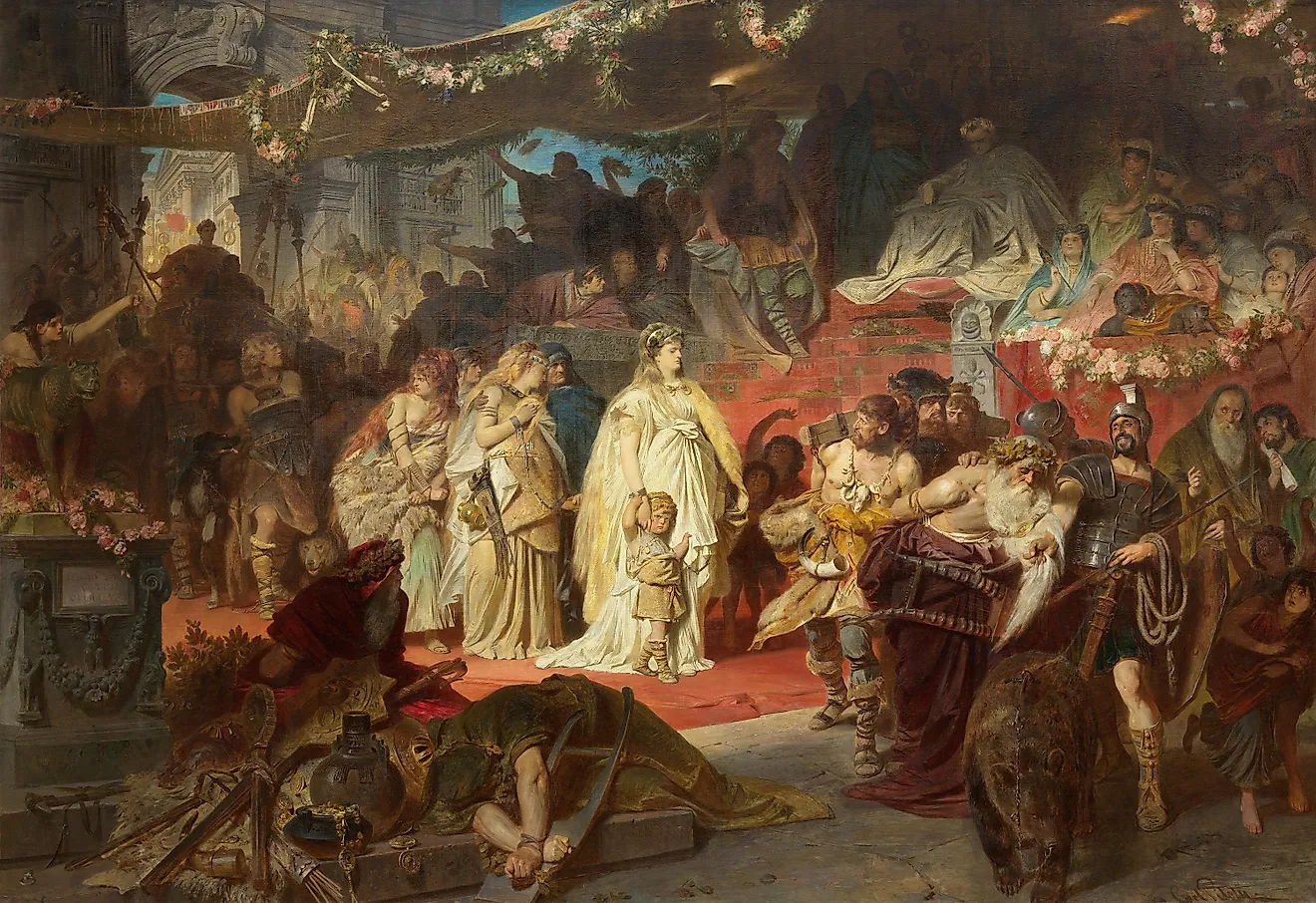
Hannibal Barca invaded Italy in 218 BCE after crossing the Alps and soon inflicted major defeats on Rome. By 216 BCE, Roman leaders wanted a decisive battle. They assembled roughly 80,000 infantry and more than 6,000 cavalry near Cannae. Polybius gives Hannibal about 40,000 infantry and 10,000 cavalry. Rome therefore held a major advantage in infantry, and its commanders packed much of that force into a deep formation designed to smash through the Carthaginian center.
Hannibal arranged his line to exploit that aggression. His Spanish and Gallic infantry formed a projecting center, while experienced African infantry stood farther back on both sides. As the Roman infantry drove forward, Hannibal's center gradually bent backward without completely breaking. The Romans kept pressing into the widening pocket, becoming increasingly crowded as they advanced.
Meanwhile, Carthaginian cavalry defeated the Roman horse and returned to attack the Roman infantry from behind. Hannibal's African infantry closed inward from the sides. The Roman mass that had looked overwhelming at the start of the battle became trapped on four sides, with thousands of soldiers packed so tightly that many could barely fight. The slaughter was enormous. Polybius claimed about 70,000 Roman infantry died, although ancient casualty figures vary. Cannae did not force Rome to surrender, but it demonstrated how positioning and timing could destroy a much larger infantry force. Rome thereafter became far more cautious about giving Hannibal another battle on his terms.
Caesar's Fortifications (The Battle Of Alesia, 52 BCE)

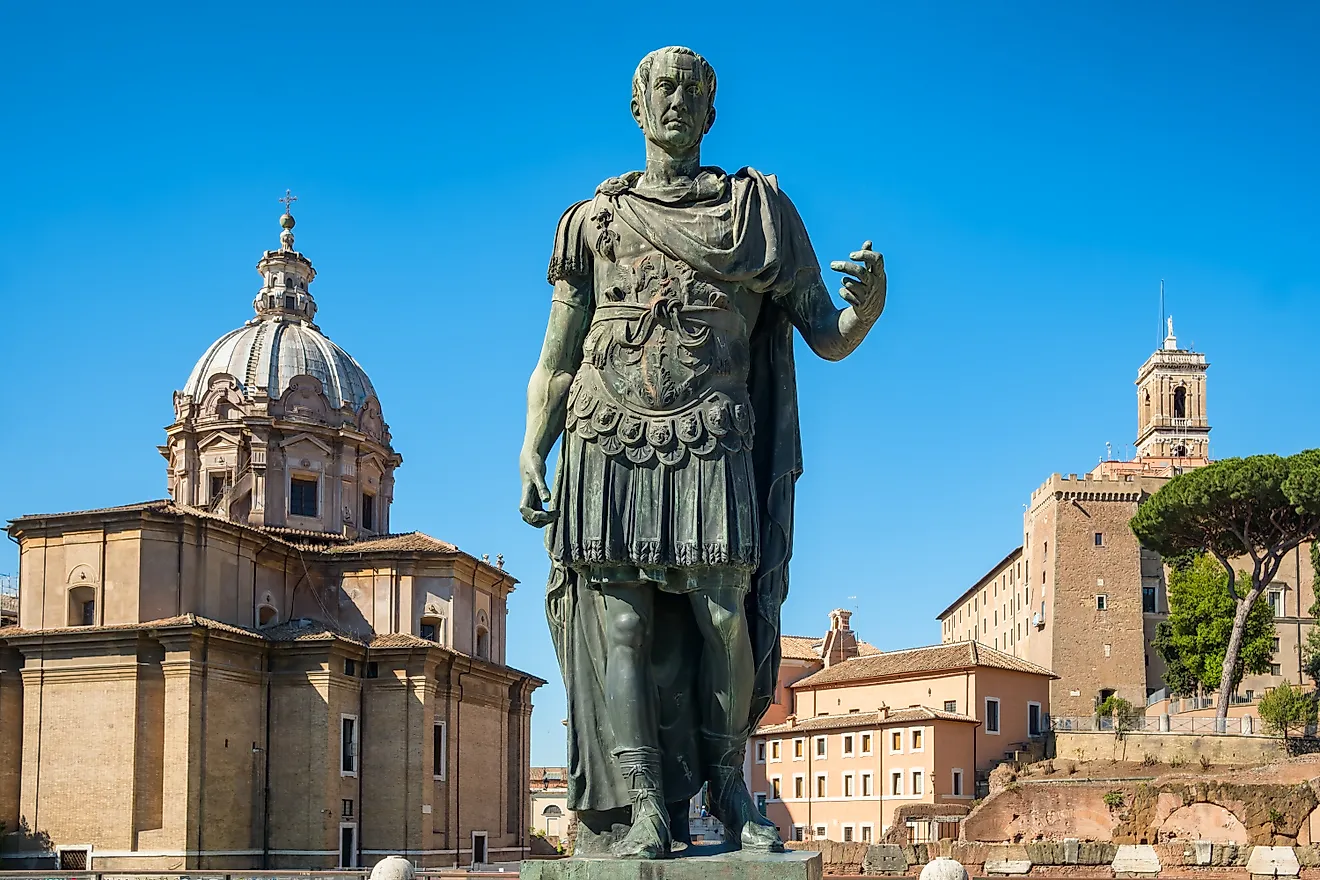
Julius Caesar faced a different problem during his conquest of Gaul. In 52 BCE, the Gallic leader Vercingetorix withdrew to the fortified hilltop settlement of Alesia after a Roman pursuit. Caesar surrounded the position and began a siege. Vercingetorix had already sent cavalry away to call for a relief army, however, which meant the Romans knew they could soon face enemies from outside the siege as well as from inside it.
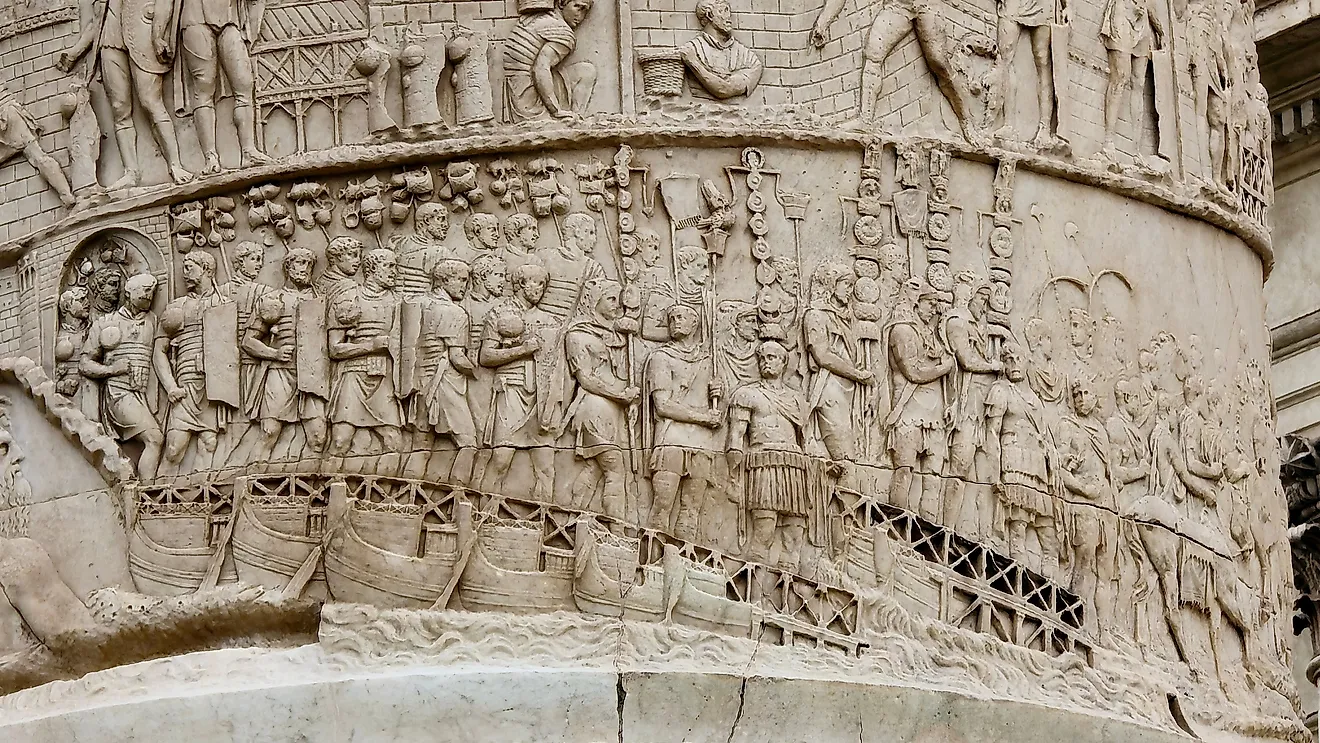
Caesar answered with an extraordinary construction project. His troops built an inward-facing line of fortifications around Alesia, about 11 miles in circuit according to Caesar's account. The defenses included deep trenches, towered ramparts, and fields of hidden obstacles. Then the Romans built another line facing outward, roughly 13 miles long, to protect themselves from the approaching relief force. The result looked almost like two fortress walls back to back, with the Roman army occupying the space between them.
When the relief army arrived, Caesar's troops had to fight in two directions. Gallic forces inside Alesia attacked outward while the relief army assaulted the Roman defenses from outside. The fortifications slowed both attacks long enough for Caesar to shift troops to threatened points. During the final assault, Roman cavalry eventually struck the relief force from the rear, helping turn the battle. The outside army collapsed, and Vercingetorix surrendered soon afterward. Fighting in Gaul continued, but Alesia broke the largest coordinated uprising Caesar had yet faced.
Impact And Legacy
The most brilliant military maneuvers in ancient history continue to boggle the mind. Themistocles' use of deception at the Battle of Salamis in 480 BCE allowed the Greeks to decimate the Persian fleet and disrupt their supply lines. Alexander the Great's oblique attack at Gaugamela forced Darius III into an impossible decision that ended with him fleeing the battle. Hannibal Barca's double envelopment technique allowed the Carthaginians to destroy a Roman army that outnumbered his own by nearly two to one. Finally, Julius Caesar used fortifications for defensive and offensive purposes, allowing him to both besiege Vercingetorix and prevent a Gallic relief force from reaching his army.