Which Ancient Generals Never Lost A Battle?
The list of ancient military leaders who definitively never lost a battle is surprisingly short. A lack of sources makes definitive proclamations about this achievement difficult, and many supposedly unbeaten generals still need their records caveated. The strongest claims span more than a thousand years, including a Bronze Age pharaoh in Egypt and the Roman commander who defeated Hannibal. Exploring such figures gives us more nuanced insights into the ancient world.
Thutmose III (1481 to 1425 BCE)

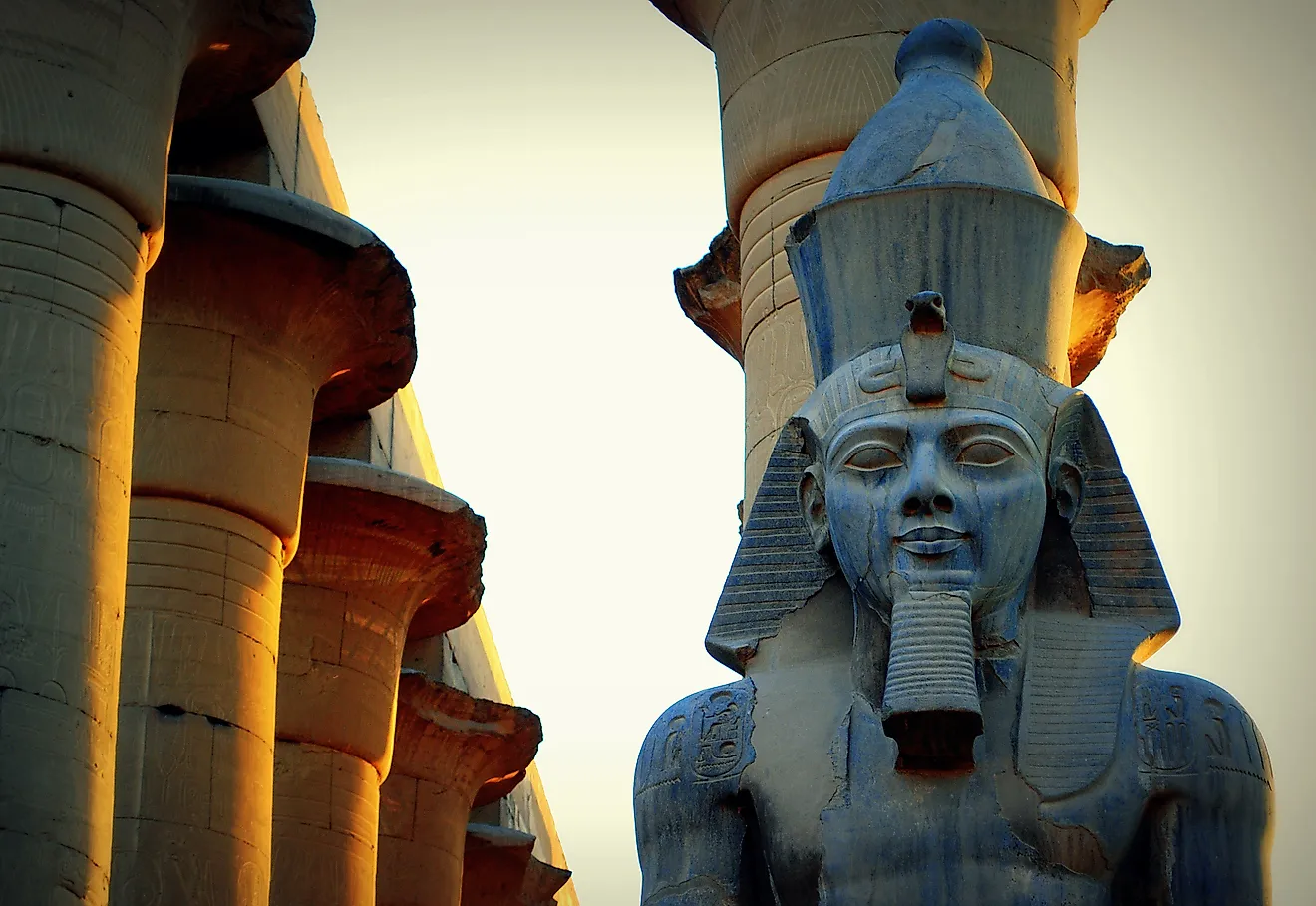
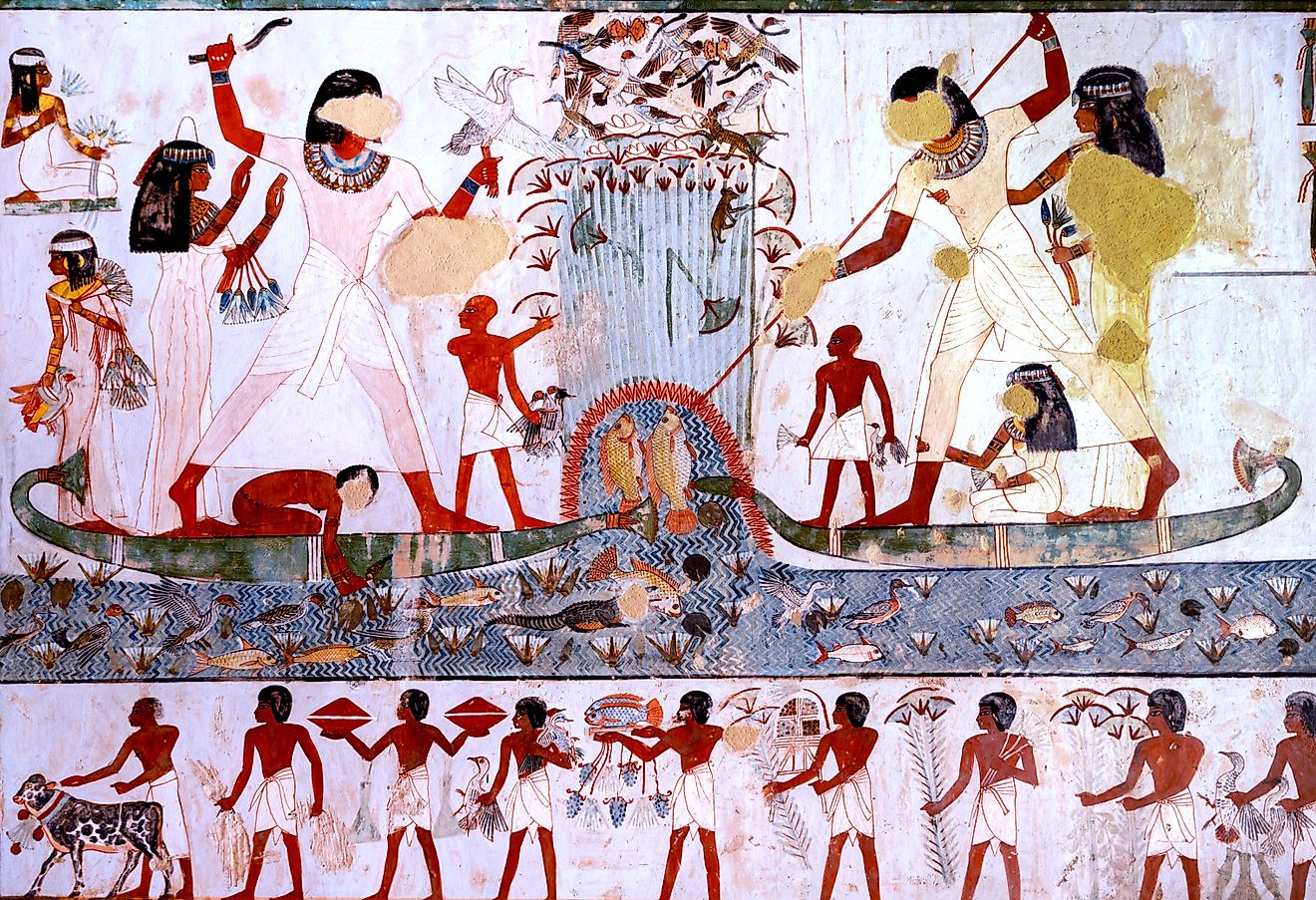
Thutmose III was one of the most important pharaohs in Ancient Egyptian history. Ruling from 1479 BCE until his death (he co-ruled with his stepmother and aunt, Hatshepsut, until her death around 1458 BCE), military accomplishments defined his reign. He led at least 17 campaigns into the Levant and Nubia, greatly expanding Egypt's territorial reach in the process. In turn, it became a dominant power in the eastern Mediterranean.
Thutmose's most famous campaign was the Battle of Megiddo in 1457 BCE. Fought against a Canaanite coalition in modern-day Israel, it saw him take a pathway through a narrow mountain pass. The Canaanites believed that doing so was too dangerous, so they were shocked when the Egyptians appeared on the other side. With little time to prepare, they were routed and fled into Megiddo, which fell after a months-long siege. There is no evidence that Thutmose III ever lost a battle. At the same time, Bronze Age sources are notoriously sparse, and those that do exist are far less detailed than those from Greek or Roman times. Therefore, we can't definitively say that Thutmose was unbeaten.
Epaminondas (419 or 411 to 362 BCE)

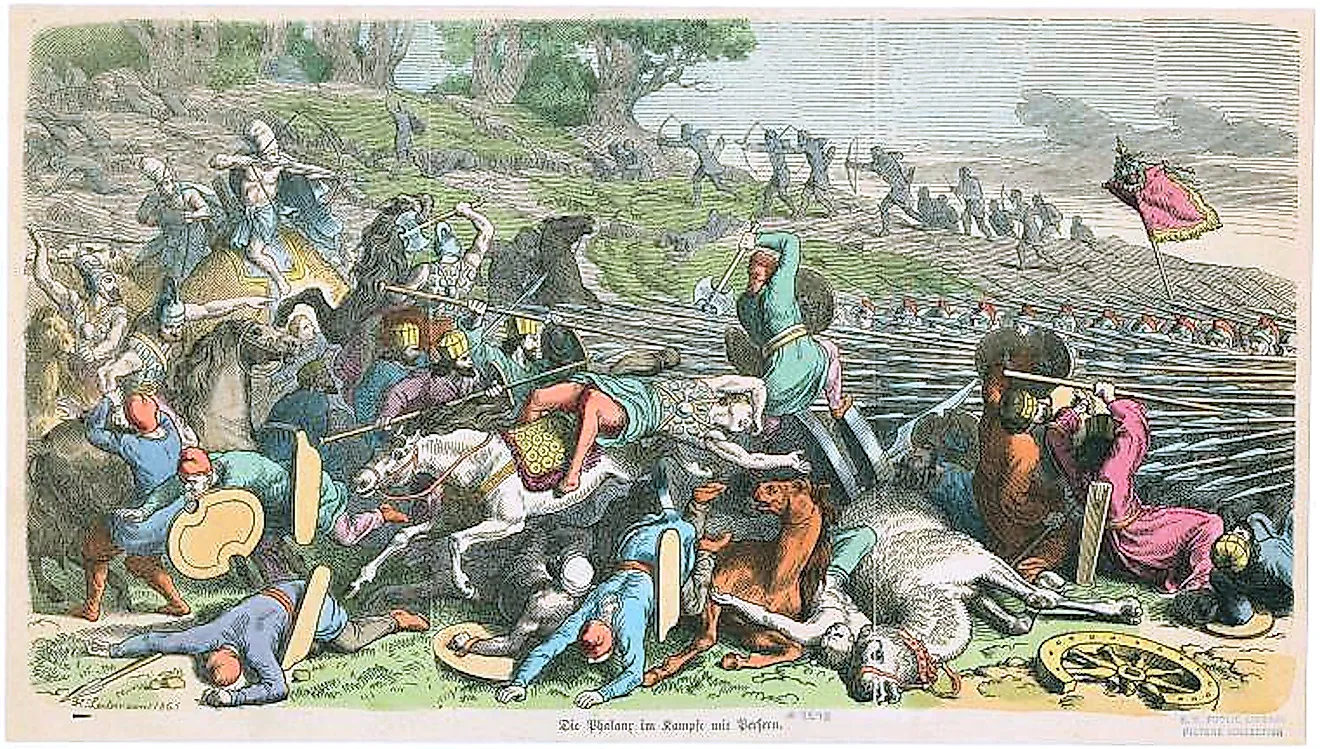
Epaminondas is one of the most famous generals from the Greek world. Little is known about his early life, primarily since his main biography, a section in Plutarch's Parallel Lives, has been lost. We do know that he emerged to prominence as a major military figure in the 370s BCE. The city of Thebes was under Spartan domination (as was much of the rest of Greece), and Epaminondas helped secure its independence. This culminated in the Battle of Leuctra in 371 BCE, when the Thebans soundly defeated Sparta. They were primarily able to do this due to Epaminondas' oblique attack, in which he concentrated his forces on his left wing to smash through Spartan defenses.
Over the next ten years, Epaminondas worked to further dismantle Spartan influence and establish Theban strength. He invaded the Peloponnese several times and freed the Messenian Helots, who had been enslaved by Sparta. This disrupted the backbone of Sparta's economy. Ultimately, Epaminondas' final engagement came at the Battle of Mantinea in 362 BCE. The Thebans again defeated a Spartan-led coalition, but Epaminondas was killed. Thus, even though he never lost a pitched battle (he was, however, turned back at Corinth in 369 BCE), Epaminondas wasn't invincible.
Alexander The Great (356 to 323 BCE)

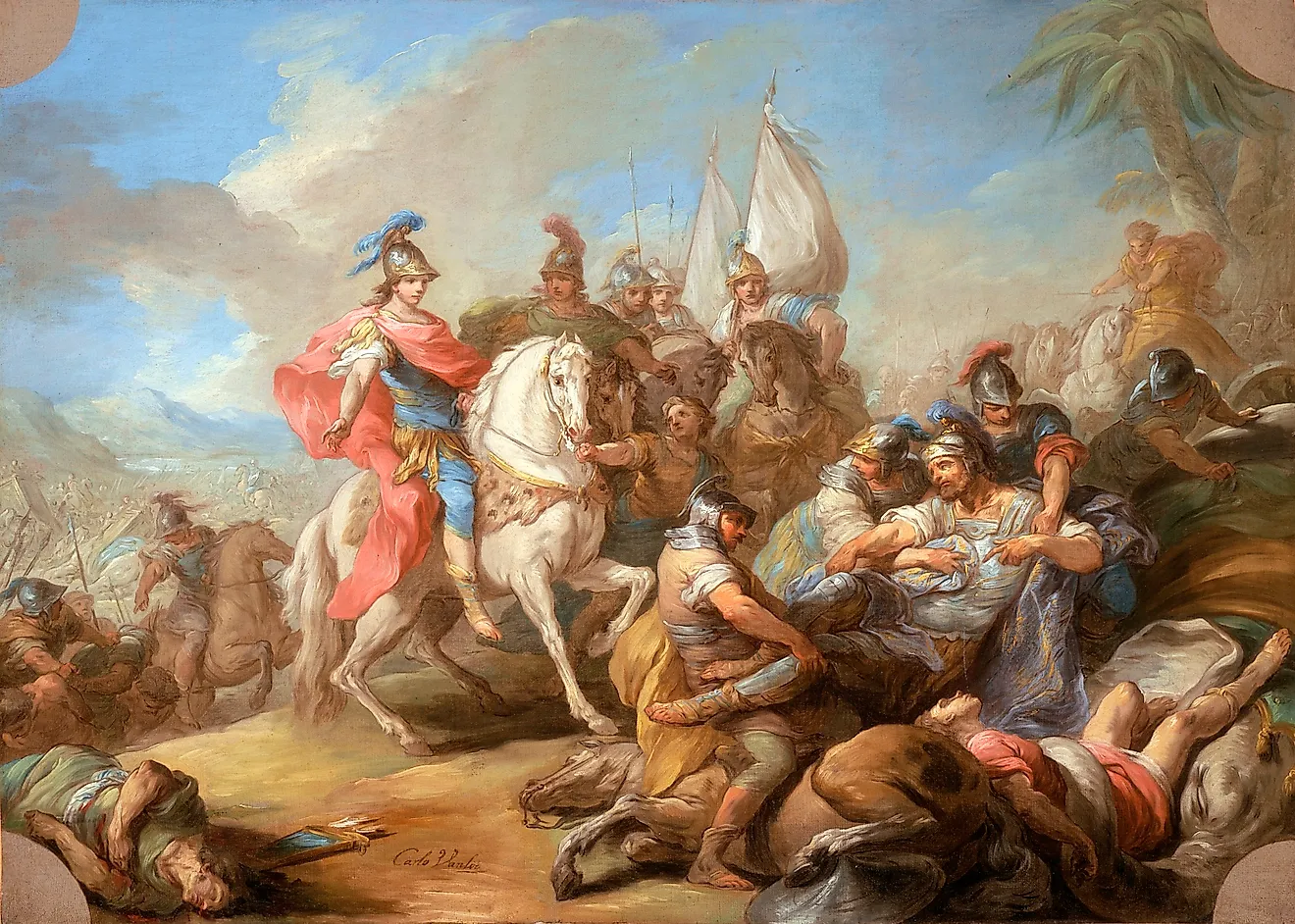
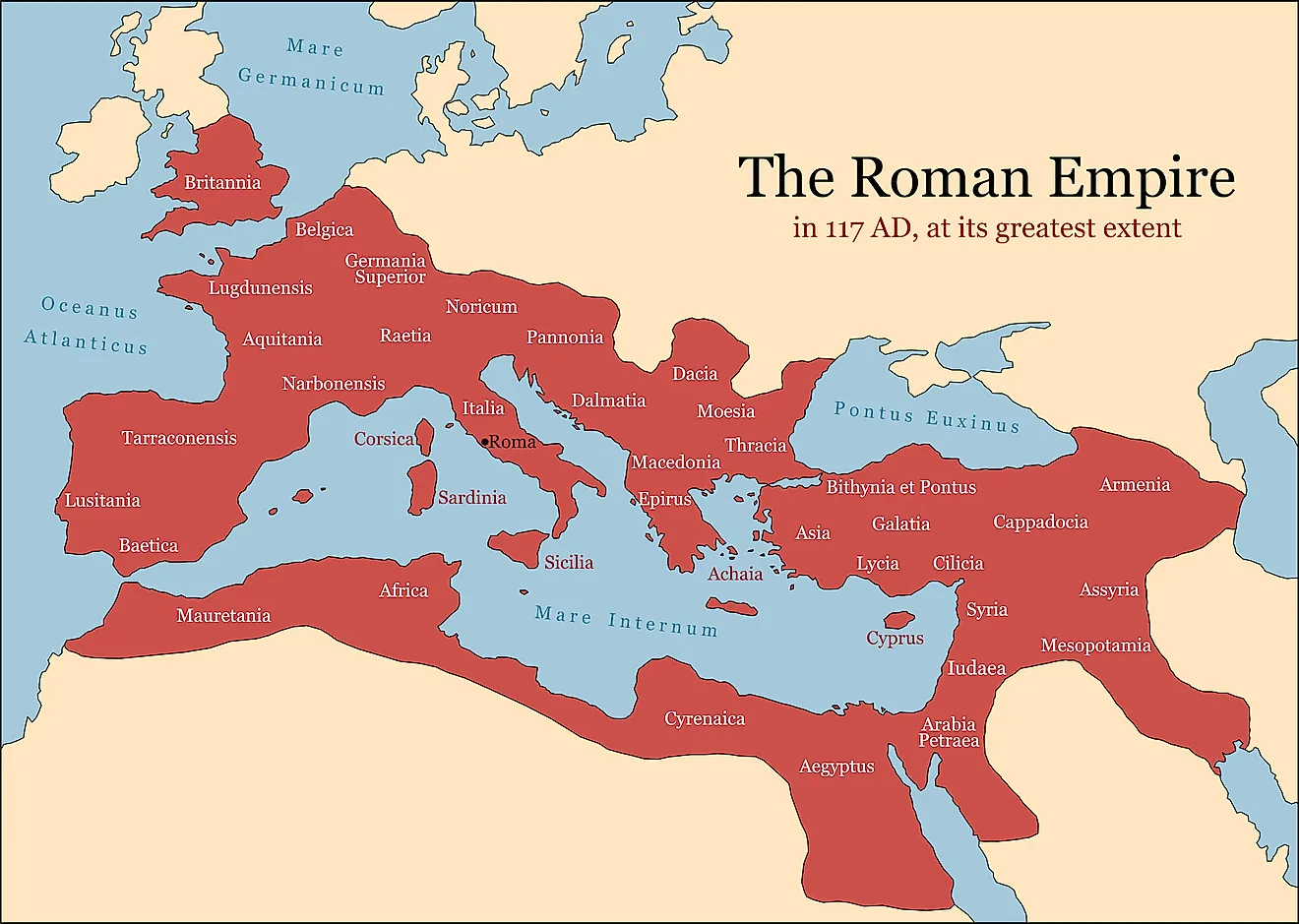
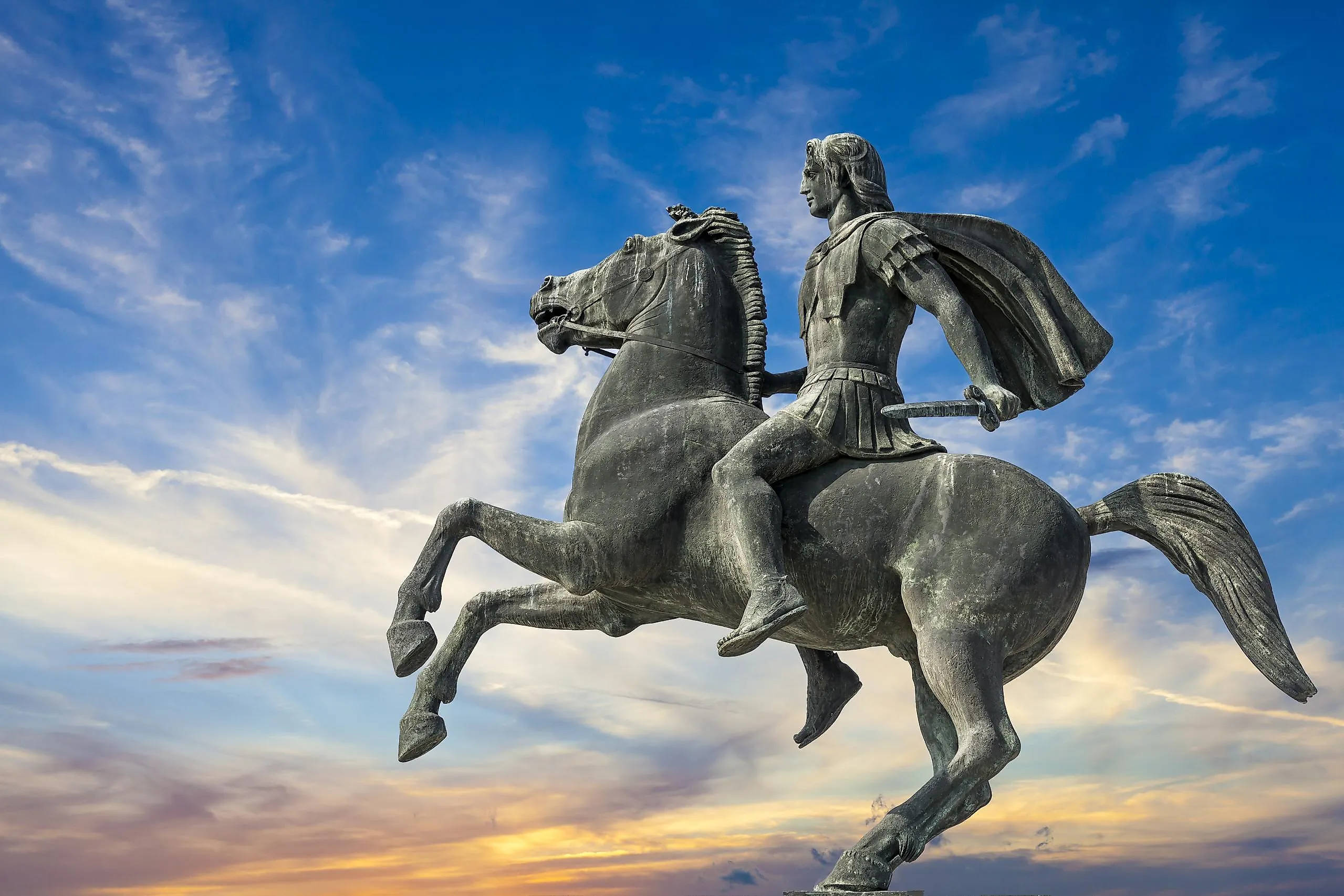
When people talk about generals who never lost a battle, Alexander the Great is almost always the first person to come up. This is for good reason. He has the best claim to this achievement out of anyone discussed in this article. Alexander became King of Macedon in 336 BCE at the age of twenty. Utilizing the military reforms that his father, Philip II, established, the young king built one of the largest empires in world history. After subduing rebellions at home and in the Balkans, Alexander invaded Persia in 334 BCE. He eventually reached Egypt, founded the city of Alexandria, and then turned his attention to the Persian heartland. The climactic engagement of the campaign occurred with the Battle of Gaugamela in 331 BCE, in which the Persian King Darius III was forced to flee.
Alexander then turned his attention to Central Asia. Difficult terrain and guerrilla warfare tactics from tribes in the region made this campaign much more difficult than the one that preceded it. Nevertheless, Alexander eventually prevailed and set his sights on India. Even though he won some early battles, the exhausted Macedonian army refused to follow Alexander any further. He was forced to turn back and return to Persia in 324 BCE. Alexander began to plan future campaigns in places like Arabia, but he died under mysterious circumstances in 323 BCE before any of them could be realized.
Despite never losing a battle, Alexander still occasionally struggled. Sieges were notoriously difficult for him, as exemplified by the Sieges of Tyre and Gaza in 332 BCE that took far longer than expected. His return journey to Persia was also disastrous. Rather than coming back the way he had come, Alexander marched his troops through the Gedrosian Desert. With little food or protection from the elements, thousands of soldiers died (more than in any battle). Examples like these demonstrated that while Alexander never lost a military engagement, he was hardly a perfect general.
Scipio Africanus (236 BCE to 183 BCE)

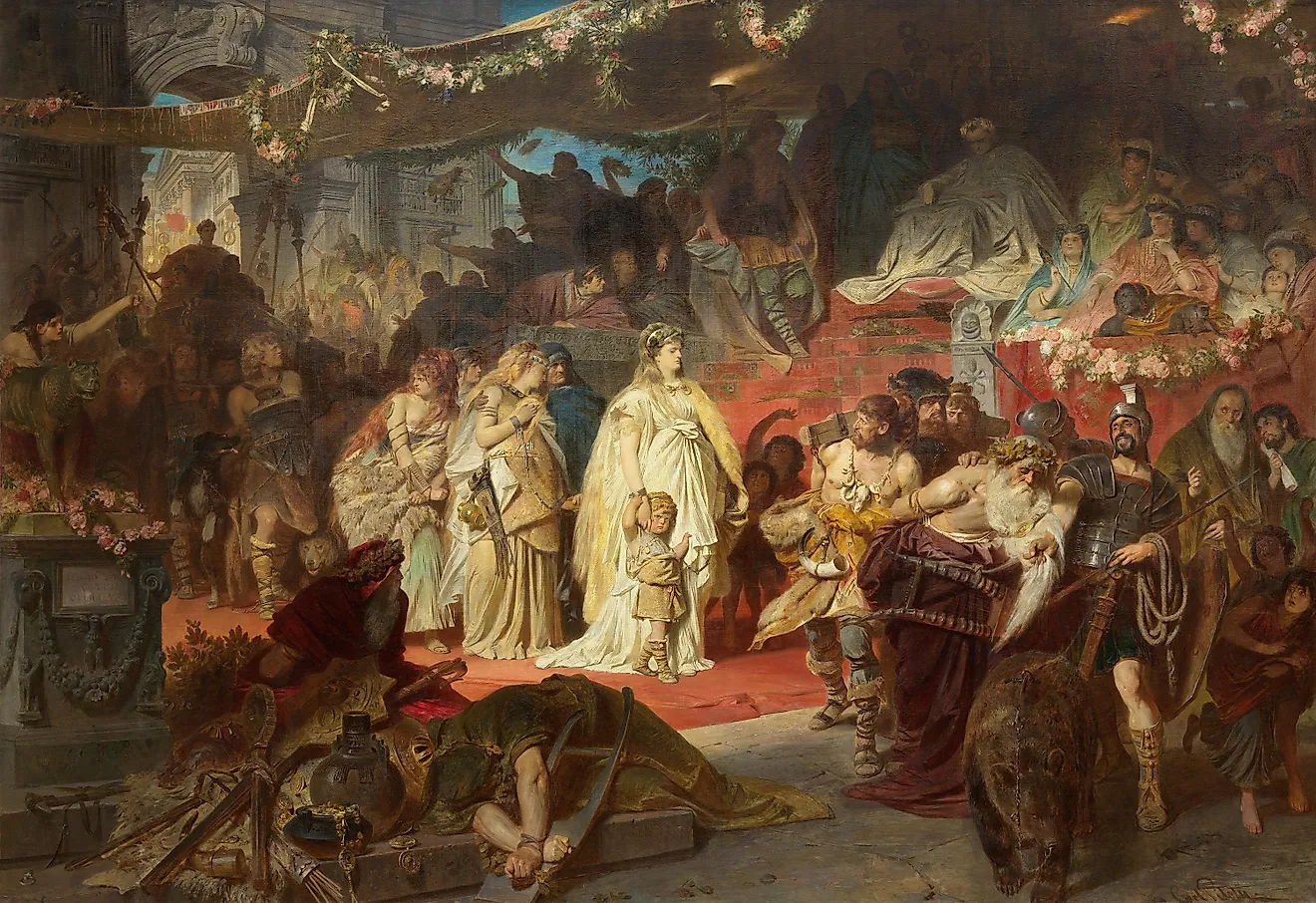
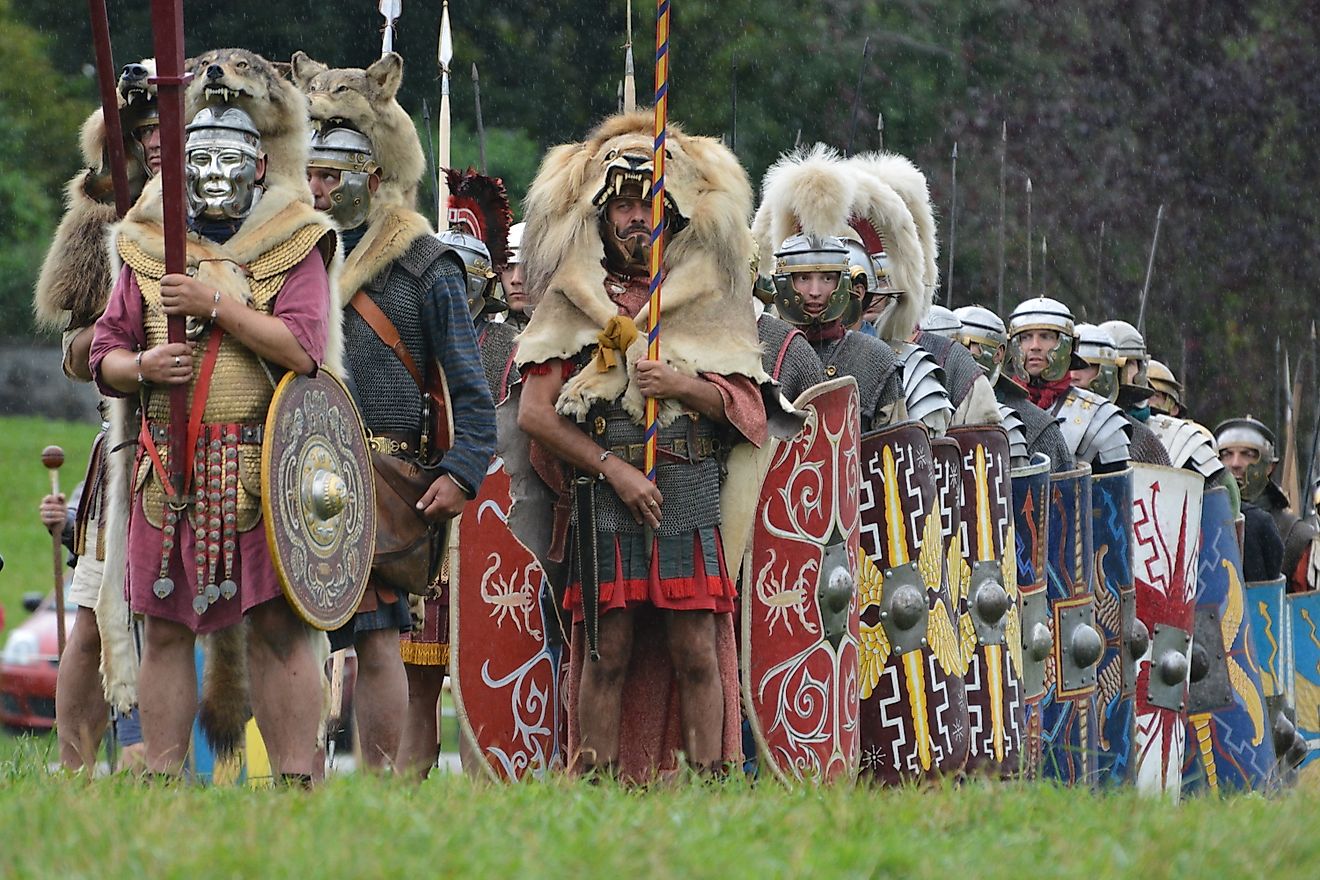
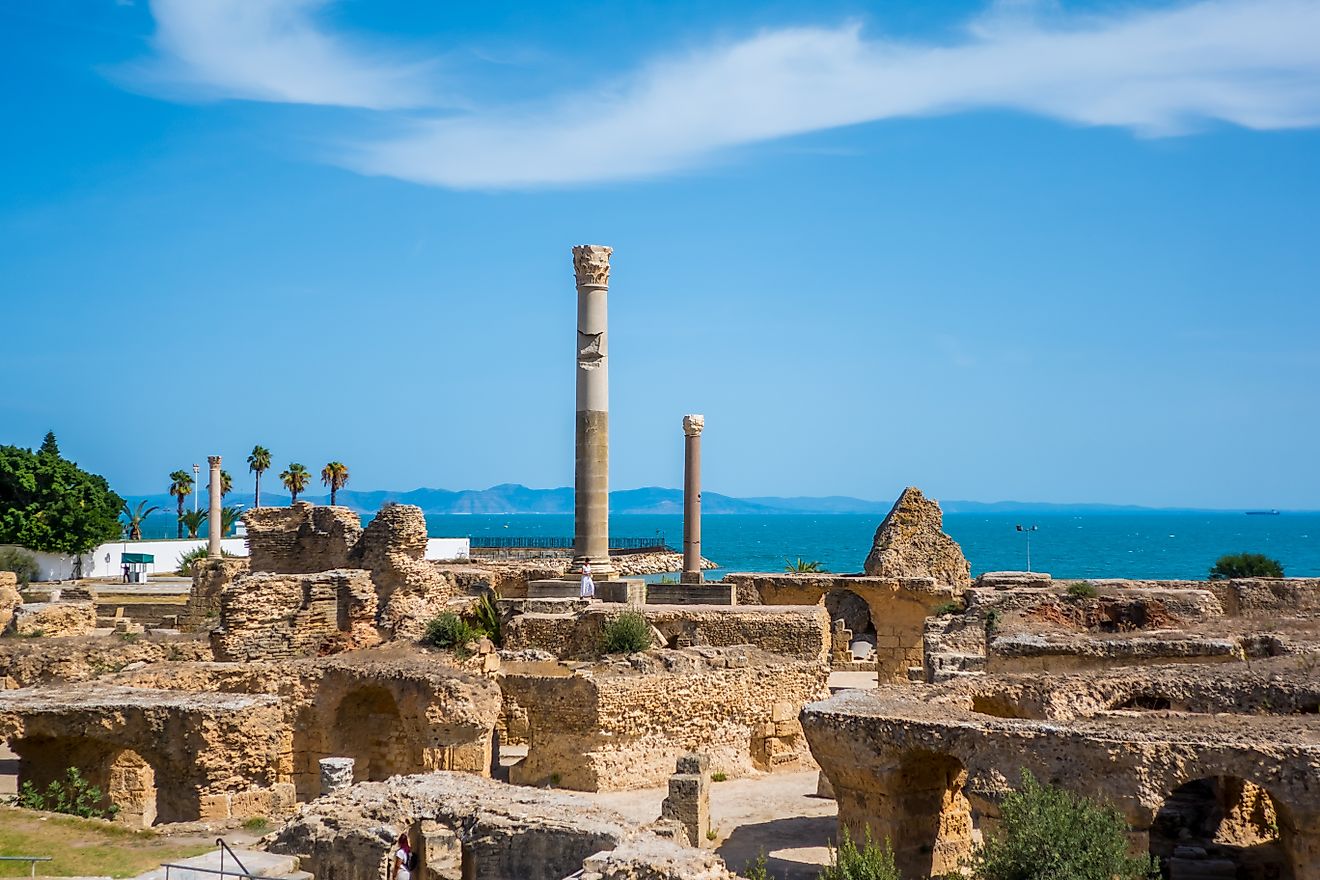
Scipio Africanus is another general who could reasonably claim to be unbeaten. He rose to prominence during the Second Punic War (218 to 201 BCE), in which Carthage invaded the Roman Republic. Scipio helped turn the tide when all seemed lost, winning at Carthago Nova in 209 BCE, Baecula in 208 BCE, and Ilipa in 206 BCE. However, the defining moment of his career came in 202 BCE, when he defeated Carthaginian general Hannibal Barca at the Battle of Zama. This effectively knocked Carthage out of the war and made Scipio a war hero.
As with all the generals discussed in this article, Scipio's unbeaten record needs to be considered with a caveat. Indeed, he never lost a battle as a general, but this doesn't mean that he never experienced defeat. As a young soldier and junior officer, Scipio was present for several catastrophic battles. The most significant of these was the Battle of Cannae in 216 BCE, in which the Romans lost between 50,000 and 75,000 troops.
Impact And Legacy

The ancient world produced several unbeaten generals, albeit with a few caveats. There's no evidence that Thutmose III ever lost a battle, but sources from his time are few and far between. Epaminondas was killed in combat, even if his army still won. Alexander the Great struggled with sieges and disastrously marched his army through the Gedrosian Desert. Finally, Scipio Africanus never lost a battle as a commanding officer, but still experienced defeats as a young soldier and junior officer.