How The Ides Of March Changed The Roman Empire
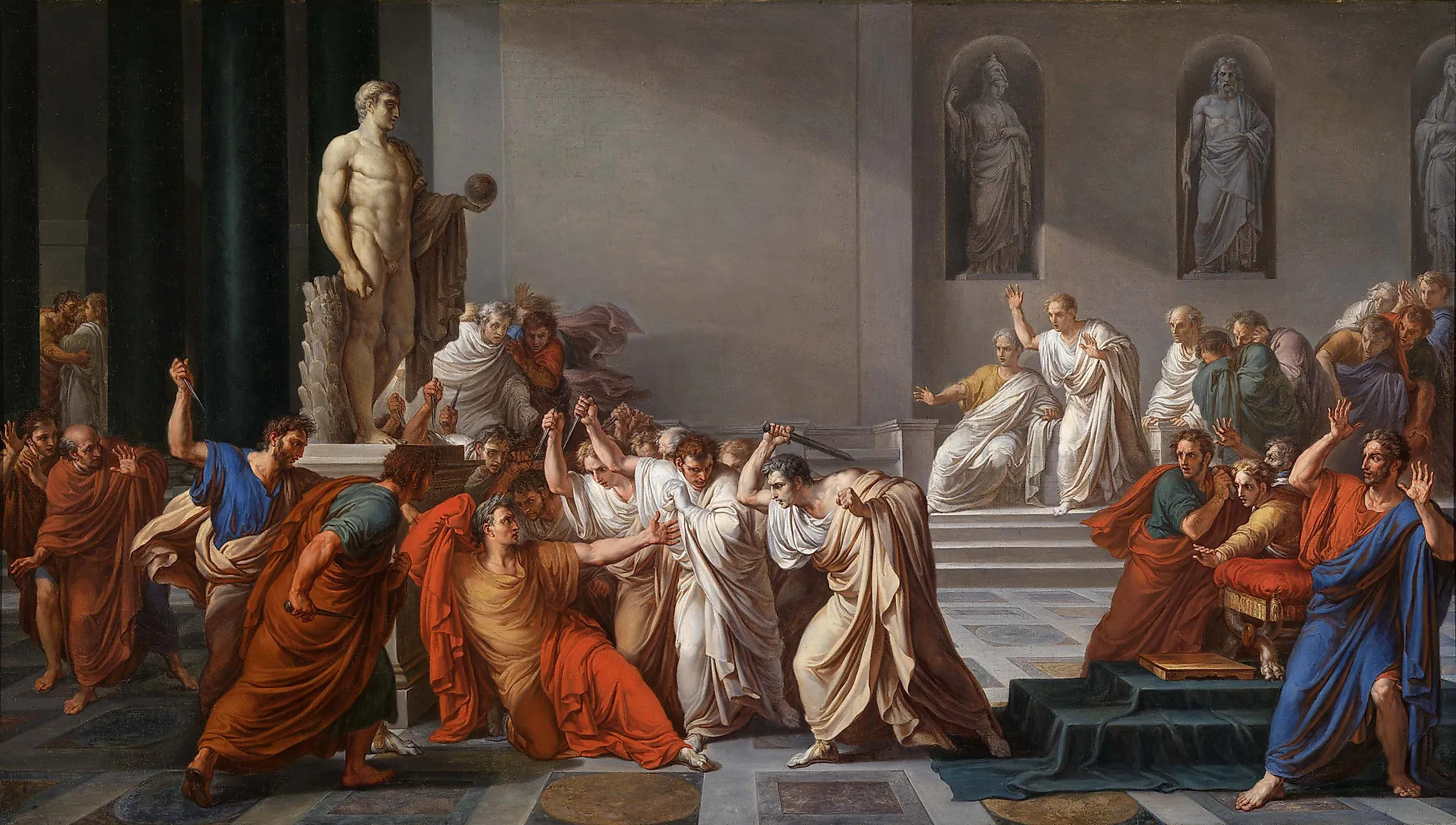
On March 15, 44 BCE, Julius Caesar was assassinated. Known as the Ides of March (ides referred to the middle of the month in the Roman calendar), this date altered the course of history. The senators who killed Caesar meant to save the Roman Republic from an increasingly tyrannical dictator. This plan backfired, and Rome plunged into a decades-long civil war. It ended with Augustus becoming emperor in 27 BCE and the rise of the Roman Empire. The assassination meant to save the Republic had inadvertently destroyed it.
Context

By the late 50s BCE, Rome was in trouble. General Julius Caesar’s Gallic campaign had given him immense wealth, military power, and personal popularity. This alarmed the Senate and other generals, such as Pompey. Eventually, they demanded that Caesar disband his legions and step down as governor of Gaul. Caesar refused, and on January 10, 49 BCE, he led his army across the Rubicon River, the border of Rome proper. Doing so was an effective declaration of war.

Rather than fighting Caesar in Italy, Pompey and the senators fled to Greece. After quickly taking Italy and Spain, Caesar travelled east. Following a defeat in the Battle of Pharsalus, Pompey then fled to Egypt. He was almost immediately murdered by Egyptian king Ptolemy XIII, who did so in an attempt to curry favor with Caesar. The Roman general instead allied himself with Ptolemy’s rival and sister, Cleopatra. Together, they secured the Egyptian throne and defeated the last remnants of Pompey’s forces. By 45 BCE, the war was won.
The Assassination Of Julius Caesar

Sometime between January 26 and February 15, 44 BCE, Caesar declared himself dictator for life. While many senators went along with this declaration, doing so out of a mixture of fear and genuine admiration for his military prowess, some opposed it. Hatred of kings was a cornerstone of Roman politics ever since the Republic was founded in 509 BCE, and Caesar’s rule increasingly reassembled that of a monarch. When combined with personal rivalries, this set the stage for an assassination plot.

On March 15, 44 BCE, Caesar entered the Theater of Pompey for a Senate meeting (the Senate building itself was undergoing renovations). He was met by 60 senators who stabbed him to death. Ancient sources assert that Caesar was stabbed 23 times, but the truth of this claim is impossible to verify. Among the conspirators were Gaius Cassius Longinus, Decimus Junius Brutus Albinus, and Caesar’s friend, Marcus Junius Brutus.
Rome Descends Into Civil War

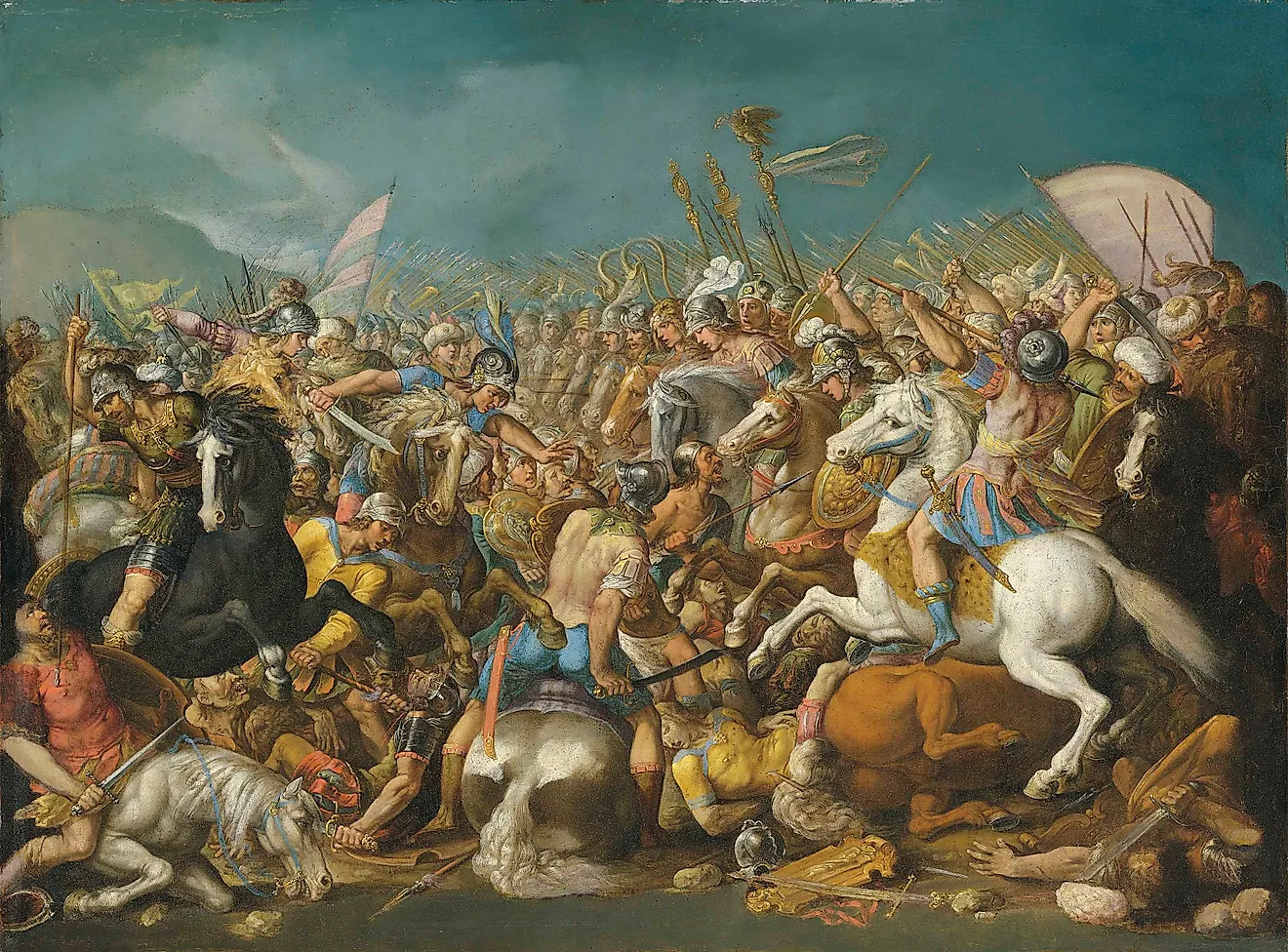
While the conspirators all agreed they wanted to save the Republic, they didn’t have a clear plan for how to do so after Caesar's death. Rome therefore almost immediately descended into civil war. On one side was an alliance of Caesar supporters called the Second Triumvirate. Made up of Mark Antony, Caesar’s consul and lieutenant, Octavian, Caesar’s nephew, and Marcus Aemilius Lepidus, a powerful military commander, they fought against the assassins, led by Brutus and Cassius. This stretch of the war was relatively short, and the Second Triumvirate defeated the assassins at the Battle of Philippi in 42 BCE. Brutus and Cassius committed suicide soon afterward.
Mark Antony Vs. Octavian

Even though the assassins were gone, the war wasn’t over. Tensions were brewing in the Second Triumvirate. The source was Antony’s political and romantic relationship with Cleopatra. This alliance was initially mutually beneficial for the two leaders. Antony needed access to Egypt’s wealth and grain to fund his campaign against the Parthian Empire, and Cleopatra needed Roman military support to secure her position on the Egyptian throne.

Problems arose when politics and romance mixed. In 34 BCE, Antony promised vast swaths of eastern Rome to Cleopatra and her children (one of whom was Caesar’s child named Caesarion). Known as the Donations of Alexandria, Octavian used this to launch a propaganda campaign against Antony, arguing that he had been corrupted by an “eastern” queen and was no longer loyal to Rome. The campaign worked, and the Senate declared war on Cleopatra (and effectively Antony as well) in 32 BCE.
The Rise Of The Roman Empire

The climactic engagement in the conflict between Octavian and Antony/Cleopatra was the Battle of Actium in 31 BCE. A massive naval battle off the coast of Greece, it saw Antony and Cleopatra attempt to break a blockade caused by Octavian. Antony’s fleet began by trying to brute force its way through. However, this didn’t work. Recognizing that the tide was turning, Cleopatra fled, and Antony did the same. Leaderless and directionless, their fleets were subsequently decimated.

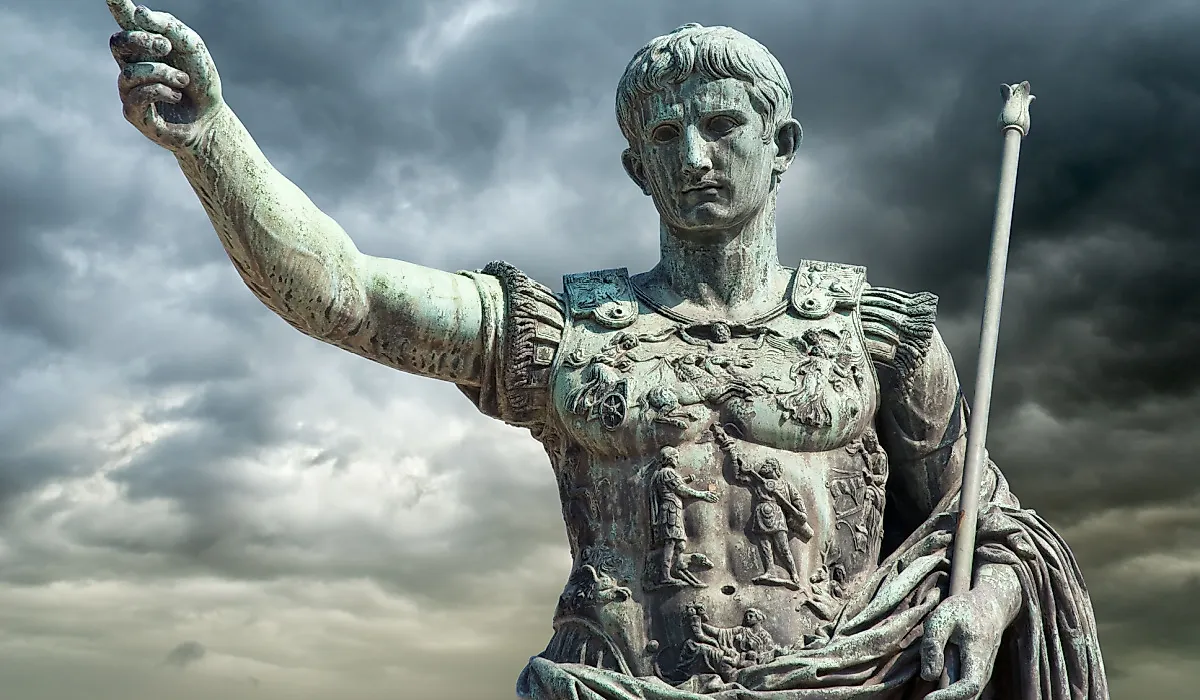
Cleopatra and Antony regrouped in Egypt. Without any meaningful land army, they put up little fight against Octavian’s invasion in 30 BCE. The two lovers committed suicide, and Egypt fell under Roman control. Without any meaningful challengers, Octavian was free to rule as he saw fit. In 27 BCE, he became Rome’s first emperor and renamed himself Augustus, a title meaning “revered one”. The Republic was dead, and the Empire had begun.
Augustus learned from the mistakes of Caesar and kept republican trappings. The Senate continued to exist, as did consuls and popular assemblies. These measures helped prevent backlash from elites and everyday people. Nevertheless, the emperor was now the only one with any real power.
Impact And Legacy

Julius Caesar’s assassination on the Ides of March led to the rise of the Roman Empire. In the immediate aftermath, Rome descended into civil war between Caesar’s allies and assassins. While this was quickly resolved, the conflict between Octavian and Antony kept tensions high. Eventually, the two clashed in the Battle of Actium, leading to Antony’s death and Octavian becoming the undisputed ruler of Rome.