How the Peloponnesian War Weakened Ancient Greece
The Peloponnesian War (431 BCE to 404 BCE) was one of the most destructive events in the ancient world. Occurring between the democratic Athens and the oligarchic Sparta, it was one of the first recorded examples of total war. Thousands were killed, economies were devastated, and alliances were broken. All this meant that Greece was divided and weakened for decades following the conflict, paving the way for a state like Macedonia in the north to establish dominance over the entire region.
Human Cost

Perhaps the most obvious impact of the Peloponnesian War was the loss of life. Due to countless battles over nearly thirty years, thousands of soldiers died. While it is impossible to know which had the highest death toll, the Battle of Syracuse in 413 BCE, in which the Athenian fleet got trapped and sank in the Great Harbour of Syracuse, resulted in the deaths of thousands of sailors. Over a hundred Spartan soldiers were also killed in the Battle of Sphacteria in 425 BCE. However, deaths did not just come from battles. Indeed, from 430 BCE to 426 BCE, Athens suffered a plague that killed between 75,000 and 100,000 people. This was partly due to overcrowding in the city caused by people fleeing from Attica, the region north of Athens, after Sparta invaded it many times at the beginning of the war. In short, while the exact number is unknown, the Peloponnesian War caused the deaths of thousands of soldiers and citizens alike.
Economic Impact

The war also had enormous economic implications. As previously mentioned, Sparta invaded Attica several times to begin the war. The Spartans proceeded to burn the farmland, thereby putting enormous pressure on Athens' food supply. While Athens survived due to its strong naval shipping network, the destruction of its primary and most easily accessible agricultural region nonetheless slowed economic growth for years. Furthermore, food shortages within the city, paired with its increased population, led to an increase in impoverished Athenians, a poverty that persisted after the war. More generally, massive military spending strained nearly every Greek city-state. Athens drained the treasury of its alliance, the Delian League, and Sparta relied on financial aid from Persia to fund its war efforts. Greece was thus financially exhausted by the end of the conflict. When combined with fewer people to help rebuild due to the high death toll and weakened agricultural capacity, this meant that essentially no Greek city-state ever regained its pre-war strength.
A Divided Greece

Sparta won the Peloponnesian War. However, Greece was hardly unified. Indeed, as Sparta imposed oligarchic governments in traditionally democratic city-states, like Athens, many began to resent its rule. Greece thus split into competing blocs, ultimately leading to the outbreak of the Corinthian War. Lasting between 395 BCE and 387 BCE, Sparta fought against a coalition of Athens, Thebes, Corinth, and Argos. Persia also participated, shifting its allegiance depending on which side weakened Greece the most at any particular instance. This war ultimately left Sparta much weaker. Spartan influence was further diminished following the 371 BCE Battle of Leuctra, which temporarily made Thebes the most powerful city-state in Greece. All these conflicts and shifts in power meant that Greece was divided in the years following the Peloponnesian War, making it a prime target for a more unified state to take control.
The Rise of Macedonia

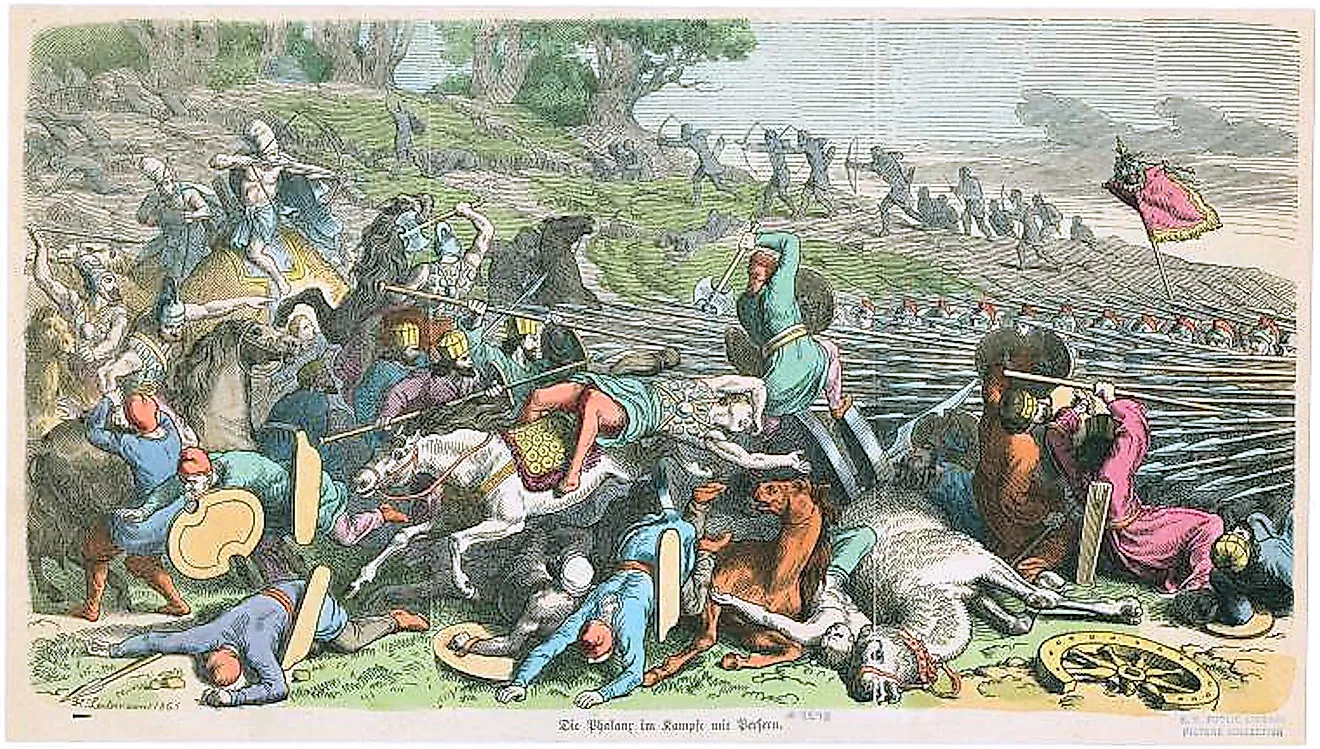
Macedonia, a state in Northern Greece, emerged as this hegemon. While technically part of the Greek world, Macedonia had traditionally been considered less civilized and backward. This was due to its loose state organization and its monarchical government, which many southern Greeks thought was outdated. However, these sentiments changed under the leadership of Phillip II. After becoming King of Macedonia in 359 BCE, he rapidly transformed the country. A major component of this transformation was in the military, with Phillip II creating a professional standing army that contrasted the citizen-based armies seen in much of the rest of Greece. He also introduced the Macedonian phalanx and an elite cavalry unit known as the Companion. All this meant that the Macedonian Army became the most powerful military force in Greece under Phillip II.
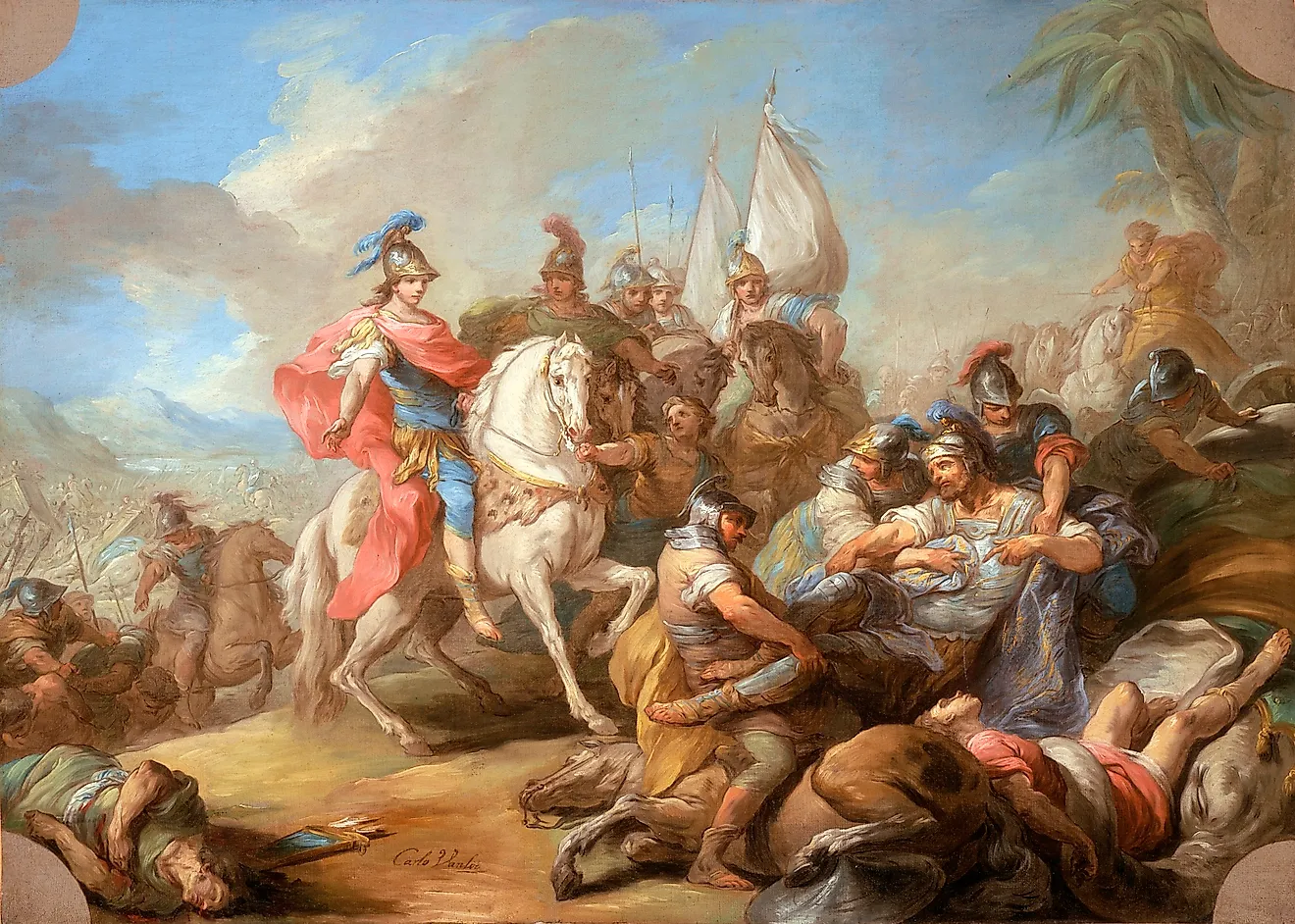
Macedonia first made incursions into the south via diplomacy and bribery, with Phillip II taking seven wives and bribing politicians in Greek city-states to help secure alliances. After exercising this soft power, Phillip II then utilized Macedonia's military. This culminated in the Battle of Chaeronea in 338 BCE, in which Macedonia defeated an Athenian and Theban alliance. After the battle, Phillip II created the Corinthian League, an effective Macedonian Empire that established the country as the hegemon of Greece.
Impact and Legacy
The Peloponnesian War fundamentally reshaped and weakened Ancient Greece. The human and economic costs meant that the major city-states never again reached the heights of their pre-war power. Furthermore, unpopular Spartan leadership and consistent conflicts prevented meaningful alliance-building. All this set the stage for Macedonia to gain increasing influence before finally becoming the Greek hegemon in 338 BCE.