How Sparta Won the Peloponnesian War
As one of the largest wars in ancient history, the Peloponnesian War (431 BCE to 404 BCE) fundamentally reshaped the Greek world by marking the end of the Athenian Golden Age and establishing a temporary period of Spartan hegemony. Athens' naval superiority and its ever-growing alliance, the Delian League, made it, by most accounts, the most powerful state in Greece at the beginning of the conflict, so it is well worth investigating how Sparta managed to win the Peloponnesian War. Doing so reveals that Sparta leveraged its military strengths, bolstered by Persian aid, while Athens made a series of strategic and political errors that further contributed to a Spartan victory.
Background

What is widely known as the Peloponnesian War was actually the second conflict of that name. Indeed, the First Peloponnesian War occurred between Athens and Sparta from 460 BCE to 445 BCE and ended with a treaty called the Thirty Years' Peace. This was supposed to establish a dual-hegemon system in Greece, with Athens controlling the sea and Sparta controlling the land. However, under the leadership of Pericles, Athens began to both expand the Delian League and assert more control over it. Hence, by the mid 430s BCE, the Delian League essentially functioned as an Athenian Empire. This threatened Sparta and, when combined with immediate tensions between Athenian and Spartan allies, resulted in a declaration of war in 431 BCE.
Sparta's Strategy

Sparta's greatest advantage was its ability to leverage key aspects of its military strength. As previously noted, Sparta was primarily a land-based power. Therefore, it began the conflict by launching regular invasions of Attica, the countryside north of Athens. The Spartans destroyed Attica's farmland, which put a strain on the city's food supply. Furthermore, as Atticans fled into Athens, the city became overcrowded. This contributed to the outbreak of a plague in 430 BCE, which killed between 75,000 and 100,000 people, including Pericles.
Athenian Errors

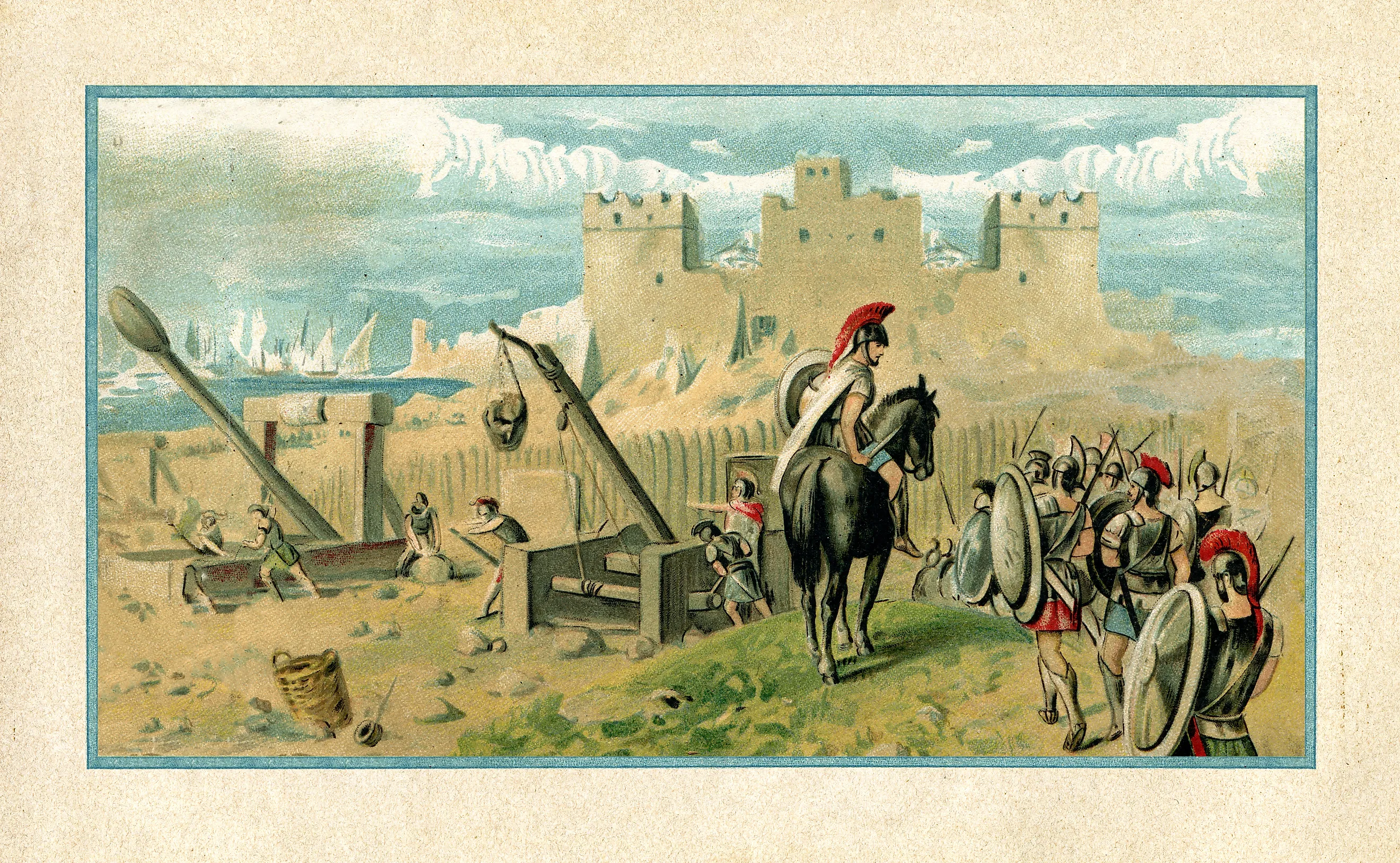
Sparta's strategic successes were buoyed by a few major errors made by Athens. Perhaps the largest of these mistakes came in the Battle of Syracuse in 413 BCE. Two years earlier, Athens had begun a campaign to conquer the island of Sicily. This culminated in efforts to take its largest and most important city, Syracuse. During the battle, the Athenian fleet got trapped and destroyed in Syracuse's harbor. On a practical level, this defeat severely weakened Athenian naval power and resulted in the loss of an enormous number of resources. Perhaps more importantly, it took a significant psychological toll on Athens and its allies. Up to this point, Athens had enjoyed relatively unrivaled naval power in Greece. Now that this was no longer the case, the basis for supporting Athens was much weaker. This led many of its allies to revolt, further worsening Athens' increasingly dire position.

Athens also made some major political errors throughout the war. For instance, after it lost the Battle of Notium in 406 BCE, famed commander Alcibiades was falsely blamed for the defeat and went into voluntary exile. However, perhaps the largest political error occurred after the Battle of Arginusae that same year. Despite winning the battle, thousands of Athenian soldiers died in a storm that hit the area shortly thereafter. Angered by the inability to save the soldiers, the Athenian public voted to have the six generals responsible executed. This measure left the military without strong leadership at a crucial point in the war, leaving Athens at a disadvantage for the remaining two years of the conflict.
Persian Aid

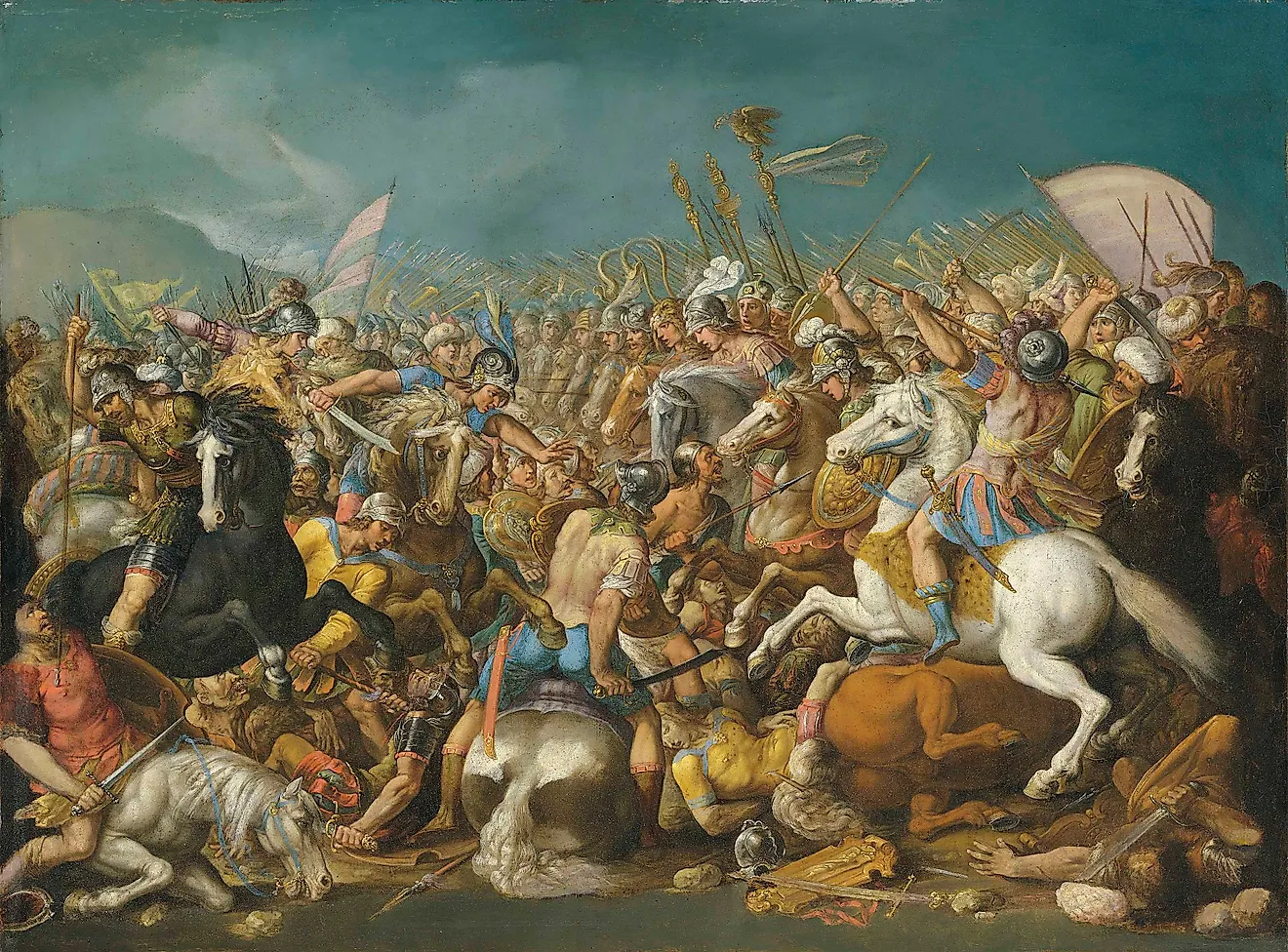
The final reason Sparta won the Peloponnesian War was aid from the Persian-based Achaemenid Empire, which supported Sparta because of Athenian control of coastal cities in western Anatolia that had previously been under Persian rule. Therefore, to regain a foothold in the region, the Achaemenids provided Sparta with substantial financial aid. This allowed Sparta to invest in its navy, which, by the end of the conflict, rivaled that of Athens. Sparta's naval power eventually proved crucial in the decisive battle of the Peloponnesian War, the Battle of Aegospotami (405 BCE), which saw Sparta destroy almost the entire Athenian navy and gain control of the crucial Black Sea grain supply route. With this, Sparta could now enforce blockades against Athens, forcing their surrender in 404 BCE.
Impact and Legacy
Despite decades of Athenian dominance in Greece in the years leading up to the conflict, Sparta managed to win the Peloponnesian War. This occurred for several reasons. First, Sparta immediately took advantage of its land superiority by pressuring Athenian food supplies and forcing internal strife within Athens. Second, Athens itself made several notable military and political errors. Finally, Persian support was arguably the deciding factor, since it allowed the Spartans to finally rival Athens' naval might.