How Did The Battle Of Actium Lead To The End Of Ptolemaic Egypt
The Battle of Actium (31 BCE) was one of the most important military engagements of the ancient world. As the climactic battle of the final civil war of the Roman Republic, it pitted Octavian against Mark Antony. The battle had enormous consequences for Egypt. Cleopatra ruled Egypt at the time and had allied herself with Antony to secure her country's independence. When Antony lost the battle, Cleopatra also lost her grip on power, and Egypt became part of the newly formed Roman Empire.
Background

In 44 BCE, Roman general and dictator Julius Caesar was assassinated by a group of senators, led by Brutus and Cassius, who were concerned about his increasingly tyrannical rule. The assassins intended to save the Roman Republic, but they had no coherent plan for governing after Caesar. The Republic descended into civil war.

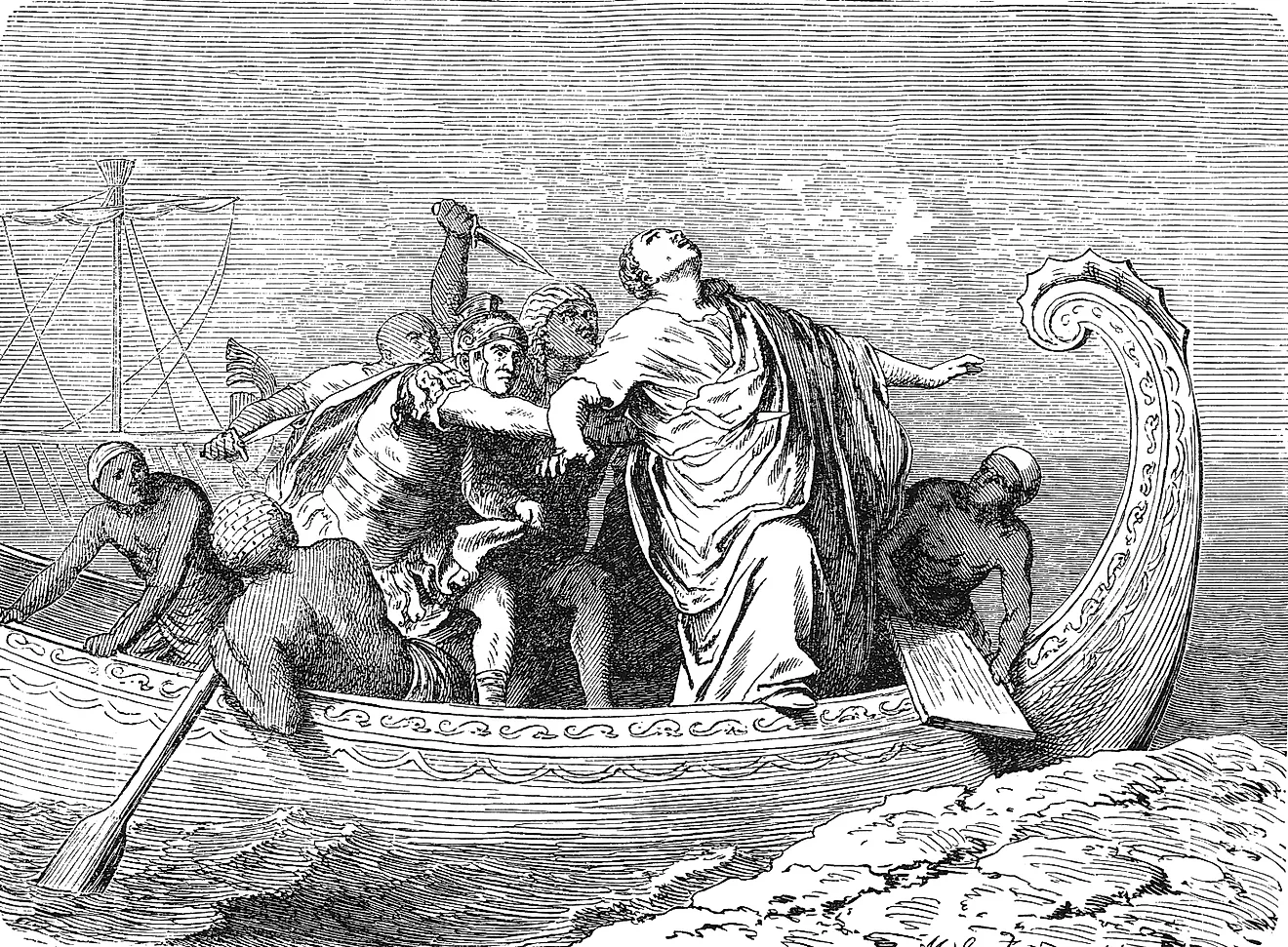
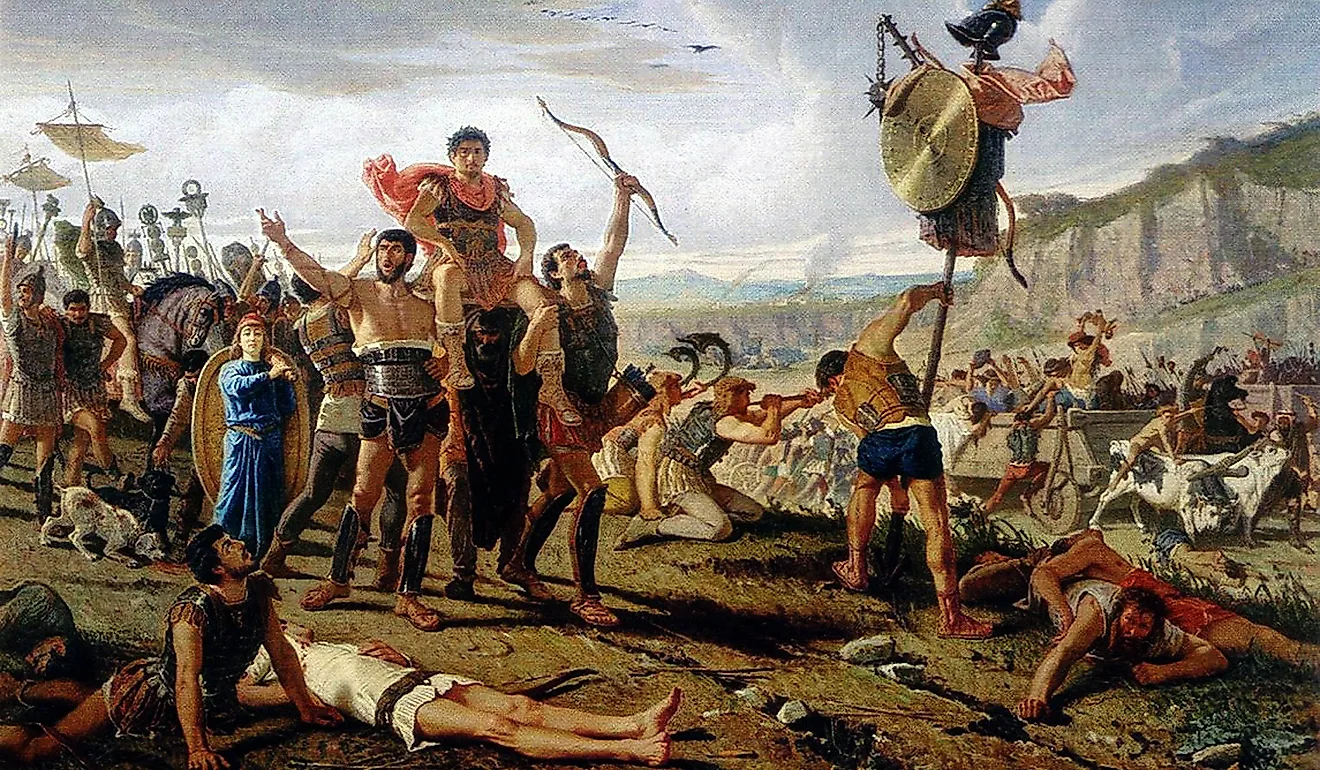
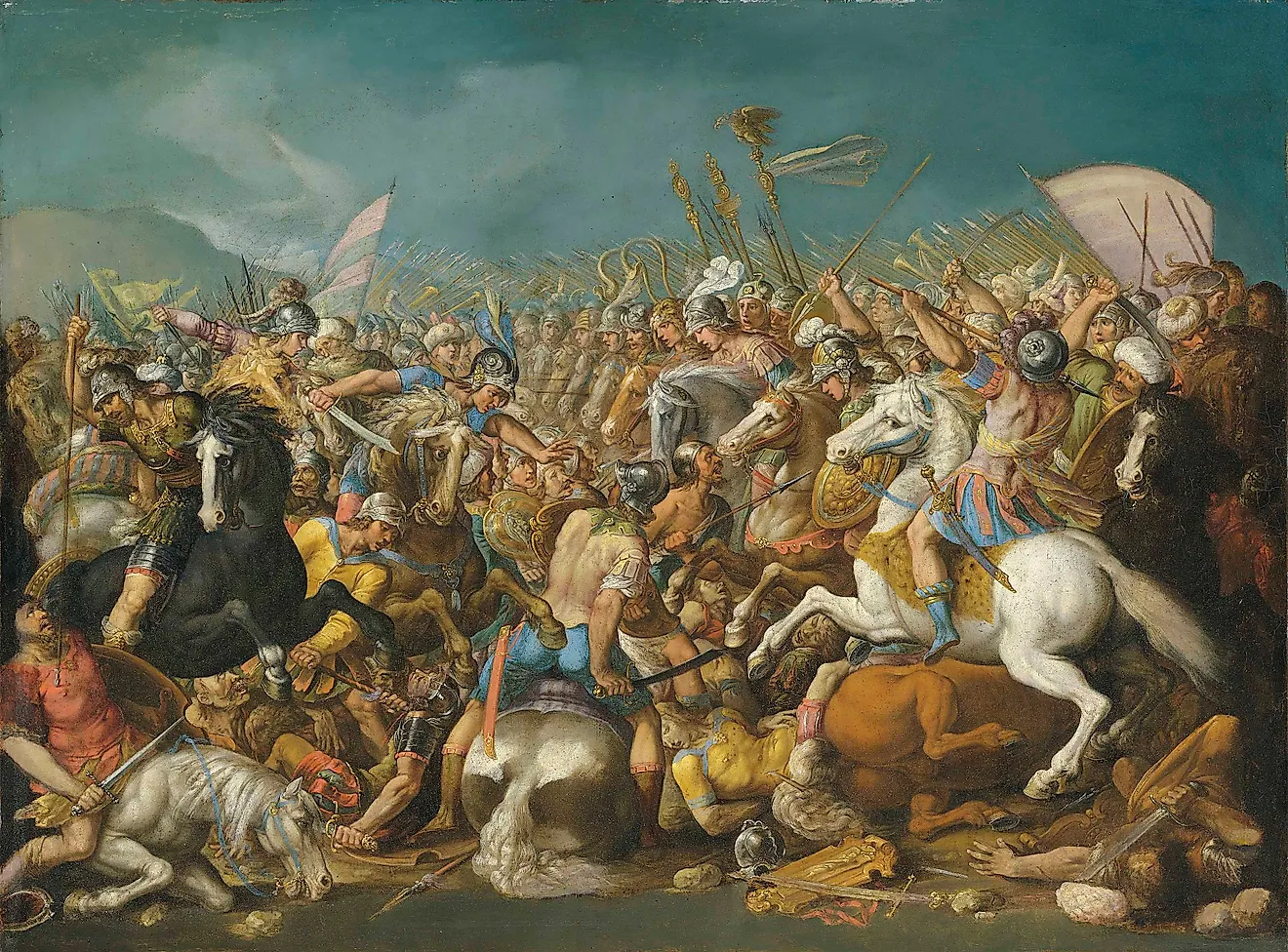
The two sides were the Second Triumvirate, led by Caesar's allies Mark Antony, Octavian, and Marcus Lepidus, and the assassins, led by Brutus and Cassius. After failing to secure control of Rome itself, the assassins fled east to raise an army. The two sides met at the Battle of Philippi (42 BCE) in Macedonia. Philippi was actually two engagements. In the first, Antony defeated Cassius while Brutus defeated Octavian. Two weeks later, Antony and Octavian defeated Brutus, who took his own life.
Cleopatra And Mark Antony

Defeating the assassins did not stabilize Rome. The root of the new instability was Antony's alliance with Egypt's leader, Cleopatra. She had previously been in a strategic and romantic relationship with Caesar, who helped her defeat her brother in an Egyptian civil war and secure her position on the throne. With Caesar gone, Cleopatra needed to keep Roman support. When Antony summoned her to meet him in Anatolia in 41 BCE, she went. The two quickly became allies and lovers.

The relationship was mutually advantageous. Antony wanted Egyptian financial and military aid to secure control of Rome's Eastern provinces, which he now ruled. Cleopatra wanted protection for Egypt's independence and recognition of her children's legitimacy as her heirs, particularly Caesarion, the son she had with Caesar. The high point of their alliance came in 34 BCE when, in a lavish ceremony in Alexandria, Antony distributed large swaths of Eastern Roman territory to Cleopatra and her children, proclaimed her "Queen of Kings," and declared Caesarion the legitimate son of Caesar.
The ceremony bolstered the alliance but caused outrage in Rome. Octavian argued that it proved Antony was disloyal and controlled by Cleopatra. The Senate stripped Antony of his powers, and Rome descended into civil war.
The Battle

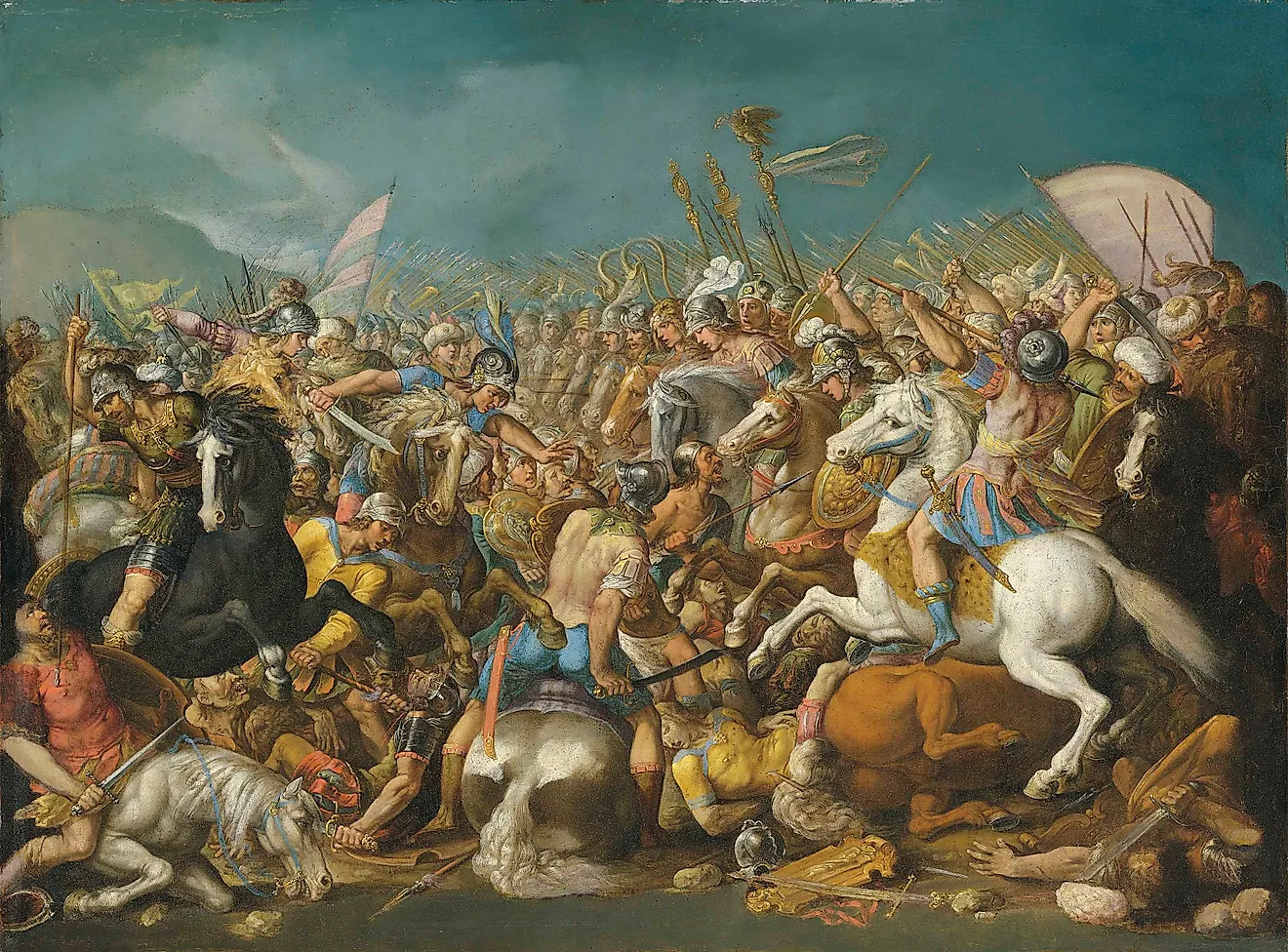
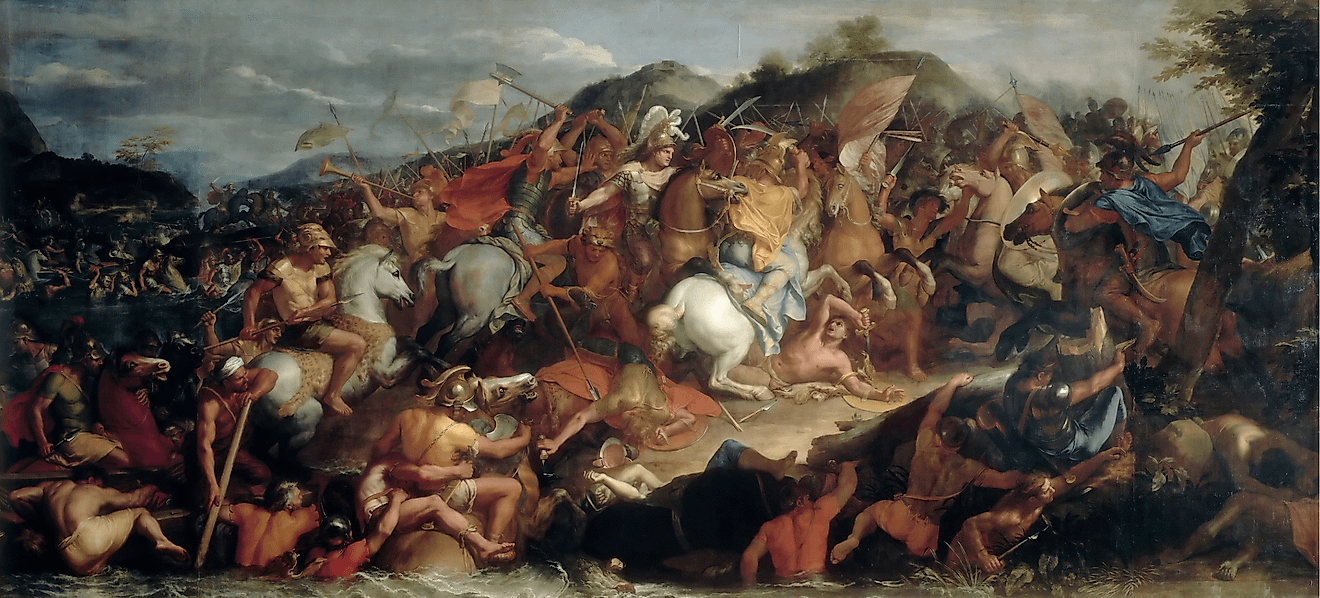
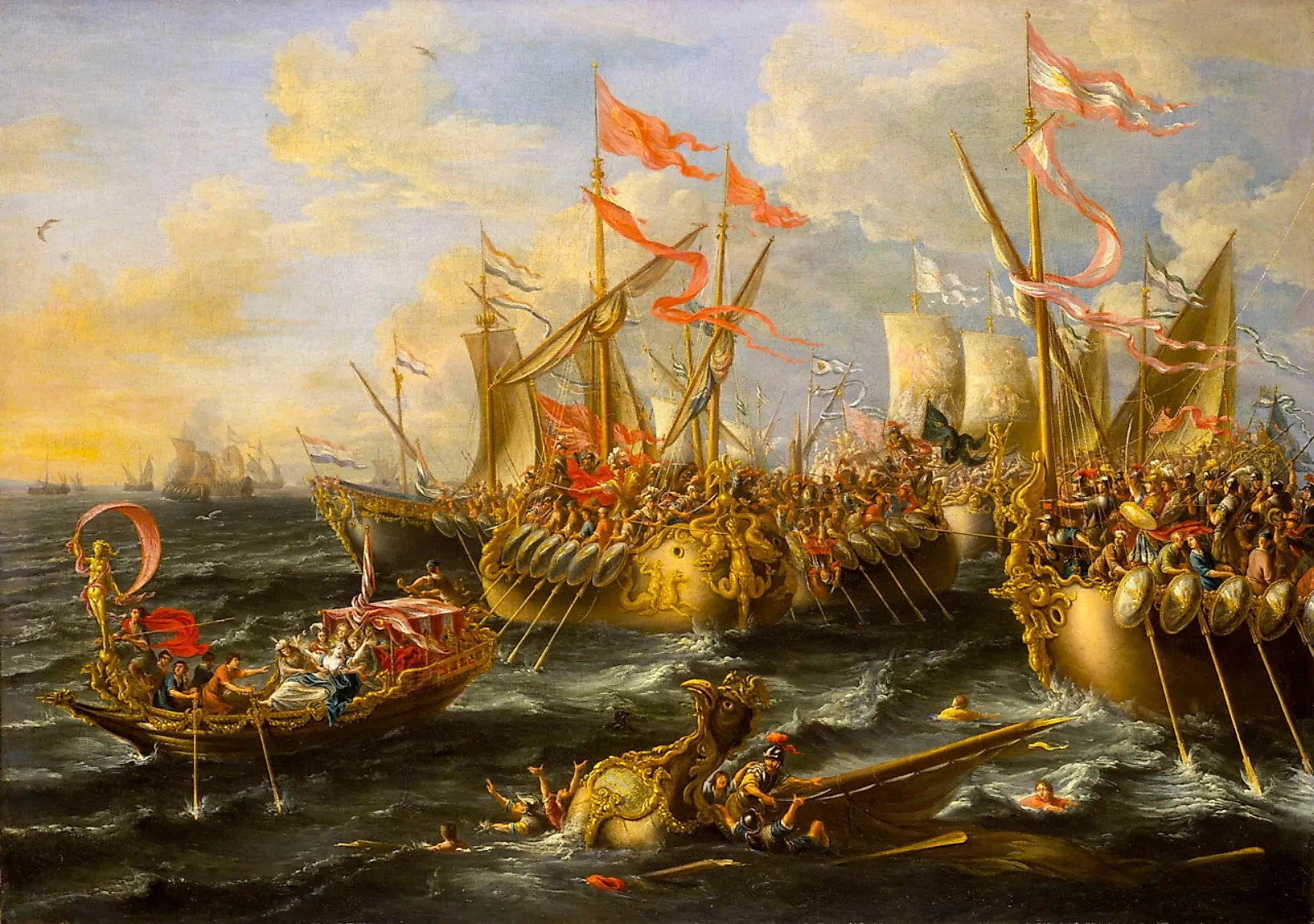
The climactic engagement of the civil war was the Battle of Actium in 31 BCE, fought off the coast of northwestern Greece near the Actium peninsula. The battle began on September 2nd, when Antony and Cleopatra's fleet attempted to push through Octavian's blockade. Octavian's ships were lighter and more mobile, and they avoided direct collision. What was supposed to be a decisive and quick victory for Antony and Cleopatra turned into a prolonged engagement.
The turning point came about halfway through the battle, when Cleopatra's squadron of 60 ships suddenly turned around and retreated to Egypt. Not wanting to abandon his ally, Antony fled with her. The Eastern Roman forces, now leaderless, fell into confusion, and many surrendered. Octavian destroyed the ships that continued fighting.
Aftermath

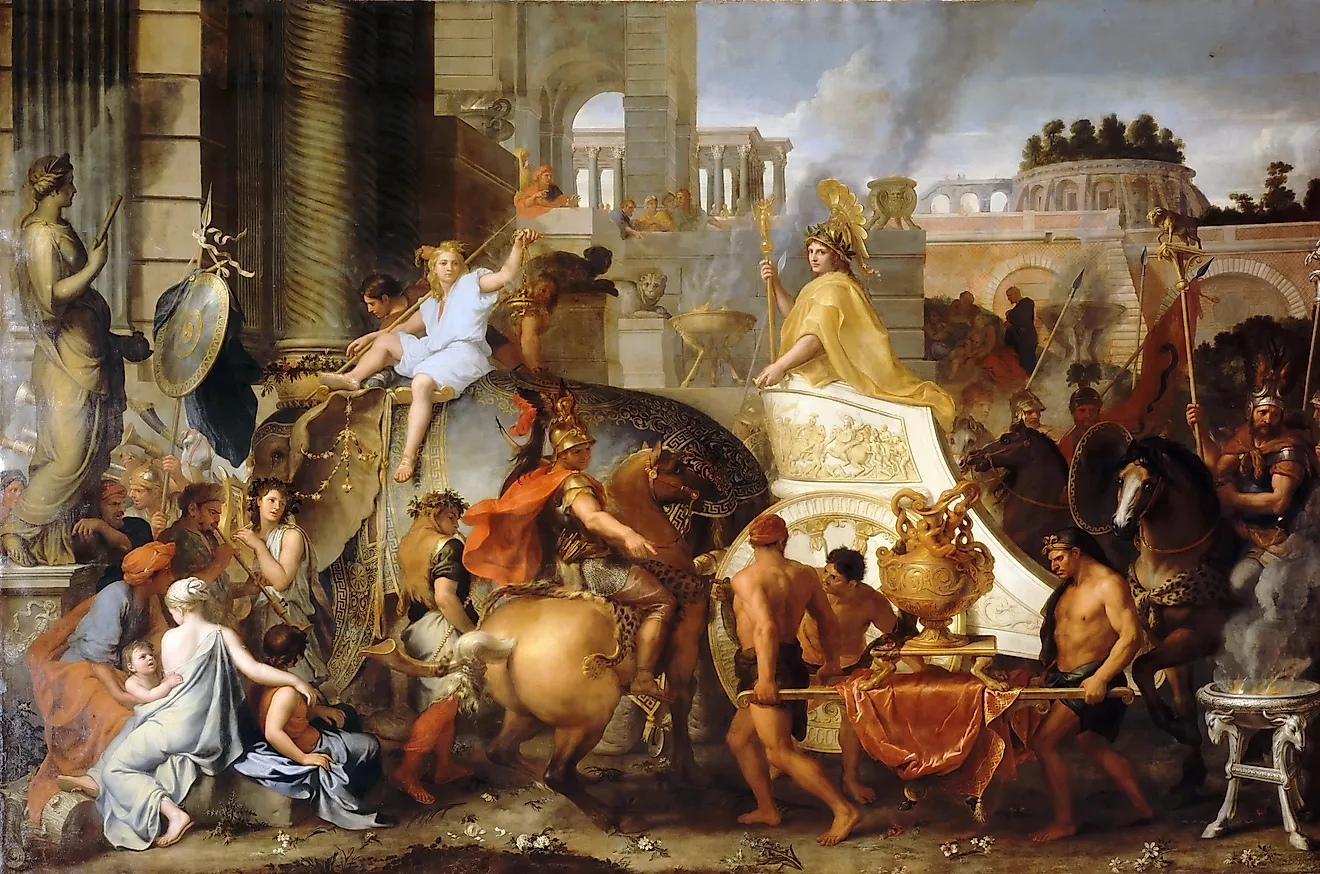
Back in Egypt, Antony and Cleopatra immediately began raising another army. Fearing the worst, they also made plans to flee somewhere like Arabia or India. The worst arrived when Octavian invaded Egypt in 30 BCE. He faced little resistance and took Alexandria easily. Falsely believing Cleopatra had died, Antony took his own life. Cleopatra then tried to negotiate with Octavian, but rather than be brought back to Rome as a political prisoner and trophy, she also took her own life.
With Cleopatra dead, Egypt was incorporated into Rome. Her death also marked the end of the Ptolemaic Dynasty, a royal family that traced its roots to Ptolemy I, one of Alexander the Great's generals. Octavian made sure the royal line was finished by having Caesarion killed, removing a potential claimant to the leadership of Rome and Egypt. With his power unchallenged, Octavian changed his name to Augustus and declared himself Emperor of Rome. The Roman Republic was over. The Roman Empire had begun.
Impact And Legacy
The importance of the Battle of Actium is hard to overstate. It was the climax of a civil war that began with the assassination of Julius Caesar, and it brought an end to the Roman Republic and the start of the Roman Empire. The battle also marked the end of the Ptolemaic Dynasty and Egypt's independence, since the country was annexed by Rome shortly afterward.