The Rise And Fall Of Roman Africa
Ancient Rome was one of the largest states in world history. Starting as a small Italian city, it gradually became a multi-continental Mediterranean power. As such, it had a major foothold in Africa. Rather than being peripheral, Africa was essential to Roman power and proved remarkably resilient while the rest of the empire struggled. Exploring the rise and fall of Roman Africa is therefore crucial to understanding the complete history of Rome.
The Beginning: The Punic Wars

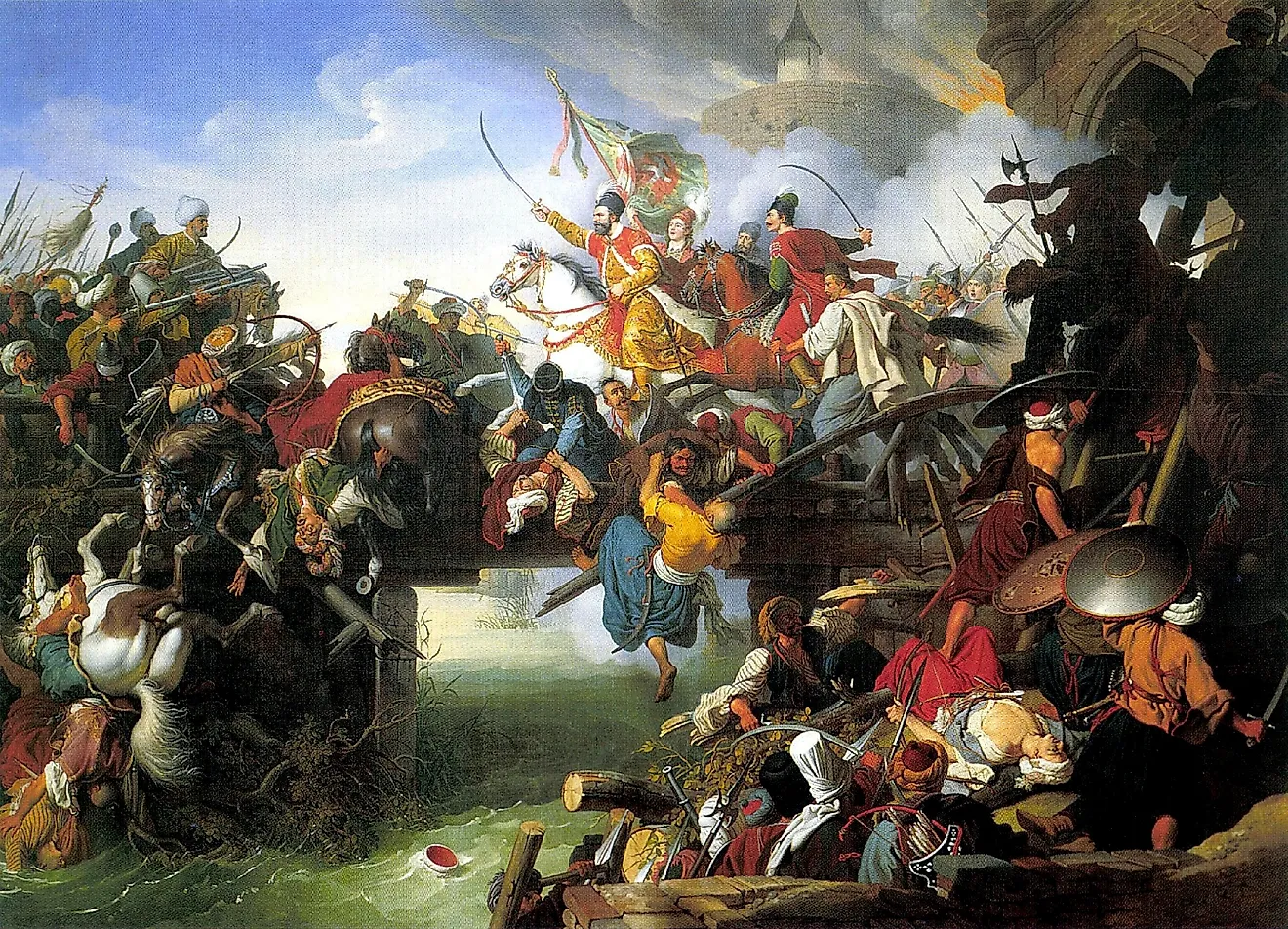
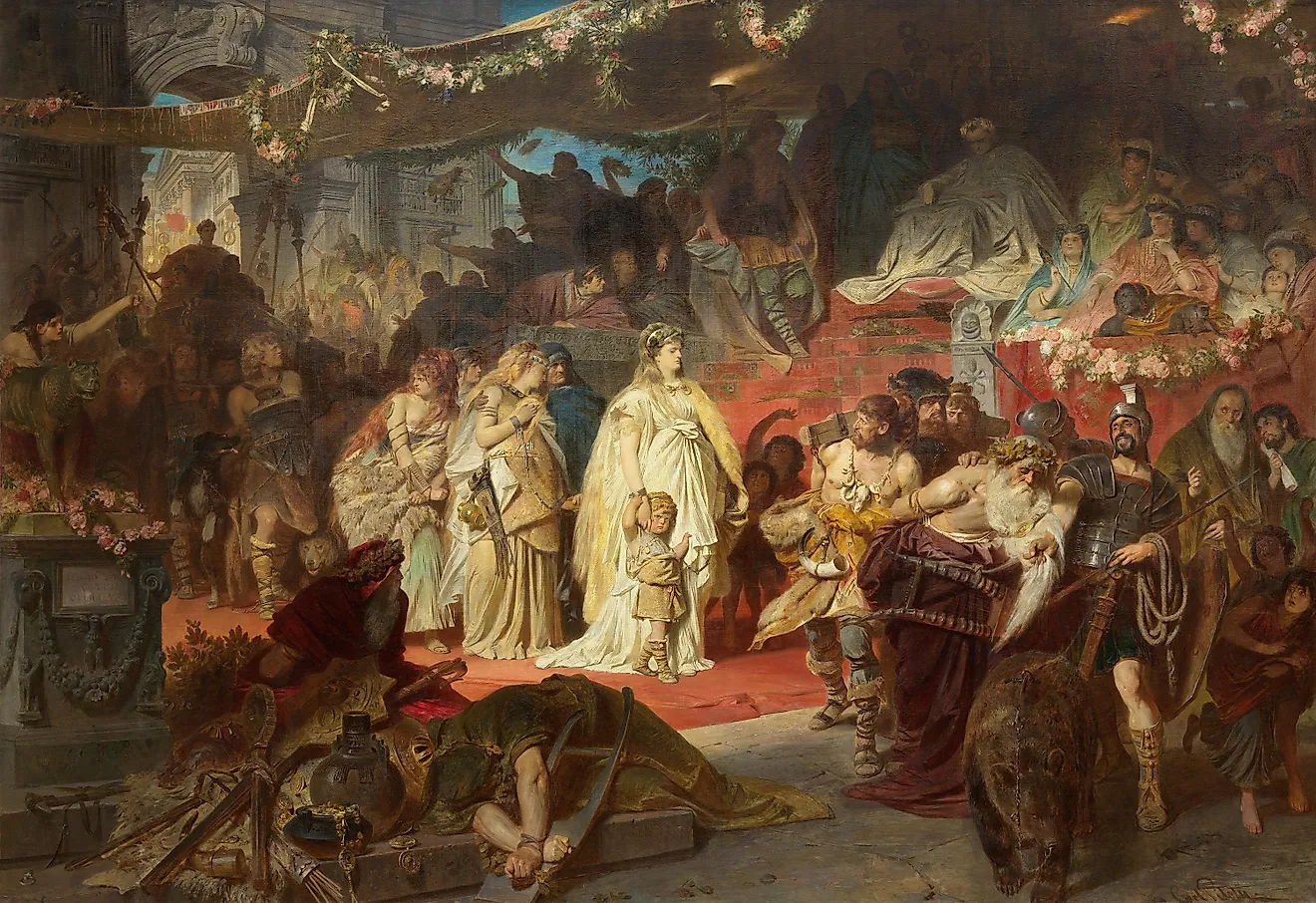
Roman expansion into Africa began with the Punic Wars, a series of conflicts during the 200s and 100s BCE between the Roman Republic and the Tunisia-based Carthaginian Empire. The final one, the Third Punic War, occurred between 149 and 146 BCE. By then, Carthage was greatly weakened, so the Romans besieged the city. After capturing it, they nearly razed it to the ground, killing and enslaving thousands of people in the process. Rome then organized Carthaginian territory into a new province called Africa. This proved enormously important, since it now possessed productive agricultural land, major ports, cities, and another strategic position from which to defend islands like Sicily.
Rome Annexes Egypt

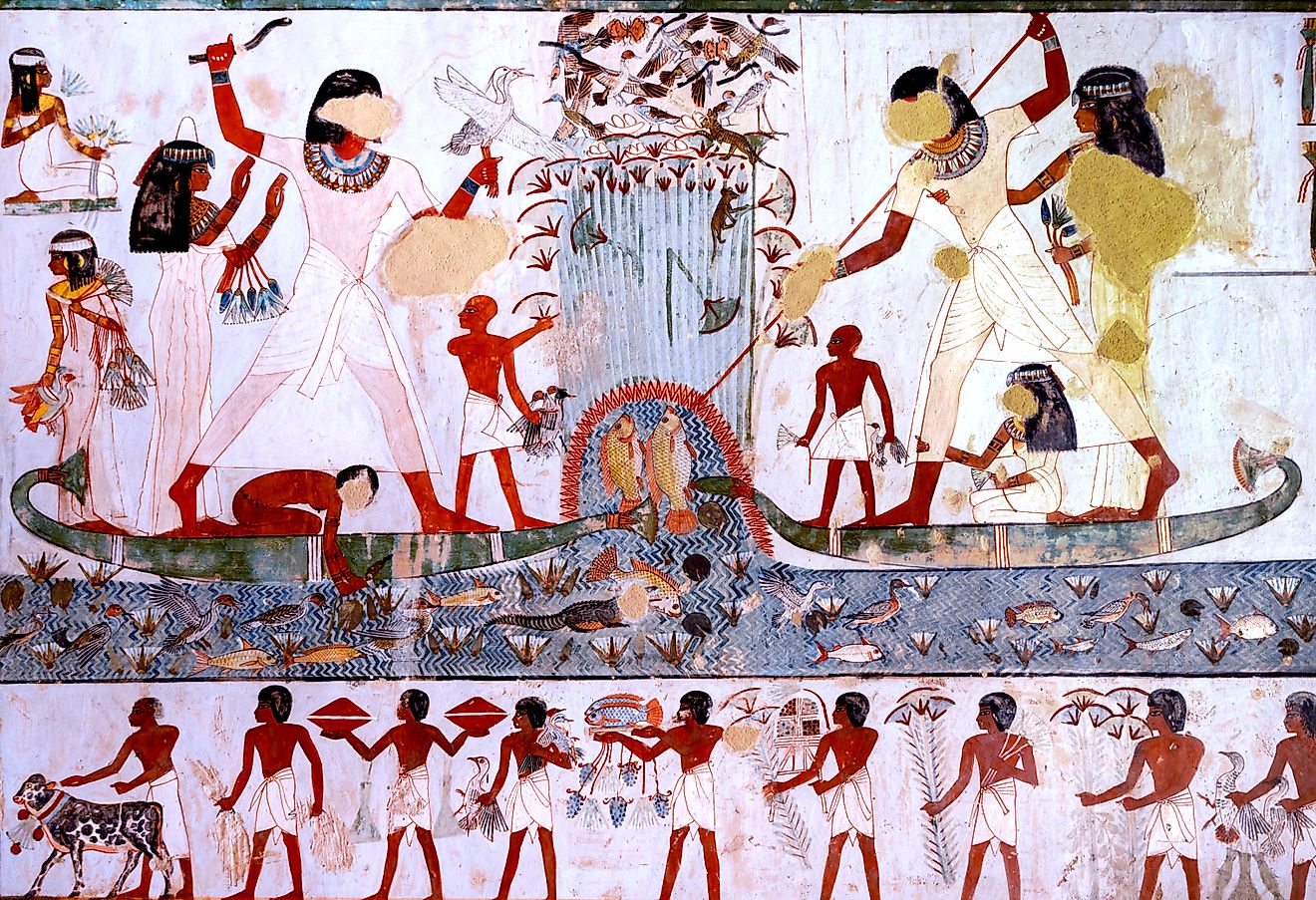
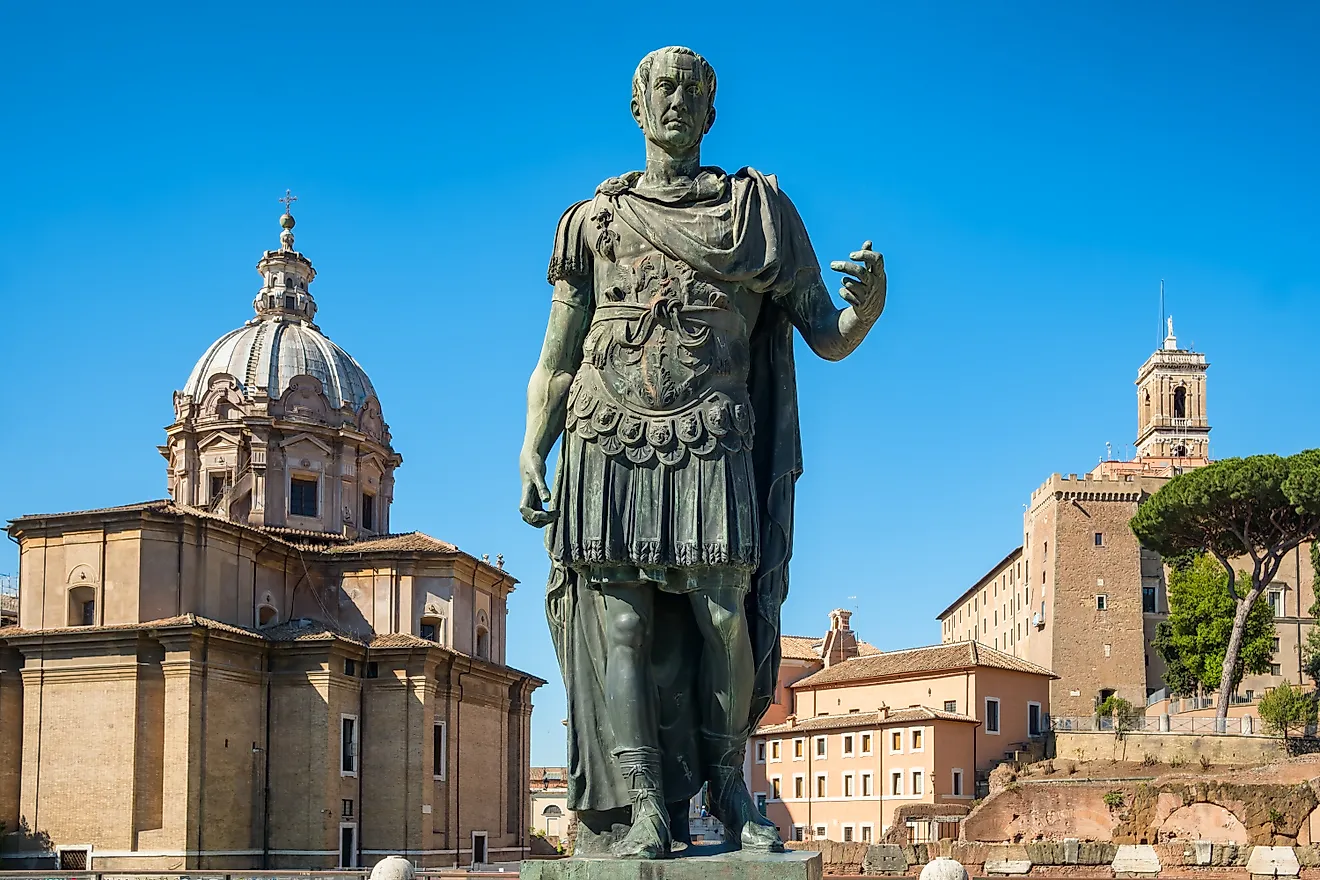
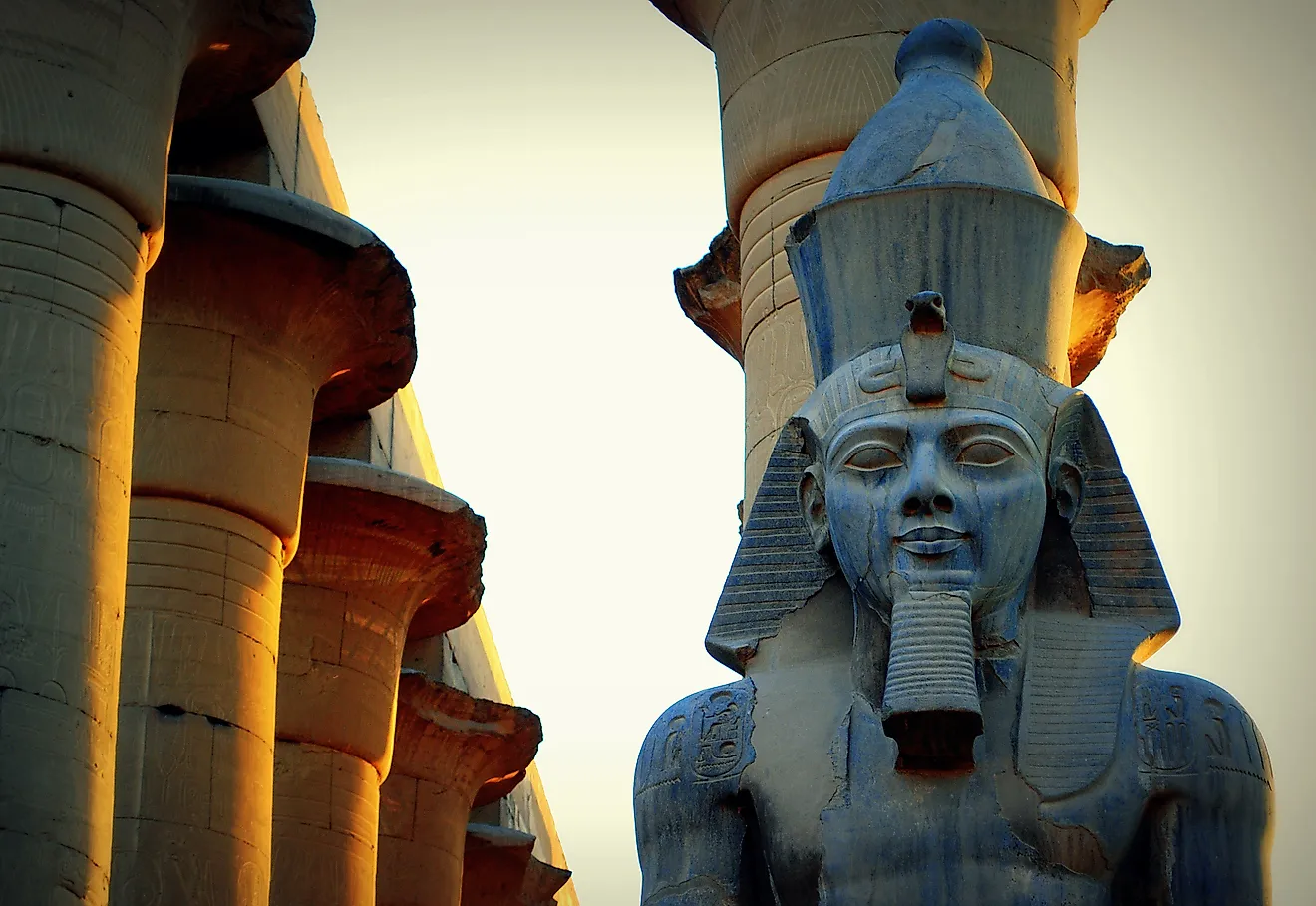
Carthage was the gateway to the rest of North Africa, and the Romans spent the next centuries expanding into places like modern-day Morocco and Libya. Egypt was likely their most important African annexation. The Nile flooded each year, depositing fertile soil onto the riverbanks. This made Egypt an agricultural powerhouse. However, its ruling dynasty, the Ptolemies, was unpopular, so the Romans provided military support in exchange for access to agricultural products. Cleopatra, the last Egyptian pharaoh, even got romantically involved with two Roman leaders, Julius Caesar and Mark Antony. This backfired, as Antony’s rivals, like Octavian, proclaimed that he was being corrupted by a “foreign queen”. Ultimately, the Roman Senate declared war on Cleopatra, leading to the Battle of Actium in 31 BCE in which Octavian decimated her and Antony’s fleets. The two lovers committed suicide, and Octavian annexed Egypt soon afterwards.
Africa Becomes Integral

North Africa quickly became Rome’s breadbasket. The various provinces provided things like grain, olives, wine, livestock, papyrus, luxury goods, and other products from deeper inside Africa. The Roman military also transformed the region, since it created a sophisticated network of roads, forts, watchtowers, walls, camps, and supply depots. Provinces like Numidia (modern-day northern Algeria) became heavily militarized as well, particularly after the establishment of a major military base called Lambaesis. Despite all this, the Romans never completely conquered North Africa. Natural barriers like the Atlas Mountains and the Sahara proved too difficult to break through. Regardless, this didn’t stop the territories they did control from becoming heavily Romanized.
The Height Of Roman Africa

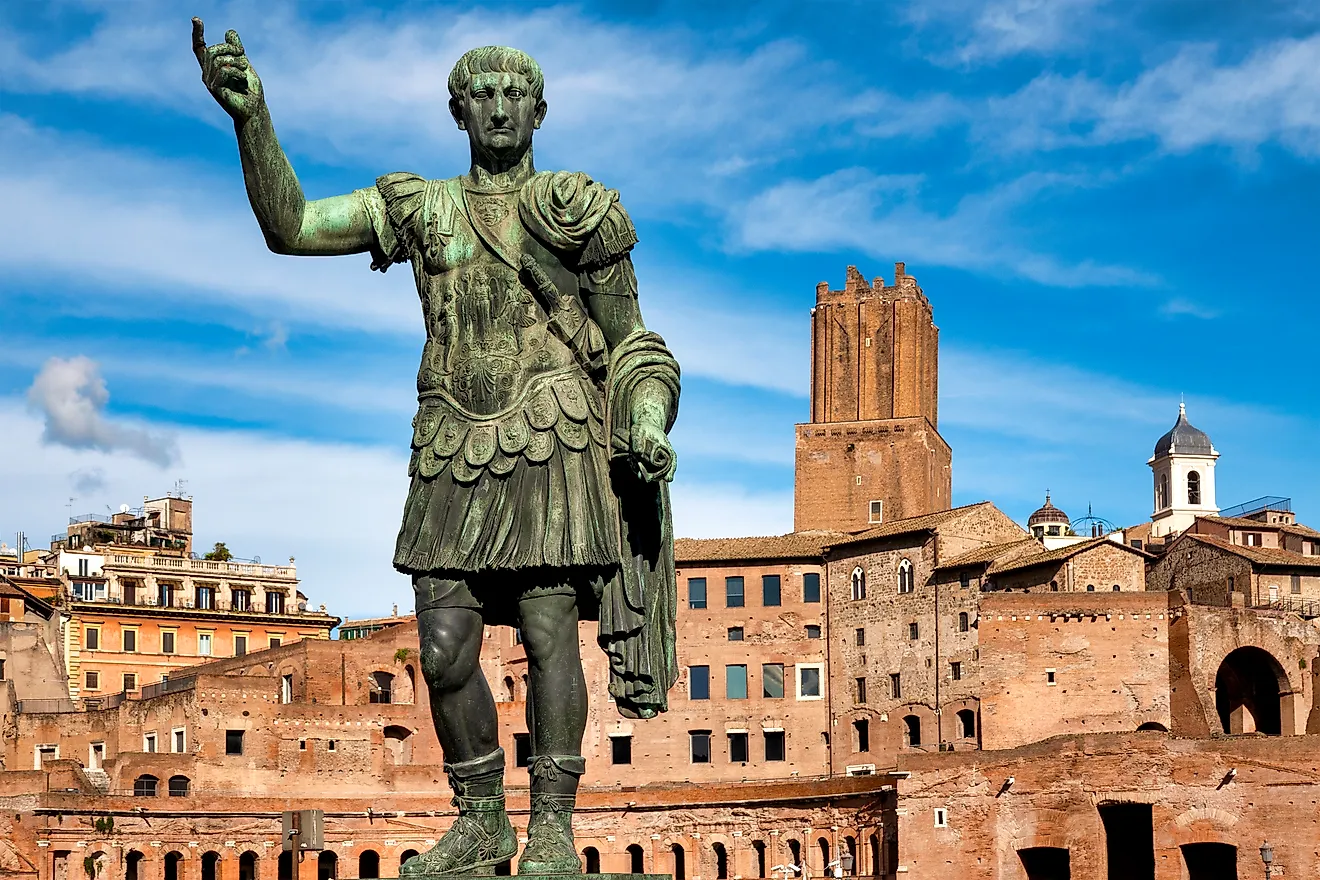
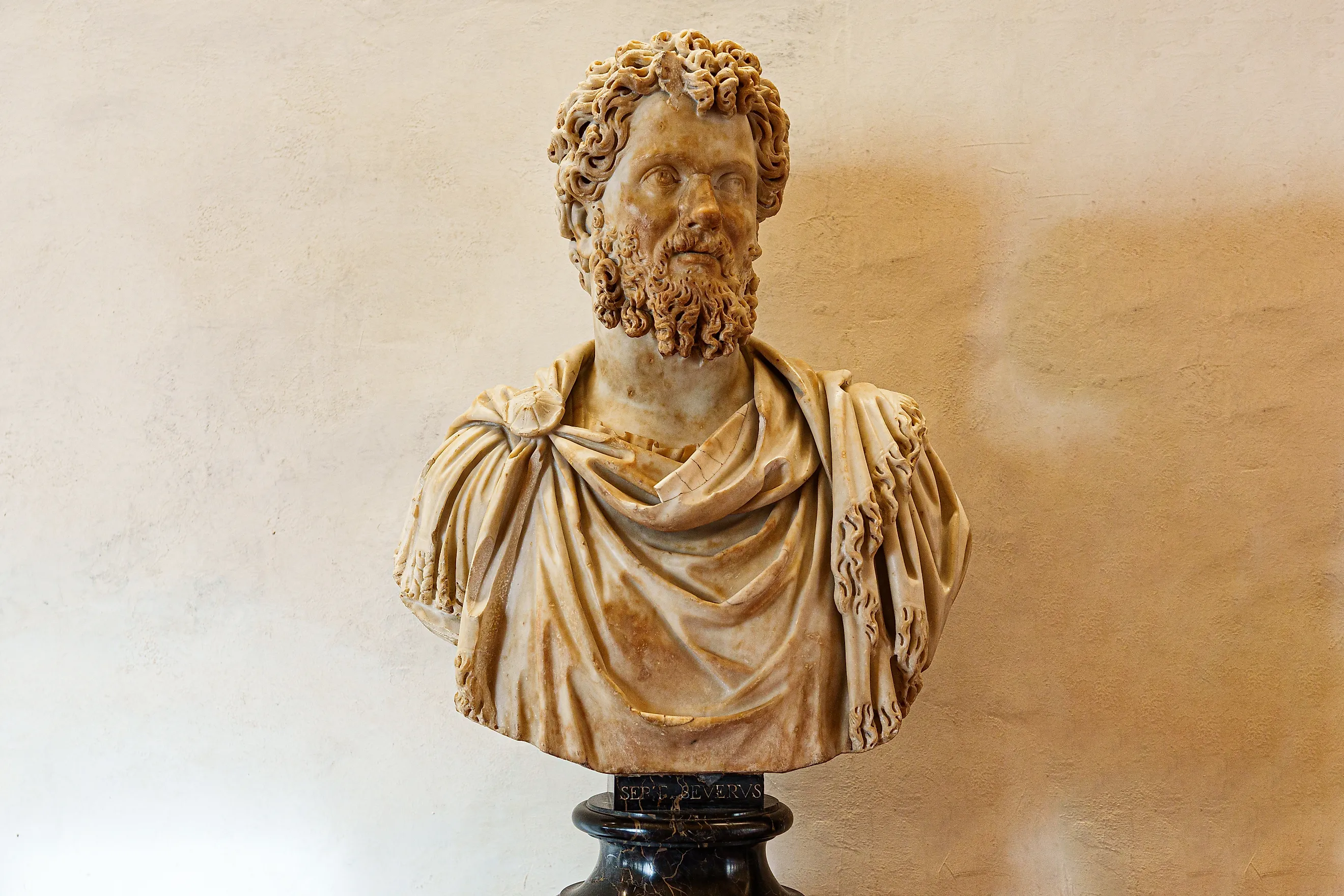
Roman Africa reached its peak in the 2nd century CE. The empire experienced steady leadership during this period under emperors like Trajan, Hadrian, and Marcus Aurelius. This facilitated the expansion of roads, trade, agricultural production, and cities. Roman-African elites also emerged. Local aristocrats adopted Roman names, customs, educational practices, and political institutions. Doing so led to figures like Septimius Severus. Born in the Libyan city of Leptis Magna in 146 CE, he became emperor of Rome in 193 CE. Severus oversaw several major military campaigns in places like Mesopotamia and Britain, but his investments in monument building and infrastructure projects in his hometown were likely his biggest achievement. Indeed, these projects led to the further Romanization of North Africa.
Rome Struggles But Africa Thrives

The Roman Empire faced more and more problems as time went on. The Crisis of the Third Century, a nearly fifty-year period characterized by civil war, invasions, plague, and economic turmoil, was perhaps the most existential threat it had experienced up to this point. Throughout all of this, Roman Africa proved remarkably resilient and arguably became even more important. As places like Italy, Gaul, and Iberia provided less economic activity and agricultural production than before, the North Africa provinces were increasingly relied upon to keep the empire afloat.
The Collapse Of The Western Roman Empire

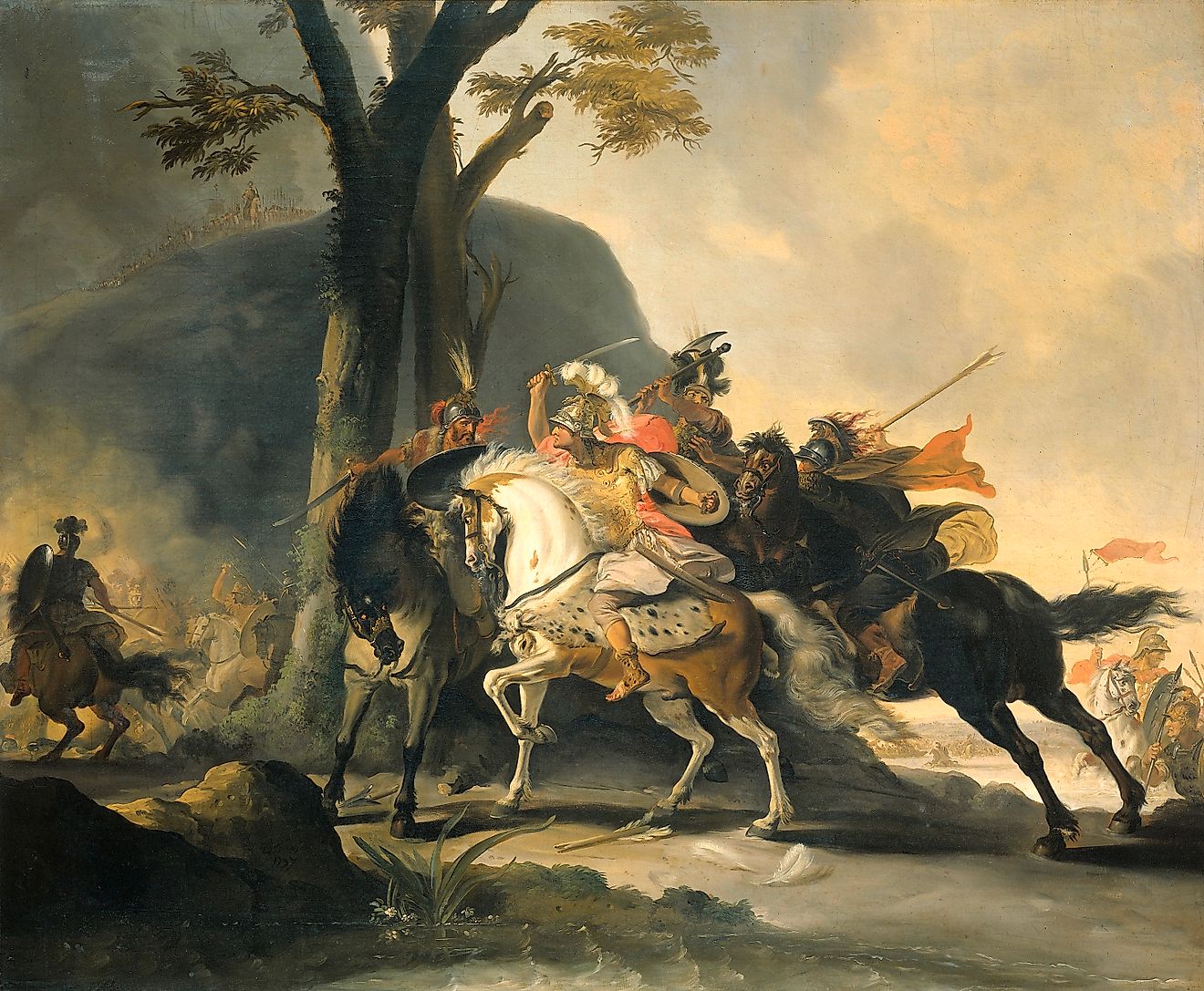
Problems for Roman Africa began in the 5th century CE. The Vandals, a Germanic group that had worked their way south to Spain, invaded North Africa in 429 CE. They gradually took territory before finally capturing Carthage in 439 CE. This was devastating for the Western Roman Empire. Its split from the Eastern Empire, which occurred in 395 CE, meant that it had already lost access to Egyptian agriculture. Losing the rest of North Africa was therefore nearly a death blow. The Vandals sacked the city of Rome in 455 CE, and the Western Roman Empire collapsed in 476 CE
The End Of Roman Africa

The end of the Western Roman Empire didn’t mean the end of Roman Africa. Indeed, the Eastern Roman Empire, known retroactively as the Byzantine Empire, survived for the next thousand years. This was partially due to its control of Egypt. Emperor Justinian I even temporarily reconquered much of the former Western Roman Empire’s territory, including large swaths of North Africa. While impressive, the Byzantines didn’t hold onto it. Constant threats from the Berbers, economic challenges, and political instability all proved to be too much. Ultimately, the final chapter in Roman African history came with the emergence of various Arab Muslim armies. They took Egypt in 641 CE and then moved westward. Carthage finally fell to the Umayyad Caliphate in 698 CE, effectively ending the Byzantine, and therefore Roman, control of North Africa.
Impact And Legacy
You can’t understand Ancient Rome without comprehending the rise and fall of its African territories. It first established a foothold in the region after the Punic Wars. The following centuries then saw Rome expand across more of North Africa. Africa became heavily Romanized and an economic, political, and cultural powerhouse. Even when the rest of the empire experienced problems, like the Crisis of the Third Century, Roman Africa proved remarkably resilient. This made its fall to the Vandals in the 5th century particularly devastating. Even though the Byzantines reconquered much of it, they were unable to hold the territory.