How Greek Democracy Nearly Destroyed Athens
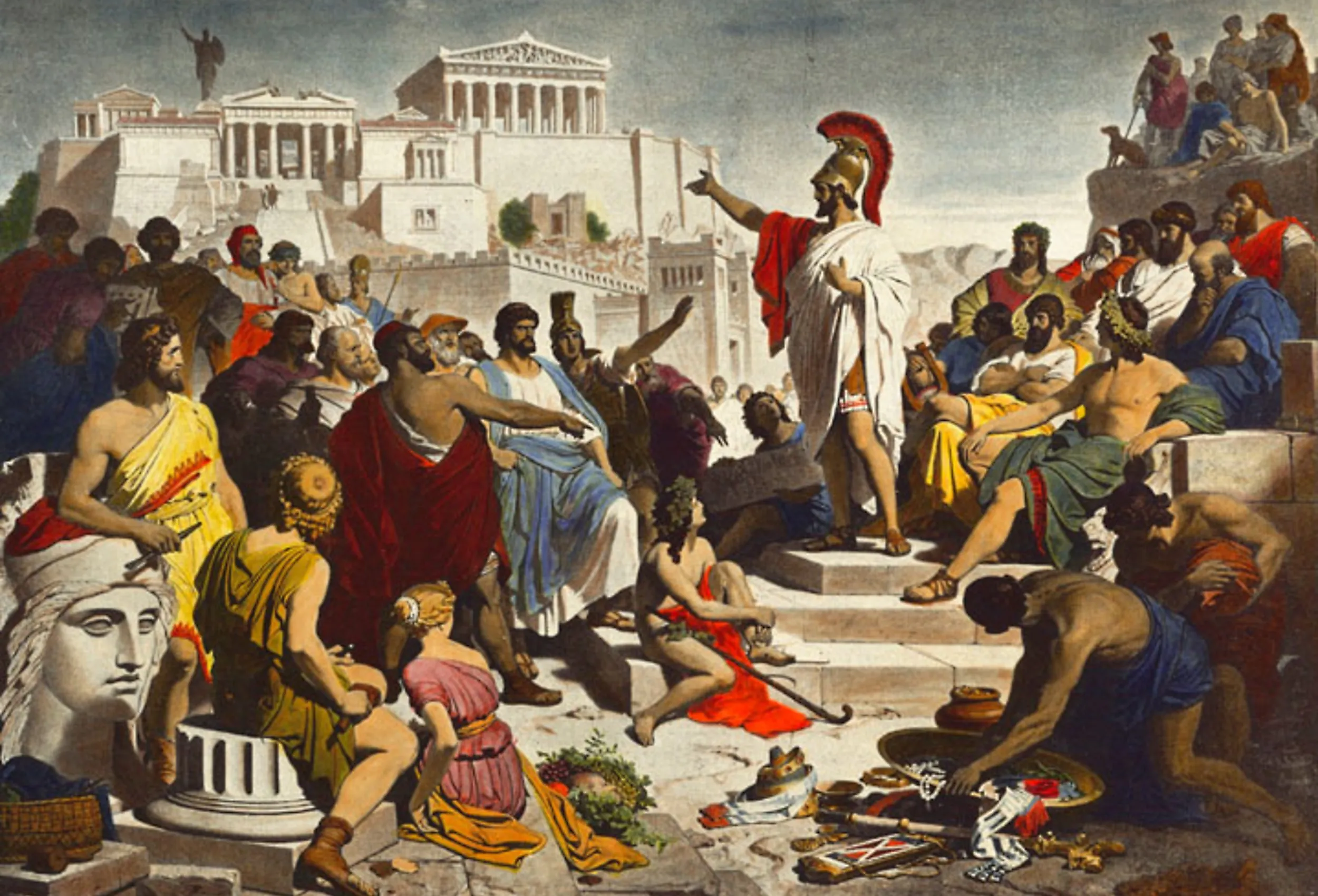
Ancient Greece is often remembered as the birthplace of democracy. While true that one of its biggest and most powerful city-states, Athens, had a democratic system, it was hardly perfect. Mob rule and rash decision-making made Athenian democracy directly responsible for several catastrophes that nearly destroyed the city. Understanding Ancient Greece and its ups and downs means reckoning with the dark side of its defining political system.
The Foundation of Athenian Democracy

In 508 and 507 BCE, the Athenian revolution occurred, resulting in the overthrow of the oligarchy that had ruled the city for hundreds of years. The statesman Cleisthenes quickly introduced political reforms, which he called demokratia ("rule by the people"). With this, Athens became one of the world's first democracies. It functioned very differently from the ones we know today. People voted directly on laws and policies, rather than electing representatives to vote on their behalf. Adult male citizens were also the only people who had a say in the political process, excluding women, slaves, and foreigners.
The Golden Age of Athenian Democracy

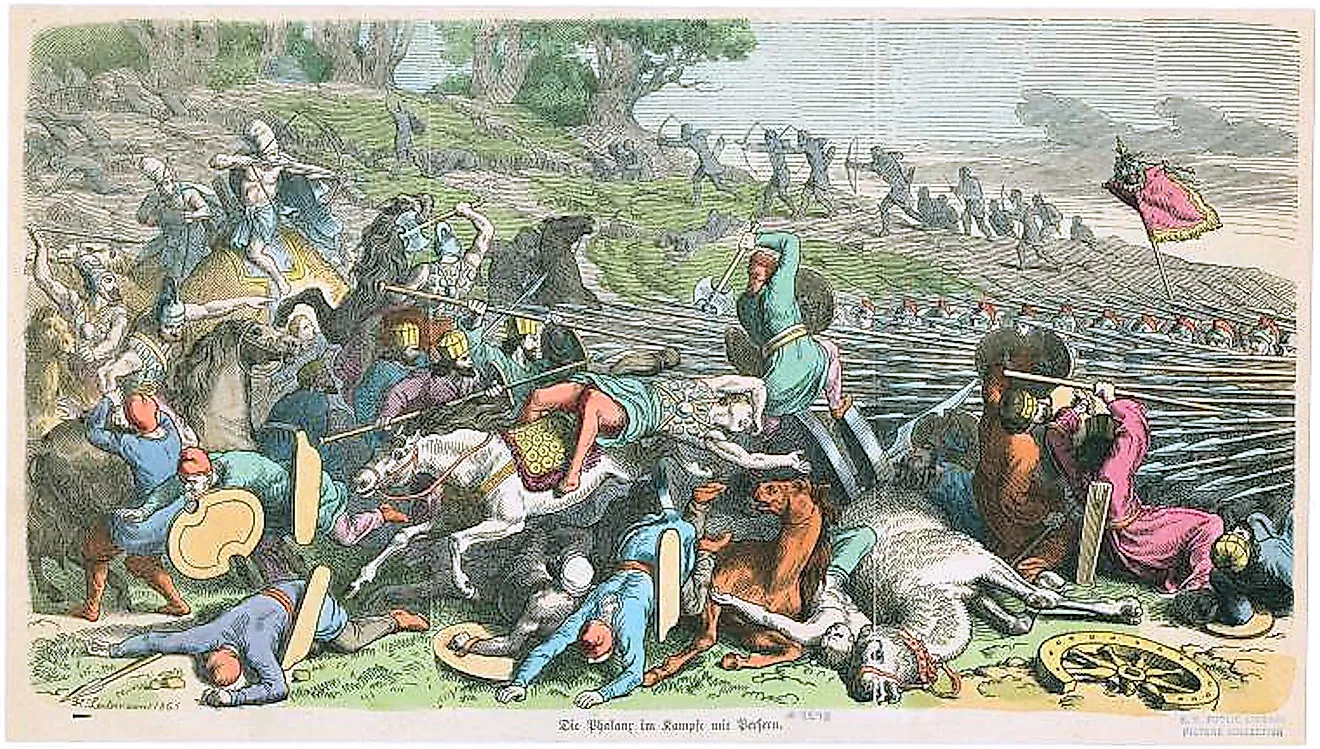
Despite these (admittedly major) caveats, Athens became one of the most powerful city-states in Greece under its new democratic system. The foundation for this strength was established during the Greco-Persian Wars (499 to 449 BCE), when it created an alliance of hundreds of cities called the Delian League. Over time, this alliance began to function more like an Athenian Empire, with Athens demanding tribute in the form of money or ships. If a city tried to revolt, it responded with swift military repression. While brutal, these measures helped fund the Golden Age of Athenian democracy.
The Peloponnesian War And Descent Into Populism

Sparta's anxiety about Athenian power, particularly its naval dominance, led to the outbreak of the Peloponnesian War (431 to 404 BCE). Initially, Athens' democracy gave it an advantage. Under the thoughtful and steady leadership of the statesman Pericles, military decisions were made in a considered manner. All this changed when a plague hit Athens from 430 to 426 BCE. Between 75,000 and 100,000 people died, including Pericles. Anger over this tragedy, paired with a power vacuum, paved the way for demagogues and populists to emerge at the forefront of Athenian politics.
One of these people was named Cleon. Born to a wealthy commercial family, he rose to power due to the strength of his public speaking and his uncompromising wartime policies. This was exemplified in 427 BCE after the city of Mytilene revolted against Athens. Cleon passionately argued that the entire adult male population should be executed and that the women and children should be enslaved. In turn, the Athenians assembled to vote to do so. However, the next day, many citizens reconsidered, and a second vote was held that reversed the decision. For the time being, Athens had avoided a catastrophic error that would permanently alter its reputation.
The Sicilian Expedition

In 415 BCE, the most famous democratic mistake in Athenian history occurred. Convinced by the charismatic Alcibiades, the assembly voted to invade the Spartan-allied island of Sicily. Promises of vast wealth, new allies, and control of trade in the Western Mediterranean were some of the key arguments forwarded in favor of the campaign.
The expedition, which was supposed to be quick and decisive, dragged on and on. Rather than cutting their losses, the Athenians sent a second expedition. This was disastrous. In 413 BCE, nearly the entire naval fleet was trapped in Syracuse's Great Harbor and destroyed. Tens of thousands of sailors and land troops were either captured or killed as well. On top of these tangible material and manpower losses, the Sicilian Expedition permanently weakened Athens' reputation as a naval power.
The Battle Of Arginusae

Athenian democracy again proved problematic for military decision-making following the Battle of Arginusae (406 BCE). Athens decisively won this engagement and temporarily restored its naval dominance. However, a storm broke out in the immediate aftermath, and Athenian commanders were unable to save all the sailors stranded at sea. The public was outraged by this and voted to execute the six generals responsible. This was a massive mistake, both morally and strategically. The generals couldn't have done much to save the sailors in the first place, and their execution deprived Athens of military leadership at a crucial point in the war.
The End of the Peloponnesian War

With its resources exhausted and its military decimated, Athens finally surrendered in 404 BCE. Sparta subsequently installed an oligarchy called the Thirty Tyrants. Political purges, executions, repression, and destruction of Athenian property characterized their reign. In total, about 1,500 people were killed, or 5 percent of the entire Athenian population.
Democracy was eventually restored after only eight months of tyrannical rule. Nevertheless, it was far more cautious of the charismatic speakers that had led it astray so many times before. While this sometimes resulted in healthy skepticism towards demagogues, it also made many less intellectually curious and more close-minded. In turn, intellectuals, like the famed philosopher Socrates, often faced repression and even death for questioning the norms of Athenian society.
Impact And Legacy
Athenian democracy is both inspiring and cautionary. Many of us might idealize a political process where everyday citizens speak their minds freely and directly participate in governance. At the same time, this dynamic often leads to powerful speakers, like Cleon and Alcibiades, riling up people. As demonstrated in the Peloponnesian War, such frenzied decision-making can have disastrous consequences.