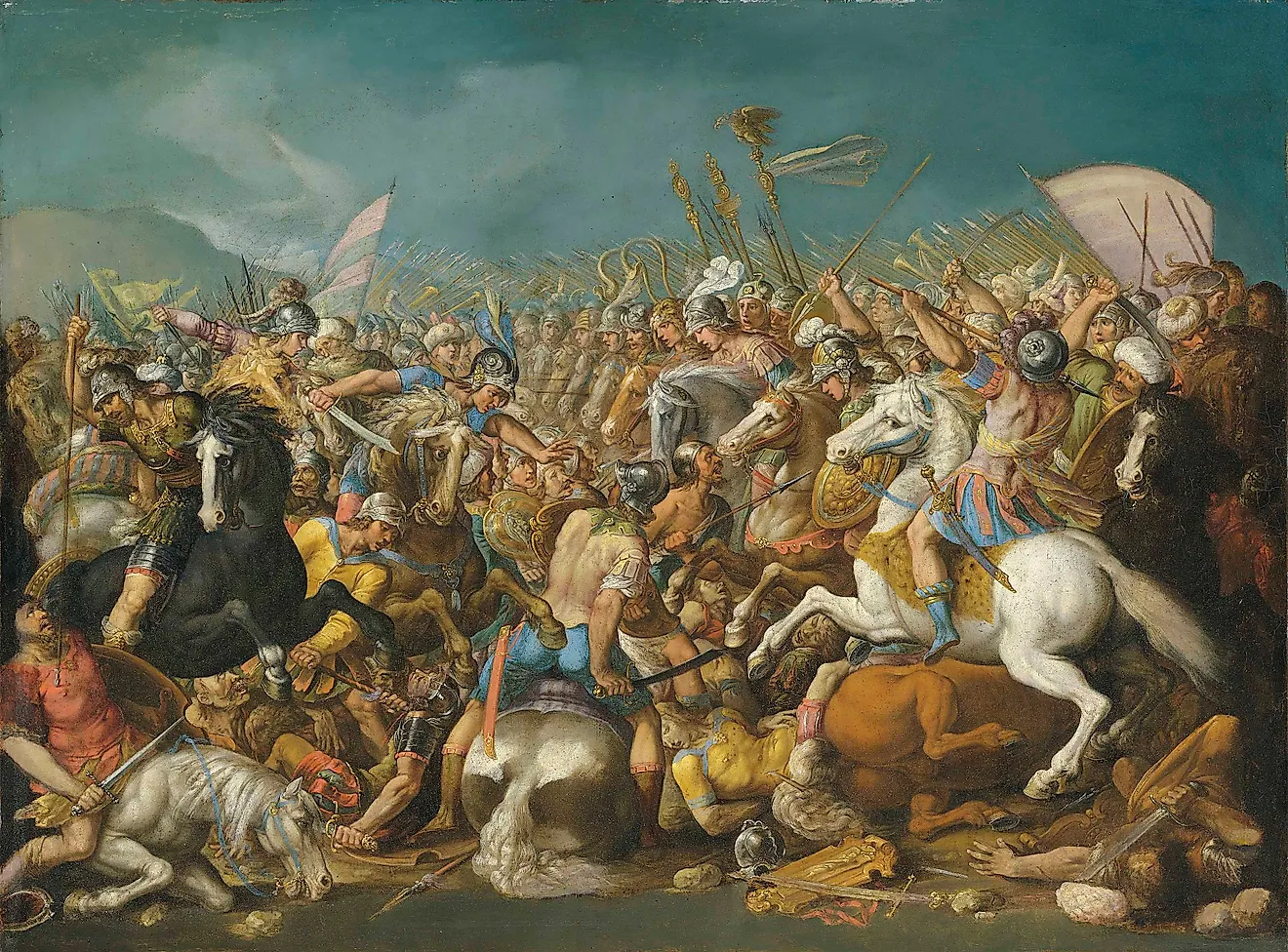
The Most Disastrous Decisions In Ancient Greece
Its democratic ideals, architectural beauty, and military might give Ancient Greece an almost mythic importance to us. This is understandable. It continues to influence Western philosophy, culture, and governance. However, Greece wasn’t perfect. From the Sicilian Expedition to underestimating the rise of Macedonia, these mistakes ranged from temporarily disastrous to borderline existential. Exploring them is important to paint a more holistic picture of Ancient Greek civilization.
The Sicilian Expedition (415 to 413 BCE)

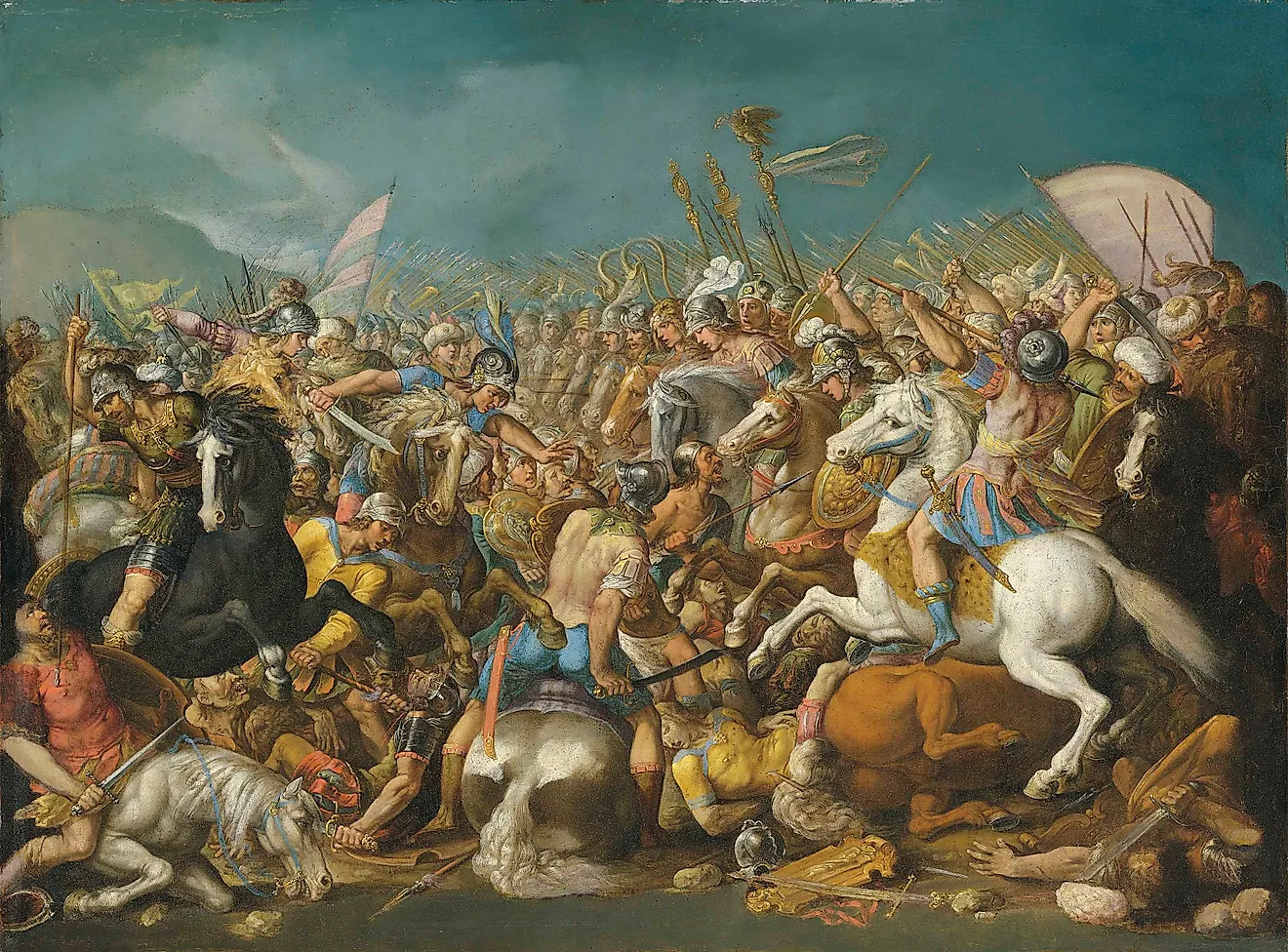
The Sicilian Expedition was a military campaign launched by Athens against the Spartan-allied island of Sicily. Part of the Peloponnesian War (431 to 404 BCE), the initial aim was to protect Athenian allies against the expansionist tendencies of Sicily’s main city-state, Syracuse. However, the goals quickly ballooned until Athens attempted to conquer the entire island.
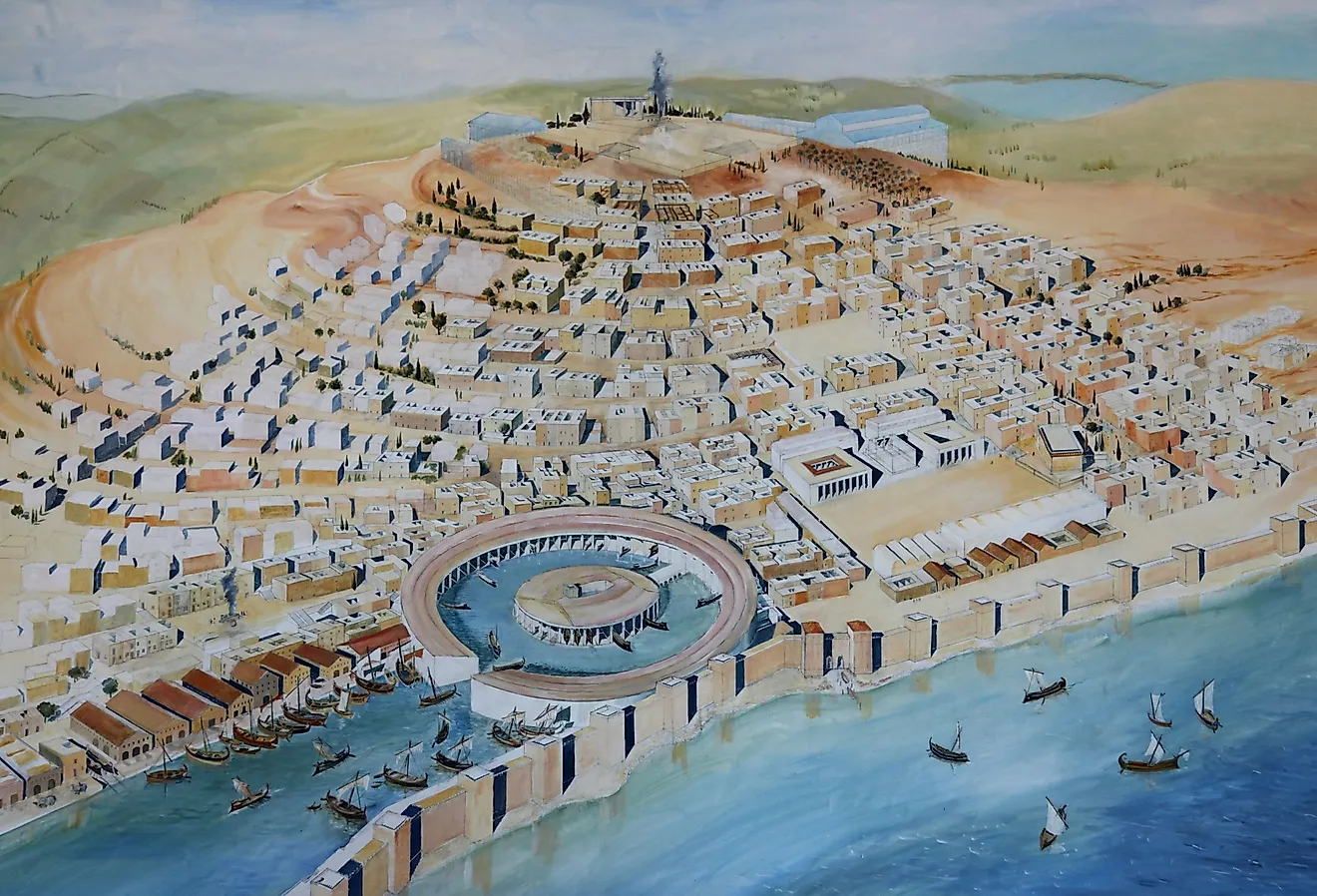
Athens began with a massive advantage. Its navy had a formidable reputation, and the fleet meant to take Sicily contained well over a hundred ships. Athens had over a thousand land troops as well. Overwhelmed by the sheer opposing force, Syracuse nearly fell. However, with the help of Spartan military leader Gylippus, the city rallied. Eventually, in 413 BCE, the Athenian fleet got trapped and decimated in Syracuse’s Great Harbor. The Athenian land troops and surviving sailors retreated over land, but they were quickly killed or enslaved.
The Sicilian Expedition was the most disastrous military campaign in Athenian history. Whereas before, their navy was considered unbeatable, this completely reversed that reputation. The loss of hundreds of ships and thousands of men also made it nearly impossible for Athens to rebuild its naval might. Finally, the campaign emboldened Sparta, since it showed that it could actually beat Athens at sea. This paved the way for a Spartan victory in the broader Peloponnesian War in 404 BCE.
The Death Of Socrates (399 BCE)

After the Peloponnesian War, tensions were high in Athens. Many blamed the loss on the excesses of democracy and the tyranny of the majority. Athenians were particularly wary about charismatic and convincing public speakers who could rile up large groups of people. In this atmosphere, the famed philosopher Socrates was brought to trial on charges of impiety and corrupting the youth.

Rather than begging for his life, Socrates defended himself by saying that “the unexamined life is not worth living”. Ultimately, he was convicted and sentenced to death. The day before his scheduled execution, Socrates committed suicide by drinking a lethal dose of hemlock. If the Peloponnesian War marked the end of the Athenian Golden Age, the death of Socrates was the nail in the coffin. Once renowned for its tolerance of debate and criticism, the city destroyed its reputation instantly by condemning one of its greatest thinkers.
Ignoring The Rise Of Macedonia
Following the Peloponnesian War, Greece was divided. While Sparta was technically the new hegemon, it lacked the experience or political know-how to govern a polity larger than a city-state. After another series of wars, Thebes became the dominant power in 371 BCE. This era was short-lived, and Greece once again plunged into disarray with the Battle of Mantinea in 362 BCE.

As Greece fought amongst itself, another state was growing stronger. Historically, Macedonia had existed on the periphery of Greek civilization. Its political system, which encouraged violent power struggles between family members, and its untamed geography gave it a semi-barbaric reputation. The rest of Greece therefore paid it little attention in the first half of the 300s BCE.

This decision proved disastrous. Under the reign of Phillip II (359 to 336 BCE), the Macedonian army reformed and became the most powerful military in the region. Phillip also made diplomatic inroads, marrying seven women from different Greek tribes to secure alliances. Finally, in 338 BCE, Macedonia established itself as the dominant player in Greece when it defeated an alliance of Athens and Corinth in the Battle of Chaeronea.
Alexander The Great’s March Through The Gedrosian Desert

Phillip II was assassinated in 336 BCE, leaving his son, Alexander, as heir. At only 20 years old, many thought the young king would squander the work his father had done to establish Macedonia’s preeminence. Instead, Alexander became arguably the most successful leader in world history.
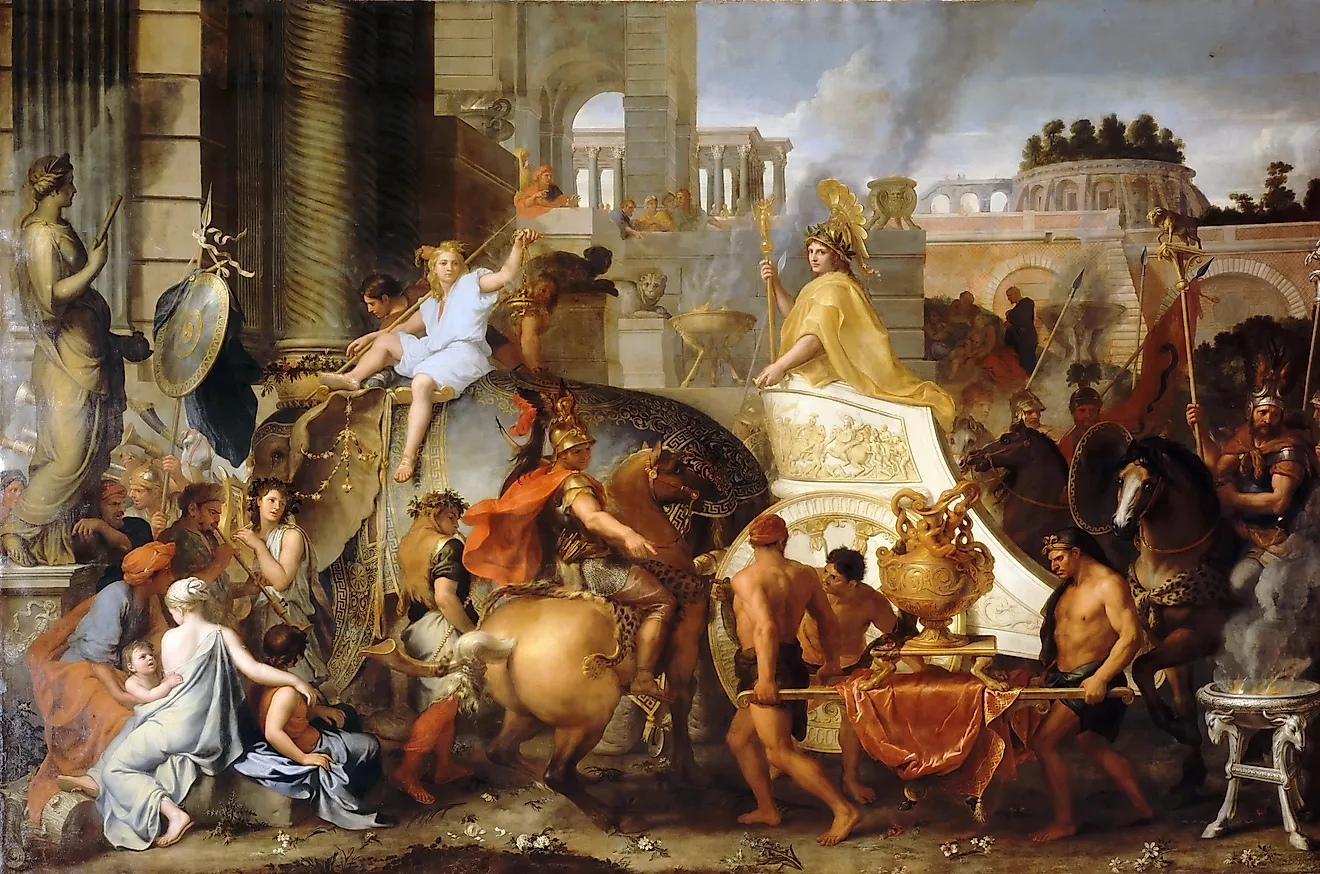
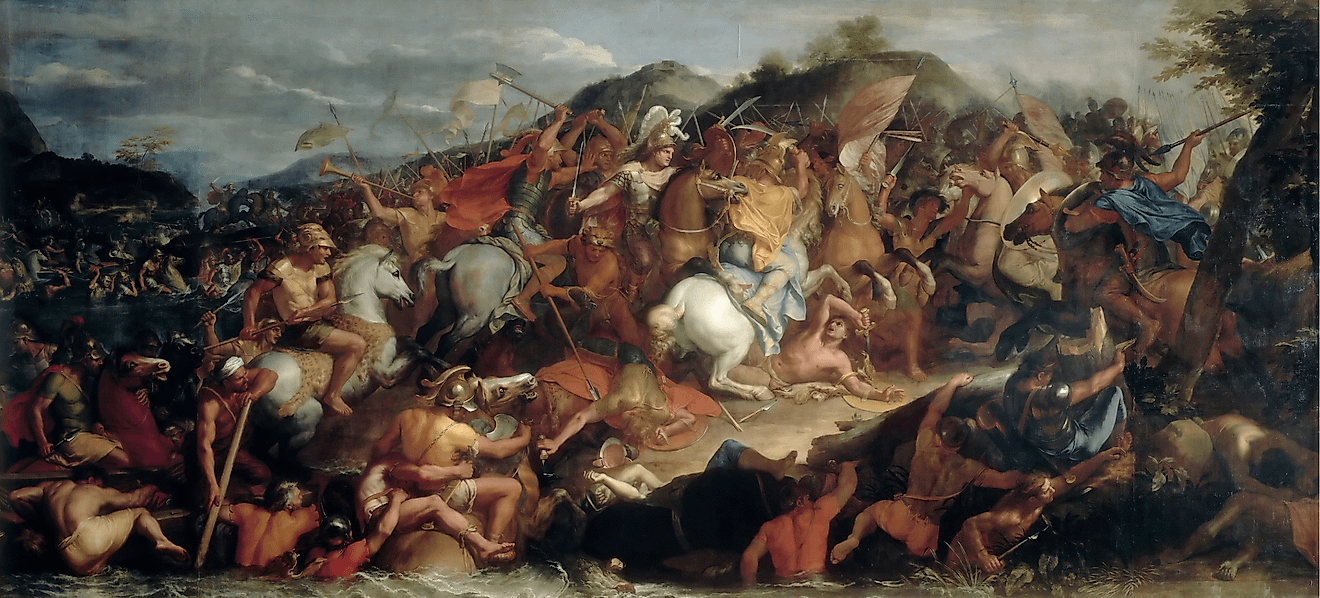
After first suppressing rebellions in the Balkans and Greece, he turned his attention to the historic enemy of the Greek world: Persia. Alexander’s Persian campaign began in 334 BCE. Within four years, he had conquered the empire and forced its king, Darius III, to flee. Following a lengthy campaign in Central Asia, Alexander invaded India. Some initial victories, like in the Battle of the Hydaspes (326 BCE), proved promising. However, utterly exhausted from nearly a decade of constant warfare, the Macedonian army threatened to mutiny if Alexander didn’t turn back.

Alexander nearly destroyed his reputation on the return journey. Rather than going home the same way he had come, the Macedonian king instead marched his army through the Gedrosian Desert. Severe heat, lack of water, and exposure to elements resulted in more deaths than any of his battles combined. Beginning with 60,000 to 70,000 troops, between 15,000 and 30,000 died by the end of the 60-day crossing. While Alexander ultimately reached Persia, the return journey demonstrated that he wasn’t invincible.