Who Were The Most Overrated Ancient Greek Generals?
In Ancient Greece, military fame was often built around a spectacular success, but followed by failure. In the cases of Miltiades, Alcibiades, and Pyrrhus of Epirus, their records look less impressive when judged across an entire career. Miltiades became immortal because of Marathon, yet his next major expedition ended in humiliation. Alcibiades won important battles but repeatedly damaged Athens through reckless strategy and shifting loyalties. Pyrrhus defeated Roman armies in the field, but his victories cost so much and produced so little lasting gain that his name became attached to victories that are almost defeats.
Miltiades: One Great Victory Overshadowed Everything Else

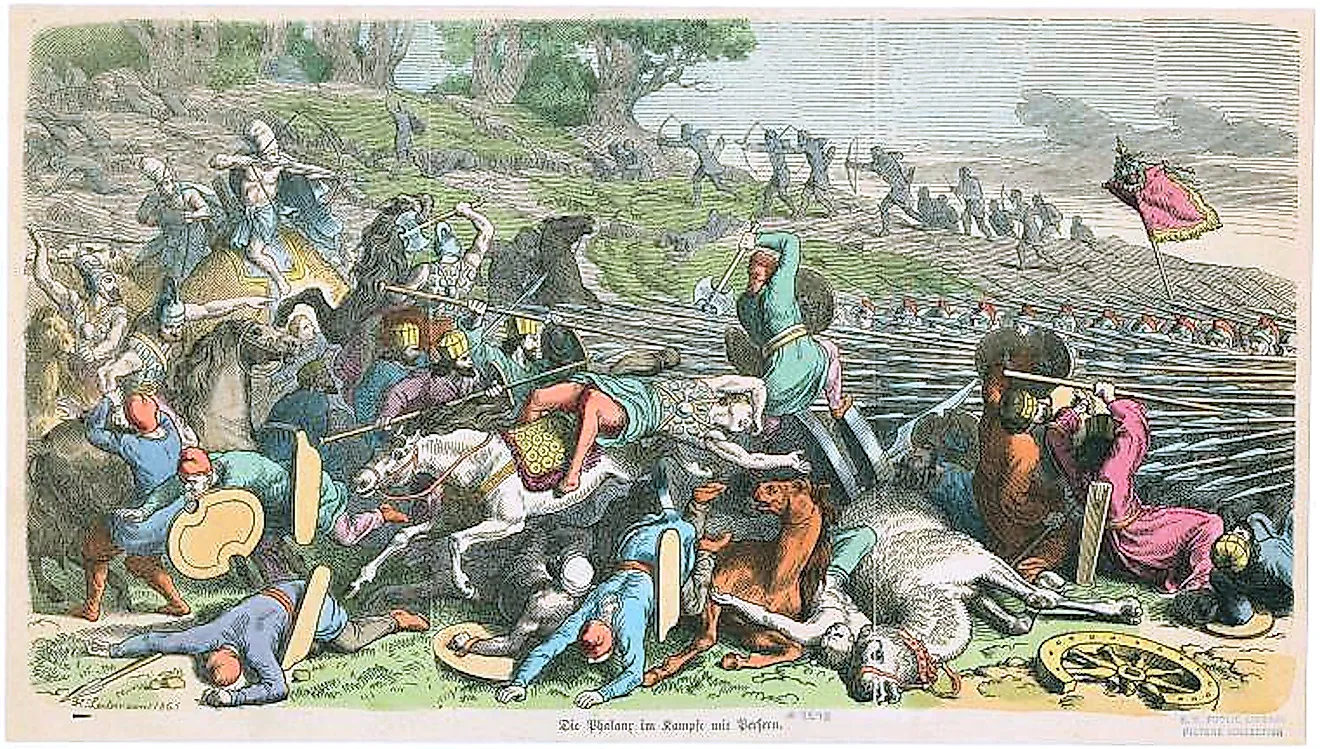
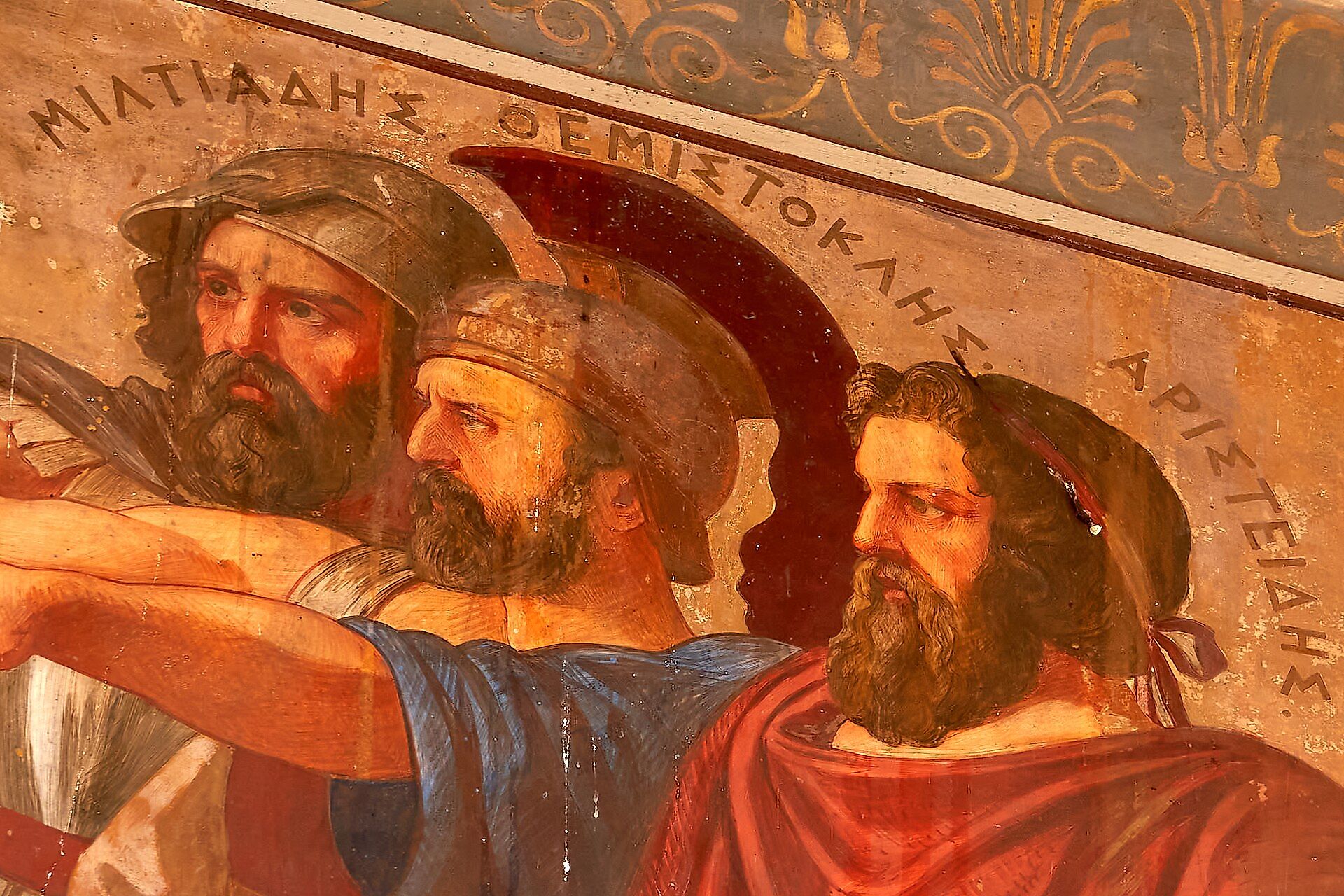
Miltiades earned his place in Greek history at the Battle of Marathon in 490 BCE. According to Herodotus, the Athenian generals were divided over whether to fight. Miltiades persuaded the polemarch Callimachus to support immediate battle, breaking the deadlock. The result was a famous Athenian victory. Greek hoplites attacked the Persian line and eventually drove the invaders back toward their ships. Later Greek tradition placed Miltiades at the center of the victory, and with good reason. He appears to have played an important role in the decision to attack and in the battle plan.
The problem is that Miltiades' reputation rests overwhelmingly on that one battle. The following year, he persuaded the Athenians to give him 70 ships, troops, and money for an expedition whose target he initially kept secret. He sailed against the island of Paros, claiming that the Parians had supported the Persian invasion. The campaign failed. Miltiades was wounded, returned to Athens without taking the island, and was prosecuted for misleading the people.
He escaped a death sentence but received an enormous fine of 50 talents. He died soon afterward from complications connected to his wound, and his son Cimon eventually paid the fine. Marathon was a genuine achievement, but Miltiades did not leave behind the long record of successful campaigns associated with commanders such as Epaminondas or Alexander. His reputation as one of Greece's great generals depends heavily on a single extraordinary day.
Alcibiades: Brilliant, Unpredictable, And Dangerous To His Own Side

Alcibiades had a stronger overall military record than Miltiades. During the later stages of the Peloponnesian War, he helped Athens recover after some of its worst defeats. However, his career is a case study in how tactical success can coexist with disastrous strategic judgment. The clearest example is the Sicilian Expedition. Alcibiades strongly supported the plan to send a huge Athenian force to Sicily in 415 BCE. His political opponent Nicias warned that the expedition could become much larger and more dangerous than expected.

Alcibiades cannot fairly be blamed for the expedition's military collapse. He was recalled to Athens shortly after arriving in Sicily to answer charges connected to religious scandals, and he escaped before standing trial. Nicias and the other commanders were left to conduct the campaign that ended with the destruction of the Athenian force at Syracuse in 413 BCE.
However, Alcibiades then made the situation worse for his own city. After defecting to Sparta, he advised the Spartans to send help to Syracuse and urged them to fortify Decelea in Attica. The Spartan occupation of Decelea placed permanent pressure on Athens and gave Sparta a base close to the city. Alcibiades later fell out with Sparta, sought protection in Persian territory, and eventually returned to Athenian service. His later victories proved that his military ability was real. His problem was consistency.
Pyrrhus: The General Whose Victories Became A Warning

In 280 BCE, Pyrrhus defeated the Romans at Heraclea in southern Italy. His army included war elephants, which the Romans had little experience fighting. He followed that victory with another at Asculum in 279 BCE. Yet his own losses were severe, particularly among experienced officers and soldiers who were difficult to replace.
That problem gave rise to the expression "Pyrrhic victory." Plutarch reports Pyrrhus admitting after Asculum that another victory of the same kind would ruin him. Rome could replace lost soldiers far more easily than Pyrrhus could replace his veterans. Winning individual battles therefore failed to solve his strategic problem.
Pyrrhus then moved to Sicily, where Greek cities sought his help against Carthage. He initially achieved major successes and reduced Carthaginian power on the island, but he could not capture the stronghold of Lilybaeum. His increasingly harsh rule also alienated some of the Sicilian Greeks who had welcomed him. He eventually abandoned Sicily and returned to Italy.
In 275 BCE, Pyrrhus failed to secure a decisive victory over the Romans at Beneventum and soon left Italy. He later campaigned in Greece, attacked Sparta unsuccessfully, and was killed during street fighting at Argos in 272 BCE. While clearly a gifted battlefield commander, Pyrrhus repeatedly won battles without creating lasting political or strategic results. His Italian campaign failed to break Roman power, his Sicilian successes disappeared after his departure, and his final campaigns ended without establishing the larger empire he repeatedly pursued.
Reputation Over Results
It's not easy leading an army. Miltiades deserves enormous credit for Marathon, yet there is little successful military career around that victory. Alcibiades repeatedly demonstrated talent, but his political choices and changes of allegiance sometimes did more damage to Athens than his victories repaired. Pyrrhus was probably the most talented battlefield commander of the three, yet he struggled to turn victories into permanent gains.
A great battle does not automatically make a great career. Military leadership also involves choosing achievable goals, preserving forces, maintaining alliances, and turning battlefield success into a favorable strategic outcome. Measured that way, Miltiades, Alcibiades, and Pyrrhus remain important commanders, but their famous reputations deserve more scrutiny than the legends surrounding them usually receive.