Why Alexander The Great Is Still Famous Today?
Many ancient figures hold a special place in popular historical memory. Limited sources and their distance in time often give these figures an almost mythic significance. The people who get this attention are usually worthy of it. Alexander the Great is still famous today for factual reasons. His military record set him apart and his cultural influence carried his name forward. The way he inspired future leaders and empires keeps him in popular memory even now.
He Never Lost A Battle

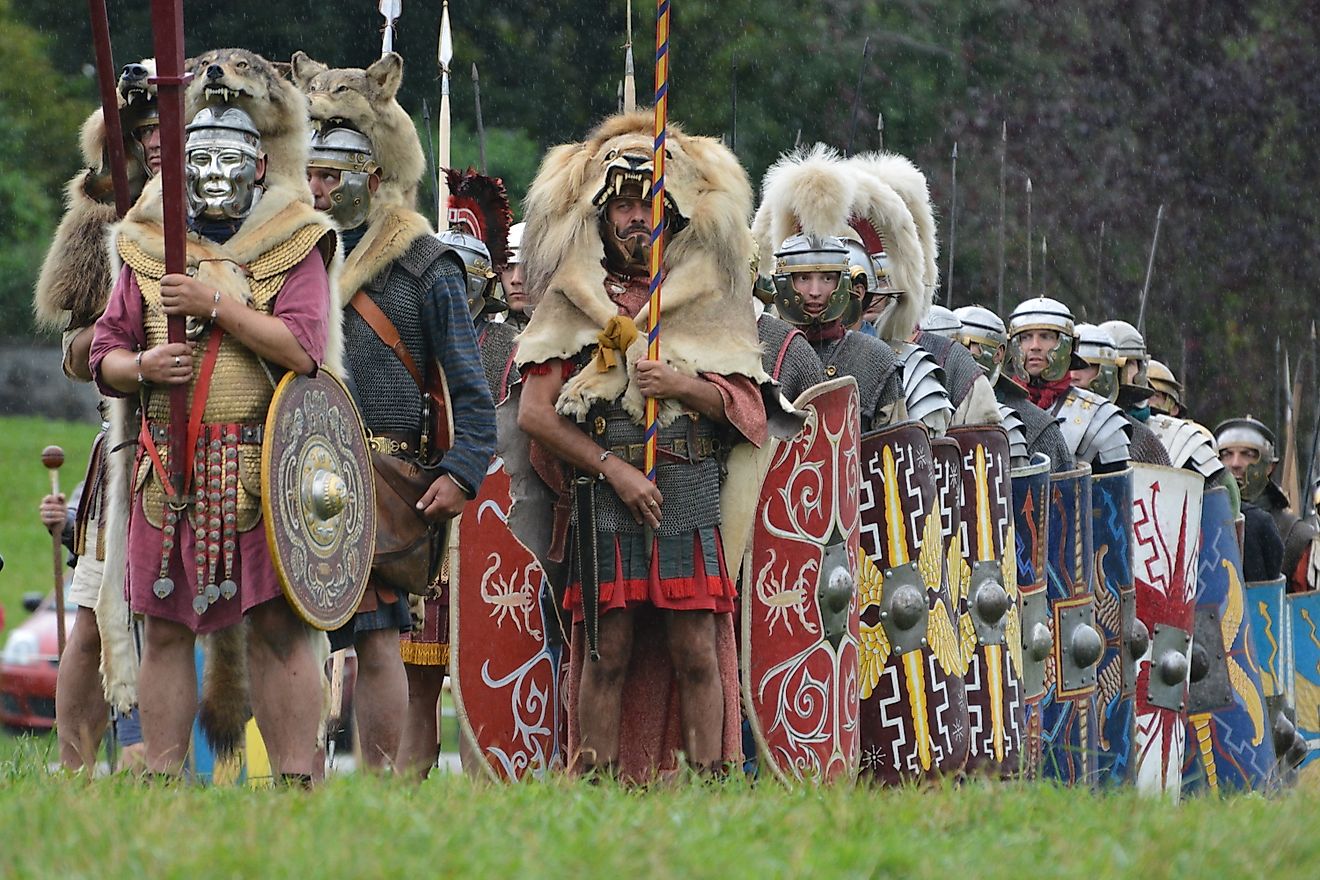
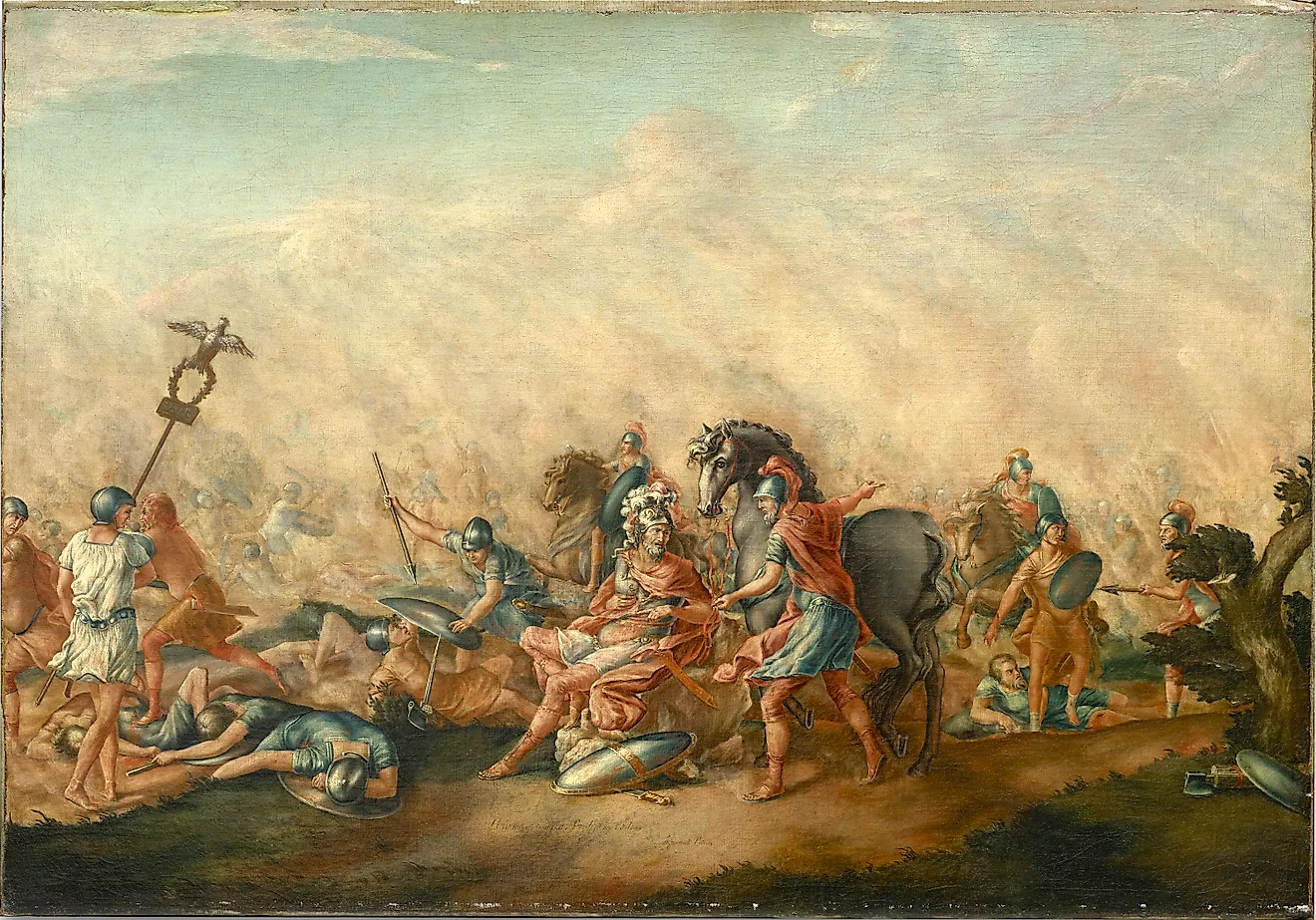
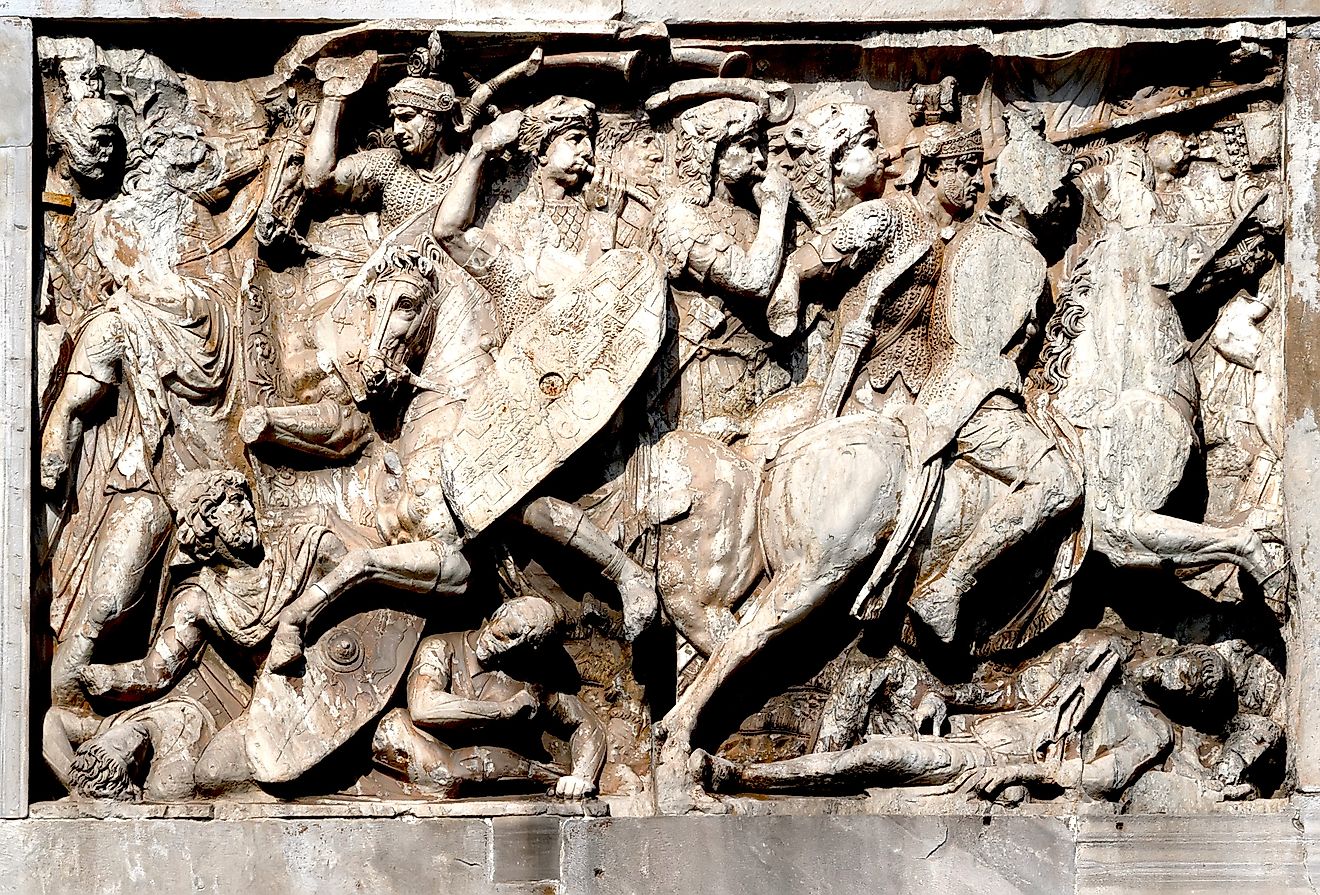
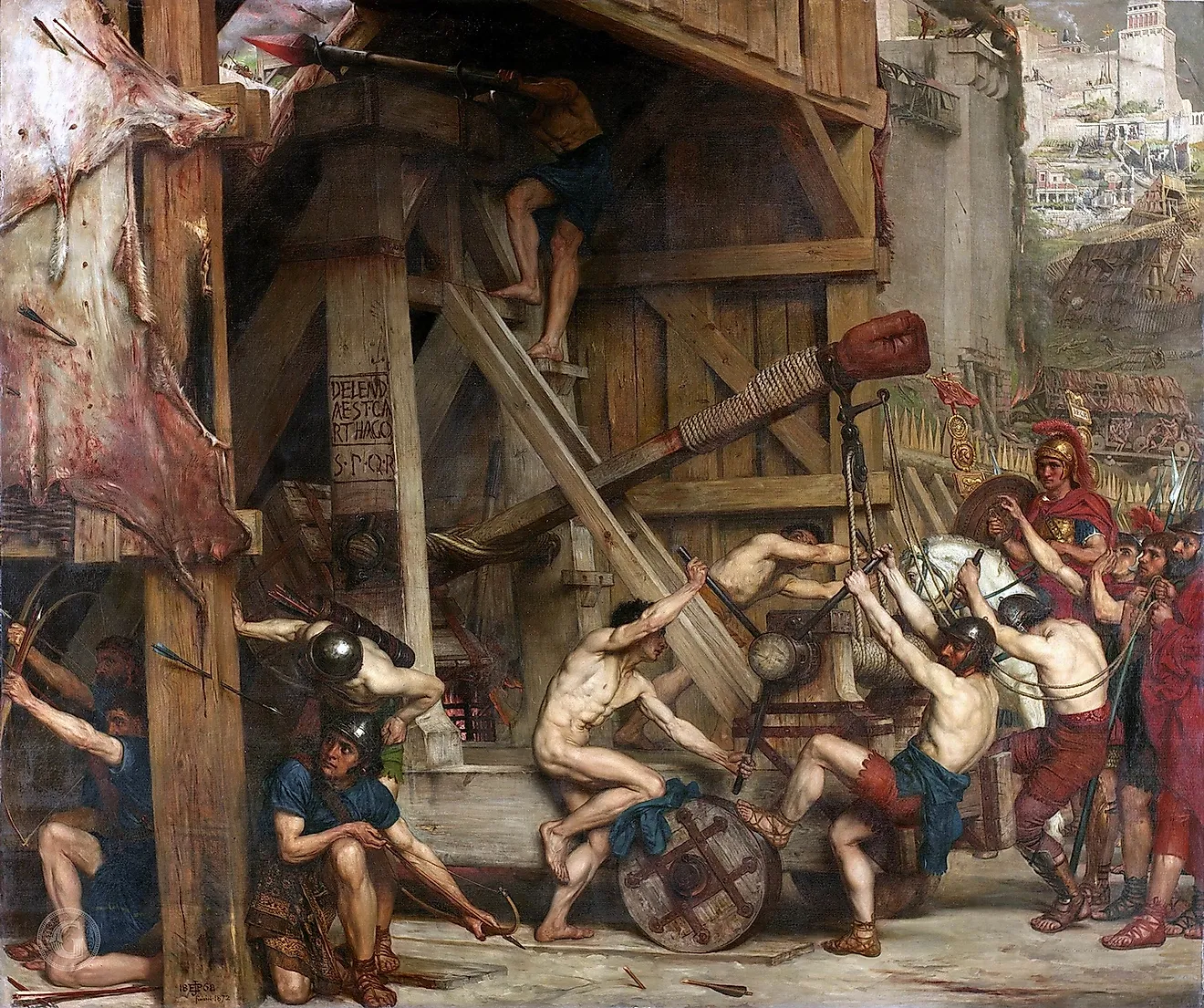
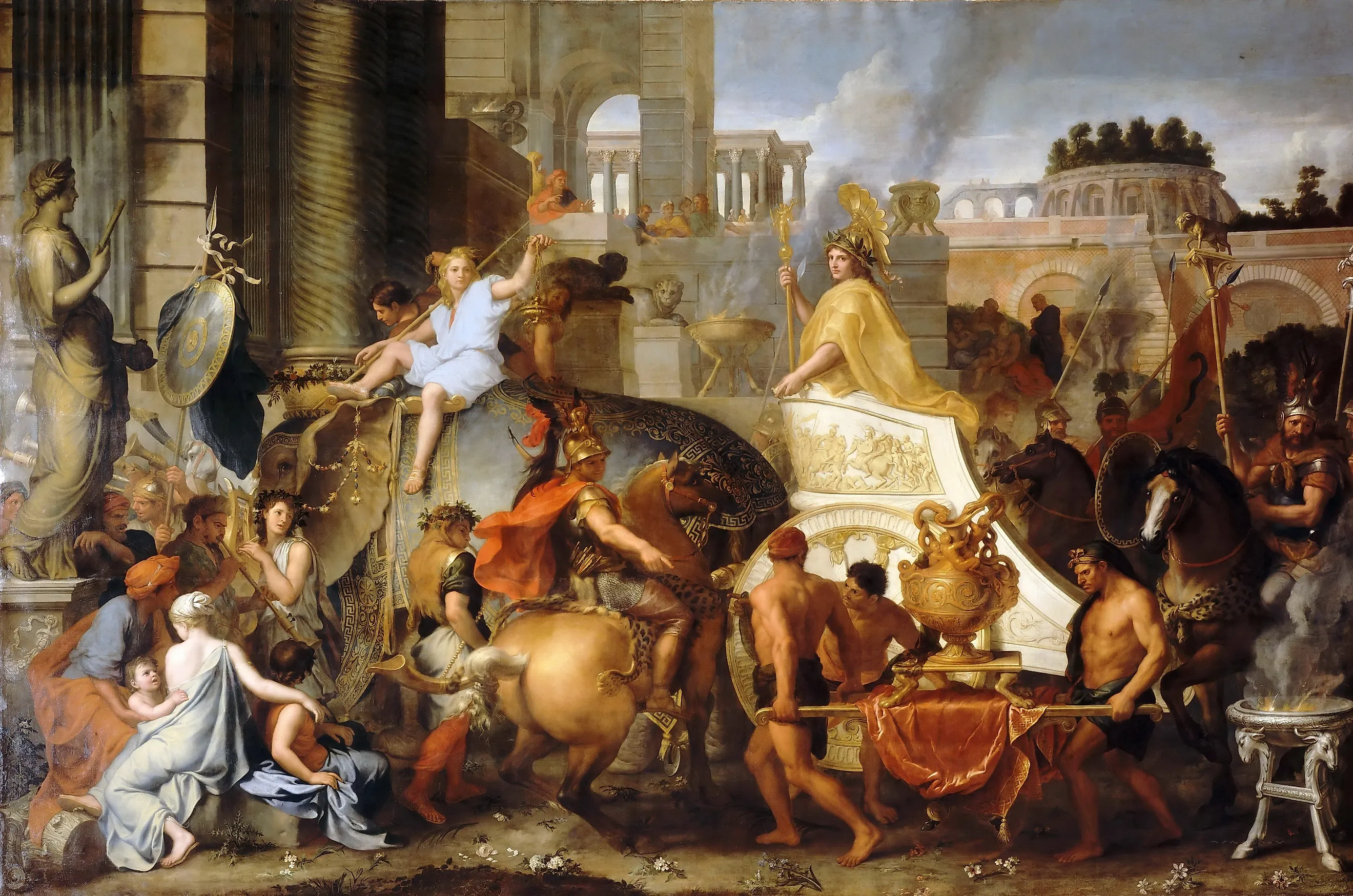
Perhaps the most famous fact about Alexander the Great is that he never lost a battle. This is particularly impressive considering he was constantly waging war. His campaigns ran through the Balkans and Greece, then into his invasion of Persia, then through Central Asia, and finally into India. These consistent victories helped him build one of the largest empires of the ancient world.

That is not to say he never experienced difficulties. The sieges of Tyre and Gaza in 332 BCE took months longer than he expected or wanted. After beating the Indian king Porus in the Battle of the Hydaspes in 326 BCE, his exhausted army threatened to mutiny if he continued pushing into India. The subsequent march home through the Gedrosian Desert resulted in the deaths of tens of thousands of his men. With these caveats to his military success accounted for, it remains true that Alexander never lost a battle.
He Spread Greek Culture Throughout The World

By building an empire that stretched from Macedonia to India, Alexander helped spread Greek culture across the ancient world. He did so through several methods. He founded Greek-style cities, the most famous of which was Alexandria in Egypt. Thanks to their Greek theaters, gymnasiums, and temples, cities like this one became cultural centers of the Greek world in the centuries following Alexander's death. He also introduced Koine Greek, a supraregional version of Greek, as the common language of the regions he conquered. Even after his empire fell apart, the language remained in place and facilitated the spread of Greek literature, science, philosophy, and religion.
Alexander also took a genuine interest in the cultures of the regions he conquered, particularly Persia. He adopted elements of Persian fashion, incorporated Persian court rituals, and even married Persian women. This interest endeared him to the locals, who in turn became more willing to adopt elements of Greek culture because they felt their own traditions were respected.
He Inspired Future Leaders

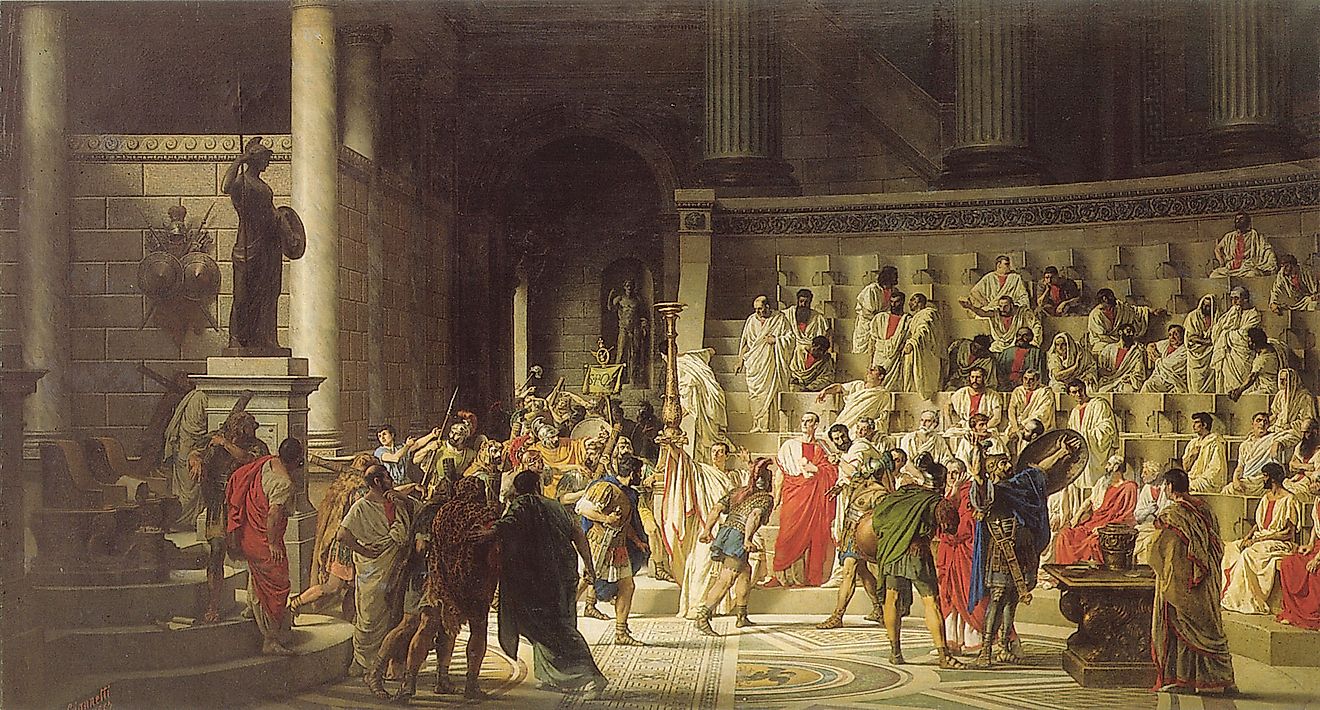
Alexander inspired countless future leaders. Roman general and dictator Julius Caesar famously cried when he saw a statue of the Macedonian king in Spain, lamenting that he had accomplished far less than Alexander had by the same age. Caesar also obsessively studied Alexander's military tactics and used similar fast, aggressive, and decisive strategies to conquer places like Gaul. Caesar drew further inspiration from Alexander's willingness to fight on the front lines and sometimes did the same to engender loyalty in his troops.

Mehmed II, sultan of the Ottoman Empire from 1444 to 1446 CE and then again from 1451 to 1481 CE, was also inspired by Alexander. He admired Alexander's cultural fusion and the multi-continental empire he had built. When the Ottomans took Constantinople in 1453 CE and established themselves as a world power, Mehmed acted on this inspiration.

The empire was officially Islamic, but Jews and Christians were allowed to practice their religion and live autonomously so long as they paid a tax called the Jizya. Known as the millet system, this method of dealing with cultural differences could be traced back to Alexander's respect for Persian culture.
He Inspired Future Empires

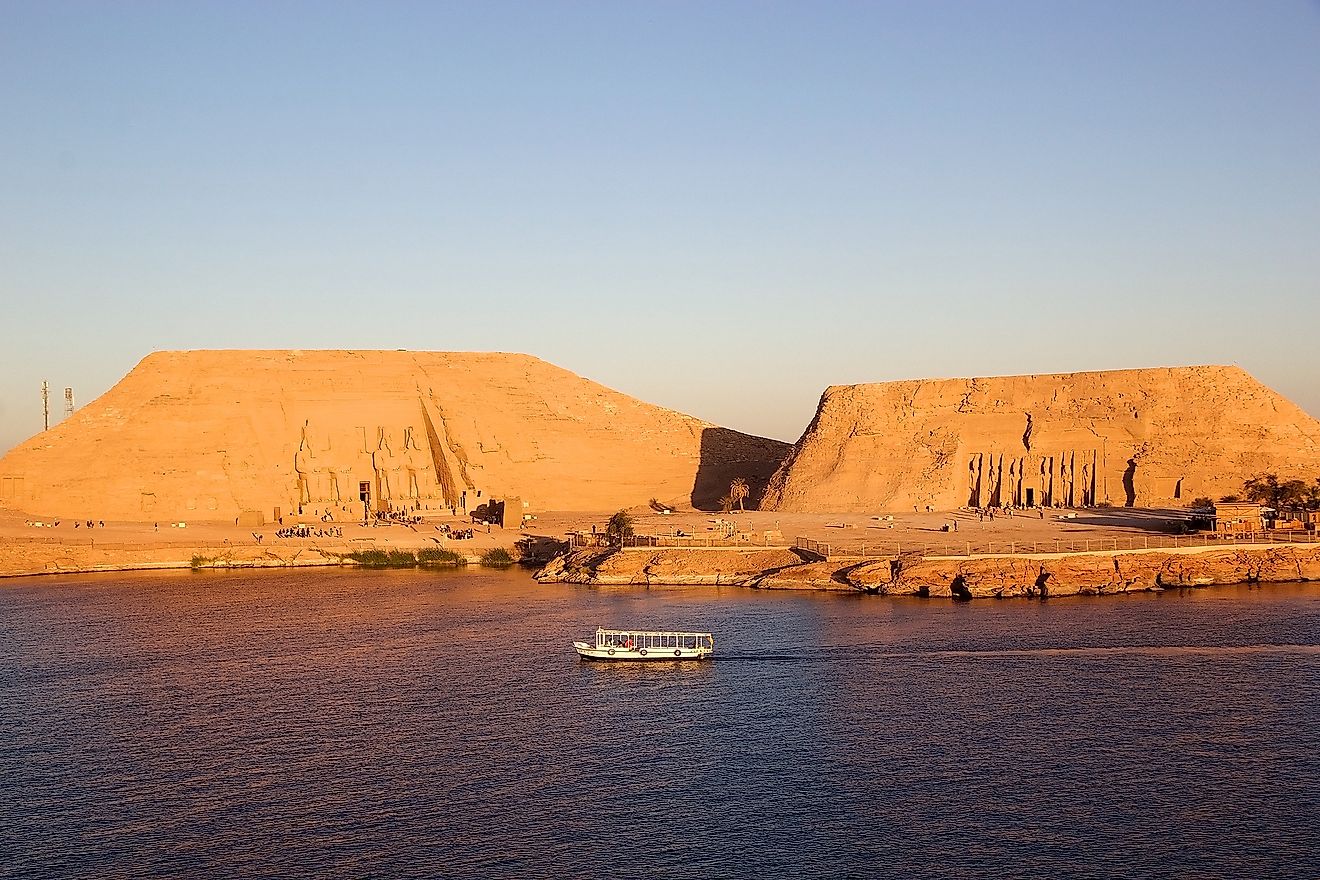
After Alexander the Great died in 323 BCE, his empire quickly fragmented. His generals, known as the Diadochi, each controlled different regions. Following a 20-year civil war, three main empires emerged: one in Macedonia and Greece, one in Persia, and one in Egypt. All claimed to be the legitimate successors to Alexander's empire and ranked as major powers in their own right. Ptolemaic Egypt, in particular, still captures the public imagination. Egyptian leaders like Cleopatra were part of this dynasty, and it also helped revive Ancient Egyptian culture in important ways.
His Life Reads Like A Legend

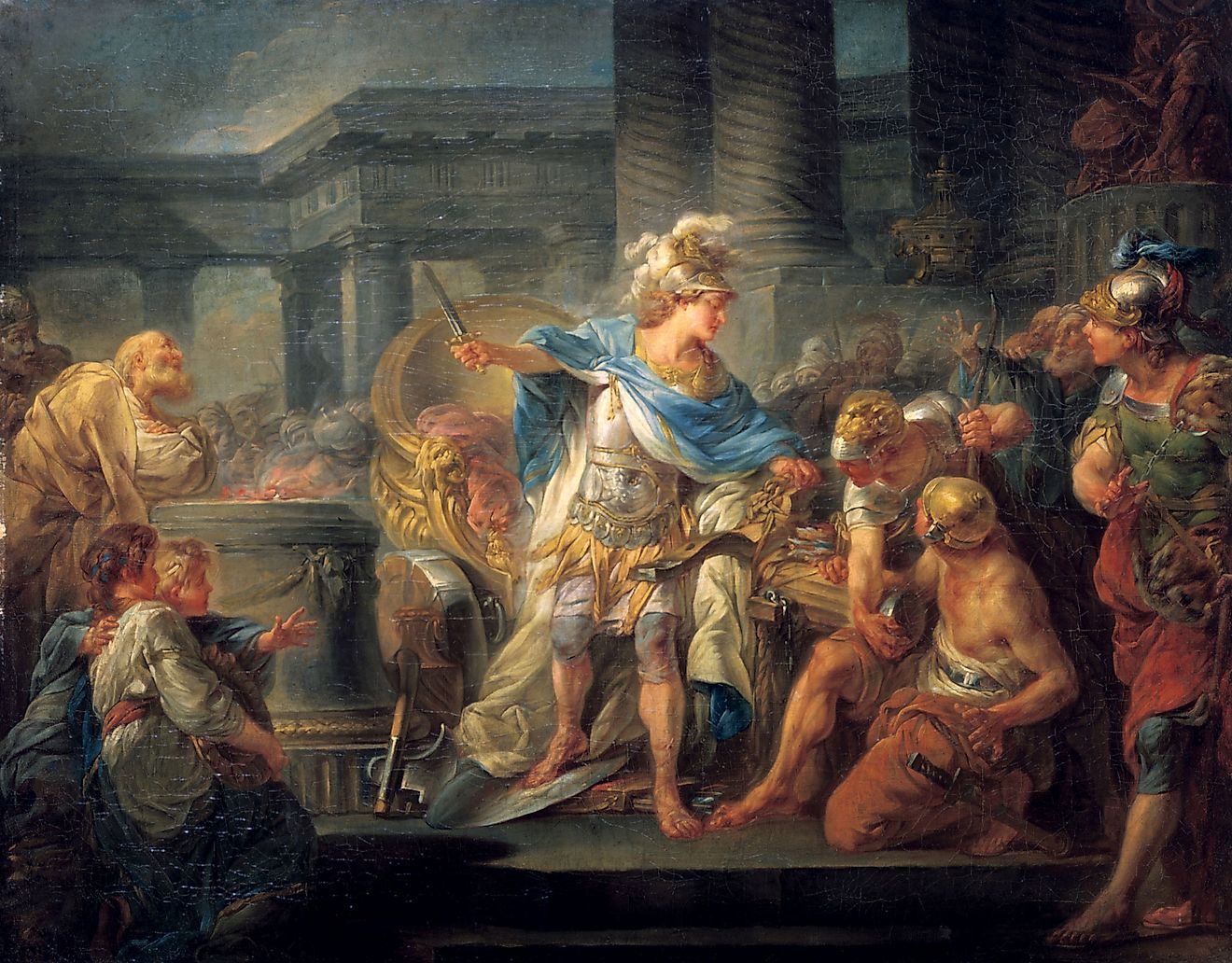
Alexander the Great's life reads like a legend in many ways. As a teenager he was tutored by the philosopher Aristotle. He became king at 20 and conquered the seemingly unbeatable Achaemenid Persian Empire. He crossed mountains, deserts, and jungles in the process while never losing a battle. He died mysteriously at the age of 32. Some of this, particularly his cause of death, reads as legendary due to the lack of surviving ancient sources. The achievements themselves were real and extraordinary by any metric. That helps explain why Alexander continues to inspire so many people today.
Impact And Legacy
Alexander the Great is still famous today for several reasons. He never lost a battle and he left a permanent cultural mark on the ancient world. He inspired many future leaders and empires. These factors combined make Alexander's life appear legendary and place it above that of many other historical figures.