The Story Of Ptolemaic Egypt
Ptolemaic Egypt ran from 305 BCE to 30 BCE and shaped the religious, intellectual, and political life of the Hellenistic Mediterranean across nearly three centuries. The Library of Alexandria consolidated Greek learning under royal patronage. The Ptolemies sponsored a syncretic religious culture that blended Greek and Egyptian elements, including the new state god Serapis. The dynasty was the bridge between the period of Greek dominance opened by Alexander the Great and the period of Roman dominance ushered in by Julius Caesar, Mark Antony, and Octavian.
Alexander the Great and Egypt

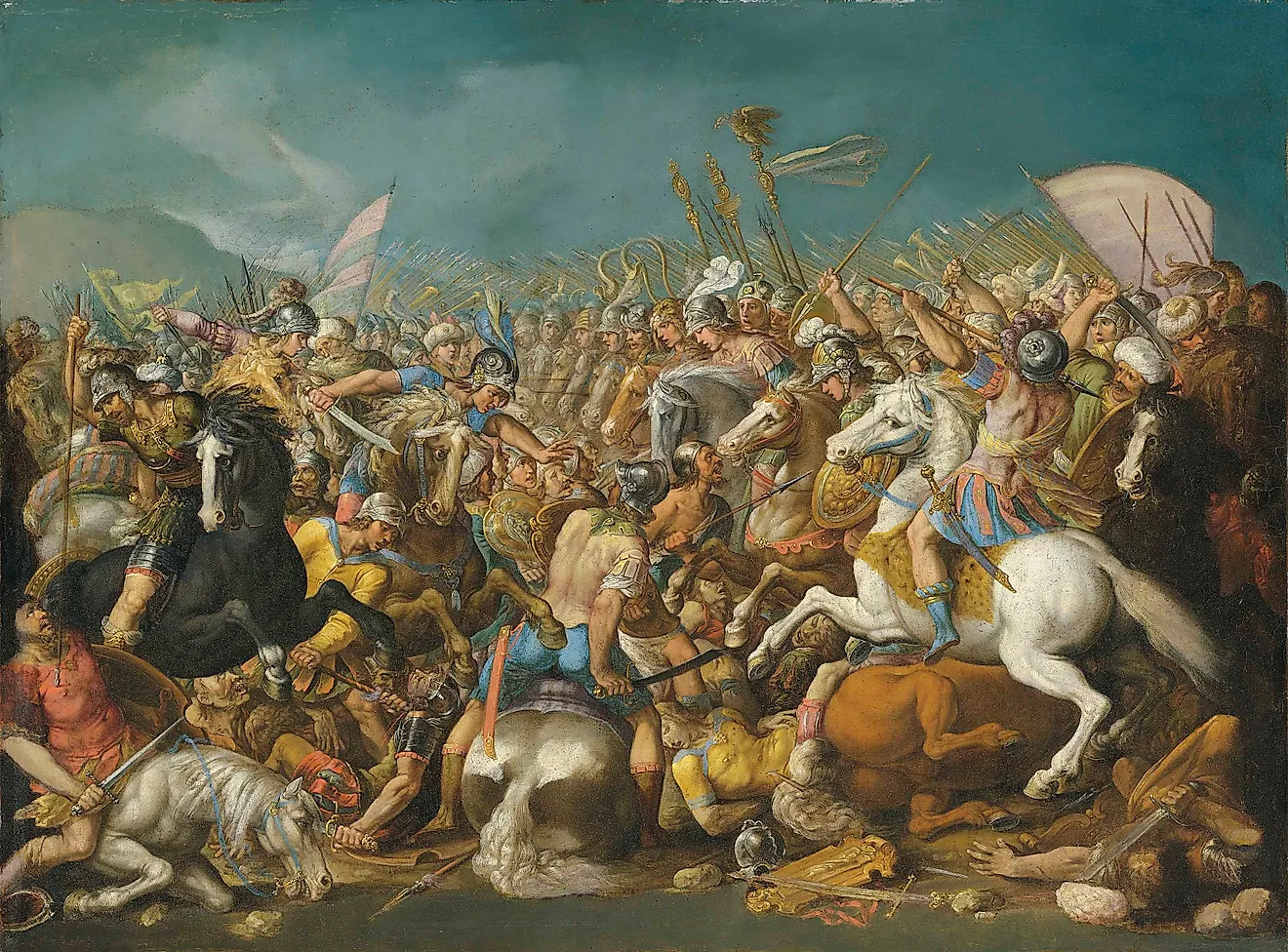
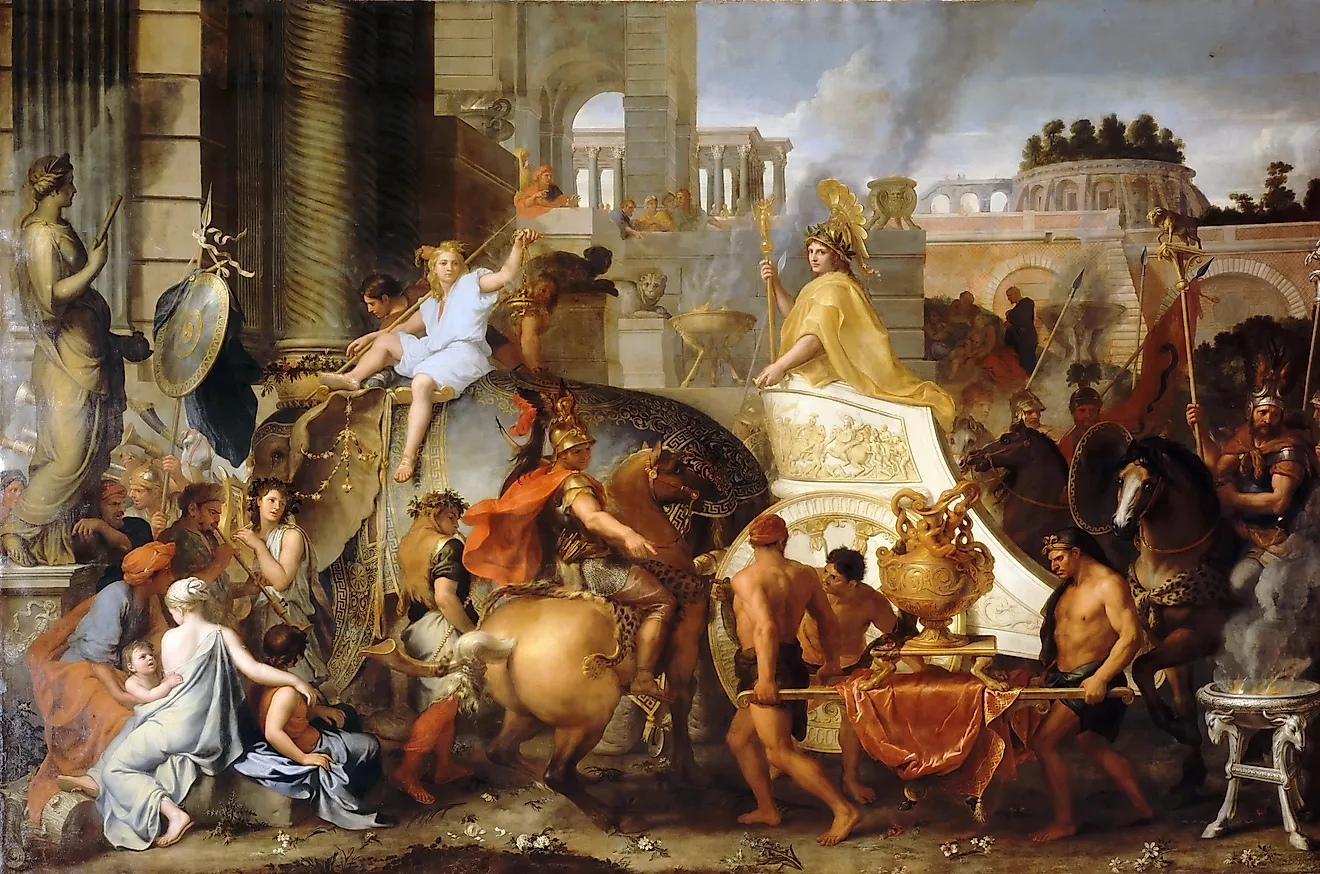
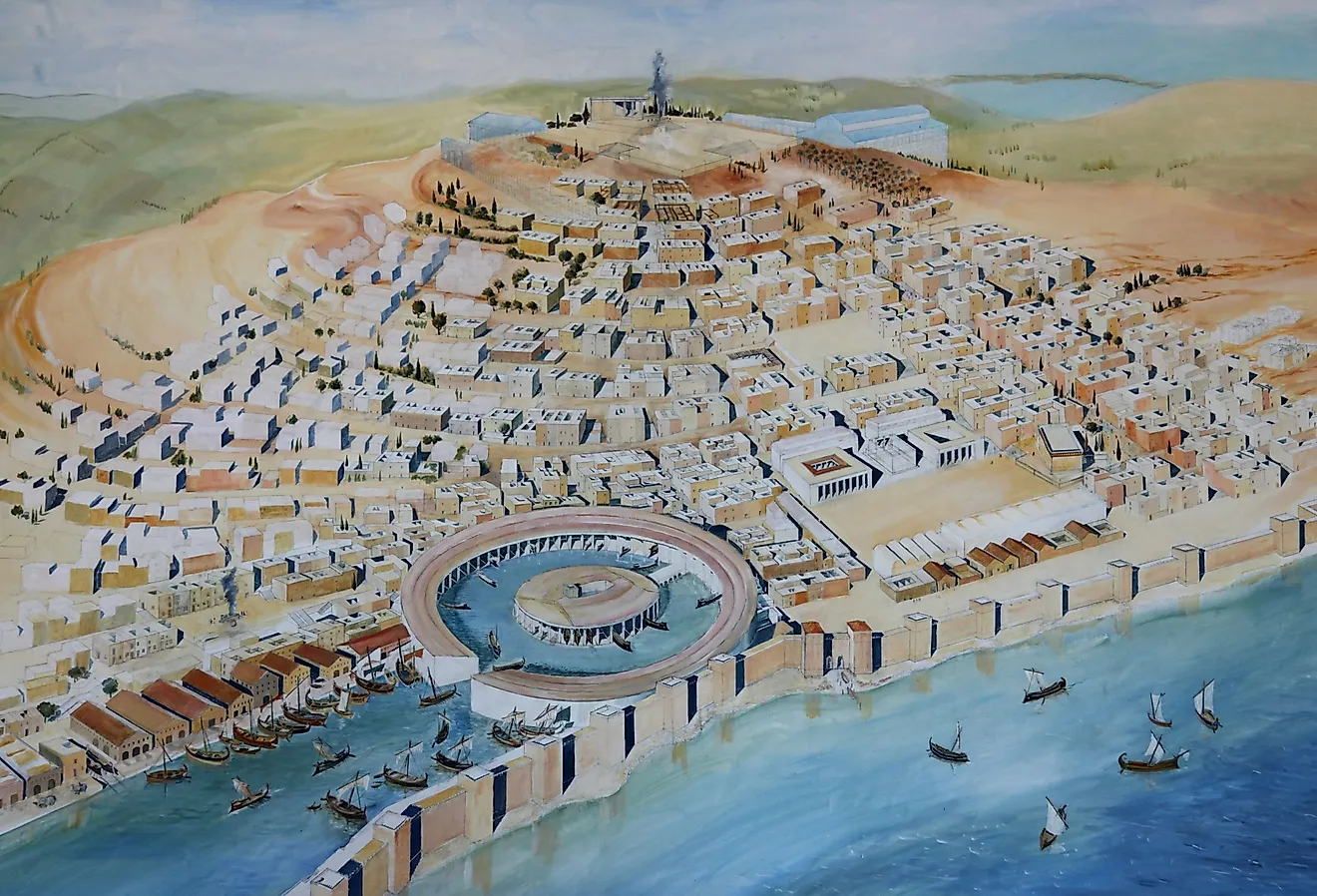
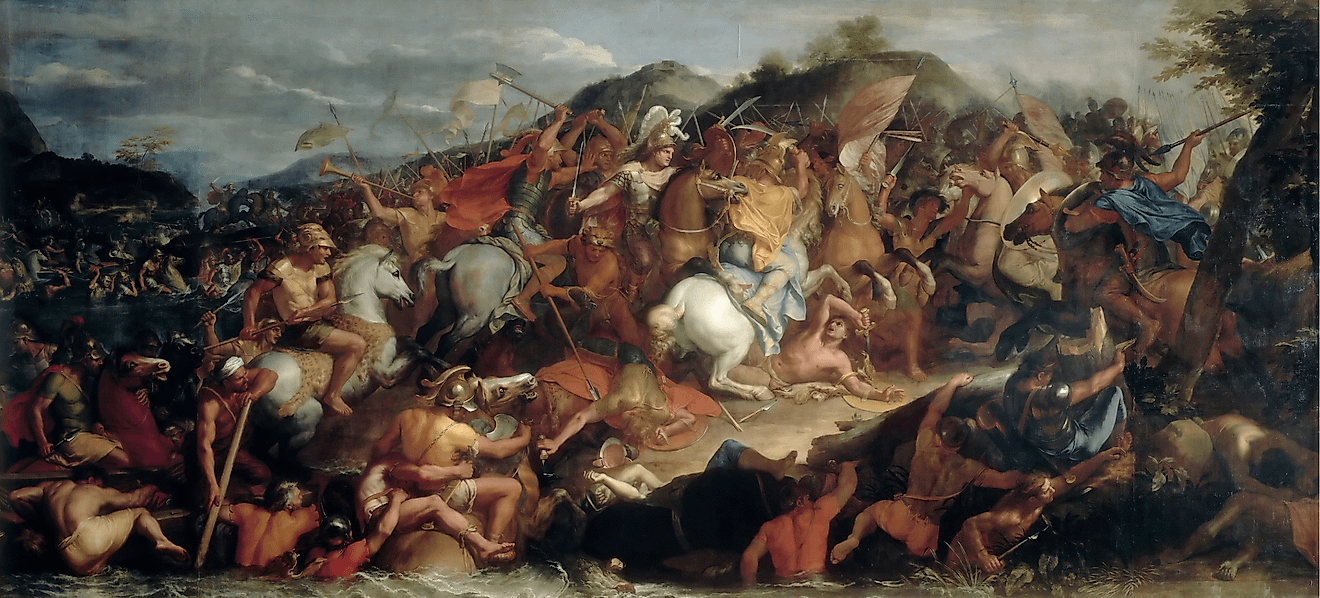
Egypt fell to the Achaemenid Persian Empire under Cambyses II in 525 BCE. The early period of Persian rule brought infrastructure investment and stability, but unrest grew over heavy taxation and religious repression, sparking several revolts that the Persians put down by force. By the time Alexander the Great, king of Macedon, invaded the Persian Empire in 334 BCE, much of Egyptian society had reasons to welcome him. Alexander worked his way down the Mediterranean coast and reached Egypt in 332 BCE. Egyptian priests and elites received him as a liberator, declared him pharaoh, and supported the founding of Alexandria on the site of an existing fishing village. Alexander then continued his campaigns east into Asia.
The Rise of the Ptolemies

Alexander died in Babylon in 323 BCE without naming a successor. His generals, the Diadochi, fought over the succession for the next four decades. One of them, Ptolemy son of Lagus, was assigned Egypt as its satrap. He moved quickly to secure the country, fortify the borders, and build up Alexandria as a capital and trading port. He also famously hijacked Alexander's funeral procession on its way back to Macedon and brought the body to Alexandria, using the burial site as a political asset to legitimise his rule. After almost two decades of war, the Macedonian empire fragmented in 305 BCE, and Ptolemy declared himself king and pharaoh. The dynasty he founded lasted nearly three hundred years.
A Greek and Egyptian Dynasty

The Ptolemies governed Egypt as Greek-speaking foreigners for most of the dynasty's existence, with Greeks holding the upper administrative and military positions and Egyptians retaining their hold on religious life and agricultural production. The cultural friction produced one of the more interesting Hellenistic compromises: the cult of Serapis. Serapis was a deliberately constructed god, drawing on the Egyptian deities Osiris and Apis but rendered in Greek visual idiom and given attributes from Zeus, Hades, and Dionysus. The cult worked. Serapis became a major god across the Hellenistic Mediterranean and remained important well into the Roman imperial period.
The Centre of the Greek World

Despite the religious syncretism, Ptolemaic Egypt was administratively and culturally Greek. The defining institution was the Library of Alexandria and its associated Mouseion, a research institution attached to the royal palace complex. The library aimed to collect every Greek text in existence, an ambition the Ptolemies funded by buying, copying, and confiscating manuscripts that arrived in Alexandria's port. The Mouseion paid stipends to scholars to live, research, and teach there. Eratosthenes calculated the circumference of the Earth from Alexandria. Euclid produced the Elements there. Aristarchus of Samos proposed a heliocentric model. The library and the Mouseion together made Alexandria the working centre of Greek intellectual life for several centuries.
Decline of Ptolemaic Reign

The dynasty had structural problems. The Ptolemies practiced sibling marriage to keep the bloodline closed, which produced competing royal claims and frequent civil wars. Notable examples include the war between Ptolemy VI and Ptolemy VIII from 170 BCE onward and the conflict between Ptolemy VIII and his sister-wife Cleopatra II from 132 to 127 BCE. None were fatal to the regime alone, but each drained resources and weakened central authority.
The tax system was the second long-term problem. Native Egyptians were taxed more heavily than Greek settlers, while occupying lower-status positions in the economy as priests, farmers, and craftsmen. The disparity sparked recurring revolts and produced a slow erosion of agricultural productivity, since farmers had little incentive to expand output the state would simply confiscate.
Military defeats followed. The Syrian Wars, six conflicts fought against the Seleucid Empire between 274 and 168 BCE, ended with the Seleucids holding most of what had been Ptolemaic Syria. Cyprus was annexed by Rome in 58 BCE.
Cleopatra and the End of Egyptian Independence

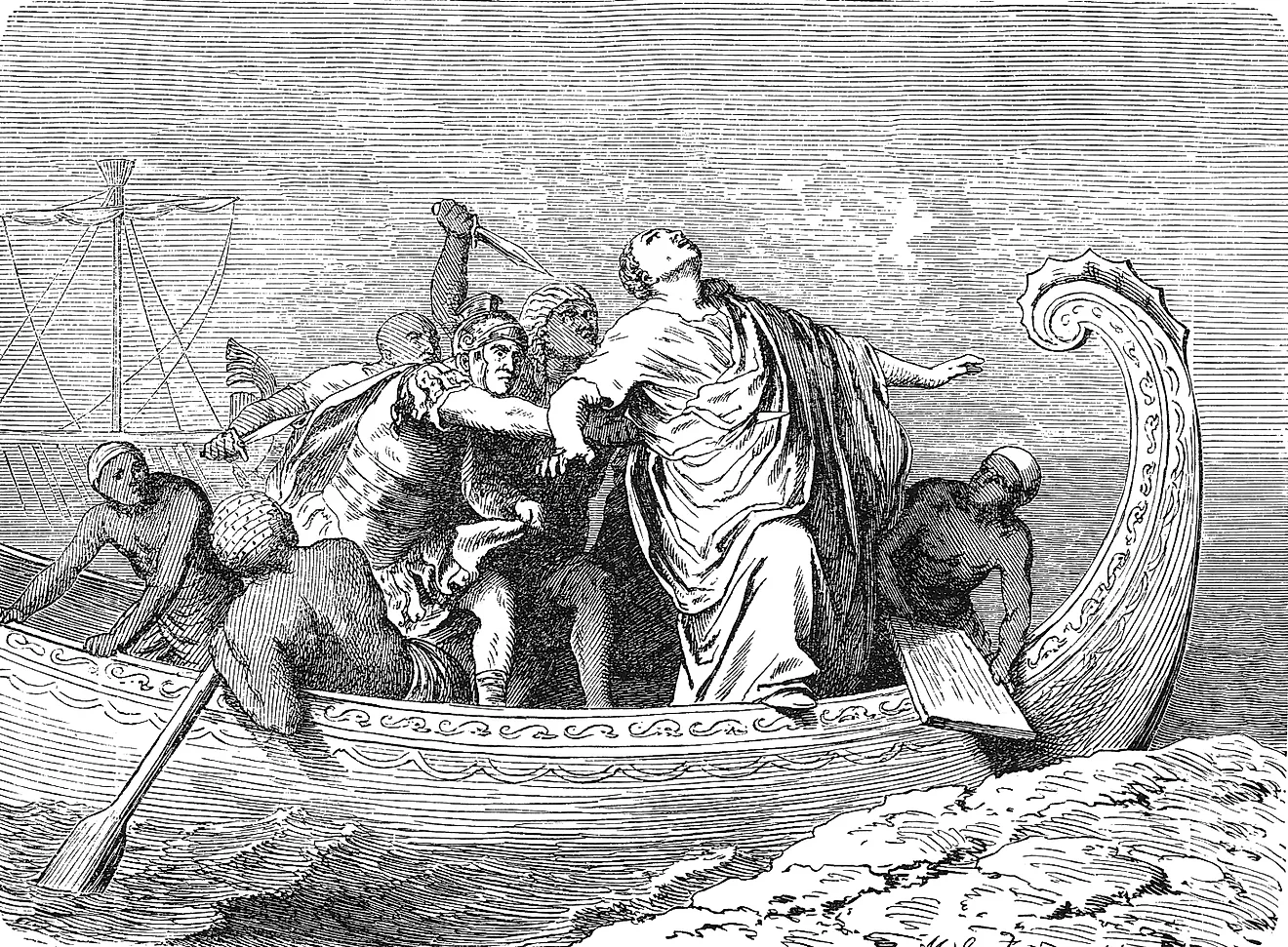
By the first century BCE, Rome had been intervening in Egyptian politics for over a hundred years. The accession of Cleopatra VII in 51 BCE marked the beginning of the dynasty's final phase. Cleopatra first allied with Julius Caesar to defeat her brother Ptolemy XIII in a civil war and consolidate her hold on the throne. After Caesar's assassination in 44 BCE, she allied herself with Mark Antony in the same way. The arrangement worked through Antony's eastern campaigns and the early stages of the Second Triumvirate, but it failed when Octavian (Caesar's adopted heir) moved against Antony directly.
Antony and Cleopatra were defeated at the Battle of Actium in 31 BCE. Both committed suicide in Alexandria the following year. Octavian annexed Egypt outright, and the country became a personal possession of the Roman emperor rather than a Senate-administered province. The Ptolemaic dynasty ended with Cleopatra; Egypt would not be governed by an independent native ruler again for almost two thousand years.