The Rise And Fall Of Ancient Greece
Ancient Greece remains one of the most iconic civilizations in history. From its architecture to its philosophy, we continue to feel its influence. This makes it important to understand how it both rose and fell. A story of overlapping cultures, geographies, and peoples, Ancient Greece is as complex and multifaceted as its many city-states. While impossible to properly explain its entire history in a short article, this overview highlights the key developments that made Ancient Greece one of the most influential civilizations in human history.
The Origins of Greek Civilization

Geography was core to Greece’s historical development. The Greek mainland is mountainous and contains many valleys and islands. This made it difficult for a large, unified kingdom to develop. Instead, many communities developed in relative isolation, independently from one another, although trade and contact by sea continued to connect parts of the Greek world. The earliest advanced civilization was the Minoan civilization (2000 to 1450 BCE), which emerged on the southern island of Crete. However, the Mycenaeans (1600 to 1100 BCE) were the first Greek-speaking civilization.
Following the Bronze Age, Greece entered a dark age between 1100 and 800 BCE. Literacy rates collapsed, trade declined, and populations fell. During this period, many communities became more localized and self-reliant as long-distance trade and communication declined. When Greece gradually recovered, communities developed more organized political institutions, clearer legal systems, and increasingly effective military structures.
All these developments formed the basis of the classic Greek-style city-state, or polis. From Athens, to Sparta, to Corinth, to Thebes, they all had their own identity. Athens, for example, was a democracy that valued civic participation. On the other hand, Sparta was a militaristic oligarchy where boys were taught the value of strength, discipline, and loyalty from a young age.
The Greco-Persian War And Athenian Dominance

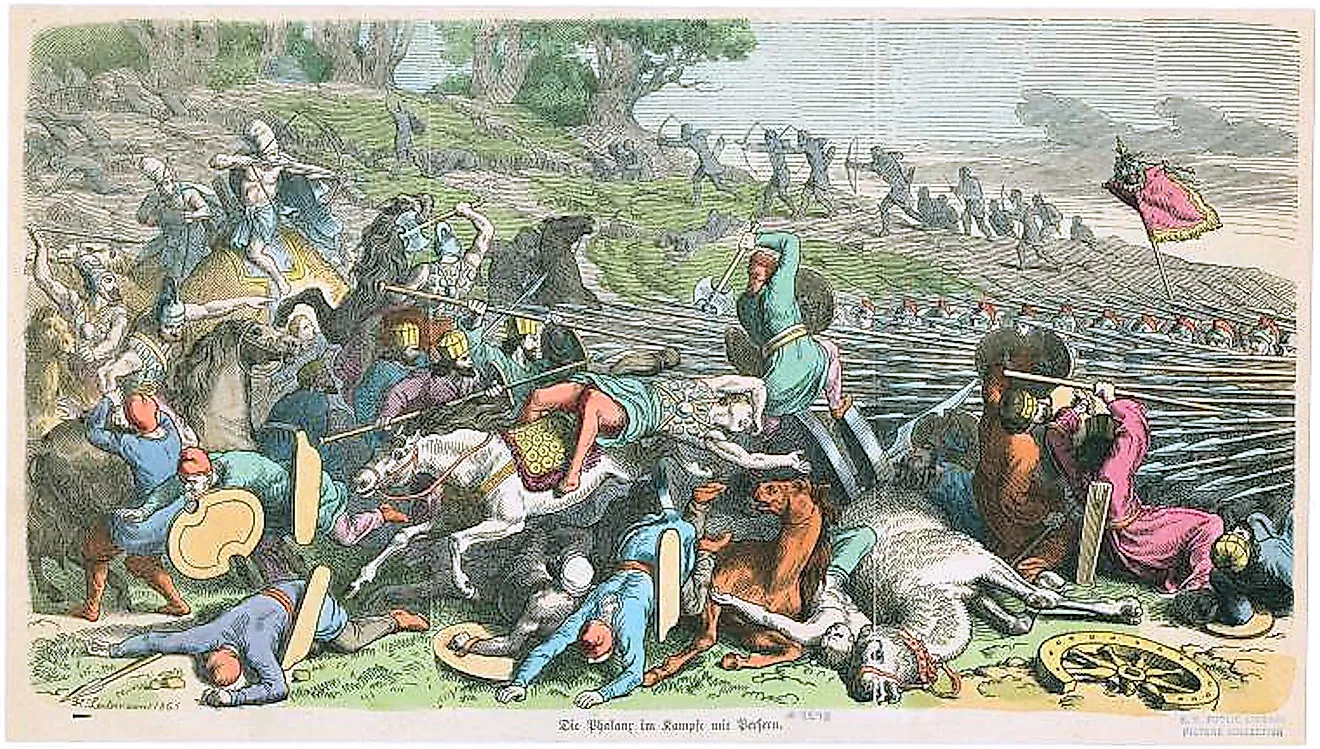
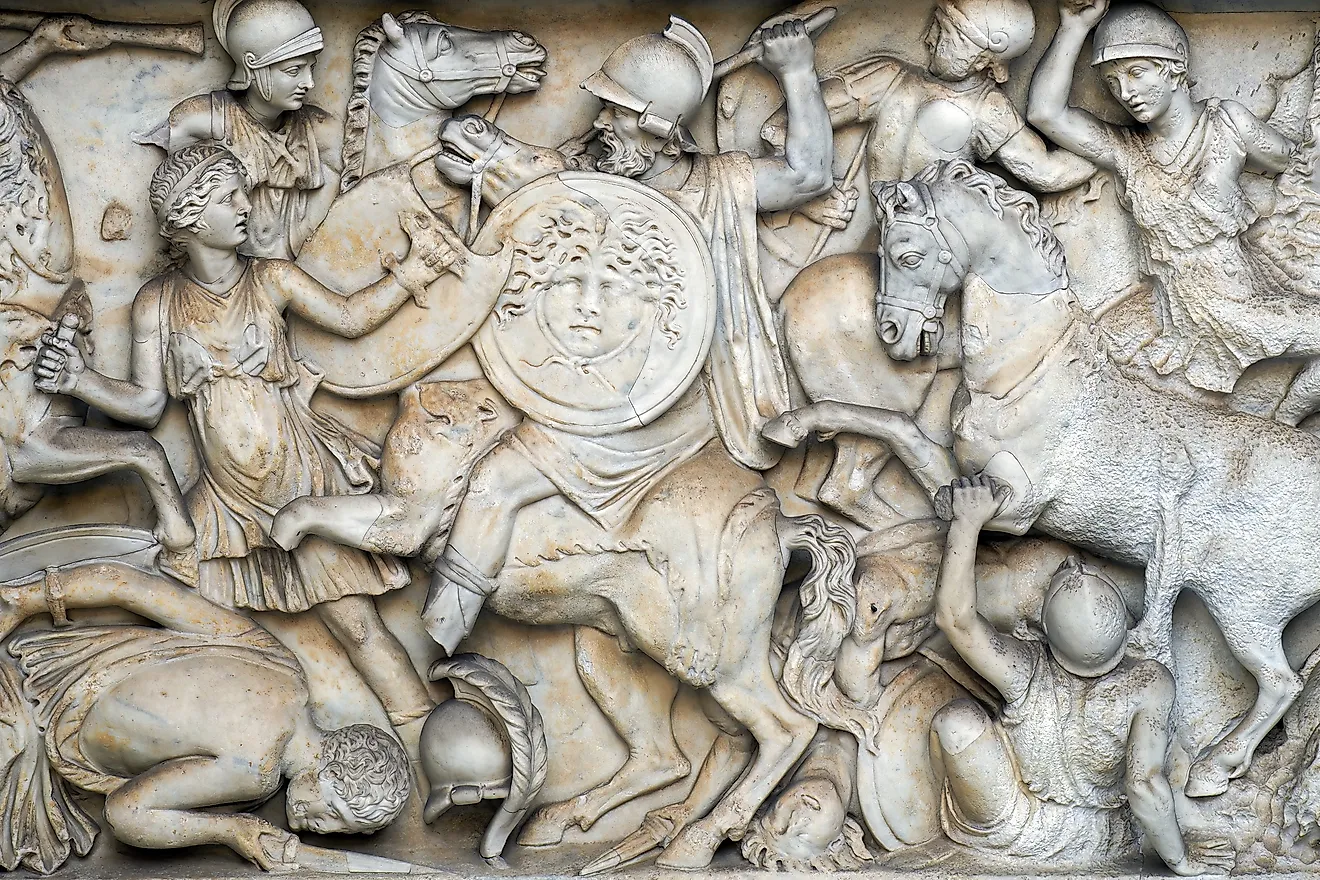
These city-states were not the only powers in the Mediterranean. Around 550 BCE, Cyrus the Great united the Persian tribes and founded the Achaemenid Persian Empire. The Greek city-states in Anatolia didn’t like their new overlords and revolted. In response, Persia invaded Greece, leading to the Greco-Persian War (499 to 449 BCE). Facing the threat of Persian expansion, many Greek city-states formed temporary alliances to resist invasion. Major victories at battles such as Marathon, Salamis, and Plataea helped prevent Persian domination of mainland Greece. After the war, Athens established the Delian League, an alliance that continued military operations against Persia and expanded Athenian influence throughout the Aegean.
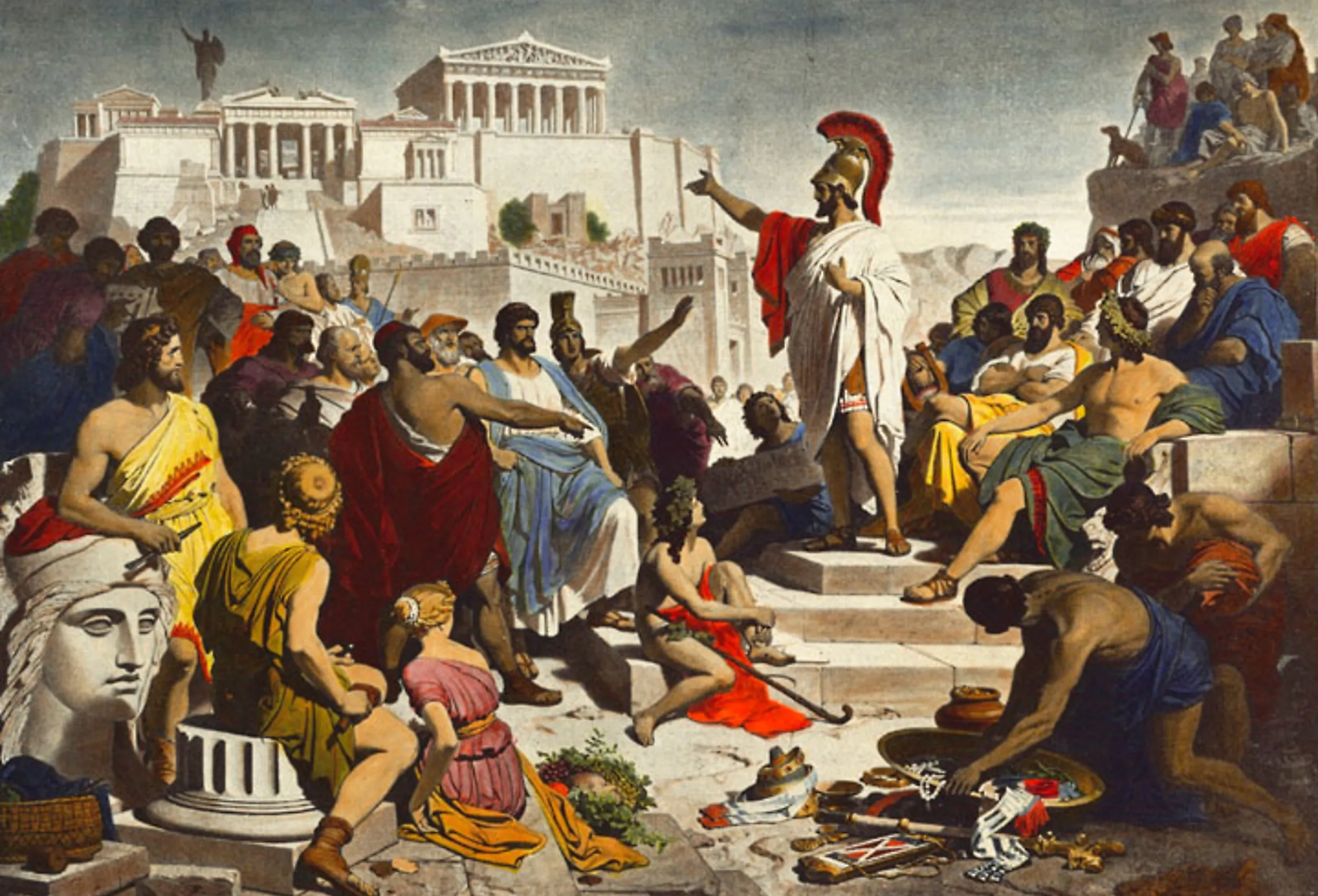
The Athenian Golden Age directly followed the Greco-Persian War. The Delian League had made it both the richest and most militarily dominant city in Greece. Athens also flourished culturally during this period. Its democratic institutions matured, intellectual life flourished through figures such as Socrates, and iconic monuments like the Parthenon were constructed. The cultural achievements of this period also helped shape later thinkers, including Plato.
The Peloponnesian War

Athenian strength was a major source of anxiety amongst the other city-states, particularly Sparta. Combined with a series of political disputes and alliance conflicts, these tensions eventually led to the Peloponnesian War. Lasting from 431 to 404 BCE, it pitted Athens and Sparta against each other in a battle for hegemony over Greece.
Early on, there was reason to think the war might go in Athens’ favor. The strength of its navy was formidable and arguably too great for Sparta to overcome. This all changed with the Sicilian Expedition (415 to 413 BCE), in which the Athenian fleet was trapped in Syracuse’s harbor and destroyed. With its myth of naval invincibility shattered, Athens was put on the defensive for the rest of the conflict and surrendered in 404 BCE.
The Rise of Macedonia

Athens’ defeat led to Spartan dominance of Greece. Sparta struggled to maintain its dominance in the face of military overextension, resistance from rival city-states, and internal challenges. Its influence gradually declined, giving way to a brief period of Theban hegemony in 371 BCE. Regardless, during this period, Greece as a whole was defined by division, decline, and constant warfare.
Macedonia took advantage of this weakness. Many Greeks regarded the Macedonians as less sophisticated than the southern city-states because they lived under a monarchy and occupied a region on the northern fringe of the Greek world. This changed under Phillip II. Ruling from 359 to 336 BCE, he reformed Macedonia’s military and made diplomatic inroads with many city-states. By the time he was assassinated in 336 BCE, most Greek city-states had accepted Macedonian leadership through the League of Corinth, making Macedonia the dominant power in Greece.
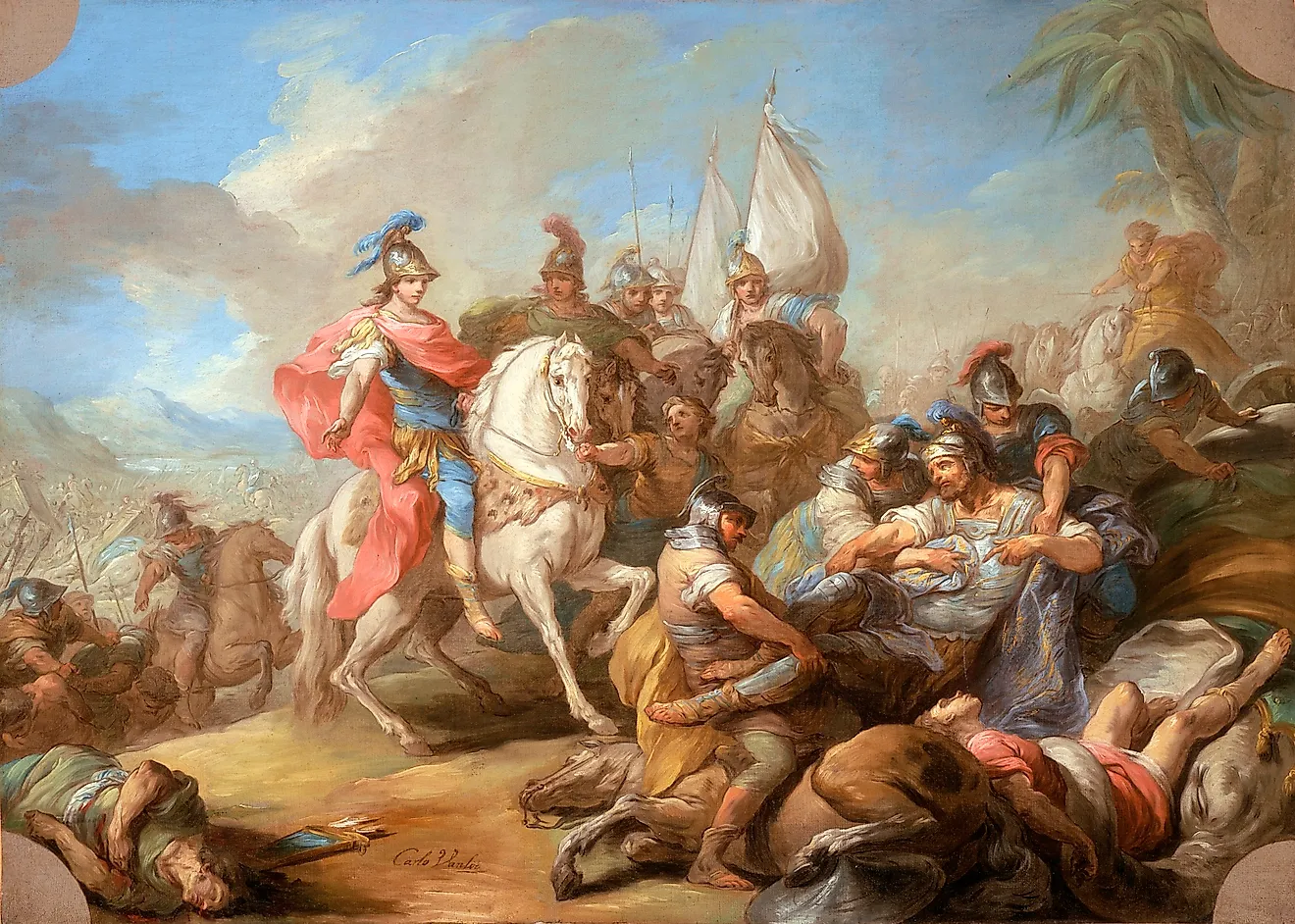
His son, Alexander the Great, brought Macedonia’s power to new heights, conquering the Persian Empire by the end of the 330s BCE. He then moved into Central Asia and India. By the time Alexander died in 323 BCE, he had built one of the largest empires in world history.
The Hellenistic Period And The End Of Ancient Greece

After Alexander died, his empire was divided among his generals, the Diadochi, who all claimed to be his legitimate successor. Decades of conflict among Alexander's successors eventually produced three major Hellenistic kingdoms: Egypt under the Ptolemaic dynasty, Persia and Central Asia under the Seleucid dynasty, Macedonia and parts of Greece under the Antigonid dynasty. Greek in nature, these kingdoms were the defining actors of the Hellenistic Period, which can be understood as roughly 300 years of Greek cultural preeminence across the Eastern Mediterranean and Middle East.
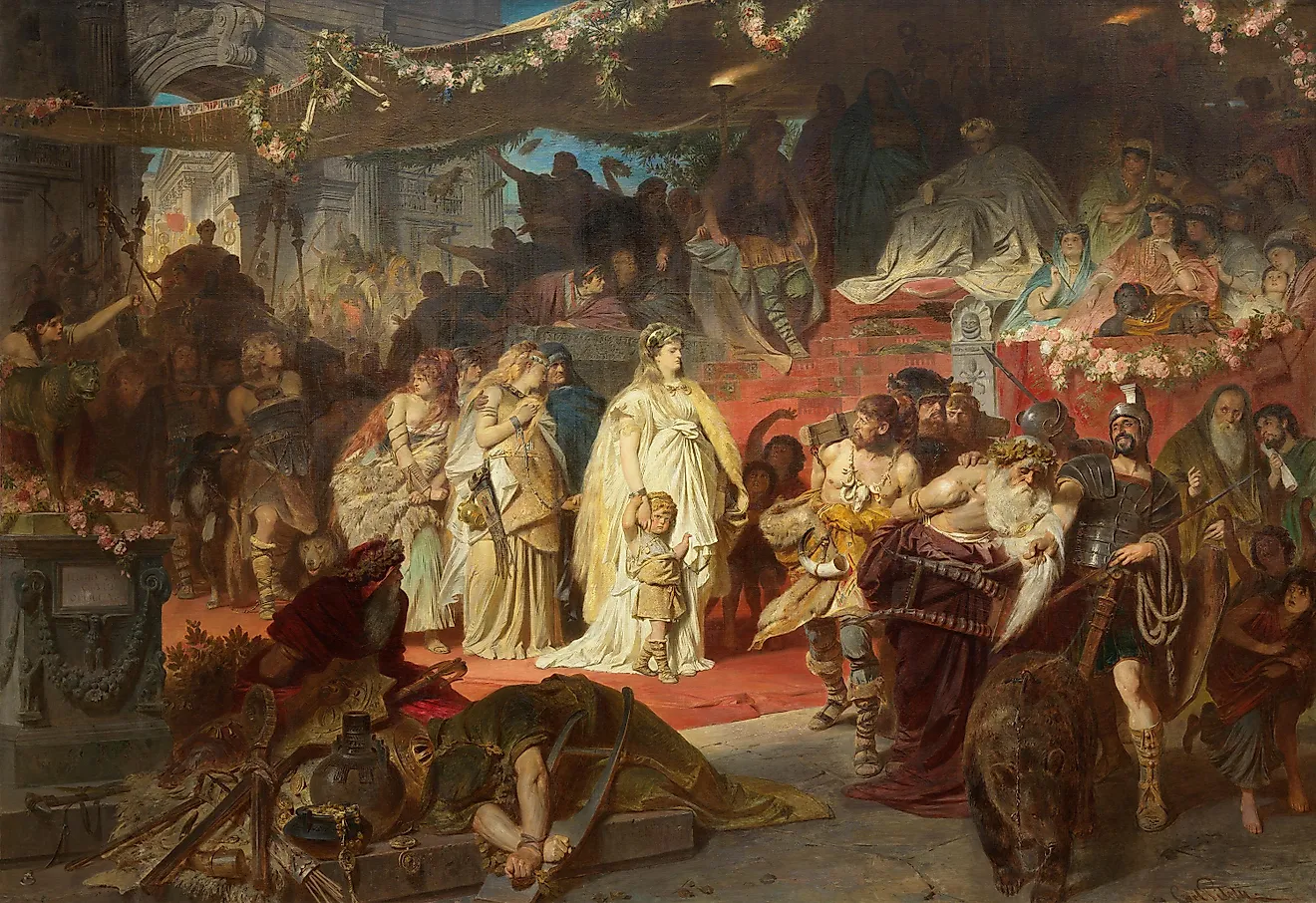
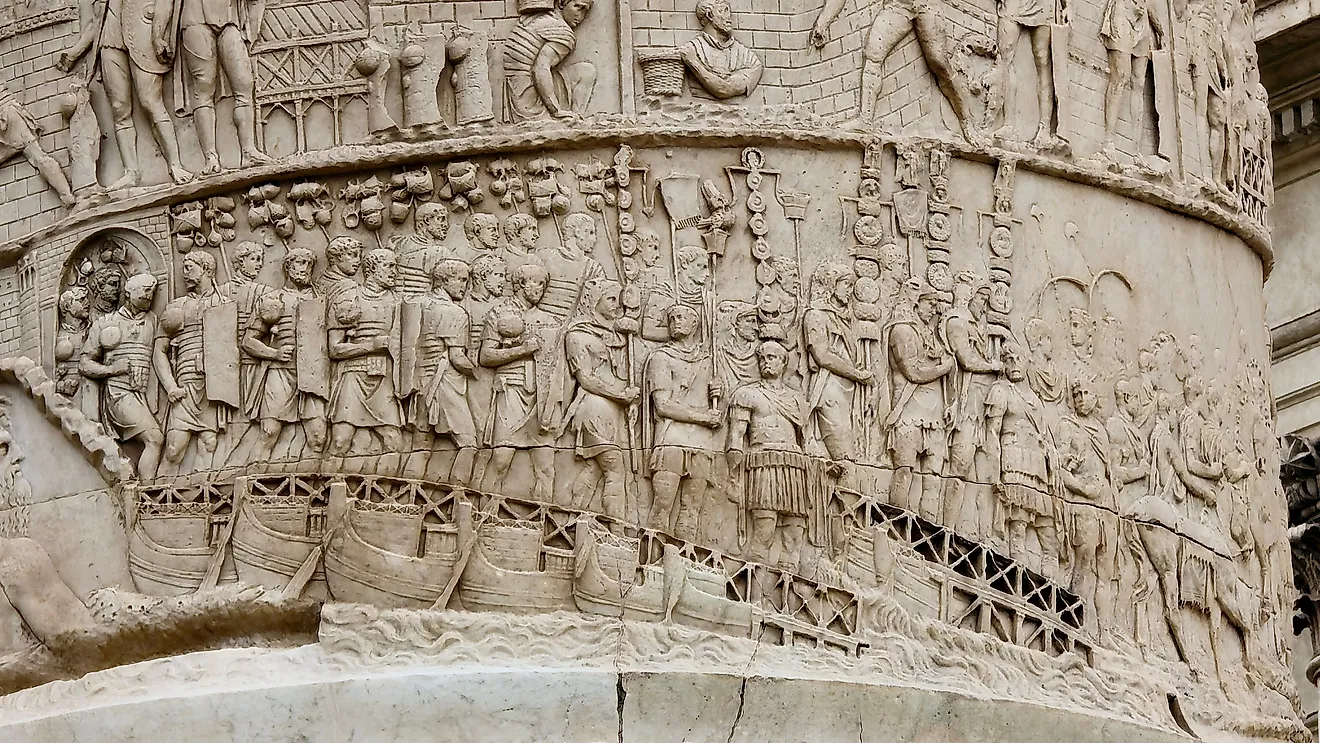
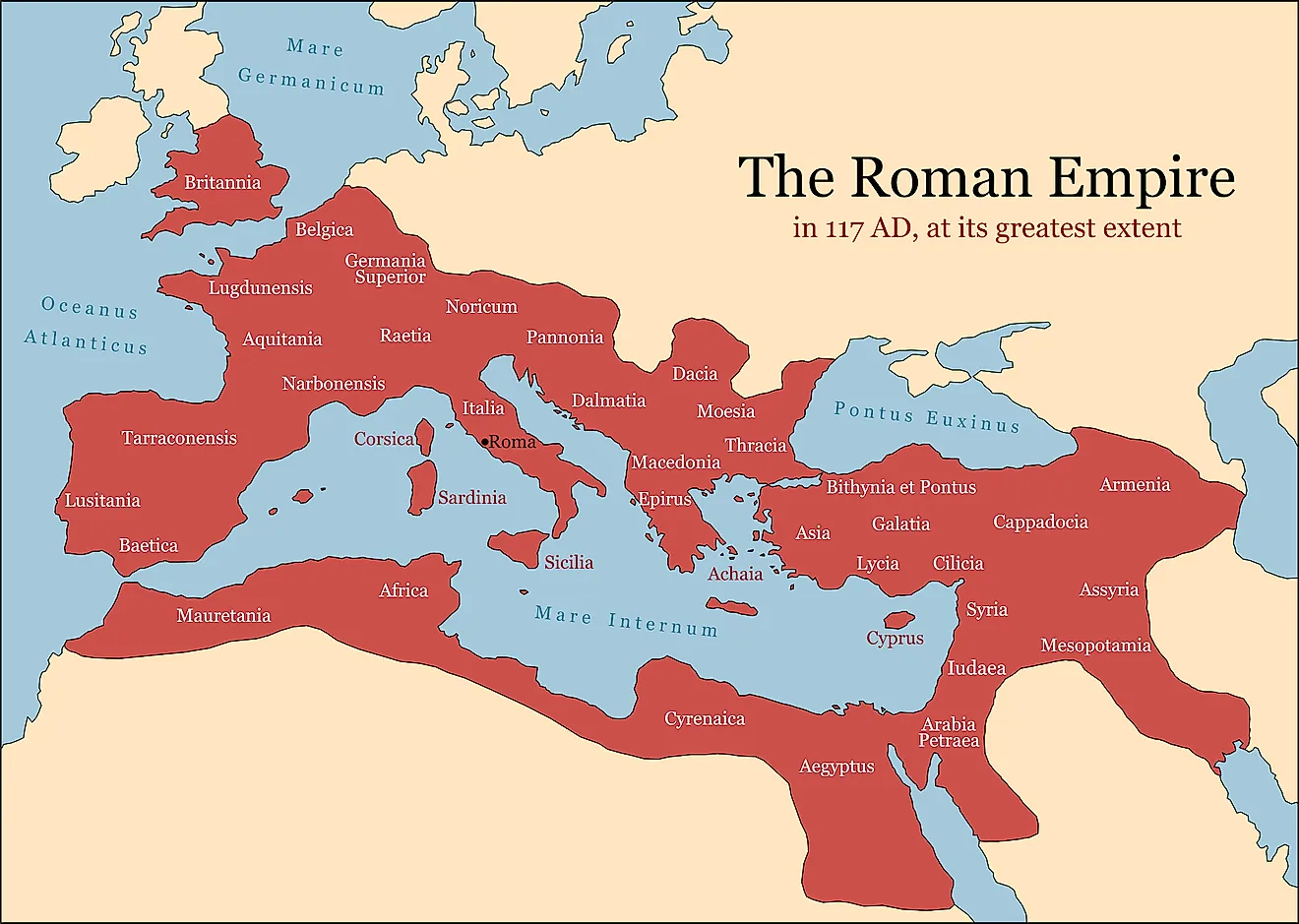
The rise of Rome ended this period. Beginning as a city-state in the 700s BCE, it slowly emerged as a dominant regional power. Greece was taken by Rome in 146 BCE. Ptolemaic Egypt was then conquered in 30 BCE. Greek culture, language, and traditions endured through the Roman and Byzantine periods, but an independent Greek state would not re-emerge until the Greek War of Independence in the 19th century.