How Big Was The Roman Empire At Its Peak?
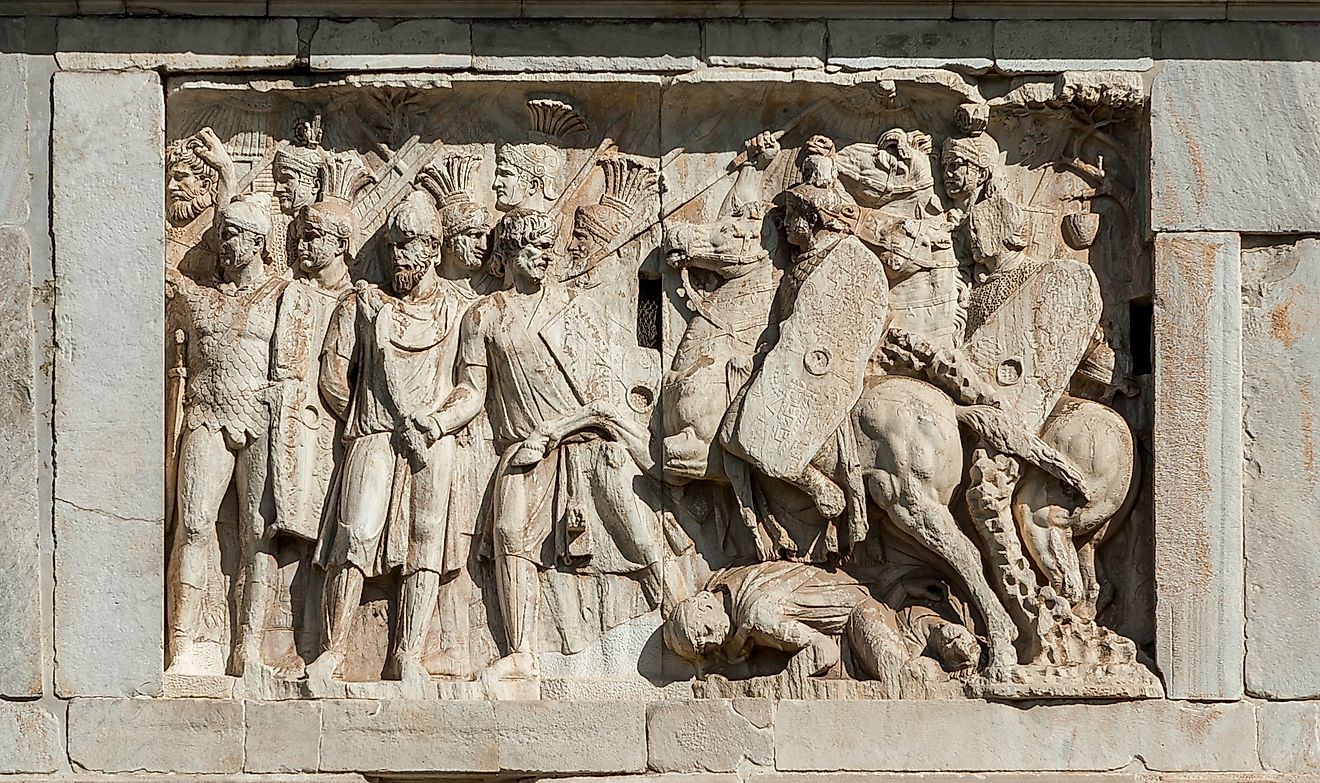
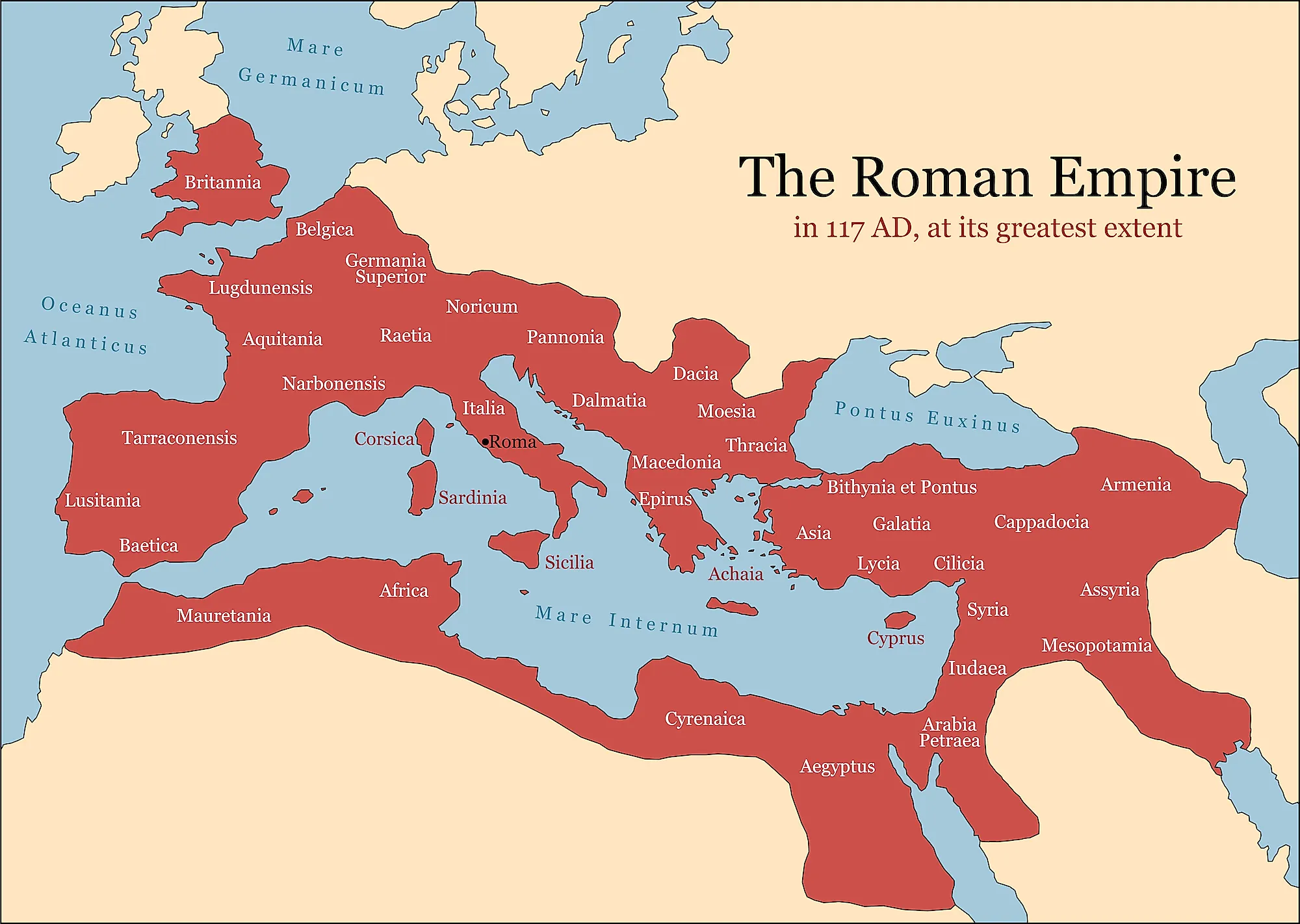
Stretching from Britain to Mesopotamia, the Roman Empire covered nearly 2 million square miles at its peak. Furthermore, it encompassed 60 to 75 million people, or about 20 percent of the world’s population at the time. However, this size came with challenges and complicated geopolitical implications. Therefore, investigating Rome’s expansion into a multicontinent empire sheds light on why it was one of the most important states of the ancient world, and why its peak size was unsustainable.
Expansion Across Italy
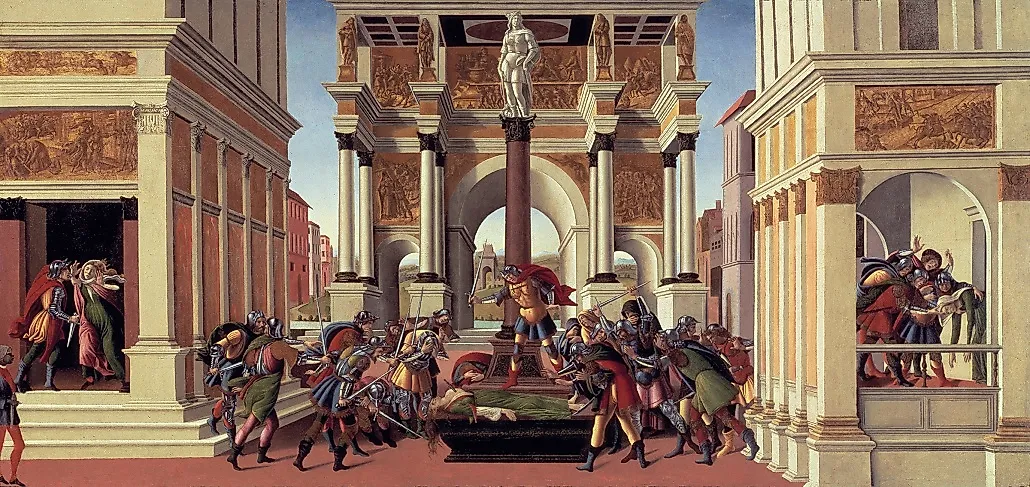
The Roman Republic lasted from 509 to 27 BCE. Beginning as a city-state, it expanded enormously during its existence. First, Rome established hegemony over nearby Latin cities, which took nearly 200 years. The decisive conflict was the Latin War (itself part of a series of conflicts of the same name) of 340 to 338 BCE, in which Rome defeated an alliance of city-states called the Latin League. Rather than destroying them, Rome invited the cities into its own alliance, thereby growing its military and economic strength.
With its immediate vicinity now secured, Rome turned to the Samnites in the central Italian mountains. Fighting a series of wars from 343 to 290 BCE, the Romans prevailed due to their larger armies, bolstered by allies from the Latin Wars, and their superior infrastructure. Thereafter, the Romans set their sights on southern Italy, which was controlled by the Greek city-state of Tarentum. With the aid of Pyrrhus of Epirus, a Molossian king and general, Tarentum beat the Romans from 280 to 275 BCE. Nonetheless, they suffered enormous losses and were unable to hold their territory. Pyrrhus was killed in Argos in 272 BCE, and Rome completed its conquest of southern Italy soon afterward.
Mediterranean Dominance

Rome then began to expand its influence in the broader Mediterranean. The first major step involved dealing with Carthage, the Tunisia-based city-state that controlled much of North Africa, Spain, and Sicily. The first Punic War (264 to 241 BCE) saw the Romans build up their naval capacity and capture Sicily. In the Second Punic War (218 to 201 BCE), the Carthaginian leader Hannibal devastated much of Italy and inflicted major defeats on Rome, only to be pushed back. Finally, the Third Punic War (149 to 146 BCE) completed Rome’s dominance by destroying Carthage and securing North Africa.
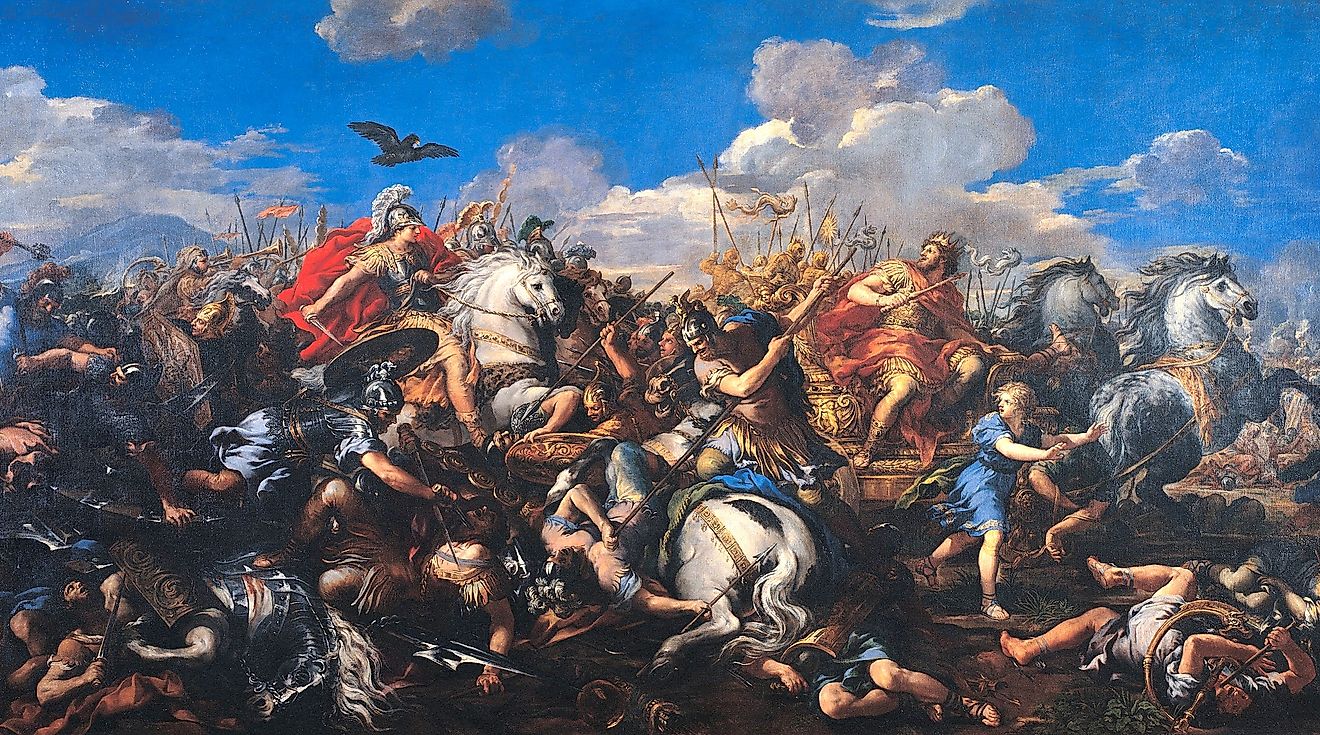
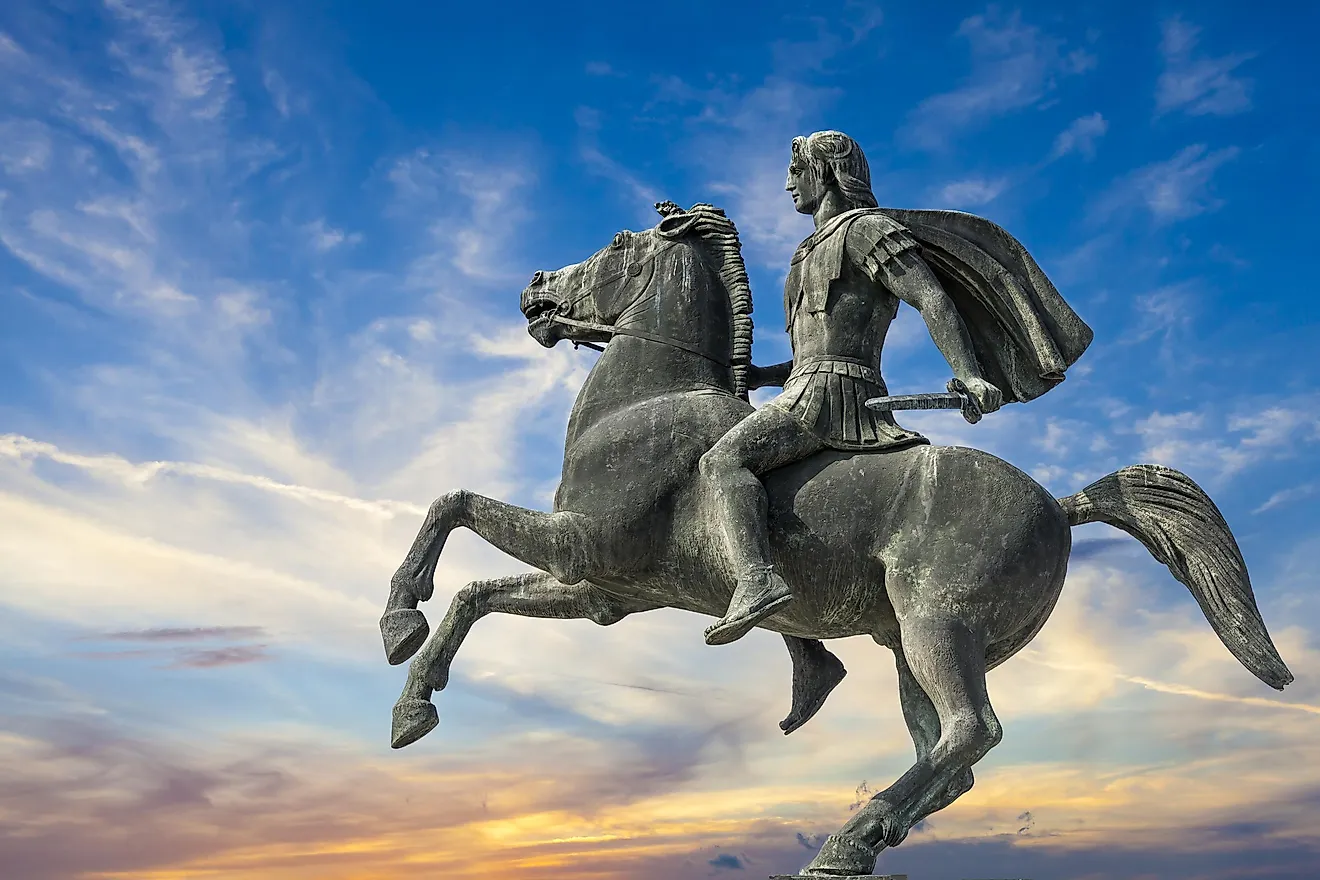
Rome also asserted its influence in the east. After Alexander the Great died in 323 BCE, his empire split into competing Greek kingdoms. While powerful, they were divided, making them prime targets for Roman intervention. Rome, therefore, defeated Macedonia and essentially took Greece during a series of conflicts called the Macedonian Wars from 214 to 148 BCE. During this period, Rome also curtailed the power of the Seleucid Empire, a major Hellenistic state in the Near East. Although weakened by Roman intervention, the Seleucid Empire ultimately collapsed due to a combination of internal and external pressures, and its remaining territories were annexed by Rome in 63 BCE.
Gaul and Egypt

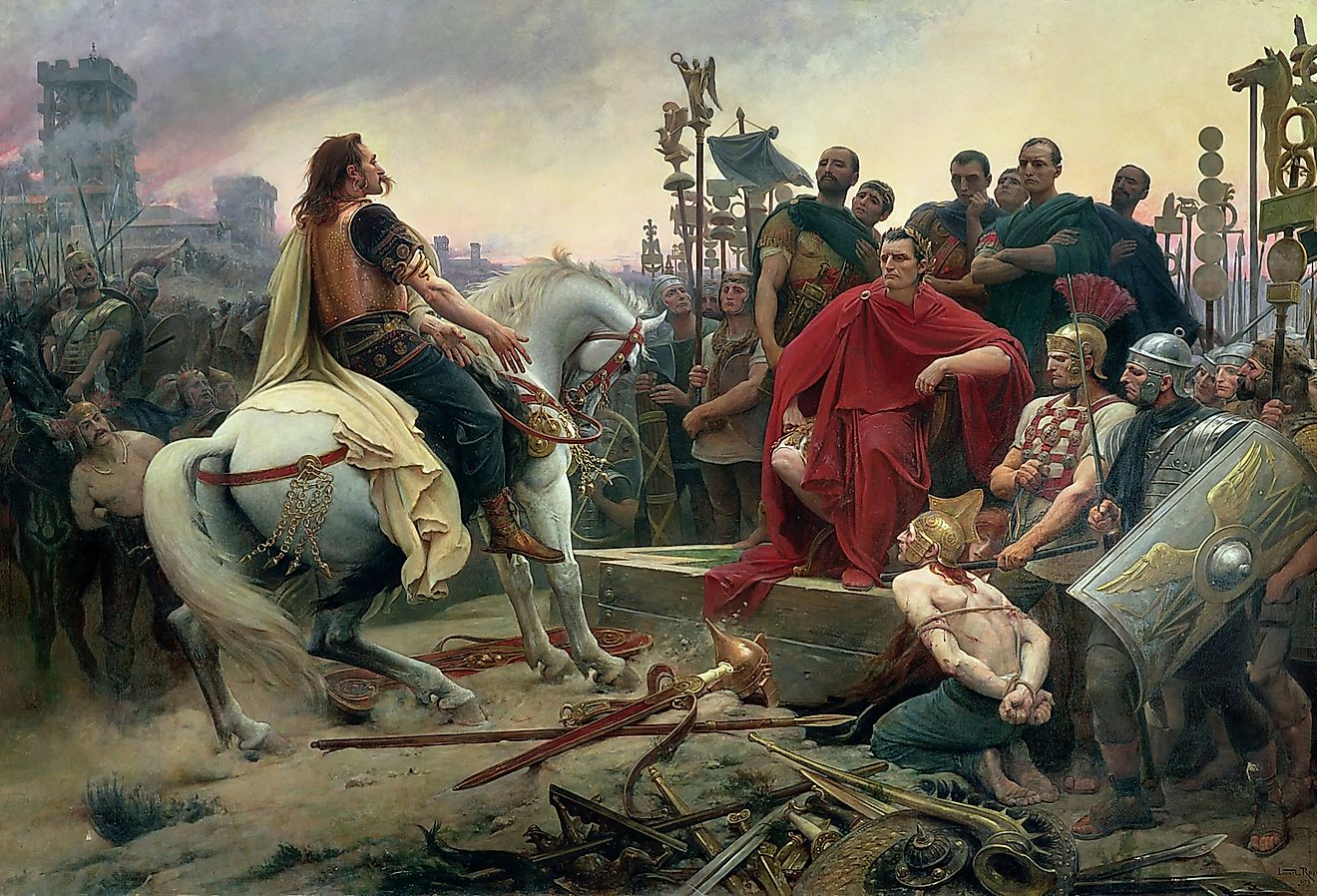
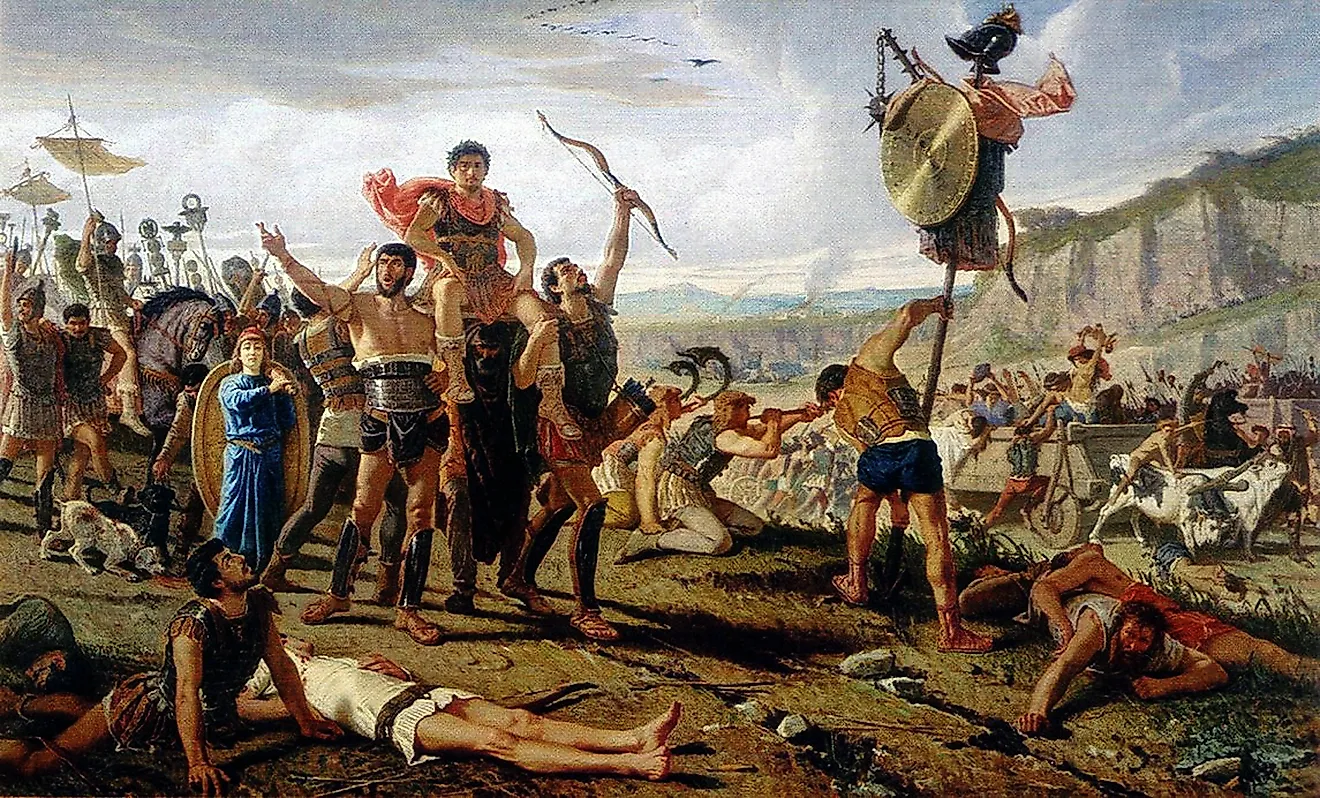
As Rome’s territory grew, so did the strength of its army. This was bolstered by the rise of charismatic and effective generals, one of whom was Julius Caesar. He led the Roman invasion of Gaul (modern-day France and Belgium). Lasting from 58 to 50 BCE, it ended with Gaul becoming a Roman province and Caesar gaining immense political power.
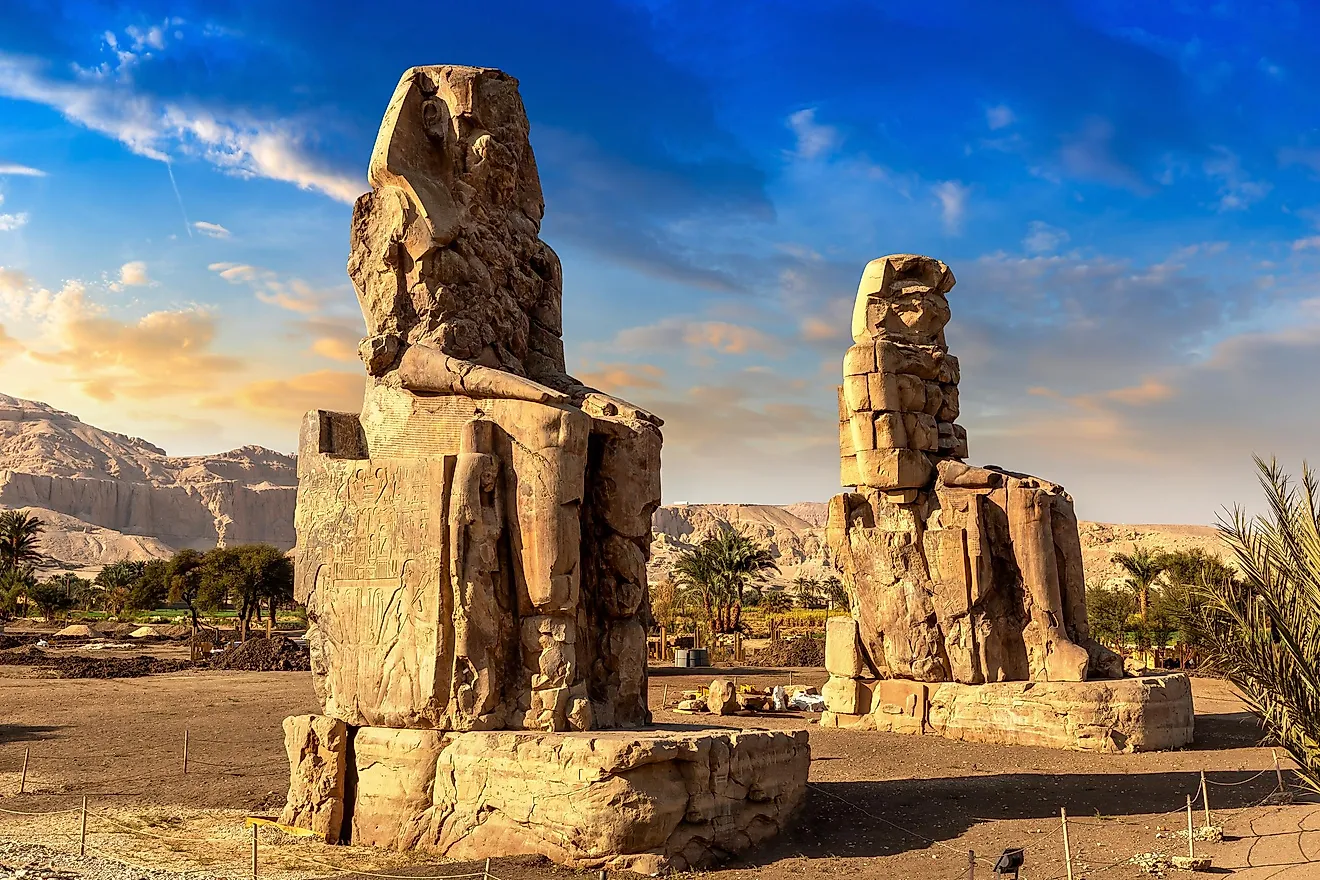
Concerns about this power led to a civil war between Caesar and another general named Pompey. Fearing the strength of Caesar’s army, Pompey fled to Greece and then to Egypt, where he was assassinated in 48 BCE. Caesar, who was in Egypt pursuing Pompey, allied himself with its leader, Cleopatra. Egypt, which was already weak, thus became reliant on Roman aid to survive. Caesar was assassinated in 44 BCE, and Rome again descended into civil war. Cleopatra allied herself with Mark Antony, the general who controlled Rome’s eastern territories. This proved fateful, as they were defeated by Octavian in the Battle of Actium in 31 BCE. With no means of defending themselves, Cleopatra and Antony committed suicide, and Rome annexed Egypt in 30 BCE.
From Republic to Empire
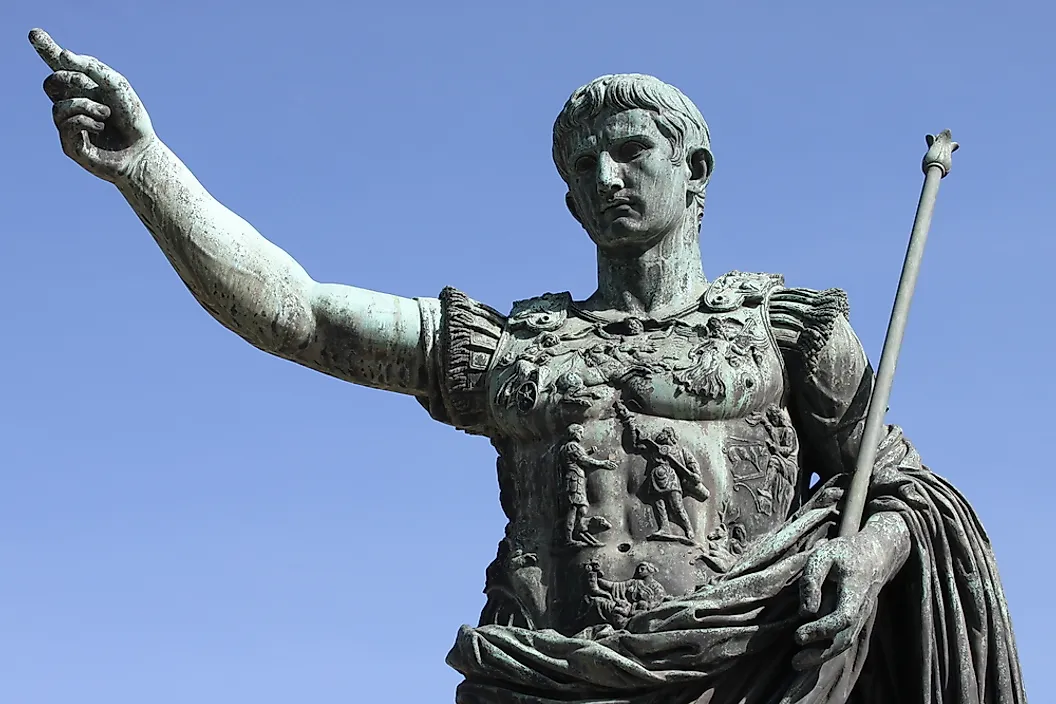
The death of Mark Antony and the annexation of Egypt led to a key event in Rome’s history, namely its transition from a republic to an empire. As the now undisputed leader of Rome, Anthony’s main opponent in the civil war, Octavian, declared himself emperor in 27 BCE and took the name Augustus. Now, instead of the power-sharing and checks and balances that characterized the Republic, the emperor had ultimate authority.
Mesopotamia and Britain

The beginning of the empire also marked the end of Rome’s rapid expansion. Nonetheless, there were still some notable territorial acquisitions. For instance, in 43 CE, Emperor Claudius invaded Britain. Julius Caesar had previously done so during his Gallic campaign, but was unable to hold any territory. Regardless, the information he learned about the people and terrain proved crucial in Claudius’ invasion. Ultimately, by 84 CE, Rome controlled most of modern-day England and Wales.
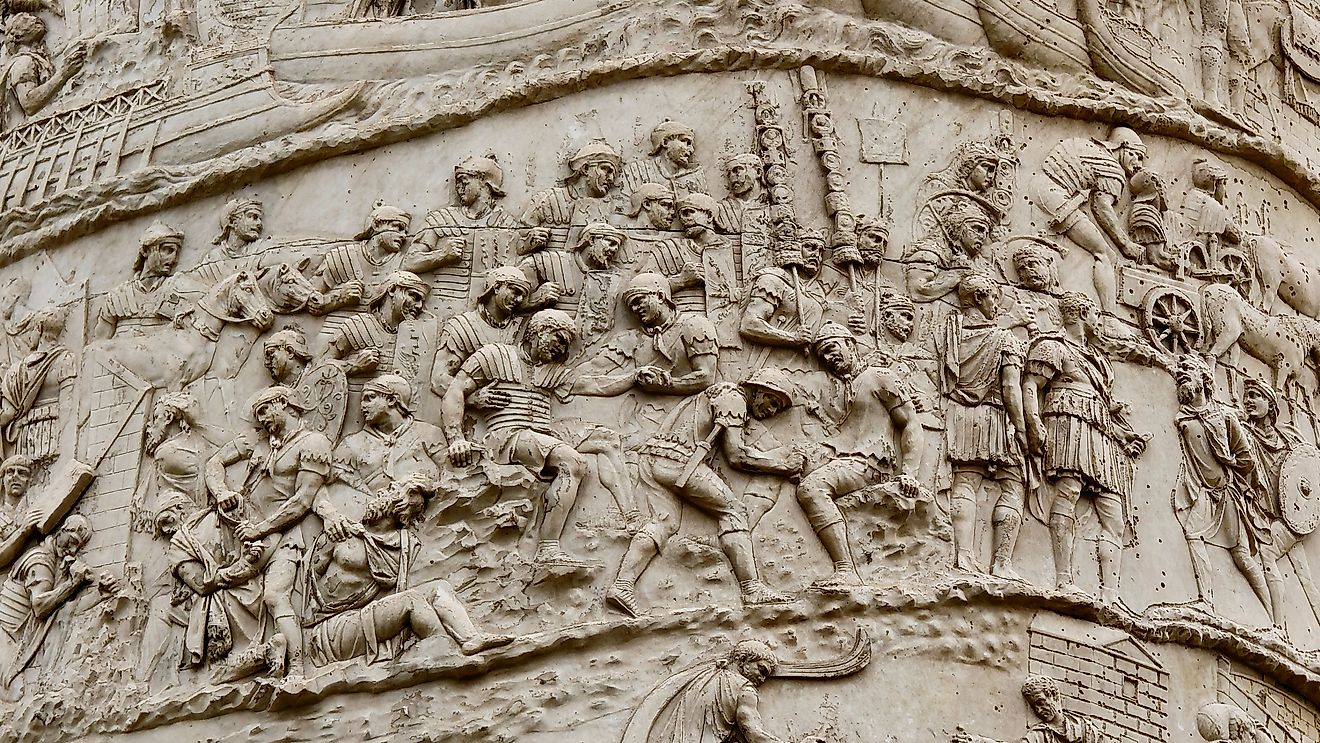
The final major Roman expansion was into Mesopotamia. Beginning when Emperor Trajan invaded the Parthian Empire in 114 CE, the Romans captured Armenia before moving south and conquering the cities of Babylon, Seleucia, and Ctesiphon. However, they quickly lost control. Their supply lines were stretched, and local resistance proved a constant challenge. Furthermore, due to Rome’s enormous territorial reach elsewhere, there were simply insufficient resources for holding onto yet another region. Therefore, Trajan’s successor, Hadrian, pulled the Roman army back from its easternmost territories to a more defensible position along the Euphrates River.
Impact and Legacy
Roman expansion was a 600-year process that saw it transform from a city-state into a world superpower. The majority of this expansion occurred during the Republican period, as Rome came to control Italy, North Africa, Spain, Macedonia, Greece, Anatolia, Gaul, and Egypt. The final permanent expansion then occurred in the 1st century CE in the conquest of Britain. While Emperor Trajan later attempted to take Mesopotamia, the sheer size of the empire made holding any more territory borderline impossible.