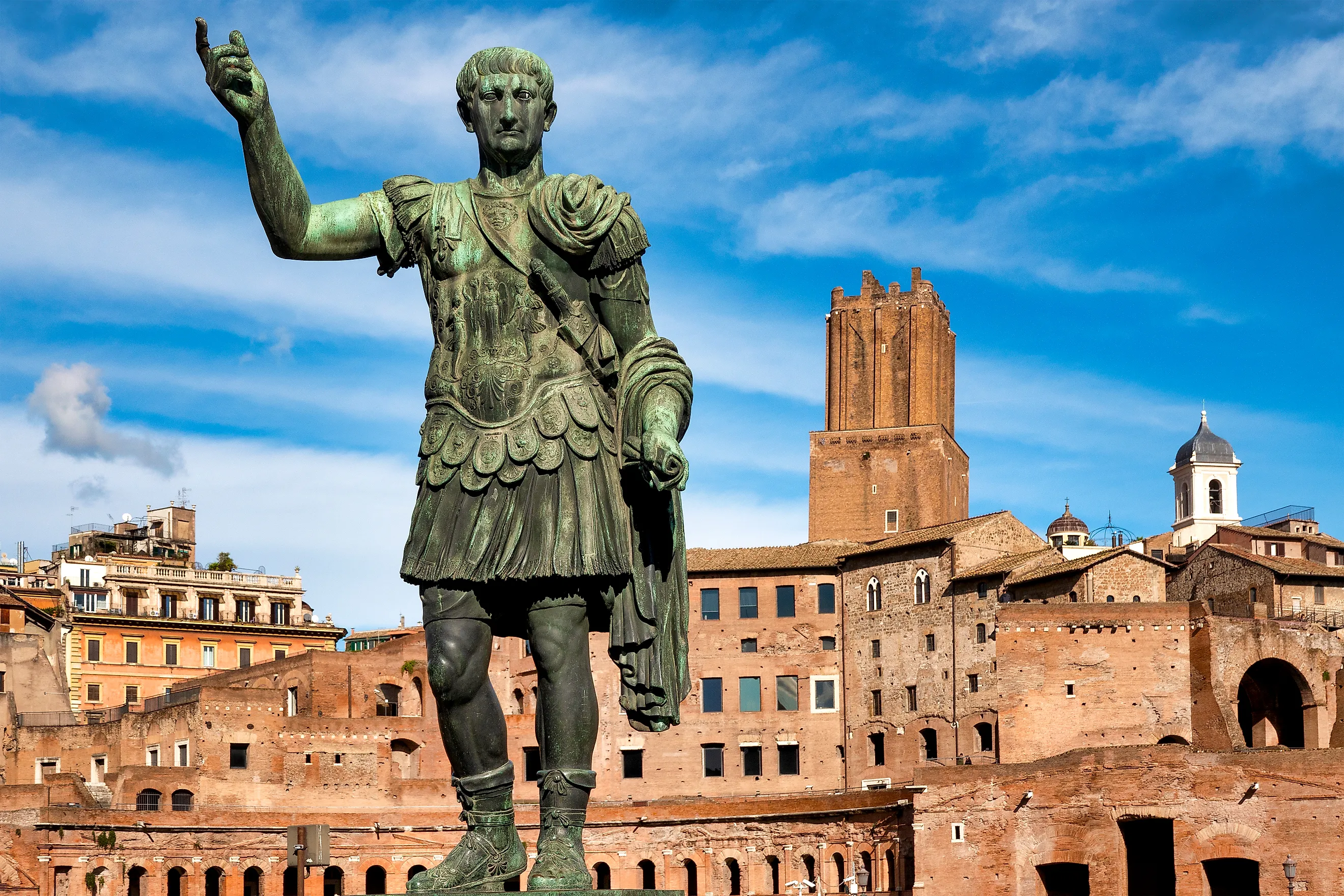
Why Trajan Was One of Rome’s Greatest Generals
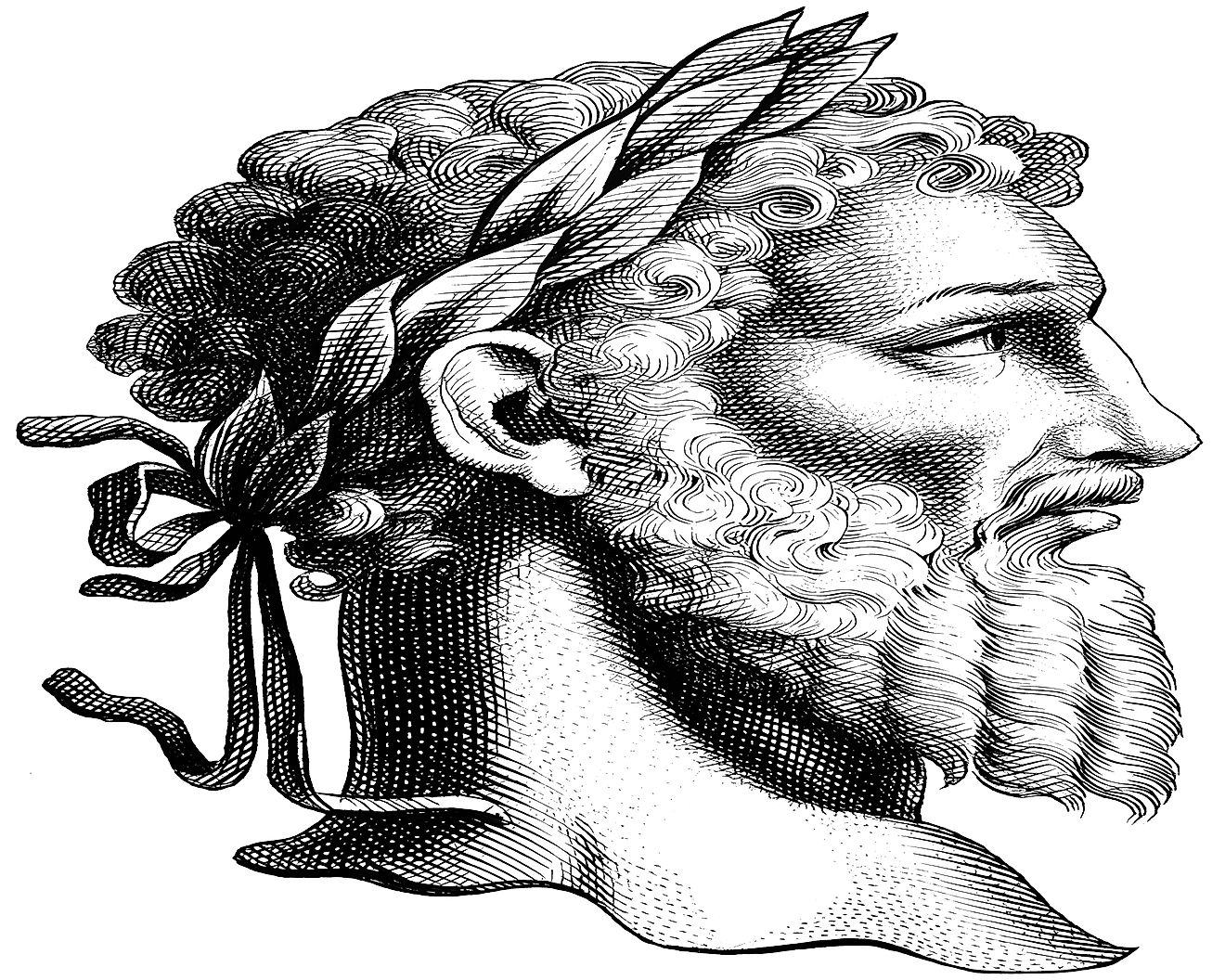
Trajan combined battlefield success with careful logistics, strong leadership, and an ability to use the Roman military system on an enormous scale. As emperor from 98 to 117 CE, he conquered Dacia after two difficult wars and later led Roman armies deep into Parthian territory, temporarily pushing the empire to its greatest territorial extent. His eastern conquests, however, revealed his biggest weakness: a tendency to overextend Roman forces. Nevertheless, few emperors personally oversaw campaigns as ambitious or successful. Trajan is often remembered for his public works and relatively stable government, yet his military career was just as important to his reputation.
Trajan Becomes Emperor

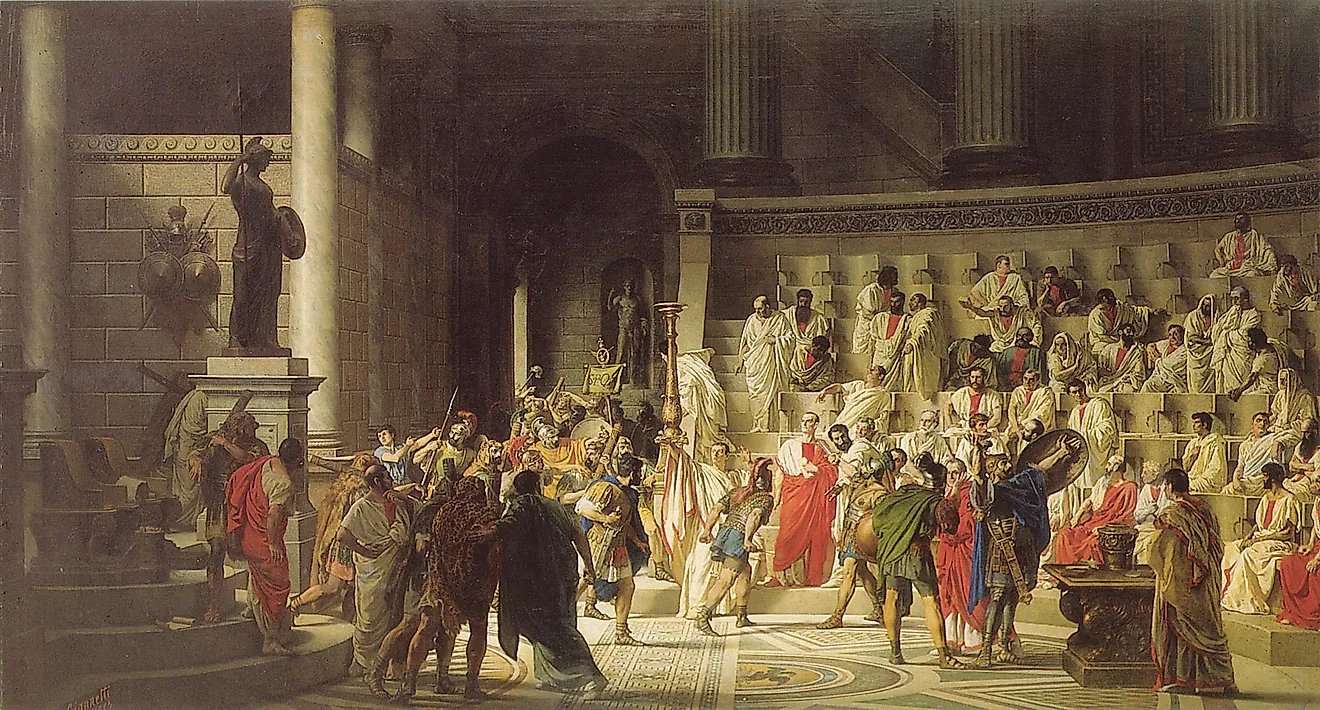
Trajan was born in Hispania in 53 CE. His father, Marcus Ulpius Traianus, was an important commander and provincial governor, giving the younger Trajan an early connection to Roman military and political life. Trajan followed the traditional path expected of a Roman senator, but military service played an especially important role in his rise. His early career included service as a military tribune, followed by positions including praetor and consul. One important moment came during the revolt of Antonius Saturninus, governor of Germania Superior, against Emperor Domitian in 89 CE. Trajan marched his troops toward the fighting in support of Domitian, although the rebellion was defeated before he arrived. His willingness to respond helped reinforce his reputation as a reliable military commander.
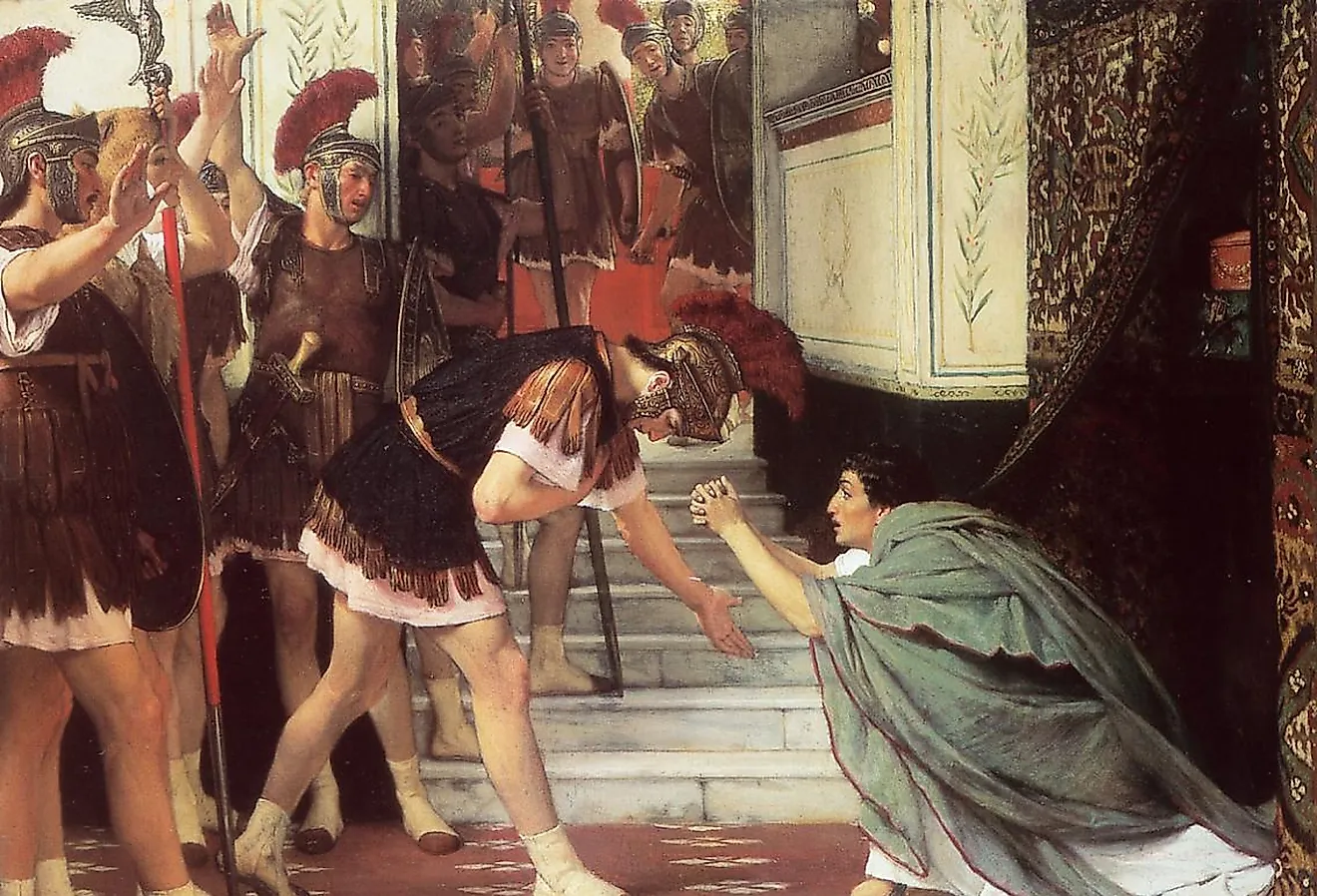
After Domitian's death, Emperor Nerva appointed Trajan governor of Germania Superior and adopted him as his son and successor in 97 CE. This was particularly important because Nerva had struggled to maintain the confidence of the military. When Nerva died in 98 CE, Trajan did not rush straight to Rome. He remained in the northern provinces for a time, dealing with military matters and inspecting the frontier before finally entering the capital in 99 CE. His behavior reflected something that would remain important throughout his reign: Trajan understood that an emperor's authority depended heavily on the loyalty and effectiveness of the army.
The Dacian Wars (101 to 102 CE and 105 to 106 CE)

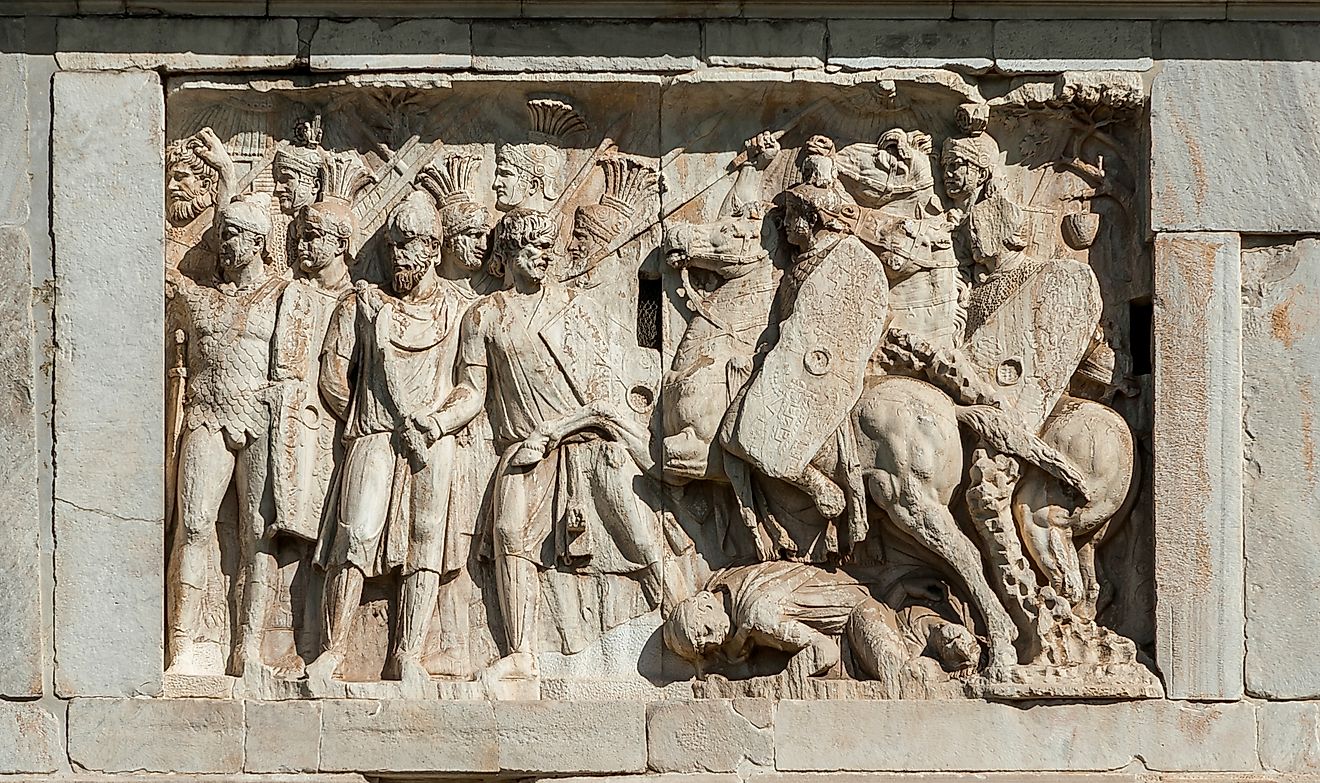
Trajan's greatest lasting military achievement came in Dacia, a powerful kingdom centered largely in modern Romania. Rome had already fought the Dacians under Emperor Domitian, but King Decebalus remained in power and had rebuilt his strength. Trajan launched the First Dacian War in 101 CE. Roman forces crossed the Danube and fought their way into difficult mountainous territory, eventually forcing Decebalus to seek peace in 102 CE. The settlement left Decebalus on the throne but greatly restricted his military and political independence. The arrangement did not last. Decebalus soon began rebuilding his defenses and resisting Roman control, and war resumed in 105 CE.
By then, Trajan had strengthened Rome's ability to move troops across the frontier. Apollodorus of Damascus designed a huge permanent bridge across the Danube around 104 CE, shortly before the second war. Supported by 20 massive stone piers and stretching more than 3,000 feet across the river, it was an extraordinary engineering project and gave Roman troops a dependable route into Dacia. In the second campaign, Trajan committed large forces to destroying the Dacian kingdom altogether. Roman troops captured the Dacian capital, Sarmizegetusa Regia, in 106 CE. Decebalus escaped but later killed himself rather than be captured. Dacia then became a Roman province. The campaigns demonstrated why Trajan was so effective. He could command large armies, coordinate engineers and support troops, maintain supply routes across hostile territory, and return for a second campaign when the first settlement failed.
The Parthian Campaign (113 to 117 CE)

Trajan's final major war was even more ambitious. Rome and the Parthian Empire had competed for influence in the eastern Mediterranean and Near East for generations, particularly over Armenia. In 114 CE, Trajan invaded Armenia after a dispute over who would occupy its throne. He annexed the kingdom and continued southeast into Mesopotamia. Roman armies captured important cities and eventually took Ctesiphon, the Parthian capital. Trajan's forces advanced as far as the Persian Gulf, bringing Roman power deeper into the region than almost any previous Roman commander had managed.
For a brief period, the empire reached the greatest territorial extent in its history. Yet the campaign also exposed the limits of Trajan's approach. Capturing territory was easier than holding it. Revolts broke out behind the advancing Roman armies, while the widespread Jewish uprisings of 115 to 117 CE required military attention elsewhere in the empire. Trajan also failed to capture the heavily defended city of Hatra. By 117 CE, illness was affecting the emperor, and the eastern conquests remained unstable. He died later that year before he could fully secure them. His successor, Hadrian, abandoned most of Trajan's Mesopotamian gains and chose a more defensible frontier. This does not erase Trajan's military achievements, but it does show his greatest strategic weakness. In Dacia, Rome could conquer and defend a relatively compact territory close to the Danube frontier. Mesopotamia was farther away, politically unstable, and more difficult to supply.
Trajan's Strengths And Weaknesses

Trajan's greatest strength was his understanding of how the Roman army worked as an entire system. Roman victories depended on more than legionaries fighting in formation. Armies needed roads, bridges, fortified camps, engineers, cavalry, auxiliary troops, archers, reliable supplies, and commanders capable of keeping all of these pieces working together. Trajan repeatedly took advantage of these strengths. The bridge over the Danube is the clearest example. It did not win the Second Dacian War by itself, but it made moving soldiers and supplies into enemy territory easier and demonstrated the enormous engineering resources available to Rome. Trajan also knew when a political settlement might serve Roman interests. After the First Dacian War, he initially allowed Decebalus to remain king under restrictive peace terms rather than immediately annexing the kingdom. When that settlement failed, Trajan returned with enough force to destroy the Dacian state.
Trajan had spent much of his career around the army before becoming emperor, and ancient accounts repeatedly present him as a commander who shared in the hardships of campaigning. Still, the Parthian War shows why his reputation should not be reduced to uninterrupted success. His desire for expansion pushed Rome into territories that were extremely difficult to hold. Hadrian's rapid withdrawal from many eastern conquests suggests that Trajan's final campaign had gone beyond what Rome could comfortably defend.
Impact And Legacy
Trajan deserves to be remembered as one of the best generals in Roman history. The Dacian Wars demonstrated his understanding of logistics and diplomacy, while the Parthian Campaign brought the Roman Empire to the peak of its territorial extent. His victories were not flawless. The eastern conquests proved too difficult to maintain, and Hadrian quickly adopted a more defensive strategy. Even so, the Dacian Wars demonstrated Trajan's command of logistics, engineering, and large-scale campaigning particularly well. Trajan did more than lead Roman soldiers into battle. He knew how to use almost every advantage the Roman military system could provide, which is the strongest reason he deserves a place among Rome's greatest generals.