The Most Important Wars In Ancient Greek History
Wars fundamentally shape the course of history. They lead to mass death, political upheaval, and shifting borders. All this was exemplified in Ancient Greece. The Greco-Persian Wars led to a period of Athenian domination. The Peloponnesian War then occurred in response to this power dynamic. Later, Macedonia established hegemony over Greece, and its king, Alexander the Great, invaded the Persian Empire. Finally, the Actium War resulted in the end of Ptolemaic Egypt, the last major independent Greek kingdom.
The Greco-Persian War (499 to 449 BCE)

Arguably the most important conflict in Ancient Greek history, the Greco-Persian War informed every other war after it. It began in 499 BCE with the Ionian Revolt. Tired of their Persian overlords, the Greek city-states in Anatolia rebelled. This forced a response from Persian King Darius the Great, who violently put down the revolt and vowed revenge on Greece, and Athens in particular.
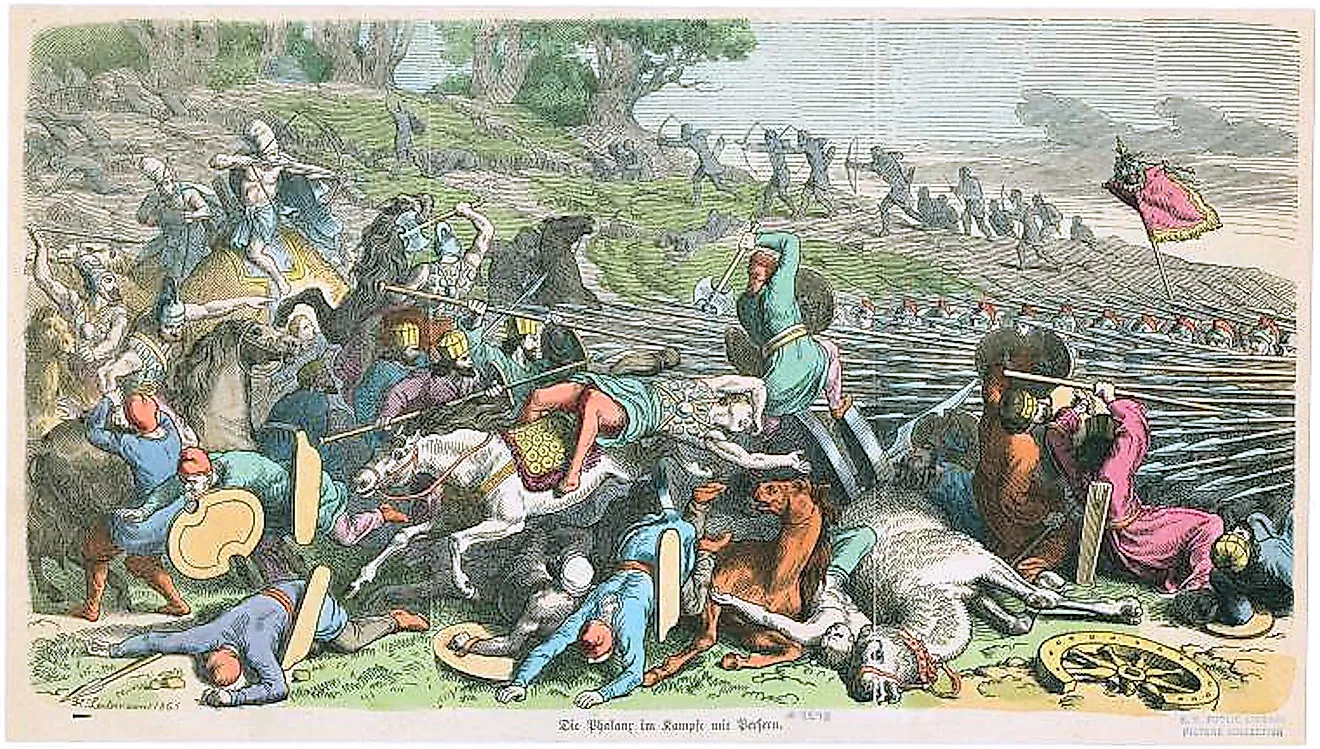
The first Persian invasion happened in 490 BCE. Despite being dramatically outnumbered, a coalition of Athenian and Platean troops decisively beat the Persians at the Battle of Marathon. The Greeks held off a second wave of invasions led by Darius’ son and successor Xerxes from 480 to 479 BCE.

After surviving the initial Persian onslaught, the Greeks went on the offensive. Athens formed the Delian League, a confederacy of city-states, to liberate Greek territory and push the Persians out of the Aegean Sea. Lasting for about thirty years, the Peace of Callias officially ended hostilities in 449 BCE.
The Peloponnesian War (431 to 404 BCE)

Athens came out of the Greco-Persian War by far the strongest of all the city-states. This was primarily due to the Delian League. While it began as an alliance, it increasingly functioned as an Athenian Empire. Athens demanded payment from member states in the form of money or ships. In turn, its navy became the strongest in Greece. If a member state tried to rebel, Athens used its navy to crush the rebellion.
Sparta, the strongest land power in Greece, resented this new dynamic. This sentiment led to the Peloponnesian War. Athens’ naval dominance gave it an immediate advantage. However, by leveraging its land strength and utilising Persian aid to build up its navy, Sparta gained more and more ground. The turning point came in 413 BCE when Athens’ fleet got trapped and destroyed in the Great Harbor of Syracuse. With its primary source of strength compromised, Athens was forced on the defensive for the rest of the war. It ultimately surrendered in 404 BCE.
The Macedonian Wars Of Unification (359 to 338 BCE)

While Sparta emerged from the Peloponnesian War as the most powerful city-state in Greece, imperial overreach and military stagnation led to its decline. Thebes temporarily replaced it, but its dominance was also short-lived.
Greece’s weakness and division in the 4th century BCE paved the way for Macedonia’s rise to power. Under the reign of Phillip II from 359 to 336 BCE, it slowly accumulated influence. Part of this was done through diplomacy; Phillip II had seven wives from different regions of Greece. By marrying them, he secured crucial alliances.

Macedonia also utilized its military might. One notable engagement was the Battle of Amphipolis in 357 BCE, in which Phillip captured the Athenian-controlled city of Amphipolis and its gold supplies. However, the most important battle was the Battle of Chaeronea in 338 BCE, in which Phillip and his son, Alexander, crushed an Athenian and Theban army. After this, Macedonia became the undisputed hegemon of Greece.
Alexander The Great’s Persian Campaign (334 to 330 BCE)

With Greece united, Phillip II began making plans to invade the historic enemy of Greece, the Persian Empire. These plans were upended when he was assassinated in 336 BCE, leaving the throne to his 20-year-old son Alexander. The young king quickly proved a worthy successor. After brutally suppressing rebellions among several of the Greek city-states, Alexander turned his attention back to Persia.

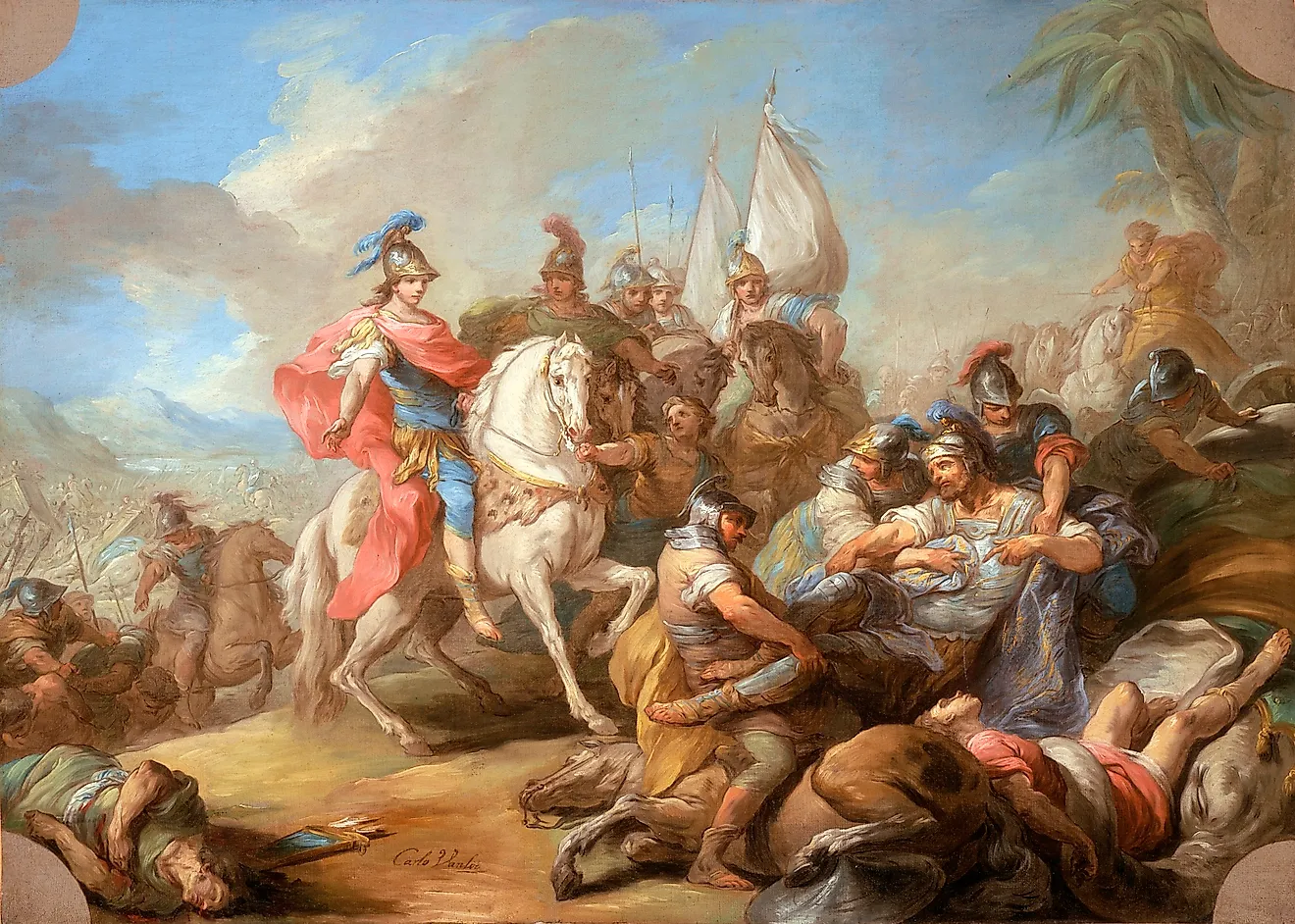
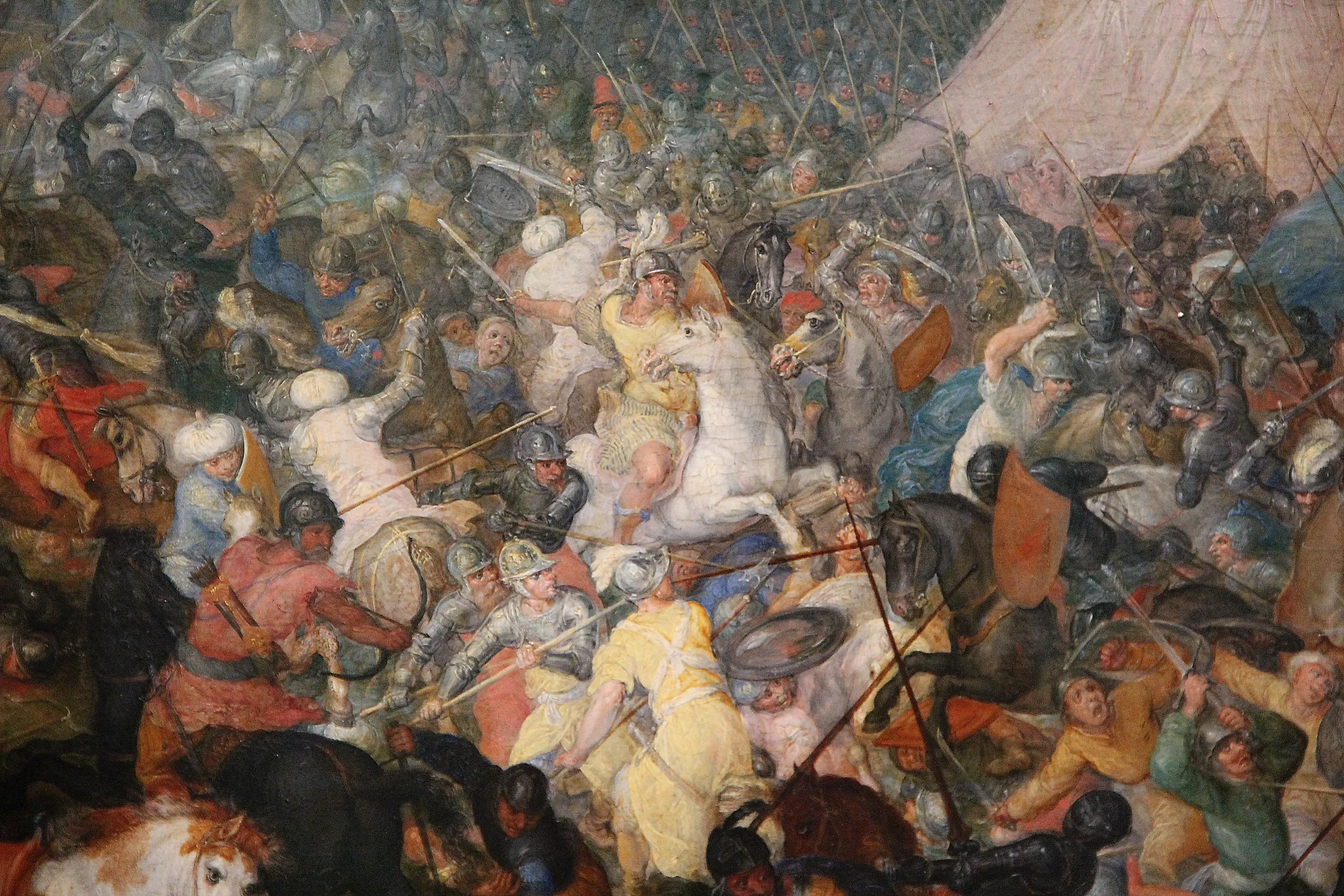
The invasion began in 334 BCE. Alexander immediately ingratiated himself with his troops by participating in a cavalry charge in the Battle of Granicus. Seeing that their leader was willing to die in battle, the Macedonian soldiers were willing to do the same for the rest of the campaign. Alexander began by working his way down the coast of Anatolia, Lebanon, and Palestine, before finally reaching Egypt. After founding the city of Alexandria, he turned his focus to the Persian heartland.
The climactic moment came during the Battle of Gaugamela in 331 BCE, when Alexander crushed the Persian king Darius III and forced him to flee into Central Asia. With their leadership divided and shattered, Alexander took the Persian capital, Persepolis, the next year.
The Actium War (32 to 30 BCE)

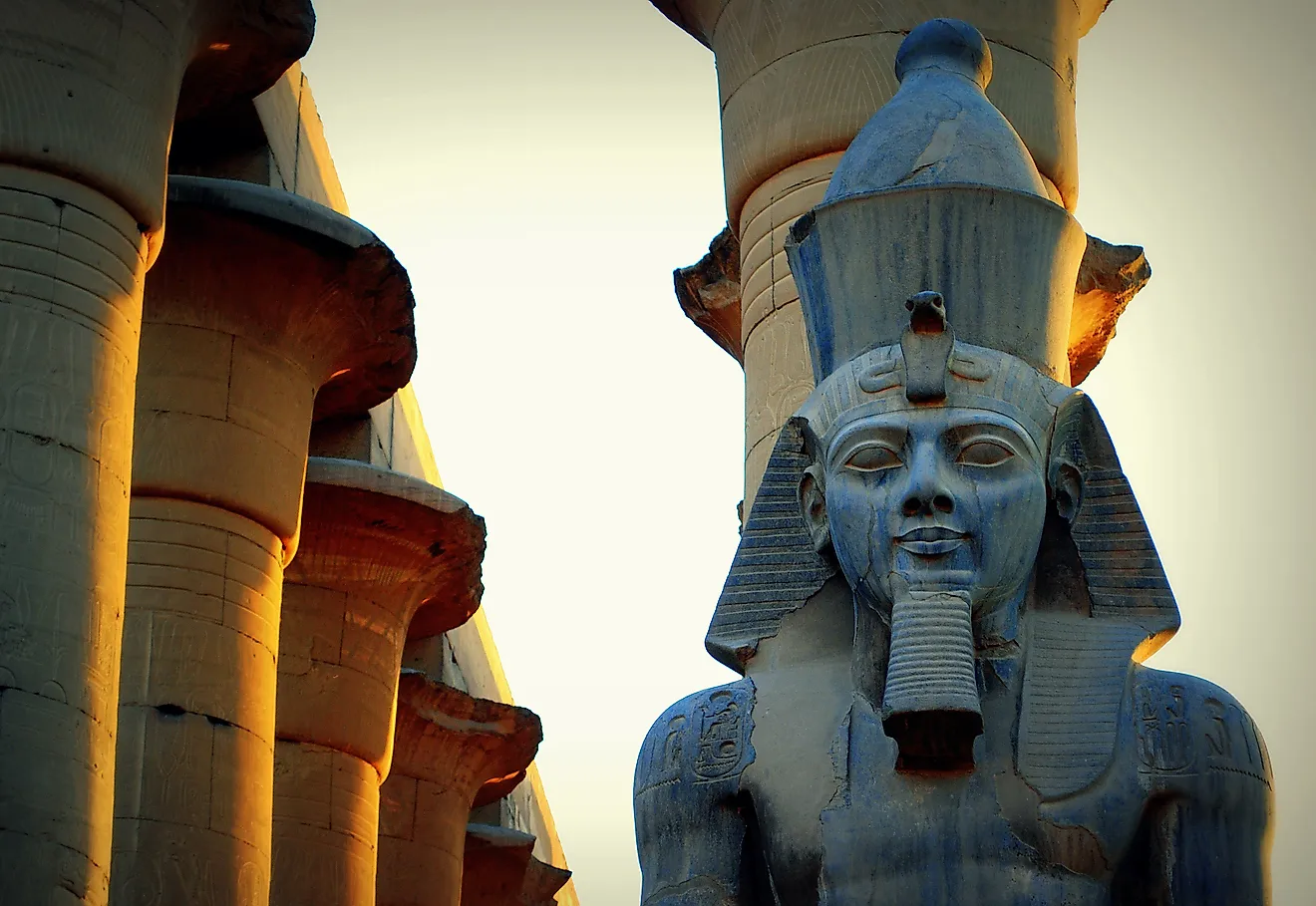
After Alexander the Great died in 323 BCE, his empire split into competing Greek kingdoms, one of which was Egypt under the Ptolemaic Dynasty. While the Ptolemies adopted important legitimizing aspects of Ancient Egyptian civilization, such as the title of Pharaoh and core religious practices, Greek was still the dominant cultural force. Most elites were Greek, and cities like Alexandria quickly became intellectual centers of the Greek world due to institutions like its famed library.
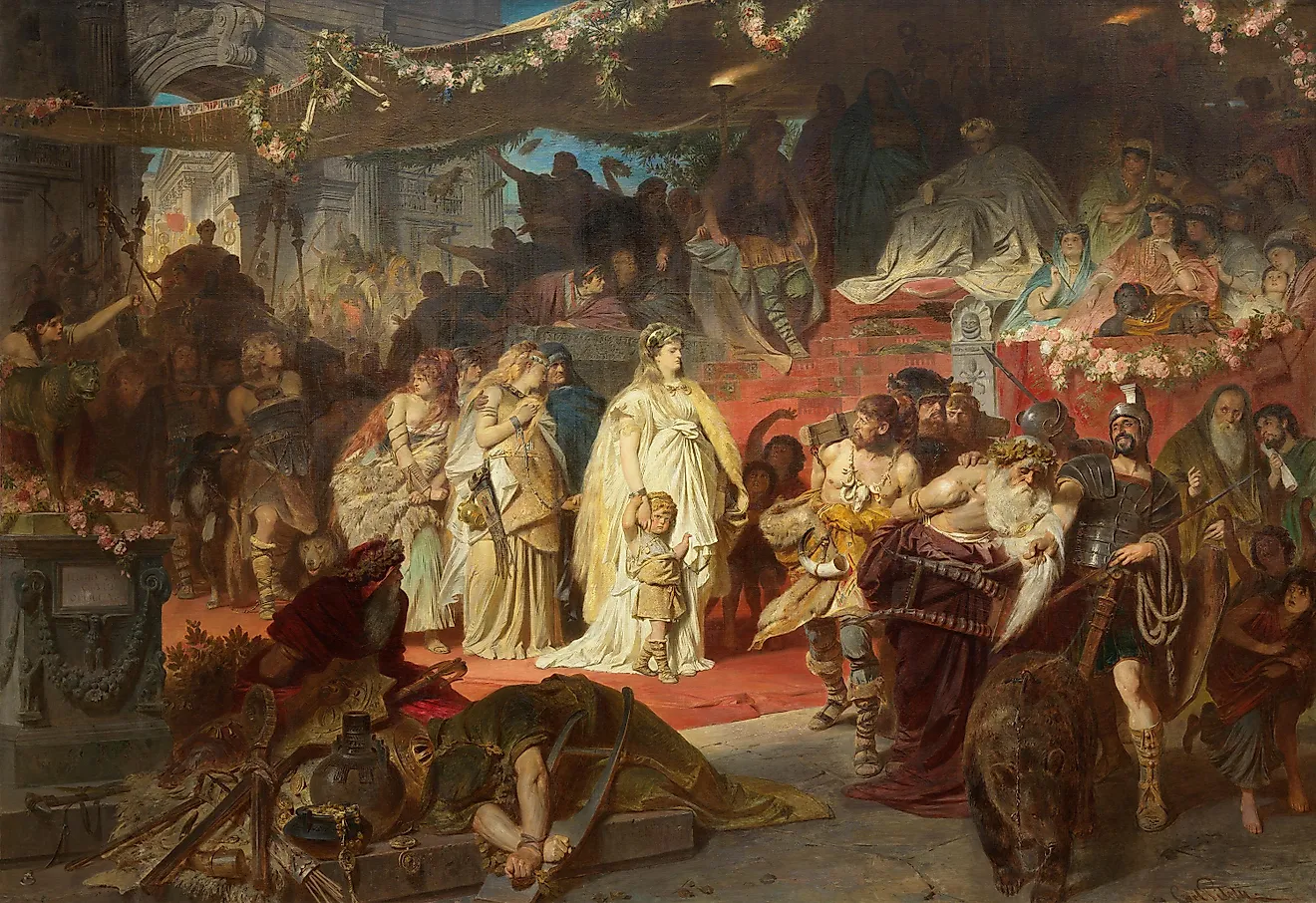
Ptolemaic Egypt came to an end with the Actium War (or War of Actium). Part of a larger Roman civil war, it saw the Egyptian leader, Cleopatra, and the ruler of Eastern Rome, Mark Antony, face off against the leader of Western Rome, Octavian. The war reached its boiling point when Cleopatra and Antony’s fleets were decimated off the coast of Greece. The two promptly retreated to Egypt, where they committed suicide. Octavian then occupied Egypt, marking the end of any independent Ancient Greek state.