The Worst Mistakes in Ancient History
A single decision could topple an empire that took centuries to build. Xerxes marched on Greece and only made Athens stronger. Athens later staked its whole fleet on Sicily and lost the war. Alexander conquered the known world and died before naming a successor. Caesar's killers meant to save the Republic and gave Rome an emperor. Each ancient blunder handed its makers the very fate they dreaded.
Xerxes Invades Greece (480 BCE)

In the 500s BCE, Persian King Cyrus the Great conquered Western Anatolia. In doing so, he came to control numerous Greek city-states and replaced their local governments with tyrannies. Unhappy, the cities revolted in 499 BCE. With aid from mainland cities like Athens, they put up significant resistance before ultimately being crushed. This act of defiance enraged Persian King Darius I, and he vowed revenge on the Greek mainland.
The first act of revenge came in 490 BCE, when Persia invaded Greece to punish Athens. Even though they had a much smaller army, the Athenians beat back the Persians at the Battle of Marathon. While this defeat was humiliating, it was nothing compared to what happened next.
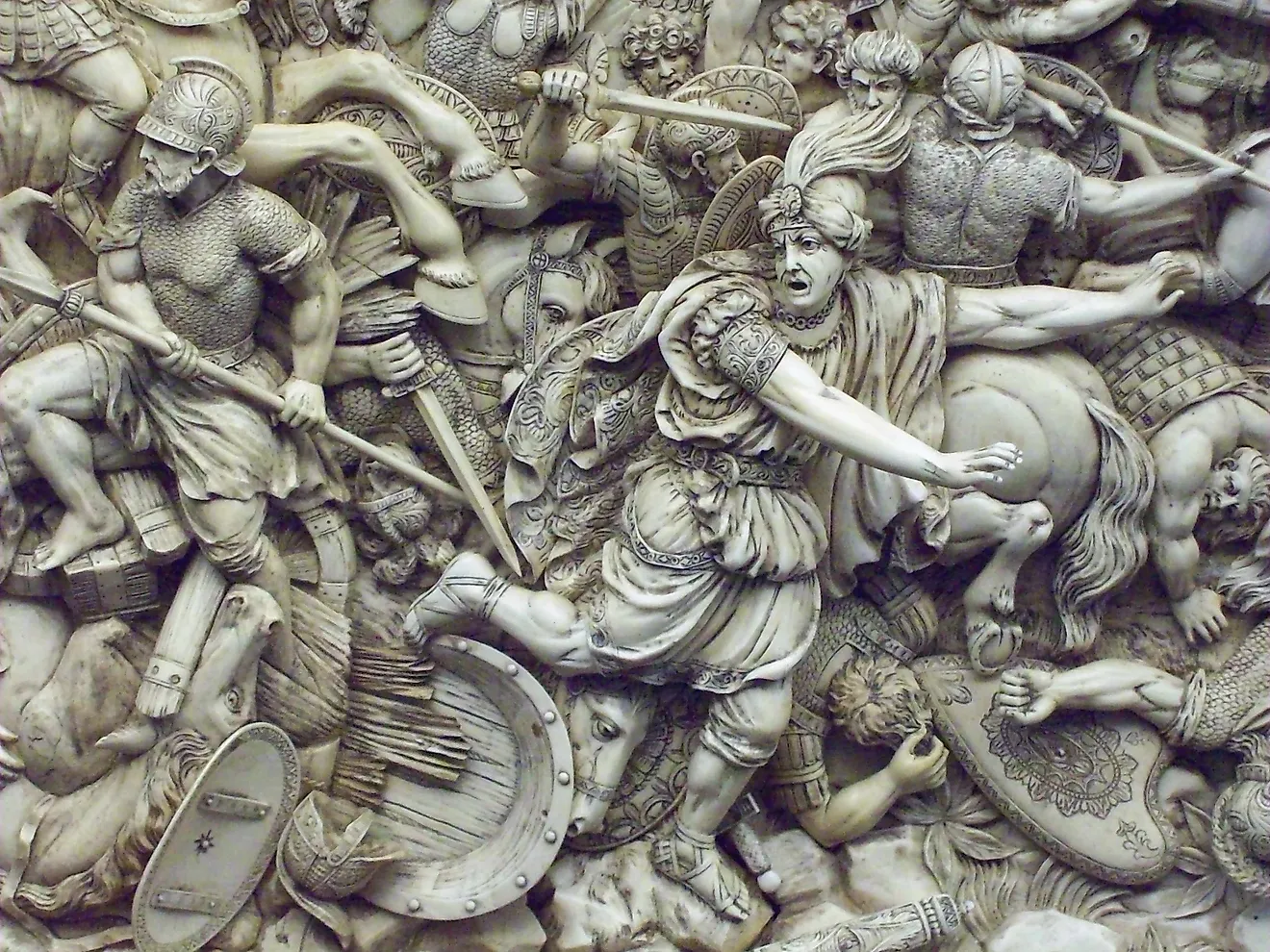
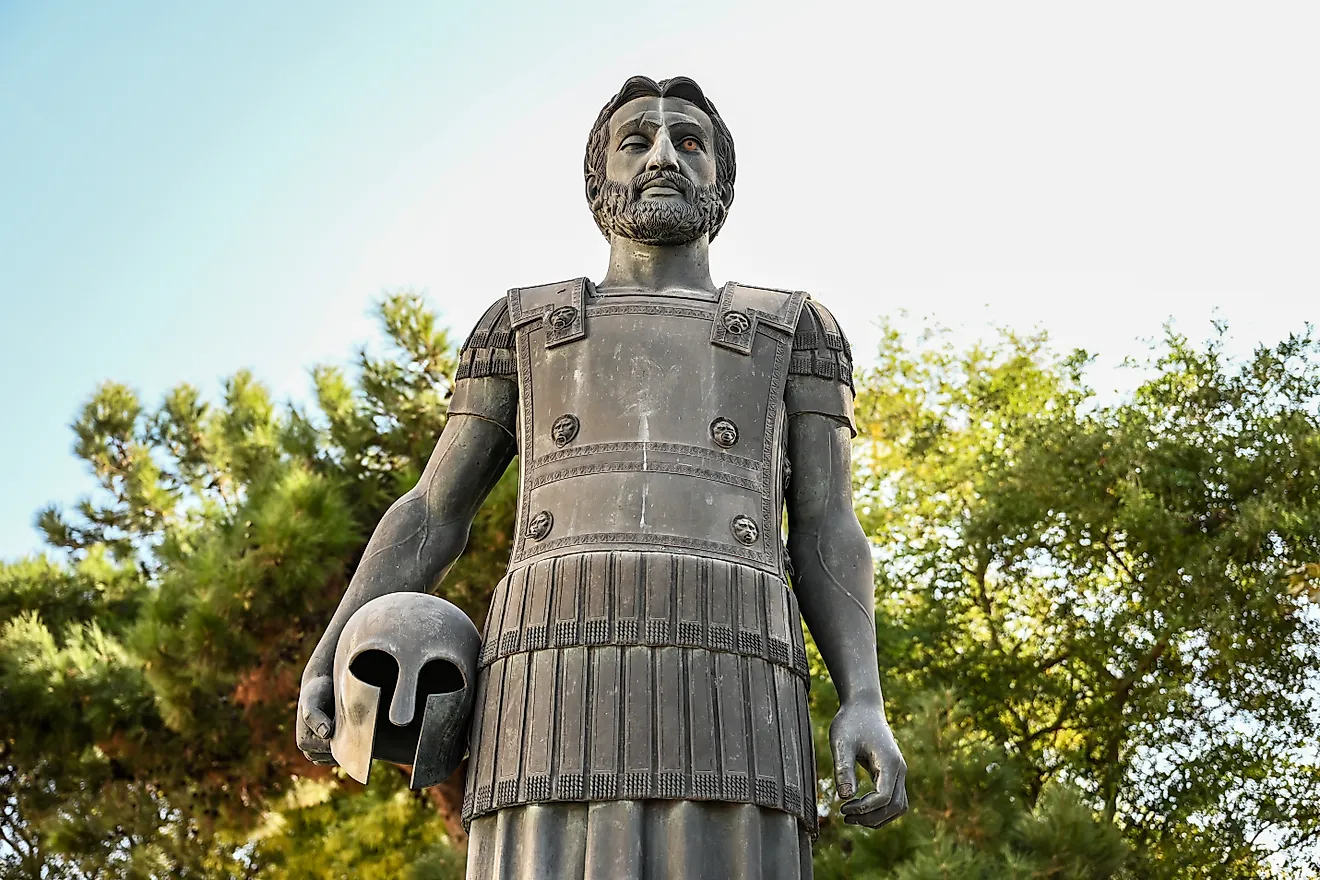
Under the reign of Xerxes, the Persians amassed a massive land army to conquer all of Greece in 480 BCE. Despite suffering some early defeats, like at the Battle of Thermopylae, the Greeks beat Persia in the Battle of Salamis and the Battle of Plataea. They also established a robust alliance of city-states, which only became stronger over the next thirty years as the Greeks went on the offensive and pushed Persia out of the Aegean. By the end of the war in 449 BCE, Athens was arguably the most formidable power in the region. The invasion meant to destroy it ended up having the opposite effect.
The Sicilian Expedition (415 to 413 BCE)

As noted in the previous section, Athens emerged from the Greco-Persian Wars as the most powerful city-state. This made some other cities, like Sparta, anxious. Eventually, these anxieties spiraled into a full-on conflict known as the Peloponnesian War (431 to 404 BCE). Athenian naval dominance initially gave it the upper hand. However, a series of catastrophic mistakes turned the tide.
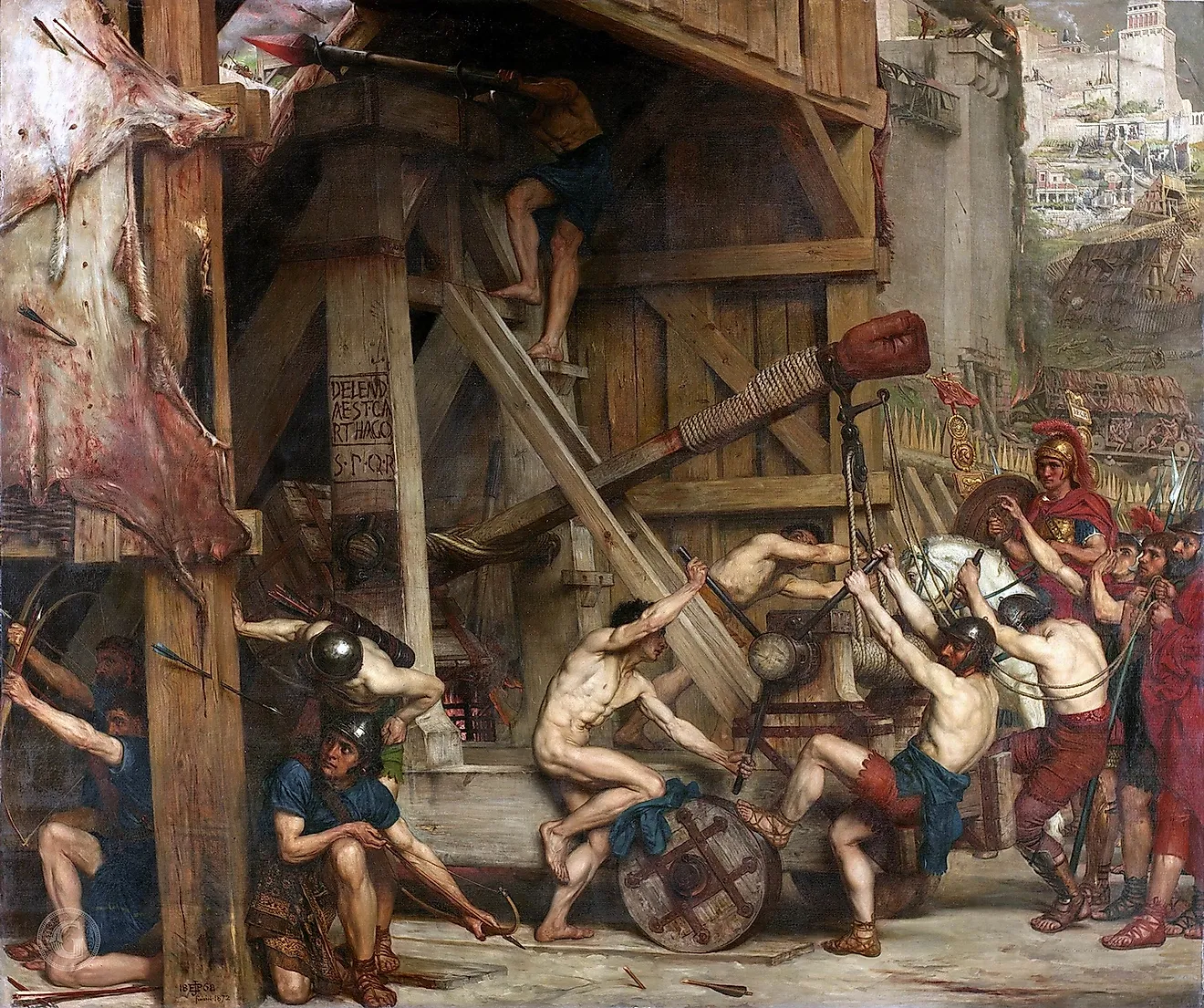
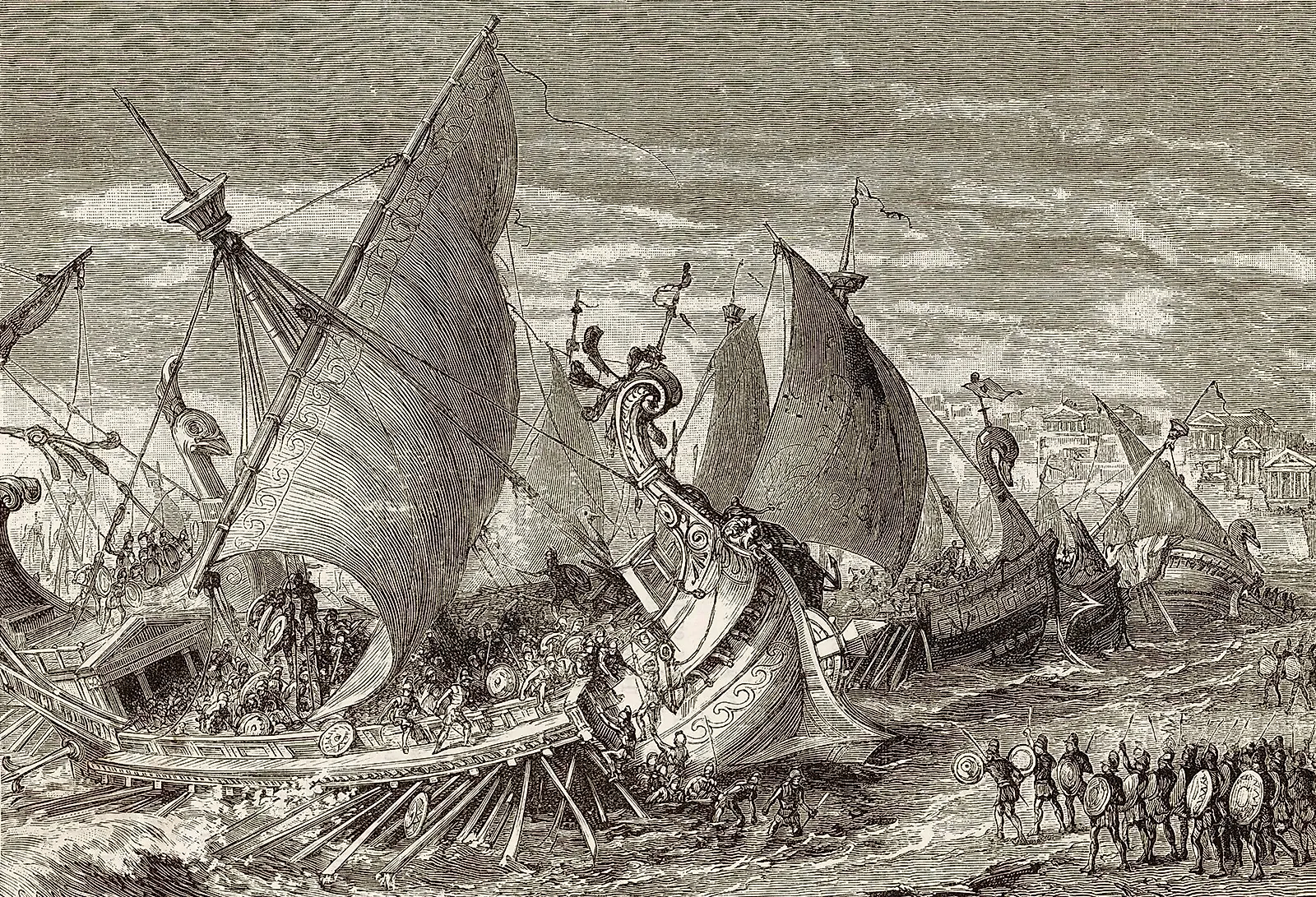
The Sicilian Expedition (415 to 413 BCE) was the worst of these errors. The goal behind it was to capture the Spartan-allied city of Syracuse and eventually take the whole island. Doing so would facilitate Athenian expansion into Italy and North Africa. Problems began when the invasion stalled, and the Athenian fleet got trapped in Syracuse's Great Harbor. It was subsequently destroyed. This affair was a massive blow to Athens' reputation, since it showed that it was beatable in sea combat. It also permanently weakened the Athenian navy. Ultimately, the Sicilian Expedition was the beginning of the end for Athens in the Peloponnesian War.
Alexander The Great Leaves No Clear Successor (323 BCE)

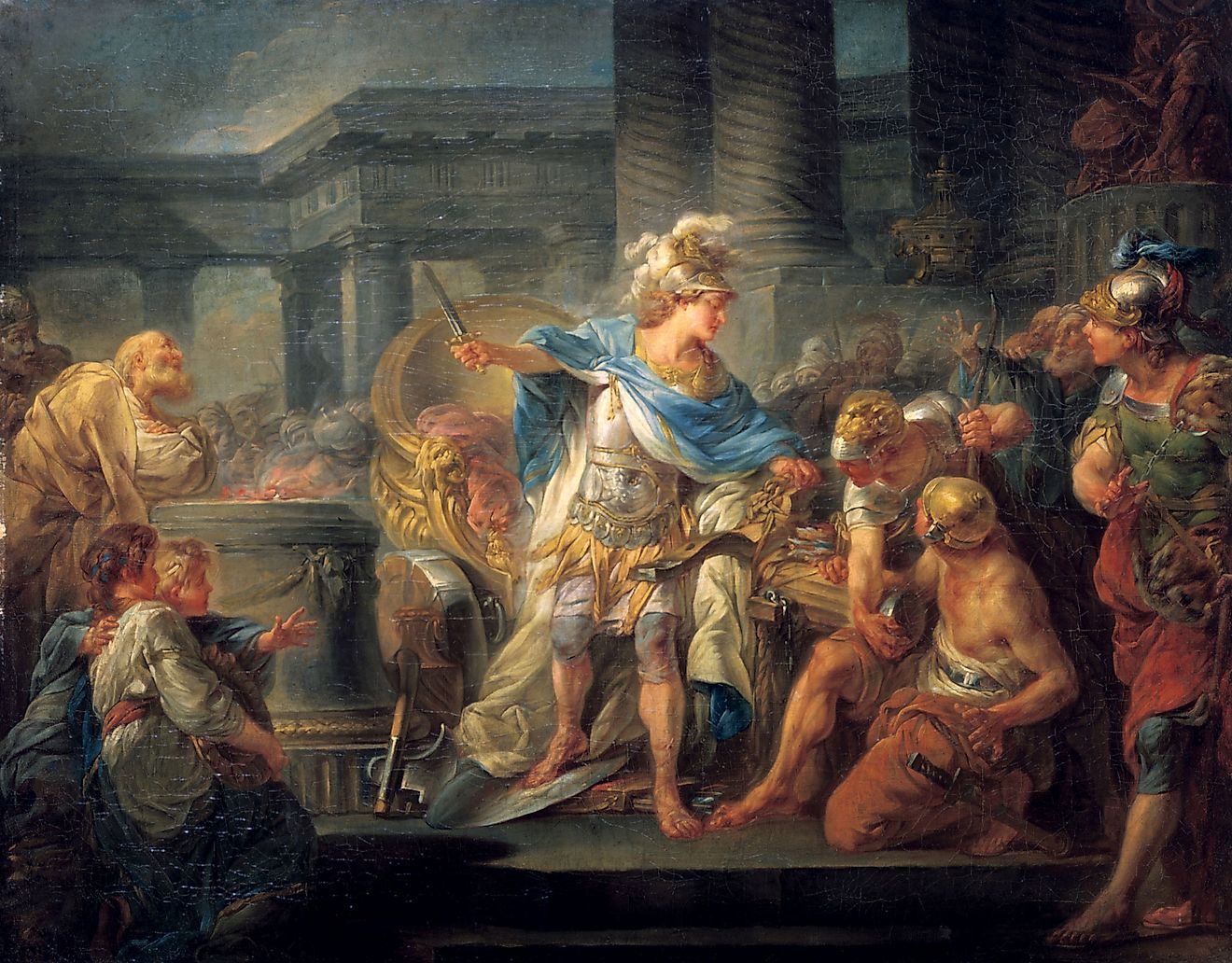
Alexander the Great died under mysterious circumstances in 323 BCE. Despite only being 32, the Macedonian king had built an empire that reached Albania's Adriatic coast in the west and India in the east. But there was a problem. Alexander's child was unborn at the time of his death, and his half-brother was mentally impaired. With no clear successor, his generals (the Diadochi) made an uneasy power-sharing agreement. This quickly broke down, and Alexander's former empire descended into civil war.
After twenty years, three main successor kingdoms emerged: one in Persia, one in Egypt, and one in Macedonia/Greece. While they were all major powers in their own right, they were weaker apart than together and constantly competed with each other. This dynamic paved the way for another state to dominate them. The Roman Republic did just this, and it completed its incorporation or pacification of all of Alexander's successor kingdoms in 30 BCE when it annexed Egypt.
The Assassination of Julius Caesar (44 BCE)

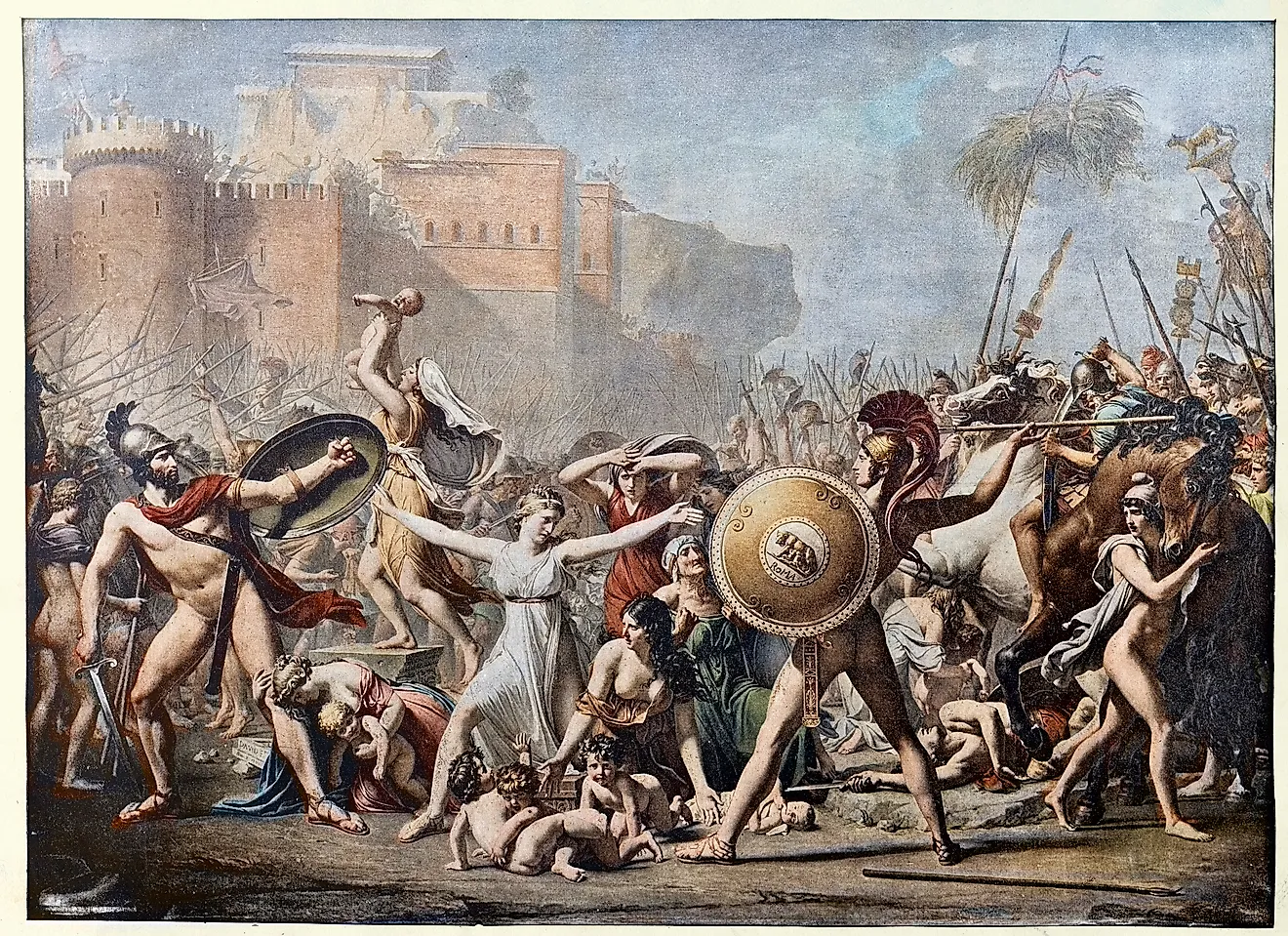
In 44 BCE, Roman general Julius Caesar declared himself dictator for life. Many in the Senate went along with this. Caesar's military might, as demonstrated in his Gallic campaign and civil war against Pompey, caused them to both fear and respect him. At the same time, some senators, including Marcus Junius Brutus, Gaius Cassius Longinus, and Decimus Junius Brutus, thought this was a bridge too far. The Roman Republic was founded on power-sharing between institutions, and Caesar's declaration effectively meant the end for everything it stood for.
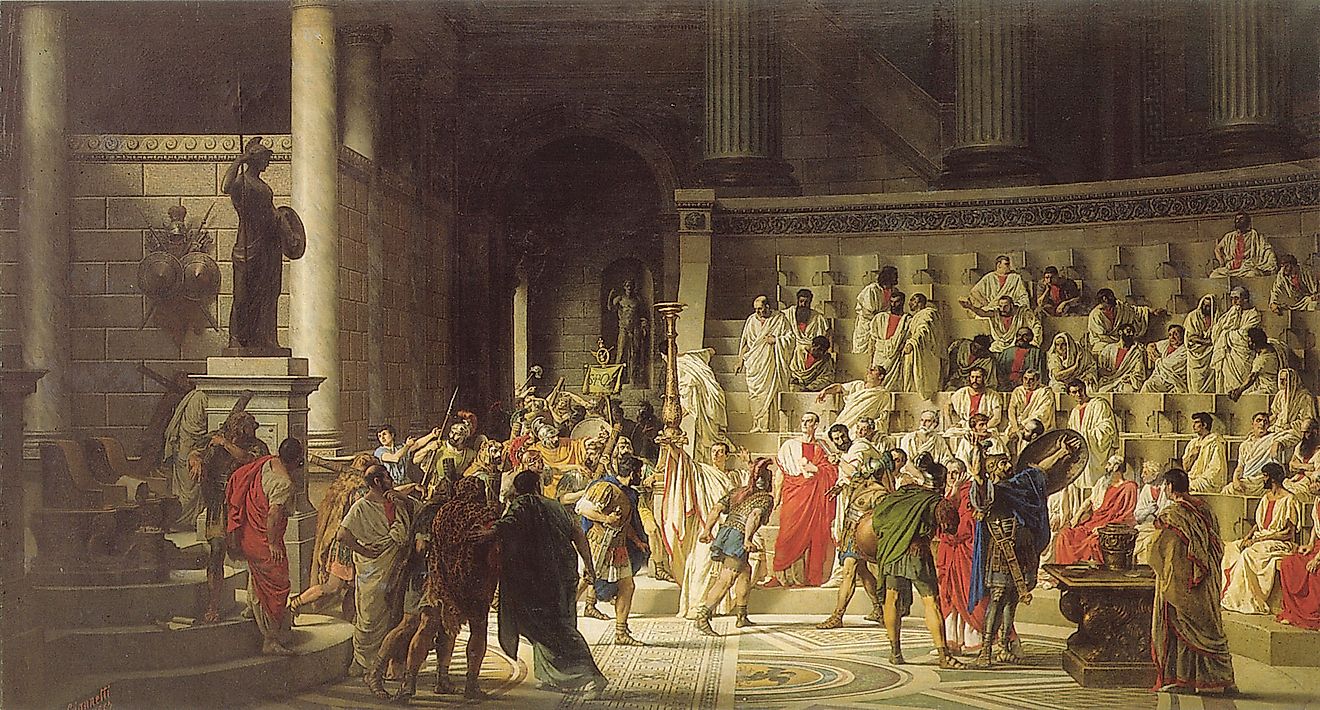
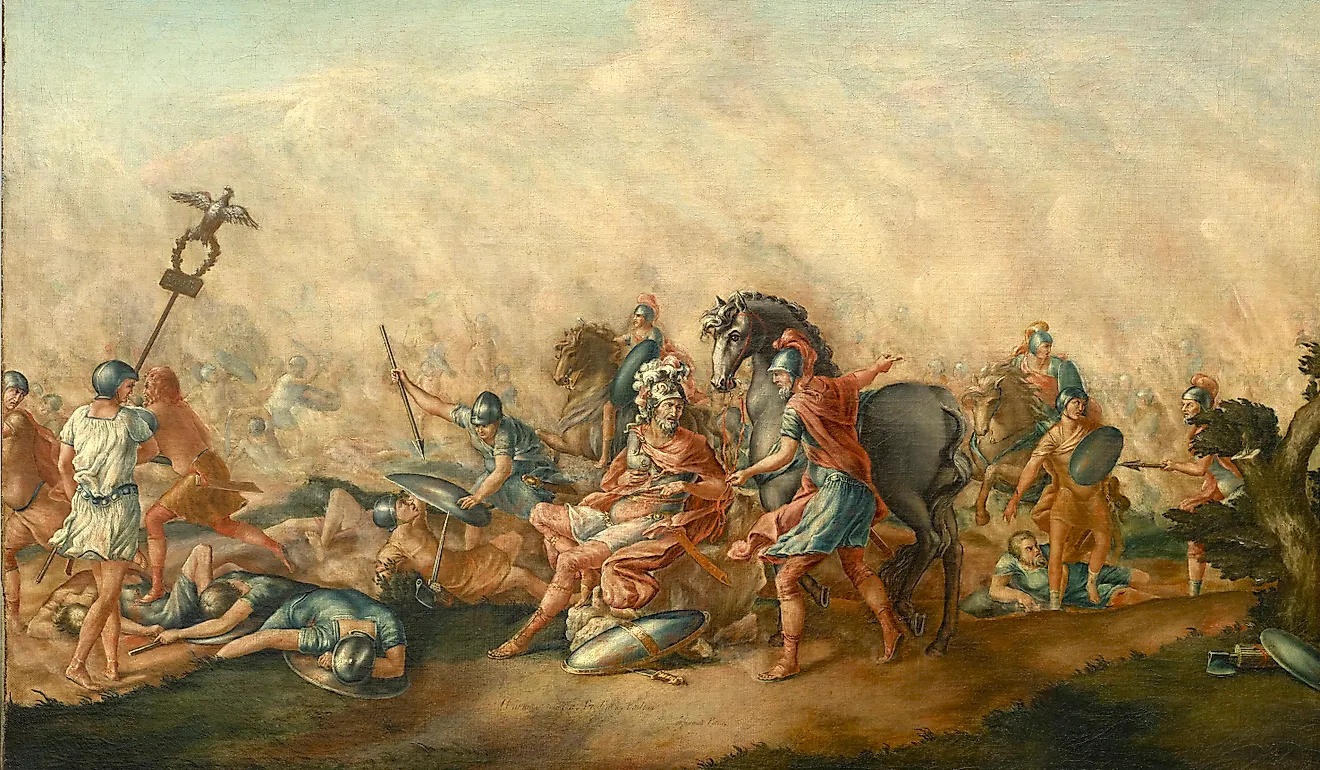
On March 15th, 44 BCE, 60 senators assassinated Caesar. While they believed that doing so would save the Republic, it actually had the opposite effect. Rome subsequently descended into a civil war, which only ended in 27 BCE when Augustus declared himself emperor. The assassination of Julius Caesar at best delayed Rome's turn to dictatorship, and at worst allowed it to become something even more authoritarian than Caesar would have wanted.
Roman Mistreatment Of The Visigoths (370s AD)

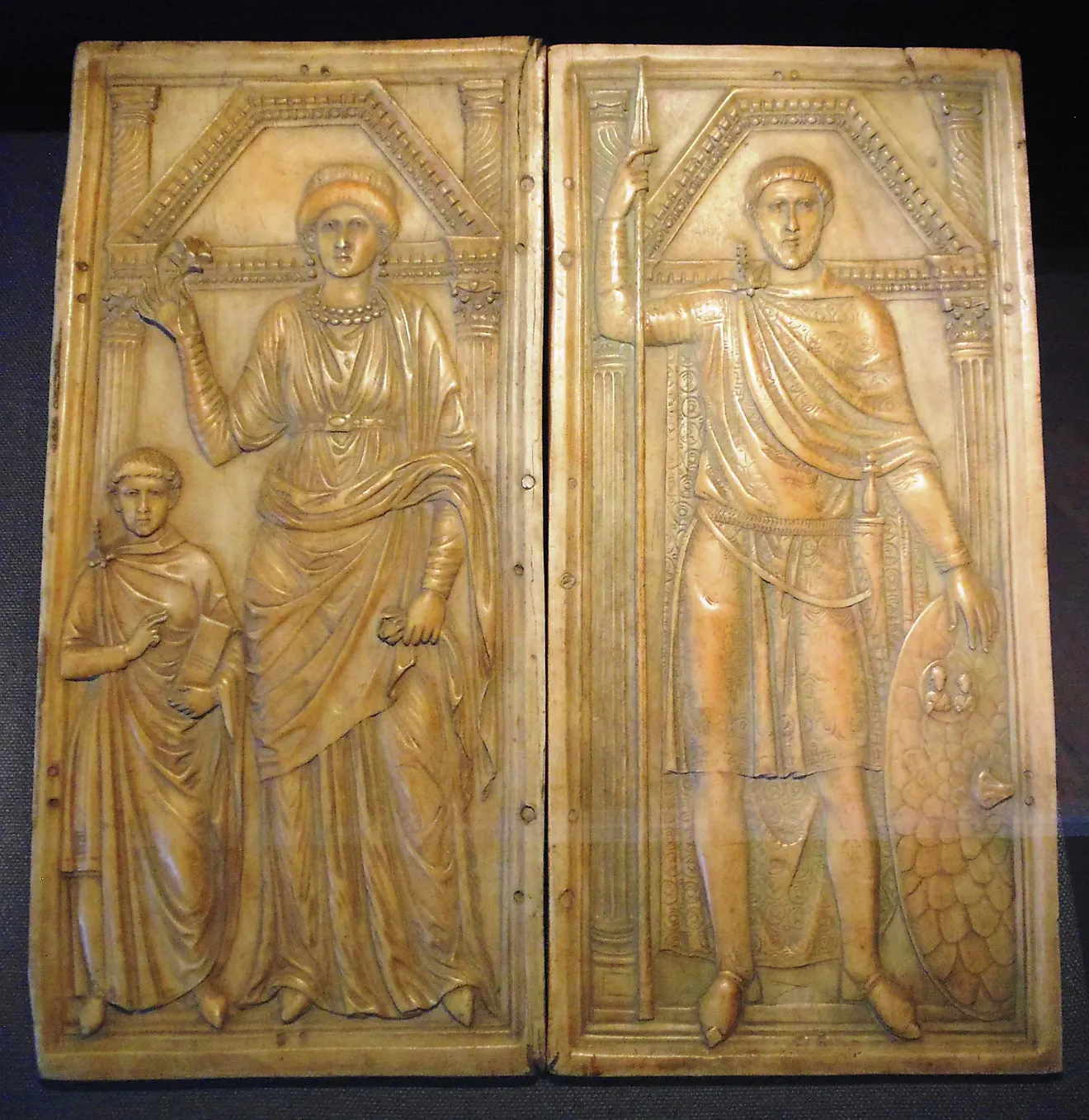
In 376 AD, the Visigoths (or Goths), a Germanic tribe, sought refuge from the Huns in the Roman Empire. The Romans allowed them to settle but treated them terribly. Corrupt local officials sold them terrible food at exorbitant prices. When the Visigoths ran out of money, the Romans forced them to sell their children into slavery in exchange for food.
Fed up with this mistreatment, the Visigoths rebelled. This led to the Battle of Adrianople in 378 AD, when they crushed the Romans and killed Emperor Valens. A massive display of Gothic strength, the battle also showed how weak Rome had become. This weakness was again demonstrated when the Visigoths sacked Rome in 410 AD. The first time in hundreds of years the city had been sacked, many historians argue that this event marked the point of no return for the Western Roman Empire. From that point on, it was in a consistent state of decline and finally fell in 476 AD.
What These Mistakes Have in Common
The thread running through all five is reversal. Xerxes set out to erase Athens and instead forged the alliance that made it dominant. Athens chased an island empire and drowned its own navy trying. Caesar's assassins struck to preserve the Republic and delivered it to an emperor. In each case the decision-makers were confident, and in each case the outcome mocked their intentions. That is what makes these blunders worth studying: the damage came not from bad luck but from choices that looked reasonable at the time.