What Was The Difference Between The Roman Republic And The Roman Empire
Rome was a global power for centuries, but it took several different forms along the way. The most consequential shift came in 27 BCE, when it transitioned from a republic to an empire. The change was more than a swap of titles; it remade how political power was held, distributed, and inherited. Understanding what actually changed is worth the effort, because it lays out the strengths and weaknesses of both forms of government and raises the same question modern states still wrestle with: how to balance stability and freedom.
Background
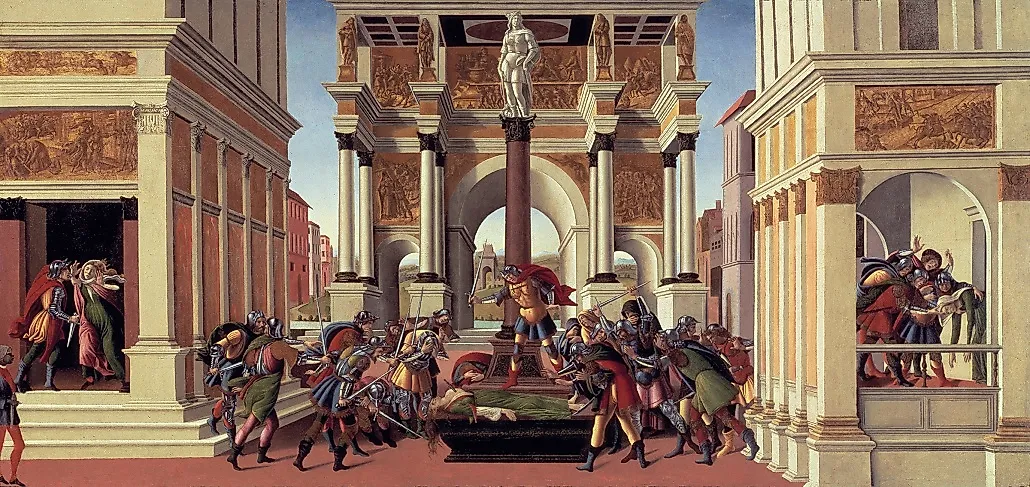
By tradition, Rome was founded around 753 BCE. It started as a monarchy, with the king holding absolute authority over religious, judicial, and military matters. The Senate existed as an advisory body but had no independent power. The reign of the seventh king, Lucius Tarquinius Superbus, ended in scandal and his expulsion in 509 BCE, replacing the monarchy with a republic.
The new system was designed to keep power from concentrating in one person's hands. The king's authority was divided between two consuls, elected annually by the popular assemblies, with veto power over each other. The Senate remained advisory in theory, but because senators served for life and consuls served only one year, the Senate accumulated enormous influence over policy in practice. Power was no longer in the hands of one person, but it remained concentrated among a small elite.
From Republic To Empire

The Republic worked well as a system for governing a city-state, but it strained as Rome's territory expanded into Italy, North Africa, Gaul, Greece, and Anatolia. The institutions had not been designed to administer provinces, and many ordinary Romans felt the elite-driven system did not represent them. That gap was filled by ambitious generals such as Gaius Marius, who built personal armies loyal to themselves by paying soldiers directly and granting them land at the end of their service.
Generals with armies behind them eventually had political power that rivaled the Senate's. The First Triumvirate, an informal alliance between Julius Caesar, Pompey, and Crassus, dominated Roman politics from 60 to 53 BCE, pushing through legislation without the Senate's consent. After Crassus died on campaign in Parthia, the rivalry between Caesar and Pompey escalated into civil war in 49 BCE. Caesar defeated Pompey at the Battle of Pharsalus in 48 BCE, and Pompey was killed shortly after fleeing to Egypt.

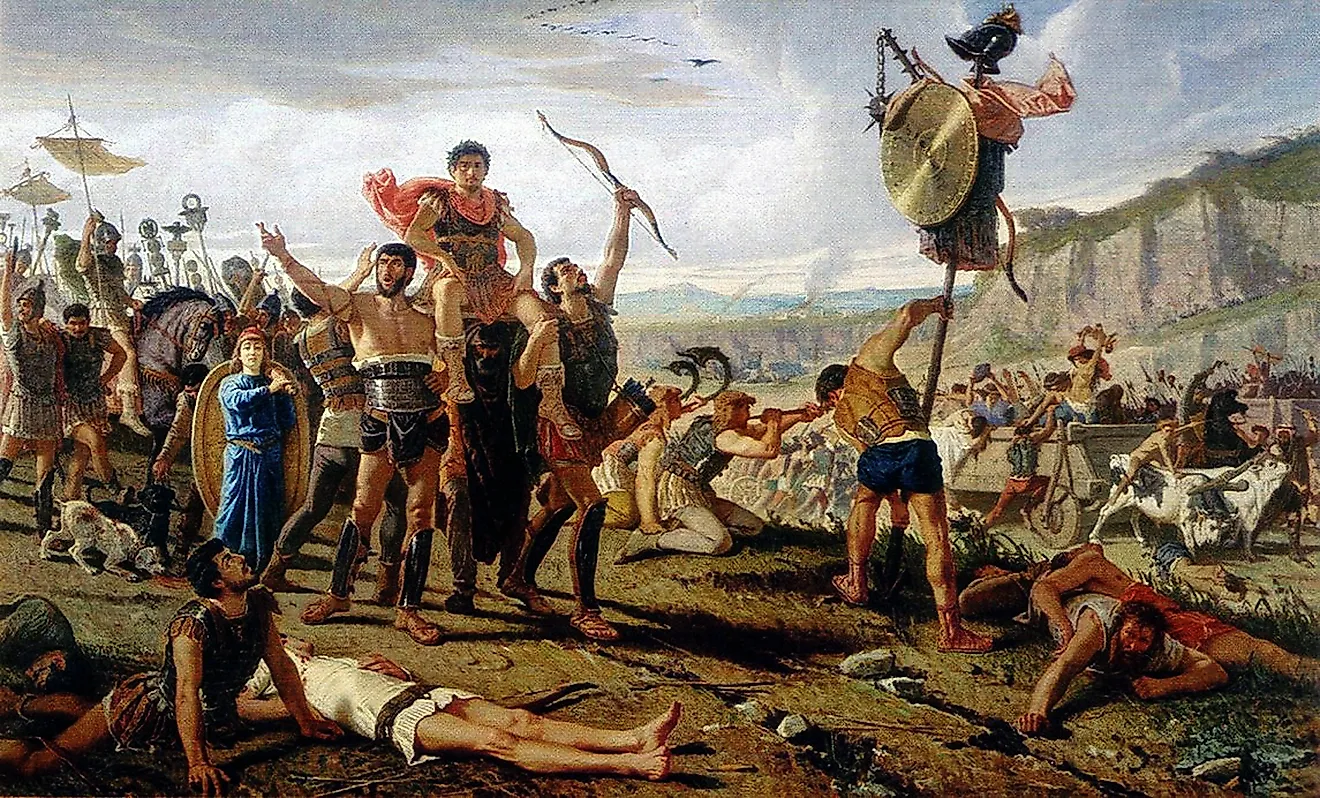
Caesar declared himself dictator for life in 44 BCE, and was assassinated weeks later by senators who feared his accumulating power. Rome fell back into civil war, this time between Octavian (Caesar's adopted son and heir) and Mark Antony, who controlled the eastern provinces. After Octavian defeated Antony and Cleopatra at the Battle of Actium in 31 BCE, the two fled to Egypt and died by suicide. Octavian was Rome's sole ruler. In 27 BCE, the Senate granted him the name Augustus, marking the formal beginning of the Roman Empire.
Differences Between The Republic And The Empire
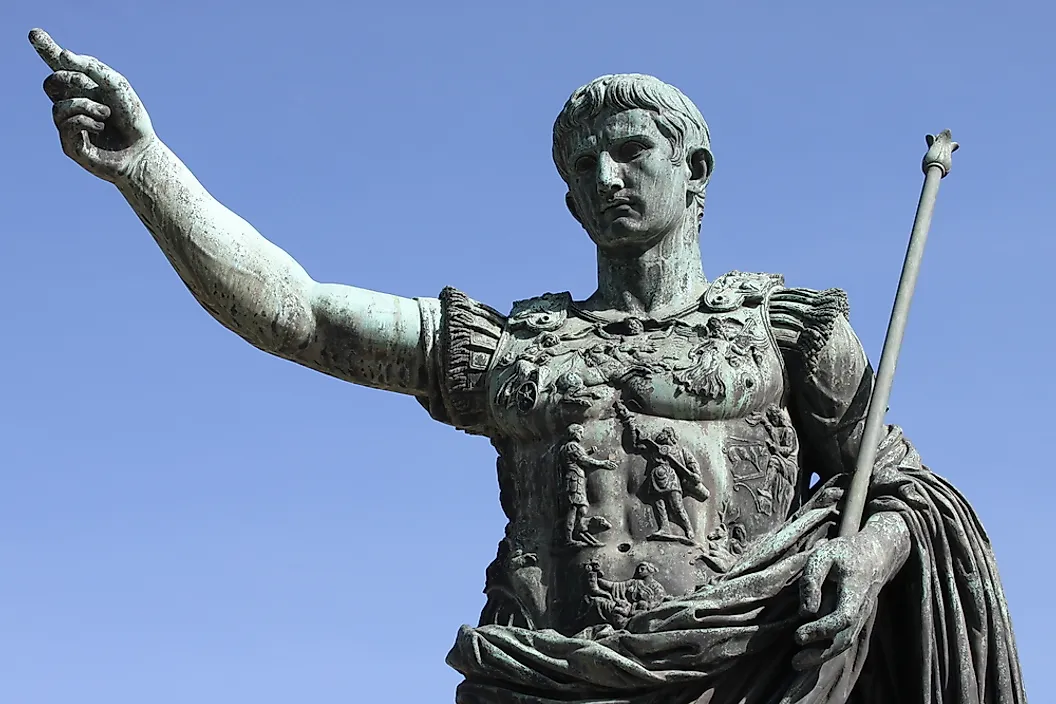
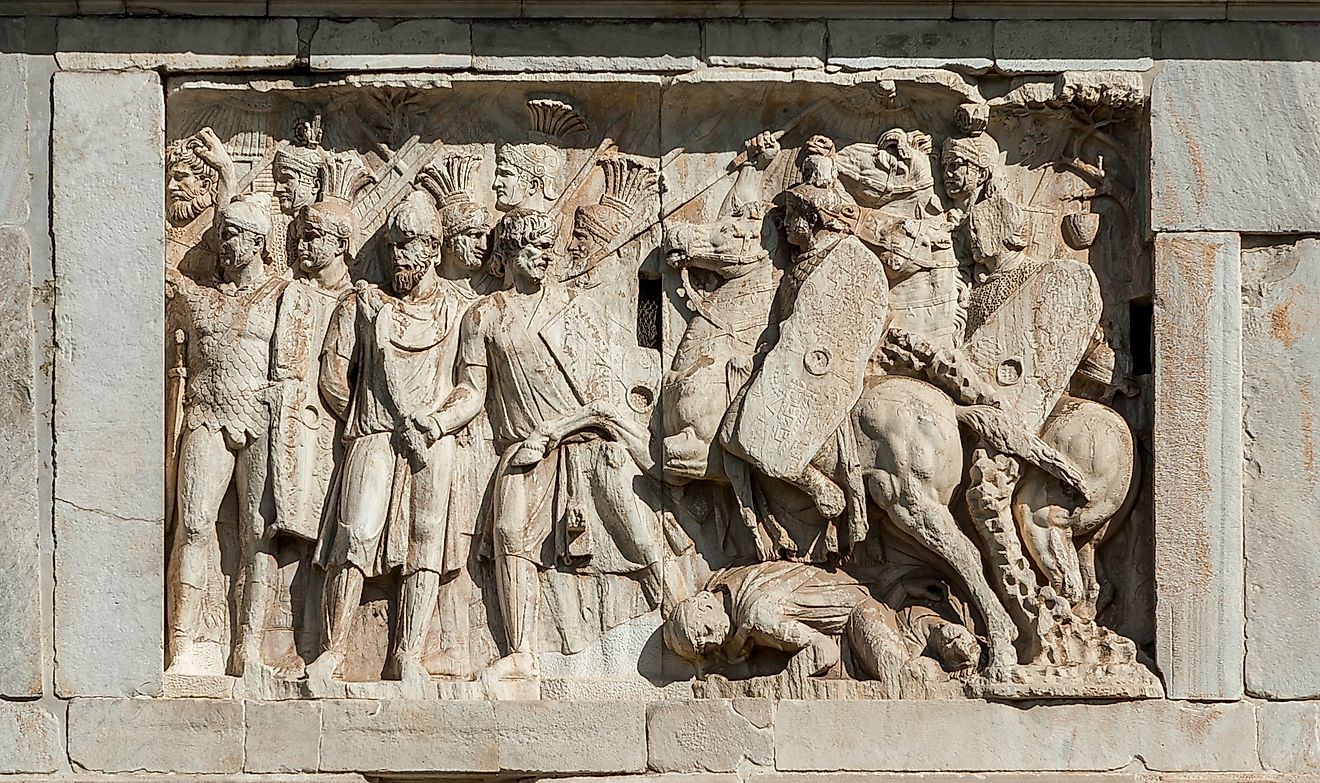
The institutions of the Empire are best understood as a response to the failures of the late Republic. The Republic had shared power among magistrates, the Senate, and the popular assemblies, but those mechanisms had broken down as Rome expanded and elite competition turned violent. The Empire concentrated authority in a single ruler. Augustus managed this carefully, preserving the outward forms of the Republic rather than abolishing them. The Senate continued to meet, magistrates were still elected, and the assemblies remained on the books. Real decision-making power, however, rested with the emperor, who controlled the major military provinces, the public finances, and key legislation. The system was functionally autocratic even where it looked republican.
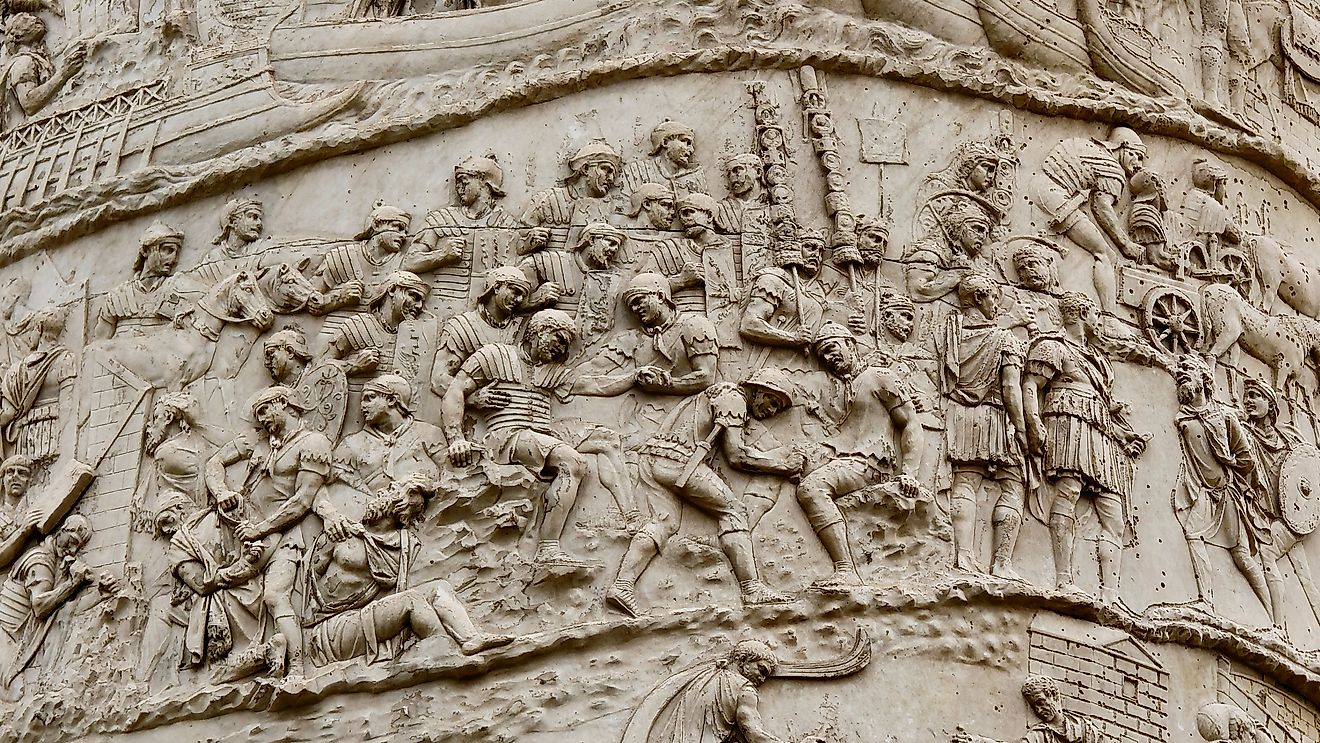
Other reforms aimed directly at the problems that had wrecked the late Republic. The military was reorganized as a standing professional army paid by the state and loyal personally to the emperor, reducing the chance that rival generals could raise their own armies as Caesar and Pompey had. This worked for a while, but did not eliminate instability for good. Later emperors still depended on the army's support, and several were overthrown by it.
Why The Change Mattered To Rome

The shift from republic to empire reset the trajectory of Roman history. The last decades of the Republic were marked by civil war and assassinations; the early Empire was marked by the Pax Romana, a roughly 200-year stretch of internal peace, stable administration, and continued territorial growth. The Empire also delivered a standardized tax system, a more organized provincial administration, and large-scale public infrastructure, all of which made governing a vast territory practical. The trade-off was clear. The transition from a semi-democratic republic to an autocratic empire produced a less representative state but a more stable and prosperous one.
Why It Still Matters

The same questions of stability, representation, and freedom still shape political thought today. Every major democracy works out its own balance among them. The United States leans heavily on electoral representation, with both houses of Congress and the executive chosen at the ballot box, although federal judges remain appointed. Canada and the United Kingdom mix elected and unelected elements, with parliamentary lower houses elected, judges appointed, and an upper chamber that is appointed in Canada and partly hereditary or appointed in the UK. Both remain parliamentary democracies because political power is anchored in the elected lower house.
The European Union adds another layer above its member states. The European Parliament is directly elected, but other key institutions involve appointed officials and representatives sent by national governments. Some parts of the EU are sometimes described as technocratic, although decision-making remains tied to democratically elected national leaders. The contrast between the Roman Republic and the Roman Empire offers a useful frame for these modern arrangements: a reminder that the choice between concentrated authority and distributed power is rarely settled for good, and that each system is a response to the failures of the one that came before it.