Was Alexander The Great An Overrated General?
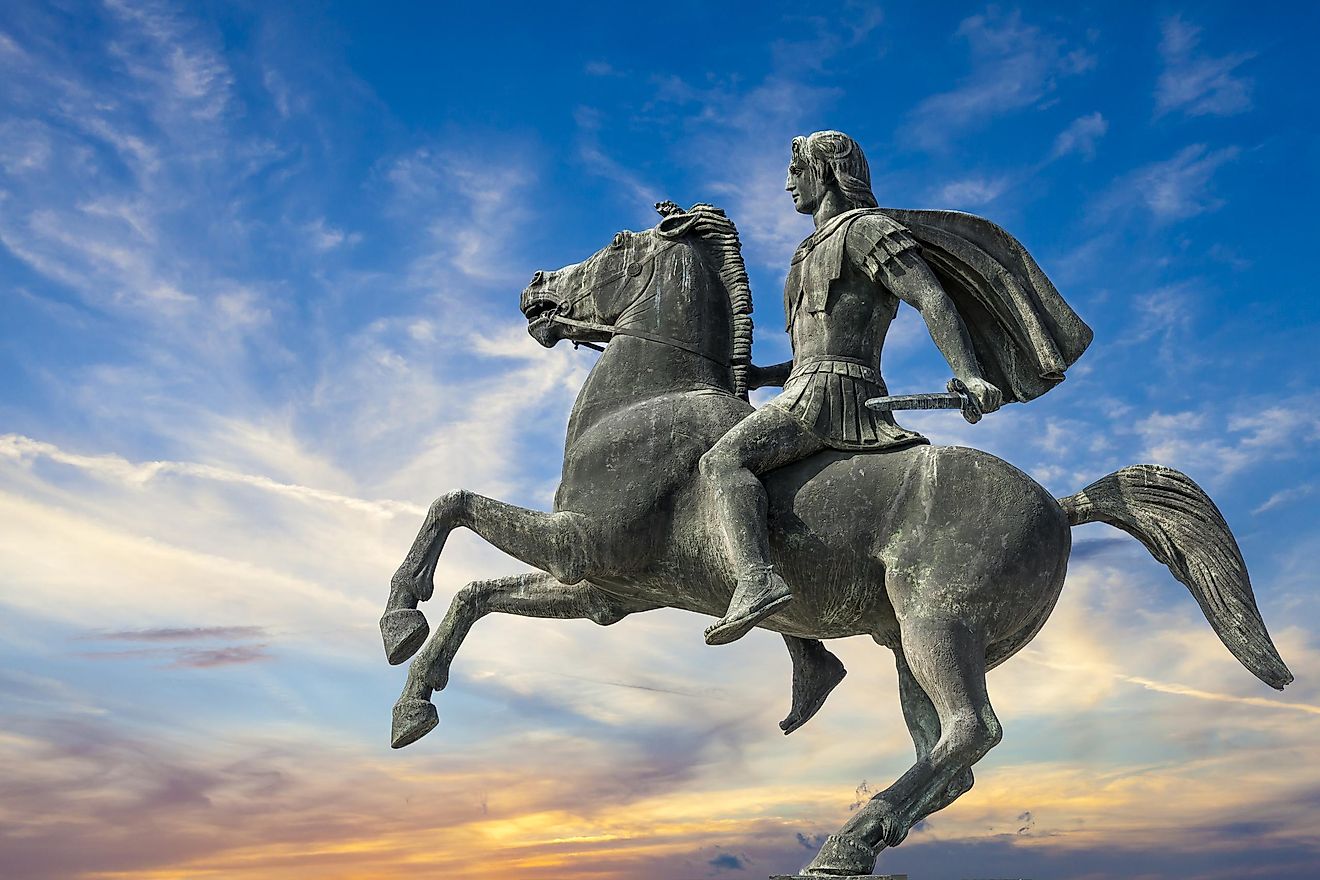
Alexander the Great looms larger than perhaps any other figure in history. At the same time, no one should have their reputation accepted uncritically. It's therefore worth asking if Alexander was an overrated general. After all, he inherited one of the best armies in world history and made some major strategic errors. While these factors are worth considering, this article will argue that they don’t overshadow Alexander’s military prowess.
Alexander Created A Massive Empire

Alexander the Great was king of Macedonia from 336 to 323 BCE. During this time, he transformed it from a Greek hegemon into a worldwide empire. His first two years were focused on securing power. Alexander first marched north with his army to eliminate threats from Balkan tribes. He then went south to brutally repress revolts by some Greek city-states, Thebes in particular.

With his immediate vicinity secure, Alexander set his sights on Persia. The historic enemy of Greece, he made quick work of it, rapidly moving down the Anatolian coast, through the Levant, and eventually reaching Egypt. He ultimately took the Persian capitals in 330 BCE and invaded Central Asia. This campaign was more difficult, but the Macedonians prevailed. Alexander then invaded India, only for his exhausted and homesick army to force him to turn back. He returned to Persia in 324 BCE and died under mysterious circumstances the next year. In just ten years, Alexander built an empire that stretched from the Balkans to India.
Alexander Never Lost A Battle
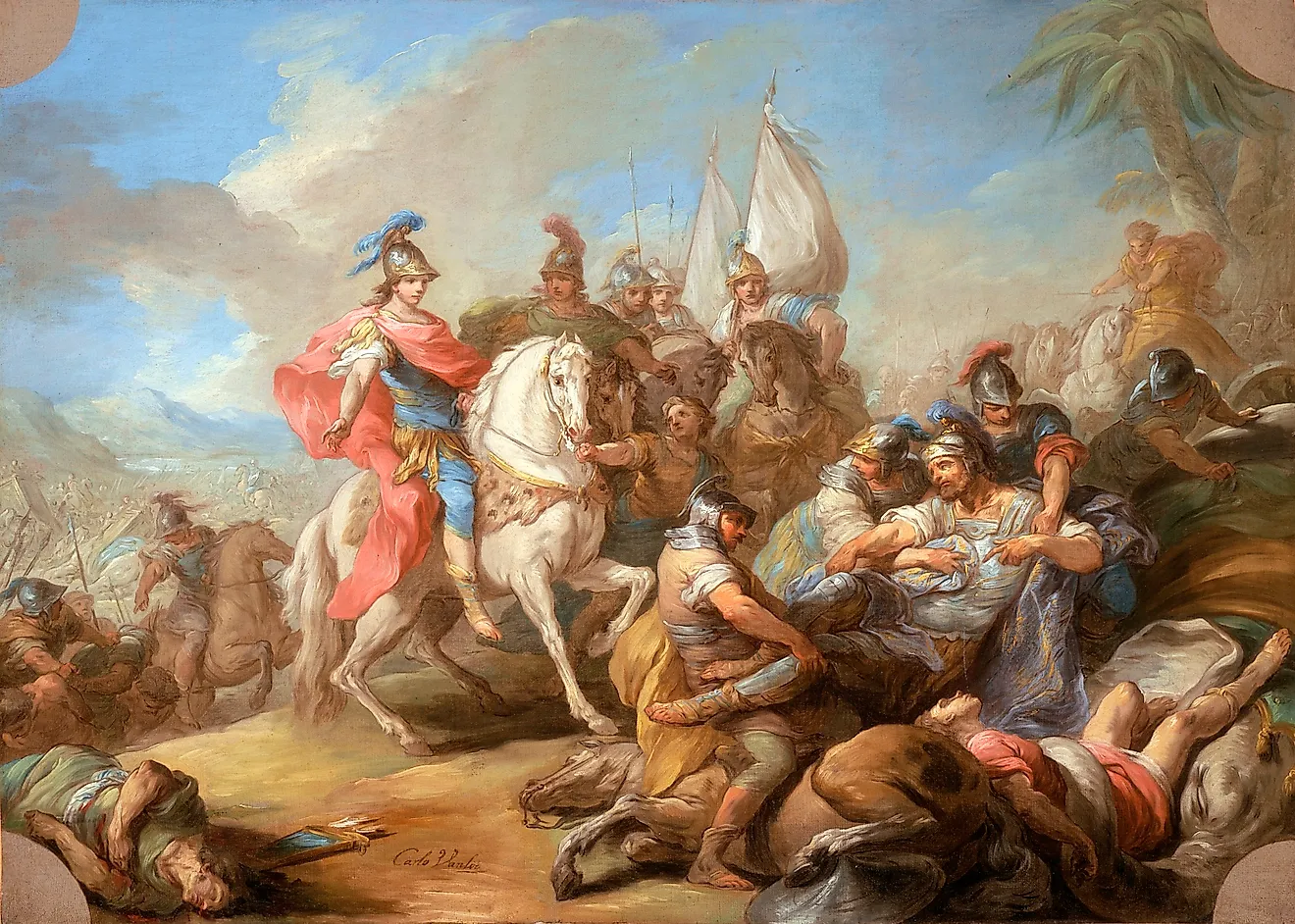
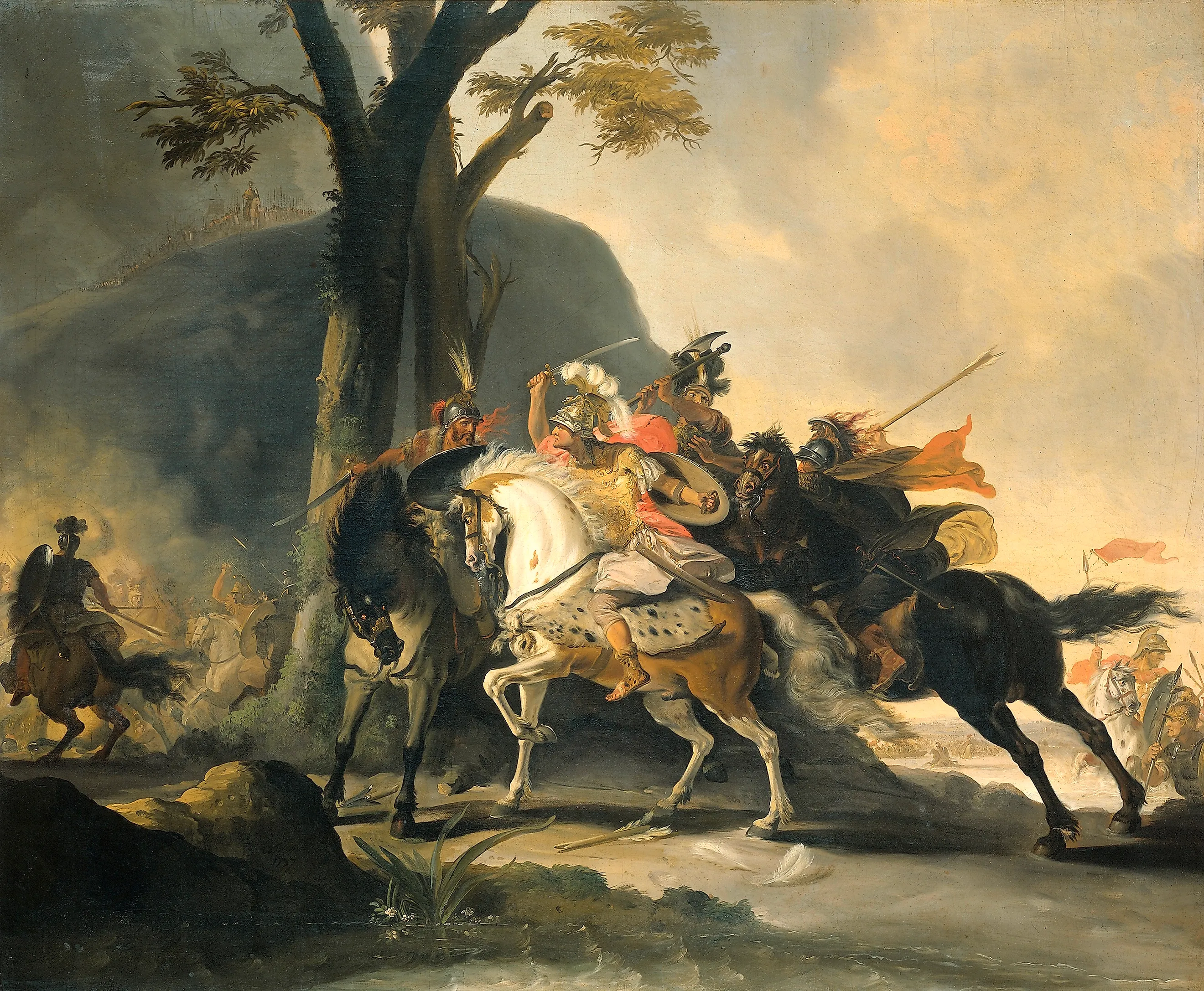
Alexander isn’t just remembered for the sheer size of his empire. Perhaps his biggest claim to fame is that he never lost a battle, despite coming up against extraordinary odds. Consider the first major military engagement of his Persian campaign, the Battle of Granicus in 334 BCE. Although he was outnumbered by the Persians and stationed on the other side of the Granicus River, Alexander won by leading the Companion Cavalry in a bold, diagonal charge across the water.

The Battle of Gaugamela in 331 BCE was another example of Alexander prevailing against a formidable opponent. His army numbered between 40,000 and 47,000, whereas the Persians were between 50,000 and 250,000. Knowing that he couldn’t win with brute force, Alexander led his right flank forward diagonally towards the Persian left. Terrified that the Macedonians were going to outflank them, the Persians responded, creating a gap in their defenses. Alexander then charged through the gap, directly at King Darius III. Darius was forced to flee, and the Persian army soon collapsed.
Alexander Was Remarkably Adaptable

Alexander wasn’t a one-trick pony. He won a variety of battles in a variety of ways. As previously mentioned, the Battle of the Granicus saw him achieve victory via a daring cavalry charge. Alexander then won the Battle of Issus in 333 BCE by utilizing a narrow gap between the mountains and the sea to negate the Persian army’s numerical advantage. He again levelled the playing field at Gaugamela, this time by intelligently maneuvering his army.

Central Asia required yet another shift. The terrain was mountainous and difficult to traverse, and local tribes often resorted to guerrilla warfare tactics. Alexander therefore adopted similar tactics and married a local noblewoman named Roxana to ingratiate himself with the local population. Finally, during the Battle of the Hydaspes in India in 326 BCE, Alexander faced war elephants for the first time. Even though they likely frightened and overwhelmed his army, he used sophisticated cavalry and infantry maneuvers to defeat them.
Alexander Inherited A Formidable Army

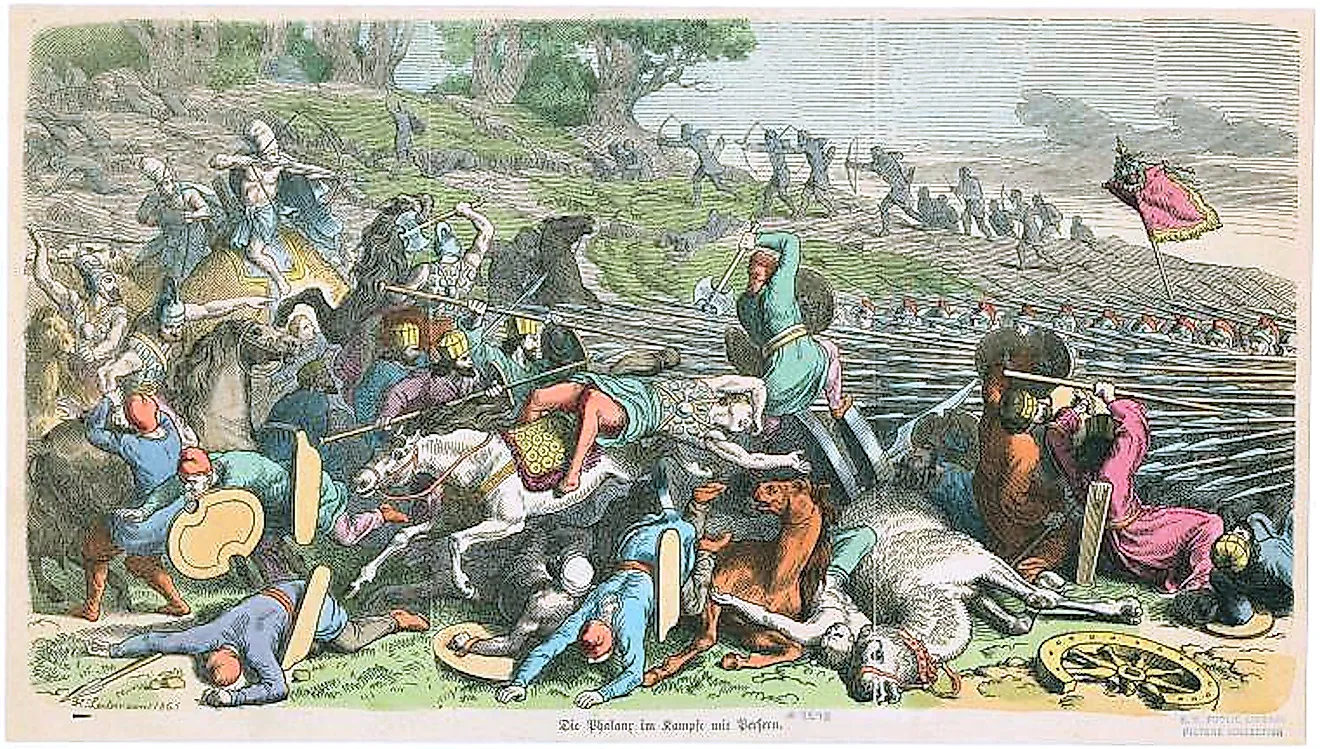
Despite all his brilliance, Alexander likely couldn’t have accomplished what he did without the foundation built by his father, Philip II. As King of Macedonia from 359 to 336 BCE, Philip enacted several military reforms. First, he created a professional standing army, contrasting the citizen-based militias in the rest of Greece. Second, he introduced the Sarissa, a long spear that made it easy to pin enemies down. Third, Philip implemented a combined arms approach. While troops with the sarissa held the enemy in place, cavalry would smash through them. Archers also provided support from the back.

These measures allowed Macedonia to become the dominant power in Greece. They also formed the backbone of Alexander’s military successes. At the same time, it was one thing to have potential. It's another thing to live up to it. Alexander was certainly gifted with one of the best militaries the world had ever known, yet he used it to surpass all expectations. It's therefore unfair to call him overrated based on this fact.
Alexander Made Serious Mistakes

Alexander wasn’t a perfect general, and he notoriously struggled with sieges. Consider the Sieges of Tyre and Gaza (both in 332 BCE), which lasted far longer than expected. Afterward, Alexander took out his frustration on the local populations by massacring them, enslaving them, and torturing their political leaders. He also suffered enormous losses throughout his campaigns. The most infamous incident occurred in 325 BCE. During the return journey back to Persia, Alexander led a massive portion of his army through the Gedrosian Desert. With no protection from the elements and insufficient food and water, thousands died.
While these affairs certainly complicated Alexander’s reputation, they don’t undo his accomplishments. He still created a massive empire and never lost a battle. The sieges of Tyre and Gaza and the Gedrosian Desert crossing thus should be considered when assessing Alexander’s legacy, but not at the expense of the rest of his career.
Impact And Legacy

Alexander the Great was an exceptional, but imperfect, general. He created a vast, multicontinental empire and never lost a battle. He also achieved victory using a wide variety of tactics. Alexander did inherit one of the best armies in world history. Sieges were problematic as well, and the Gedrosian Desert crossing is a permanent mark on his record. Regardless, these factors don’t mean that Alexander was an overrated general. They instead signify that people’s legacies are often more complex than is initially obvious.