The African Grain That Fed The Roman Empire
The late Roman Republic and early Empire had a population of between 50 and 60 million people. While some lived in rural areas with fertile farmland, many lived in urban centers. The city of Rome itself contained about a million people at the time. Even though the surrounding Italian countryside could feed some of them, it couldn't handle everyone. The government, which was increasingly taking responsibility for feeding its citizens, thus had to solve this problem. This led to what historians call the Roman grain supply system, or cura annonae.
The Punic Wars And Roman North Africa

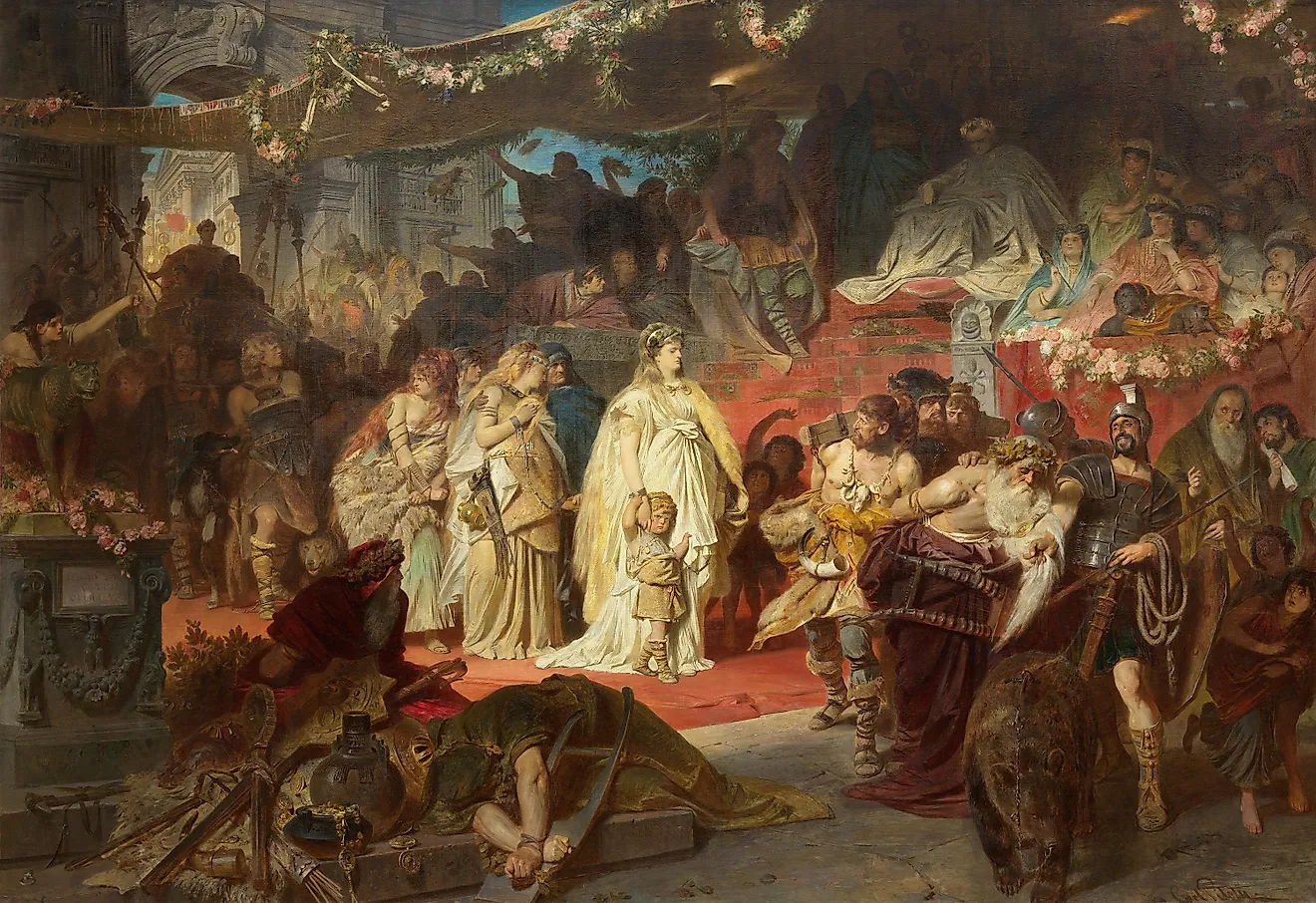
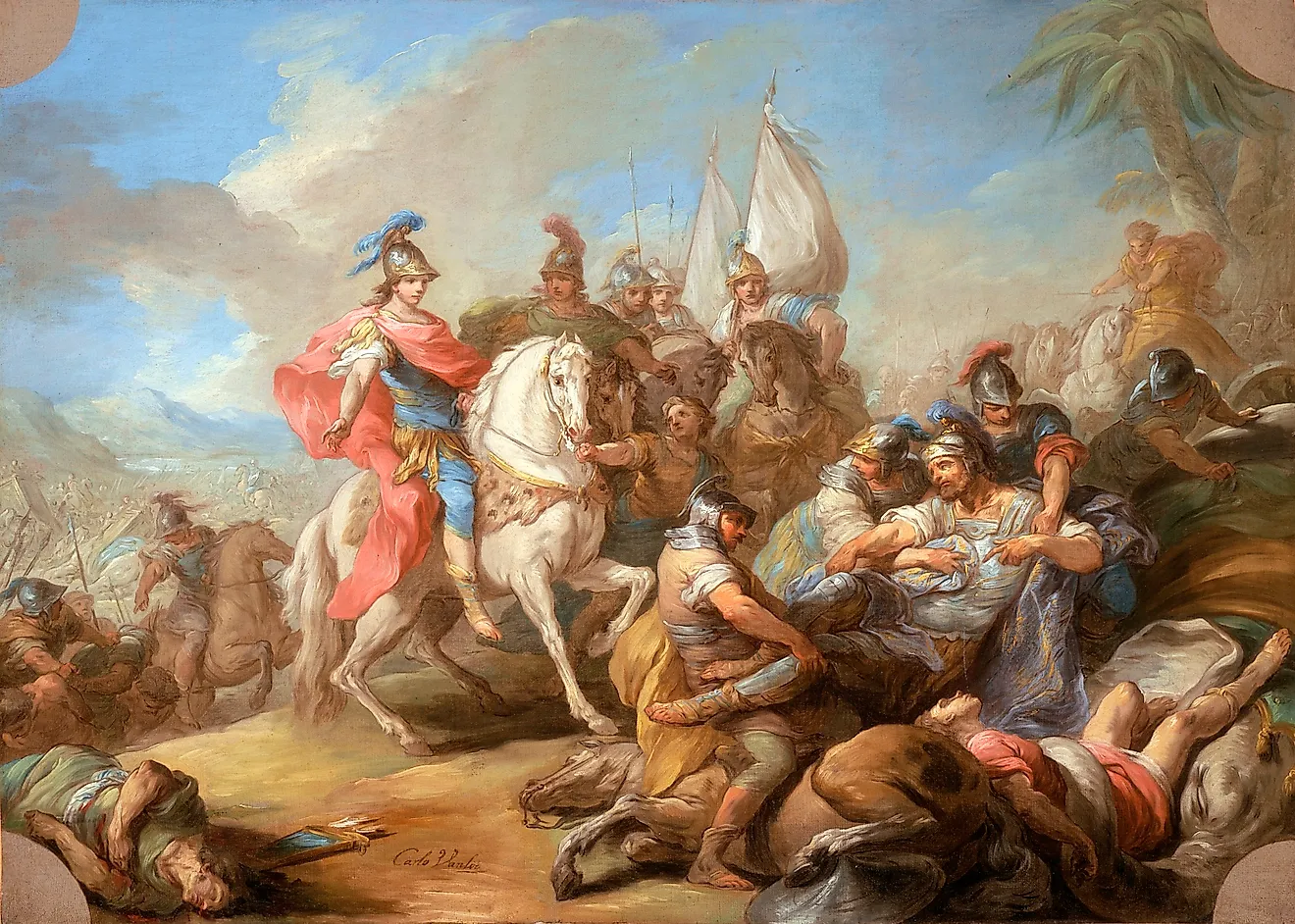
The first step in procuring grain was to conquer regions with ample supplies. Luckily, the Romans had already partially accomplished this. The Punic Wars of the 200s and 100s BCE saw them defeat the Tunisia-based Carthaginian Empire. In the First Punic War (264 to 241 BCE), the Romans built up their navy to win control of Sicily. In the Second Punic War (218 to 201 BCE), they survived a devastating invasion of Italy by Carthaginian general Hannibal Barca and eventually launched a counter-invasion of North Africa. Finally, in the Third Punic War (149 to 146 BCE), they besieged and decimated Carthage. However, the Romans eventually rebuilt the city and, most crucially, didn't destroy its agricultural importance. Indeed, the surrounding area, which became known as the province of Africa, produced wheat, barley, olive oil, and a variety of agricultural products. By the time Rome transitioned from a Republic to an Empire, it was a significant grain-producing region.
Rome Conquers Egypt

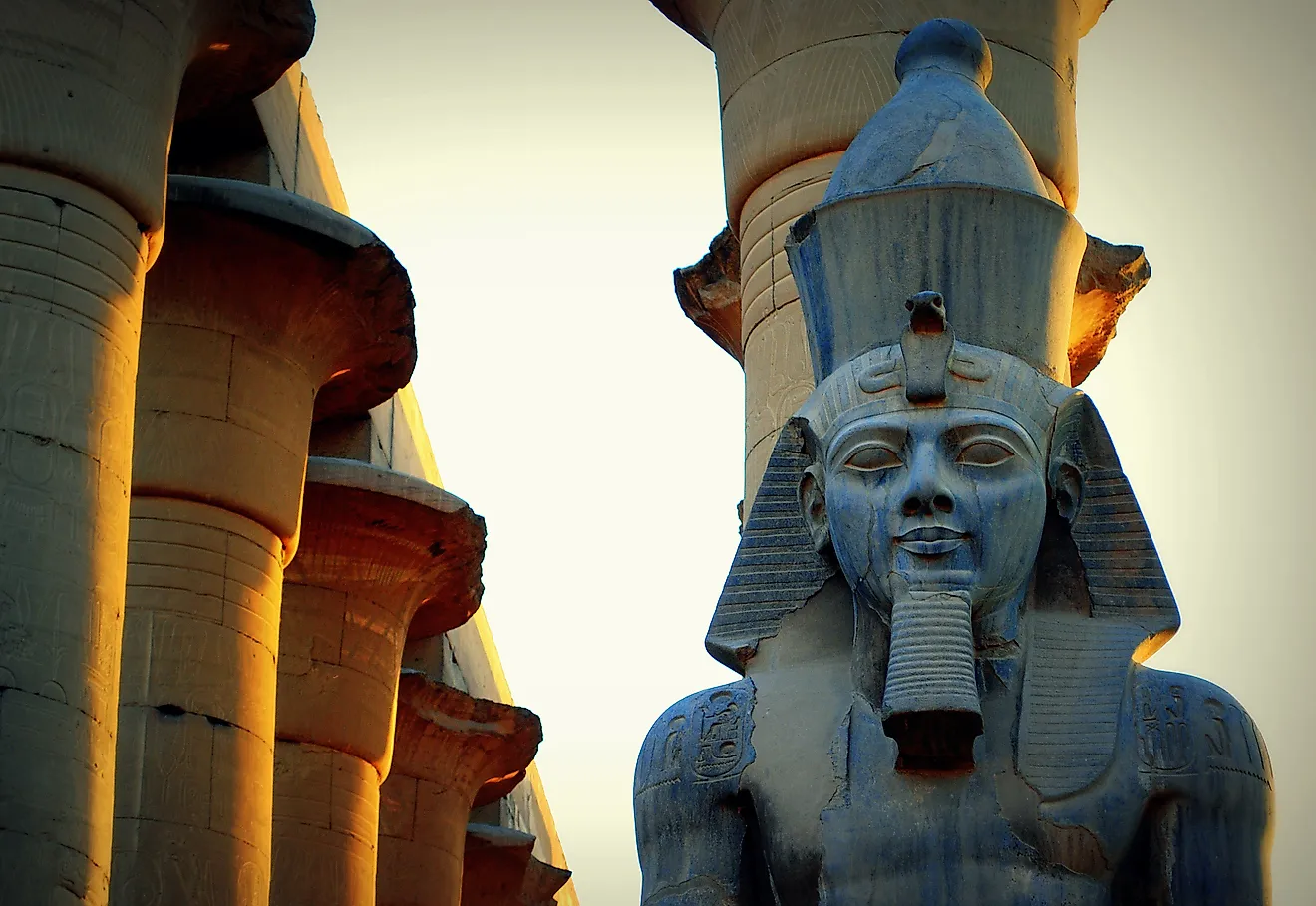
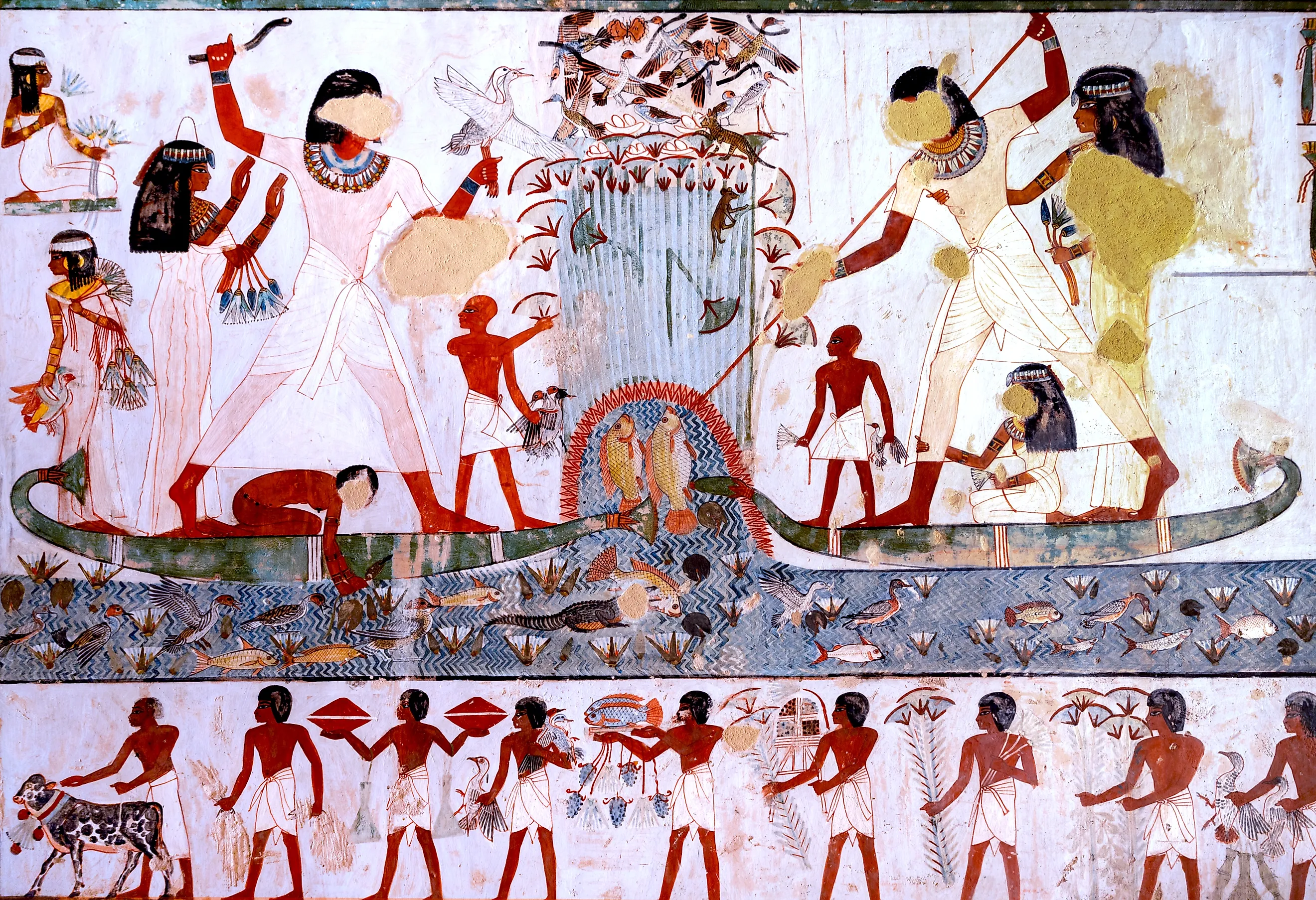
Rome again expanded its grain production capacity when it conquered Egypt. Egypt had been a major grain producer for thousands of years, as the annual flooding of the Nile River deposited fertile soil along its banks. The Romans began offering military support to the increasingly unpopular ruling family, the Ptolemies, in exchange for payment and political leverage over the wealthy kingdom. Julius Caesar and Mark Antony even became romantically involved with the Egyptian leader Cleopatra. Ultimately, however, Roman and Egyptian relations fell apart. Octavian defeated Cleopatra's fleet at the Battle of Actium in 31 BCE, and she, along with Mark Antony, committed suicide the following year. Rome annexed Egypt soon afterward, gaining full access to its agricultural capacity.
How Grain Supply Worked

Octavian, now renamed Augustus, became Rome's first emperor in 27 BCE. He viewed feeding the empire as one of the emperor's primary responsibilities and thus created a sophisticated grain collection system. The basic process went something like this. Farms in Africa produced grain. Local tax collectors gathered it and stored it, after which it was transported to ports in places like Carthage and Alexandria. Large ships designed for grain transportation then took it across the Mediterranean. They landed at European ports, where the grain was moved by wagon or river to major urban centers.
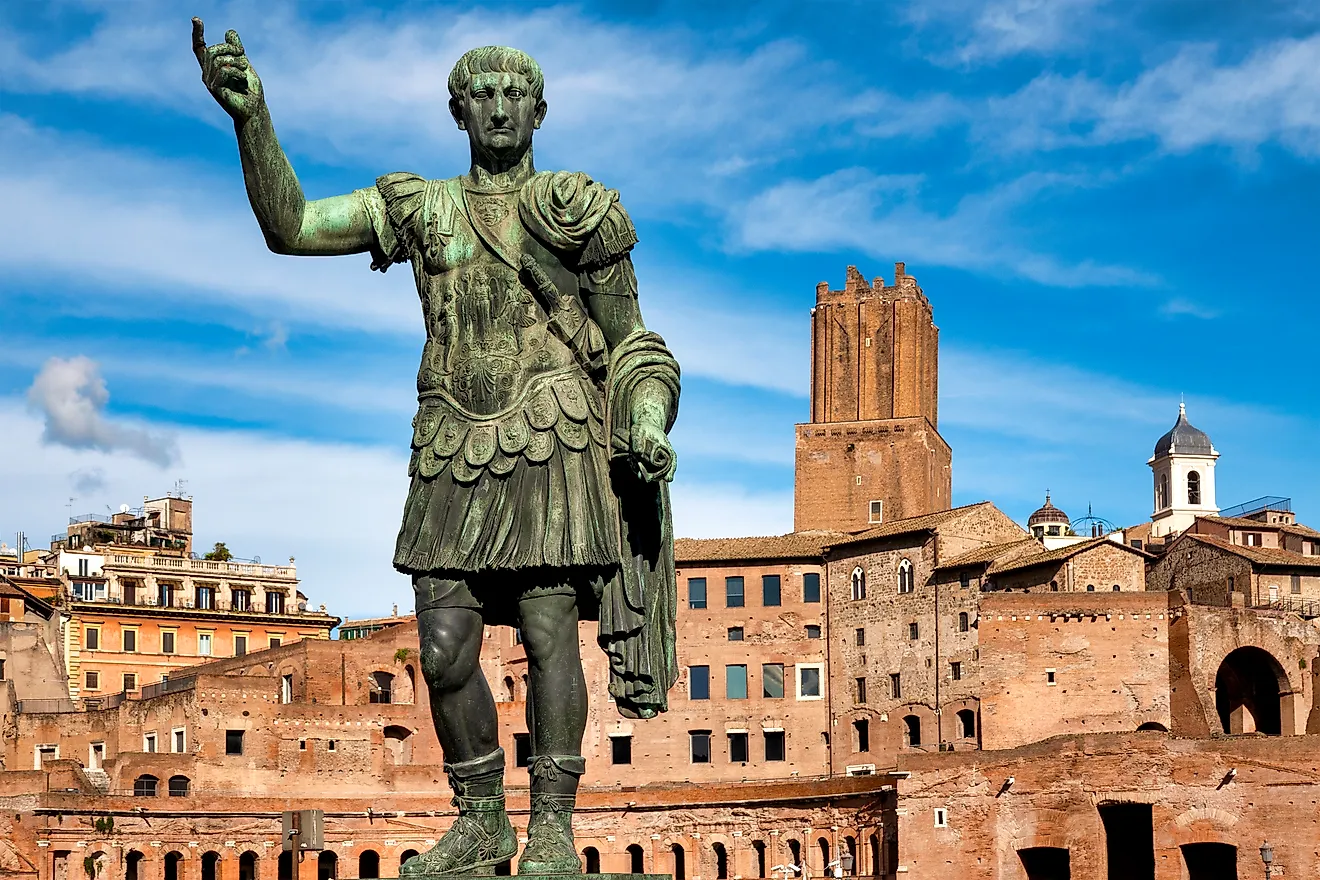
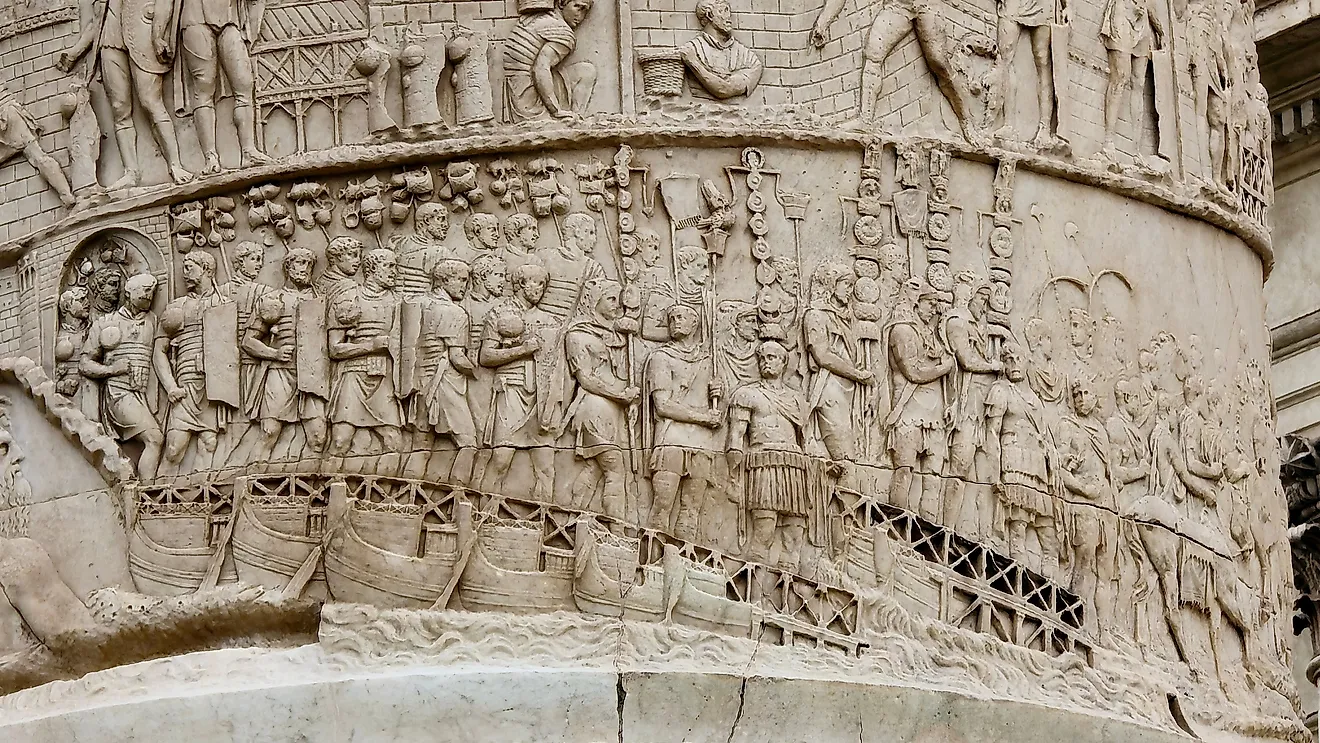
Augustus made investments in this process to ensure it went more smoothly. Emperor Claudius went even further, particularly regarding port infrastructure. He oversaw the construction of the large artificial harbor called Portus, just north of Ostia. Over time, especially after Emperor Trajan expanded it, Portus became Rome's main port, largely because it could handle the vast quantities of grain arriving from Africa.
The Knock-On Effects Of African Grain

African grain greatly affected the Roman economy. Shipowners, dockworkers, farmers, tax collectors, and other sorts of specialists all participated in the grain harvesting or distribution process. This spurred economic growth. The construction of major ports, such as the aforementioned Portus near Ostia, created even more jobs. As private merchants moved across the empire to transport grain, they interacted with local communities, spurring further economic activity.
The sophisticated collection and distribution process had some unintended, negative consequences as well. Roman citizens became accustomed to being well fed. If something like a natural disaster or war disrupted grain supplies, this made the government unpopular. Similarly, the Roman army increasingly relied on African grain. Shortages could undermine morale and leave soldiers less effective.
The Loss Of Africa And The Fall Of The Western Roman Empire

Beginning in the 200s CE, the Roman Empire faced a series of challenges. Civil wars, invasions by Germanic tribes, famine, economic dysfunction, and territorial overreach were just some of its many problems. Throughout all of this, Africa didn't lose importance. If anything, it became even more key to the survival of the Roman state. While places like Gaul, Iberia, and Italy struggled, the provinces of Africa and Egypt remained some of the empire's wealthiest and most productive regions.
This made Rome's split into an Eastern and Western Empire in 395 CE problematic, particularly for the Western Empire. The West had already lost access to Egyptian grain, which was redirected to the new capital, Constantinople, after its founding in 330 CE, and it struggled to survive over the next few decades. The Vandal invasion of North Africa in 429 CE was therefore an existential threat. When they took Carthage in 439 CE, the Romans officially lost control of their remaining agricultural powerhouse. Ultimately, the Western Roman Empire collapsed in 476 CE, largely due to its greatly diminished agricultural and tax bases. On the other hand, the Eastern Roman Empire (known retroactively as the Byzantine Empire) retained control over Egypt and its grain until the 7th century. This helped it weather the 5th-century crises that brought down the West.
Impact And Legacy
African grain was crucial to the survival of the Roman Empire. The Punic Wars and the annexation of Egypt ensured that the government could feed its citizens. This then spurred economic growth, but also had knock-on effects as people became angry when grain supplies were interrupted. The loss of Egyptian grain to Constantinople and, later, of Carthaginian grain to the Vandals was thus devastating for the Western Roman Empire, and it collapsed soon afterward.