How Barbarian Invasions Destroyed Rome
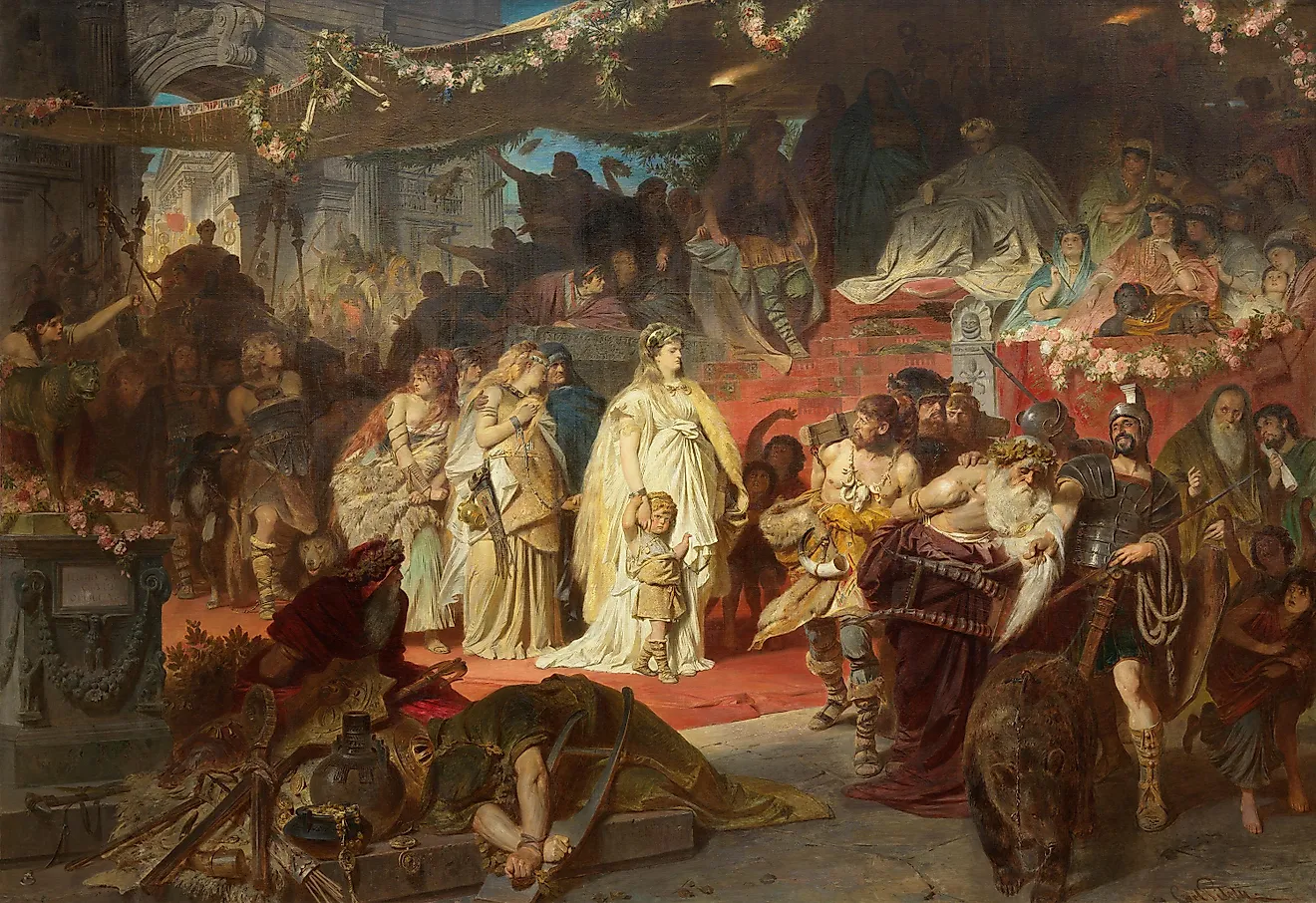
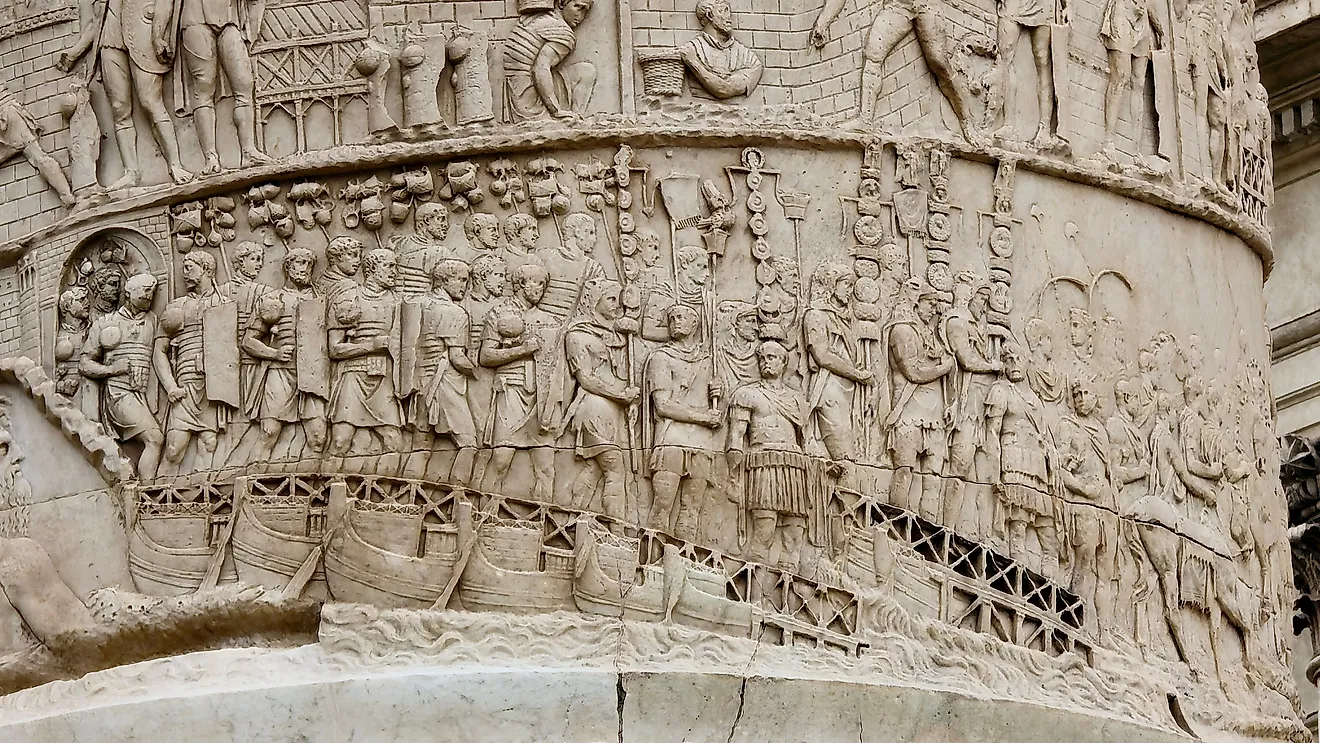
Images of barbarians storming the gates loom large in popular historical memory of Rome’s downfall. While the reality is more complicated than that, barbarians did play a major role. Over several centuries, hundreds of thousands of people from Northern Europe, Central Europe, and Central Asia made their way to the Roman Empire. Many hoped to settle peacefully, but poor treatment by Roman officials soured relations. This ultimately spiraled into a wave of conflict that precipitated the fall of the Western Roman Empire in 476 CE.
Who were the Barbarians?

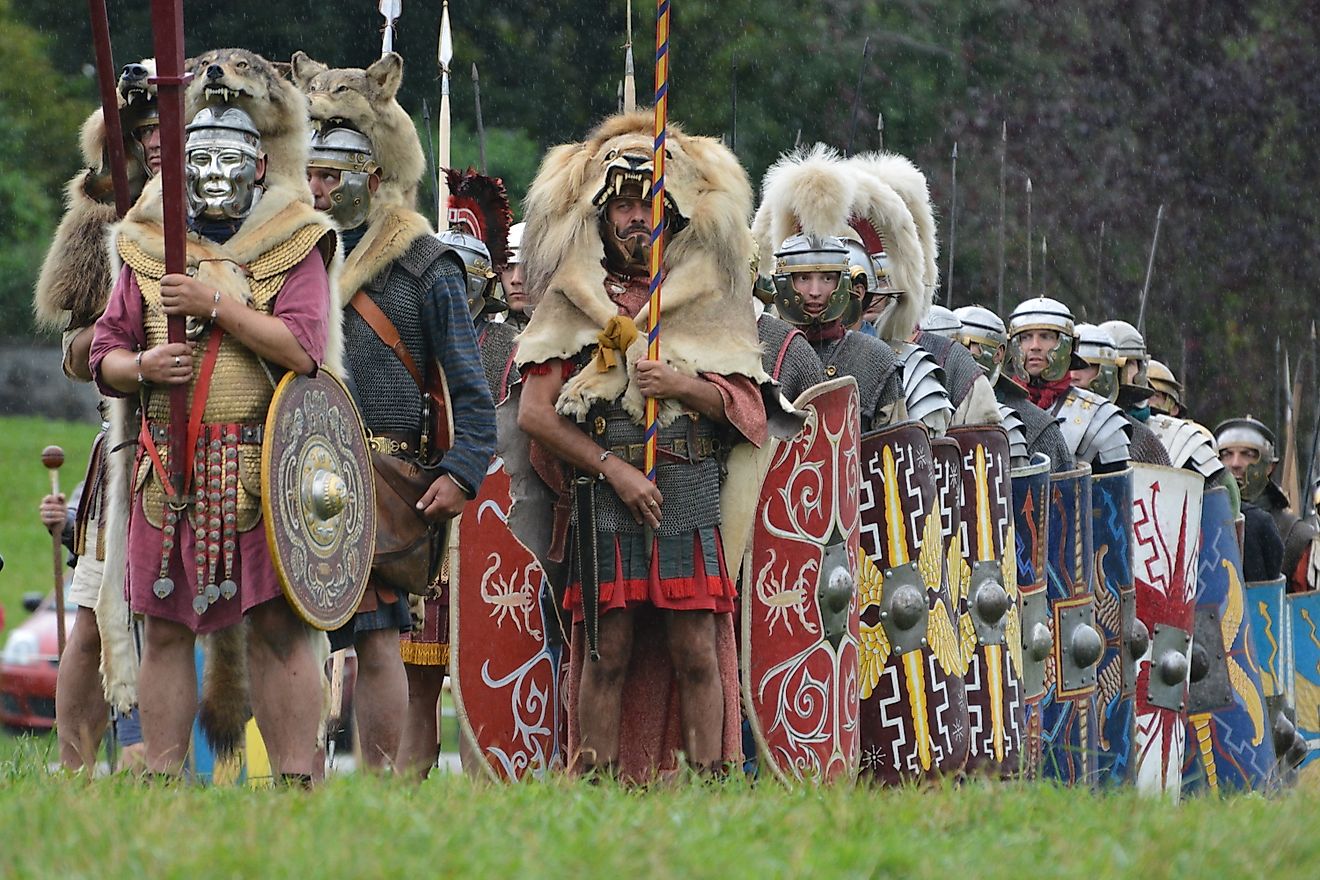
Before going any further, it’s first important to define terms. Just who exactly were the barbarians? To the Romans, a barbarian was anyone who lived outside of their cultural, political, and linguistic sphere. This encompassed many different groups. The Visigoths, Vandals, Franks, and Huns all had their own histories, political practices, and cultures. Different barbarian groups also had different goals when they moved towards Rome, with some seeking to live within the empire, others seeking refuge from more powerful enemies, and others seeking wealth and land through military conquest.
An Already Weakened Rome
Now that we’ve established who the Barbarians were and what they wanted, it's also important to describe Rome in the 3rd, 4th, and 5th centuries CE. Constant political instability, as exemplified by the Crisis of the Third Century, had left its government weak and lacking authority. This was exacerbated by economic factors such as high taxes and inflation. A massively overstretched administrative state also left Rome increasingly unable to govern its vast, multicontinental empire.
The Pressure Begins

While Rome had fought barbarians along the Danube and Rhine rivers for centuries, pressure increased significantly in the late 4th century CE. This was largely due to the movement of the Huns, a nomadic group originating in Central Asia, into Europe. As the Huns attacked the Germanic tribes, many fled into the Roman Empire, which struggled to deal with the influx of migrants.
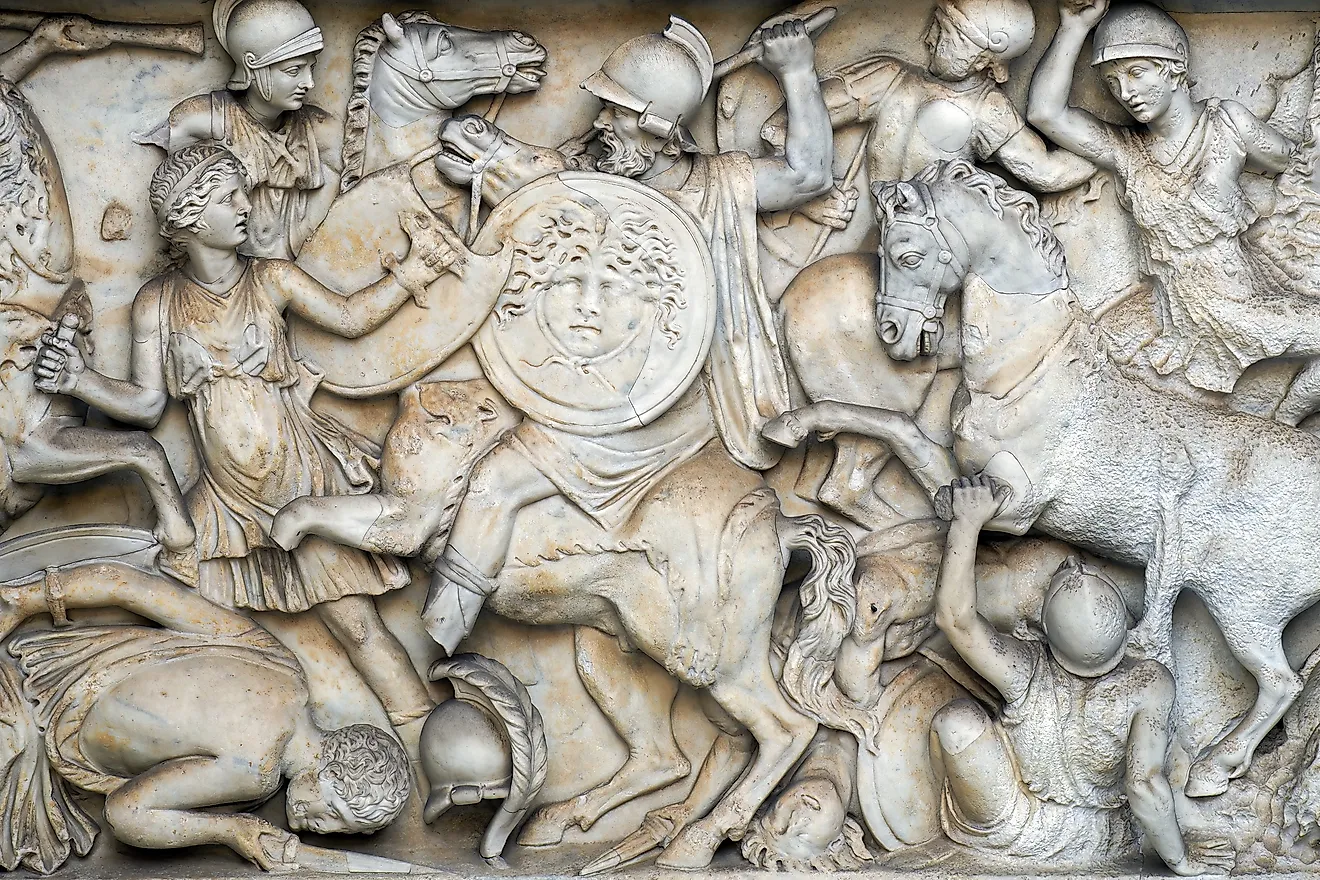
The turning point came in 376 CE when the Visigoths crossed the Danube seeking refuge. The Romans allowed them to stay, but treated them horribly. Local governors withheld food unless they paid exorbitant prices or sold their children into slavery. The Romans also assassinated Visigothic leaders. All this led to the Battle of Adrianople in 378 CE. An engagement meant to crush a Visigothic rebellion, it ended in a massive Roman defeat and the death of Emperor Valens. This result shocked Rome and showed that it could be beaten by barbarian forces in open battle.
The Sack of Rome

The next major shock was the Visigothic sack of Rome in 410 CE. While the city of Rome was no longer the administrative capital of the Western Roman Empire, it still held symbolic importance. Therefore, when the Visigoths, under the command of King Alaric, entered Rome through the Salarian Gate and sacked it for three days, this was an enormous blow to Roman morale and reputation. The first time in nearly 800 years that the city had been taken, any belief in Roman military, political, and cultural hegemony was now shattered. In short, the Sack of Rome marked the beginning of the end for the Western Roman Empire.
The End of the Empire

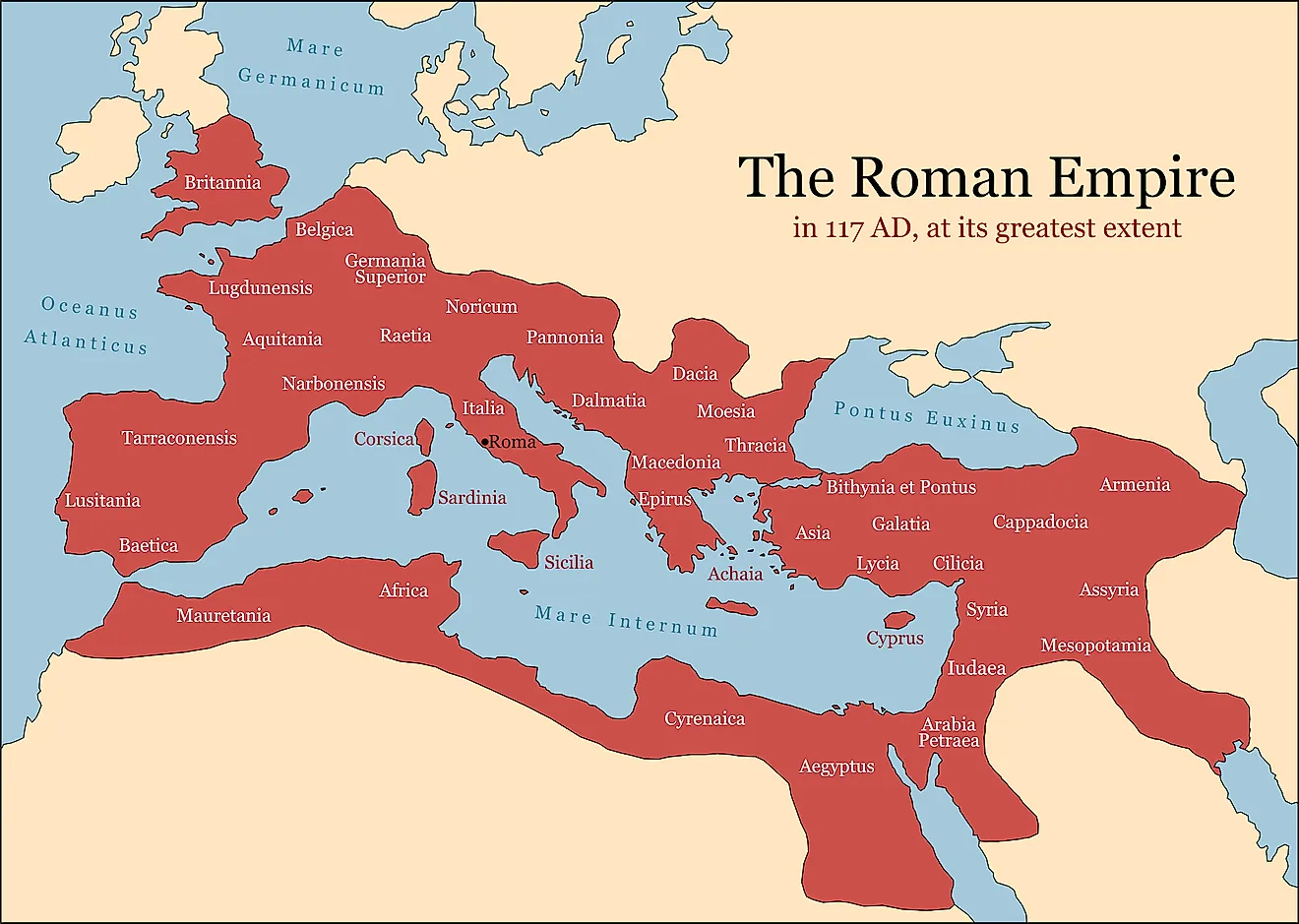
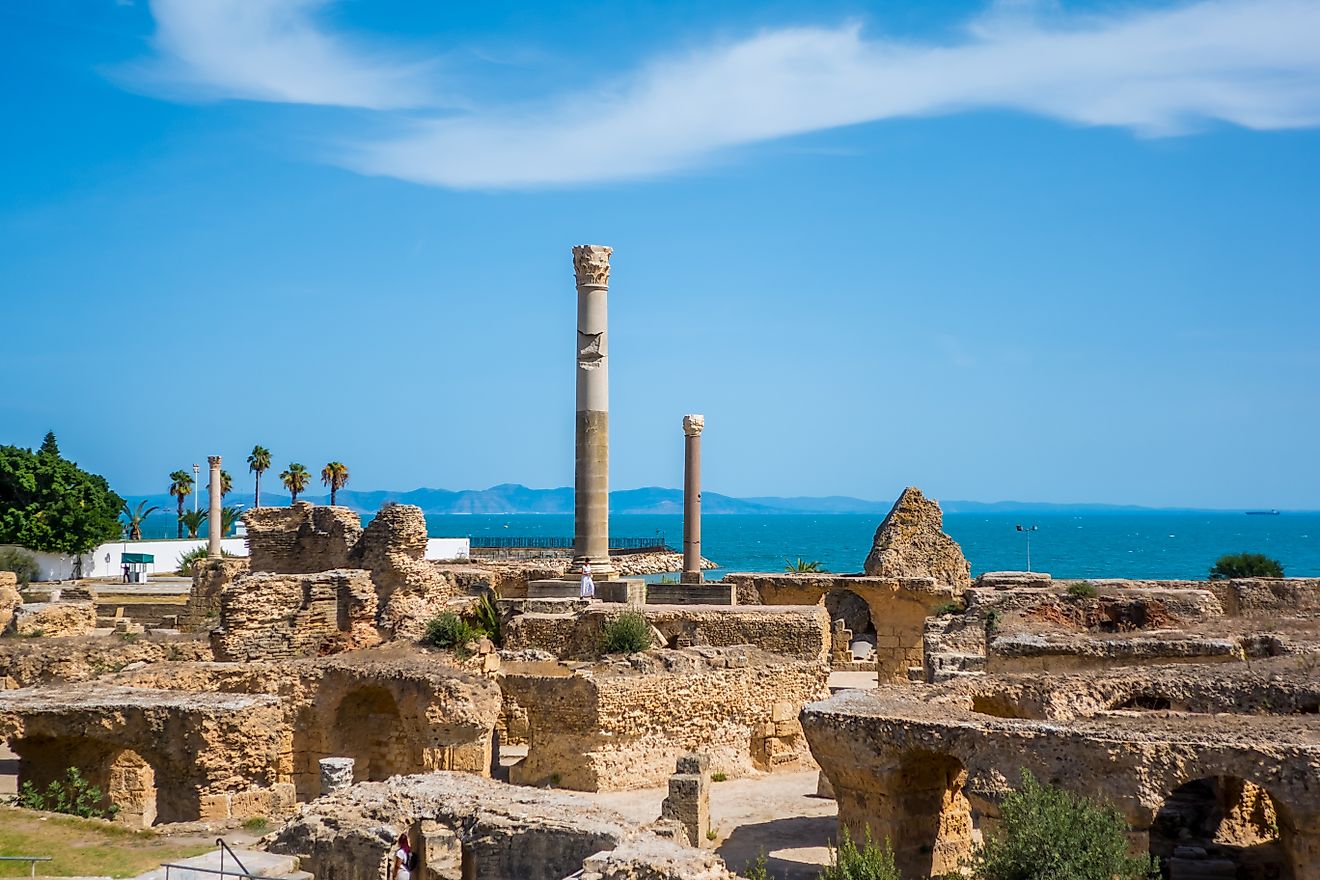
Over the next 60 or so years, Rome was beset by a series of crises. Another barbarian tribe, called the Vandals, invaded and conquered Spain in 409 CE, after which they moved into North Africa and took Carthage. This was catastrophic, since North Africa was a major source of tax revenue and grain for the Western Roman Empire. Around the same time, the Huns, under the leadership of Attila the Hun, devastated large swaths of Europe. While they never directly attacked Rome, the Huns forced the Roman army to respond and diverted crucial resources from other threats. These stretched resources, paired with an overall lack of recruitment due to poor morale, forced Rome to rely on barbarian mercenaries. While sometimes useful in the short term, these mercenaries had their own interests and often acted independently. This resulted in the Roman government losing control of many of its provinces to rogue generals.

Due to these factors, the Western Roman Empire finally fell in 476 CE, when the barbarian general Odoacer deposed the Roman Emperor Romulus Augustulus. Even though the Roman Empire, as we traditionally understand it, was gone, Roman civilization survived. The Eastern Roman Empire (known retroactively as the Byzantine Empire) lasted for the next 1,000 years. Odoacer and future barbarian leaders also retained many Roman institutions, such as the Senate. Regardless, centralized Roman rule over Western Europe still ended in 476 CE.
Impact and Legacy
While barbarian invasions contributed to the destruction of Rome, they were more complicated than is often remembered. Initially, many barbarians were simply seeking to settle in Rome or fleeing more powerful forces, such as the Huns. Poor treatment by the Romans eventually spiraled into rebellion. Barbarians then consistently beat the Romans in battle, leading to the sacking of Rome and the loss of most of its territory. Eventually, the Western Roman Empire fell in 476 CE when Odoacer deposed Emperor Romulus Augustulus.