8 Snake-Filled Waters In The United States
There are over 3,000 different species of snakes in the world, living on every continent except Antarctica. In the United States alone, there are over 250 species and subspecies of snake, some of which are venomous. Snakes are native to every state except for Hawaii, playing an important role in the ecosystem as natural pest control and as prey for mammals and birds. They can survive in various habitats such as deserts, mountains, forests, and waterways, whether that be lakes, rivers, or wetlands. Read on to discover eight of the most snake-filled waters in the United States.
Missouri River

The Missouri River is formed by the confluence of the Jefferson, Madison, and Gallatin Rivers in the Rocky Mountains of Montana. It is the longest tributary of the Mississippi River and the longest river in North America, with a total course of 2,341 miles. During its run, the Missouri River flows through Montana, North Dakota, South Dakota, Nebraska, Iowa, Kansas, and Missouri. The Missouri River supports a diverse ecosystem in its banks, wetlands, and habitats, which provide ideal conditions for snakes to thrive.
The common garter snake (Thamnophis sirtalis) inhabits almost all of North America, and, as its name suggests, is frequently encountered. These are resilient and highly adaptable snakes, capable of surviving in a range of both rural and suburban habitats and under extreme conditions. However, they are particularly drawn to areas near permanent water sources like ponds, lakes, and the Missouri River, which are areas that have abundant moist vegetation for them to hide. They hibernate communally in dens for the winter, gathering in large numbers, sometimes with other species of snake. The Missouri River is also home to other non-venomous species, such as North American racers and bullsnakes, as well as one rarely seen but venomous species, the prairie rattlesnake.
Mississippi River

The Mississippi River rises in Lake Itasca and flows for a total distance of 2,340 miles before it empties into the Gulf of Mexico, southeast of New Orleans. It is one of the longest rivers in North America, and it lies entirely within the United States. Throughout its course, it joins major tributaries such as the Missouri River from the west and the Ohio River to the east. In total, combined with its major tributaries, the Mississippi River drains 1.2 million square miles, covering all or part of 31 states and two provinces in Canada.
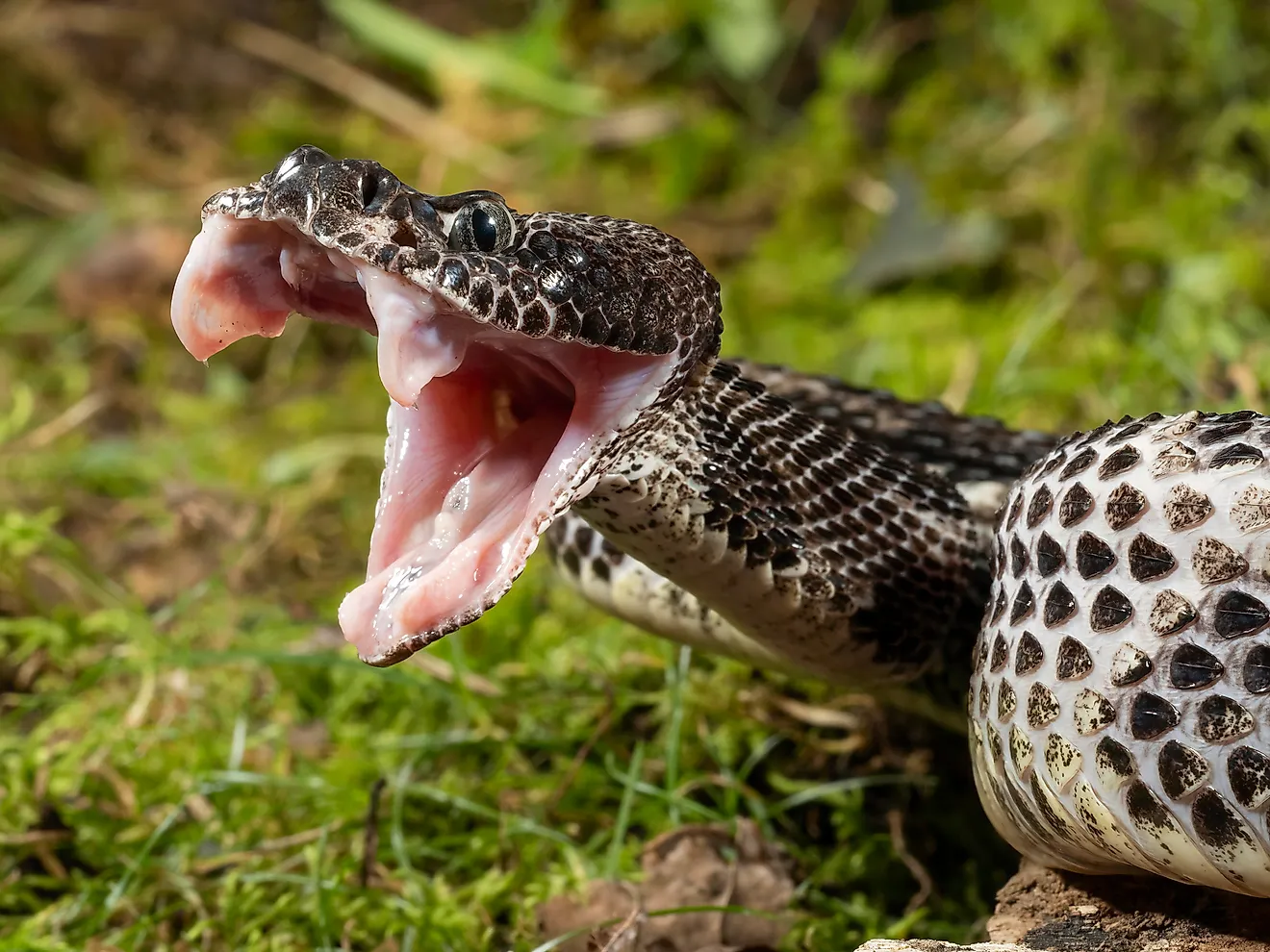
The Mississippi green watersnake (Nerodia cyclopion), as its name suggests, is native to the Mississippi River. It has a large range, spanning south into Louisiana, and along the Gulf Coast from Texas to Florida. It is also believed that it occurs in natural cypress swamps in southeastern Missouri. Mississippi green watersnakes primarily inhabit swamps, oxbow lakes, and river sloughs. They are often seen basking on branches overhanging bodies of water, fleeing into the water if startled, but are also known to bite if captured. Several other non-venomous species call the Mississippi home, as well as a range of venomous snakes, including cottonmouths, copperheads, timber rattlesnakes, and the highly venomous eastern coral snake.
Brazos River

The Brazos River originates near the state line between New Mexico and Texas. From here, it flows southeast for a distance of 1,280 miles through large cities like Waco and crosses the Texas coastal plain before it empties into the Gulf of Mexico.
The Brazos watersnake (Nerodia harteri) predominantly occurs in the upper portions of the Brazos River drainage, specifically on the shorelines of Lake Granbury and Possum Kingdom Lake, indicating higher population density in lakes rather than rivers. However, it is also known to inhabit areas featuring fast-flowing water, rocky beds, and dense shore vegetation. Rocks are a crucial aspect of their habitat as they provide cover, but juveniles in particular will hunt in the rocky shallows of bodies of water. The Brazos River and its shoreline also host a diverse range of other species, including the hognose snake and the western diamondback rattlesnake.
Rio Grande River

The Rio Grande River rises in the Rocky Mountains of Colorado as a snow-fed stream at an elevation of 12,000 feet, and it forms the border between Texas and Mexico before emptying into the Gulf of Mexico after a total course of 1,900 miles. It is the fifth-longest river in North America. Its early drainage basin flows through forested canyons; however, a large portion of the river’s basin is arid or semiarid, meaning that only around half of its drainage contributes to its flow.
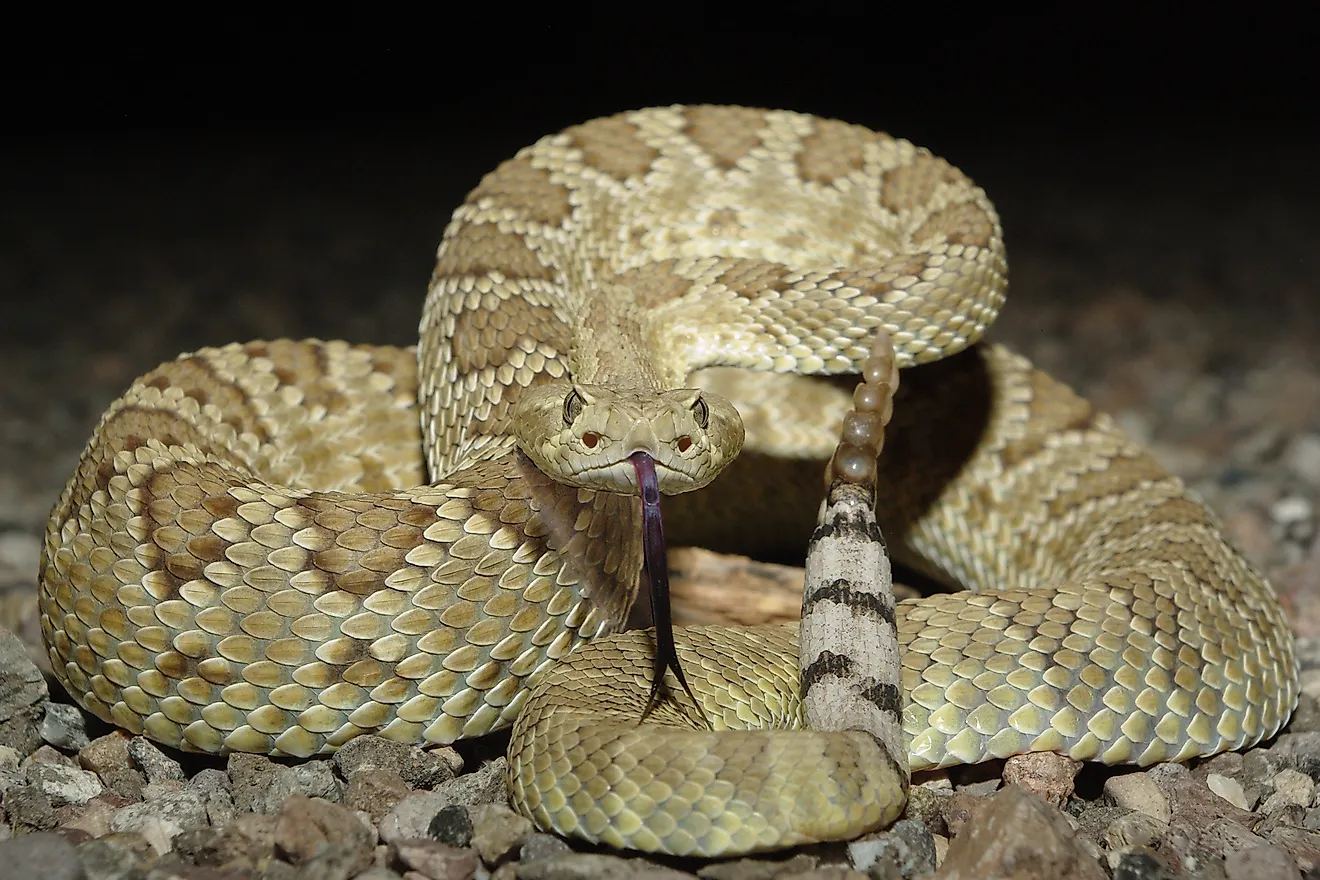
This arid drainage section provides habitat for species of snakes better suited to drier climates, such as the western diamondback rattlesnake (Crotalus atrox). Their range extends from the Rio Grande floodplain up to the foothills of the Chisos Mountains. They inhabit dry, rocky, and shrub-covered habitats that feature crevices where they can hide and hibernate. While not known to behave offensively, they are extremely defensive snakes. Their venom has been known to be fatal, and that, combined with their defensive nature, has led to them causing more fatalities in the United States than any other species of venomous snake. Other venomous snakes in the Rio Grande include copperheads, cottonmouths, and Texas coral snakes, while non-venomous species, such as garter snakes, watersnakes, and rat snakes, also inhabit the river system.
Lake Okeechobee

Lake Okeechobee is one of the country's largest freshwater lakes. It is located in southeast Florida, straddling the northern edge of the Everglades. The lake is 35 miles long and has a shoreline of 135 miles, and while its depth fluctuates depending on water level, it averages between 10 and 12 feet deep. The source of Lake Okeechobee is the Kissimmee River, which lies directly to the north.
This region of Southern Florida is home to the only established populations of Burmese pythons (Python molurus bivittatus) in the US, which are native to India and lower China. These snakes were introduced via the exotic pet trade in the 1980s. Since these snakes have been known to attain 18 feet in length, their unmanageable size has also resulted in inexperienced pet owners releasing them into Florida’s tropical climate. Then, in 1992, Hurricane Andrew destroyed a Burmese python breeding facility and released countless snakes into nearby swamps and wetlands. Given that female pythons can lay between 50 and 100 eggs at a time and have very few natural predators, these snakes quickly established themselves in Florida, with experts believing there could now be tens or even hundreds of thousands living in the wild. Otherwise, Lake Okeechobee also provides habitat for several species of rattlesnake, as well as coral snakes, cottonmouths, and a range of non-venomous species.
Lake Michigan

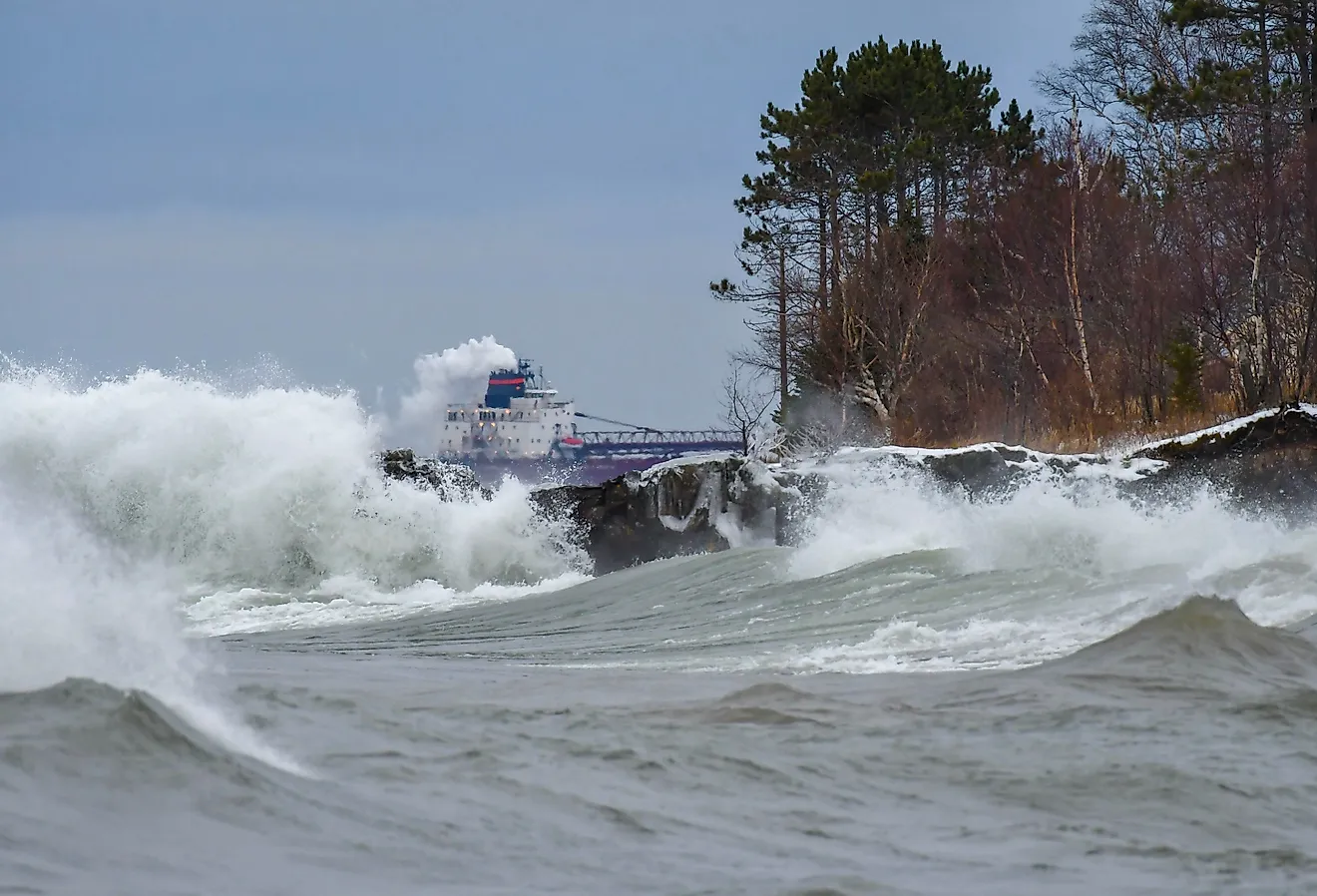
Lake Michigan is the third largest of the Great Lakes and is the only one of the Great Lakes to sit entirely within the boundary of the United States. It stretches 307 miles long north to south, 118 miles at its widest point, and is 923 feet at its deepest point. The terrain around the lake is generally low or gently rolling, with sand dunes common around the southeast shore.
The northern watersnake (Nerodia sipedon) is the most common species of watersnake found in the United States, and it is known to inhabit the shores of Lake Michigan, specifically in Illinois. They are prevalent throughout the eastern United States, especially in the Northeast and Midwest. Like all watersnakes, they survive in a variety of aquatic habitats, favoring slow-moving or standing bodies of water where they have space to bask in the sun, like ponds, lakes, and seasonal pools of water. Their diet consists primarily of fish and amphibians, which they will swallow whole. Lake Michigan is also home to non-venomous species, such as queen snakes and ribbon snakes, as well as the state's only venomous species, the elusive Eastern Massasauga rattlesnake.
Lake Hartwell

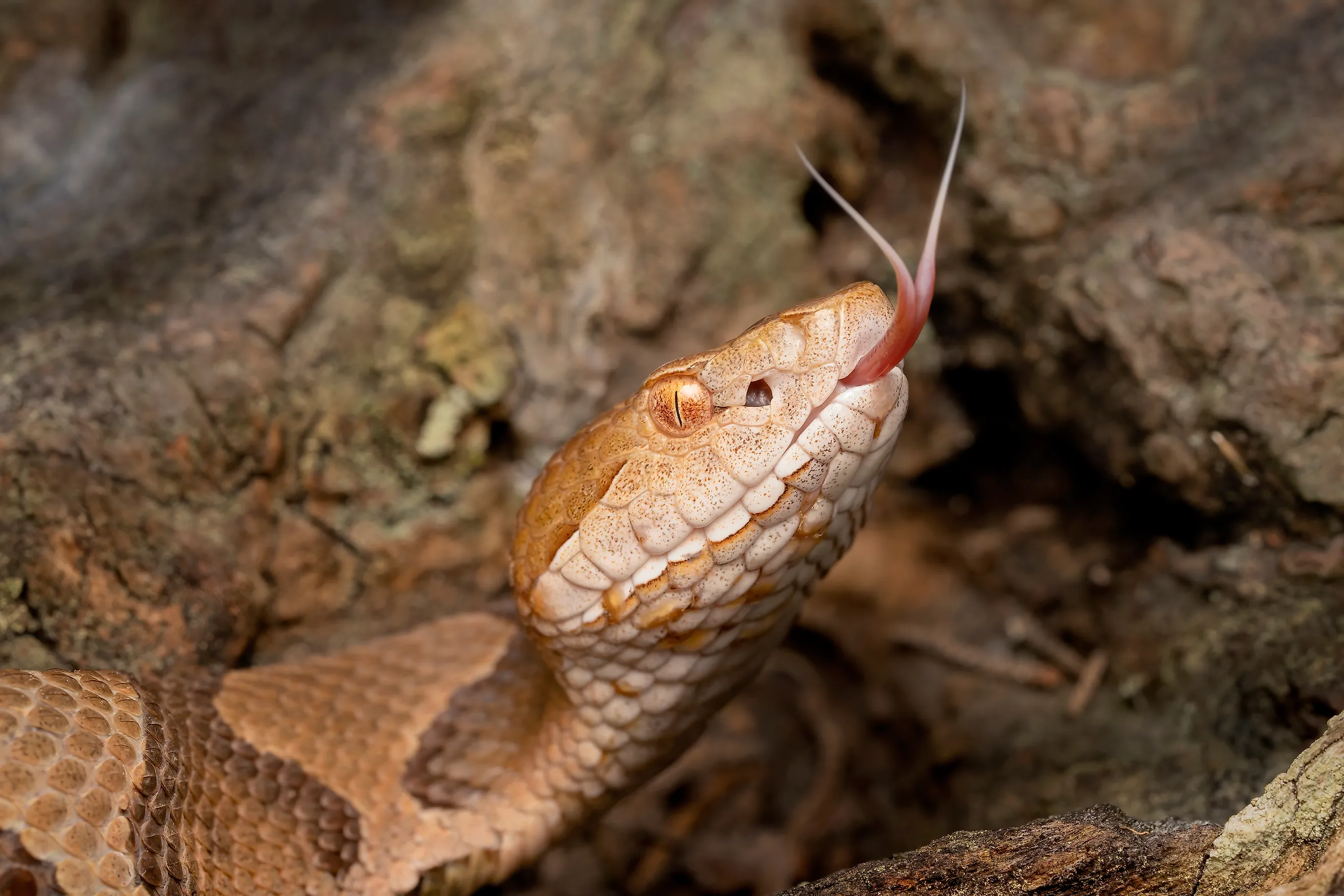
Lake Hartwell is a 56,000-acre man-made reservoir that lies between South Carolina and Georgia. It is one of the most popular lakes in the southeast, known as a fishing hotspot, but other recreational activities include camping, hunting, and boating. One of the most common snakes observed around the lake is the copperhead (Agkistrodon contortrix), which is widespread throughout the southeast.
They can be found in most terrestrial habitats but have a preference for woodlands and forested areas that provide them with ample ground cover, allowing them to camouflage, which is crucial for these ambush predators. Younger individuals of the species will use the yellow lure on the end of their tail to attract prey items such as small mammals, amphibians, and birds. They are responsible for more snakebite incidents in the US than any other venomous species due to their wide distribution and frequent encounters with people. Copperhead venom is generally less potent than that of many other venomous snakes, and fatalities are rare. Bite symptoms include severe pain, swelling, and local tissue damage. While very few documented fatalities occur, they are medically significant and possible in rare cases, so it is always recommended to seek medical attention if bitten.
Lake Martin

Lake Martin is one of the largest man-made lakes in the United States and is located in Alabama. It has 44,000 acres of water and 750 miles of wooded shoreline. The lake was formed after the completion of Martin Dam on the Tallapoosa River. Since its completion in 1926, it has become a popular recreational destination and has several lakeside communities and homes on the waterfront. But humans aren't the only ones taking to Lake Martin. Many species of snakes can often be seen basking on rocks by the water or hiding in the leaf litter on the wooded shorelines.
The water moccasin, or cottonmouth (Agkistrodon piscivorus), is known to inhabit the Lake Martin area. Several regional forms of cottonmouth have been described historically, but federal and state herpetologists typically treat them as a single species (Agkistrodon piscivorus) in Alabama. They are the most water-adapted venomous snake found in the United States and are common in coastal plains or areas with brackish water; however, they can be found in any wetland habitat, including lakes, ponds, rivers, reservoirs, and even roadside ditches. Rat snakes, king snakes, and watersnakes also make their home in and around Lake Martin, as well as copperheads and rattlesnakes.
Safety with Snakes on the Water
Snakes are present throughout most water sources in the United States, whether that be rivers or lakes. America is home to nonvenomous and venomous, native and invasive, big and small snakes. While the species vary, one factor remains constant, which is that snakes, contrary to popular belief, are not aggressive by nature. While some are more likely to defend themselves than others, if you encounter a snake while you are recreating in or around water, you should give them space and time to go on their way. This ensures a safe interaction between you and the snake, and a peaceful, healthy coexistence.