6 Snake-Filled Waters In Montana
Montana does not have snake species that live entirely in water, but several reptiles rely on rivers, reservoirs, and wetlands for hunting and seasonal movement. During warmer months, these areas concentrate food and heat, drawing snakes out of grasslands, forests, and rocky terrain. Shorelines, side channels, and marshy edges often see the highest activity.
Large waterways also serve as long-distance travel routes. In a state defined by wide-open spaces, water corridors provide consistent access to prey and cover. Learning where these habitats occur helps visitors understand why snakes appear near certain bodies of water and how to share those spaces responsibly.
Missouri River and Fort Peck Lake

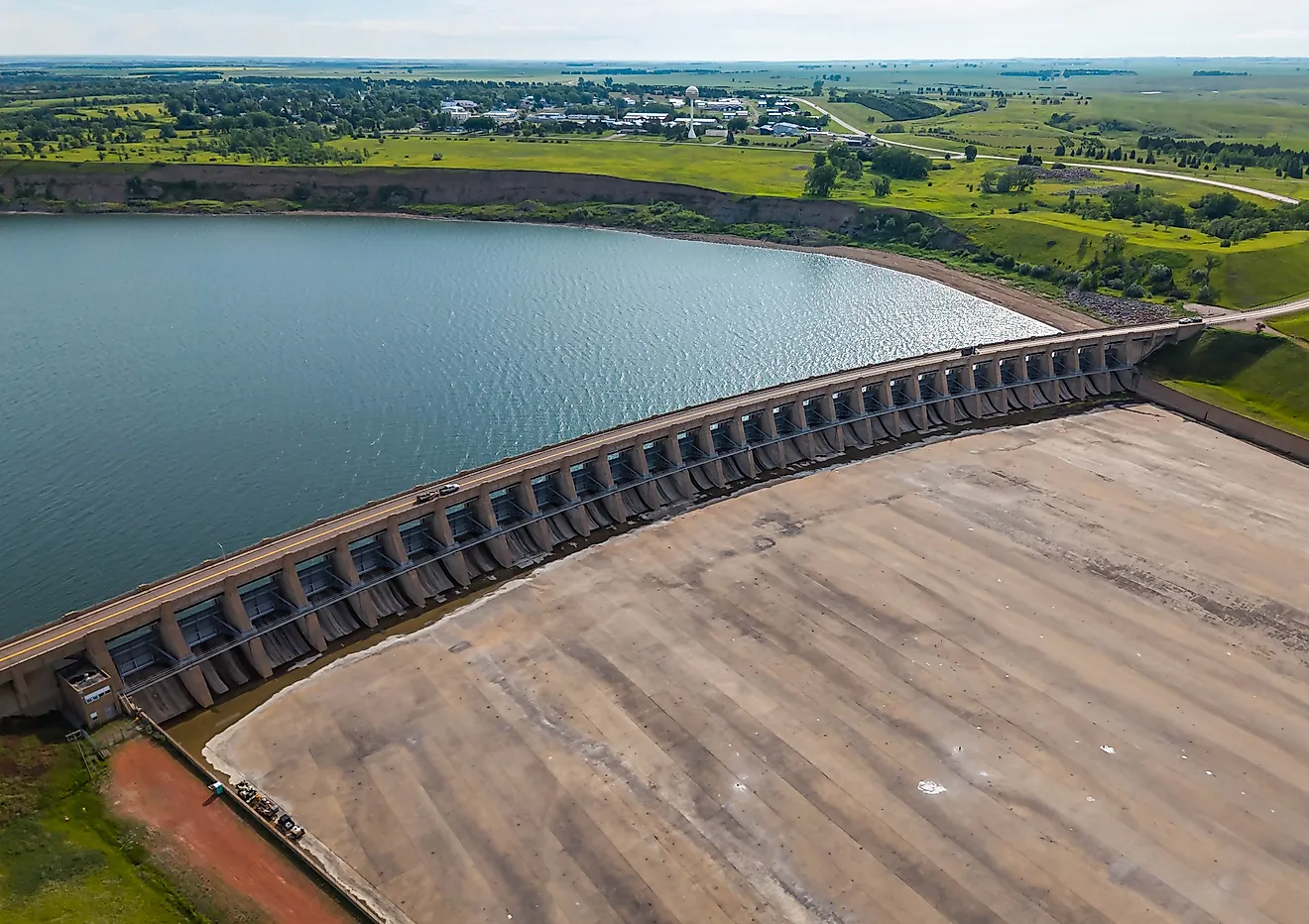
Flowing across much of Montana, the Missouri River supports the highest concentration of snake activity in the state. Its slow currents, wide floodplains, and long shoreline provide conditions that snakes use throughout the active season. These habitats stand out in areas otherwise dominated by prairie or rugged terrain.
Plains garter snakes and northern plains garter snakes are the most commonly encountered species. They are frequently seen basking on rocks or swimming short distances along the shoreline. Bullsnakes also use the river corridor, hunting rodents in nearby grasslands and coulees. Backwaters, irrigation canals, and marshy inlets support amphibians and small fish, which help maintain these snake populations.

Fort Peck Lake expands this habitat across miles of shallow shoreline. Snake activity increases from late spring through early fall, when water temperatures rise, and prey becomes more abundant. Human encounters are most likely near quiet shorelines rather than open water.
Flathead Lake and Connected Wetlands

Flathead Lake supports several snake species that favor water-adjacent habitat. Its long shoreline, marshy bays, and river mouths offer feeding and shelter opportunities during the warmer months. Snakes are most active along shallow margins rather than deeper sections of the lake.
Common garter snakes and western terrestrial garter snakes are frequently observed near docks, reeds, and rocky banks. These areas attract amphibians and small fish that serve as prey. Northern rubber boas also occur near wetlands and sheltered shoreline zones. They remain hidden under vegetation and debris and are rarely seen in open areas.

The Flathead River delta and nearby wetlands warm faster than the lake itself. These areas support higher wildlife density and extend the local activity season. Snake sightings are most common from May through September, especially along undeveloped stretches with limited disturbance.
Yellowstone River

The Yellowstone River supports a wide range of snake activity across its middle and lower reaches. Its undammed flow creates shifting shorelines that produce diverse habitats. Side channels, irrigation ditches, and cottonwood corridors all contribute to snake presence.
Common garter snakes and plains garter snakes are widespread in these areas. Prairie rattlesnakes are also present in southeastern Montana near rocky bluffs and driftwood piles close to the river. Although not aquatic, rattlesnakes use river corridors for hunting and movement where rodents concentrate near water.
Seasonal flooding creates backwaters and oxbows, increasing contact between snakes and shoreline zones. Because the river remains free-flowing, habitat conditions change often. This makes the Yellowstone one of Montana’s most consistently active river systems for reptiles.

Whitefish Lake

Whitefish Lake is smaller than many Montana waters, yet it still supports regular snake activity. Western terrestrial garter snakes are the most commonly observed species, often hunting tadpoles and other amphibians along shorelines. Common garter snakes also appear near docks and marshy edges.

The lake itself remains cold and deep, but connected wetlands and feeder streams warm more quickly during summer. These areas create favorable conditions that increase snake activity between June and August. Shoreline vegetation thickens during this period, providing cover and hunting opportunities.
Residential development has reduced habitat in some sections. Quieter areas near Whitefish Lake State Park continue to support wildlife and are where visitors are most likely to encounter snakes.
Clark Fork River

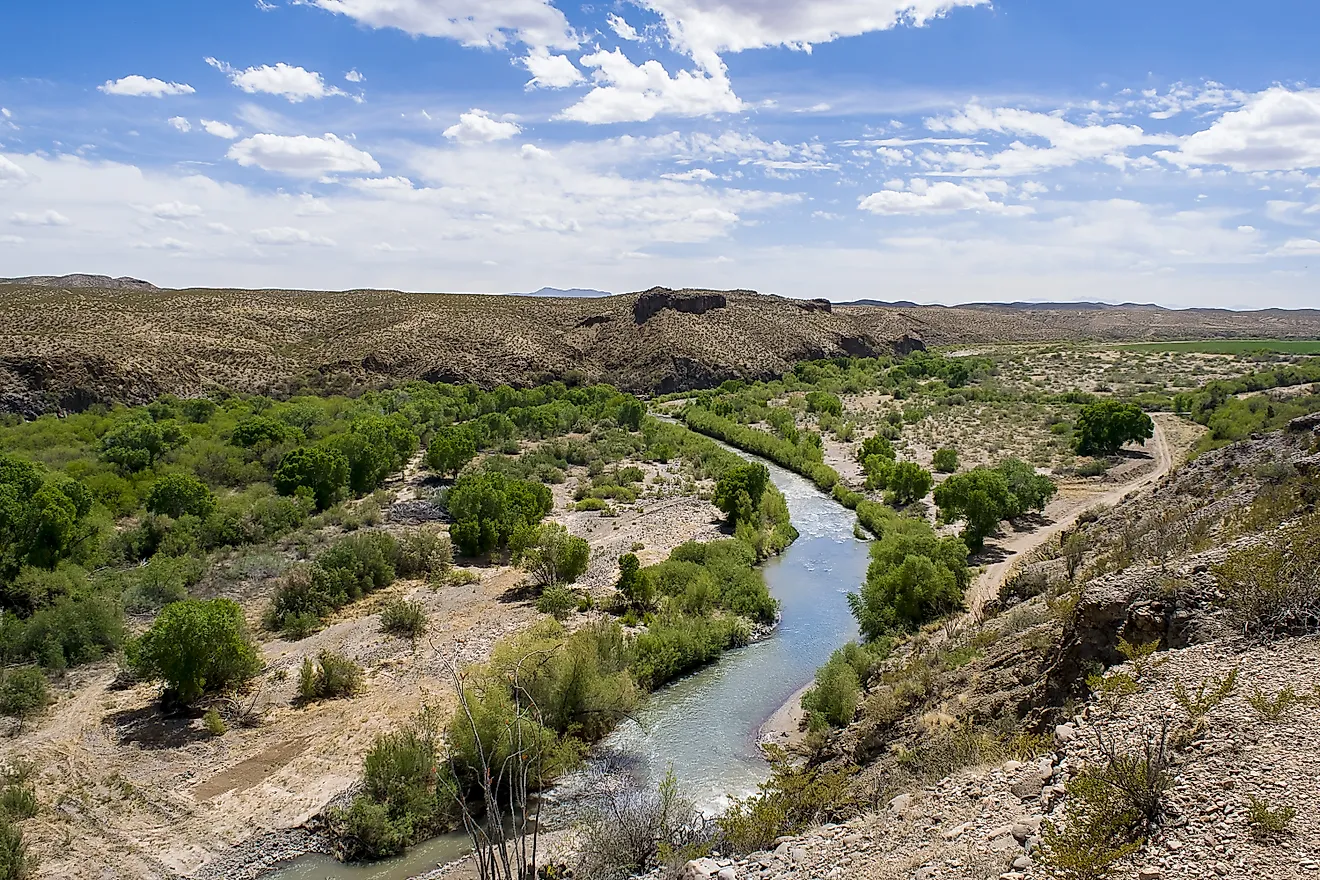
The Clark Fork River supports steady snake activity throughout western Montana. Floodplain wetlands and slow-moving sections provide feeding and shelter opportunities during the active season. Snakes are most often seen near gravel bars, logjams, and tributary mouths.
Western terrestrial garter snakes are the most frequently encountered species. They are known to swim short distances and bask along exposed banks. Common garter snakes may also appear near marshy side channels where amphibians are common.
As the river moves away from its glacial headwaters, water temperatures increase. This change supports higher prey availability downstream of Missoula. Bullsnakes are occasionally found near the river, particularly where farmland and vegetation overlap with river habitat.

Bighorn River

The Bighorn River provides concentrated snake habitat in southern Montana, particularly below Yellowtail Dam. Regulated water flow keeps temperatures stable and supports dense shoreline vegetation. These conditions attract a range of reptiles.
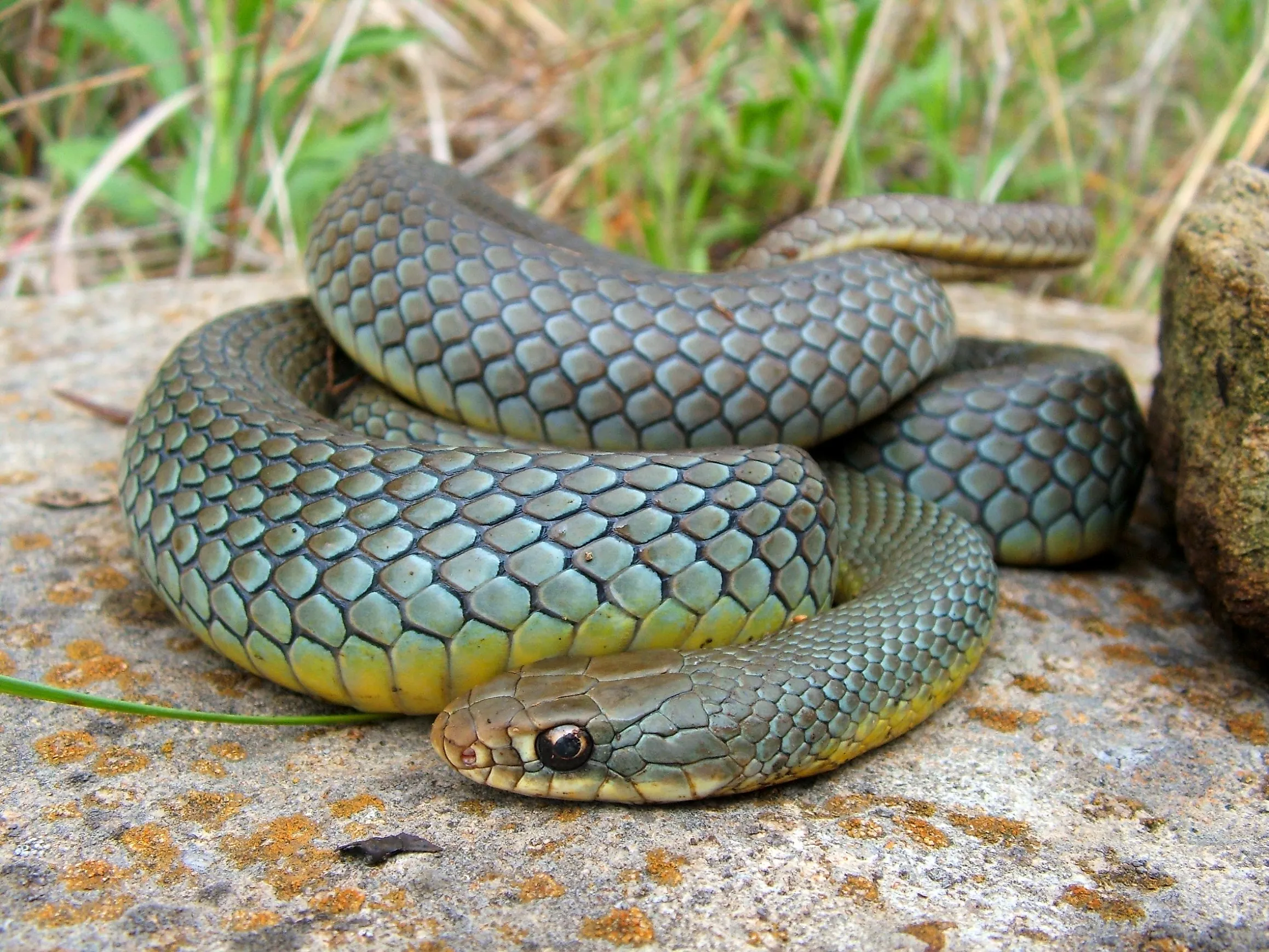
Western terrestrial garter snakes are common along grassy banks and side channels. Prairie rattlesnakes and eastern yellow-bellied racers occur in nearby badlands and bluffs. These species may move toward the river to hunt rodents near irrigated fields and cottonwood stands.
Because major flooding is limited, shoreline vegetation develops consistently over time. Snake encounters are more likely in quiet, undeveloped stretches rather than heavily used fishing areas.

Where to See Snakes in Montana

Snakes in Montana are most active from late spring through early fall. Shorelines, wetlands, irrigation ditches, and side channels consistently attract reptiles because they provide warmth and food. Calm, sunny days increase the likelihood of sightings, especially near water with dense vegetation.
Visitors are more likely to encounter snakes in quieter areas away from heavy recreation. Moving slowly, watching the ground near water, and avoiding tall grass reduce the risk of surprise encounters. Snakes typically avoid human interaction when given space. And that works out nicely, because most people avoid snakes as well. Armed with some knowledge, though, you can rest at ease knowing whether the snake you saw last night was real or not.