7 Snake-Filled Waters In Idaho
Idaho’s pristine landscapes are a nature lover’s dream. While it is a landlocked state without an ocean coastline, bodies of water such as high mountain lakes, winding rivers, and scattered reservoirs are perfect places for year-round recreation. However, Idaho is also home to around a dozen snake species, only two of which are venomous (the western rattlesnake and the prairie rattlesnake). Although most snakes in Idaho are non-venomous, many of them prefer water-rich habitats where prey is abundant. If you plan to visit a body of water in Idaho, you should definitely be aware of the types of snakes that reside there.
Snake River

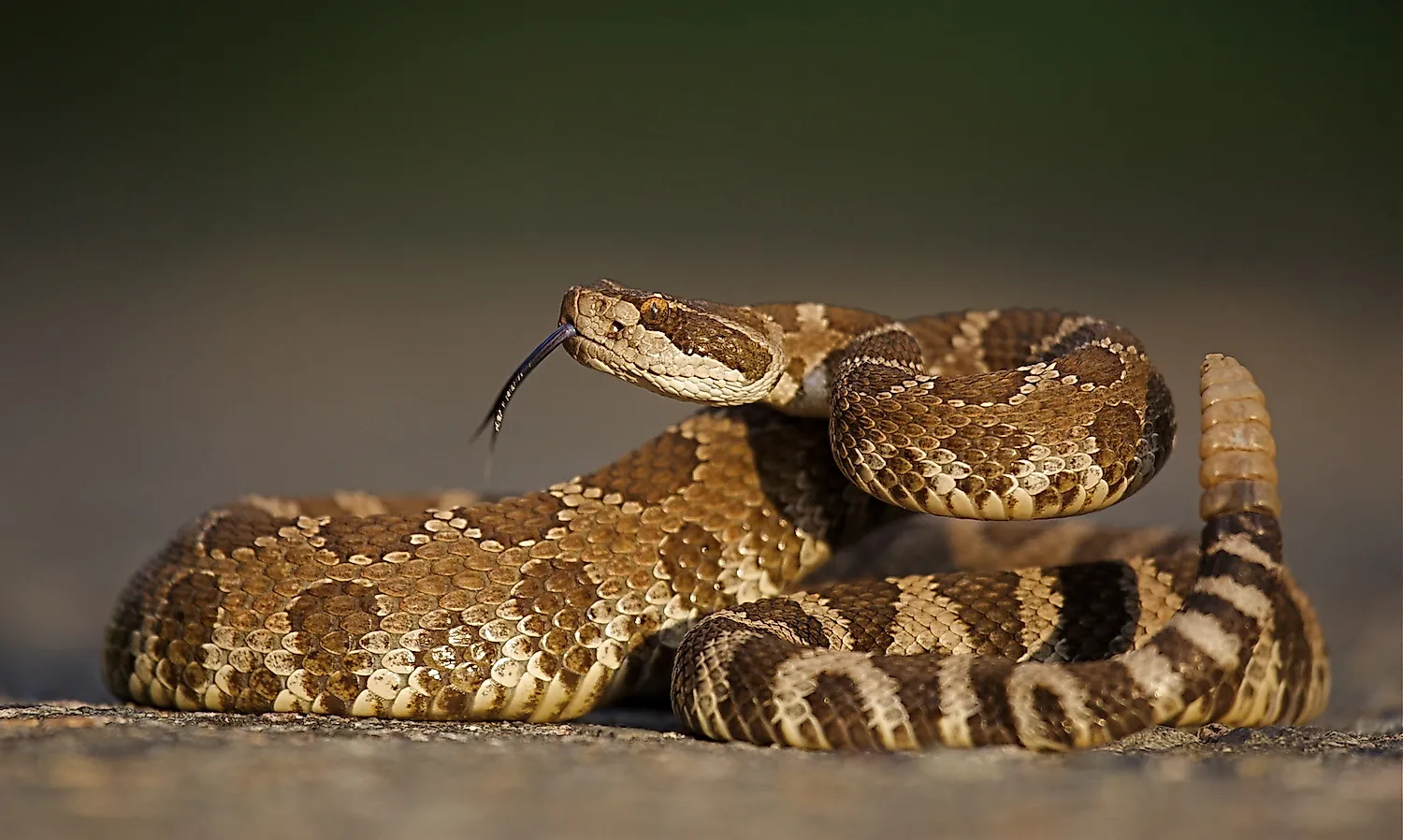
It should come as no surprise that the Snake River is a prime destination for sightings of serpents in southern and eastern Idaho. Flowing from Wyoming across Idaho and into Washington, the Snake River is home to garter snakes, as well as larger species like western rattlesnakes, which can exceed five feet long. While garter snakes are harmless to humans, rattlesnakes hunt prey along rocks and marshy edges of the river and can be easily startled by the presence of humans. And, yes, these venomous snakes will bite in defense if humans encroach on their space. But do not worry, being able to identify a Western rattlesnake can help you feel confident spending time in and around the Snake River. While their colors can vary, these snakes have triangular heads, stripes extending from their eyes to their mouths, and a distinctive rattle on their tails.
Lake Coeur d’Alene

With over 135 miles of shoreline nestled among wooded slopes and rugged hills, Lake Coeur d’Alene’s calm coves are a hotspot for various types of garter snakes. These water-loving serpents thrive on a diet of amphibians, fish, and insects that also inhabit this large natural lake’s edges. Some species of garter snakes prefer spending time on land, so it is important to watch your step around the lake. Though they are nonvenomous, garter snakes sunning near footpaths or in tall grass can surprise humans, especially in late summer when newborn snakes begin to hatch.
Lake Cascade

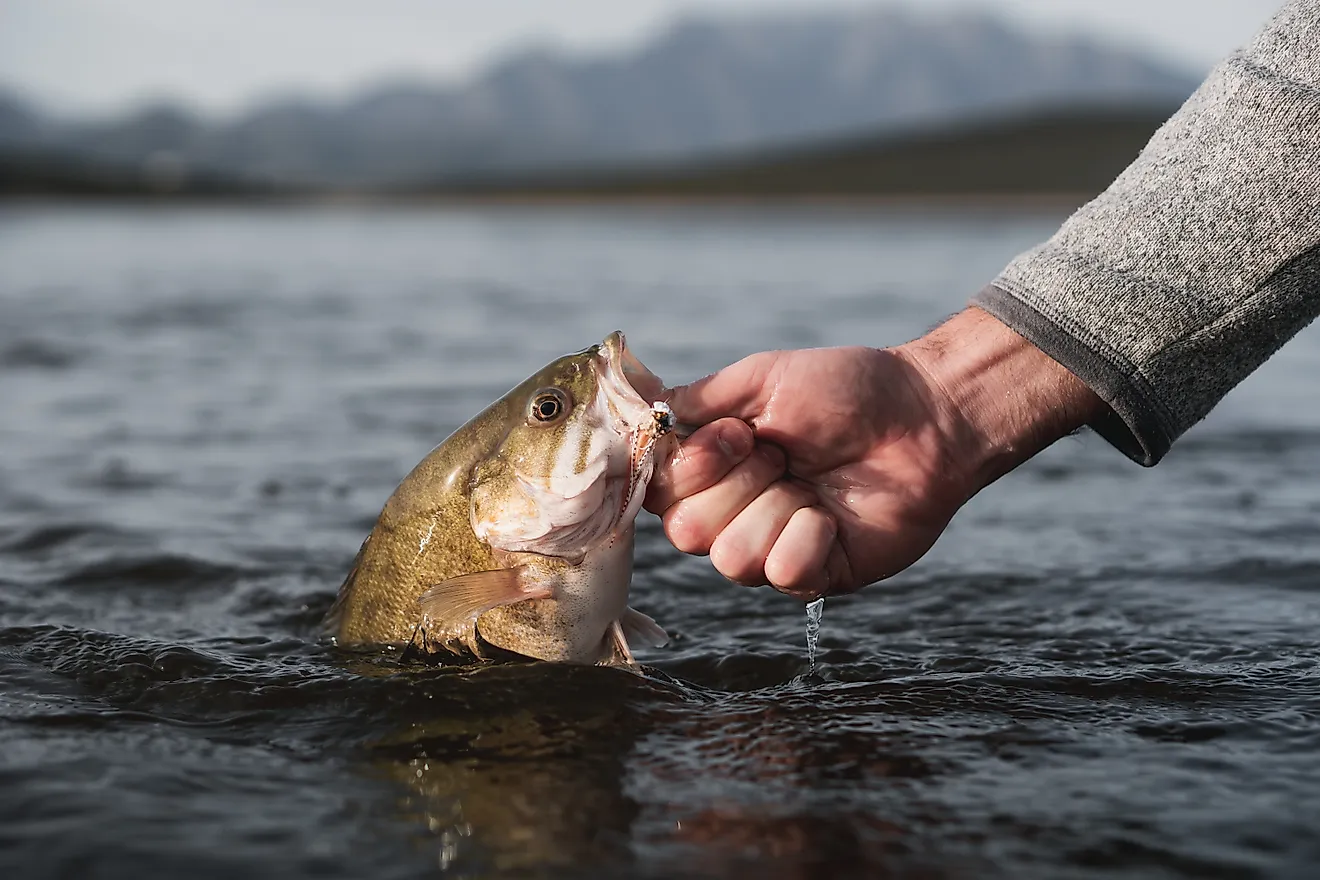
Lake Cascade is a beloved recreational spot among residents and visitors located near the state capital of Boise. Every year, people are drawn to the calm waters of this reservoir in hopes of catching perch, trout, salmon, and bass. In the winter, ice fishing is also quite popular. However, this gorgeous lake is also a hotspot for encounters with western rattlesnakes. If you want to increase your chances of not crossing paths with one, keep in mind that rattlesnakes are most active in warm weather, so ice fishing may be your best bet. Of course, if you do prefer to spend time at Lake Cascade during the warmer months, it is important to stay vigilant and watch your step while hiking or standing near the shores.
Magic Reservoir

Magic Reservoir in south-central Idaho supports a thriving population of terrestrial and aquatic snakes. People flock to this expansive reservoir on the Big Wood River to fish and enjoy watersports; however, snake sightings are common enough that locals advise caution when entering or exiting boats. Fortunately, the water in the reservoir is clear, which makes spotting garter snakes swimming along relatively easy. While most snake species in Magic Reservoir are non-venomous, large bullsnakes and other species may be encountered near the drier edges of the reservoir basin. Campers and hikers may need to be a little more cautious than those who are staying on the reservoir.
Lake Lowell

A man-made lake bordering Deer Flat National Wildlife Refuge in Nampa, Lake Lowell is home to a variety of land and water animals, including birds, frogs, turtles, and snakes. Non-venomous gopher snakes and garters are frequently seen along the marshy edges and trail corridors. Gopher snakes tend to frighten visitors because they sometimes mimic rattlesnake behavior when threatened. However, these large and usually docile creatures pose little danger if left undisturbed. While picnicking, boating, fishing, birdwatching, and swimming are all permitted at Lake Lowell and the adjacent wildlife refuge, humans should maintain respectful distances from animals of all kinds.
Langer Lake

Langer Lake, hidden deep in the Frank Church-River of No Return Wilderness near Langer Peak, is a serene wilderness gem where prairie rattlesnakes and other species of serpents make their homes. One of several alpine lakes tucked away in Idaho’s lush forest, Langer Lake and its surrounding areas contain rocky outcrops and sunny clearings that are suitable spots for cold-blooded animals to bask. The forest edges of this remote high-altitude lake draw in backcountry hikers and outdoor enthusiasts who frequently see snakes during their explorations. The prairie rattlesnakes, one of two venomous species of snakes native to Idaho, that live here often like to hide, so it is best to avoid tall grasses, small shrubs, logs, and rock piles if possible while hiking here.
Henry’s Fork

Although smaller than the main stem Snake River, waterways like Henry’s Fork of the Snake River and other tributaries host many of the same snake communities. This scenic, spring-fed stream, often referred to as the North Fork of the Snake River, is excellent for trout fishing and a coveted destination for dedicated fly fishers. It is also the perfect habitat for garter snakes that forage in the shallow backwaters and wet meadows and spend time on sunlit banks. Fortunately for the anglers who come here, garter snakes are harmless to humans.
Idaho’s Snake-Filled Waters
Snakes are a special part of the wild ecosystems in Idaho. If you run into a snake here, it is most likely non-venomous and hoping to get away from you as quickly as possible. Species commonly found in and around the waters of Idaho, such as garter and gopher snakes, generally prefer to avoid human contact. However, western and prairie rattlesnakes, Idaho’s only venomous snakes, are another story. Whenever you’re hiking, wading, or fishing along shorelines, watch where you step and give snakes space.