5 Snake-Filled Waters In Iowa
Iowa is home to around 28 species of snakes, making it a diverse habitat for these unique reptiles. While most species are nonvenomous, there are four venomous species, including the prairie rattlesnake (Crotalus viridis) and copperhead (Agkistrodon contortrix), that are best avoided in the wild. These snakes are rarely seen in urban areas; however, Iowa’s waters host a large population of snakes. Lakes, rivers, and streams all offer an abundance of marshy banks, wooded hiding spots, and an ideal environment for hydration and thermoregulation.
Thus, many of Iowa’s waters are filled with snakes, including popular spots like the Mississippi River and West Lake Okoboji. With so many waterways doubling as snake habitat, it helps to know which species you might encounter. Learn more about five of the most snake-filled bodies of water in Iowa, along with the reptiles most commonly found along their banks and in the water.
Coralville Lake

Coralville Lake is a reservoir in eastern Iowa, home to multiple species of snakes. This quaint lake spans approximately 5,280 sq acres (21.4 sq km) and is a prime habitat for garter snakes as well as the western foxsnake (Pantherophis ramspotti). While garter snakes are found throughout most of North America, the western foxsnake is less widespread, primarily seen west of the Mississippi River. It is a subspecies of rat snake and has a yellow-brown coloration with darker blotches across its body. Most adults are 36-56 inches (91-142 cm) long, and they prefer to stay out of the water, hiding in debris near the banks. Thankfully, western foxsnakes are nonvenomous and rarely bite.

While the lake is filled with snakes, most are nonvenomous, so there is little to no risk of injury. This is ideal, as Coralville Lake is a popular public use area with nearly a dozen recreation areas, swimming beaches, marinas, and more. Visitors can hike along the 20+ miles of nearby trails or use one of the boat ramps to head out onto the water. Just make sure you stick to designated areas to avoid scaring any snakes.
Mississippi River

The Mississippi River is the second-largest river in the United States, with a total length of 2,350 mi (3,780 km). It flows through ten states, with a watershed that drains parts of at least 30 states. The river forms Iowa’s eastern border, stretching for around 300 miles along the northeastern Driftless Area. Throughout its length, there are various communities like Dubuque and Davenport, as well as natural areas such as the Yellow River State Forest. With its diverse surroundings, human activity is prevalent, as people camp and fish in adjacent parks or relax along the many riverside towns.

Snakes are just as prominent throughout this massive river in Iowa, and the most frequently encountered species are the northern water snake (Nerodia sipedon) and the timber rattlesnake (Crotalus horridus). The northern water snake is widespread, as it uses its adept swimming skills to move and hunt in and around the water. Adults typically measure 24 to 55 inches (61 to 140 cm) and are often mistaken for cottonmouths as they have a similar brown coloration with darker crossbands. While you might not need to worry about northern watersnakes, be sure to keep an ear out for the rattling sound of the timber rattlesnake, as they have a potent venom best avoided. In addition to this venomous species, the non-venomous plain-bellied water snake (Nerodia erythrogaster) is also a rare sight in the Mississippi River in southeastern Iowa, especially in calmer backwaters and along vegetated shorelines.
West Okoboji Lake

West Okoboji Lake is one of Iowa’s most well-known natural lakes and is also one of the most snake-filled bodies of water in the state. Located in Dickinson County in northwest Iowa, West Okoboji Lake covers about 3,847 acres (15.6 sq km) and reaches depths of roughly 136 feet (41 m), making it the deepest lake in Iowa. Its long shoreline, shallow coves, and marshy inlets create ideal conditions for snakes, especially along quieter sections away from heavy boat traffic.

The most common snakes found around West Okoboji Lake include the northern water snake and the common garter snake (Thamnophis sirtalis). Northern water snakes are strong swimmers and are frequently seen basking on rocks, docks, or fallen logs near the water’s edge. Adults typically measure 24 to 55 inches (61 to 140 cm) in length. Garter snakes are also widespread in grassy and wooded areas near the shoreline, usually reaching 18 to 30 inches (46 to 76 cm). Despite the presence of snakes, West Okoboji Lake is a major recreational hub. Swimming, boating, fishing, and lakeside trails attract thousands of visitors each year.
Missouri River

Winding through multiple US states with a watershed that drains two Canadian provinces, the Missouri River is the longest river in the US. Flowing 2,341 miles (3,767 km), it forms much of Iowa's western border with Nebraska, acting as a counterpart to the Mississippi River on the state’s eastern edge. This region is home to a vast array of snakes, and the Missouri's flowing waters make it a prime habitat for many of them.
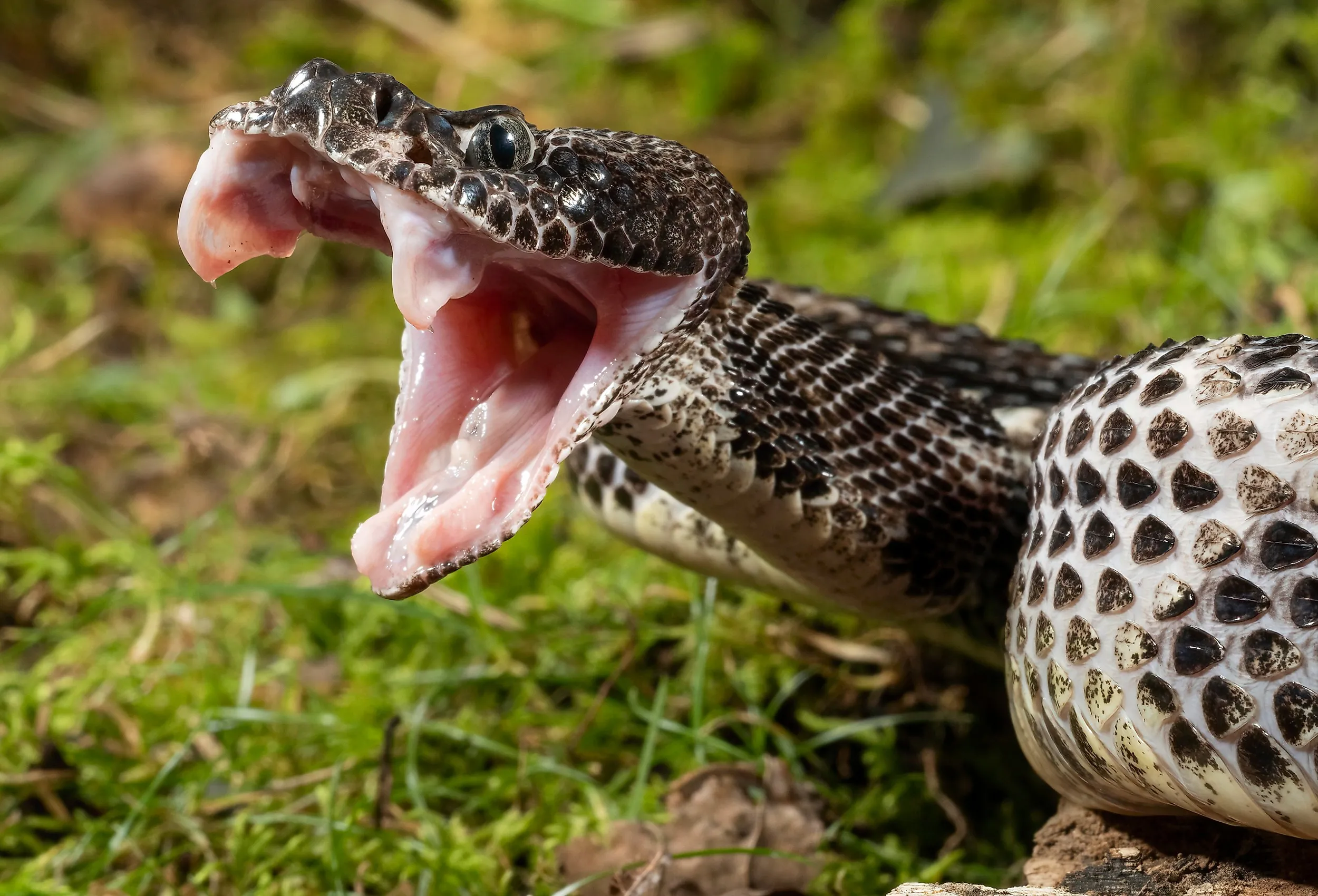
Estimates suggest that over 40 species call this river home. In the Iowa section of the Missouri, venomous snakes are present, most notably the timber rattlesnake. This species is typically found along forested bluffs, rocky slopes, and wooded floodplains near the river rather than directly in open water. Adult timber rattlesnakes usually measure between 36 and 60 inches (91 to 152 cm) in length and are recognized by their dark crossbands and distinctive rattle. While sightings are uncommon, their venom is potent, making it important to stay alert when walking near brush or rocky areas.
Des Moines River

The Des Moines River is a tributary of the Mississippi River, but it has its own large snake population. As the largest river flowing across Iowa, it features lush forests, prairies, and even cities along its banks. Thanks to the diverse landscape, many snake species can thrive, especially the eastern racer (Coluber constrictor) and the eastern garter snake (Thamnophis sirtalis sirtalis). Both of these non-venomous species are found in abundance throughout rocky areas, forests, and natural debris along the river’s banks. The eastern racer is one you might want to watch out for, as it is a very fast-moving snake that is active throughout the day. Ranging between 20 and 60 inches (50 and 152 cm) in length, these snakes also vibrate their tails in dry leaves, which can sound similar to the “rattling” sound of a rattlesnake.

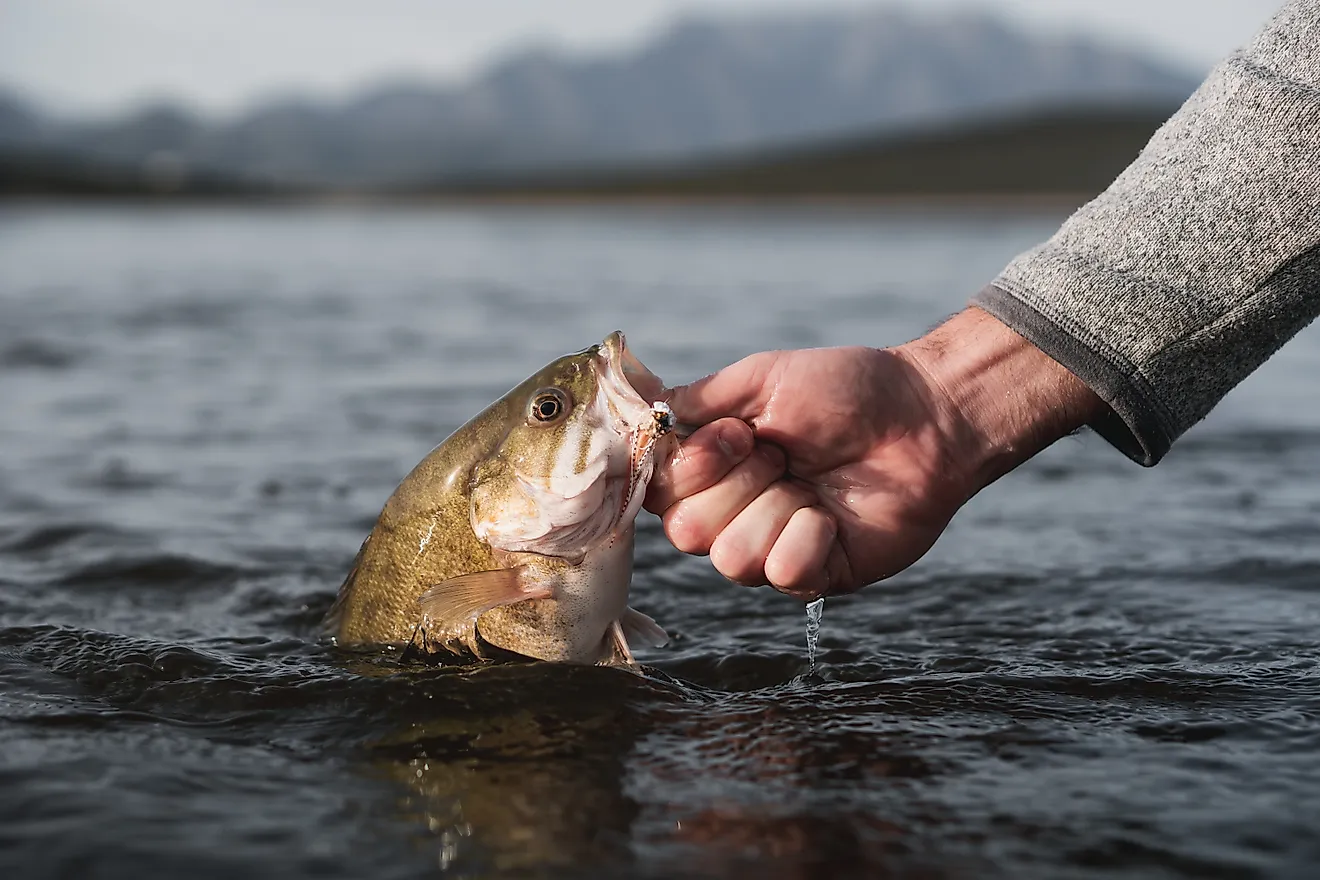
Along with snakes, the Des Moines River is a rich habitat for wildlife, home to dozens of fish species. Some of the most popular are the walleye, channel catfish, and smallmouth bass, making it a popular area for anglers. During winter, the region is also ideal for tubing and snowmobiling, and you are less likely to encounter snakes as they tend to be less active at this time.
Keep An Eye Out For Snakes In These Iowa Waters
These five bodies of water in Iowa are home to many of the state's 28 snake species. From the garter snake in Coralville Lake to the eastern racer in the Des Moines River, each abounds with new and unique species. While some of these species are venomous, most snakes try to avoid contact with humans. Thus, as long as you stay vigilant and give them ample space, bites are unlikely. So, these waters are full of snakes yet remain ideal for outdoor activity.