The Most Snake Infested Rivers In The United States
Snakes are slithering all throughout the United States. But the nation's rivers in particular hold a huge concentration of them. Some streams, like the Suwannee River, are home to 39 different species, while other streams like the Missouri River flow through contrasting terrain like the Rocky Mountains and the Gulf Coast, with snakes present everywhere in between. Non-venomous, venomous, aquatic, and semi-aquatic alike, the five rivers below hold some of the United States' most varied communities of snakes.
Missouri River

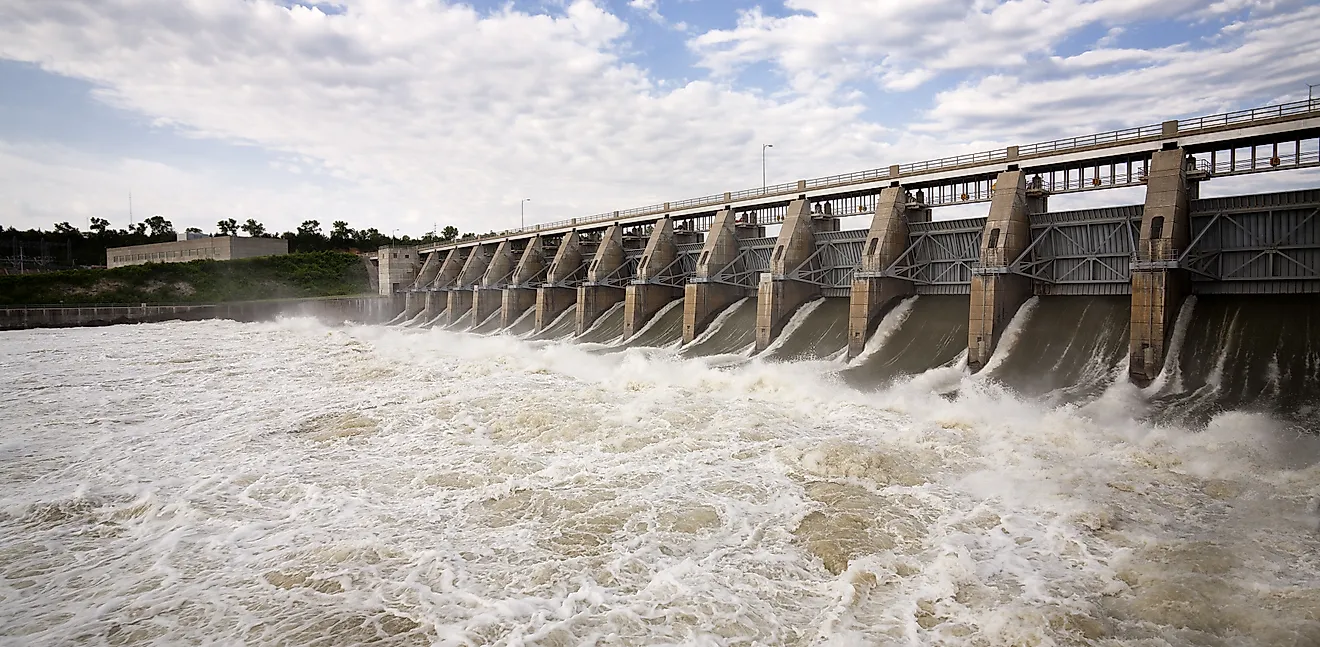
The Missouri River flows through seven different states over a course of 2,341 miles (3,767 kilometers). It flows from the Rocky Mountains in Montana to its confluence with the Mississippi River near St. Louis. In Montana, species like the western terrestrial garter snake (Thamnophis elegans) prey on amphibians while also escaping into the water when threatened, while the plains garter snake (Thamnophis radix) frequents the vegetation beside the river, often observed basking on rocks or slithering through grass.
Several other species of snakes inhabit the Missouri National Recreational River in South Dakota and Nebraska. Although venomous species like the northern copperhead (Agkistrodon contortrix mokasen) and timber rattlesnake (Crotalus horridus) exist in the park, the likelihood of encountering them is small. Farther south, in Missouri, great plains rat snakes (Pantherophis emoryi) inhabit wooded areas along the banks of the Missouri River.
Mississippi River

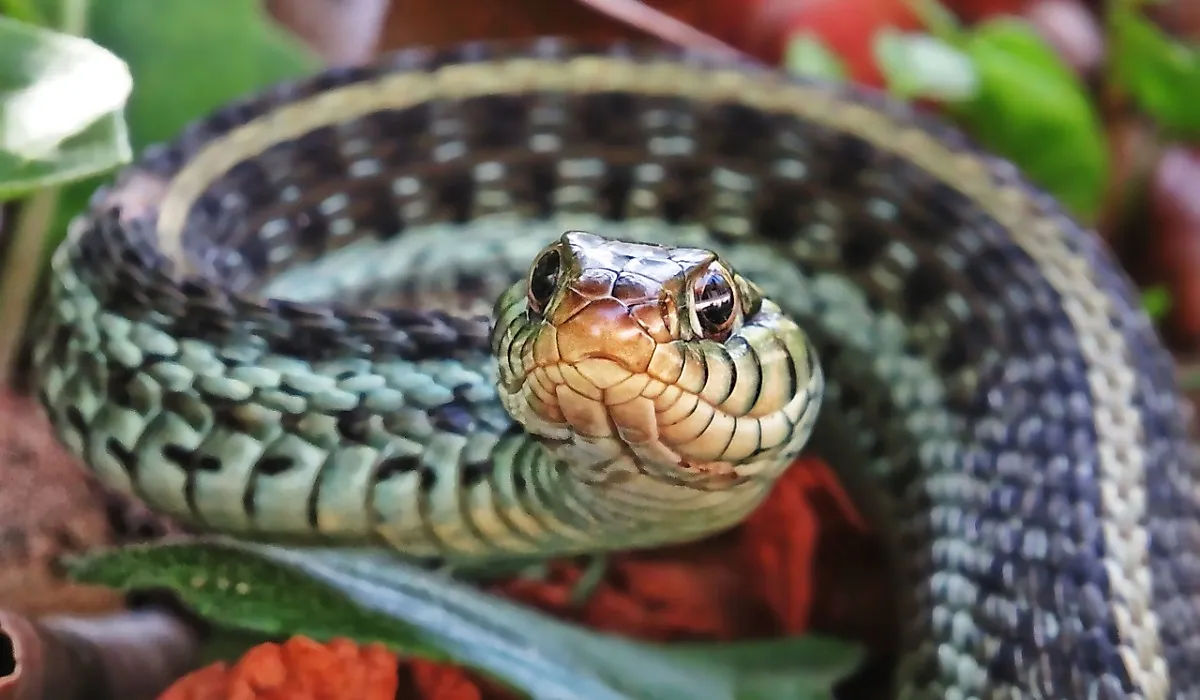
The Mississippi River is one of the longest rivers in North America, flowing 2,340 miles (3,766 kilometers) between Minnesota and the Gulf of Mexico. Such a large river is also home to a large diversity of snakes. Some species, like the eastern garter snake (Thamnophis sirtalis sirtalis), are among the most common and widespread in North America, while other species, like the Mississippi green water snake (Nerodia cyclopion), are limited to the cypress swamps, oxbow lakes, river sloughs, and lakes along the Mississippi River (although its range also extends along the Gulf Coast between Texas and Florida).
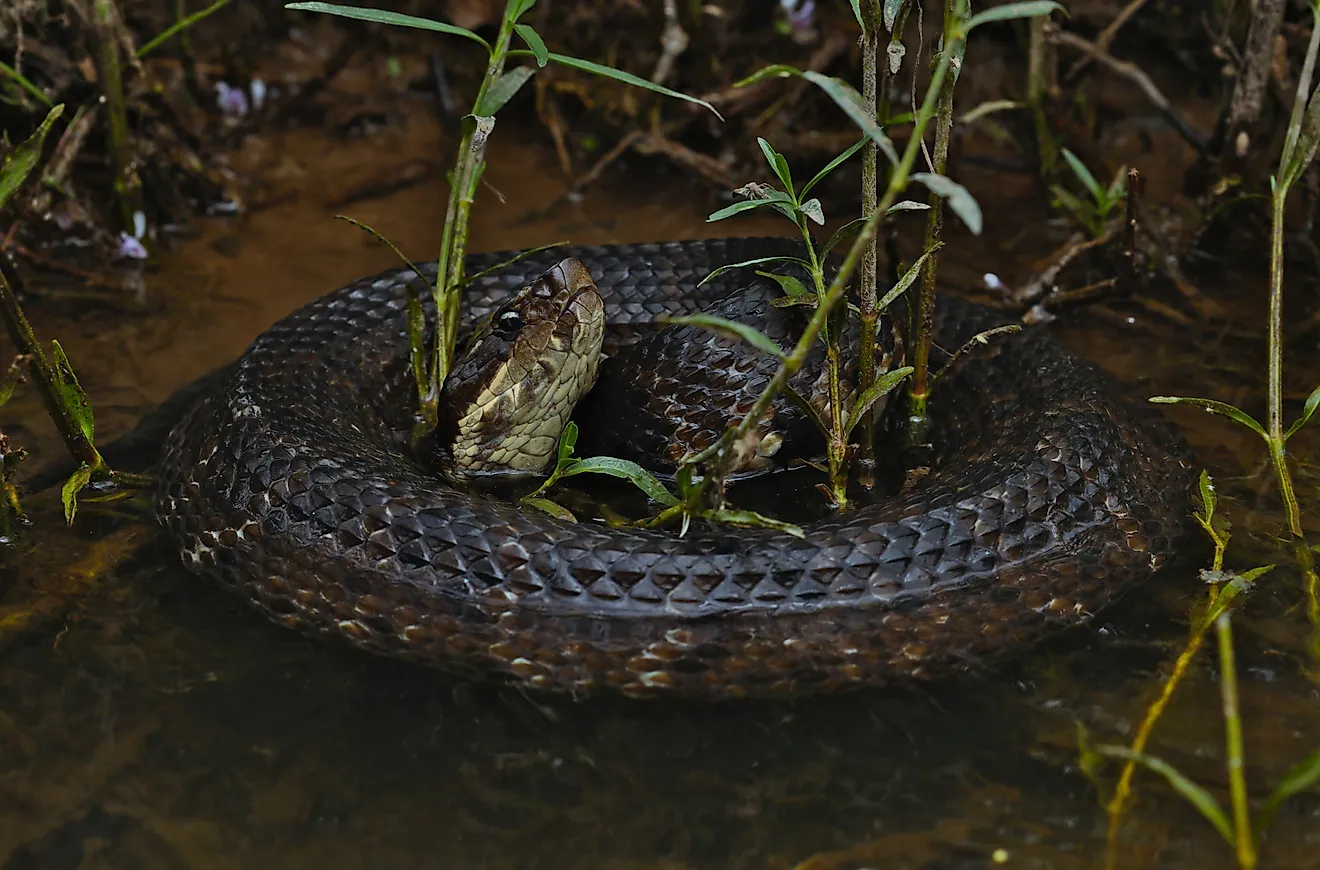
Venomous species in the Mississippi include the timber rattlesnake and cottonmouth (Agkistrodon piscivorus). Both species interact with the river in different ways. The timber rattlesnake merely utilizes the bluff land habitats of the Upper Mississippi River Valley, whereas, the cottonmouth, being a semi-aquatic viper, is found in almost all wetland habitats. They will bask on branches, logs, and stones at the water's edge.
Delaware River

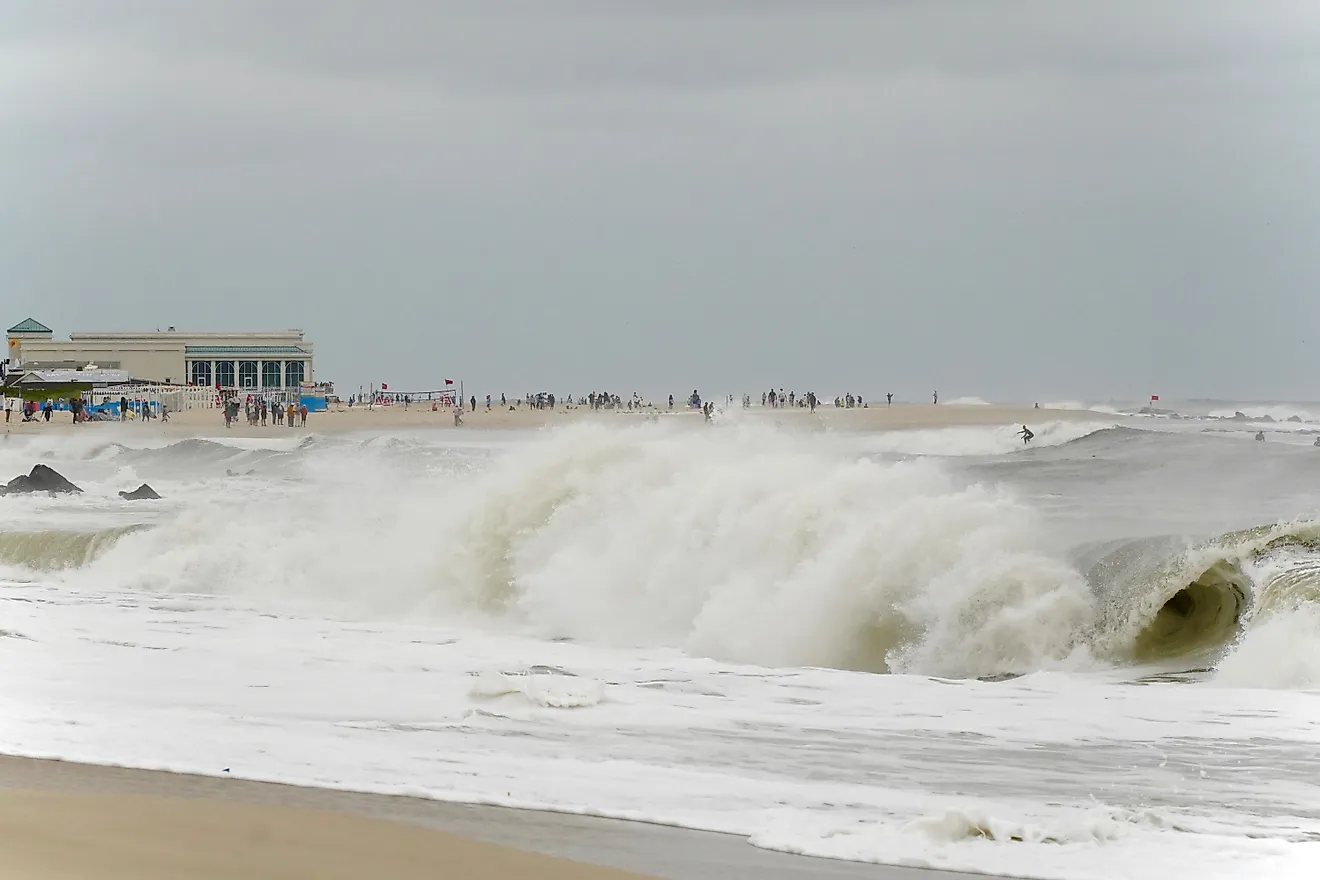
The Delaware River is on the Atlantic slope of the United States. It flows 282 miles (454 kilometers) from New York to Delaware Bay between the border of New Jersey and Delaware. Snakes are found in the Delaware River and habitats bordering the river. The northern water snake (Nerodia sipedon) is commonly seen in and along the river. They prefer aquatic habitats of slow-moving or standing water, especially bodies of water that have rocks, vegetation, or branches for them to bask on.
The northern red-bellied snake (Storeria occipitomaculata occipitomaculata) is found in transitory habitat between woodland and riparian habitats. Riparian and wetland habitats are crucial for species like the eastern hog-nosed snake (Heterodon platirhinos), which has dietary preferences for toads, for which it has specialized teeth called rear fangs that help it puncture inflated toads more easily.
Suwannee River

The Suwannee River rises in Georgia, flowing into Florida before it empties into the Gulf of Mexico after a total course of 250 miles (400 kilometers). The banks of the Suwannee River are heavily vegetated with cypresses, oaks, several species of gardenias, orchids, and ixias. There are 39 different species of snake found in the Suwannee River Basin, five of which are venomous.
The river represents the edges of some of the species of snakes' geographic ranges. The timber rattlesnake and red-bellied water snake (Nerodia erythrogaster) reach the southernmost and easternmost extent of their range on the Suwannee River. Other species, like the short-tailed snake (Lampropeltis extenuata), reach the northernmost and westernmost extent of their range.
St. Marys River

St. Marys River is another river belonging to Georgia and Florida. This one straddles the border between the two states for 126 miles (203 kilometers). The river is home to a wide array of fauna, including mice, quail, shrew, and moles. With so many small mammals to prey on, 37 different species of snakes, including five venomous, have made their home along the St. Marys River.
There is a great range of diversity among the snakes. This includes the dusky pygmy rattlesnake (Sistrurus miliarius), among the smallest rattlesnakes, the eastern diamondback rattlesnake (Crotalus adamanteus), the longest and heaviest venomous snake in North America, and the eastern indigo snake (Drymarchon corais couperi), which has an immunity to rattlesnake venom and even preys on them as part of its diet.
Snake-Infested Streams
Some snakes, like water snakes and cottonmouths, can be directly in the water, while others, like the plains garter snake, inhabit riverbanks and nearby vegetation. Species such as the northern red-bellied snake occupy habitats where rivers meet bordering woodlands and forests. Regardless of the capacity each snake interacts with the river, these environments provide snakes with food, shelter, and access to the ecosystems that sustain them. Although some species are venomous, they are often more secretive and far less likely to be encountered.