Cottonmouth
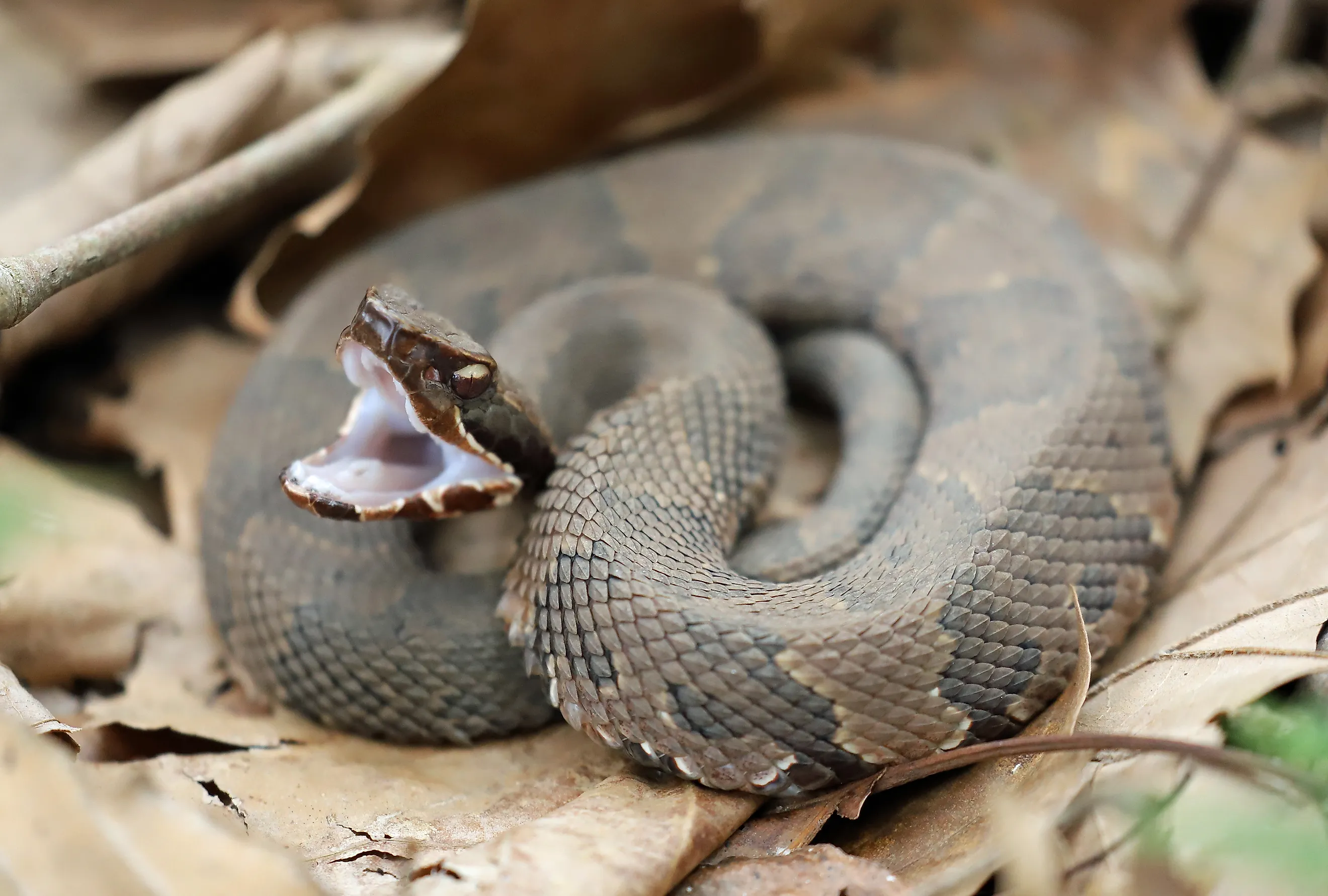
Cottonmouths are venomous snakes native to the United States. Their threat displays revealing their startling white mouths gave rise to their moniker and to healthy doses of fear in people who have encountered them. Cottonmouths are the only venomous water snake in the US, and it's commonly misidentified with different, nonvenomous water snakes. In fact, this semiaquatic snake is far more reclusive than its fearsome reputation would lead one to believe. Plus, it serves an important role in the southeastern US ecosystem of wetlands, creeks, swamps, and marshlands.
Taxonomy

Cottonmouths are part of the family Viperidae, consisting of venomous vipers from around the world. Of that family, cottonmouths are included in the Agkistrodon (derived from the Greek word ancistron, which translates to fishhook) genus of pit vipers, which live entirely within North America.
Within this genus are the cantil, eastern copperhead, broad-banded copperhead, Gloyd's moccasin, Taylor's cantil, Yucatecan cantil, and two species of cottonmouths: the Florida cottonmouth and northern cottonmouth.
Cottonmouth is the most common term for the northern cottonmouth, but it is also referred to by many different local names, such as true water moccasin, water copperhead, cotton-mouthed snake, and the North American water viper.
Range and habitat

The northern cottonmouth has a wide range across the southern United States, including western Texas, Louisiana, Arkansas, Alabama, and parts of Tennessee, Missouri, Illinois, and Kentucky. There have been isolated reports of cottonmouths in southern Indiana. Further east, it is also found throughout the eastern regions of South Carolina and North Carolina and on the coast of Virginia.
The Florida cottonmouth is only found in Florida and southern Georgia, with a few hybrid zones as its territory crosses over with the northern cottonmouth. Cottonmouths flourish in and around swamps, floodplains, wetlands, and streams throughout the southeastern United States and in a few isolated pockets in Illinois and Indiana. They can only live in freshwater but may be found in salty brackish waters from time to time, especially if there are large populations nearby.
Physical traits

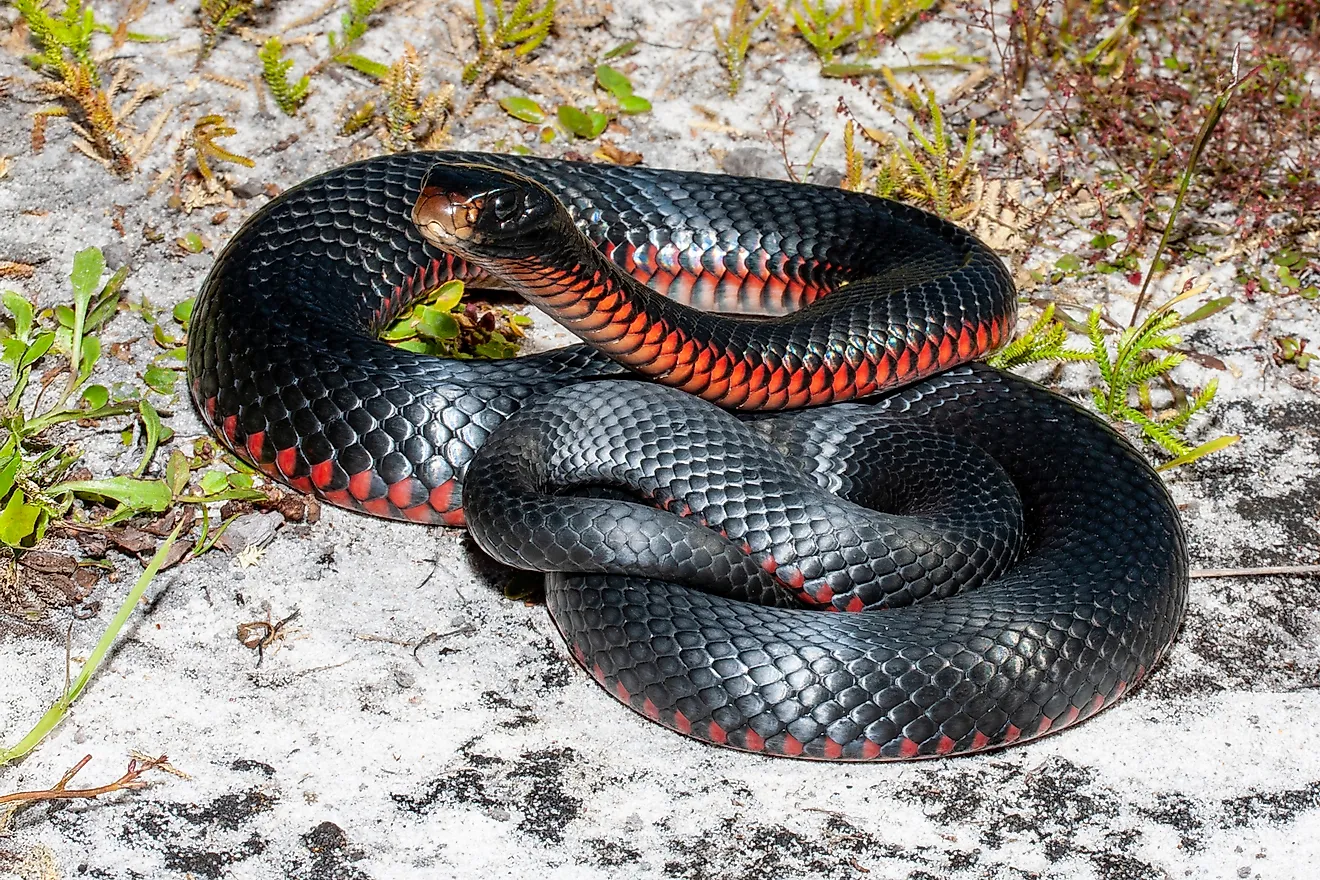
Cottonmouths are typically a dark color close to black. When they are younger, they may have brighter colors, such as brown with reddish crossbands or yellow tail tips. Both species of cottonmouths grow anywhere between 2-feet and 4-feet long and usually weigh between 2 pounds and 4 pounds, although there are reports of a 10-pound Florida cottonmouth that was found in Marion County. Males are larger than females in weight, with many females weighing less than a pound.
Florida cottonmouths can display lighter, more distinct color patterns than northern cottonmouths and generally have longer tails. While they were once considered the same species, the Florida variety may be distinguished by two dark vertical lines at the tip of its snout. Despite minor regional variations in chemical composition, both snakes possess similar hemotoxic and cytotoxic venom that destroys tissue and affects blood coagulation.
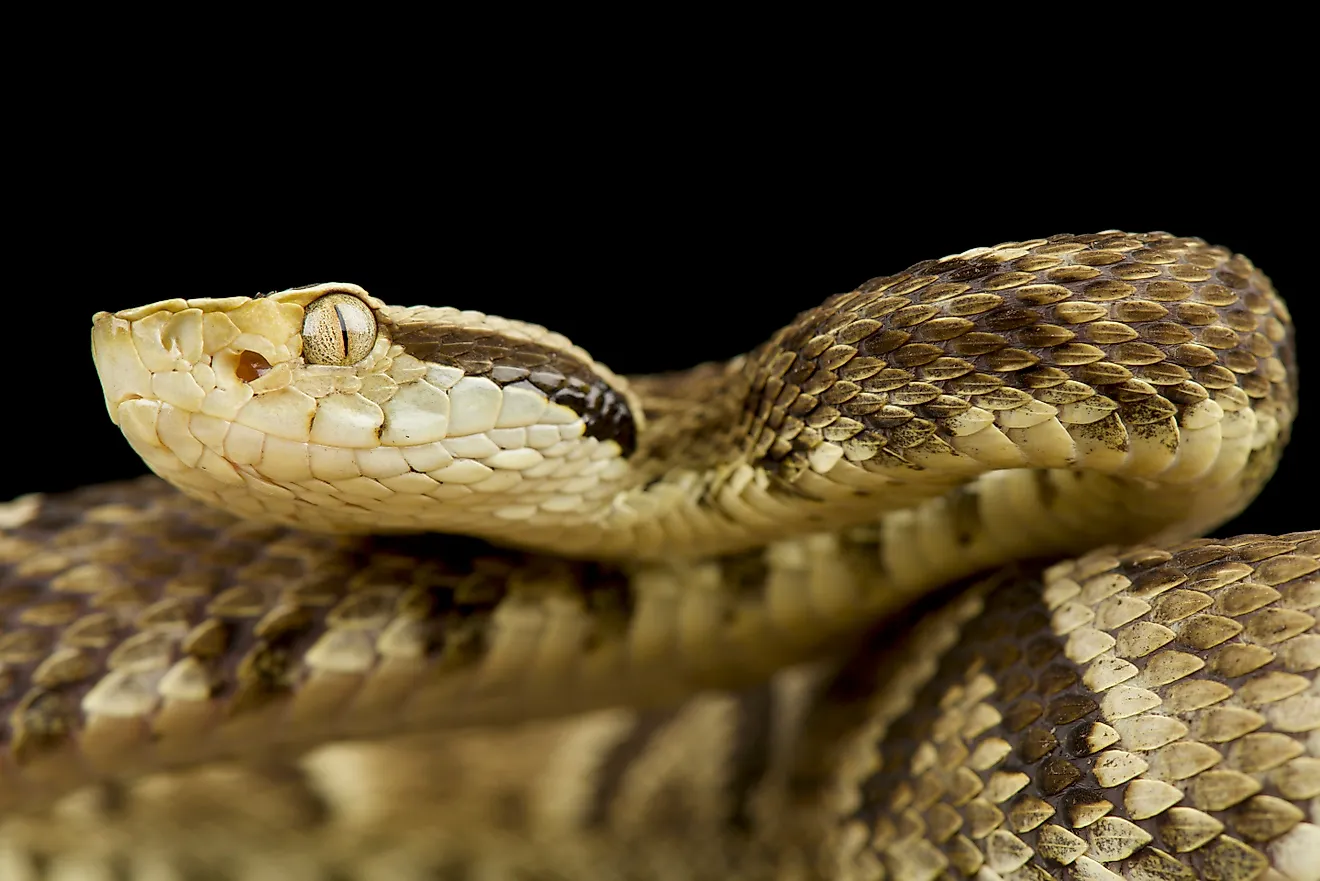
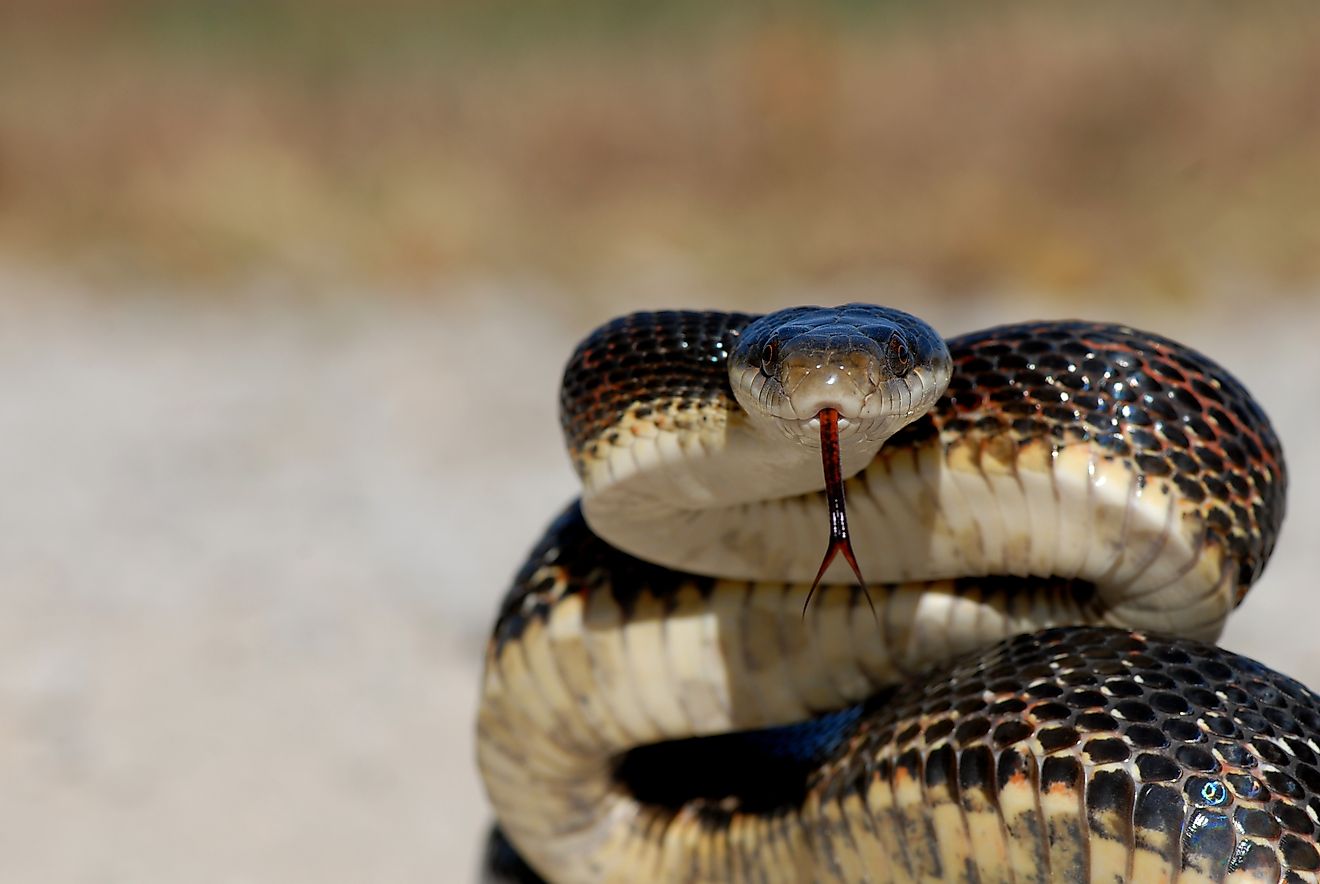
Due to their dark color and aquatic habitat, they are often confused with nonvenomous water snakes. They have several different features from common water snakes. For example, they have vertical pupils and a facial pit between each of their nostrils and eyes. The most iconic trait of the cottonmouth isn't visible until it opens its mouth and reveals its white cotton-like mouth, along with its fangs, which it uses to inject venom.
Food and Behavior

Cottonmouths can eat a wide variety of different prey, ranging from smaller lizards, turtles, insects, catfish, birds, and even smaller cottonmouths. Due to being semiaquatic, it can hunt both in and out of the water and can bite fish under the water. They primarily hunt at night, either by lying in wait in a hiding spot or tracking down prey. Once they catch prey, they will bite it, releasing their venom into the prey. Cottonmouth venom contains enzymes that begin breaking down tissue in the prey, aiding in the digestion process once the prey is swallowed. The snakes have highly flexible jaw ligaments that allow them to open their mouths extremely wide and swallow prey whole.
Cottonmouths are solitary creatures who only seek each other out during mating season. Northern cottonmouths will hibernate during colder months, but Florida cottonmouths are often active all year long, due to the state's balmy weather. It has several predators, especially as juveniles, such as alligators, kingsnakes, and larger members of its own species. Birds of prey may also target smaller cottonmouths. When it senses a predator, it will freeze in place in an attempt to blend in with its surroundings.
If the predator continues to approach it, the snake will begin vibrating their tail against leaves and underbrush in a similar manner to a rattlesnake. Cottonmouths will flatten their bodies against the ground to make themselves appear larger. It may also reveal its white mouth and release a foul odor. Typically, they will only bite predators (including humans) as a last resort, preferring to flee rather than fight if their threatening displays don't work.
Reproduction

Northern cottonmouths will mate during the spring months, while Florida cottonmouths can mate throughout the year. The mating ritual itself is highly complex, beginning with females releasing pheromones that attract potential mates. Male snakes that pick up on the scent will approach the female. This is one of the few times males will interact with each other in any way, through competition. Males will perform a dance where they wave their tails back and forth as a way to attract the female's attention. If this dance doesn't work, males might fight each other directly. The winner will mate with the female.
The gestational period can last up to five months. Unlike other snakes, the eggs gestate inside the mother's body and come out through live births in the late summer to early fall months. Also, unlike other reptiles, the sex of the babies is determined by genetics, rather than the environment (such as with alligators). Researchers have observed pregnant female snakes gathering together to give birth. Female snakes tend to have about 7 to 12 babies per litter. Once the snake is born, it will only stay with its mother for a relatively short time before venturing off on its own.
Ecosystem Benefits and Threats

Like most predators, cottonmouths are crucial to their ecosystems for keeping populations of prey under control, specifically aquatic and semi-aquatic vertebrates, and pest species. Some of the primary pest species it targets include mice, rats, and shrews. When these species breed out of control, they can spread disease and take up resources. In addition, cottonmouths serve as food for larger animals like alligators or king snakes.
Both the northern cottonmouth and Florida cottonmouth are listed as species of least concern on the International Union for Conservation of Nature, which catalogues species based on how at risk they are of extinction. However, cottonmouths can be threatened on a local level due to draining of marshes and wetlands, environmental destruction, or killed directly by humans due to fear of their venom.

In fact, cottonmouths rarely bite humans; the National Poison Data System (NPDS) reports roughly 225 to 255 bites annually, compared to more than 2,000 copperhead bites a year. In the vast majority of these cases, the snake was acting defensively in response to a person trying to capture or harm it. Furthermore, deaths are extraordinarily rare; the NPDS and the Centers for Disease Control and Prevention (CDC) report an average of only five to 10 deaths annually from all venomous snake bites in the US combined.
Experts recommend leaving cottonmouths alone if encountered in the wild and always wearing proper footwear when in known cottonmouth hotspots. If bitten, seeking prompt medical attention is key. Victims should not apply any tourniquets, ice, heat, or try to suck out the venom.
A Commonly Mistaken Snake
The cottonmouth is one of the most commonly mistaken snakes in the United States. For one, many see a dark snake in the water and believe it is a cottonmouth. Others mistake it for its relative, the copperhead. However, the most common mistake is believing this snake is a big threat to humans. While its bite can harm or kill humans, it does not naturally seek out humans. It prefers to flee from known predators such as humans rather than strike them. Cottonmouths are far more likely to be killed by humans than the other way around.