What Is An Oxbow Lake?
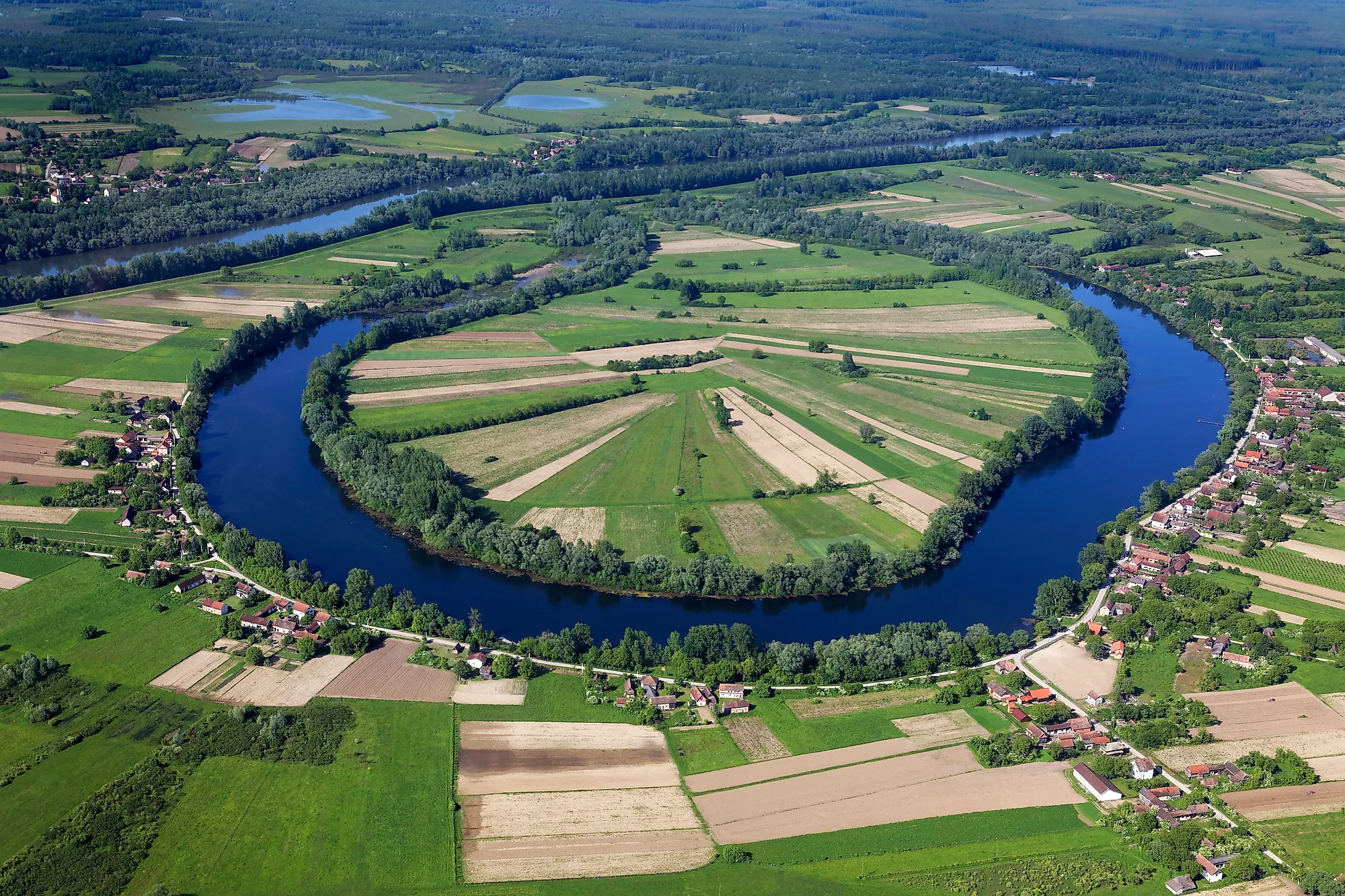
- Oxbow lakes are curved bodies of water that resemble an oxbow, or crescent shape
- These lakes were once part of meandering curved river, that became cut off from the main river stream
- Oxbow lakes are usually still and calm in nature, and do not have a natural source of water flowing in or out
Oxbow lakes are a curious geographic phenomenon that can be found in countries around the world. They are named for their curved shape, which resembles a bow or horseshoe. The lakes are formed by what were once bends or large curves in winding river systems, and as such, can be found in groupings in some areas.
How Are Oxbow Lakes Formed?
These distinct U-shaped oxbow lakes are actually formed from the remnants of rivers. Twisting and snaking rivers, which cut a winding path across a landscape, occur naturally. These are usually found in low-lying land, where the ground is wide and flat. In these landscapes, rivers wind their way across a plain or lowland. As the river flows, it carves into the ground, creating a bend in the river flow, and in turn, a curved river bank. Continued flow of water within these curves erodes the earth or sand in such a way that the neck of the bend narrows, making it susceptible to being cut off.
When a river bank curves, it is then known to have an inner bank and an outer bank, which correlate to the shape of the bend. On the inner bank, silt, soil, and sediment build up over time as the river washes sand and dirt along its path. Because of the bend, silt begins to pile up along this inner bank, as it gets stuck going around the curve.

As the inner bank starts to fill up, the water in the river naturally begins to push out on the opposite bank. This means that the outer bank begins to expand and widen, as the river cuts into the bank and erodes the edges of the curve. In this way, the river forms a projected loop-like formation, which begins to narrow at the neck as the outer banks expand. This expansion brings the two outer banks closer and closer, until the neck of the loop is extremely narrow.
At this point, a sudden increase in water flow along the river may overwash the banks. This usually happens in the form of flooding. When the excess water floods the river path, it bursts over the sharp curves, and instead of flowing along the bend, breaks a new straight pathway from one outer bank to the other. This effectively cuts the loop off from the rest of the river, leaving an independent body of water in a bent, horseshoe-like shape.
It is these left-behind river bends that are known as oxbow lakes.
Where Can We Find Oxbow Lakes?

Oxbow lakes can be found all over the world, and have many different names. In Texas, a series of oxbow lakes that were once part of the Rio Grande are known as resacas. In Australia, where dry low plains and flash floods are common, these lakes are known locally as billabongs.
What Characteristics Do These Lakes Have?

Oxbow lakes fall into a category of bodies of water known as still water lakes. This means that they do not have any natural water source flowing into or out of them. This is characteristic of this type of lake, as the original water source, i.e., the river from which it was formed, is now cut off from it. Because there is no continual water source, the water in an oxbow lake is stagnant, and often creates a marsh-like or boggy environment. Alternatively, these lakes will begin to dry up over time, as the water evaporates but cannot be replenished.
But just because they have still water does not mean they are uninhabited. Oxbow lakes provide a very specific type of habitat, which can contain a variety of wildlife. Phytoplankton and small crustaceans often thrive here, as do a number of fish species. These pools, cut off from their origin rivers, act as safe havens for fish and smaller animals, where they can grow in a calm, stable environment, much as they would in a fish nursery. There is often a lack of predators in these lakes, although in some cases the abundance of trapped food can lure hunters. This can be seen in the Amazon, with river otters frequently taking advantage of oxbow lake environments.
Examples Of Oxbow Lakes
Lake Chicot

The largest oxbow lake in North America can be found in the state of Arkansas. This lake is called Lake Chicot, and it was once part of the Mississippi River over 600 years ago. Now an independent lake, it measures more than 21 miles long and over three-quarters of a mile wide.
Kabar Taal Lake
One of the most well-known oxbow lakes is Kabar Taal Lake in India. Like many oxbow lakes, it has become a haven for wildlife. This lake, in particular, is now a protected bird sanctuary, and is home to more than 106 resident bird species, along with some 60 migratory species recorded by Indian ornithologist Salim Ali. Several of these species are now endangered, and it is in an effort to protect the dwindling bird populations that the lake was designated a sanctuary. In 2020, Kabar Taal also became Bihar's first Ramsar site, recognized as a wetland of international importance. This oxbow was once part of the Burhi Gandak River, a tributary of the Ganges.
Cuckmere Haven

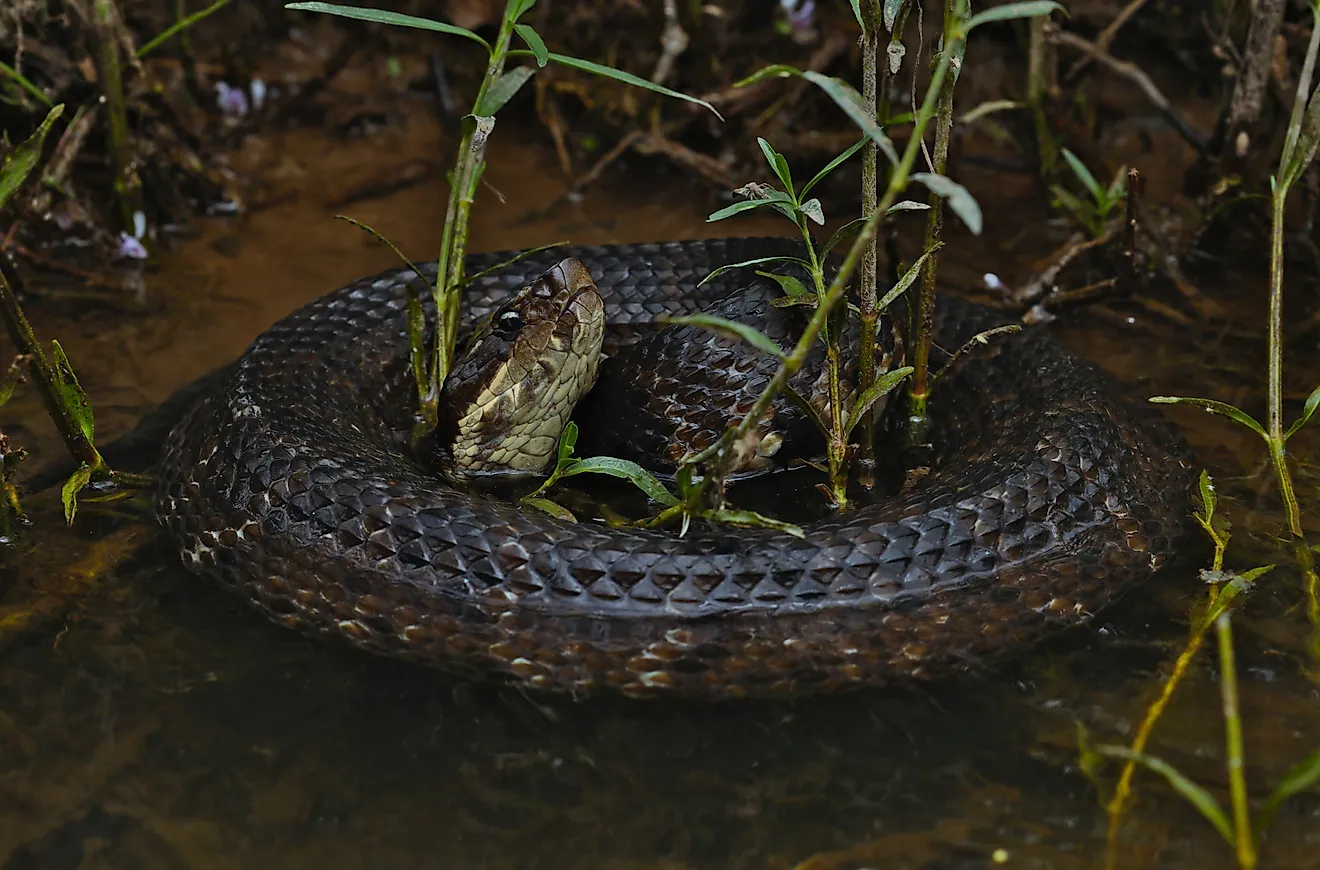
One of the most well-known oxbow lakes in England is at Cuckmere Haven, created by the River Cuckmere in East Sussex. This winding river cuts across the plains and has created several oxbow lakes in the area. Cuckmere is home to a mixture of wildlife, including rabbits, foxes, badgers, waterfowl, and snakes.
Carter Lake
Carter Lake formed in 1877 from a bend in the Missouri River known as the Saratoga Bend, when a major flood and ice jam cut the river through to a new channel. Situated on the boundary between Iowa and Nebraska, it has long been a popular beach destination and recreational area.
Reelfoot Lake

Reelfoot Lake, in the state of Tennessee, is another well-known oxbow lake. While most lakes of this type are formed over time in conjunction with flooding, Reelfoot was dramatically reshaped when the New Madrid earthquakes of 1811-1812 caused the land along the Mississippi River to subside. The shift rerouted the river's water flow and filled in the bend that is now Reelfoot Lake. Given the climate of Tennessee and the lack of a flowing water source, Reelfoot is a shallow, marsh-like ecosystem. This has lent itself to being an active habitat for various wild animals, including bald eagles.
Corroboree Billabong
In Australia's Northern Territory, the Mary River Wetlands lie about 90 minutes east of Darwin on the way to Kakadu National Park. The wetlands are crisscrossed by meandering rivers and billabongs, and one of the most notable is Corroboree Billabong. This marshy oxbow lake is rich in life, and the wider Mary River Wetlands hold what tourism operators describe as the largest concentration of saltwater crocodiles in the world. More than 280 species of birds also call this area home.
White Lily Billabong

The White Lily Billabong is a well-used watering hole for many animals within Kakadu National Park. This protected park is located in the Northern Territory, on the northern coast of Australia, not far from Darwin. As the name suggests, rich flora grow here, including the white lily, and a wide variety of bird species also frequent the area. Crocodiles and other water reptiles can commonly be found in and around the billabong.