The Year The Cuyahoga River Caught Fire
On June 22, 1969, oil-coated debris caught fire on the Cuyahoga River near Cleveland's Republic Steel mill, damaging railroad bridges and turning an industrial waterway into an international symbol of pollution. The blaze lasted less than half an hour, but its reputation endured far longer. Even the photograph most closely associated with the disaster tells a surprising story. The image published in Time magazine was actually of a different fire from 1952. Understanding what happened that day includes the brief Cleveland fire as well as the circumstances that led to the fire and the broader environmental changes that followed.
What Happened In 1969

The famous Cuyahoga River fire broke out in Cleveland's industrial corridor, several miles downstream from what is now the Cuyahoga Valley National Park. Near Republic Steel, railroad bridges trapped floating debris, allowing combustible material to accumulate beneath them. Oil covering the water and waste created the conditions for ignition. According to the National Park Service, a flare thrown from a passing train likely ignited the debris, although the precise ignition source is uncertain. The burning material was oil and floating pollution on the river's surface, not the water itself, and firefighters brought the blaze under control in less than half an hour.
Its immediate consequences were mostly damage to the railroad bridges, and the city itself didn't catch fire. Compared to previous fires, the incident was relatively modest. The initial local news coverage reflected a level of familiarity with this kind of incident. Newspaper reports concentrated on property damage because Cleveland residents had already experienced similar river fires. The event became nationally significant not because it was the largest or deadliest Cuyahoga blaze, but because journalists and public officials connected it to a wider debate about industrial pollution and responsibility for America's waterways.
What Made The Fire Possible

The lower Cuyahoga River at the time carried the consequences of decades of industrial activity. Cleveland's factories, railroad crossings, and shipping infrastructure crowded the waterway, and oily waste and floating debris accumulated in its channel. Around the Republic Steel site, bridges acted as collection points for that material. Together, the contamination and trapped rubbish created a flammable layer that could burn when exposed to an ignition source.
Repeated fires show how long those conditions persisted. The Environmental Protection Agency reports that the Cuyahoga burned at least 13 times. The 1969 incident was simply the most infamous fire in an established pattern of pollution rather than an isolated accident.
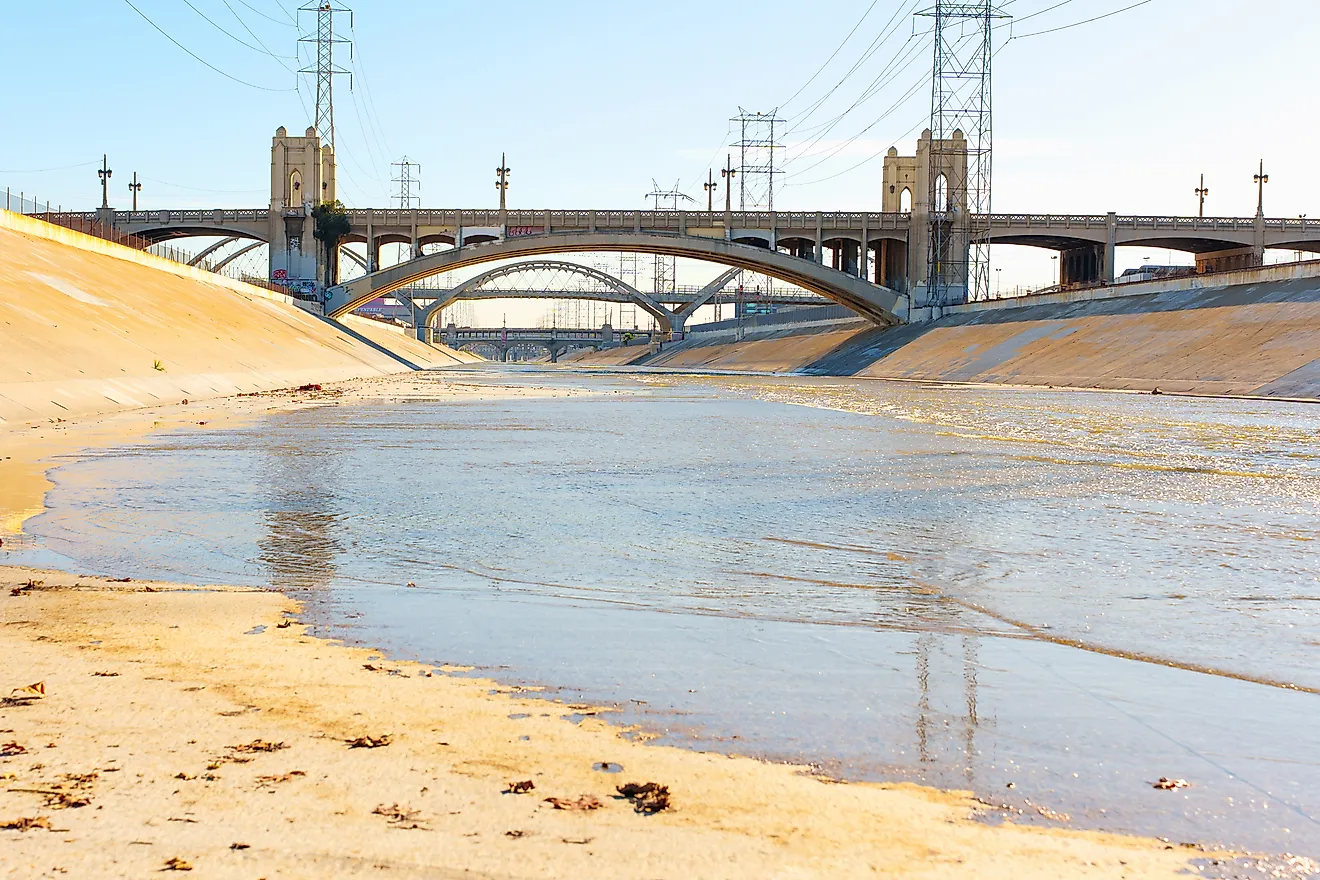
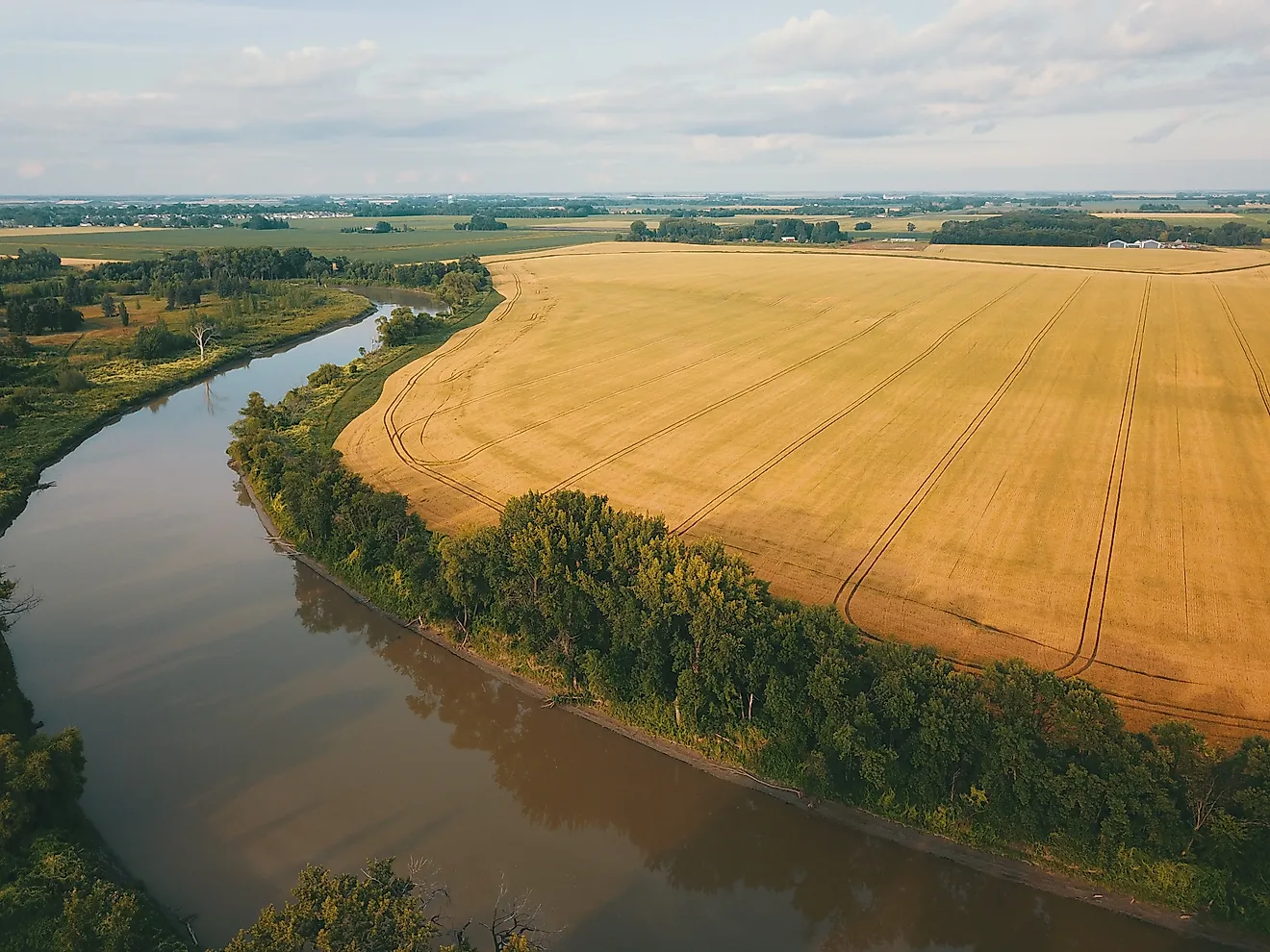
The river's geography also complicated efforts to control contamination. Its watershed drains more than 800 square miles of northeastern Ohio, and its waters pass through Cleveland before entering Lake Erie. Pollution reaching the city could originate outside municipal boundaries. That connection mattered politically because Cleveland could invest in its own sewers, but city officials could not independently regulate every upstream community or industrial discharge. Cleaning the Cuyahoga required cooperation across the entire watershed, not just at the place where the flames appeared.
The Famous Photograph From Another Fire
One of the most persistent misconceptions about the Cuyahoga River fire has to do with its photographic record. When Time covered the polluted river in August 1969, it used an image from a different blaze. The photograph showed the much more destructive November 1952 fire, with flames surrounding a vessel on the river. Its dramatic appearance helped shape how readers imagined an incident that had actually only lasted a short time.
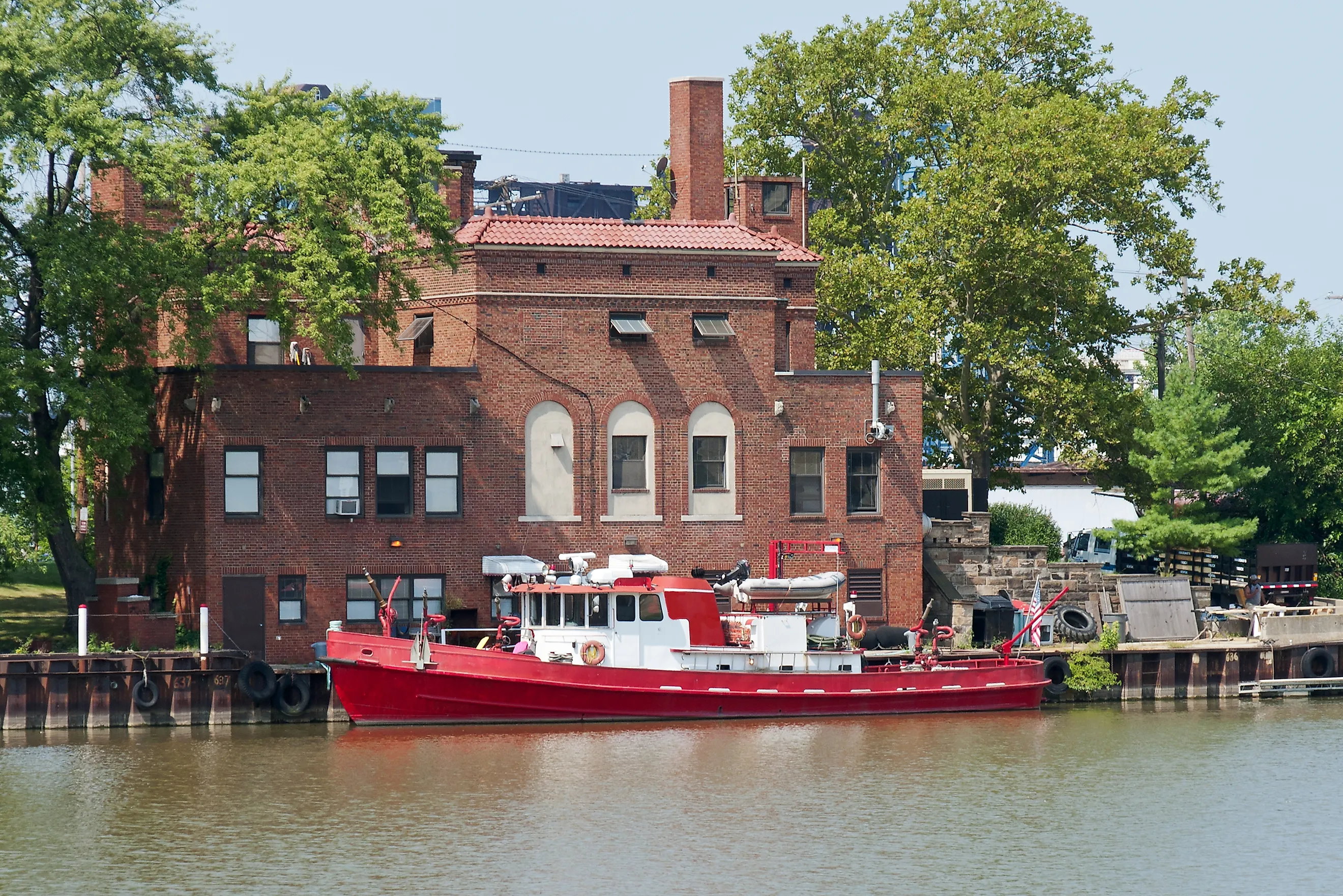
The 1952 photograph, taken from the Jefferson Avenue Bridge, shows burning oil on the river near the Great Lakes Towing Company's shipyard. Firefighters used water to push the oily surface material away from the banks and prevent the flames from spreading downstream. The 1952 fire caused greater destruction, but it failed to generate the same national attention. In 1969, the smaller event reached readers already confronting mounting evidence of environmental damage. The photograph of the 1952 fire supplied a powerful visual, and the newer fire sparked a national discussion. The two episodes became closely linked in public memory, even though they occurred nearly 17 years apart.
How Carl Stokes Brought The River National Attention

Cleveland Mayor Carl B. Stokes helped transform the fire from a local damage report into a national environmental story. Elected in 1967, Stokes was the first African American elected mayor of a major American city. On June 23, the day after the blaze, he took reporters along the river to examine the fire site, industrial pollution, and sewage entering the waterway. His message extended beyond the burned bridges. Cleveland needed help addressing contamination, and it could not control it alone.
Among the journalists covering the tour was Betty Klaric of the Cleveland Press, one of the country's first full-time environmental reporters. Her work on the Save Lake Erie Now campaign had already drawn attention to regional water pollution. Soon, national publications would carry the river's story to a much larger audience.
Stokes also challenged a narrow understanding of environmental protection. He connected polluted water with the broader "urban environment," including poverty and inadequate housing. In 1970, he testified before the US Senate in support of federal clean-water funding, while his brother, Congressman Louis Stokes, advocated for Cuyahoga cleanup money in the House. Their efforts linked Cleveland's needs to a larger argument about government responsibility for healthier cities.
The Fire And The Clean Water Act

The Cuyahoga River fire is often credited with creating the modern American environmental movement, although that interpretation gives one event too much gravity. Environmental reform was already underway, as Cleveland voters had approved a $100 million bond issue in 1968 for sewer construction and water treatment improvements. Earlier in 1969, the Santa Barbara oil spill had also drawn widespread attention to pollution. Nevertheless, the burning river became an unusually effective symbol. A waterway carrying flames made industrial contamination immediately understandable and helped sustain public concern during a period of expanding environmental activism.
The first Earth Day took place in April 1970, and the EPA was established that December. The Clean Water Act followed in 1972. For northeastern Ohio, institutional changes mattered along with national legislation. The Northeast Ohio Regional Sewer District and Ohio Environmental Protection Agency both formed in 1972. Stronger federal pollution control requirements, regional sewer management, and state oversight helped address the jurisdictional limits Stokes had highlighted.
A River Recovering From Its Past
The Cuyahoga River's recovery has involved much more than removing the oily waste that once burned. The Cuyahoga River Area of Concern was designated in 1987 under the Great Lakes Water Quality Agreement, recognizing serious environmental damage requiring sustained cleanup. Federal, state, and local partners worked on contaminated sediment, eroding streambanks, and obstacles to fish movement. The EPA continues to identify unresolved impairments, so while the river is improving, it hasn't been completely restored.
One change occurred near Station Road in Cuyahoga Valley National Park. In 2020, crews removed the Brecksville Canal Diversion Dam and the older Pinery Dam beneath it. Removing these barriers improved fish passage and allowed the river to flow freely through that stretch. A replacement pumping system installed in 2022 maintained water in the historic Ohio & Erie Canal without retaining the dams.
Other signs of recovery appear in the valley's wildlife. Fish and animals associated with healthier river habitats have returned, including river otters and great blue herons. The Cuyahoga's story includes both measurable environmental progress and unfinished work. While the year 1969 is central to its history, the river's condition today reflects decades of work done after the flames went out.