The Most Dammed Rivers In America
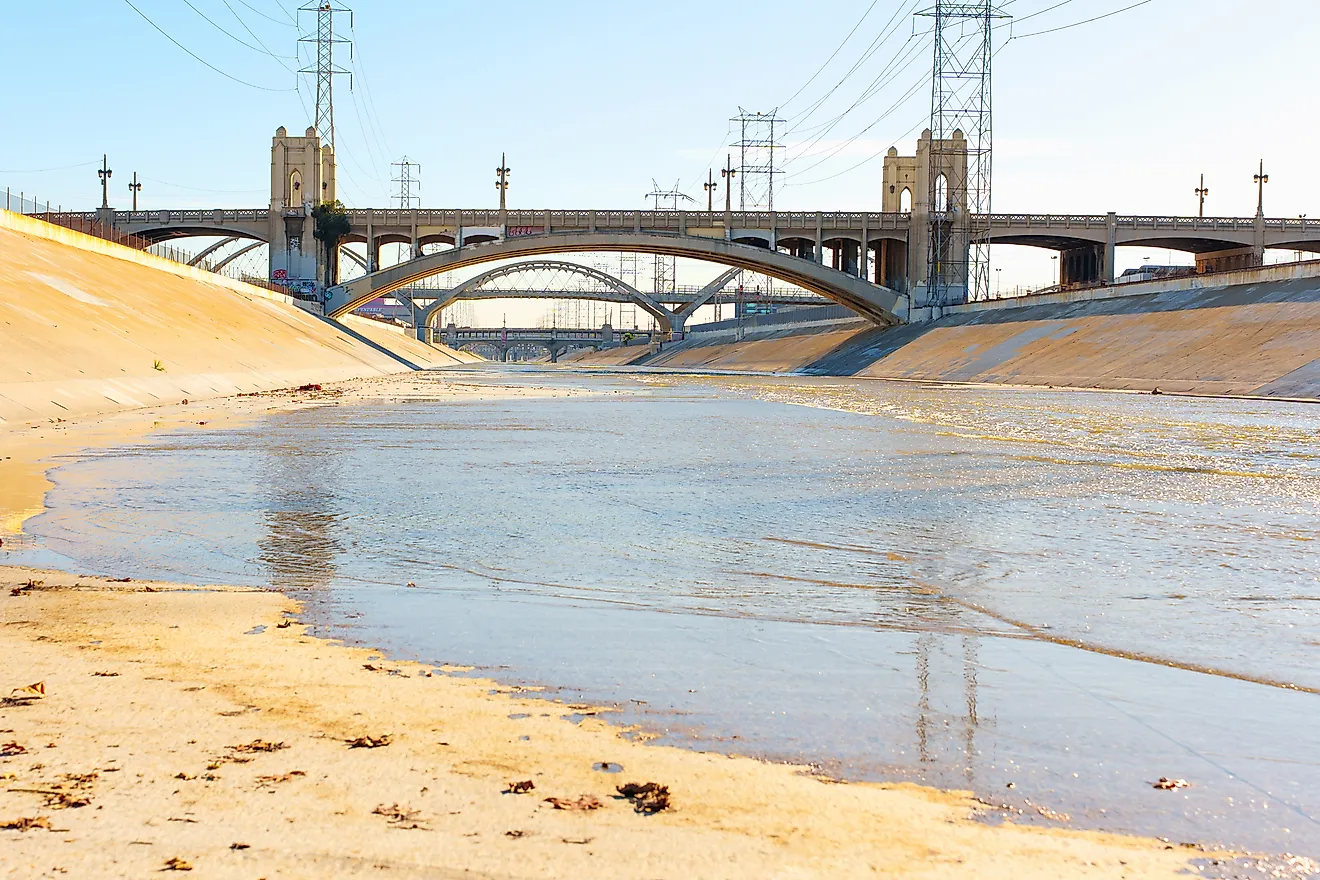
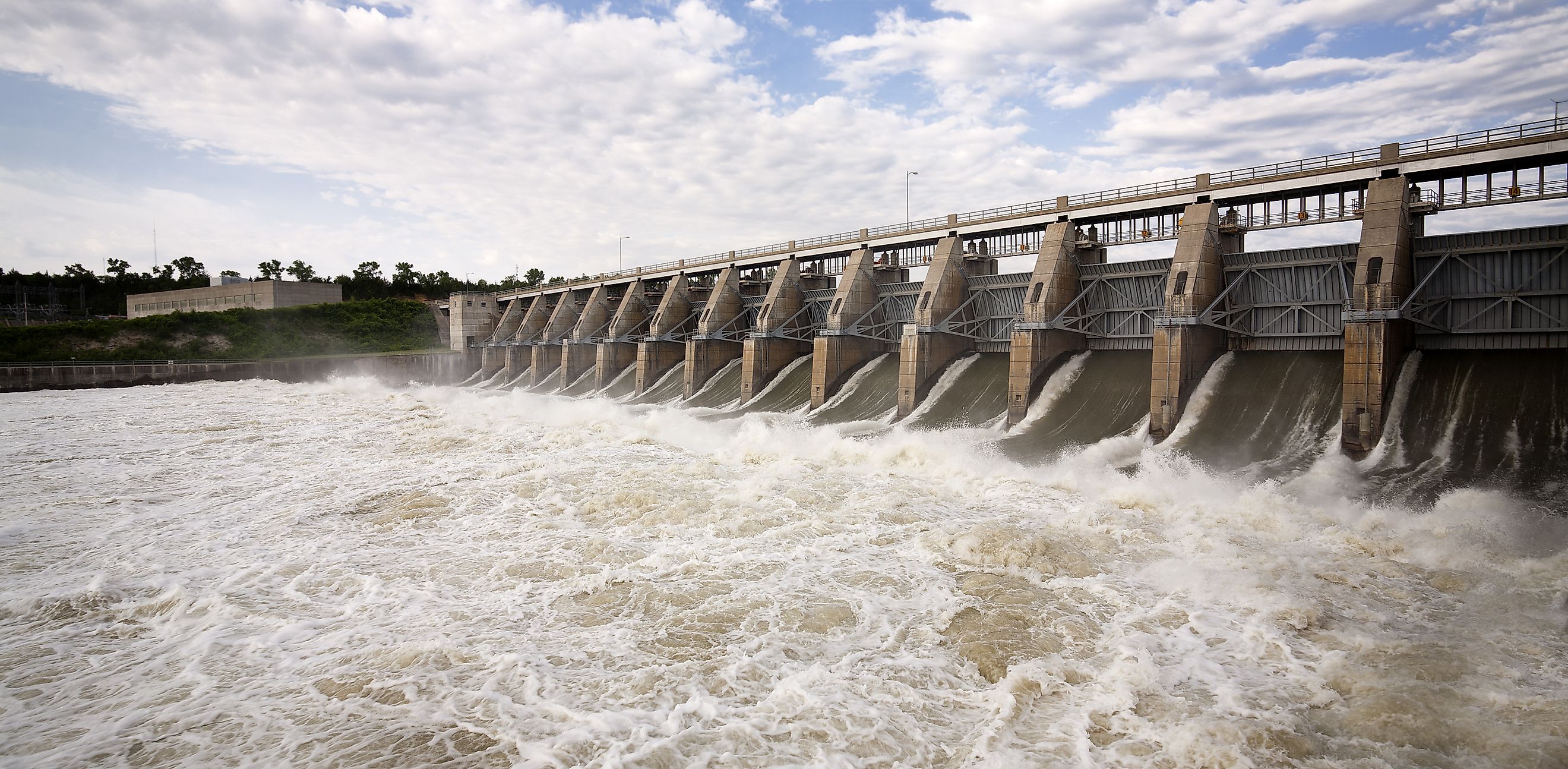
During the 19th and 20th centuries, America's rivers were harnessed to help power a growing nation. Engineers, often from the U.S. Army Corps of Engineers, and policymakers constructed thousands of dams to address urgent human demands that included flood control for growing towns and cities, securing reliable irrigation for agriculture, creating commercial barge navigation, and generating hydroelectric power to fuel the Industrial Revolution and Western expansion. When the Great Depression arrived in the 1930s, Franklin D. Roosevelt's New Deal program created thousands of jobs by building dams and other structures across the country. Today, we have a better understanding of how these projects have affected natural ecosystems, and battles between conservationists and economic parties have been ongoing for decades, while rivers like the Colorado undergo extreme pressures. The following are the six most dammed rivers and river basins in America.
Connecticut River

The Holyoke Dam on the Connecticut River's main stem is one of the oldest dams in the country, built in 1849 in the Massachusetts section of the river. It was built to divert water into an extensive network of industrial canals to power textiles, paper, and grist mills during the Industrial Revolution. Since then, numerous additional dams have been constructed along the Connecticut River's main stem. The Connecticut River watershed contains more than 3,000 dams, along with thousands of additional barriers to aquatic movement. Many of these dams were used for logging and industrial milling, but the modern main stem dams were built for hydroelectric power generation and minor flood control. The dominant dam types on the river are gravity dams and run-of-river structures. Older gravity dams were built of timber cribbing, while modern versions are reinforced concrete. While the Holyoke is the most famous dam on the river system, the Turners Falls Dam, located between Montague and Gill, Massachusetts, is known for its long industrial history, hydroelectric power generation, and its role in regional fisheries management.
Columbia River System
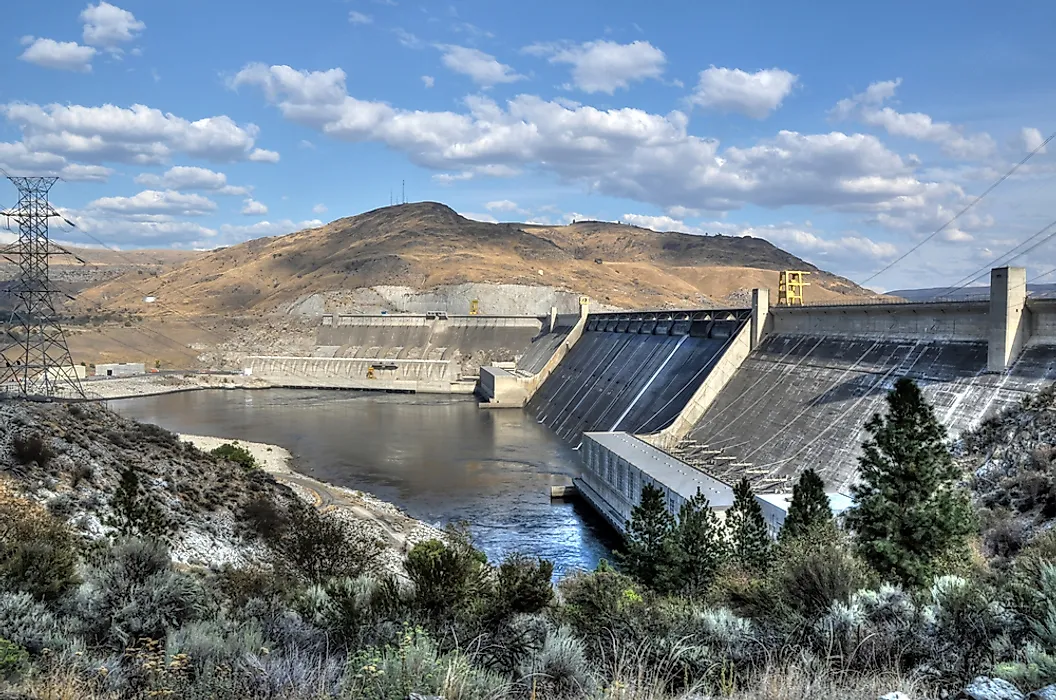
The Columbia River's main stem features a total of 14 major dams, with 11 in the US and three in Canada. Its entire watershed contains about 470 dams and is considered one of the most hydroelectrically developed and intensely managed river basins globally. The dams on the Columbia create around 50 percent of the Pacific Northwest's electricity and include massive structures like the Grand Coulee Dam, one of the largest concrete structures in the world. The Columbia's dams also allow for commercial barge navigation, inland flood control, and agricultural irrigation. Completed in 1933, the Rock Island Dam was the first major dam built on the river's main stem. It was constructed by a private utility company exclusively to capture the river's massive flow to generate electricity. Most of the dams on the Columbia are concrete gravity and combination concrete-earthfill structures.
Colorado River System
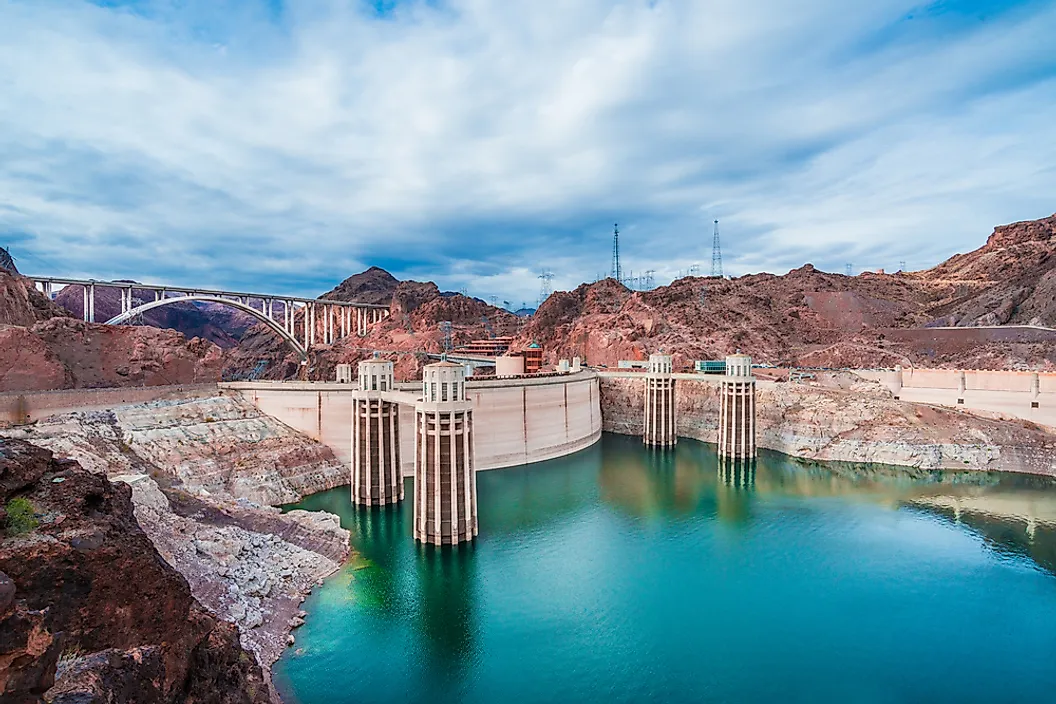
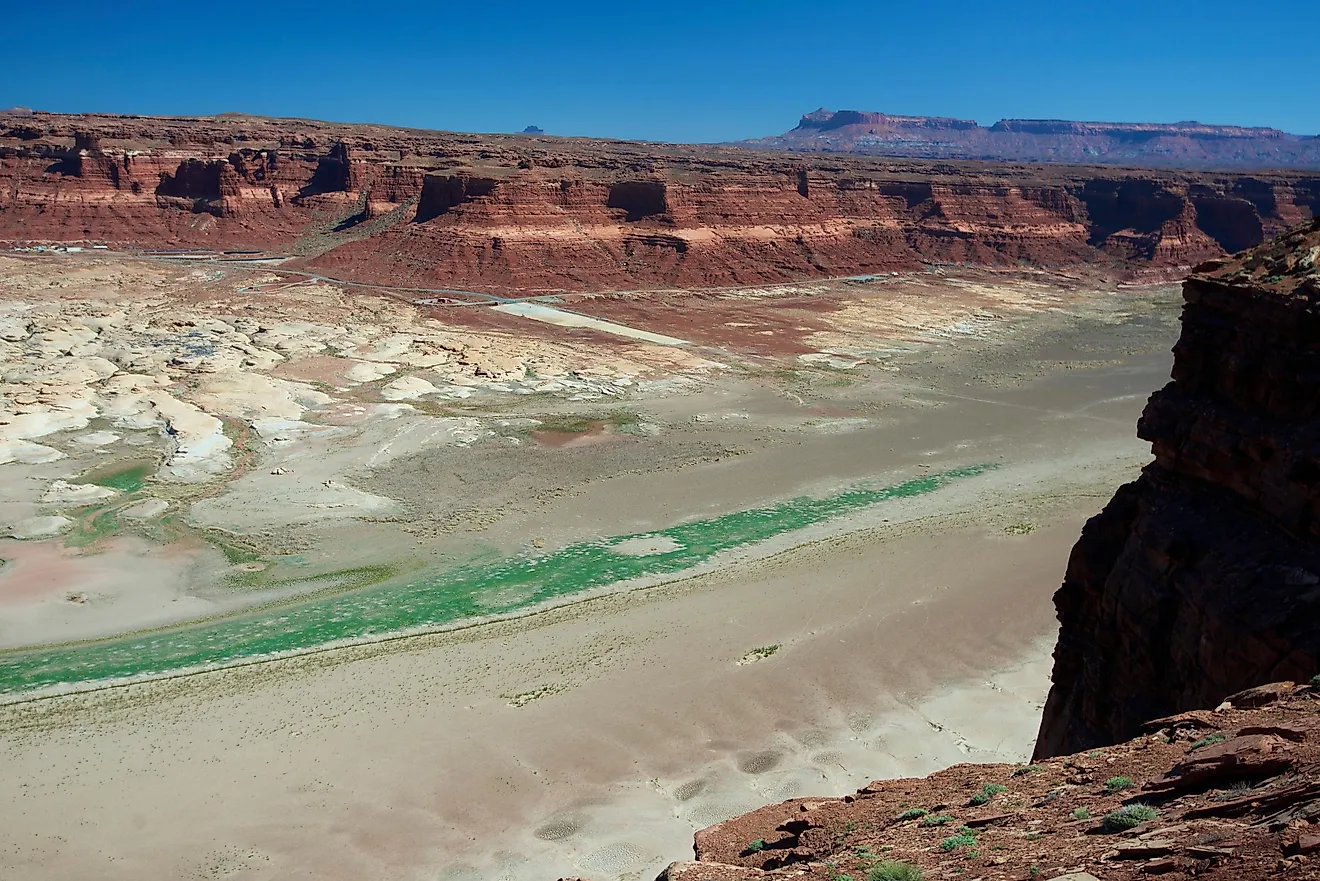
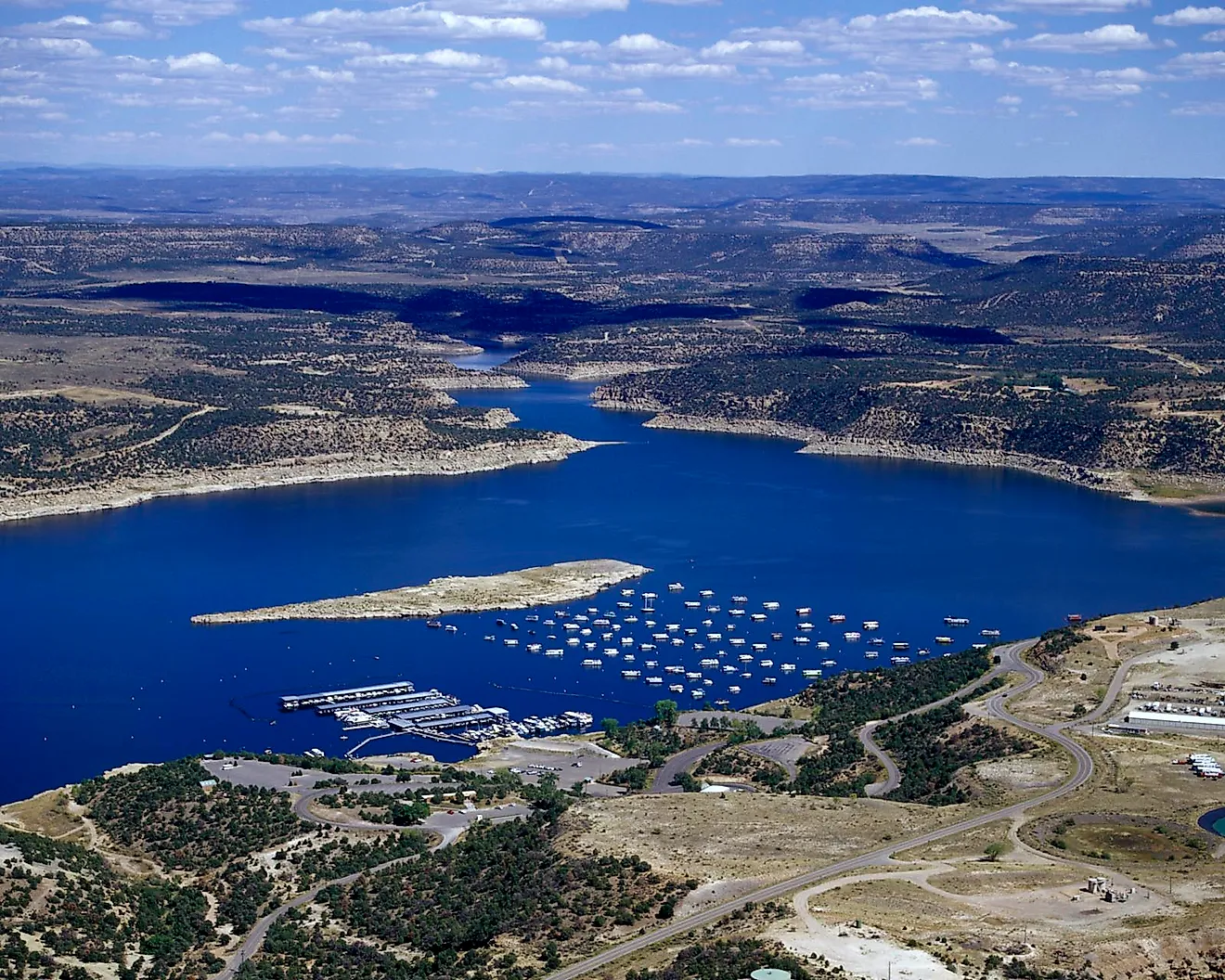
With the Hoover Dam creating Lake Mead and Glen Canyon Dam creating Lake Powell, the Colorado River system and its dams are considered the absolute lifeblood of the American Southwest. While the Colorado does not carry as much water volume as rivers like the Mississippi or Columbia, it is arguably the hardest-working river in the US because it flows through some of the most arid regions in the country. Without this river and the infrastructure built on it, the modern economy, population centers, and agricultural activity of the Western US could not exist. In total, there are eight major storage dams and seven diversion dams on the Colorado's main stem, with primary purposes including municipal drinking water storage, agricultural water storage and diversion, flood control, and hydroelectricity. The Laguna Dam, completed in 1909, was the Colorado's first main stem structure, built by the newly formed U.S. Reclamation Service to stabilize volatile water flows and divert water to farms in California and Arizona. Because of the deep canyons in which the Colorado flows, most of the dams are concrete-arch gravity structures with some rock-fill and earth-fill dams.
Snake River

The Snake River's main stem has 22 hydropower dams, although their purposes vary considerably. Some primarily generate electricity, while others play major roles in irrigation storage across southern Idaho, water diversion, and navigation, with lock systems that allow barges to travel all the way to Lewiston, Idaho. One of the oldest dams on the Snake, the Swan Falls Dam, completed in 1901, was constructed to supply electricity to nearby gold and silver mines in the Owyhee Mountains, making it one of the oldest hydroelectric plants in the American West. The Hells Canyon Complex, a series of three dams, is the most famous. Its Hells Canyon Dam, a towering concrete-gravity structure, sits along the Hells Canyon Scenic Byway and offers visitors views from within the deepest river gorge in North America on the Idaho-Oregon border. The four controversial Lower Snake River dams, Ice Harbor, Lower Monumental, Little Goose, and Lower Granite, in southeast Washington created one of the most intense, longest-running environmental and economic battles in the Pacific Northwest, featuring a dispute between ecological preservation and tribal rights versus agricultural economics and clean energy.
Missouri River

The main stem of the Missouri River is controlled by six large dams known collectively as the Missouri River Mainstem Reservoir System, built for basin-wide flood control, downstream navigation depth management, agricultural irrigation, and hydroelectric power. The Fort Peck Dam, started in 1933 under President Franklin D. Roosevelt's New Deal program, was built to alleviate ongoing and severe flooding, stabilize downstream water channels for shipping, and create thousands of public construction jobs during the Great Depression. All six dams are either hydraulic-earthfill structures or earthen embankment dams, and the Fort Peck Dam is the largest hydraulically filled earthen dam in the US. The Oahe Dam uses seven turbines to create up to 786,000 kilowatts of electrical power, making it the largest power-producing dam on the Missouri River.
Sacramento-San Joaquin River System

The lower Sacramento and San Joaquin rivers flow largely free through the Central Valley, but both are dammed in their upper reaches, at Shasta Dam on the Sacramento and Friant Dam on the San Joaquin. Their headwaters and major tributaries hold dozens more dams that capture much of the mountain runoff from the Sierra Nevada. The purpose of these dams is water storage and long-distance diversion, routing water south out of relatively wet Northern California, both to San Joaquin Valley farms through the federal Central Valley Project and to Southern California cities through the State Water Project. The oldest dam in the watershed is the La Grange Dam on the Tuolumne tributary. It was completed in 1893 to divert mountain water directly into agricultural canals for Central Valley farming. The system's Oroville Dam on the Feather River tributary is the tallest dam in the US at 770 feet, beating out the Hoover Dam by more than 40 feet. In 2017, the Oroville Dam had a spillway crisis that led to the evacuation of about 188,000 residents downstream. Engineers stabilized the damaged spillways before they could fail completely.
Dammed If You Do, Dammed If You Don't
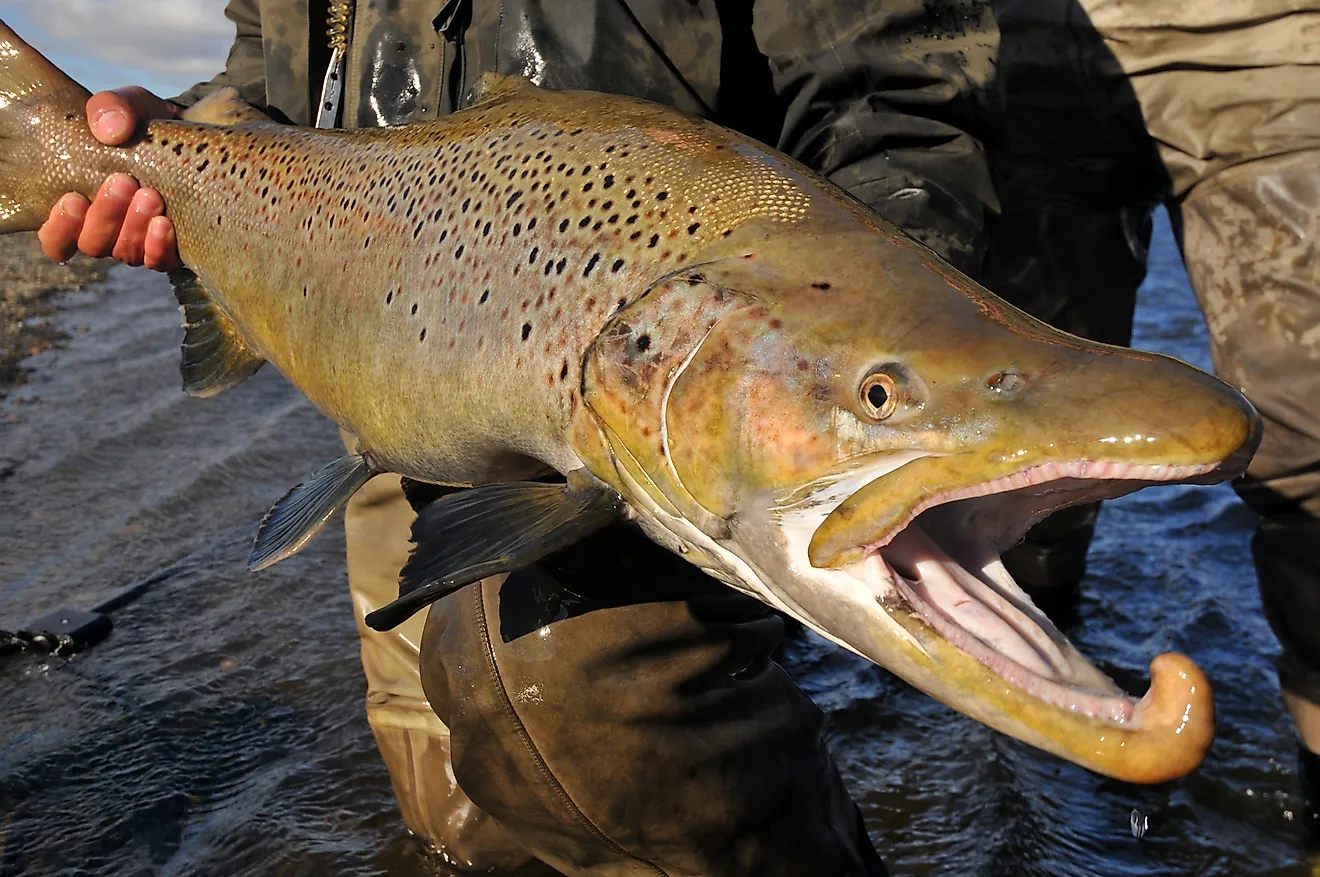
These dams built across some of America's mightiest rivers stand as a complex legacy of engineering feats that successfully reshaped local economies and secured vital resources while exacting a toll on natural resources and ecosystems. They block natural water flows, impede important fish migrations, alter downstream water temperatures, induce erosion, and lose massive amounts of water through reservoir evaporation. They also allow for agriculture where it would otherwise be impossible, provide drinking water in arid municipalities, and generate hydroelectric power. The result is a continuous balancing act between human demands and environmental preservation.