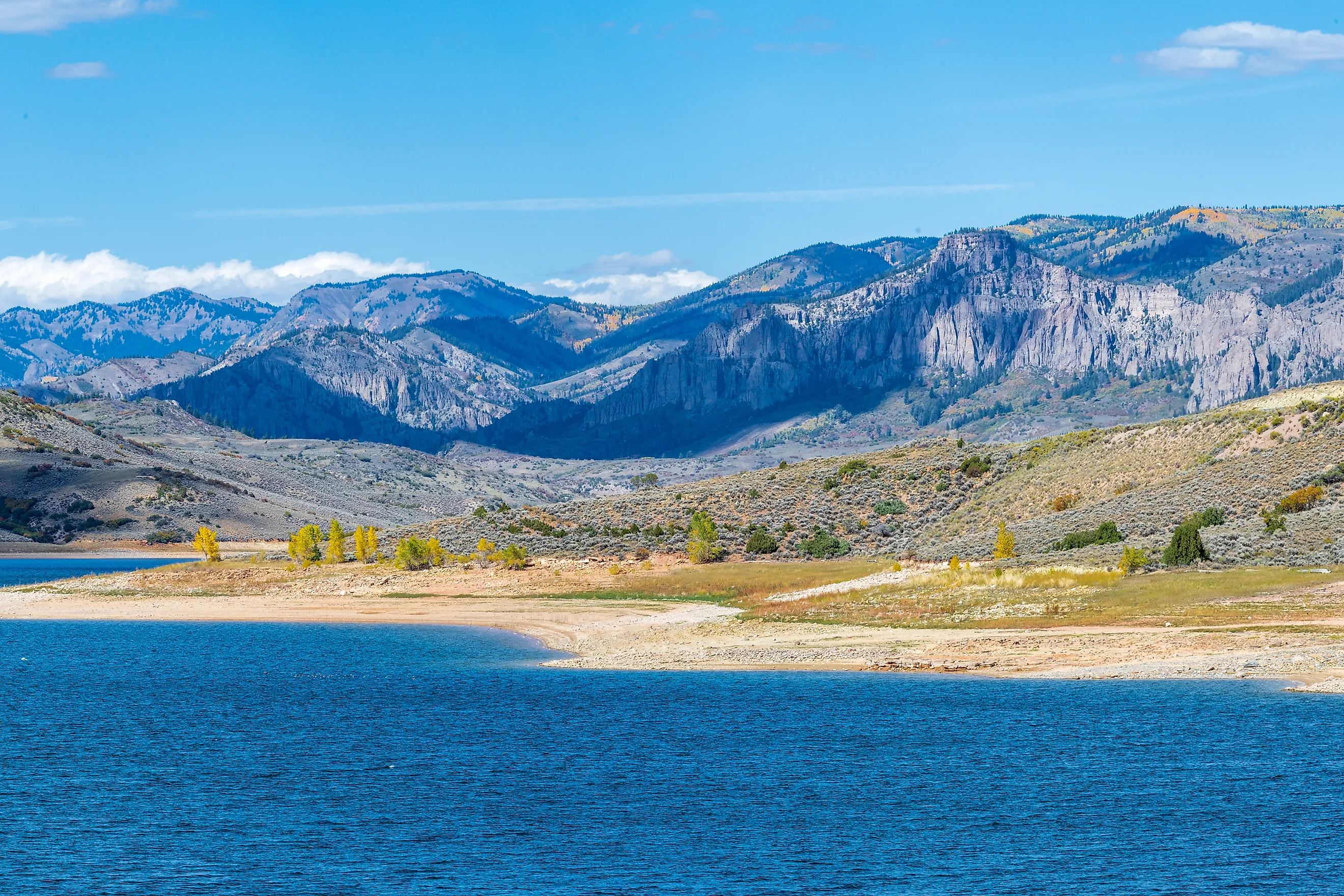
What Happens If Blue Mesa Is Drained To Save Lake Powell
To keep Lake Powell on life support, federal water managers have already reached all the way up into Colorado and drained part of the state's single largest lake, and they have done it more than once. For Blue Mesa Reservoir, it has been brutal. The amount of water involved is tiny by Colorado River standards, but Blue Mesa is small enough that it feels every single drop. Here is what actually happens when Colorado's biggest lake gets sacrificed to prop up Lake Powell.
What Blue Mesa Is

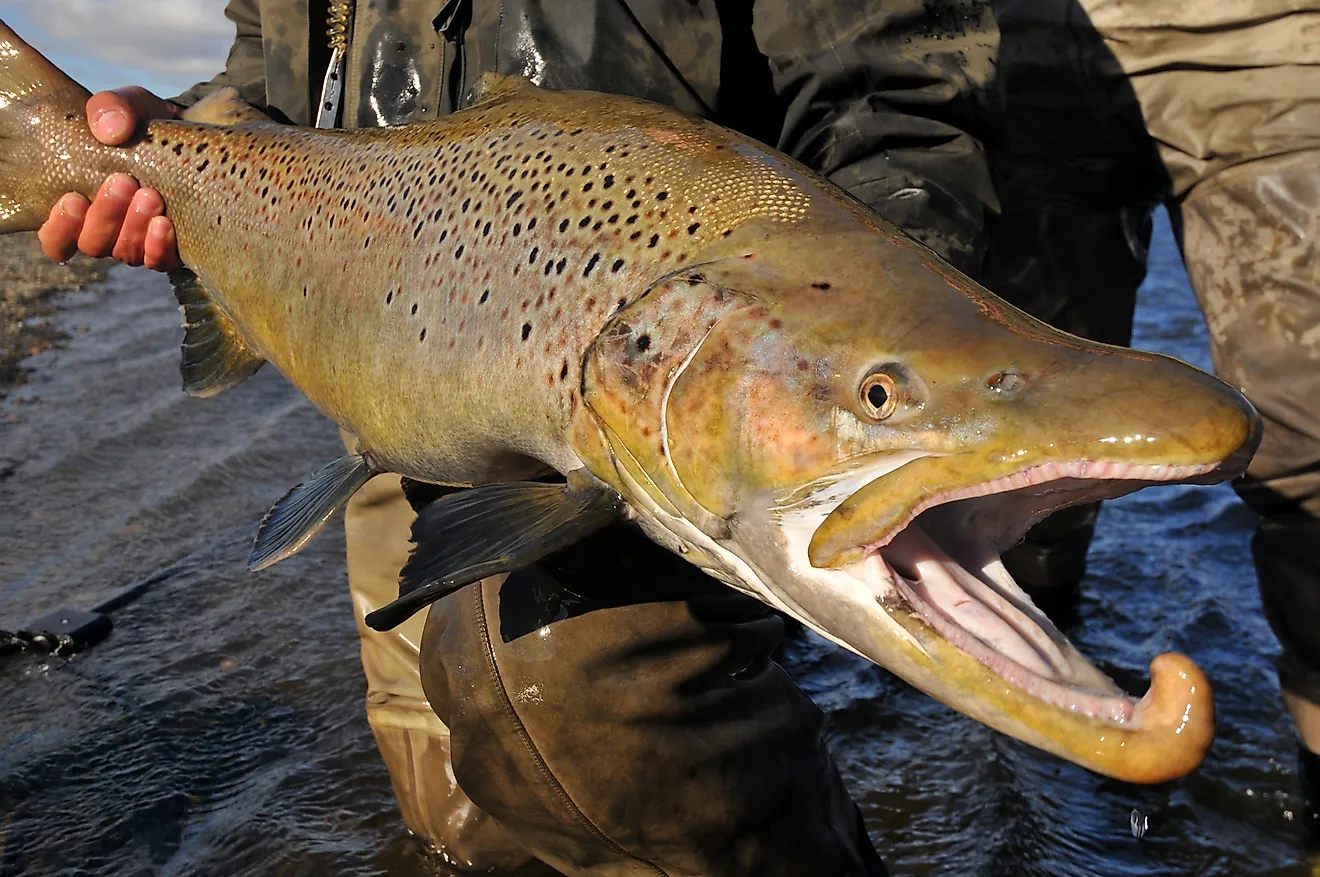
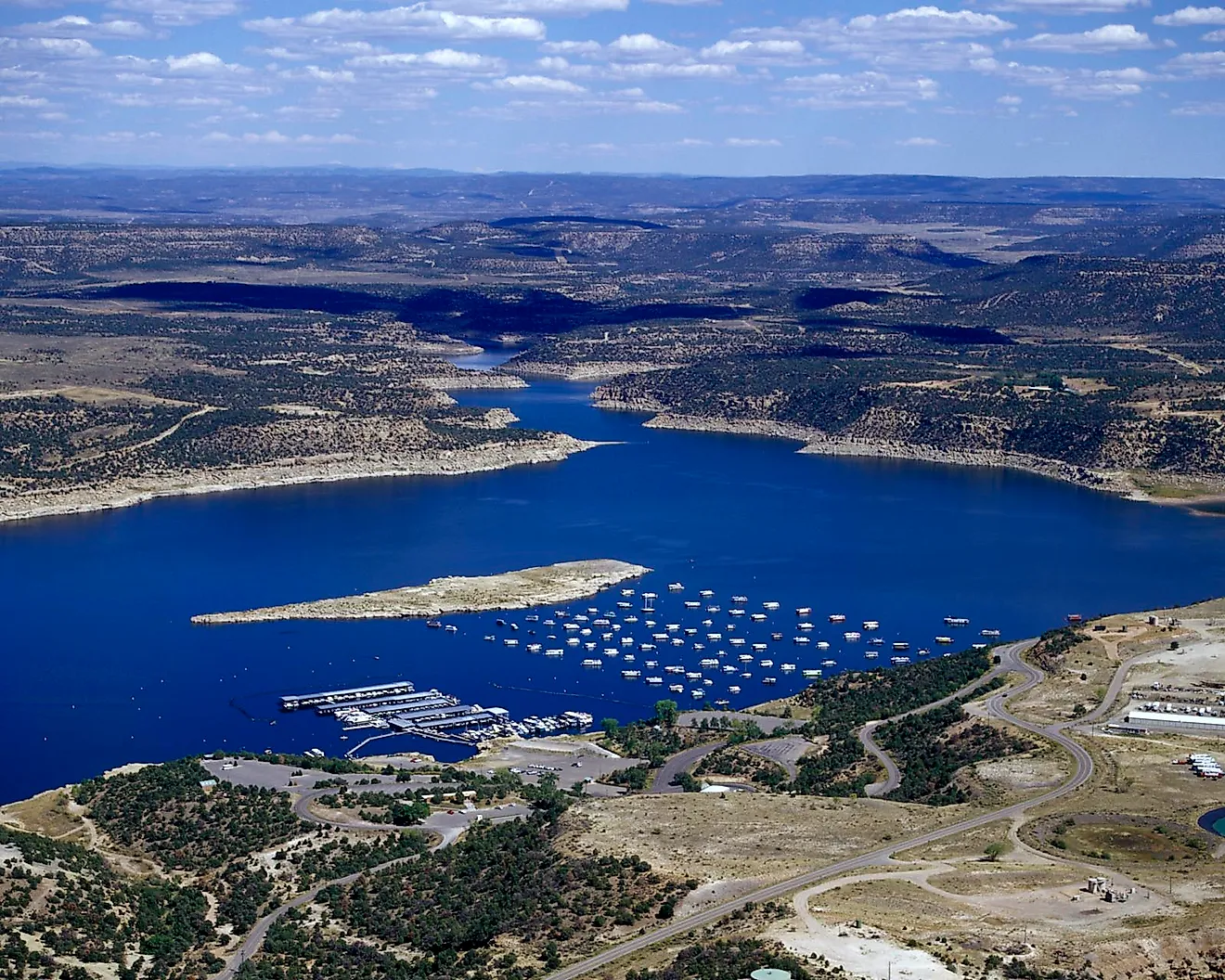
Blue Mesa Reservoir is the largest body of water in all of Colorado, formed by damming the Gunnison River high in the Rockies. It is the centerpiece of Curecanti National Recreation Area, a 20-mile-long playground of boat ramps, marinas, and campgrounds run by the National Park Service, and it is the state's premier fishery, home to Colorado's biggest populations of kokanee salmon and lake trout. All summer long, it pulls in anglers and boaters from across the region. It is also, more quietly, a single cog in a much larger machine: part of the federal Aspinall Unit, a chain of reservoirs built decades ago to help manage the Colorado River.
Why It Gets Tapped

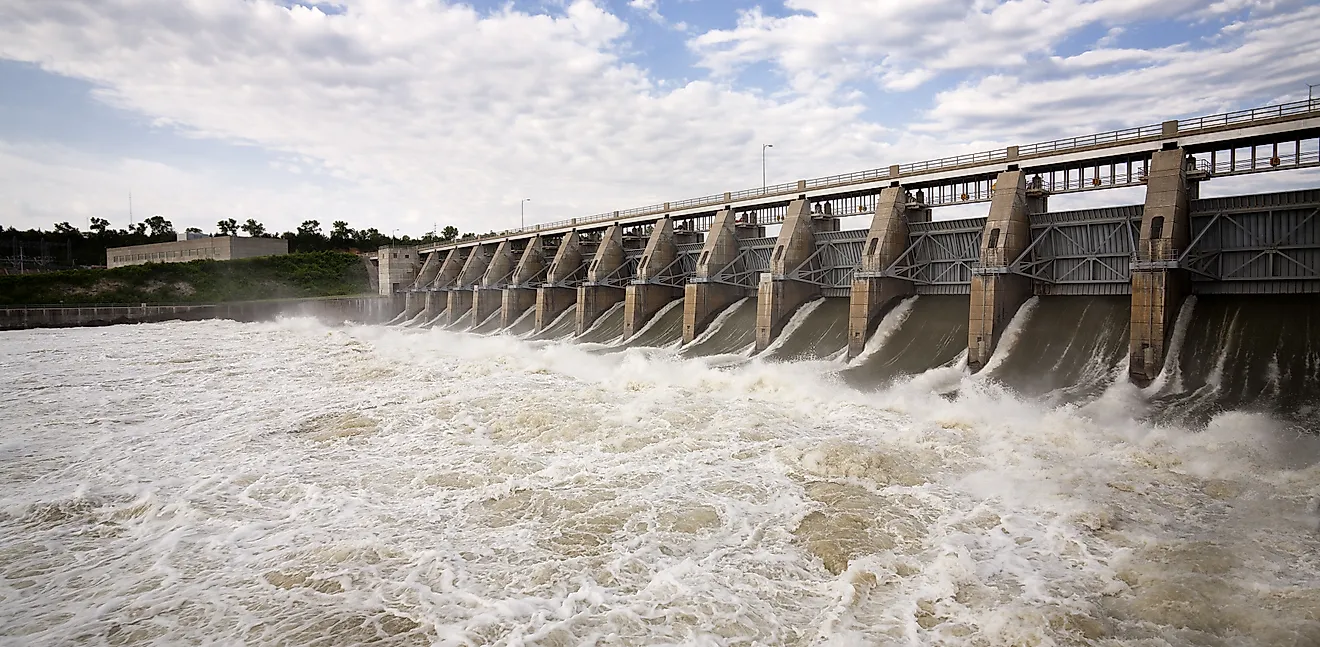
And that machine is exactly why Blue Mesa can be ordered to hand over its water. Downstream, Lake Powell has been sliding toward the level where Glen Canyon Dam can no longer generate electricity. Under an emergency plan called the Drought Response Operations Agreement, the Bureau of Reclamation can release extra water from a handful of Upper Basin reservoirs, Blue Mesa among them, sending it down the Gunnison and into the Colorado to prop Powell back up. In 2021, it did precisely that, pulling 36,000 acre-feet out of Blue Mesa over three months, alongside larger releases from Flaming Gorge in Wyoming and Navajo Reservoir.
A Small Lake Drops Fast

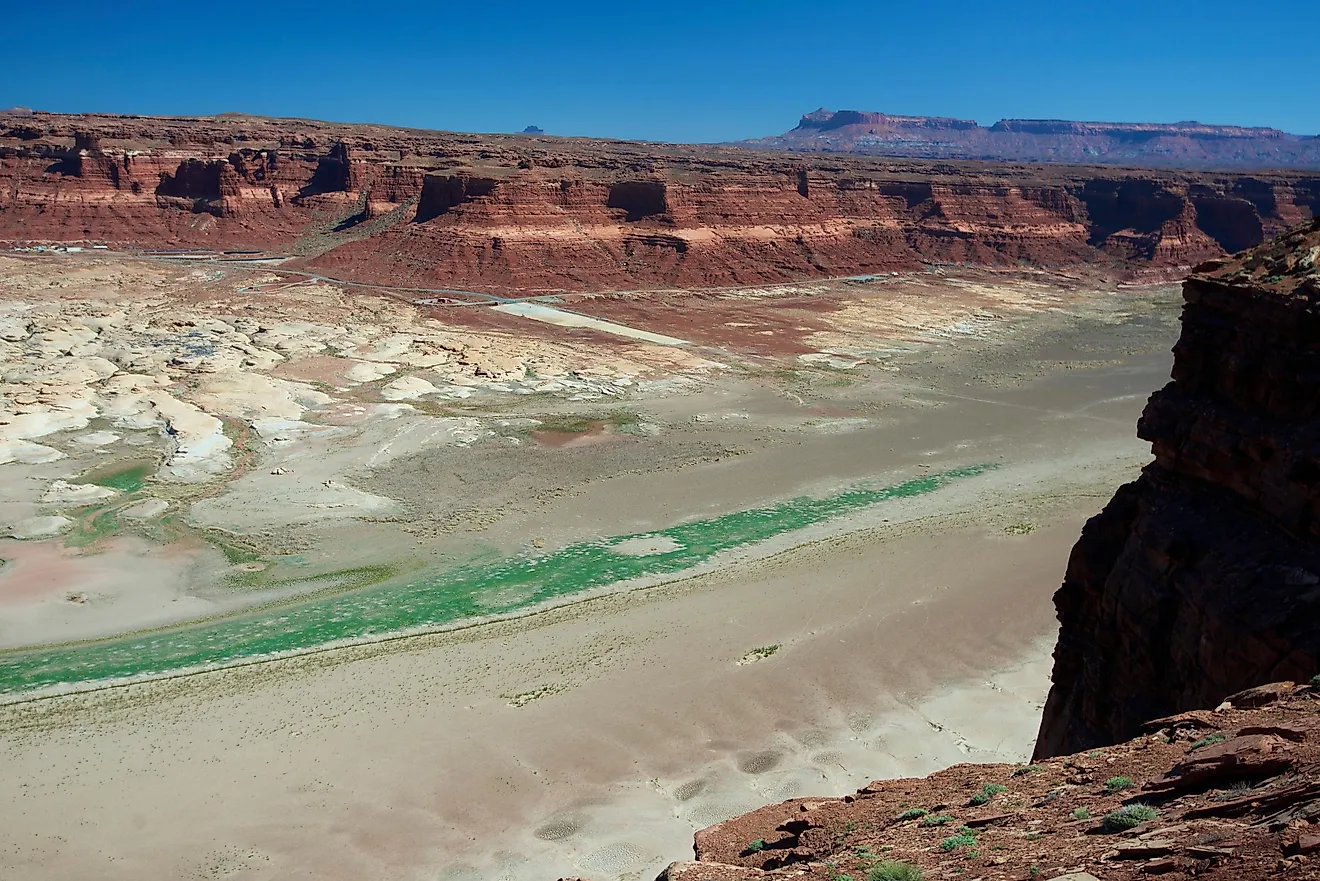
Here is the core problem: 36,000 acre-feet is a rounding error to a giant like Powell, but to little Blue Mesa it is a gut punch. The 2021 release dropped the reservoir about 8 feet almost overnight, on top of an already severe drought, shoving it to its second-lowest level ever recorded. Boat ramps were suddenly left high and dry, marinas had to drag their docks and boats out into deeper water or shut down entirely, and the recreation season ended early. And it has only grown worse since. By the fall of 2026, Blue Mesa had dropped below 20 percent full, the lowest it has ever been, with the boating season effectively finished by early July. For the Gunnison-area businesses that live on summer tourism, the effect has been devastating.
The Kokanee Pay the Price

The fishery takes a serious hit as well. Blue Mesa is not just a place people fish for kokanee salmon; it is a crucial source of kokanee eggs that Colorado uses to stock lakes and rivers all over the state. When the reservoir shrinks, the salmon have far less habitat, the annual egg take suffers, and biologists have warned of noticeably fewer fish in the years that follow. In other words, draining Blue Mesa does not just empty a lake. It quietly dents sport fishing across a big chunk of Colorado.
A Costly, Temporary Fix

Step back, and the hard truth is the same one that haunts every Colorado River emergency: draining Blue Mesa does not create a single new drop of water. It merely shifts water from one struggling reservoir to another, buying Powell a bit of time and protecting its hydropower while leaving Colorado's largest lake gutted. Officials are refreshingly blunt that it solves nothing; as one local water manager put it, keep this up and you simply end up with an empty Lake Powell and a string of empty reservoirs upstream too. To be fair, there is an upside, the extra flow does improve rafting and fishing on the Gunnison just downstream, and these reservoirs were, after all, built for exactly these kinds of drought emergencies, with recreation always a secondary use. But Blue Mesa is small and painfully slow to refill, dependent on Rocky Mountain snowpack that keeps falling short. Drain it to save Lake Powell, and the shortage is not fixed. It is just spread upstream, one of Colorado's crown jewels at a time.