The US Locks That Lift Boats The Highest
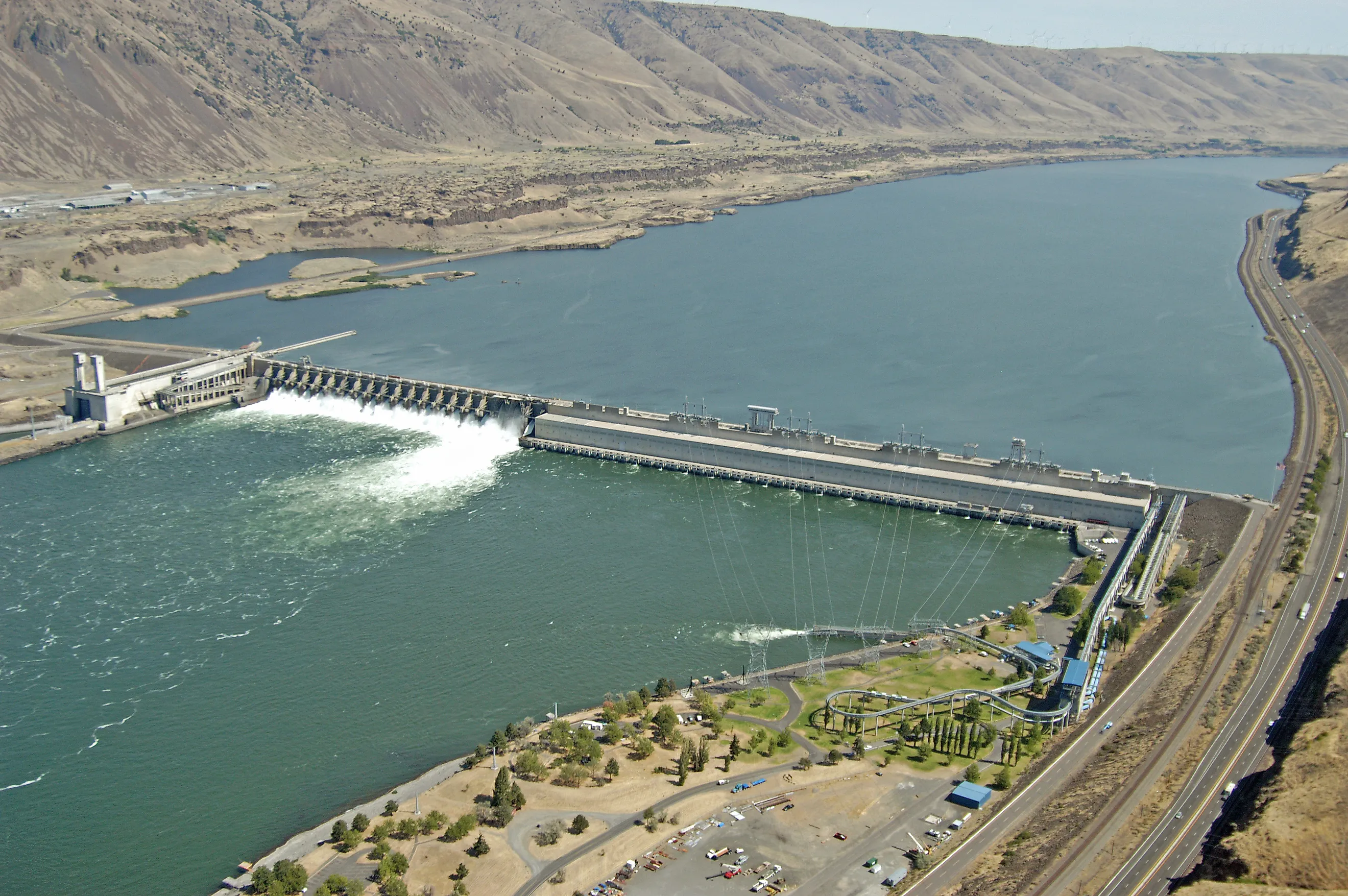
At John Day Dam on the Columbia River, a boat can rise 113 feet inside a single navigation lock. That is the greatest maximum lift of any lock in the United States, roughly the height of a ten-story building. The lock sits between Oregon and Washington, where the river has been divided into long reservoirs by enormous dams. A boat headed upriver enters a concrete chamber, waits while water raises it to the level of Lake Umatilla, and exits into the higher stretch of river.
Farther inland, locks on Washington's Snake River repeat the climb in steps exceeding 100 feet. Alabama and Mississippi have impressive lifts of their own, built for river traffic carrying freight through the American interior. Each works by moving water, with the boat floating the whole way.
John Day Lock, Oregon and Washington: 113 Feet

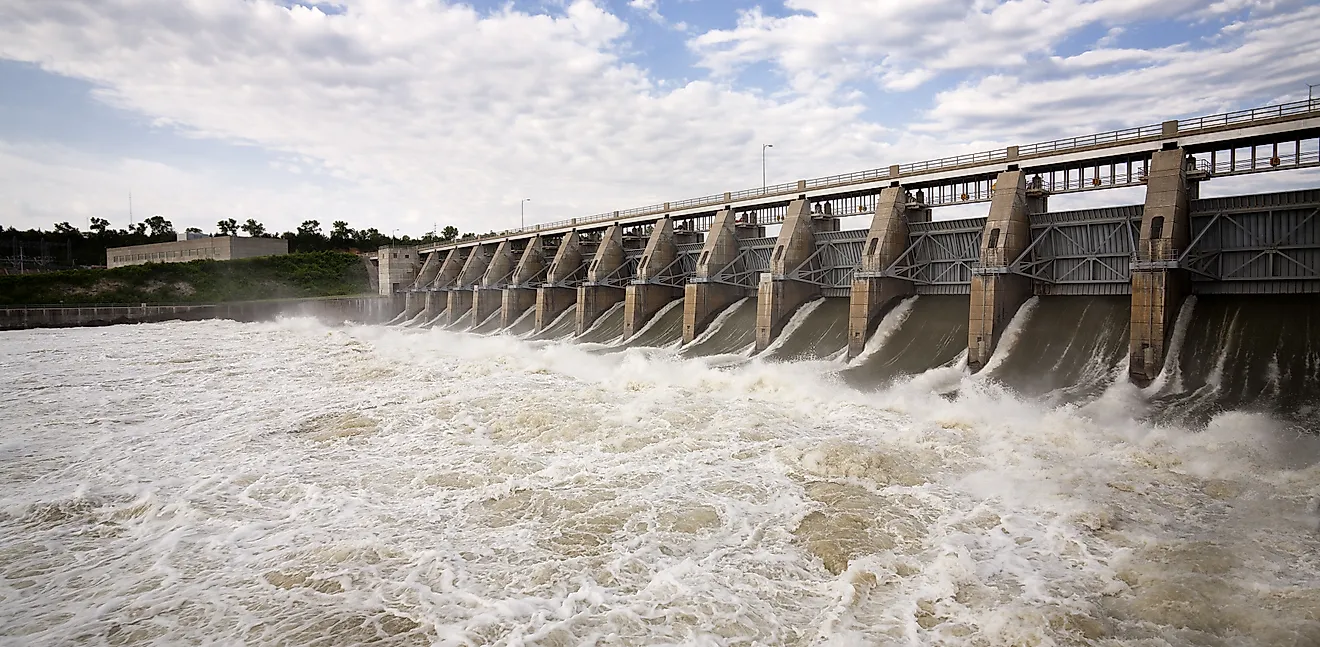
John Day's lock occupies the north side of a dam spanning the Columbia near Rufus, Oregon, about 216 river miles from the Pacific. Its maximum lift of 113 feet is the national record. The chamber accommodates long freight tows within walls 86 feet apart. Filling the lock can take about 39 minutes. The chamber walls contain concrete sections reaching about 130 feet tall. The vessel stays afloat while water enters or drains through the structure.
The dam was dedicated in 1968 and its wider construction project finished in 1971. Upstream lies Lake Umatilla, where the John Day River enters the Columbia a short distance above the dam. Recreation areas around the reservoir include LePage Park near that confluence and Plymouth Park on the Washington bank. Fish passage facilities occupy both sides of the dam, where salmon and steelhead have a separate route around the concrete barrier. Farther upstream, McNary Lock and four locks on the Snake River carry boats toward Lewiston.
Lower Granite Lock, Washington: 105 Feet

In June 1975, the sternwheeler Portland made its way through Lower Granite Lock during celebrations marking the completion of a navigable route to Lewiston, Idaho. The lock raises vessels as much as 105 feet on the Snake River. It is the final lock an upriver cargo vessel encounters before reaching the inland port, hundreds of miles from the ocean. The reservoir beyond it is Lake Lower Granite, which reaches roughly 40 miles upstream to Lewiston.
Wheat travels in the opposite direction. Grain loaded at inland terminals can move down the Snake and Columbia rivers toward Pacific export facilities without having to pass around the dams on land. In fiscal year 2021, nearly 1.5 million tons of cargo passed through Lower Granite's lock, much of it grain. The dam also has fish passage equipment and monitoring installations for juvenile salmon and steelhead traveling downstream. Its fish ladders help adults returning upriver toward spawning grounds.
Ice Harbor Lock, Washington: 103 Feet

Near Burbank, Washington, the Snake River runs into its first major navigation dam upstream of the Columbia confluence. Ice Harbor Lock can lift a vessel 103 feet in a chamber 650 feet long. Above the dam spreads Lake Sacajawea; below it, the river heads toward the Tri-Cities and its meeting with the Columbia. Commercial tows entering the Snake must clear this lock before continuing into the wheat-producing country upriver.
Ice Harbor began operating in 1962, the first of four large dams built on the lower Snake River. The dam has fish ladders and a separate system for young salmon and steelhead making their way to the ocean. The Corps has also tested turbine improvements here intended to make downstream passage less hazardous for fish. Around Lake Sacajawea, the public can reach the water at Charbonneau Park and Fishhook Park.
Lower Monumental Lock, Washington: 103 Feet

There is no large city beside Lower Monumental Dam. Wheat fields cover the hills near Kahlotus, Washington, and the Snake River occupies a broad valley cut into the plateau. Its lock matches Ice Harbor's maximum lift of 103 feet. Boats entering the chamber can rise to Lake Herbert G. West, the reservoir stretching upriver toward Little Goose Dam.
The physical changes here extended well beyond boat traffic. Lyons Ferry once carried travelers over the Snake on a cable-guided barge. That service ended as the new reservoir filled in 1969, and the modern Lyons Ferry Bridge became the nearby crossing. Farther upriver, rising water also flooded Marmes Rockshelter, an archaeological site with evidence of thousands of years of human occupation, despite attempts to protect it with a levee. Engineers built fish ladders for migrating salmon and later modified spillways to reduce excess dissolved gas that can injure fish.
Little Goose Lock, Washington: 101 Feet

Little Goose Lock sits in a sparsely populated stretch of southeastern Washington near Starbuck. Its maximum lift is 101 feet, and the pool above the dam is Lake Bryan. The surrounding Palouse country is known for wheat farming, which helps explain why a large navigation chamber exists in this remote valley.
When Little Goose's lock opened in April 1970, grain shipping quickly followed. Two terminals were built near Central Ferry on the reservoir, and about 125,000 tons of wheat moved downriver during the project's first year. The lock was originally planned farther upstream near Little Goose Island; engineers shifted its position after settling the location and water level of Lower Monumental Dam below it. At their maximum lifts, the two locks raise an upriver boat a combined 204 feet.
Wilson Lock, Alabama: Up to 100 Feet

At Florence, Alabama, Wilson Dam crosses the Tennessee River near the historic Muscle Shoals. Its main lock can raise a boat as much as 100 feet in one chamber, the largest single lift east of the Rocky Mountains. The lock is 600 feet long and 110 feet wide, built to handle large commercial tows. Wilson Lake extends upstream to Wheeler Dam, while the water below Wilson Dam belongs to Pickwick Lake.
Wilson once required two separate lifts. The original lock complex dates to the 1920s, but a larger single-lift chamber opened in 1959. The older auxiliary system still has two smaller chambers, a useful backup when the main lock needs attention. That happened in September 2024, after inspections revealed damage to the main gates. Barges relied on the slower auxiliary route while crews worked on repairs, and the main chamber reopened in July 2025.
The Dalles Lock, Oregon and Washington: About 90 Feet

The Columbia once rushed through narrow basalt passages near The Dalles, Oregon. That stretch included Celilo Falls, a major Indigenous fishing place before construction of The Dalles Dam submerged it in 1957. Today boats use a navigation lock on the Washington side of the river to negotiate a lift of about 90 feet. The water above the dam forms Lake Celilo, extending upstream toward John Day Dam.
A lockage typically takes roughly half an hour, while fish use their own passage facilities at the dam. For people on shore, the engineering is easier to understand at The Dalles visitor center, where exhibits explain the dam's operation and its effects on the river. At nearby Celilo Park, Native fishermen still use traditional fishing platforms on the Columbia. The falls and historic fishing grounds remain beneath the reservoir.
Jamie Whitten Lock, Mississippi: 84 Feet

Near Dennis, Mississippi, Jamie Whitten Lock drops vessels 84 feet at the northern end of the Tennessee-Tombigbee Waterway. The dam creates Bay Springs Lake, and north of it a deep excavated canal links the waterway with the Tennessee River near Pickwick Lake. Much of this connecting route was cut through dry land to create a navigable passage toward the Gulf of Mexico.
The lock was originally called Bay Springs Lock. Its chamber uses culverts beneath the floor to distribute water while boats rise or descend, limiting the turbulence that could push vessels against the walls. Construction of the surrounding waterway linked the Tennessee and Tombigbee river systems, with ten locks along the full route. The chamber is 600 feet long, and Bay Springs Lake is also used for recreational boating.
McNary Lock, Oregon and Washington: 83 Feet

McNary Dam occupies the Columbia River near Umatilla, Oregon, where the broad water of Lake Wallula backs up toward the Snake River confluence. Its lock has a maximum lift of 83 feet. This is where barges coming down the Snake join traffic already following the Columbia toward the Pacific. Wheat from inland terminals is a major part of that movement, alongside other freight carried by river.
The dam's role is visible off the shipping channel as well. McNary has fish ladders and facilities that help young fish pass downstream; its visitor facilities include a fish-viewing room. On the reservoir, boat launches and shoreline recreation areas give anglers and local families access to Lake Wallula. The lock is built into a dam that also produces hydroelectric power, sharing the river with activities as different as salmon migration and a weekend fishing trip. Nearby McNary National Wildlife Refuge protects wetlands used by migratory birds along the Columbia.
On the Columbia and Snake rivers, the biggest lock lifts occur in a linked chain. A barge traveling inland gains elevation one chamber at a time before arriving near Lewiston, with John Day providing the single greatest rise. Each dam holds the river at a different level, so the surrounding reservoirs have become part of the route as much as the locks themselves. These dams also require extensive fish-passage facilities for salmon and steelhead. At The Dalles, Lake Celilo submerged Celilo Falls, although Native fishing continues nearby along the Columbia. Wilson and Jamie Whitten carry the same basic engineering idea into the Tennessee and Tombigbee waterways, where cargo moves through Alabama and Mississippi. In every chamber, the boat stays at the water's surface while the chamber fills or drains until it reaches the level of the water beyond the gates.