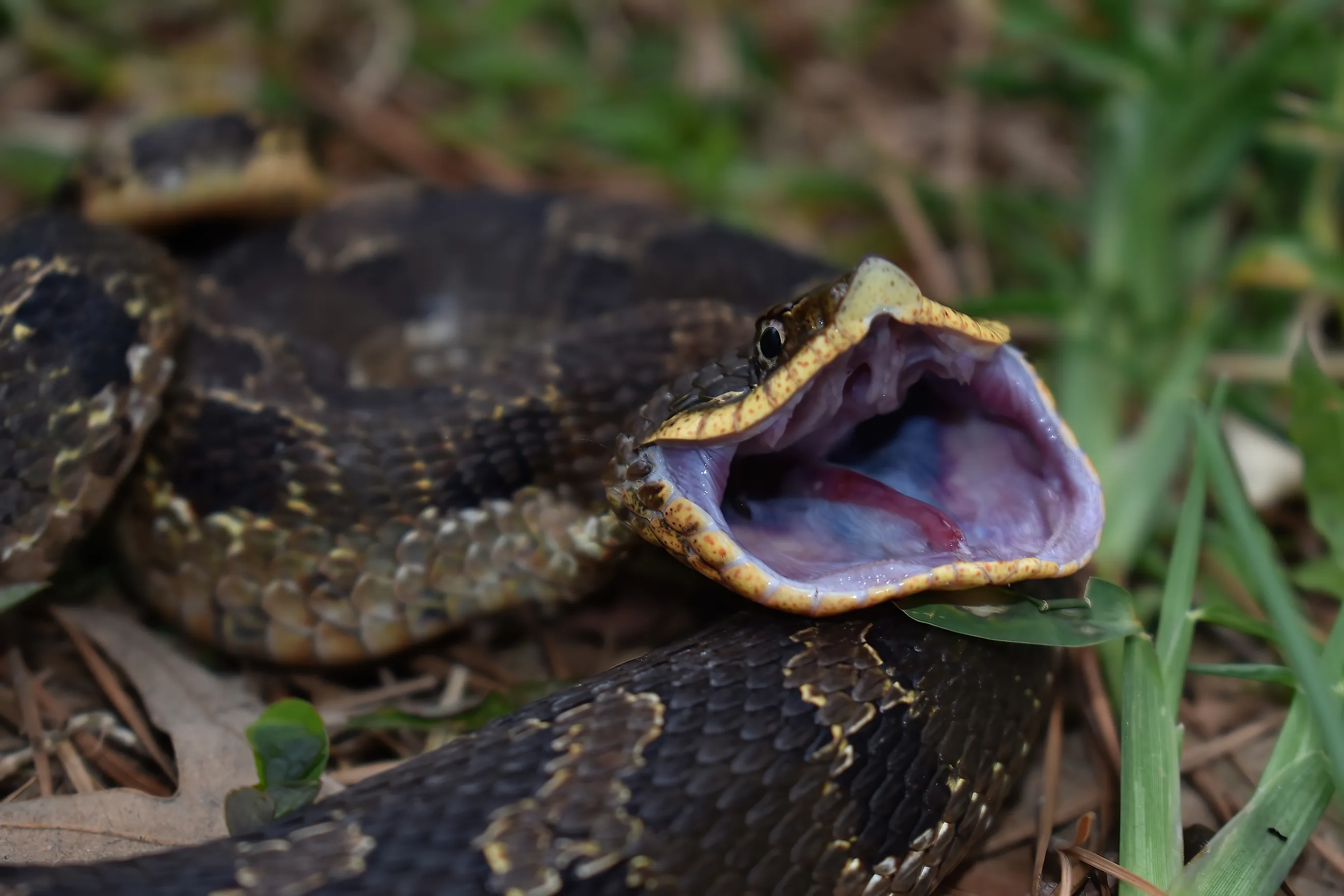
Hognose Snake
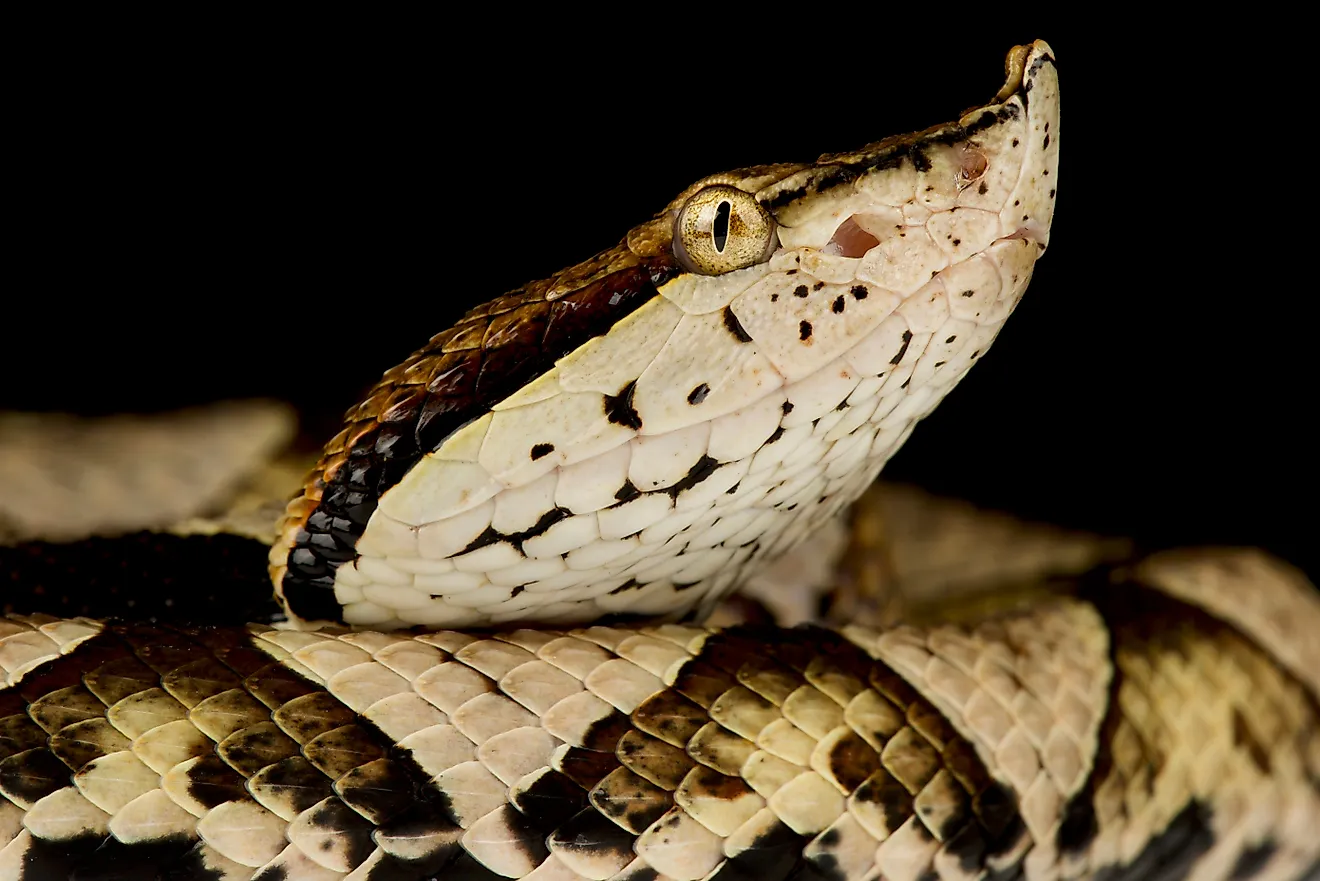
Hognose snakes (Heterodon) are a small genus of nonvenomous snakes native to North America. They are best known for their distinctive upturned snouts, which are adapted for digging in loose soils as they search for prey and shelter. Members of this genus are also recognized for their unusual defensive behaviors, including flattening their heads, hissing, and even “playing dead” when threatened. Despite their harmless nature to humans, they are often mistaken for venomous snakes, which contributes to unnecessary killing. Hognose snakes occupy a wide range of habitats, from sandy prairies and grasslands to woodlands and coastal plains, and play an important ecological role in controlling amphibian populations, especially toads.
Taxonomic Classification

The genus Heterodon consists of five species of North American, nonvenomous snakes commonly known as hognose snakes. Taxonomically, hognose snakes are classified within the Kingdom Animalia, Phylum Chordata, Class Reptilia, and Order Squamata. They belong to the Family Colubridae and Subfamily Dipsadinae, with Heterodon serving as the genus designation. The five recognized species within this genus are the dusty hognose (Heterodon gloydi), Mexican hognose (Heterodon kennerlyi), western hognose (Heterodon nasicus), eastern hognose (Heterodon platirhinos), and southern hognose (Heterodon simus).
Physical Description

Hognose snakes (Heterodon) are characterized by their distinctive upturned snouts, stout bodies, and relatively slow movements compared to many other snake species. Their coloration is typically tan or light brown, with darker blotches running along the back and sides that provide effective camouflage in their natural habitats. Sexual dimorphism is common within the genus, with females generally growing larger than males. The eastern hognose (Heterodon platirhinos) and western hognose (Heterodon nasicus) are particularly notable for their heavy-bodied appearance and blotched patterns, typically reaching lengths between 15 and 20 inches. The southern hognose (Heterodon simus) is somewhat smaller, attaining a maximum length of about 24 inches. These physical characteristics, especially their unique snouts and robust bodies, make hognose snakes easily recognizable among North American snake species.
Range and Habitat

The dusty hognose snake (Heterodon gloydi) is a terrestrial species found in parts of Illinois, Kansas, Missouri, Oklahoma, and Texas. It inhabits a variety of environments, including mixed woodlands, grasslands, dry sandy prairies, and the edges of water bodies. This adaptable snake is also found in oak-hickory-pine woodlands, cordgrass prairies, and marshlands. These diverse habitats provide shelter, suitable nesting sites, and access to the prey needed for its survival.
The Mexican hognose snake (Heterodon kennerlyi) is distributed across southeastern Arizona, southern New Mexico, southern Texas, and northern Mexico, where its range extends from northeastern Sonora east to Tamaulipas and south to Aguascalientes and western San Luis Potosí. This terrestrial species is highly adaptable and occupies a wide variety of habitats, including shrublands, chaparral, grasslands, deserts, sand dunes, mesquite grasslands, thorn scrub, and sandy or gravelly prairies. It is frequently found near floodplains, streams, arroyos, and temporary rain pools, as well as in riparian woodlands, dry mountain canyon bottoms, and cultivated agricultural lands.

The western hognose snake (Heterodon nasicus) is found across a broad range in North America, including the southern areas of the Canadian provinces of Alberta, Manitoba, and Saskatchewan, as well as numerous U.S. states such as Texas, New Mexico, Kansas, Nebraska, Oklahoma, and South Dakota. This terrestrial species inhabits grasslands, prairies, sandhills, and areas with sandy or gravelly soils. It is also commonly found in river floodplains, wide valleys, bajadas, croplands, hedgerows, semiagricultural regions, and along the margins of irrigation ditches.
The eastern hognose snake (Heterodon platirhinos) is the most widely distributed species within the genus Heterodon. Its range extends across much of eastern and central North America, including Ontario in Canada and numerous U.S. states from New England to the Southeast and westward to Colorado, New Mexico, and Oklahoma. This terrestrial species occupies a variety of habitats, including openly wooded upland hills, forest edges, fields, woodland meadows, prairies, forest-grassland transition zones, sand plains, barrier islands, and fire-managed pinelands. It is also commonly found in river valleys and riparian areas, particularly in locations with loose, sandy soils and abundant amphibian prey.

The southern hognose snake (Heterodon simus) is found in the southeastern United States, including Alabama, Florida, Georgia, Mississippi, North Carolina, and South Carolina. Its range is concentrated within the Coastal Plain, extending from eastern North Carolina south to central peninsular Florida and west to the Florida Panhandle. This terrestrial species inhabits open, dry environments with well-drained sandy soils, including sand ridges, coastal dunes, pine flatwoods, mixed oak-pine forests, old fields, and river floodplains.
Food

Hognose snakes (Heterodon) are carnivorous reptiles with diets that are generally similar across the different species. They primarily feed on amphibians, especially frogs and toads, with toads making up the largest part of their diet. In addition to amphibians, hognose snakes may consume lizards, other snakes, reptile eggs, birds, insects, and small mammals. Their varied diet allows them to adapt to a range of habitats and available prey sources.
Physical Description and Behavior

Hognose snakes (Heterodon) are known for their distinctive behaviors and defense mechanisms. Their upturned snouts are used for digging in loose soil while searching for shelter. When threatened, they often flatten their heads and necks, hiss loudly, and make striking motions, although they rarely bite. If these displays fail to deter a predator, they may resort to an elaborate death-feigning behavior, rolling onto their backs, writhing, and hanging their mouths open with their tongues out. Hognose species brumate (similar to hibernation) for two to three months in the winter and are most active during late spring and fall.
Reproduction

Hognose snakes lay their eggs underground, typically in clutches ranging from about 15 to 27 eggs, although clutch size varies by species. Females are selective about nesting sites, choosing locations that help regulate temperature, since eggs are highly sensitive to environmental conditions. Warmer nests often produce larger, more developed offspring with higher chances of survival. The Eastern Hognose (Heterodon platirhinos) lays between 8 and 40 eggs from May to August, with incubation lasting 39 to 65 days, and juveniles usually reach maturity by their second year. The Southern Hognose (Heterodon simus) lays smaller clutches of 6 to 13 eggs, and females typically mature at 2 to 3 years of age.
Ecological Importance

Hognose snakes play an important ecological role by helping to control toad populations, as toads make up a large part of their diet. Through this predation, they help maintain a balance within local ecosystems. In addition, during hibernation, they dig small burrows in the soil, which helps loosen and aerate the ground. This activity can improve soil structure and promote better water and air movement through the soil, benefiting the surrounding habitat.
Threats
Human activity plays a significant role in hognose snake mortality, largely due to fear and misidentification, as these snakes are often mistaken for venomous rattlesnakes because of similar scale patterns and defensive behaviors. Pollutions, pesticides, and vehicular deaths also threaten these snakes. Conservation status varies among Heterodon species and is based on factors such as range size, population trends, and threats. Species may be classified as imperiled, indicating a high risk of extinction due to restricted range or severe declines; vulnerable, meaning a moderate risk; apparently secure, with generally stable populations but some concerns; or secure, indicating a very low risk of extinction. The western and eastern hognose are both considered secure. In contrast, the southern hognose is classified as vulnerable.
Hognose snakes are unique, nonvenomous reptiles that play an important role in North American ecosystems. Their specialized adaptations, such as upturned snouts and dramatic defensive behaviors, help them survive in a wide range of habitats. By primarily feeding on amphibians, especially toads, they help maintain ecological balance. Although some species face conservation concerns due to habitat loss and human persecution, continued education and conservation efforts can help ensure their long-term survival in the wild.