The Tribes That Hold the Oldest Colorado River Water Rights In The US
Colorado, New Mexico, Utah and Wyoming, known as the Upper Basin states, have opposed a deal that would bring Colorado River water to the Native American communities in northern Arizona.
The Navajo Nation, the Hopi Tribe, and the San Juan Southern Paiute Tribe all sit primarily within northeastern Arizona and were all part of the largest tribal water rights settlement in the US before four surrounding states opposed it.
The settlement is only one part of a much bigger problem within the western United States where the battle over the rights of the Colorado River are not only being heavily debated between the states but within the federal government itself.
The Settlement That Could Change Everything

The Northeastern Arizona Indian Water Rights Settlement Act is currently awaiting passing which would resolve the Colorado River rights claim and provide $5 billion from federal funding to build water transportation infrastructure to the reservations.
Even with the secured federal funding, the tribes would need pipes, pumps, and treatment plants to use the secured water. With their plans to lease some of their water rights to growing towns around Phoenix for a set number of years in exchange for the funds needed, it has created unrest that the upper basin refuses to allow.
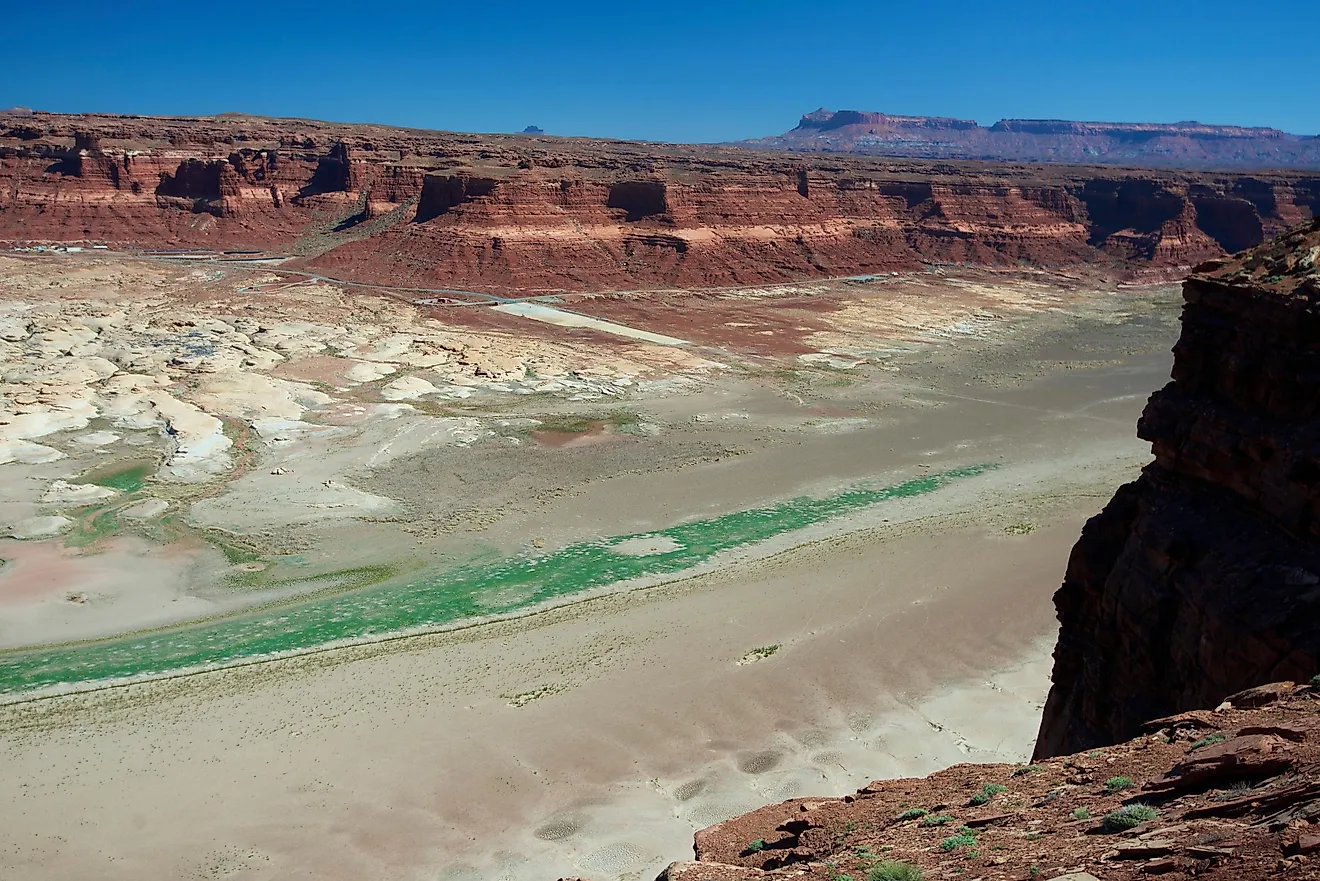
Despite both the Navajo and Hopi tribes having compromised on the volume of water and the length of time that it could be leased, even offering to leave some of their water in depleted reservoirs to keep levels high enough to keep it flowing downstream, the Upper Basin states don't agree.

The states argue that the water might be leased on the open market, saying that any monetary transaction might open up bids from thirsty cities like Los Angeles, Phoenix and Las Vegas to buy vast quantities of the tribes water and could set a precedent.
The Lower Basin states of Arizona, California and Nevada have shown their support for the settlement.
While waiting for the negotiations to finish, the tribes are waiting on water that would help them build more housing, grow sustainable economies, protect their public health, and preserve cultural practices.
How This Affects The Tribes

Tribal water rights have been recognized since 1908, when the Supreme Court's decision in Winters v. United States established that reservations hold rights senior to every state's allocation on the river.
According to the Colorado River Water Users Association, the Navajo Nation approximates that one in three households haul water to meet their daily needs. They continue to battle the Upper Basin governments to secure a deal that would provide them with a certain amount of treated water from the Colorado river.

Some members of the Hopi Tribe have described their experience with retrieving water as a five mile trek consisting of loading five gallon buckets into their trucks and drawing untreated water from underground sources from mills previously used for livestock.
The San Juan Southern Paiute tribe are the only federally recognized tribe in Arizona that does not have a reservation but with this new act, it would validate a treaty with the Navajo people, creating 5,400 acres inside the Navajo Nation boundaries.
Part of a bigger problem
The tribes denial is a casualty of a much bigger problem on a state level. The seven states are currently in a heated battle over new rules that would govern the distribution of Colorado River, a key source that supplies around 40 million people with water.
A new plan from the Trump administration would have the three downstream states of Arizona, Nevada, and California seeing a cut of up to three million acre-feet per year, roughly 40 percent of the Lower Basin's allotment. This plan does not cut any supply to the Upper Basin states.
However, the 1922 Colorado River Compact, which is currently being used today, was a written overestimate of how much the water river would actually produce and did not take into account the record low levels that have been recorded.
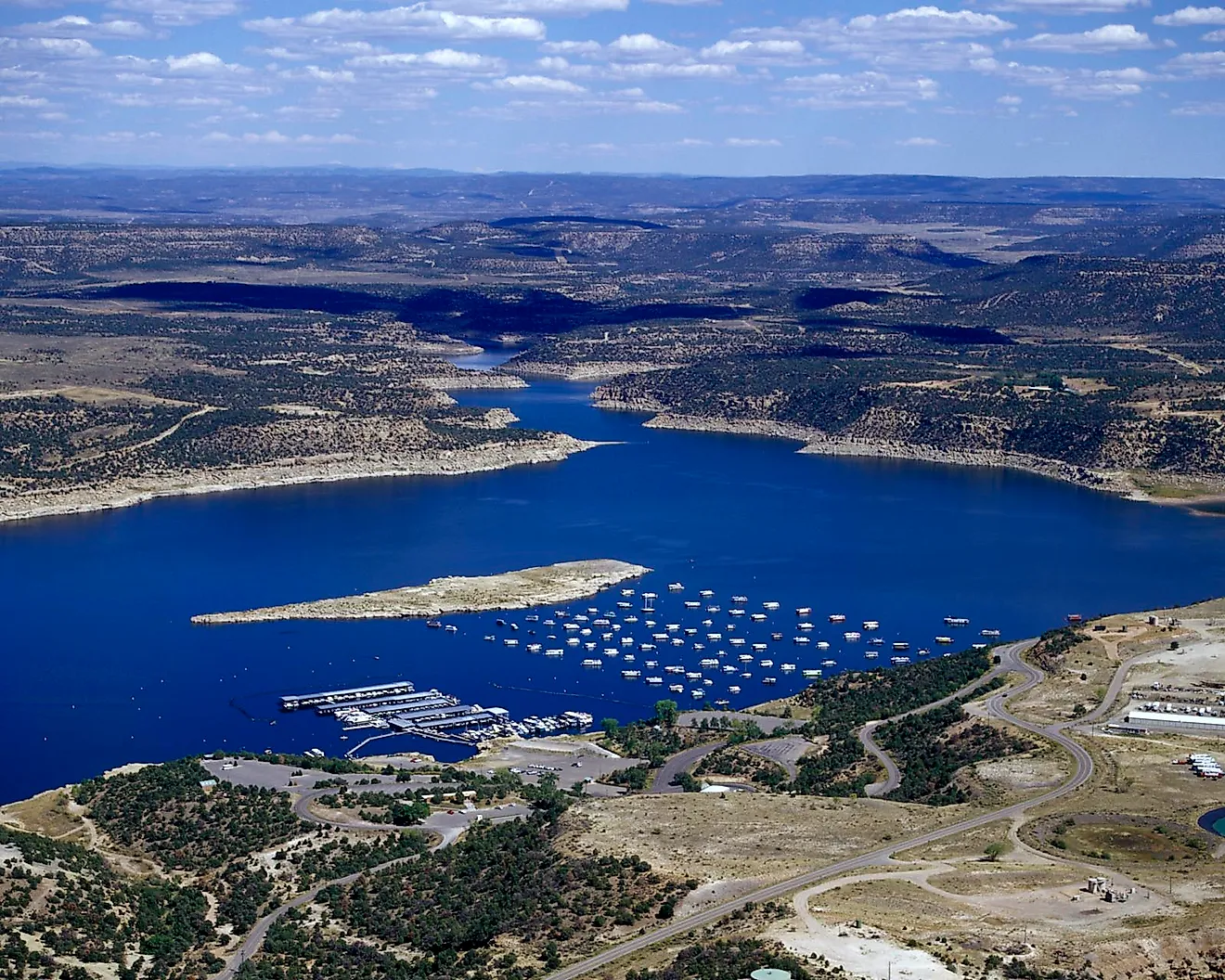
Due to climate change, drought and intense usage that supplied water for an estimated 40 million people and five million acres of farmland from the Rocky Mountains to northern Mexico, the Lake Mead reservoir sits at 27 percent capacity while Lake Powell at 22 percent.