The Greatest Military Innovations From The Ancient World
The ancient world continues to influence our own. Even thousands of years later, its history contains important lessons. The military is perhaps one of the most significant areas in this regard. Ideas such as the Greek phalanx or Hannibal's double encirclement of a far larger Roman army at Cannae show how organization and tactics could overcome sheer numbers. While the way we fight wars is completely different from that of the Romans or Greeks, their greatest military innovations continue to shape our understanding of armed conflict.
The Greek Hoplite Phalanx

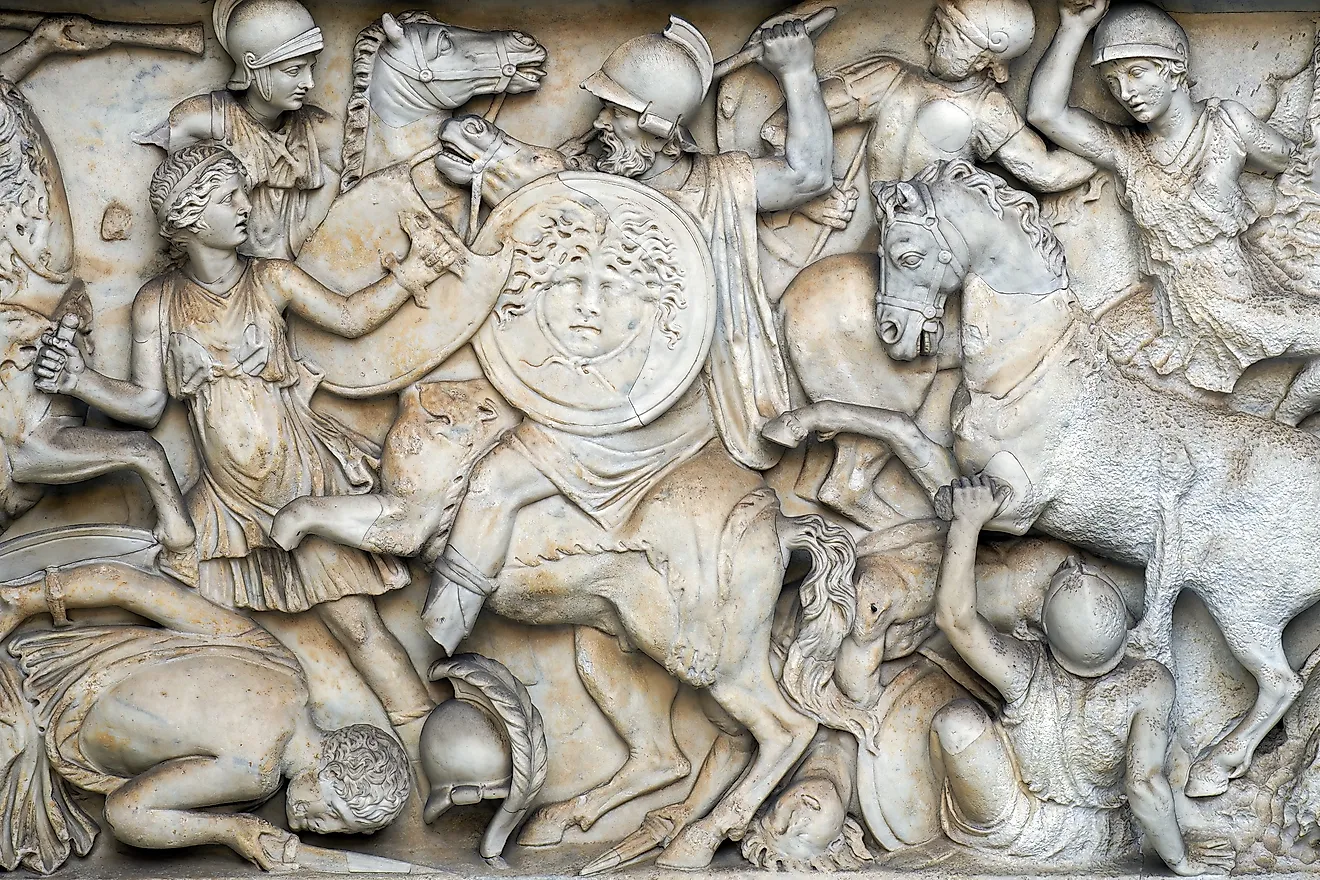
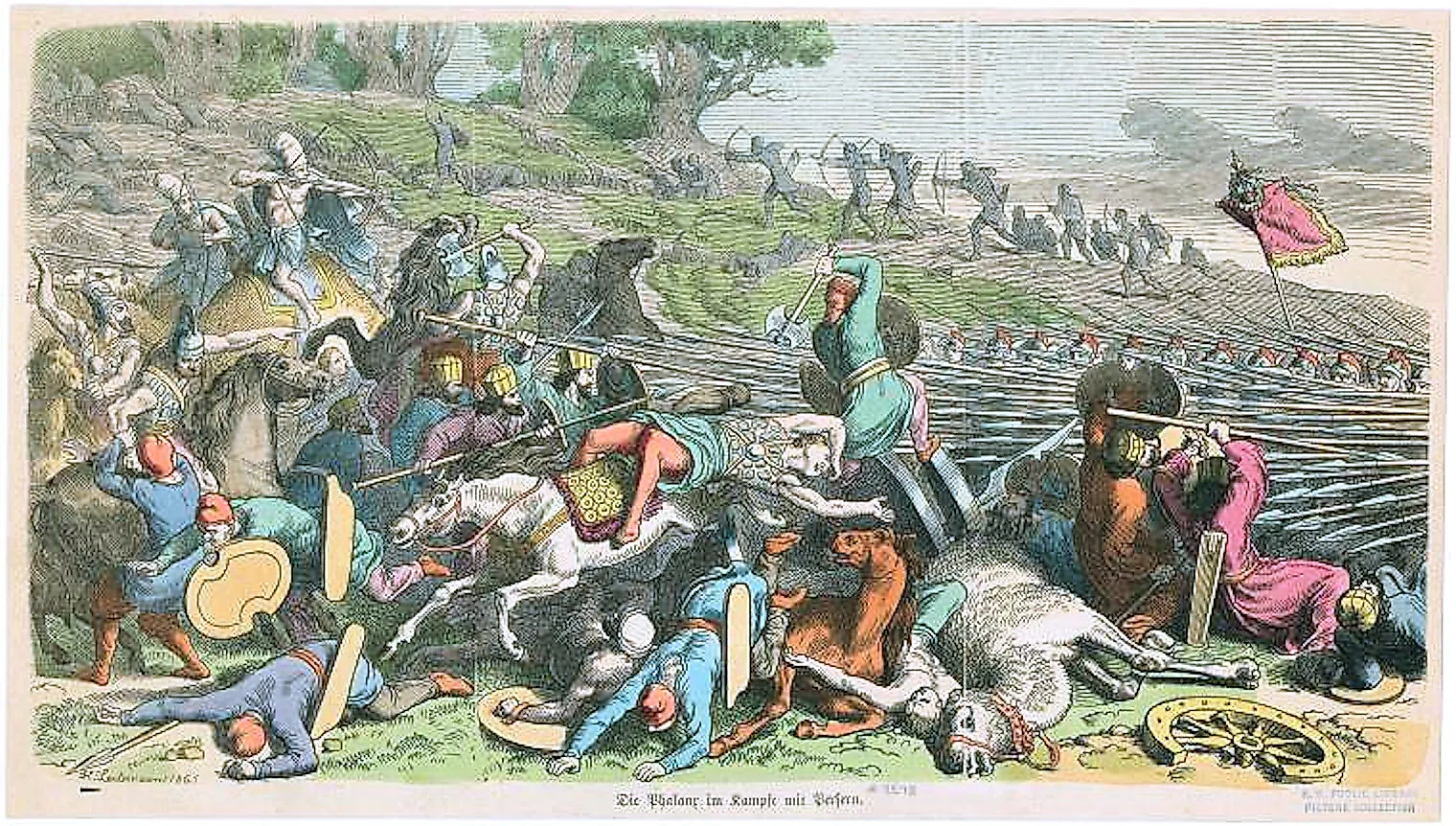
From the 7th to 5th centuries BCE, the hoplite phalanx transformed Greek warfare. It functioned as follows: heavy infantry known as hoplites fought in a tightly packed rectangular formation called a phalanx. They all had shields, and the shields overlapped to ensure maximum defensive coverage. The hoplites also carried a spear.
Since it maximized cohesion and organization, the hoplite phalanx system allowed the Greeks to beat numerically superior foes. Consider the Battle of Marathon in 490 BCE. One of the first major battles of the Greco-Persian Wars, the Athenians defeated the formidable Persian army. The Battle of Thermopylae ten years later is also illustrative. Even though the Spartan-led Greeks were eventually defeated, the narrow terrain, paired with the hoplite phalanx system, allowed them to kill thousands of Persians.
The Macedonian Combined-Arms Army

While the hoplite phalanx system was good for defense, it was less effective for offense. This is where the Macedonian innovations came in. Philip II was king of Macedonia from 359 to 336 BCE. During his reign, he completely transformed the military. First, he created a professional standing army, ensuring that the Macedonians outmatched the citizen-led militias in the rest of Greece. Second, he replaced the hoplites' spears with longer ones called sarissas. Third, and most importantly, Philip introduced a combined arms approach. While the hoplites held the enemy in place with their sarissas, cavalry smashed through them, and archers provided support from the back.

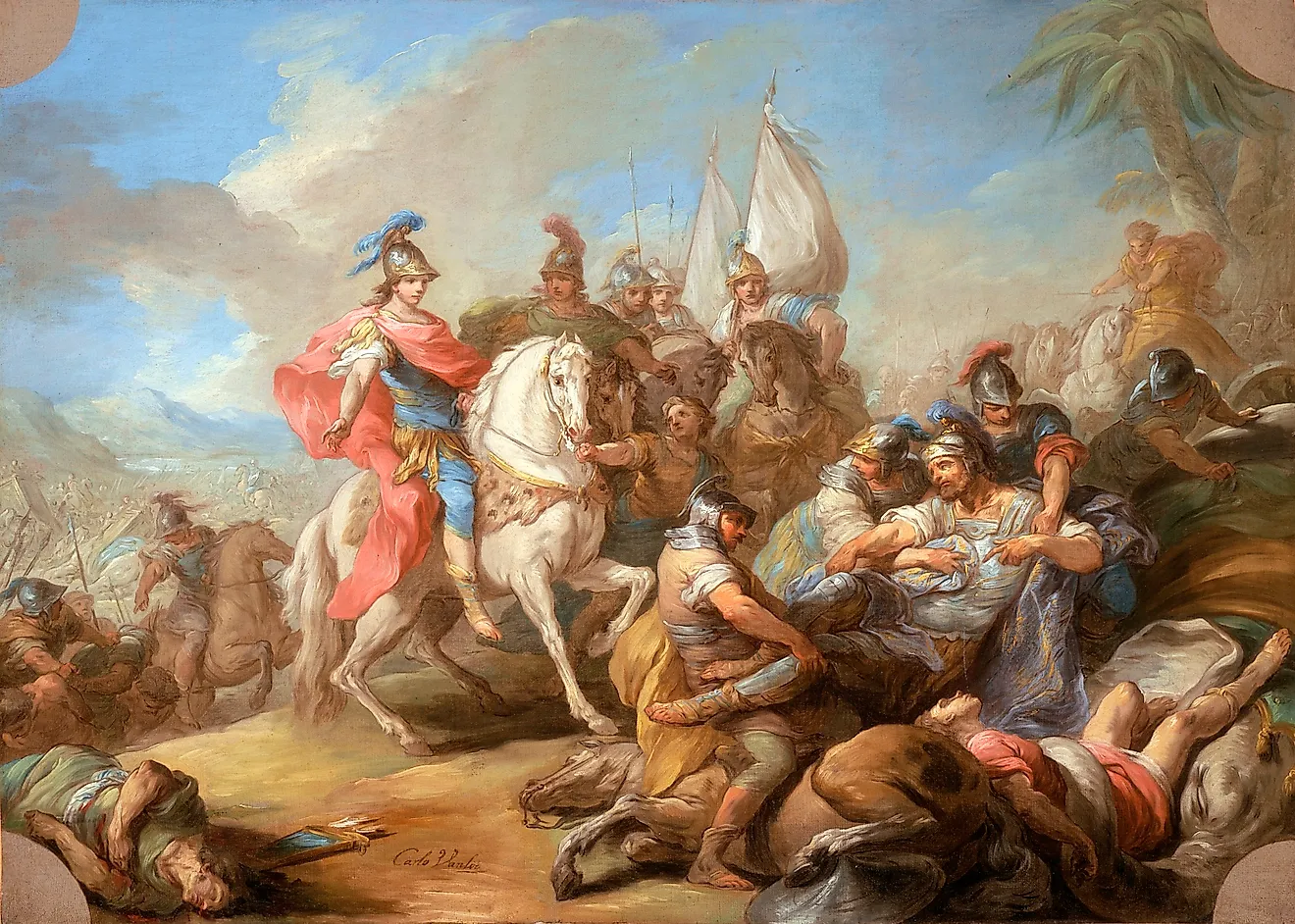
This approach, known as the hammer-and-anvil technique, was instrumental in Macedonia becoming the hegemon of Greece during Philip's reign. After his assassination in 336 BCE, his son, Alexander the Great, used his military innovations to build one of the largest empires in world history. The Battle of Gaugamela in 331 BCE exemplified how he did so. Alexander used his phalanx to pin the Persians in place while his cavalry moved around them. When the Persians attempted to respond, he charged through the gap in their defense, directly at King Darius III. Darius was forced to flee, and with no leader, the Persian Empire collapsed.
Carthaginian Combined-Arms Warfare

While the Romans and Greeks used combined-arms warfare to leverage their strengths, the Carthaginians were masters at exploiting their weaknesses. An example helps explain this somewhat confusing statement. Hannibal shocked the Romans when he invaded Italy from the north in 218 BCE. They expected an attack from the sea, so his march over the Alps completely caught them off guard.
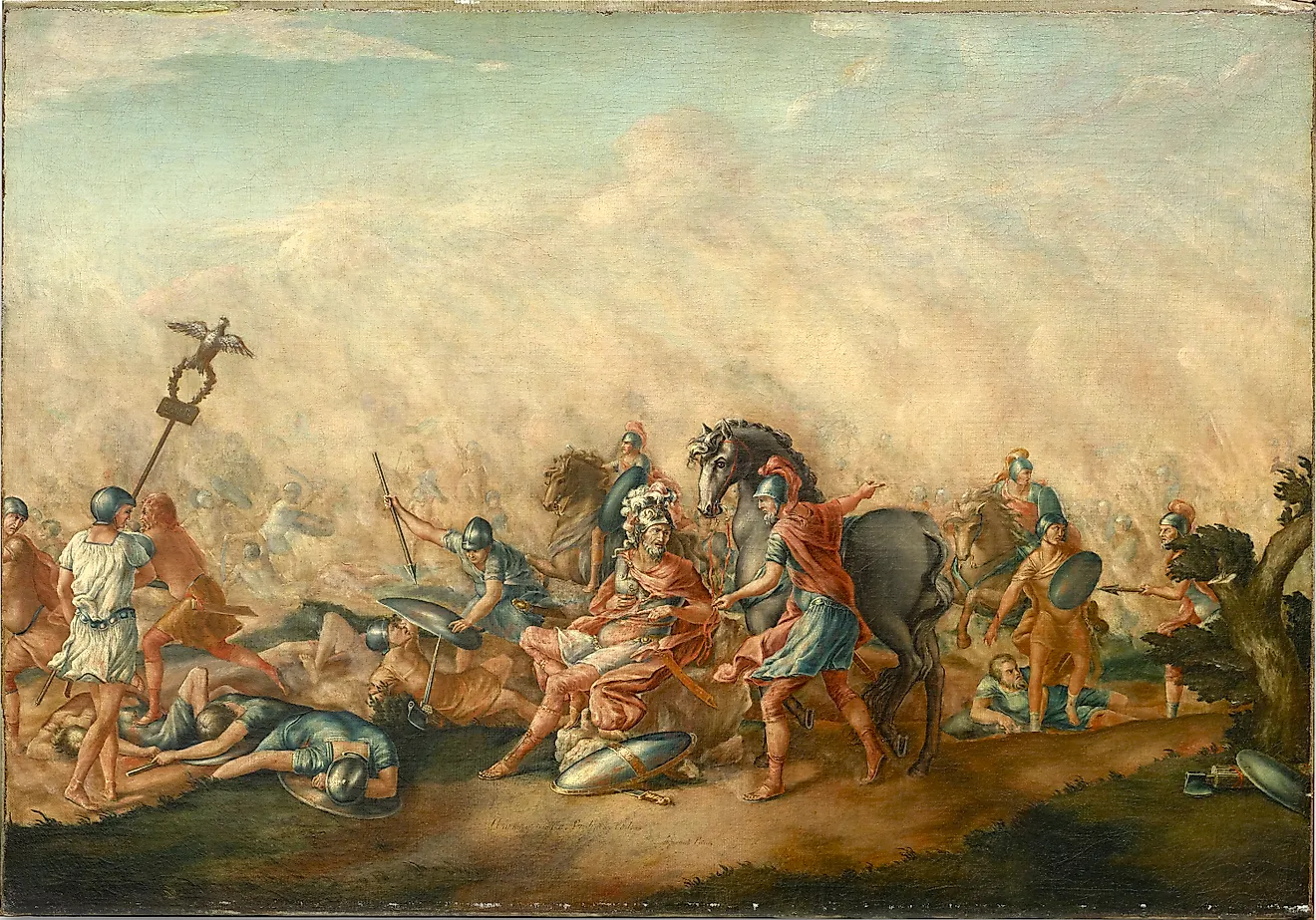
The Romans nevertheless regrouped and amassed an army of between 80,000 and 86,000 to fight the Carthaginians near the village of Cannae. This was problematic for Hannibal, since his army included only about 50,000. Moreover, infantry from places like Gaul and Iberia was weaker than the rest of his army. This necessitated strategic brilliance to defeat the Romans.

Hannibal was up to the challenge. He stationed his European infantry in the center, and his stronger, more experienced African infantry on the sides. This meant that as the Romans pushed forward into the middle, the African infantry gradually moved in. At the same time, Hannibal's cavalry, which contained Numidian, Iberian, and Gallic troops, destroyed the Roman cavalry and attacked the rear. This approach, known as the double-encirclement technique, worked perfectly. With nowhere to run, the Romans were devastated. Between 50,000 and 75,000 were killed, and it prompted a fundamental rethinking of Roman military strategy.
Roman Legions

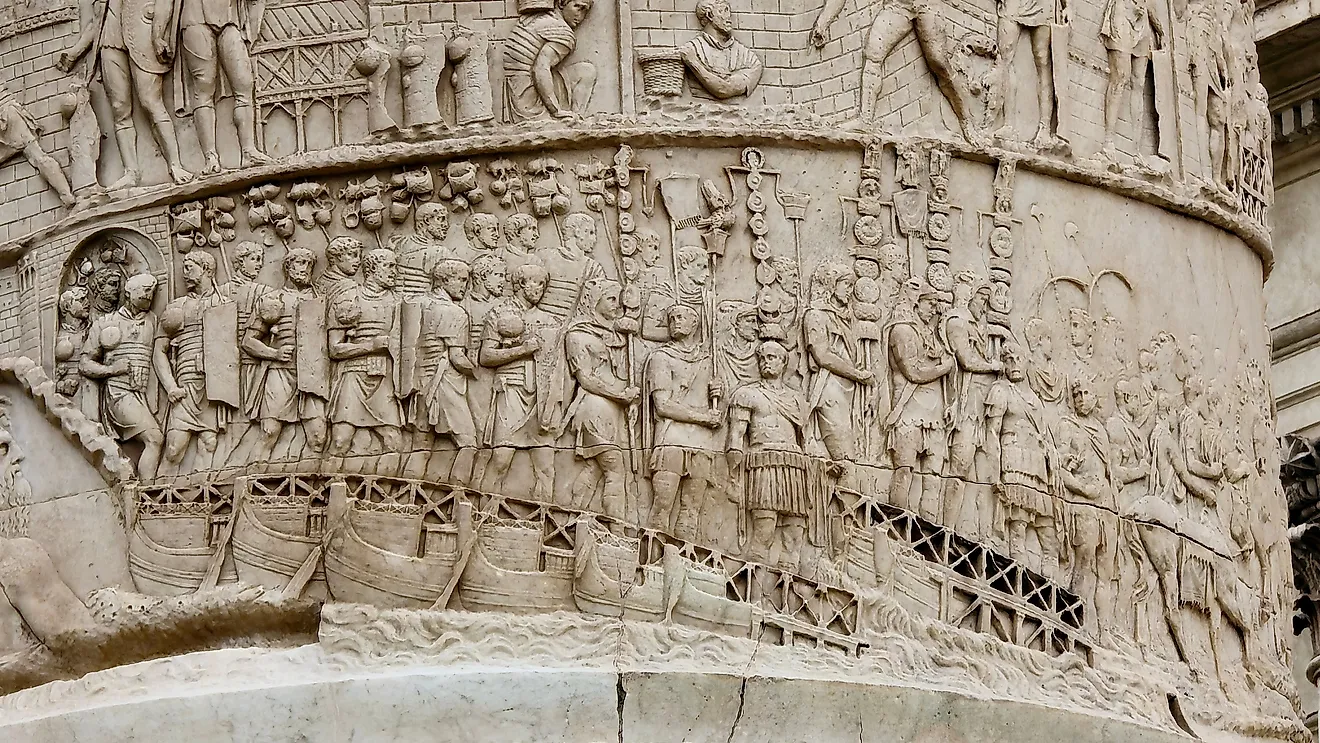
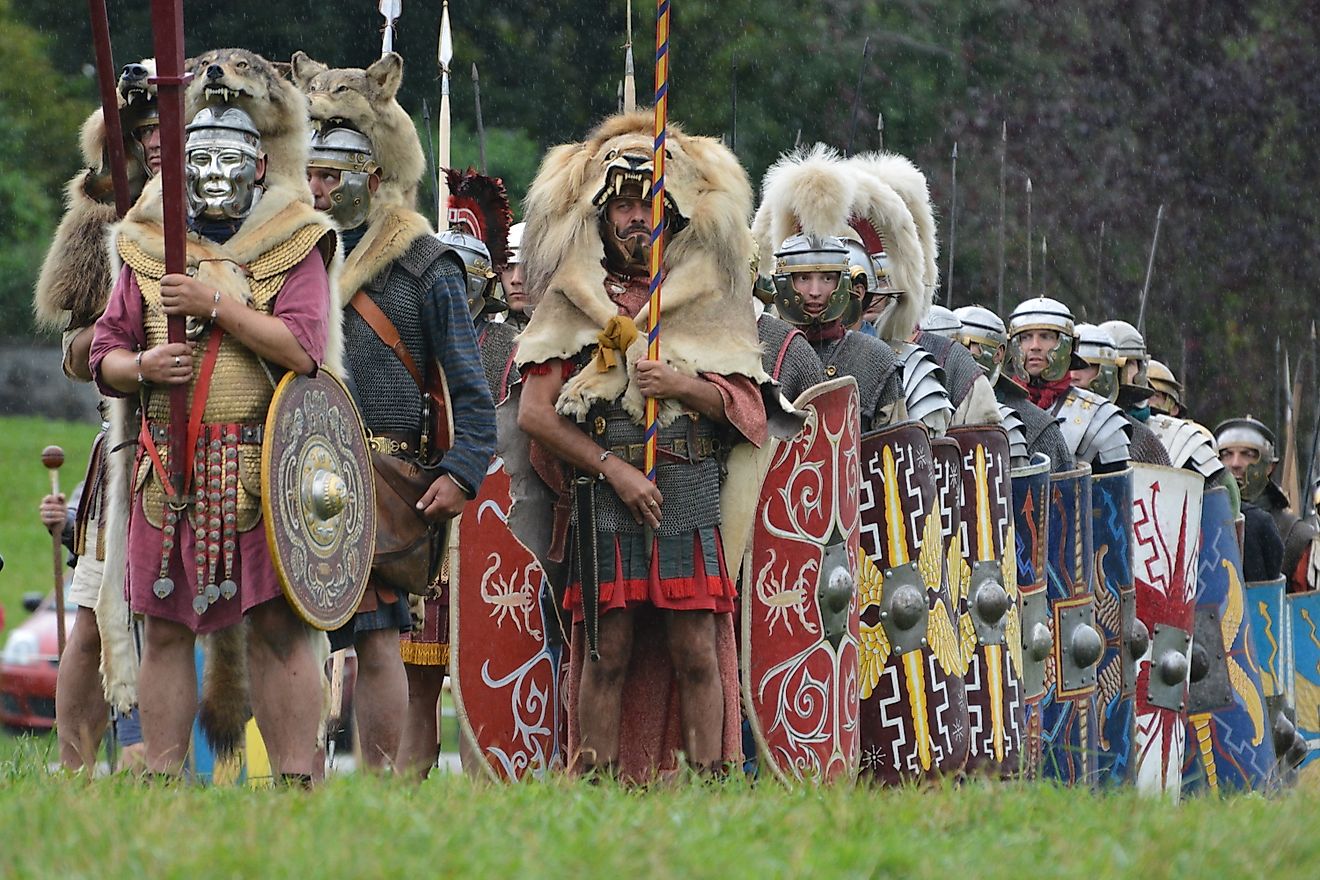
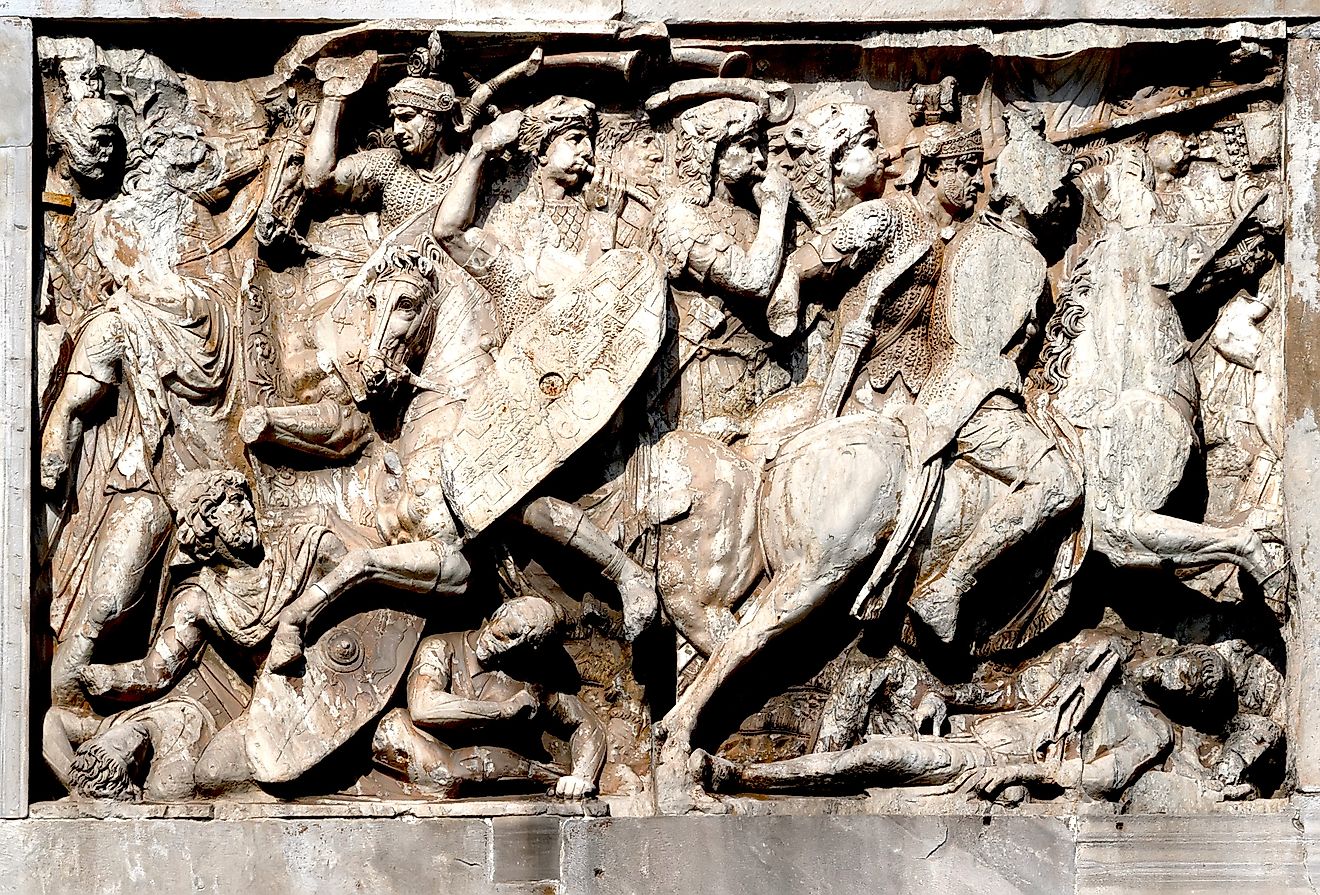
If a Greek phalanx was a tightly packed infantry formation, a Roman legion was essentially a mini army. Containing between 4,500 and 5,500 soldiers, it changed substantially over Rome's history. However, in general, it could be defined as a highly organized military institution that combined infantry, engineering, logistics, training, and discipline to defeat its enemies.
Consider one of the most famous campaigns in Roman history, Julius Caesar's invasion of Gaul. Lasting from 58 to 50 BCE, it saw Caesar conquer a historic enemy of the Roman Republic, largely due to the strength of the legions. Their experience and training ensured that they stayed disciplined, even when faced with overwhelming odds. Their combined arms approach allowed them to face a wide variety of enemies. Finally, the legions' engineering capacity facilitated offensive and defensive maneuvers. This was demonstrated in the Siege of Alesia in 52 BCE, when the Romans starved out the Gallic leader Vercingetorix by building a massive inner wall around his fortress. When faced with a Gallic relief force coming up behind them, they also built an outer-facing defensive wall to protect themselves.
Professionalization

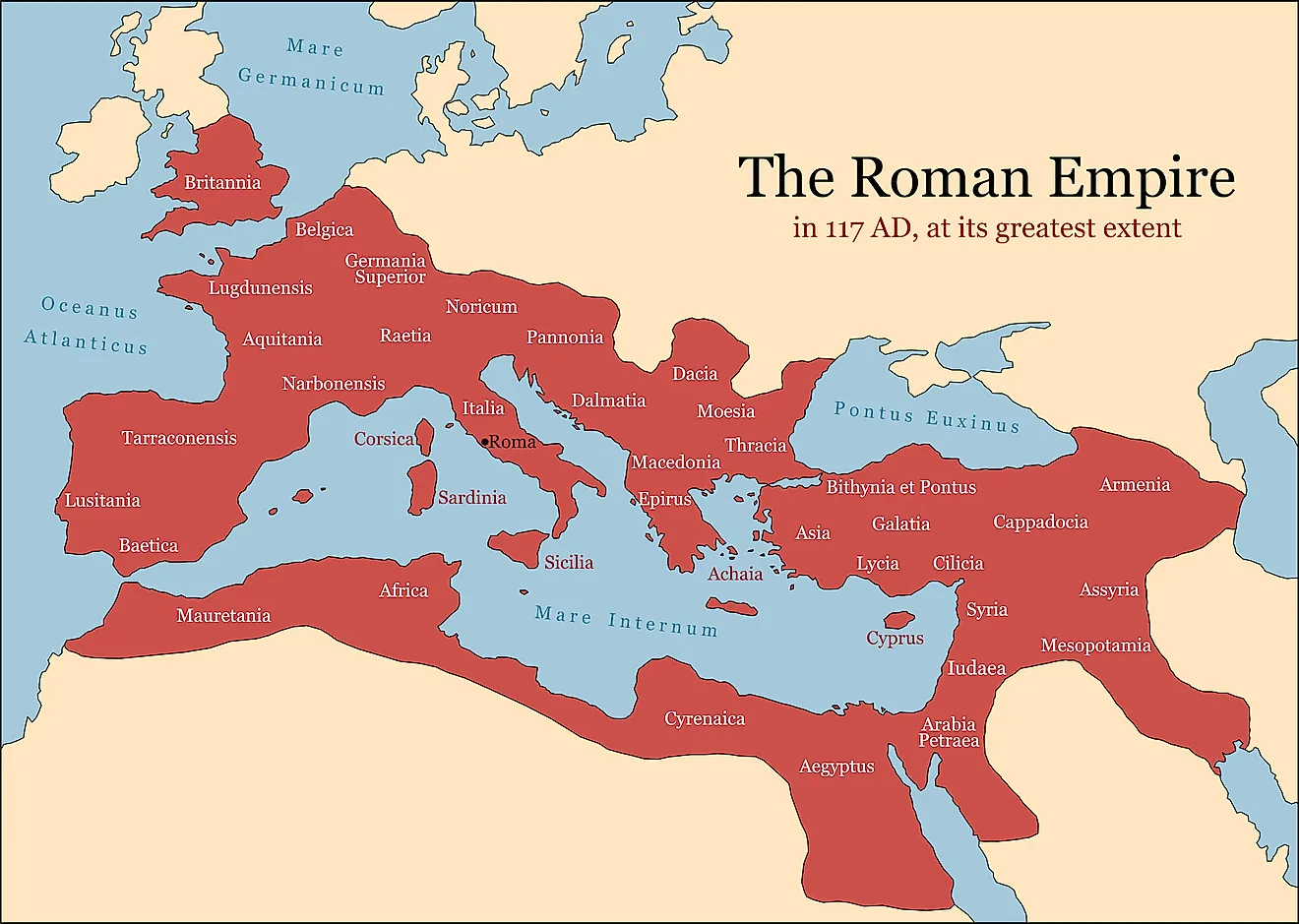
Citizen militias were common in the ancient world. This meant that states with professional standing armies often had an advantage. The Neo-Assyrian Empire was one such example. Lasting from 911 to 609 BCE, it was one of the largest powers in world history up to that point, largely due to the strength of its professional army. As previously mentioned, the Macedonians also created a professional standing army, which helped them become the dominant power in Greece. Finally, the Roman army began as a citizen-based fighting force but gradually became a professional force over the centuries. As Rome expanded, it needed defensive legions to be stationed in its frontier provinces. While there were some growing pains during this process (including civil wars that led to the end of the Roman Republic and the rise of the Roman Empire), it was ultimately crucial in ensuring the long-term survival of the Roman state.
Impact And Legacy
Several military innovations defined the ancient world. The hoplite phalanx formed the backbone of Greek military strength. The Macedonians then expanded on this system by introducing a combined arms approach. Hannibal utilized this innovation to its full potential by decimating a much larger army than his own. Roman legions were sophisticated mini armies that proved instrumental in major military campaigns. Finally, professionalization enabled the Assyrians, Macedonians, and Romans, among others, to field far superior armies to their opponents.