How Augustus Built The Roman Empire
A state's first leader sets the blueprint for its national identity, and that was particularly the case for the first emperor of Rome, Augustus (born Gaius Octavius, often called Octavian). Augustus pulled off a political tightrope act. He oversaw the state's transition from a republic into an empire and centralized its government, all while preserving the superficial trappings of republican rule. The result was a system that lasted for more than four centuries. The story of how he did it covers a civil war, a careful piece of political theater, a major bureaucratic overhaul, and the start of a 200-year peace known as the Pax Romana.
Winning Power Through Civil War

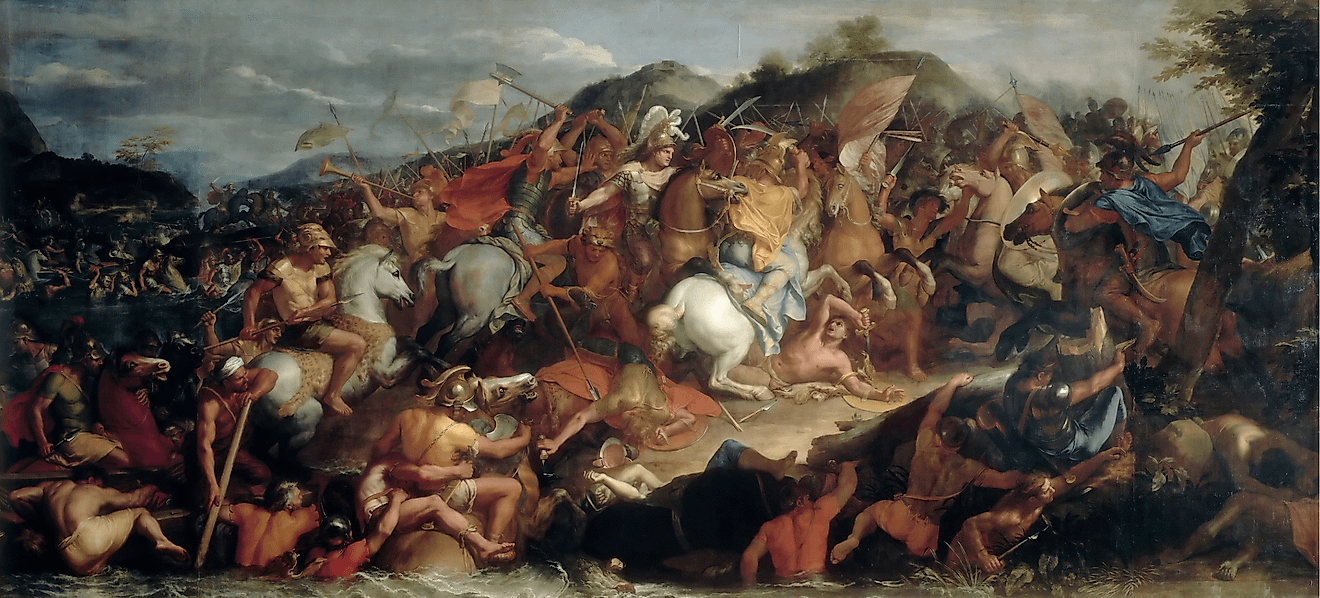
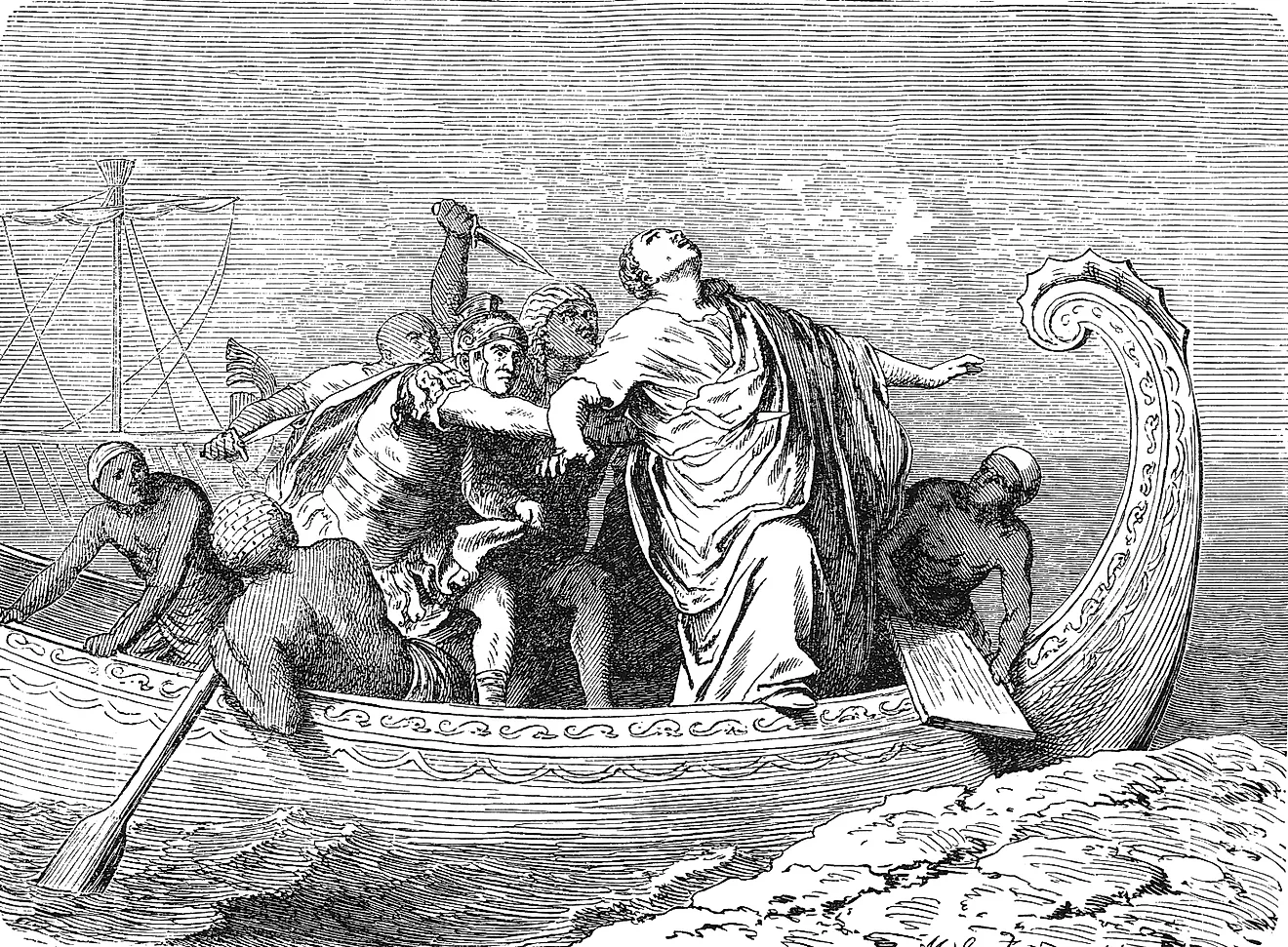
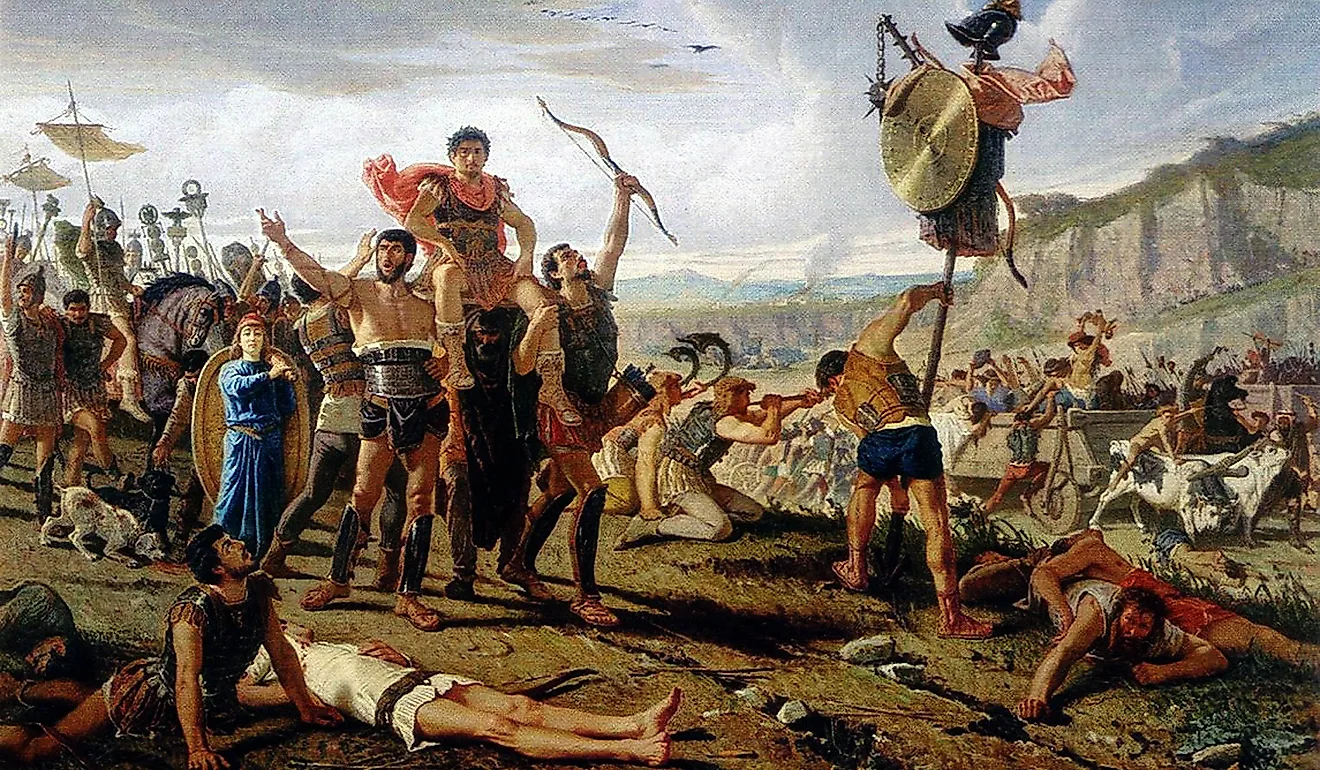
After Julius Caesar was assassinated in 44 BCE, the Roman Republic descended into civil war. The Liberators' Civil War was initially a fight between the assassins and the Second Triumvirate, an alliance of Caesar's avengers made up of Mark Antony, Octavian, and Marcus Aemilius Lepidus. The assassins were quickly defeated, but the alliance did not hold. In 41 BCE, Antony entered into a political and romantic relationship with the Egyptian leader Cleopatra, which made many in Rome (Octavian in particular) uneasy about where his loyalties lay.
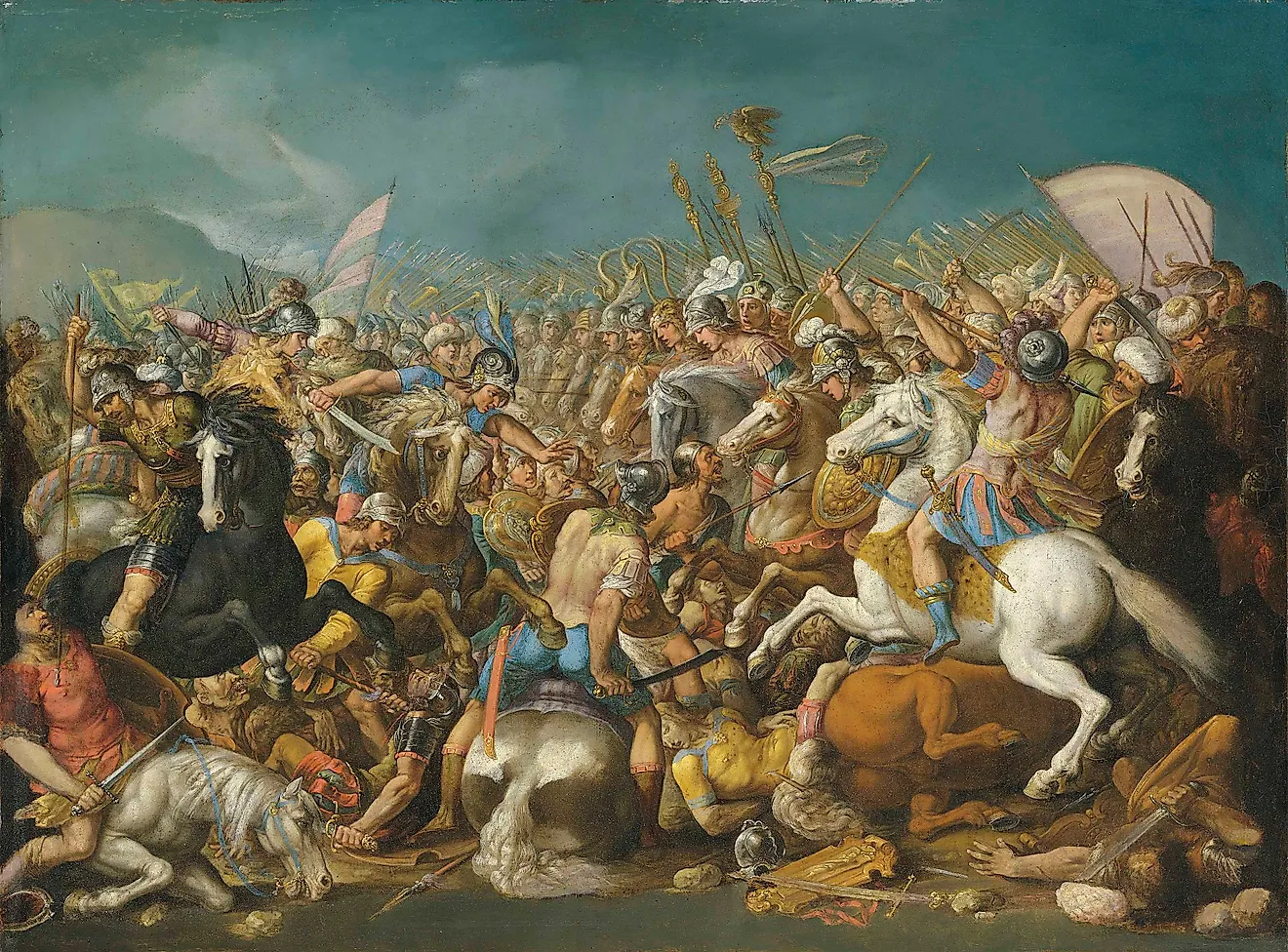
Tensions came to a head in 34 BCE when Antony, who controlled the eastern half of Roman territory, gave large portions of it to Cleopatra and her children. Octavian used the gift as a propaganda weapon, casting Antony as a man controlled by a foreign queen. The Senate stripped Antony of his land and titles, and another civil war began. The decisive engagement came at the Battle of Actium in 31 BCE, where Octavian's fleet crushed Antony's and forced him to flee to Egypt. Antony and Cleopatra both took their own lives soon after. Octavian was now the undisputed leader of Rome.
A Republic in Name Only
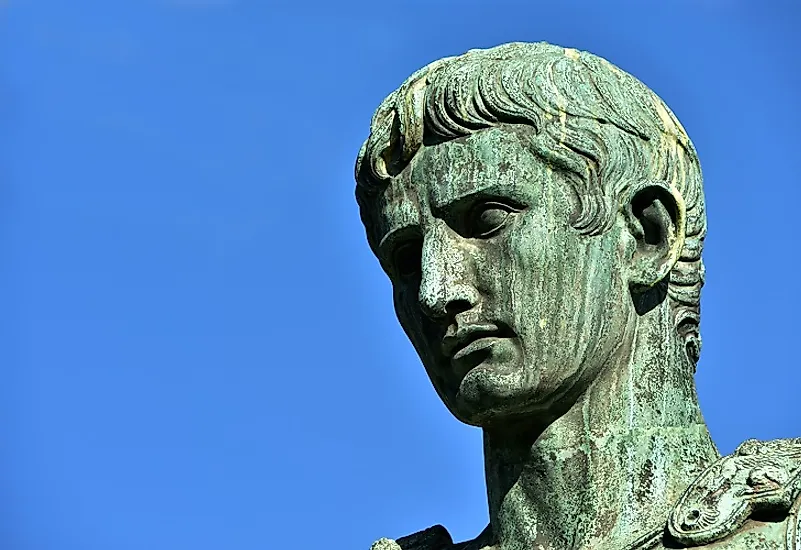
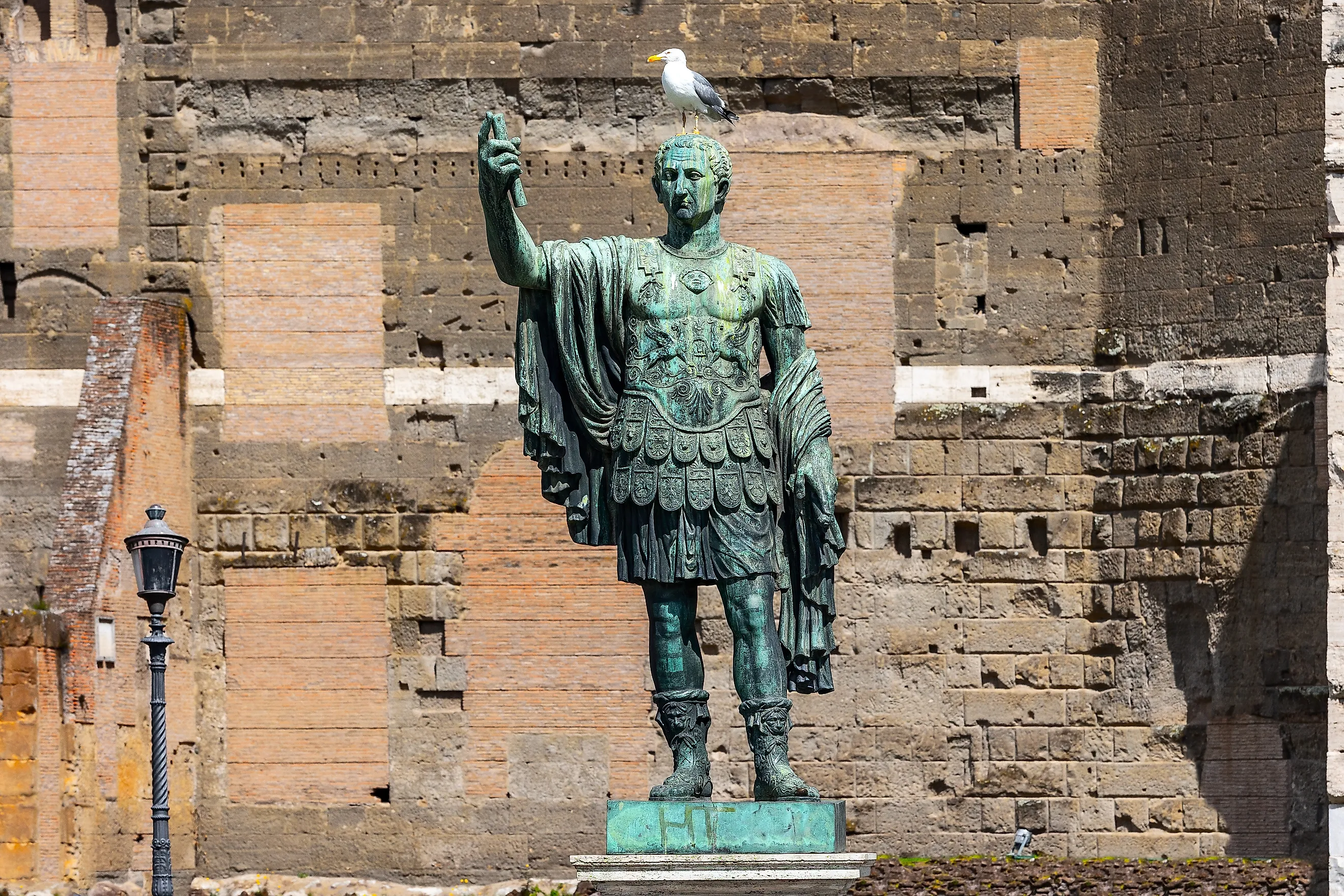
Octavian's power was unchallenged, but the absolute authority he wanted came with a problem. The Romans famously hated kings. They had thrown out their last one in 509 BCE in response to centuries of monarchical abuse and built the Republic in his place. Anyone who looked too much like a king risked the same fate as Julius Caesar. Octavian's solution was political theater. In 27 BCE, he announced that he was returning power to the Senate and the people of Rome. The Senate, in turn, granted him authority over most Roman provinces and gave him the honorary title of "Augustus."
The move was effective. For decades, powerful generals like Julius Caesar had used military and political muscle to bypass the Senate and rule as effective dictators. By publicly bowing to the Senate, Octavian (now Augustus) signaled respect for an institution that was supposed to act as a check on individual power, and he won popular support for it. Republican institutions remained in place for the rest of Rome's history. The Senate continued to meet, popularly elected magistrates continued to hold office, and the language of the Republic stayed in everyday political life. Behind the language, the emperor held the actual power.
Building an Effective Government

The Republic's system of governance had been built to run a small Italian city-state. It struggled to manage the empire's growing territory, which by Augustus's time stretched across Spain, Gaul, North Africa, and the Levant. Augustus reformed the system by splitting Rome's territory into two categories. Peaceful provinces remained under Senate authority. Unstable border provinces fell under direct imperial control.
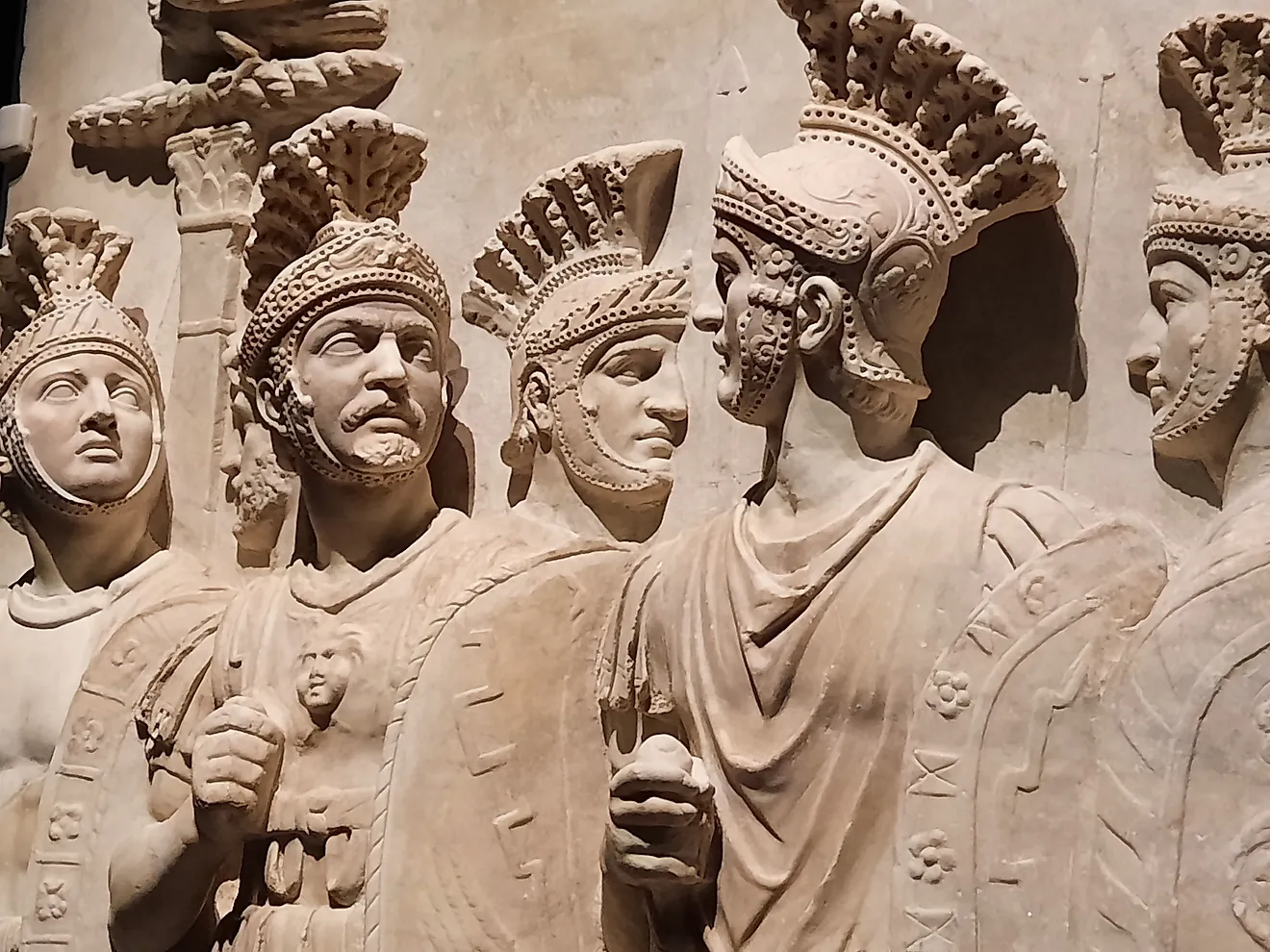
He then built a professional bureaucracy of full-time paid administrators, replacing the Republic's reliance on unpaid elites who had often used office to enrich themselves. The change reduced corruption and gave the emperor a reliable group of administrators answerable to him rather than to private patronage networks. Augustus also created a permanent professional army paid by the state treasury. In the Republic, the army had been raised from citizens loyal first to their general, which had repeatedly produced charismatic commanders who could turn their troops on the state. A professional standing army owed its loyalty to Rome (and to the emperor), reducing the risk of rogue generals fracturing the state into another round of civil war.
Stabilizing Rome

Augustus also made changes that were less politically dramatic but just as important. He invested heavily in Roman infrastructure, building roads across the empire and creating a state courier system that moved goods and information faster than the Republic ever had. He introduced direct taxation, which reduced reliance on contracted tax collectors who routinely kept large portions of the take. The increased revenue paid for further investment in state institutions, including Rome's first organized fire brigades and police forces. Together with the political reforms, those investments produced a stable empire and the start of a 200-year period of relative peace, prosperity, and cultural flourishing now known as the Pax Romana.
Why Augustus Matters
Augustus laid the foundation of the Roman Empire in three steps. He won the civil war that made him the undisputed leader of Rome. He gave the Senate ceremonial authority while keeping real power for himself, which preserved the appearance of the Republic and avoided the fate of Julius Caesar. And he reformed Roman institutions deeply enough that the empire could survive after him. The combination produced a two-century run during which Rome became the dominant power in the Mediterranean and the broader ancient world.