The African Emperor Who Ruled Rome
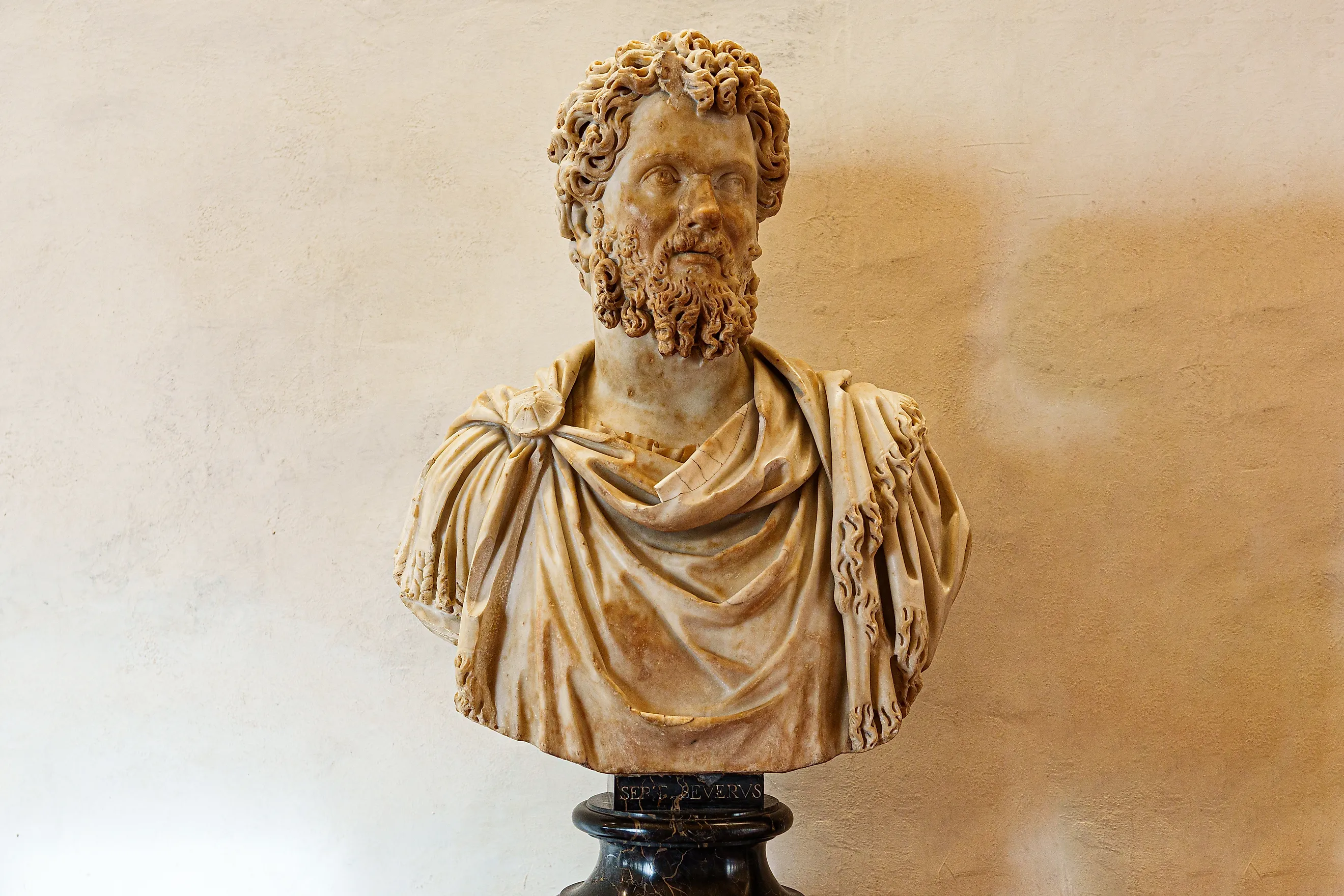
The Roman Empire is often remembered as a European state. The reality was much more complicated. While it began as a small Italian city, Ancient Rome grew into a multicontinental power that affected the lives of countless peoples and cultures. Several emperors even came from places like the Middle East and Africa. Consider Septimius Severus. Born in North Africa, he ruled from 193 to 211 CE. His reign was exceptionally consequential, as he guided the empire through a period of instability, launched several successful military campaigns, and reformed the army.
Early Life

Septimius Severus was born in 145 CE in Leptis Magna, a prosperous city on the coast of modern-day Libya. His mother came from an Italian family, whereas his father had a Punic (also known as Carthaginian) background. Despite being so far from Rome itself, his family (and Leptis Magna more broadly) was heavily Romanized. Severus thus received a good education and entered the Roman political system.

His career followed a typical senatorial path, as he served several military and political positions in places like Gaul, Syria, North Africa, Spain, and Britain. Doing so gave Severus vital experience with the Roman army and provincial administration. Sometime around 187 CE, he married a Syrian woman named Julia Domna. A formidable political figure in her own right, she proved instrumental in her husband’s future reign. Domna also gave birth to two sons, Caracalla and Geta, laying the groundwork for the soon-to-be Severan dynasty.
Severus Rises To Power

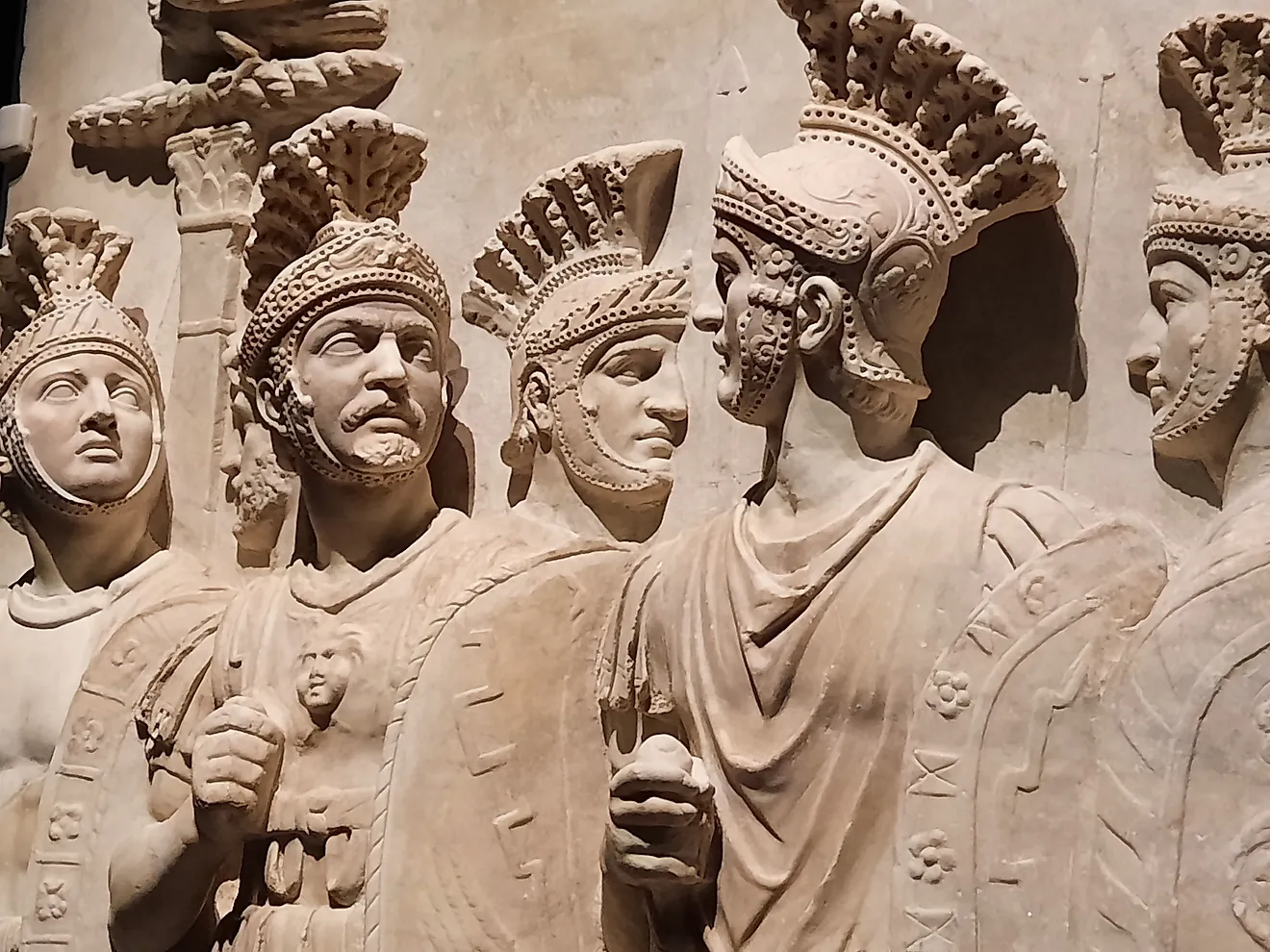
In December 192 CE, Emperor Commodus was assassinated. Pertinax was quickly established as the new emperor, but his proposed reforms angered the Praetorian Guard. Therefore, he was also killed. The Praetorian Guard then auctioned off the emperorship to the highest bidder, resulting in Didius Julianus becoming emperor. This affair outraged the Roman army, and several provincial commanders challenged Julianus. Severus was one such commander.
Stationed in Pannonia along the Danube River, Severus immediately marched on Rome after his soldiers proclaimed him emperor in April 193 CE. He entered the city in June of that year. Julianus had little military support, so the Senate abandoned him, and he was executed. However, Severus’ grip on power wasn’t yet secure. Two other commanders, Pescennius Niger in Syria and Clodius Albinus in Britain, had also declared themselves emperor.
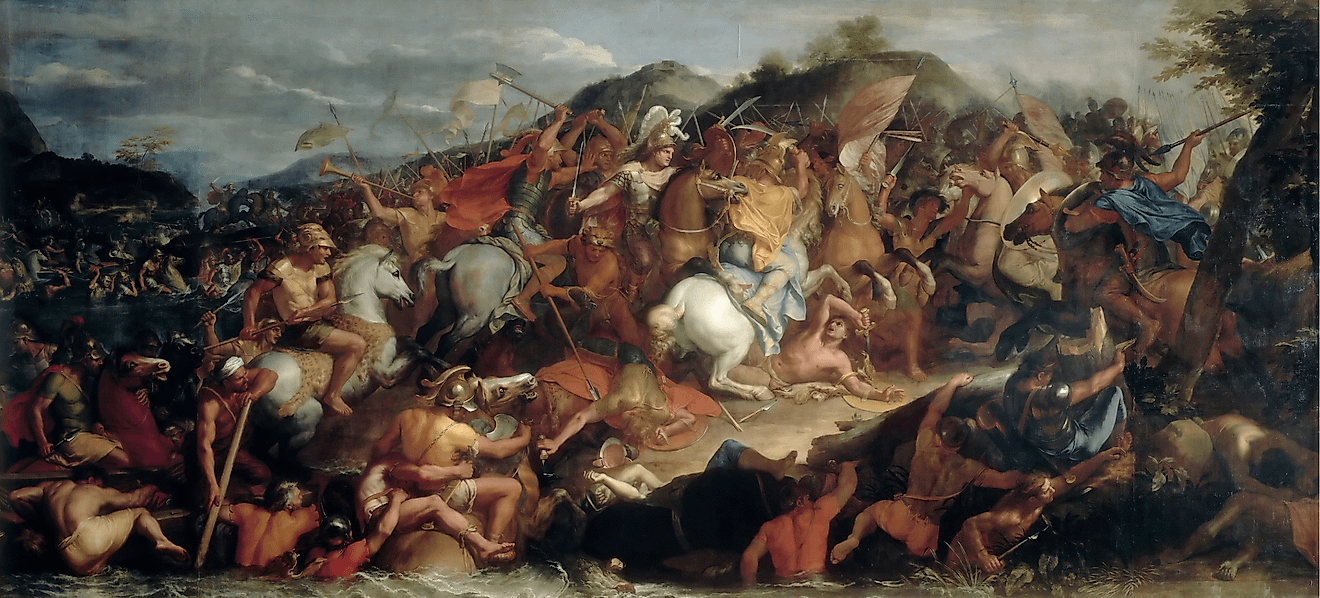
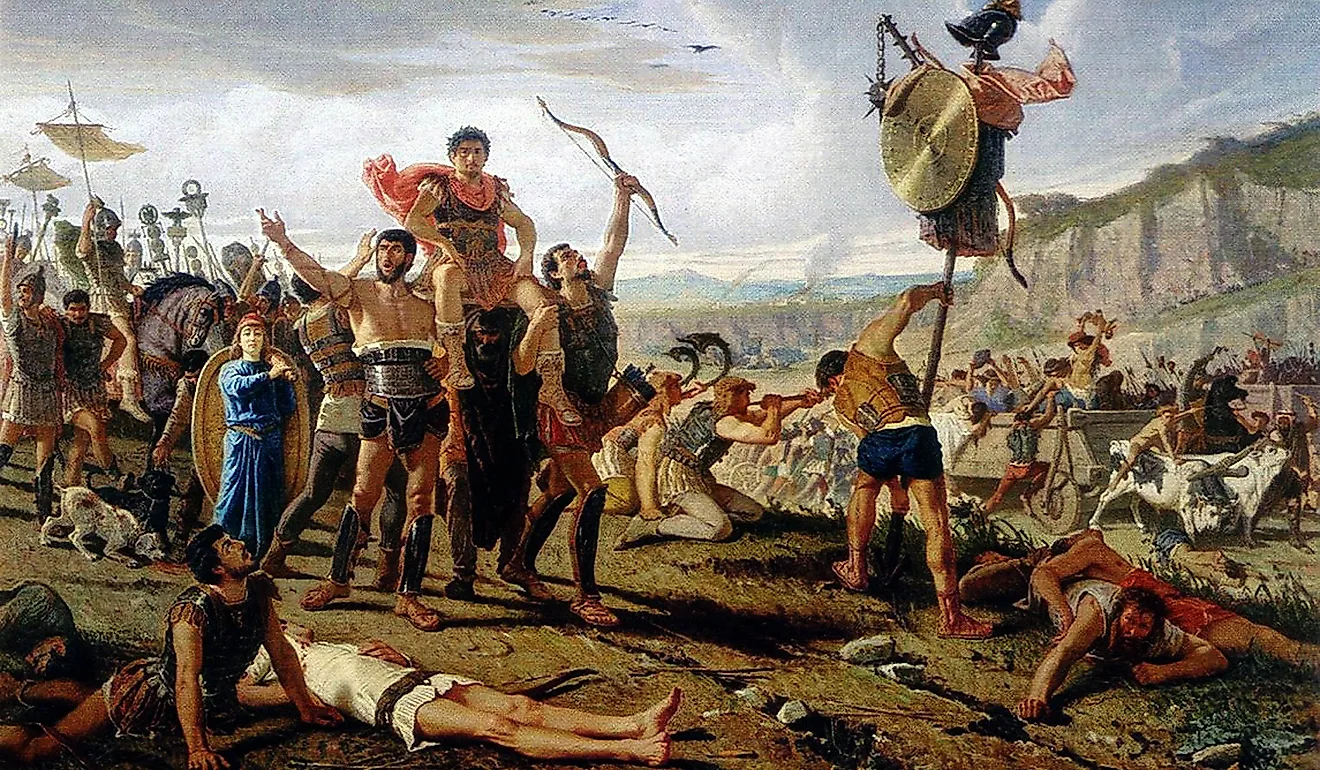
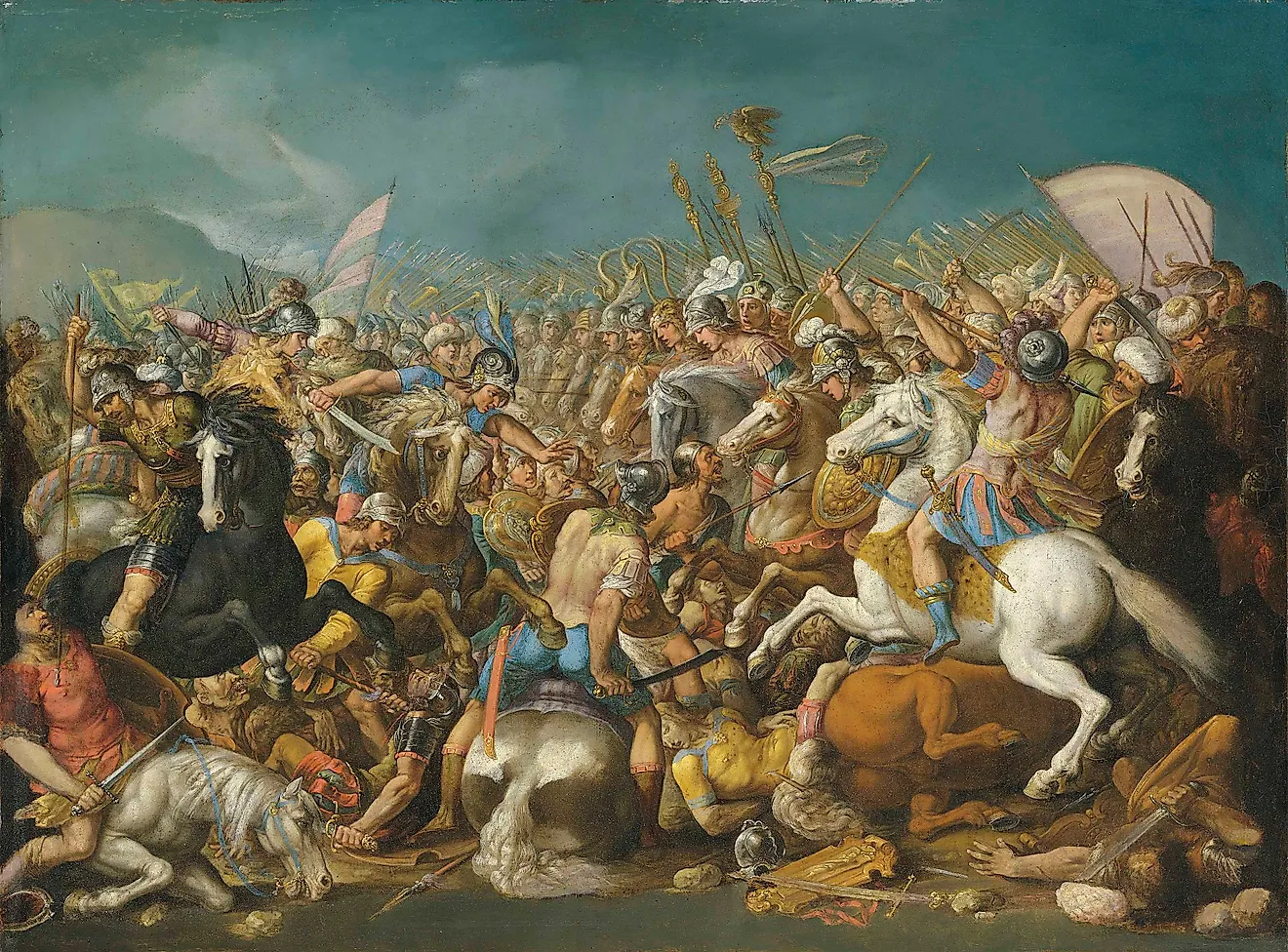
Severus spent the next four years fighting them. He first defeated Niger at Issus in 194 CE and then turned to Albinus. The climactic engagement of their war came in the Battle of Lugdunum (modern-day Lyon) in 197 CE. Albinus committed suicide in its aftermath, leaving Severus as the undisputed ruler of the Roman Empire.
Army Reforms

Severus understood that support from the army was the main reason he became emperor and enacted several reforms to ensure its continued loyalty. First, he increased soldiers' pay. He also reformed the Praetorian Guard. Severus no longer trusted its current members. After all, they had just deposed Pertinax and auctioned off the emperorship. So, he replaced them with troops from his own Danubian armies. Finally, Severus allowed soldiers to marry. Before, troops were forbidden to take wives during their military contracts. Severus wanted to boost morale, so he lifted this ban sometime around 197 CE. These reforms proved enormously successful in the short term. However, in the long term, they arguably helped the army gain more influence in political affairs, since emperors were increasingly reliant on it to maintain their grip on power.
Campaigns In Mesopotamia And Britain

Severus’ military achievements didn’t end at settling disputes within the empire. He also launched several invasions of foreign territory, first in Mesopotamia and then in Britain. Concerning Mesopotamia, he campaigned against the Persia-based Parthian Empire in 197 and 198 CE. The Romans captured the Parthian capital of Ctesiphon and even established the province of Mesopotamia. About a decade later, Severus travelled to Britain, aiming to control its northern regions. His sons, Caracalla and Geta, accompanied him, and together they launched a campaign against the tribes north of Hadrian’s Wall. The Romans were never able to permanently settle the region, but they nevertheless claimed several victories and strengthened defenses.
Investments In Africa

Severus’ accomplishments weren’t just confined to the military. He also made many investments in cultural, infrastructural, and state-building projects. Perhaps the clearest example occurred in his hometown of Leptis Magna. Severus rebuilt and widened the city’s docks and diverted water to the nearby Wadi Lebda riverbed to prevent the harbor from silting up. He also built the Colonnaded Street, a 400-meter-long road lined with white marble columns to link the harbor to the city center. Severus commissioned a new public plaza with high marble arcades and erected a massive arch on the city’s main avenue. Finally, and arguably most importantly, he made Leptis Magna exempt from land and property taxes. In turn, the city became even wealthier and more Romanized.
Severus Dies, And Violence Breaks Out

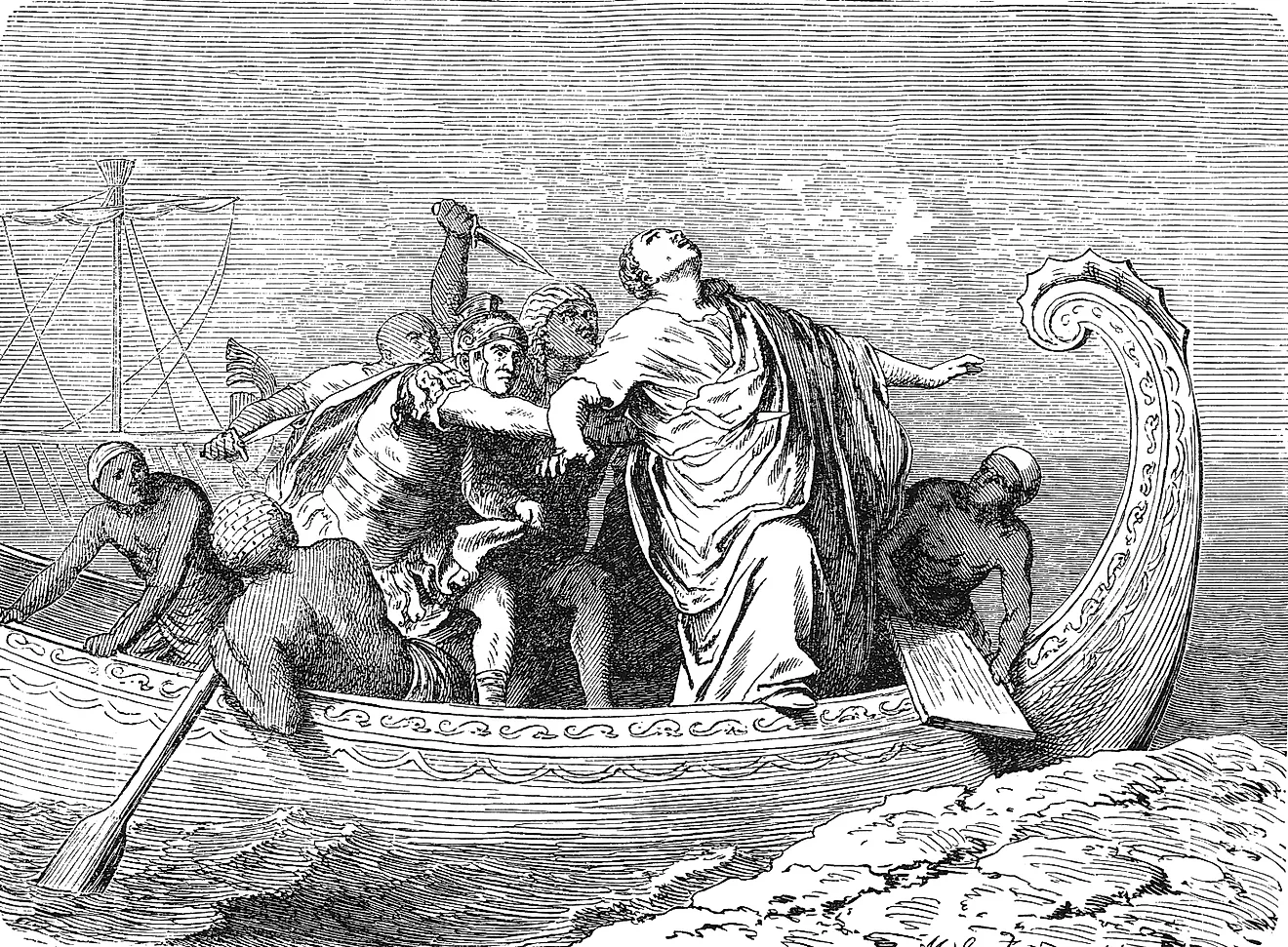
By the end of his campaign in Britain, Severus’ health was failing. He reportedly had difficulty walking and suffered from ailments like gout and joint pain. Ultimately, he died at Eboracum (modern-day York, in Britain) in February 211 CE. The immediate aftermath was bloody. Severus wanted his two sons to rule together. However, they hated each other, and in December 211 CE, Caracalla had Geta murdered. Geta’s supporters were then purged. Caracalla proceeded to rule as sole emperor until 217 CE, cementing the Severan dynasty as the predominant power in Rome. At the same time, the bloody power struggle demonstrated its fragility.
Impact And Legacy
Septimius Severus has a complicated legacy. As the first emperor from Africa, he helped establish the Roman Empire as a truly multi-continental power. His military accomplishments, which included defeating domestic rivals and successful campaigns abroad, also deserve recognition. At the same time, his army reforms, while successful in the short term, arguably paved the way for more instability in the future. The bloody power struggle after his death also exemplified many of the problems with the Roman Empire’s succession system.