Similarities And Differences Between The Roman Republic And Empire
Ancient Rome existed in many different forms and iterations. Perhaps its two most famous versions were the Roman Republic and the Roman Empire. While they're often treated as completely different states, they did share significant similarities. At the same time, this isn't to say that there weren't meaningful differences. By exploring these similarities and differences, we can gain a better understanding of Ancient Rome in its totality.
Similarity: Vast Territorial Reach

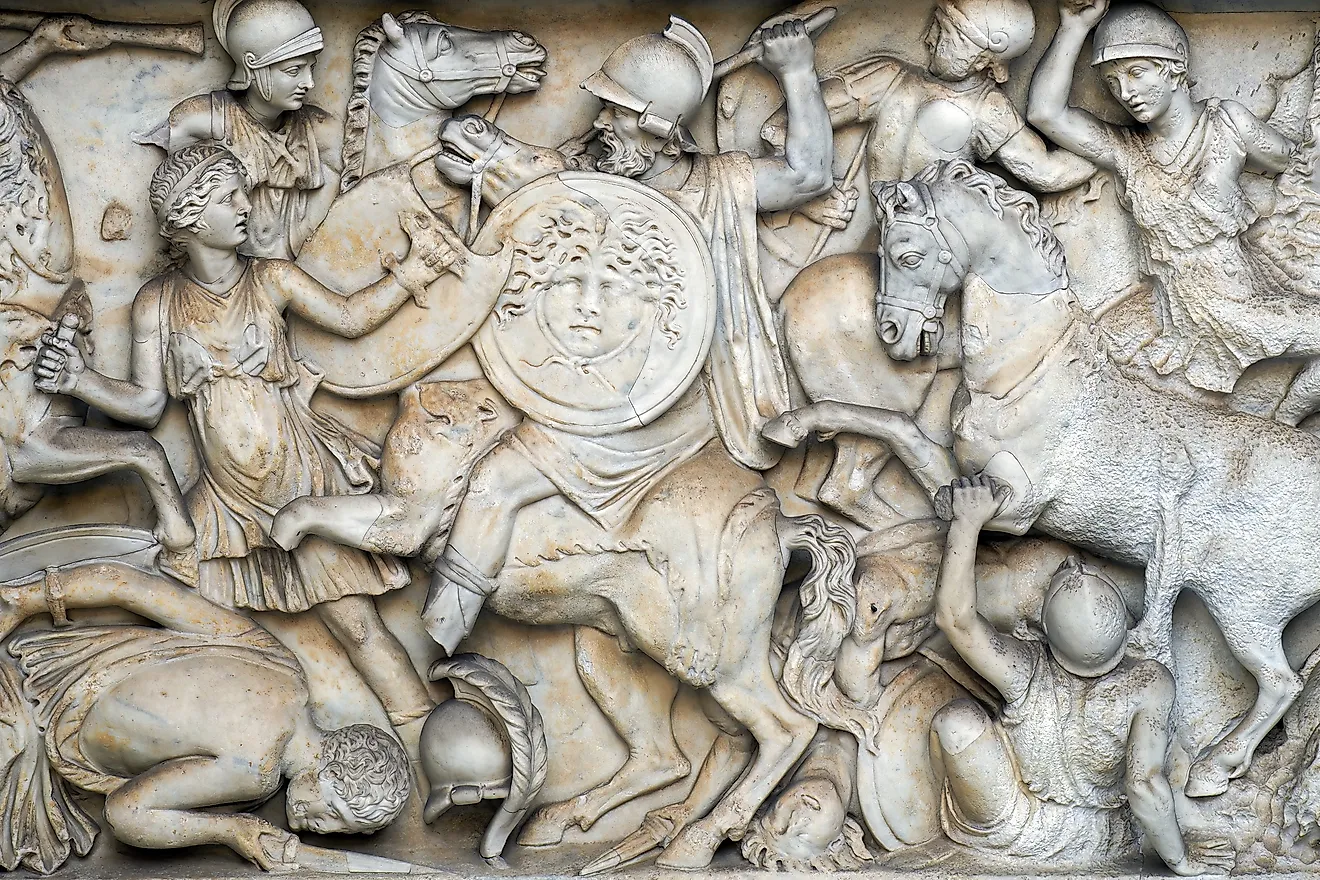
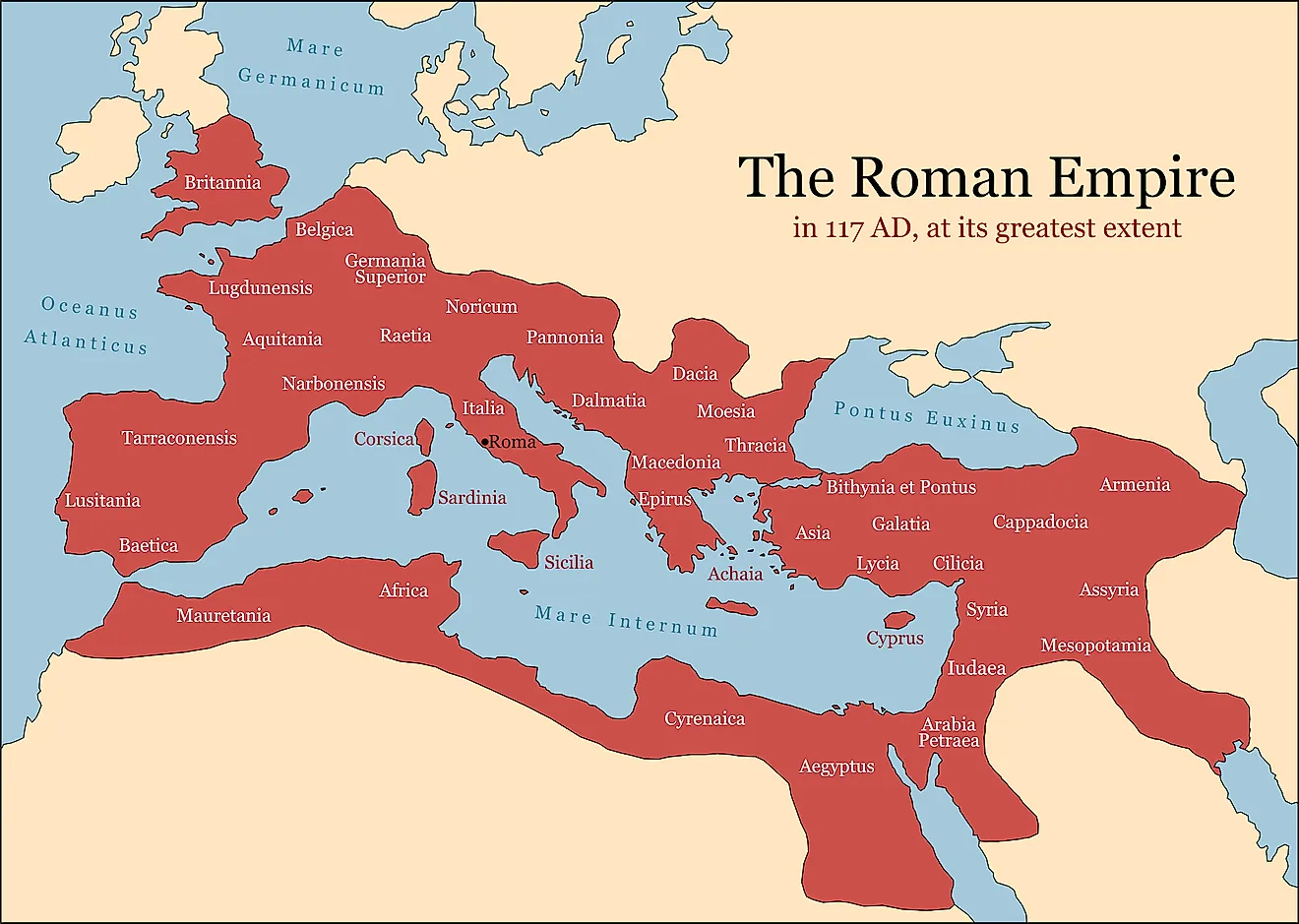
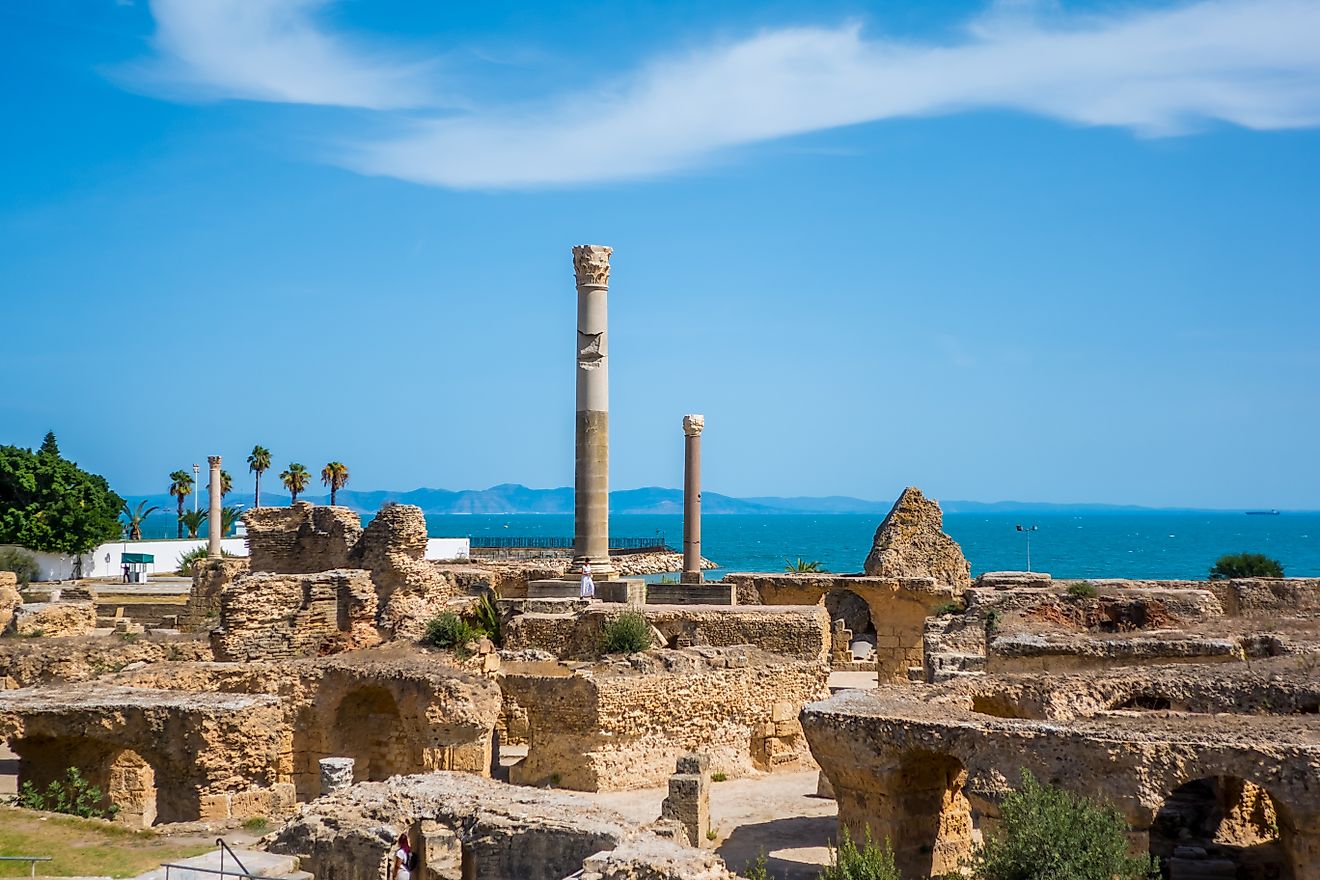
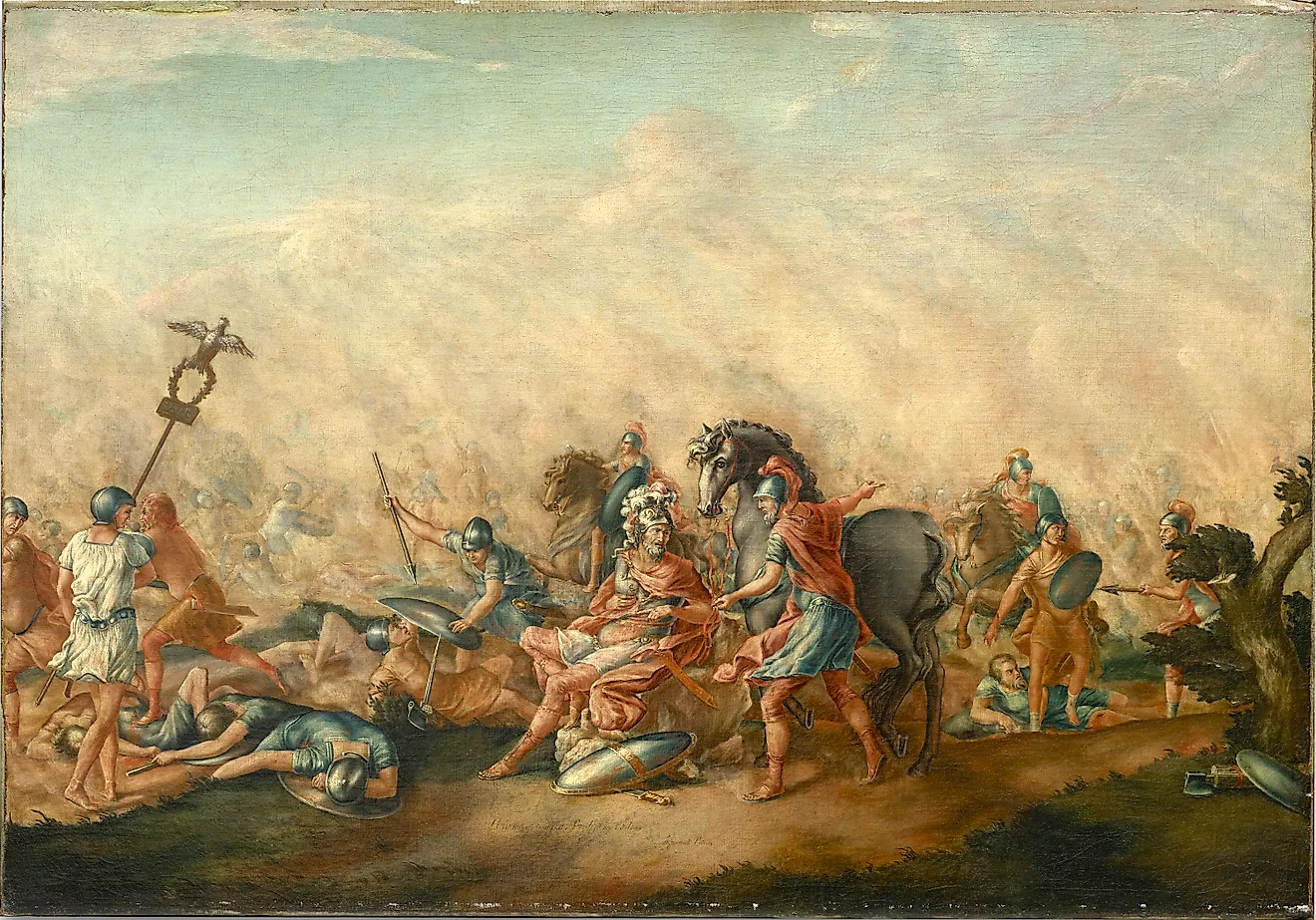
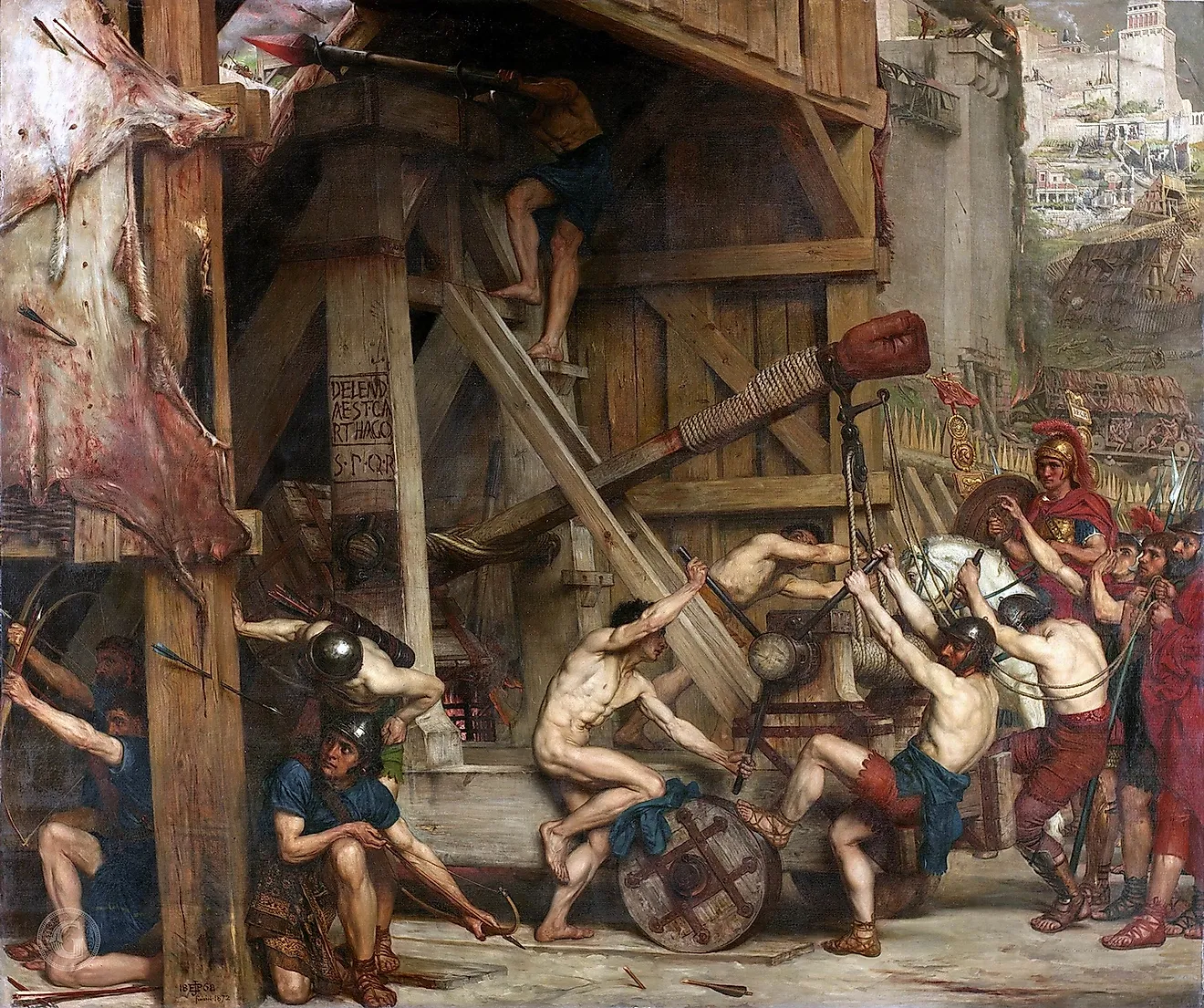
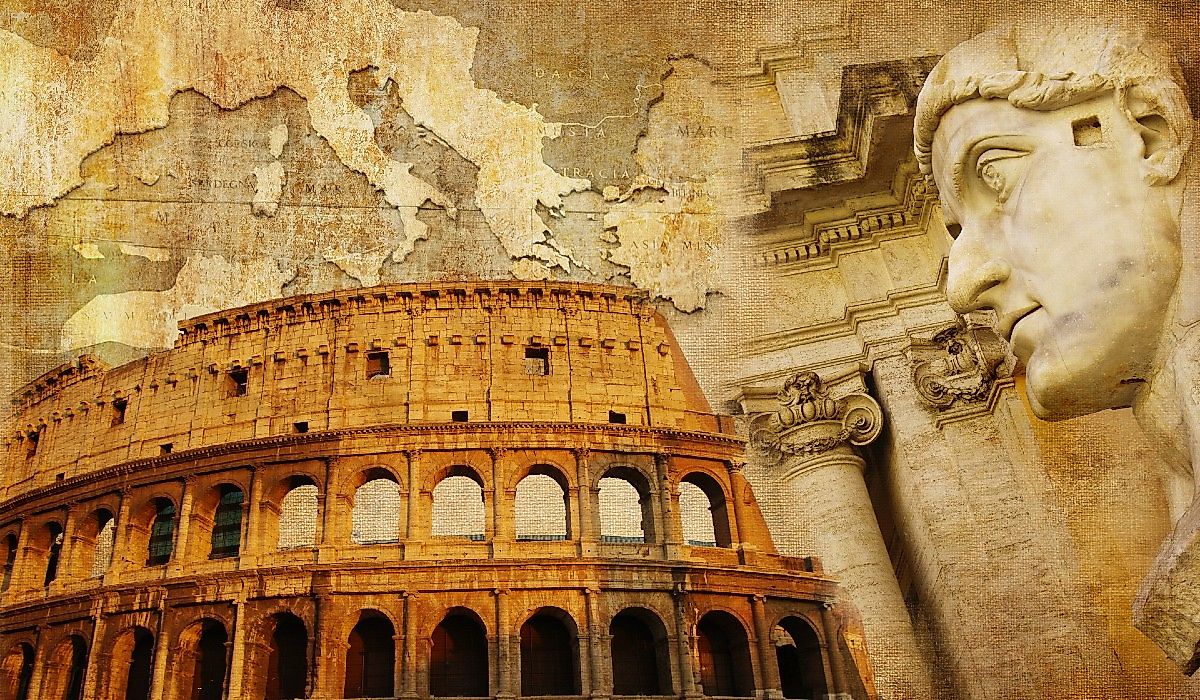
Both the Roman Republic and the Roman Empire had a vast territorial reach. Admittedly, it didn't start this way. Beginning as a small Italian city-state in 509 BCE, the Republic took 200 or so years to establish control over the Italian peninsula. Thereafter, it turned its attention to major Mediterranean islands like Sardinia and Sicily, and also made inroads into North Africa. In doing so, it fought a series of wars with the Tunisia-based empire, Carthage. Formidable opponents, the Carthaginians fought vigorously for over 100 years before ultimately being defeated in 146 BCE. During the same time, the Romans made incursions into the Balkans, establishing control of Macedonia and Greece in the process. The Republic expanded beyond the Mediterranean world in the 50s BCE when, under the leadership of proconsul Julius Caesar, it took Gaul (modern-day France, Belgium, and Luxembourg). Finally, its last major expansion came in 30 BCE, when Octavian annexed Egypt.
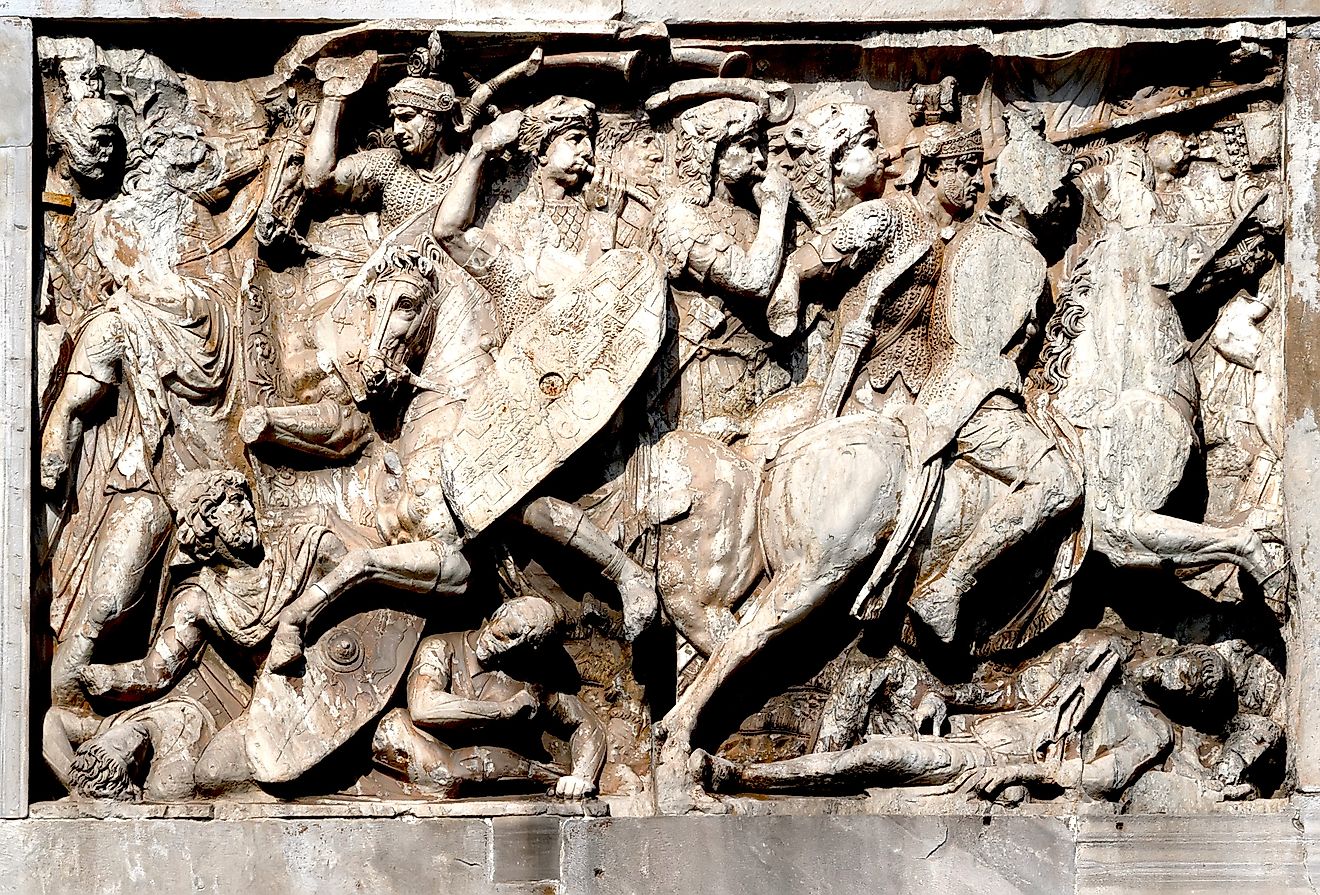
When Rome transitioned into an Empire in 27 BCE, its rate of expansion slowed, but its vast territorial reach remained. Under Emperor Claudius in 43 CE, Rome invaded Britain. Emperor Trajan then conquered Dacia (modern-day Romania) in 106 CE. Trajan pushed even further during the 110s CE and made incursions into Armenia, Assyria, and Mesopotamia. Doing so was ultimately unsustainable, and the Romans were forced to retreat. 117 CE thus marked the furthest territorial extent of any Ancient Roman state at approximately 1.9 million square miles.
Similarity: Culture

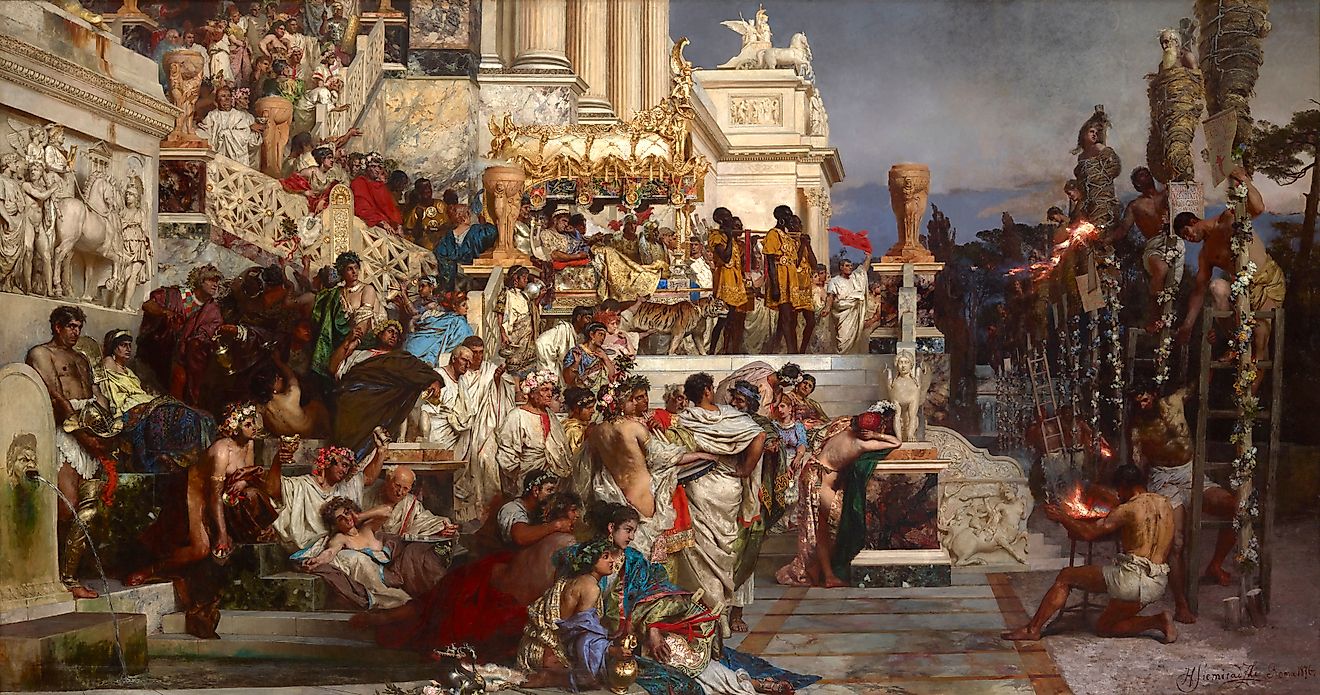
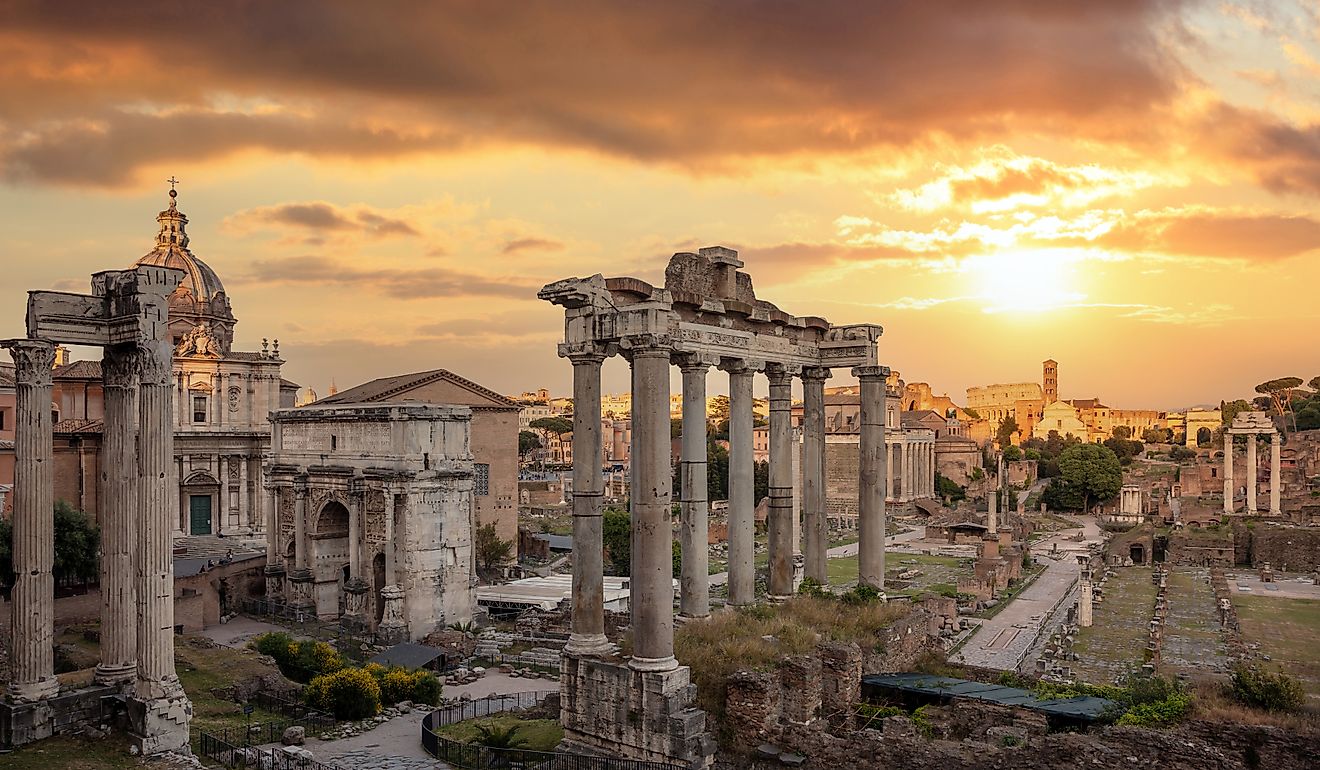
Roman culture in the Republic and Empire was remarkably consistent. Latin was the main language in the West, whereas Greek was primarily spoken in the East. Architecture was also similar in the Republic and the Empire. Everyday life shared major commonalities too, with entertainment like gladiatorial games and chariot races being popular in both states.
Surprisingly, there was significant overlap in political culture and values. Despite having different political systems (as will be discussed later), both the Republic and Empire made allusions to republican traditions. In the Republic, this wasn't a show, and power-sharing was genuinely practiced. In the Empire, emperors often pretended to respect republican institutions, even if they themselves actually held all the power. Rome's first Emperor, Augustus, established this norm in 27 BCE when he proclaimed that he was "giving back power" to the Senate. This occasionally went beyond show. Indeed, Emperor Trajan regularly consulted the Senate and genuinely respected its opinion. All this demonstrates that even though they had different political systems on paper, republican political culture existed in both the Roman Republic and Empire.
Difference: Political Systems

Nevertheless, the differences in political systems were meaningful. The Roman Republic was built on power-sharing between governmental institutions and designed to prevent the abuses of power that characterized the previous regime, the Roman Monarchy. Two consuls thus shared the power of a king, and they were elected annually by a popular assembly. The Senate also served as an advisory body. This system wasn't perfect. Since senators weren't elected and served for life, they had an abundance of political experience on which the consuls relied. Therefore, the Senate often had an outsized political influence. Regardless, the republican system did help prevent too much power accumulation in the hands of one person or institution, at least the first 400 or so years of its existence.
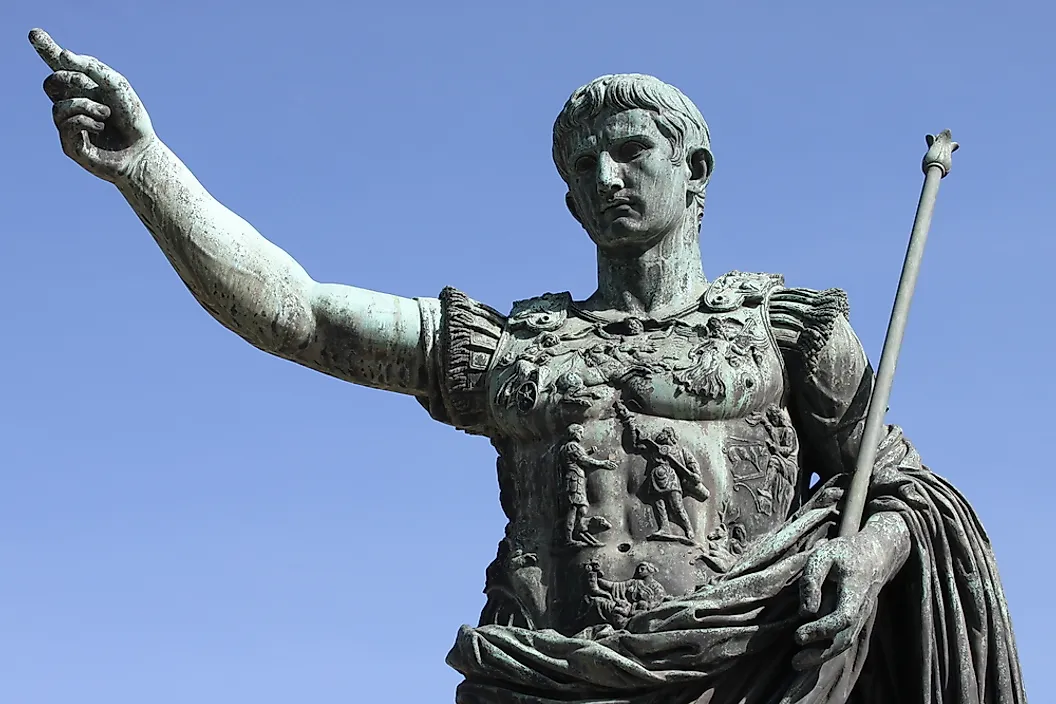
This all changed in the Roman Empire. Despite allusions towards republican ideals, the emperor was still the supreme leader. He controlled the army, taxation, legislation, and provincial administration. Many republican trappings also disappeared as time went on, a dynamic which became particularly apparent under the reign of Emperor Diocletian (284 to 305 CE). He ruled after a nearly fifty-year period of instability called the Crisis of the Third Century, during which the empire was nearly torn apart by civil war, political instability, economic crises, and barbarian invasions. To ensure Rome's survival, Diocletian believed the emperor needed more power. Part of this involved adopting practices that treated them like kings. Citizens subsequently began bowing before them, and court rituals became indistinguishable from those practiced in monarchies. In short, differences in political systems eventually manifested into differences in political culture, even if it took a while.
Difference: Military Strategy

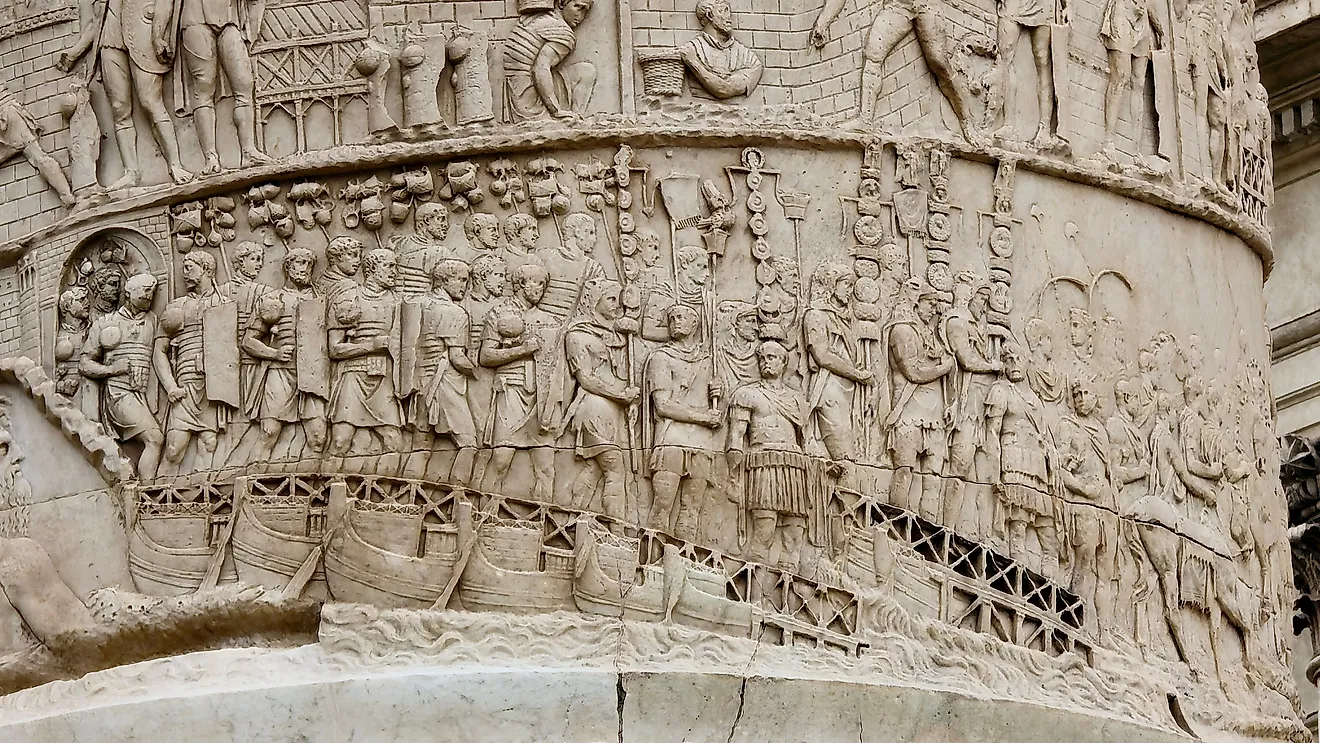
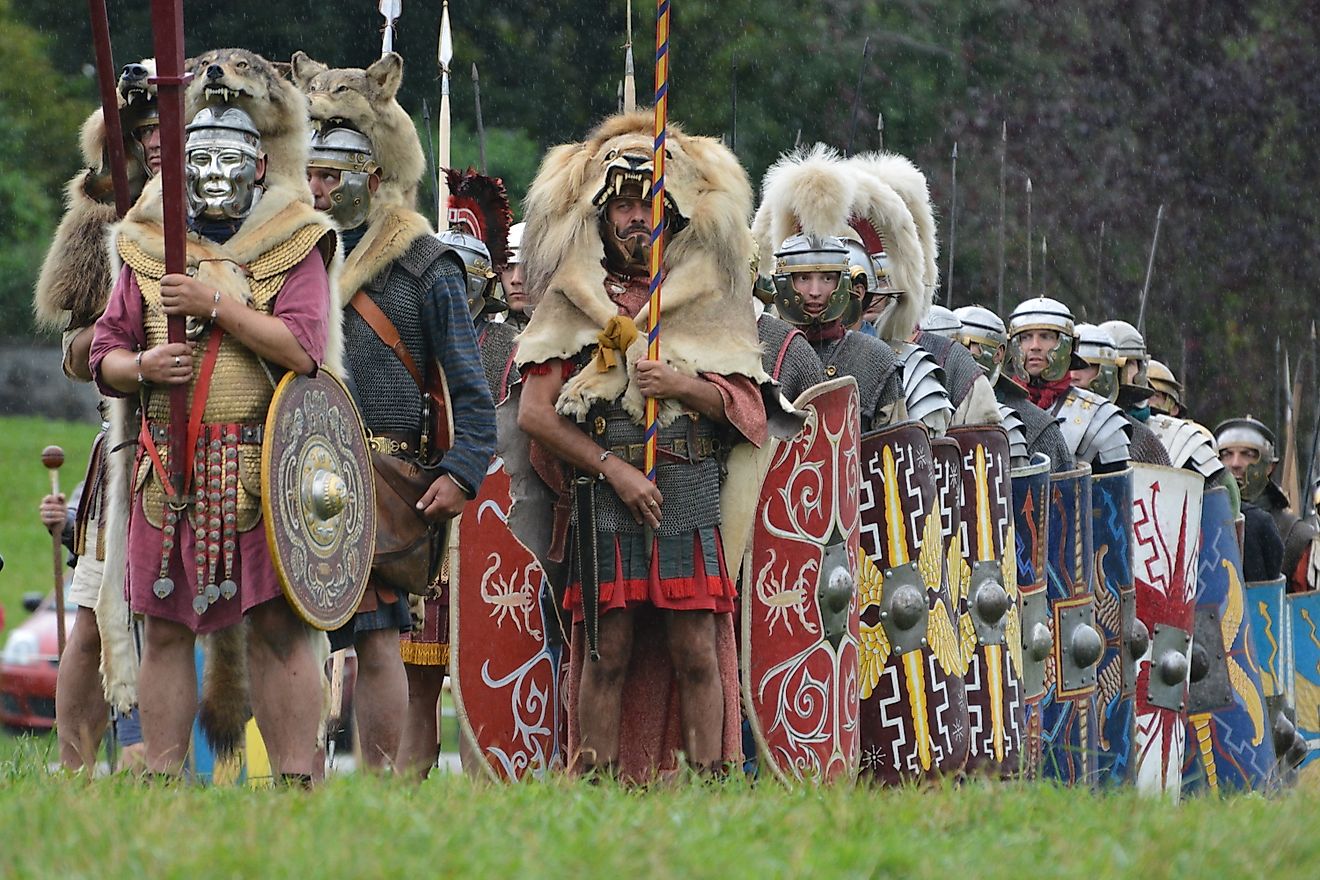
In the Republic, military strategy was almost exclusively focused on expansion. As noted in a previous section, Rome went from a small city-state into a Mediterranean and Europe-wide powerhouse in less than 500 years. While some expansion occurred for the first 200 years of the Empire's existence, it was much more limited. The sheer size of the Roman state necessitated more efforts be put towards defense, which took resources away from offensive campaigns. Defense became even more necessary in the 3rd, 4th, and 5th centuries CE, as Rome faced more and more incursions from Germanic tribes in the north and the Persians in the east. Due to all these factors, the Romans dramatically built up their fortifications and permanently stationed armies on the empire's borders. Perhaps the most famous Roman fortification was Hadrian's Wall, which began construction in 122 CE to protect Britain from incursions by northern tribes.
Impact and Legacy

There are several important similarities and differences between the Roman Republic and Roman Empire. What carried across the transition was largely material and cultural, since the territory, the languages, and the public architecture changed remarkably little. What broke was constitutional, and that break only widened, as a system designed to divide power gave way to one designed to concentrate it. Even the change in military posture followed from that, because an emperor holding sole command over a saturated frontier had far more reason to hold ground than to take it. Collectively, these factors paint a picture of two states that can't be separated from each other, yet also can't be understood as the same.