Who Were The Most Overrated Roman Generals?
Reputation in Ancient Rome was rarely a straight reflection of the battlefield. Some commanders earned lasting fame on the strength of one lucky victory, others on the wealth or bloodline that put them in charge, and a few on little more than the propaganda of admirers who came later. Julius Caesar and Scipio Africanus belong at the top of any serious list, but the tier just below them holds names that history has treated more kindly than their records warrant. The four generals below were all capable men, yet each one is remembered as greater than the evidence supports.
Marcus Licinius Crassus (115 to 53 BCE)

Marcus Licinius Crassus was perhaps the most overrated general in Roman history. He rose to prominence as a commander for Lucius Cornelius Sulla during his civil wars. Following the conflicts, Crassus amassed a massive fortune via real estate and mining. He eventually became the richest man in the Roman Republic.
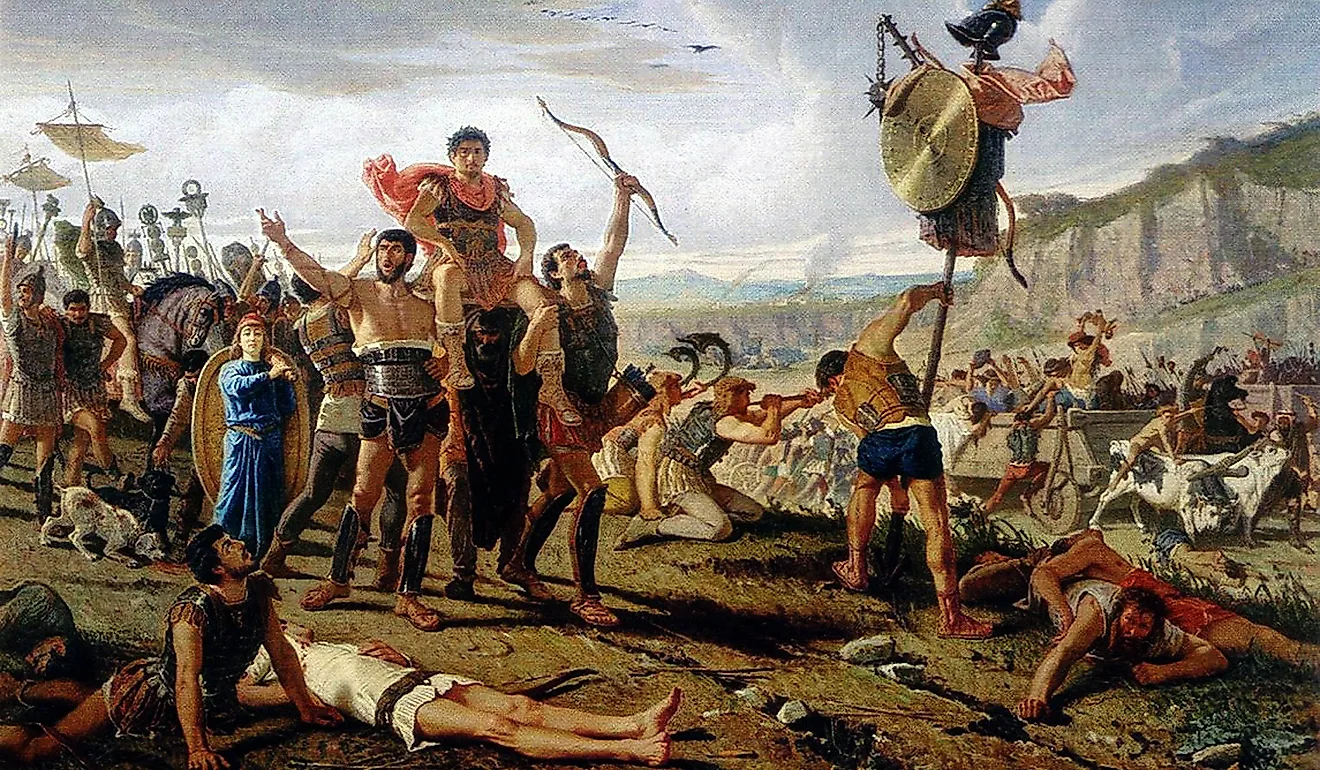
Crassus' most significant military achievement came in the late 70s BCE when he defeated Spartacus in a slave revolt known as the Third Servile War. That victory raised his standing among Rome's other famous generals, most notably Pompey the Great and Julius Caesar. In 60 BCE, the three men formalized their ties by forming an alliance called the First Triumvirate.
Crassus soon began to feel insecure about his own accomplishments. Caesar had won unprecedented personal popularity and influence through his campaign in Gaul (modern-day France, Belgium, and Luxembourg). Pompey, meanwhile, had strung together one success after another, including the pirate campaign of 67 BCE, the Third Mithridatic War, and numerous other victories in the east. Pompey could even take credit for Crassus' biggest achievement, since he too took part in ending the Third Servile War.

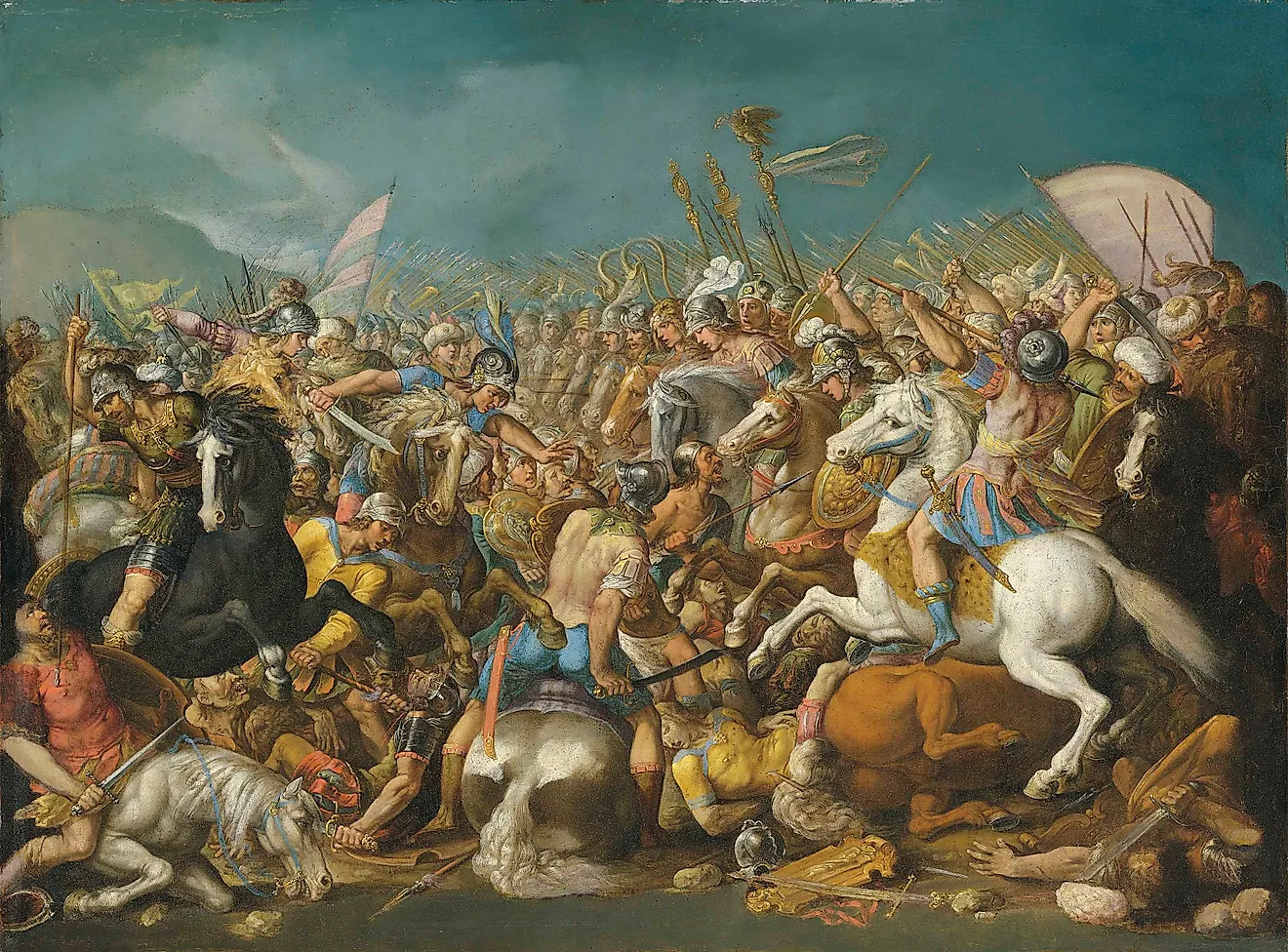
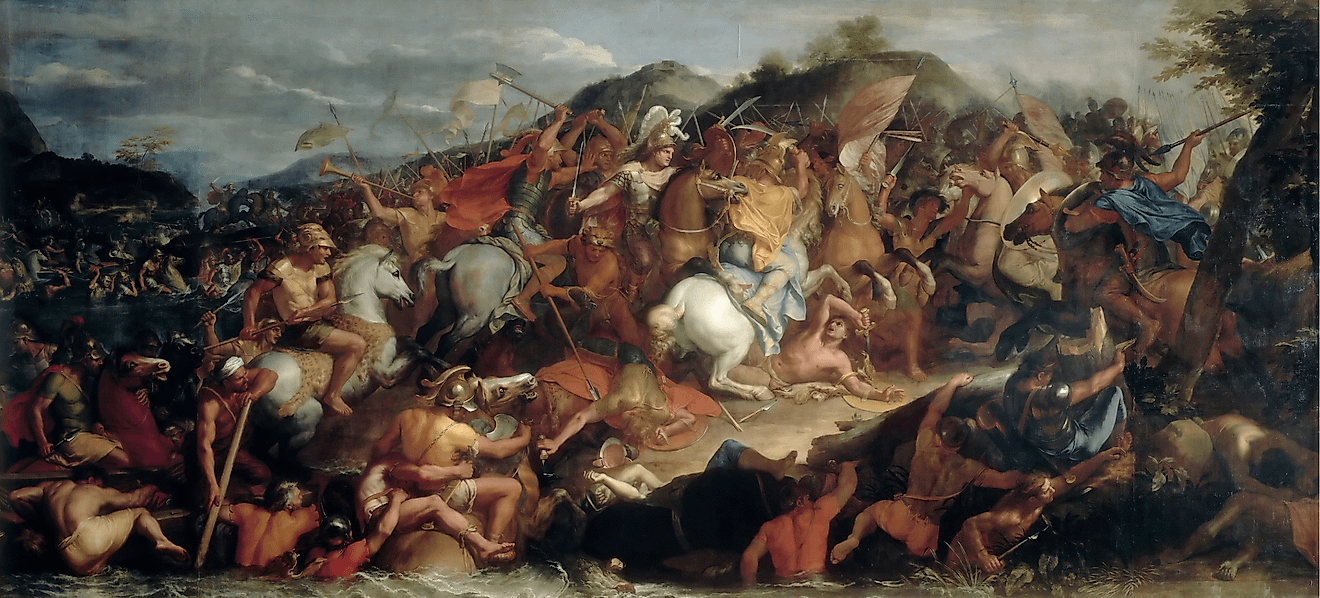
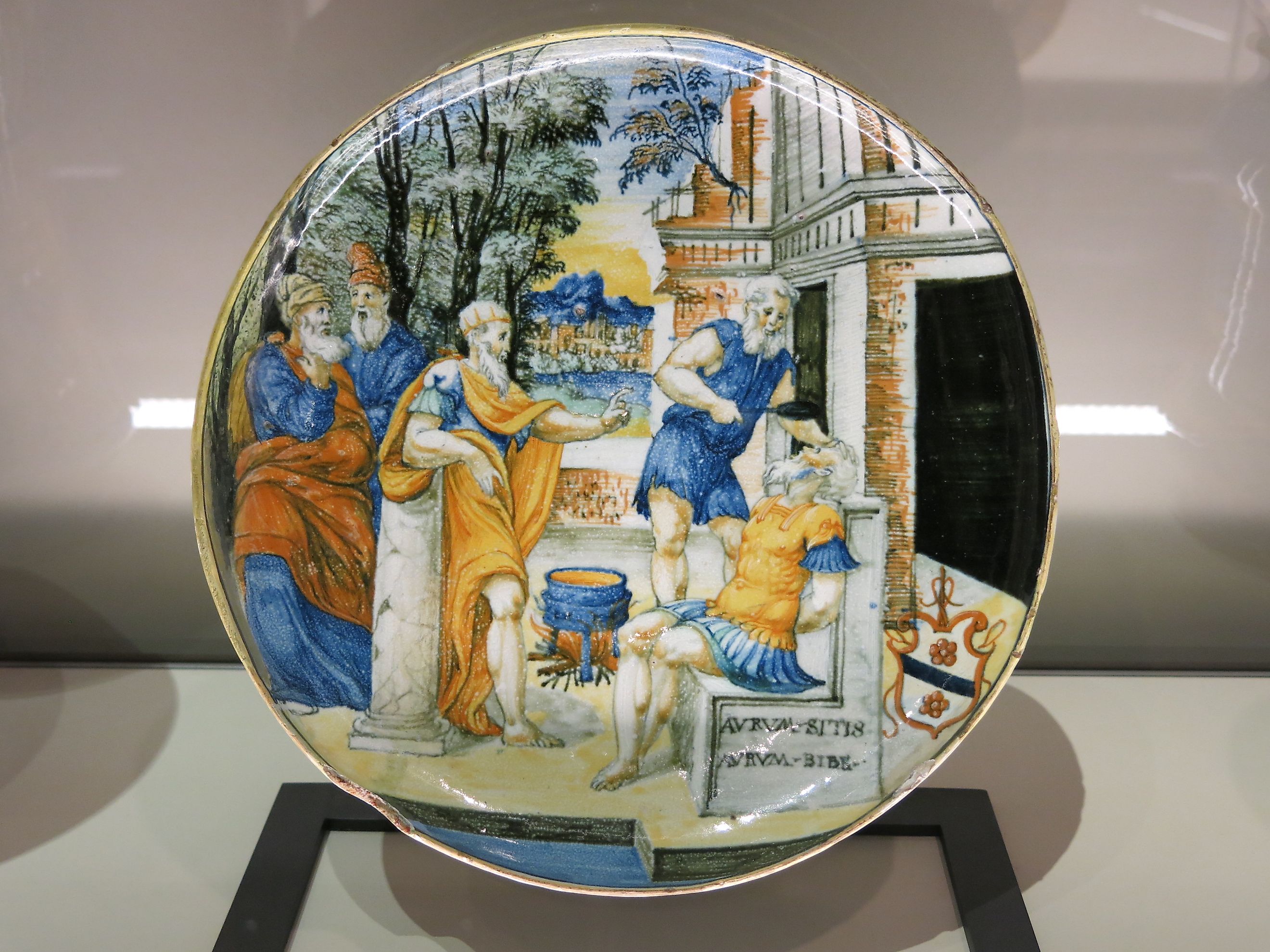
In 55 BCE, hoping to establish value beyond his wealth, Crassus invaded Parthia. Things went fairly well for the first year or so. The campaign then collapsed at the Battle of Carrhae in 53 BCE. Unprepared for the Parthian horse archers and cavalry, the Romans were devastated, suffering about 20,000 deaths. Crassus survived the battle but was then killed in a botched negotiation attempt afterwards. He died with only one major military victory to his name.
Pompey The Great (106 to 48 BCE)

Few would argue that Pompey the Great was anything less than an outstanding general. The problems come when people assert that he was equal to someone like Julius Caesar. Much like Crassus, Pompey first gained fame by supporting Sulla during his civil wars. Over the next decades, he racked up victory after victory in places like Anatolia, Spain, and the Levant. He also supposedly cleared the Mediterranean of pirates in just one year, though this claim was likely exaggerated.
In 60 BCE, Pompey entered into an informal alliance with Julius Caesar and Crassus. Through the First Triumvirate, the three men spent the next decade using their combined wealth and military experience to bypass Republican institutions. Nevertheless, the arrangement was tenuous. Pompey and Caesar never liked each other. Their relationship was temporarily strengthened when Pompey married Caesar's daughter, Julia. Crassus also acted as a moderating figure. However, everything fell apart when Julia died, and Crassus was defeated and killed at the Battle of Carrhae. With little now holding them together, Pompey increasingly aligned himself with the Senate against Caesar.

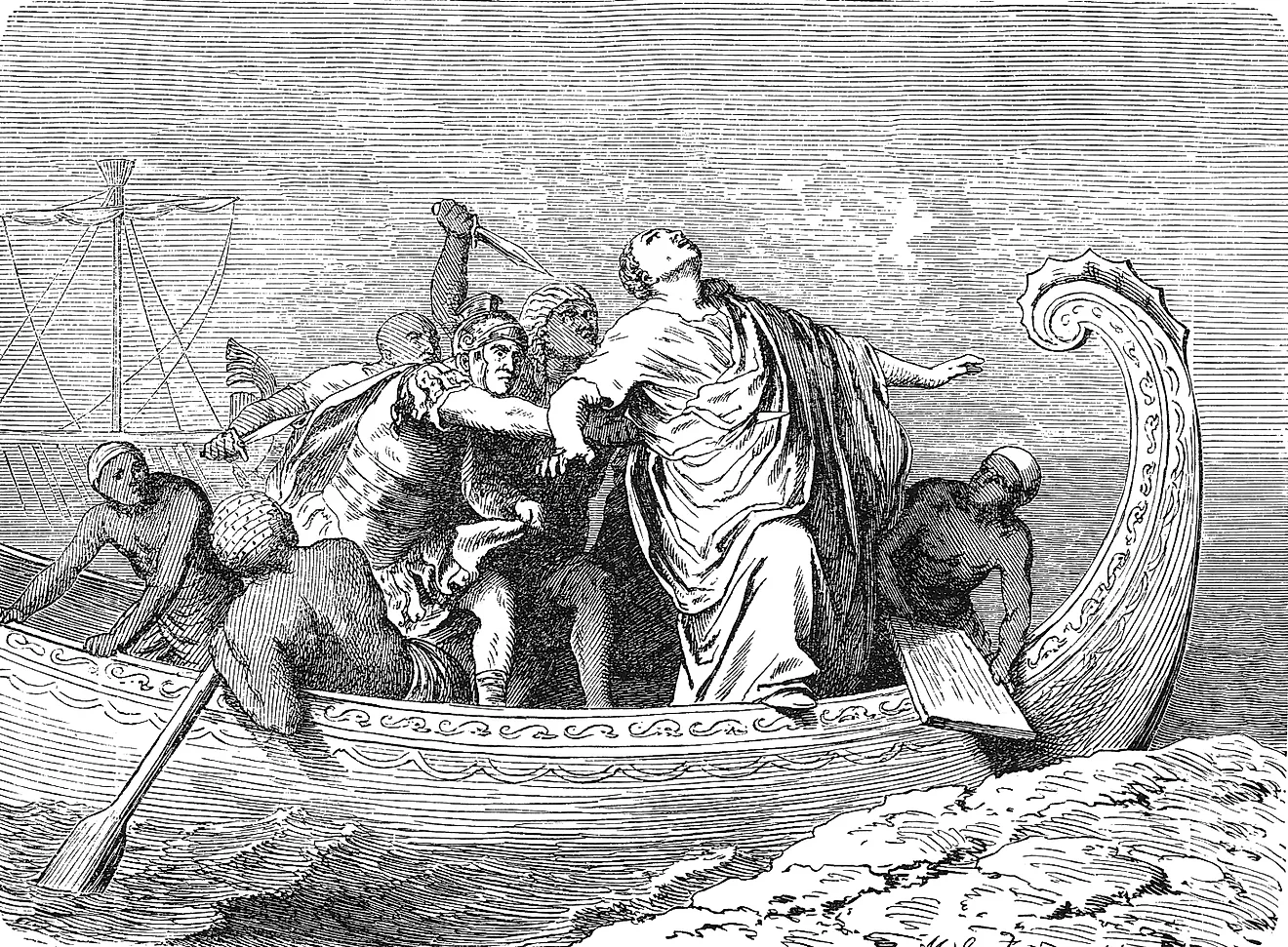
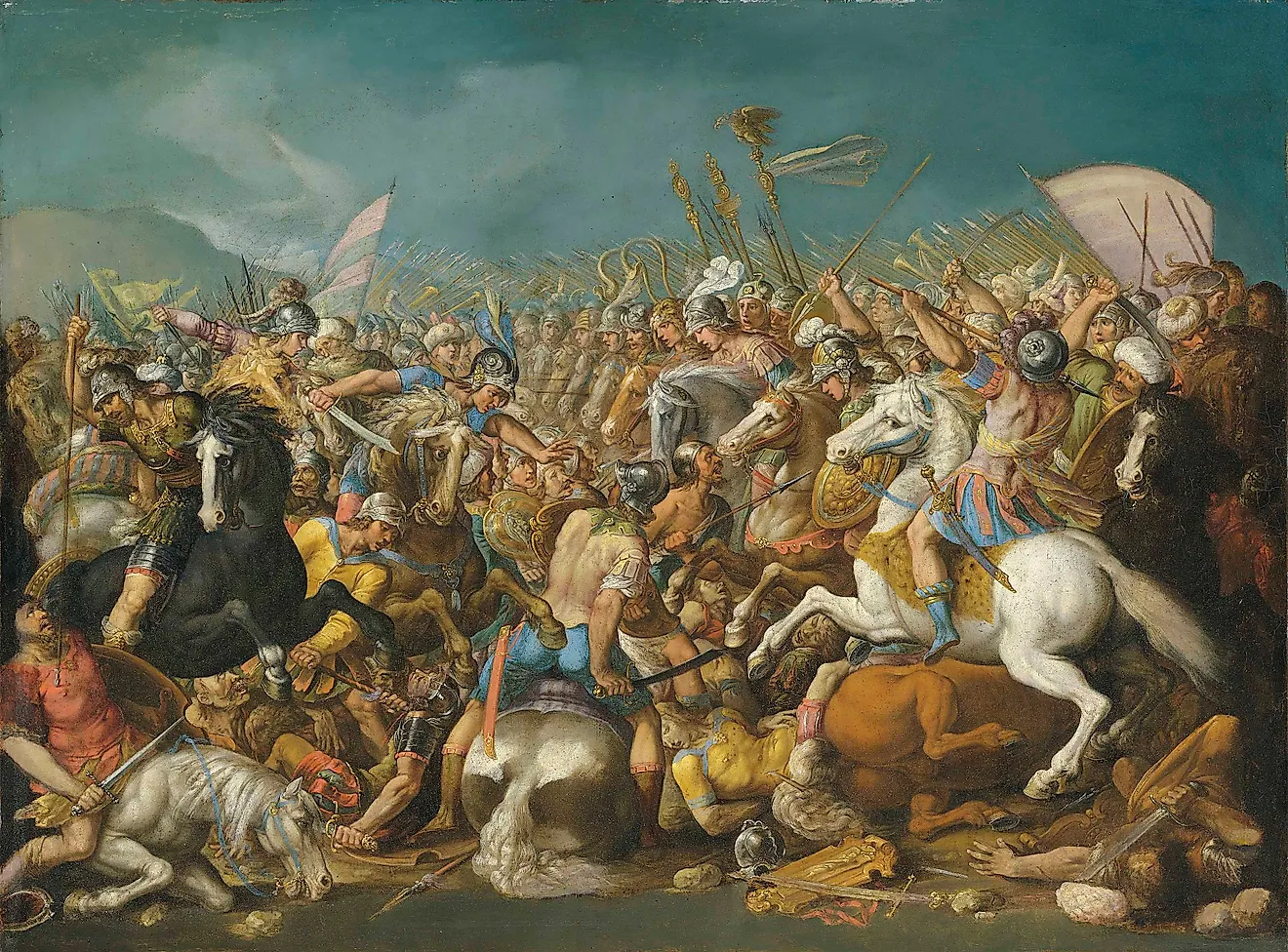
In 49 BCE, Caesar crossed the Rubicon River with his army, effectively declaring war on Pompey and the Senate. The opening years of the war exposed Pompey as no match for Caesar, despite his previous successes. He began by retreating to Greece to gather a larger army, allowing Caesar to quickly capture Italy. This retreat proved pointless, since Caesar soundly defeated Pompey at the Battle of Pharsalus in 48 BCE. Pompey was again forced to flee, this time to Egypt, where he was assassinated on the orders of Pharaoh Ptolemy XIII.
Germanicus (15 BCE to 19 AD)

Germanicus is one of the most popular figures in Roman history. Born to a prestigious family (his uncle was future Emperor Tiberius, his great-uncle was Emperor Augustus, and his maternal grandfather was famed general and consul Mark Antony), he was effectively positioned to be emperor when Tiberius adopted him. Germanicus came of age during the years following Emperor Augustus' death. He started his military career in 14 AD commanding troops along the Rhine River. This was a difficult position. The Rhine legions mutinied after Augustus died, and a disastrous defeat in the Teutoburg Forest five years earlier was still fresh in the minds of many Romans.

Against all odds, Germanicus made the best of this situation. He suppressed the mutiny and launched a series of campaigns into Germania from 14 to 16 AD. These were successful. He won most major battles, reasserted Roman strength in the region, and, most importantly, got revenge for the Battle of the Teutoburg Forest. At the same time, Germanicus never permanently conquered Germania, so his victories were more moral than strategic. He also died in 19 AD at the age of 33 before he could truly establish his legacy. For these reasons, Germanicus shouldn't be considered one of the greatest Roman generals, despite his personal popularity.
Flavius Stilicho (359 to 408 AD)

Flavius Stilicho is sometimes remembered as the last great general of the Western Roman Empire. The son of a Vandal father and a Roman mother, he gained immense power once the Roman Empire split into East and West in 395 AD. A close advisor to Emperor Honorius, Stilicho quickly became the de facto regent of the Western Empire.
Stilicho's tenure was beset by problems. He first faced a Visigoth incursion in the Balkans, and then again in Italy. Stilicho managed to defeat them but was unable to kill or capture their leader, King Alaric I. Desperate for troops to fight threats elsewhere, Stilicho incorporated the Gothic soldiers into his own army. Despite being a controversial decision, the Goths proved useful as the empire faced incursions from other barbarian tribes on the Rhine and an uprising in Gaul. Even though Stilicho managed to fight off these threats for a little while, they eventually proved too great. When paired with rumours that he was trying to elevate his son to the imperial throne, he was eventually executed in 408 AD.

With Stilicho gone, the Visigoths had no reason to ally themselves with the Romans. They subsequently returned to Alaric and sacked Rome in 410 AD. The trauma of the sack later convinced writers that the city, and the broader Western Roman Empire, would have been saved had Stilicho survived. However, history is more complicated than that. Stilicho certainly was effective, but the sheer number of problems facing the empire likely would have been too much for even him to handle. Therefore, while he was a great general, he shouldn't be remembered as a potential savior of the Western Roman Empire.
Reputation Versus Record
What ties these four together is the gap between what they are remembered for and what they actually achieved. Crassus bought his way to the top and left behind a single real victory. Pompey won brilliantly until he met the one opponent who mattered. Germanicus fought well but changed nothing lasting, and Stilicho held back the tide only until it drowned him. Each was a competent soldier, and none was the towering figure that later admirers made him out to be. Measured against the records of Caesar or Scipio, their fame says more about Roman storytelling than about Roman generalship.