Who Were The Most Overrated Ancient Generals?
Winners write the history books, but every once in a while, a loser slips through the cracks with a stellar reputation. Biased ancient sources, combined with a large gap of time, sometimes mean that perception of a historic figure exceeds reality. Consider Xerxes I, who utterly failed in his invasion of Greece. Or take Hannibal Barca, who, despite his daring military maneuvers, achieved little long-term military success. These are history's biggest losers, or winners, depending how full or empty your glass appears.
Xerxes I

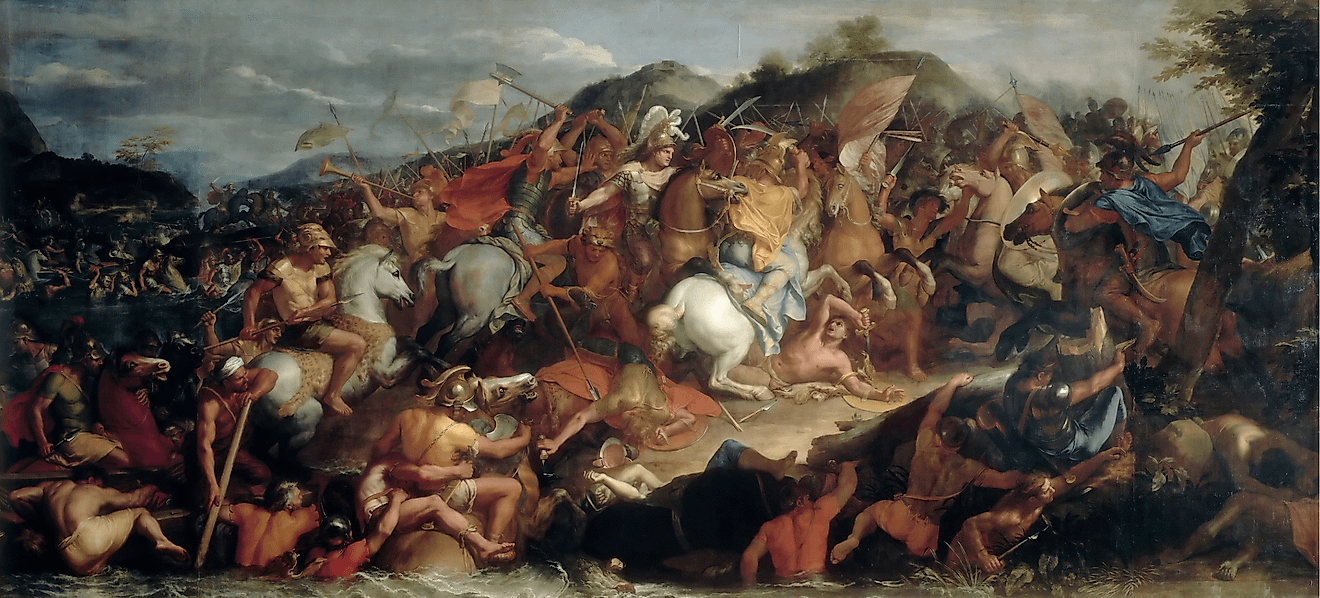
Xerxes I ruled the Achaemenid Persian Empire from 486 to 465 BCE. The defining feature of his reign was his invasion of Greece, which started in 480 BCE. His predecessor, Darius, had attempted and failed to do the same ten years earlier, so Xerxes wanted revenge on the Greeks and to establish Persian dominance in the eastern Mediterranean.
The invasion began well. Xerxes famously ordered the construction of bridges across the Hellespont, allowing his army to easily pass from Asia into Europe. The Persians then marched through Thrace (modern-day Bulgaria) and Macedonia. Perhaps the most famous battle of the campaign came at Thermopylae. The Persians defeated the Spartan-led Greek coalition, but at an enormous cost. Herodotus claims that 20,000 Persians were killed, though modern historians think this number is exaggerated. Regardless, it was still likely very high and demonstrated that the Greeks wouldn't go down without a fight.
The tide turned in September 480 BCE with the Battle of Salamis. Athenian leader Themistocles lured the Persian fleet into narrow waters near Salamis and annihilated it. The navy was crucial for supplying the Persian army, particularly when it was so far inside Greece. Therefore, Xerxes withdrew much of his fighting force and returned to Asia. A defeat at Plataea the following year resulted in the rest of the Persian army retreating. For the rest of his reign, Xerxes gave up attempts to invade Greece, instead focusing on imperial administration and monument construction back home. He was ultimately assassinated in 465 BCE.
Alcibiades

Alcibiades is one of the most fascinating figures in Ancient Greek history. Born in 450 BCE to a wealthy aristocratic Athenian family, he had every advantage one could ask for. From his connections to his charisma to his physical attractiveness, the ancient sources describe a man seemingly destined for greatness. When the Peloponnesian War began in 431 BCE, he was too young to have a major political or military role. Nevertheless, he eventually emerged as a preeminent figure in the late 420s BCE.
Alcibiades favored an aggressive Athenian foreign policy, contrasting the early approach of someone like Pericles. The defining moment of his career came in 415 BCE when Athens launched the Sicilian Expedition. Alcibiades supported this decision, arguing that it would help diminish Spartan influence and pave the way for Athenian dominance of the Western Mediterranean.
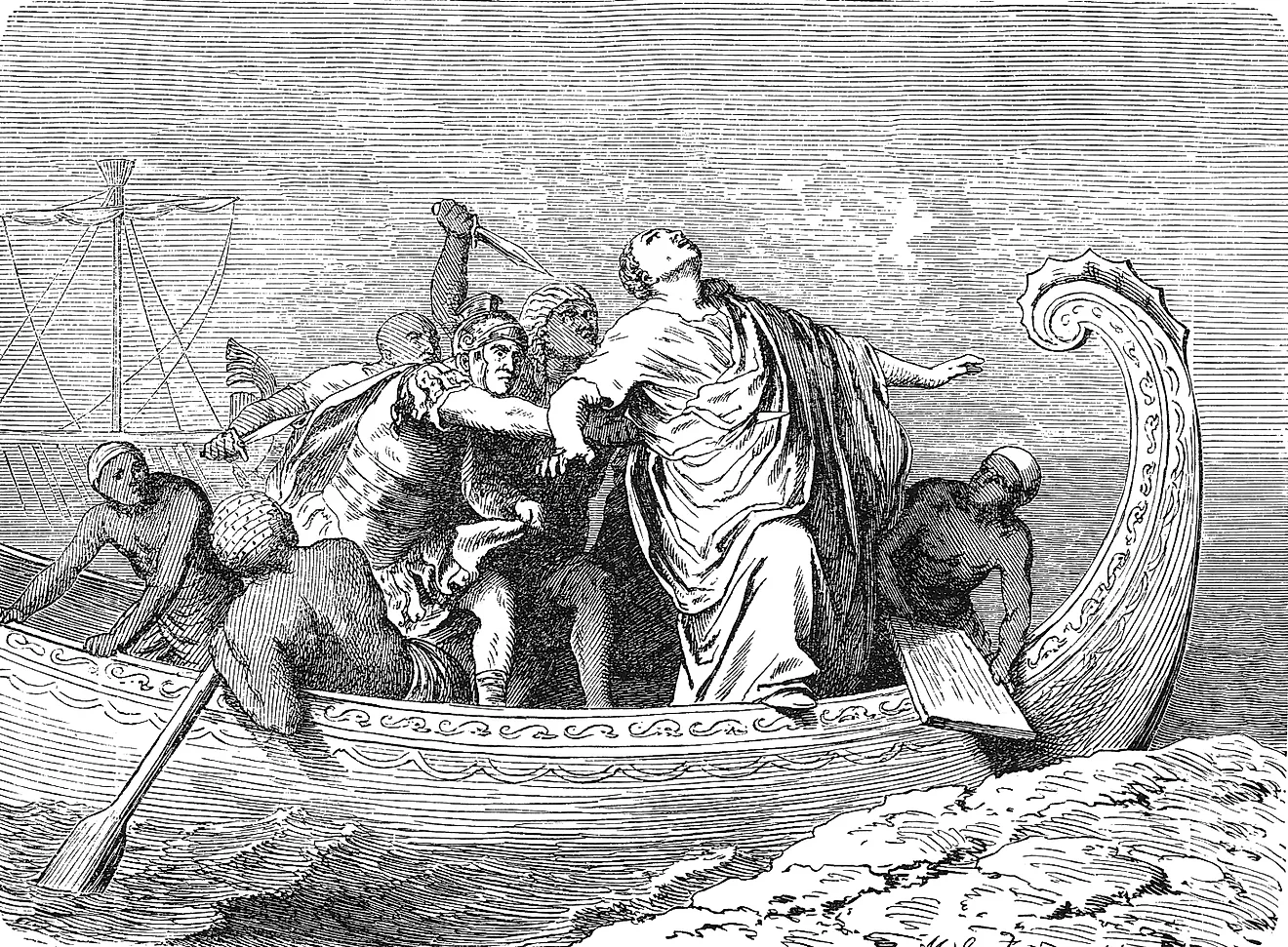
The Sicilian Expedition was one of the biggest disasters in Athenian military history. After a two-year campaign, the Athenian fleet got trapped and destroyed in Syracuse's Great Harbor. Athenian naval power was the main source of its strength. Without it, the city had little chance of winning the war. As for Alcibiades, he sailed as one of the expedition's commanders, only to be recalled to Athens on charges of sacrilege soon after the fleet reached Sicily. Rather than stand trial, he defected to Sparta, later fleeing that city too after entering into a romantic relationship with the wife of Spartan King Agis II. Alcibiades did preside over some notable Athenian victories, including at Abydos in 411 BCE and at Cyzicus in 410 BCE. Regardless, the Sicilian Expedition is a permanent stain on his legacy.
Hannibal Barca

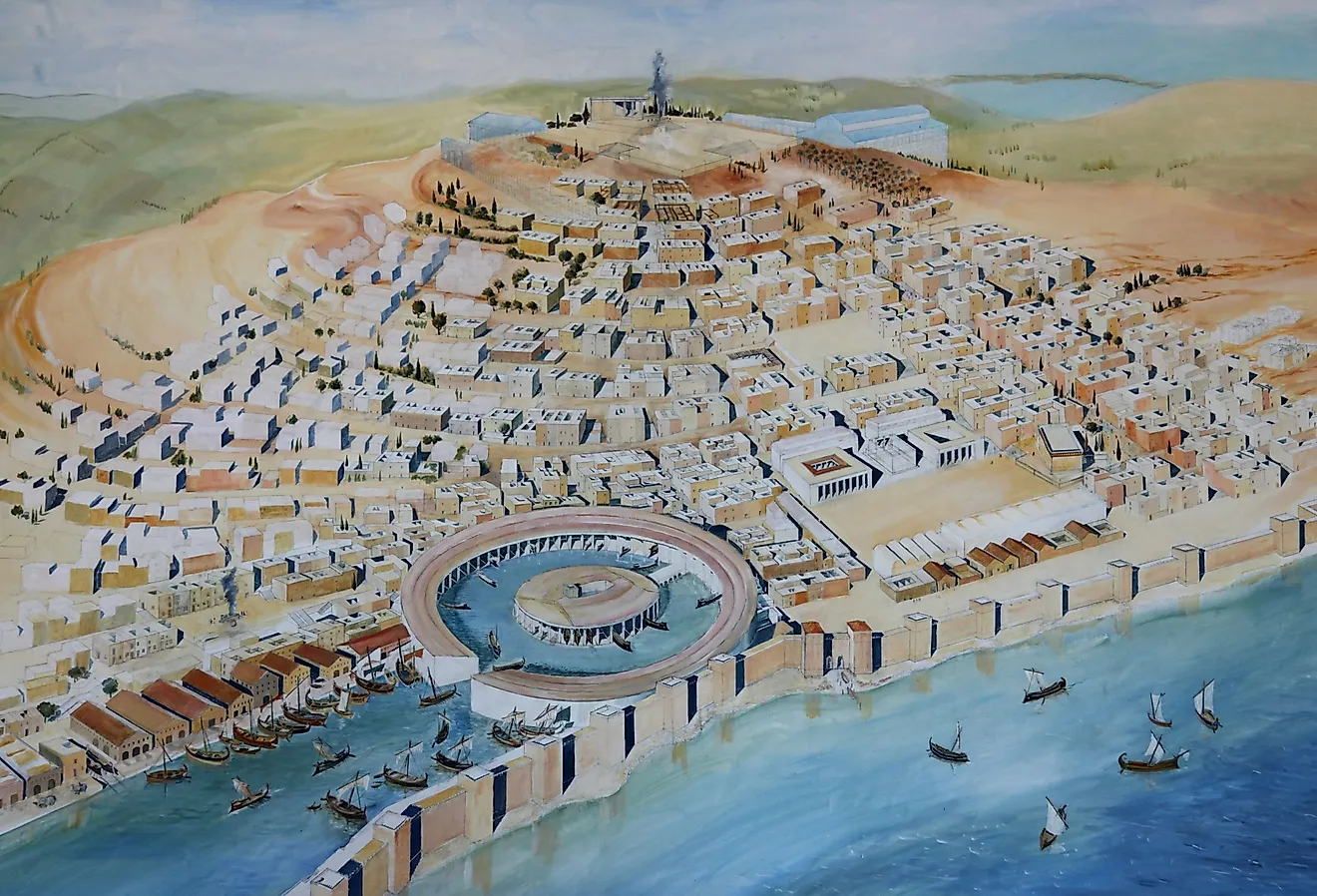
Hannibal Barca was undoubtedly a great general. Consider his opening move of the Second Punic War in 218 BCE. Rather than invading Italy by sea, he marched over the Alps with his army (which included war elephants) and attacked from the north. Doing so allowed him to take the Romans by surprise, and the Carthaginians won battle after battle in the first years of the conflict.
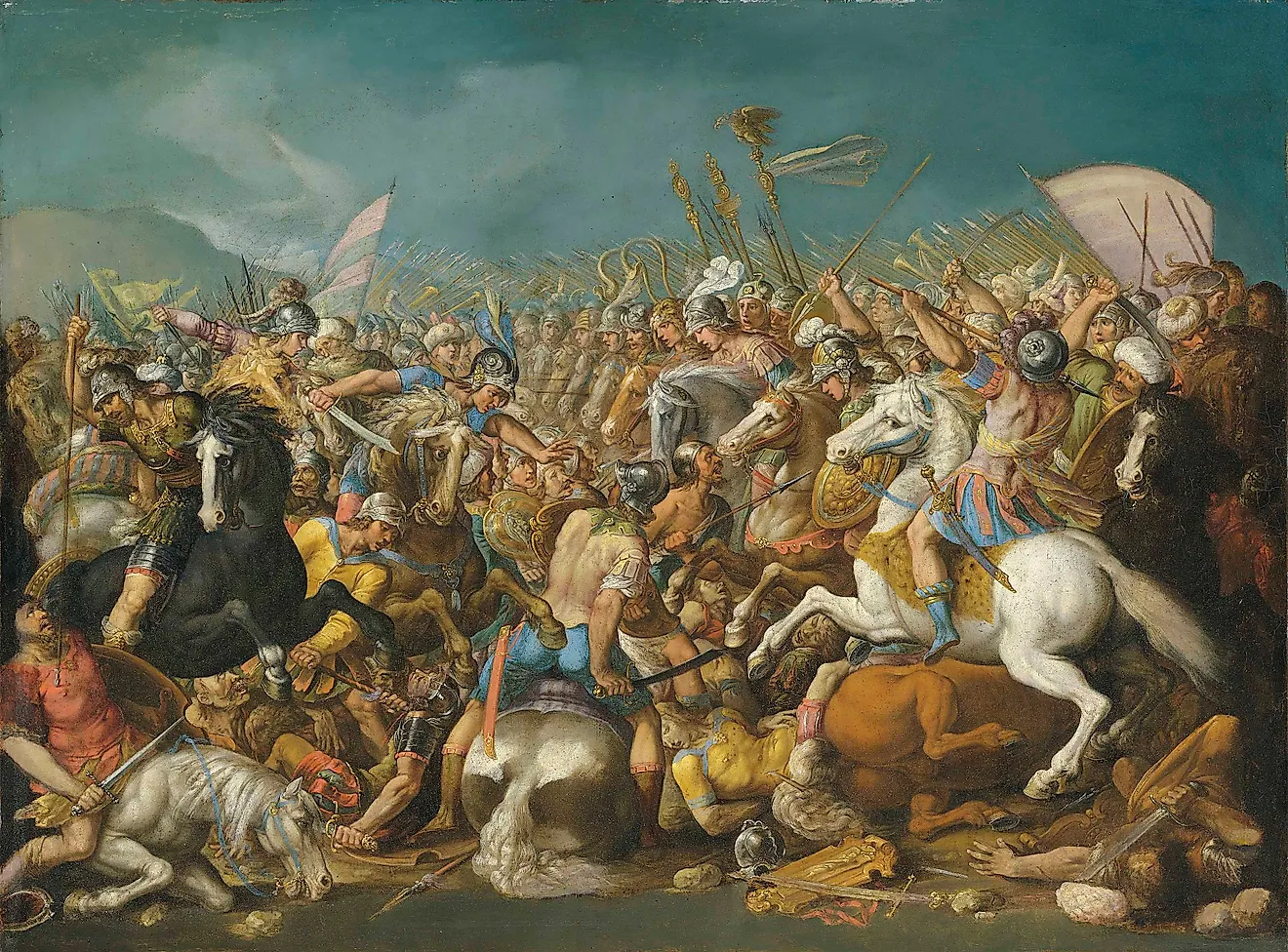
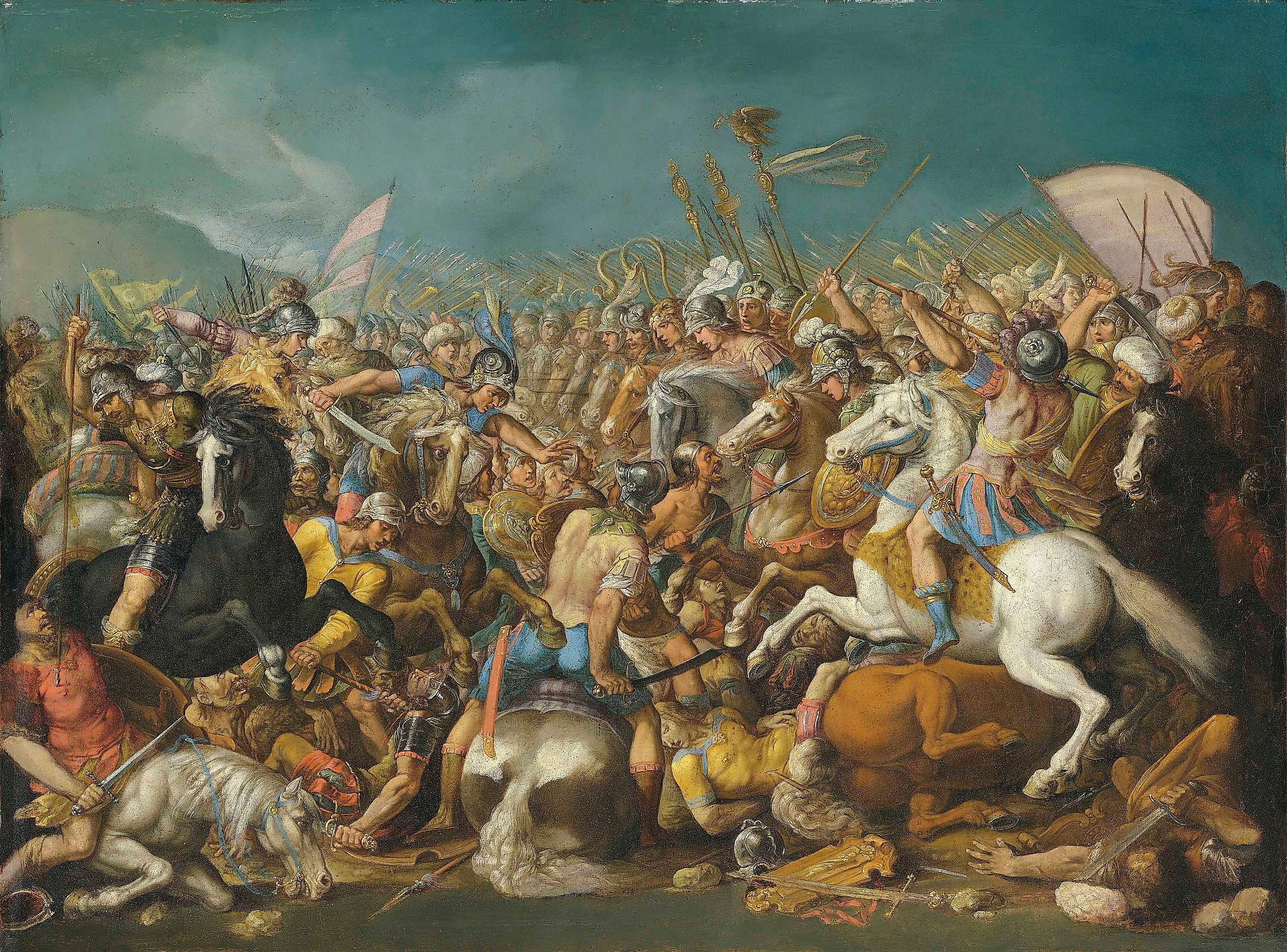
The Battle of Cannae in 216 BCE was another tactical masterpiece. Even though the Carthaginians were outnumbered nearly two to one, Hannibal managed to defeat the Romans by placing his weaker troops in the center and his stronger troops on the sides. As the Romans moved forward into the center, these stronger troops surrounded them, leading to a slaughter. The scale of this defeat was so traumatic that it prompted a fundamental rethinking of Roman military strategy for the rest of the war.
Despite all these impressive feats, Hannibal's weaknesses deserve more discussion. Consider again his march over the Alps. The exact numbers are unclear, but some sources assert that he lost as much as half of his army, or between 15,000 and 20,000 troops. While the survivors now formed a hardened fighting force, Hannibal needed more people to fight a prolonged war in Italy. His refusal to march on Rome after the Battle of Cannae is another questionable decision. Hannibal may have thought that he lacked the necessary siege equipment, manpower, and supplies to take the city. Regardless, this oversight allowed the Romans to muster their strength, and Hannibal was eventually defeated at the Battle of Zama in 202 BCE.
Marcus Licinius Crassus

Marcus Licinius Crassus was born in 115 BCE to an aristocratic family. He rose to prominence as one of Sulla's generals during his civil wars. Perhaps his most notable achievement came in the late 70s BCE, when he defeated Spartacus in the Third Servile War. Crassus was also the richest man in Rome, a fortune he amassed by confiscating property and investing in real estate. This wealth and influence eventually led to him forming an informal alliance with two other generals, Julius Caesar and Pompey the Great, in 60 BCE. Known as the First Triumvirate, it dominated Roman politics throughout the 50s BCE.
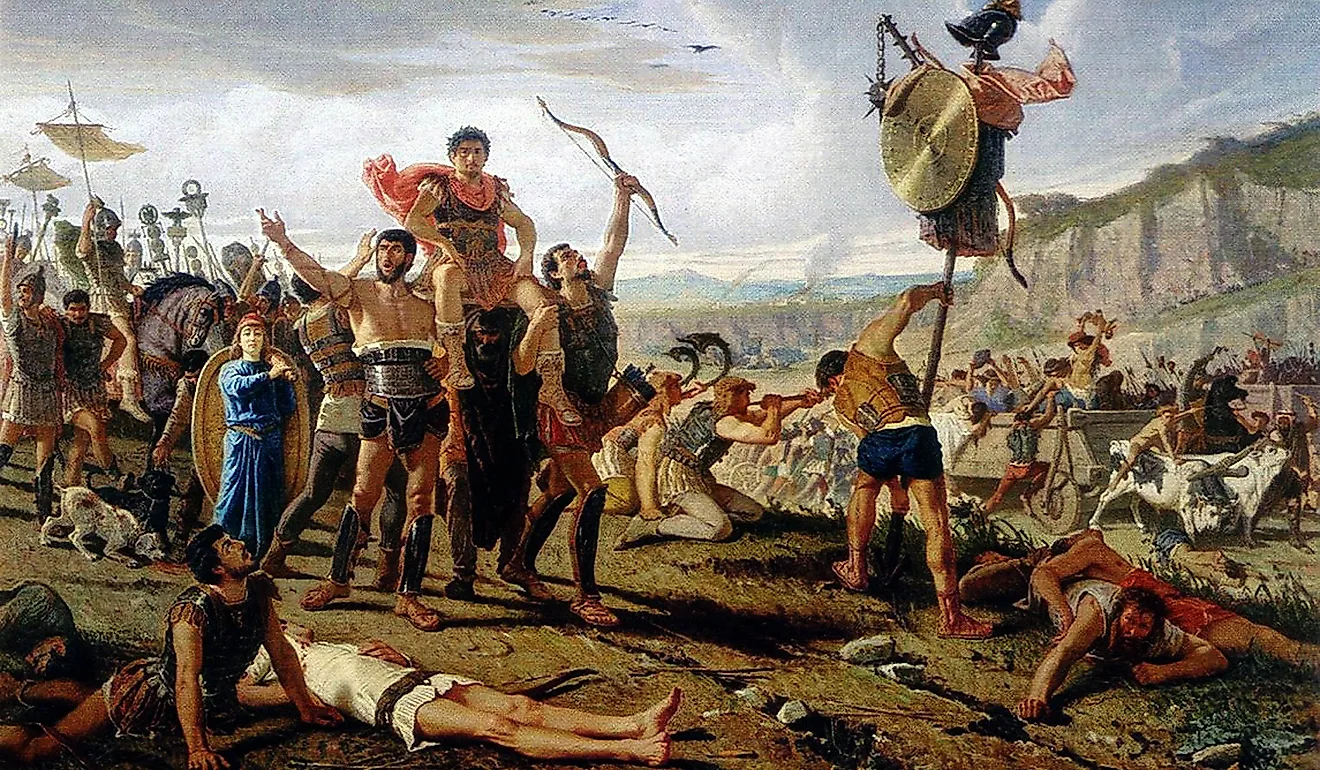
Crassus soon grew jealous of his allies. Pompey racked up victory after victory on the battlefield during the 60s BCE, and Caesar's ongoing campaign in Gaul was bringing him unprecedented popularity and power. Desperate to achieve similar levels of glory, Crassus invaded the Persia-based Parthian Empire in 54 BCE. The campaign initially went well, but it became catastrophic at the Battle of Carrhae in 53 BCE. In this engagement, Crassus underestimated the Parthian horse archers and cavalry, and his army was decimated. He survived the battle but was killed in a botched negotiation attempt afterward. Crassus died with only one real military accomplishment, the victory in the Third Servile War, to his name.