How Rome Lost Its African Provinces
For centuries, North Africa was one of Rome’s richest and most productive regions. Its farms fed cities, its ports supported Mediterranean trade, and its cities produced emperors, bishops, writers, and soldiers. Therefore, when it came under Vandal control in the fifth century AD, it was a major loss, badly weakening a government that was already struggling to survive.
The Punic Wars

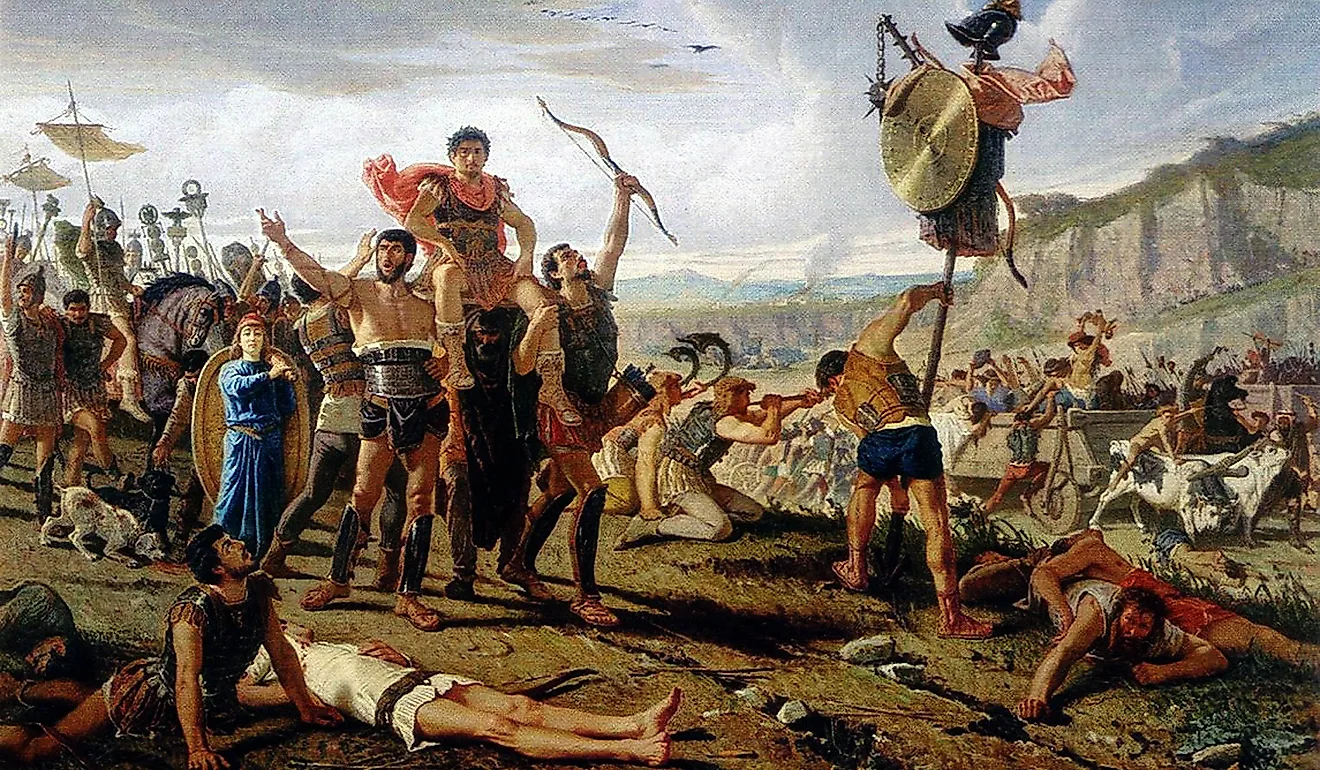
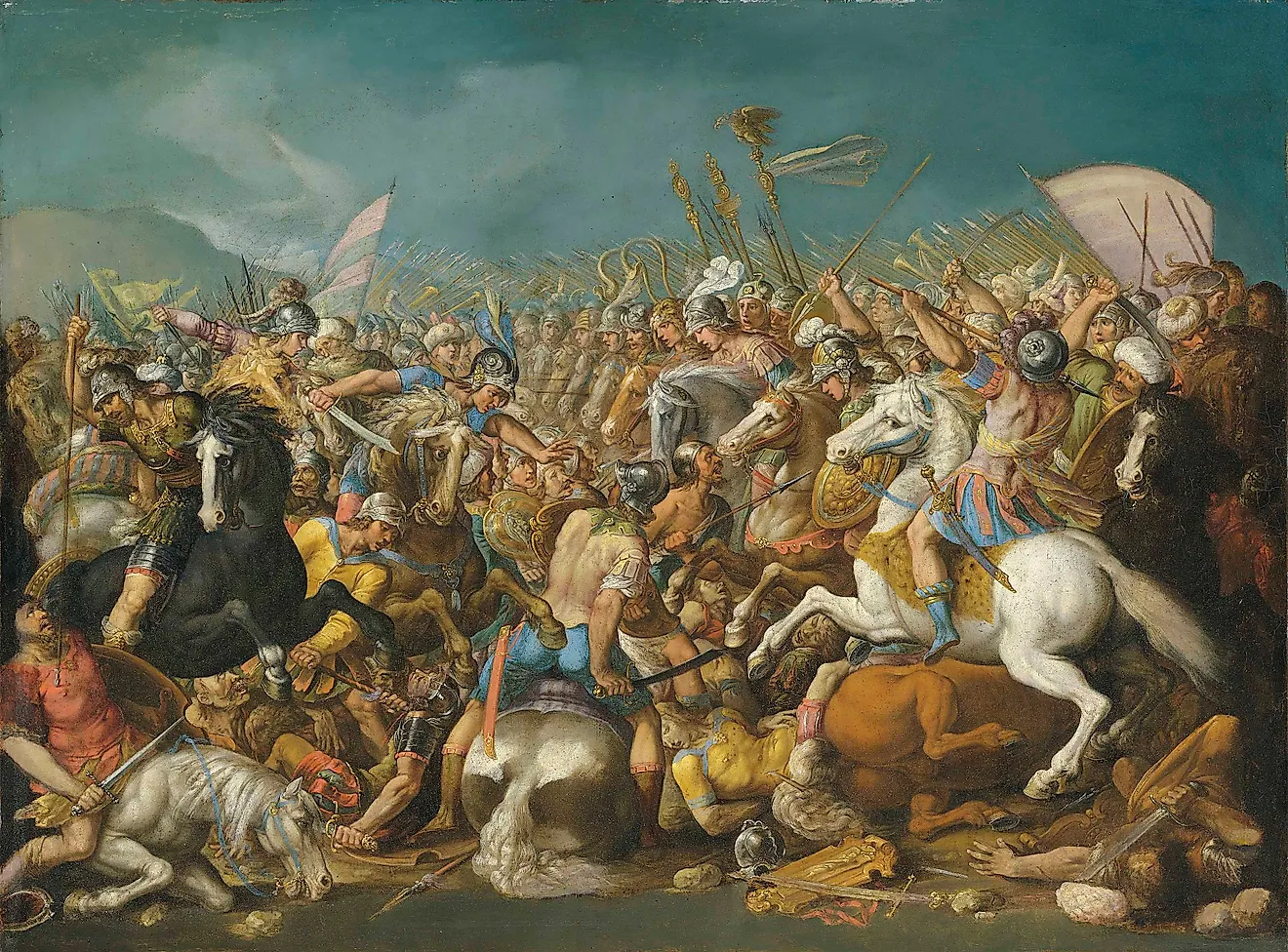
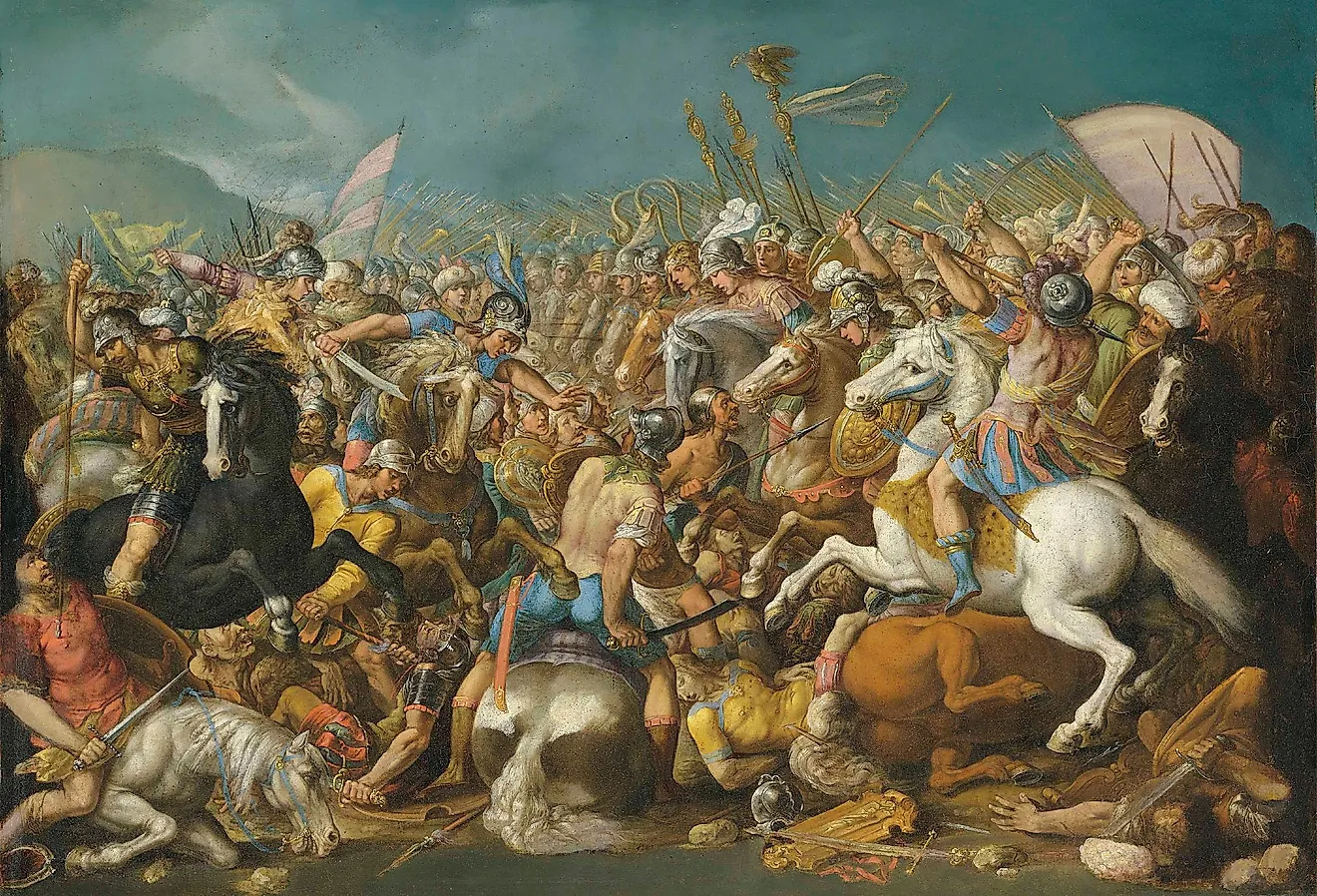
The groundwork for Roman expansion into Africa was laid in the 200s BCE. During this time, the Roman Republic fought two wars with the Tunisia-based empire of Carthage. The First Punic War lasted from 264 to 241 BCE and saw Rome build up its navy to gain control of the island of Sicily. Enraged and humiliated by this defeat, Carthage invaded Italy in 218 BCE, beginning the Second Punic War. Despite strong initial progress, Carthaginian general Hannibal Barca was eventually forced to retreat when the Romans invaded North Africa. He was ultimately defeated in the Battle of Zama in 202 BCE. Carthage continued to exist after the Second Punic War, albeit in a weakened state.
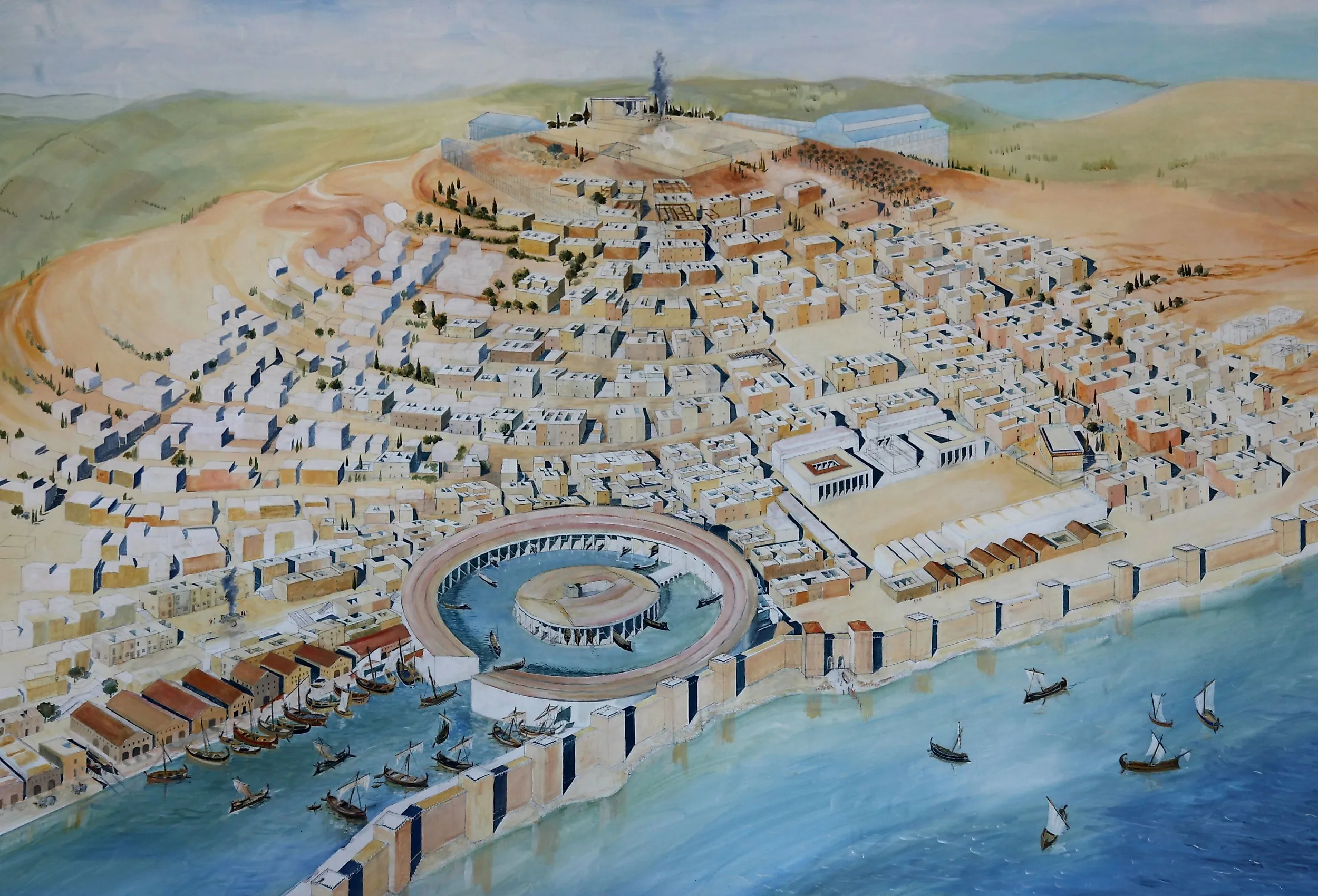
Eventually, Rome decided that Carthage needed to be destroyed. This led to the Third Punic War. Lasting from 149 to 146 BCE, the Romans brutally sieged Carthage and eventually razed it to the ground. Hundreds of thousands were killed, and many were also enslaved. With their main rival now gone, Rome could permanently settle in the region.
Rome Expands Across North Africa

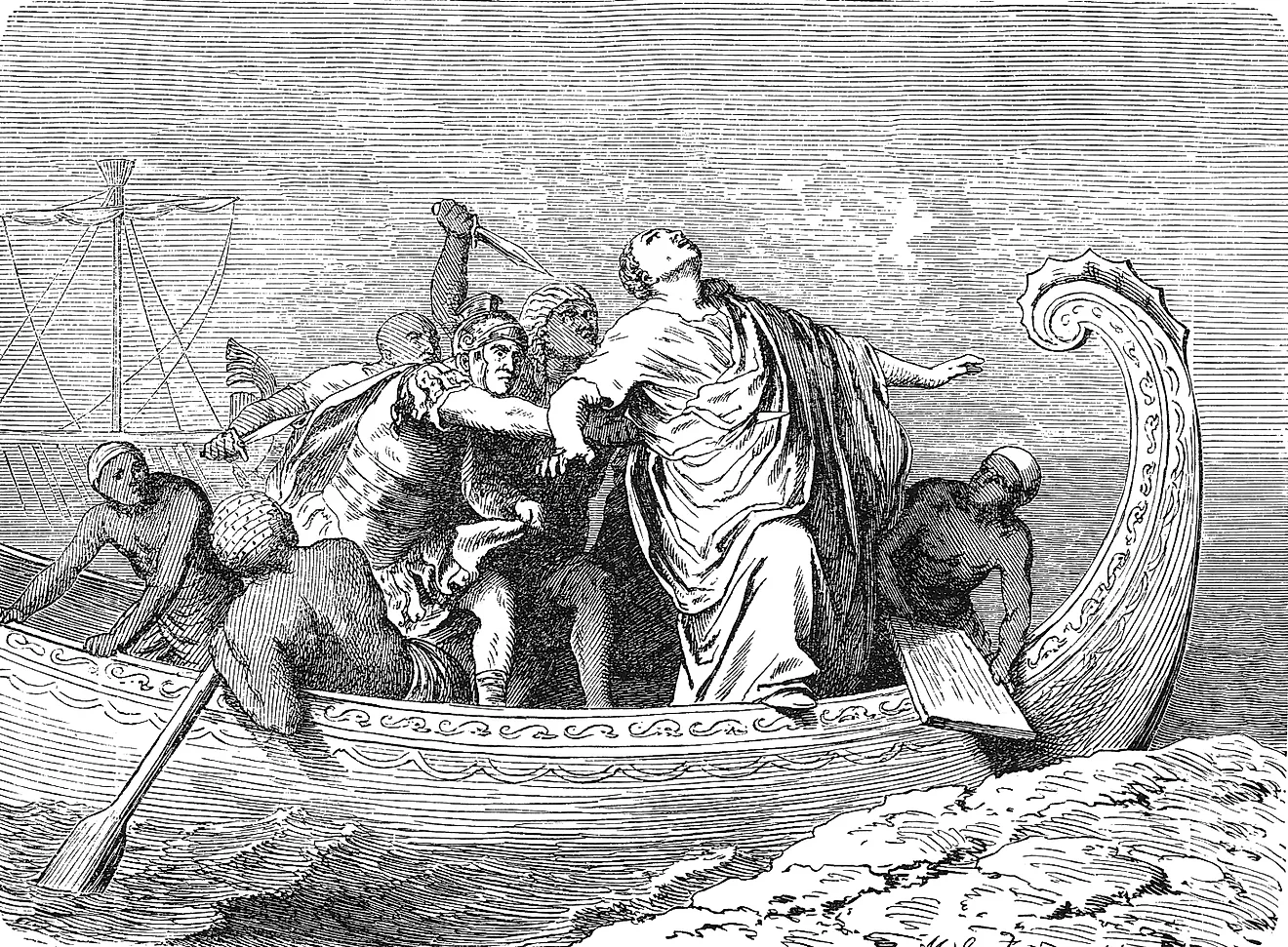
Over the next centuries, Rome garnered more and more influence across North Africa. Its territories eventually came to include parts of modern-day Morocco, Algeria, Tunisia, Libya, and Egypt. Not all were acquired at the same time or in the same way. Egypt was perhaps the most dramatic case. For decades, Rome played a major role in the defensive and economic affairs of the Ptolemaic Kingdom. Pharaoh Cleopatra VII Thea Philopator even had several strategic (and romantic) relationships with Roman leaders, first with Julius Caesar and then with Mark Antony. These drew Roman ire, with many believing that the “foreign queen” was corrupting Roman politics. The Senate therefore declared war on Cleopatra, leading to her being soundly defeated at the Battle of Actium in 31 BCE. Cleopatra (and Mark Antony) committed suicide the next year, and Egypt soon fell under Roman control.
The Powerhouse Of The Empire

Surrounded by the Sahara on one side and the Mediterranean on the other, North Africa had major natural defensive advantages. While the Romans still needed to make investments in things like forts, walls, and frontier armies, the African provinces were generally stable for long periods. The region thus became wealthy and heavily Romanized. Carthage was a center of trade and culture, and famous Roman philosophers like Augustine of Hippo came from Africa. Several emperors, the most notable of whom was Septimius Severus, were born in North Africa as well. Finally, the region served as Rome’s breadbasket, with ancient historian Flavius Josephus asserting that it provided the empire with the vast majority of its grain. Other goods, like olive oil, wine, fruit, pottery, textiles, and wool, also came from North Africa.
The Arrival Of The Vandals

All these factors made the arrival of the Vandals even more devastating. A Germanic tribe that likely originated somewhere in southern Scandinavia, they had been moving south-westward for centuries before eventually reaching Gaul and Hispania in the early 400s AD. They then faced attacks by the Visigoths and were forced to retreat to the southern Iberian Peninsula. There, King Gaiseric led roughly 80,000 Vandals across the Strait of Gibraltar into North Africa in 429 AD.
By that point, the Roman Empire was already facing incursions from “barbarian” tribes in Gaul, Italy, the Balkans, Britain, and Hispania. It was thus unable to send sufficient troops to defend Africa, allowing the Vandals to make rapid progress. In 439 AD, they reached Carthage. The economic heartland of North Africa, this marked the death blow to Roman control of the region. With their newfound power and influence, the Vandals even managed to sack the city of Rome itself in 453 BCE. While Egypt remained under Eastern Roman governance for the next two centuries, the Western Roman Empire collapsed in 476 AD, in large part due to the loss of North Africa.
Temporary Byzantine Reconquest

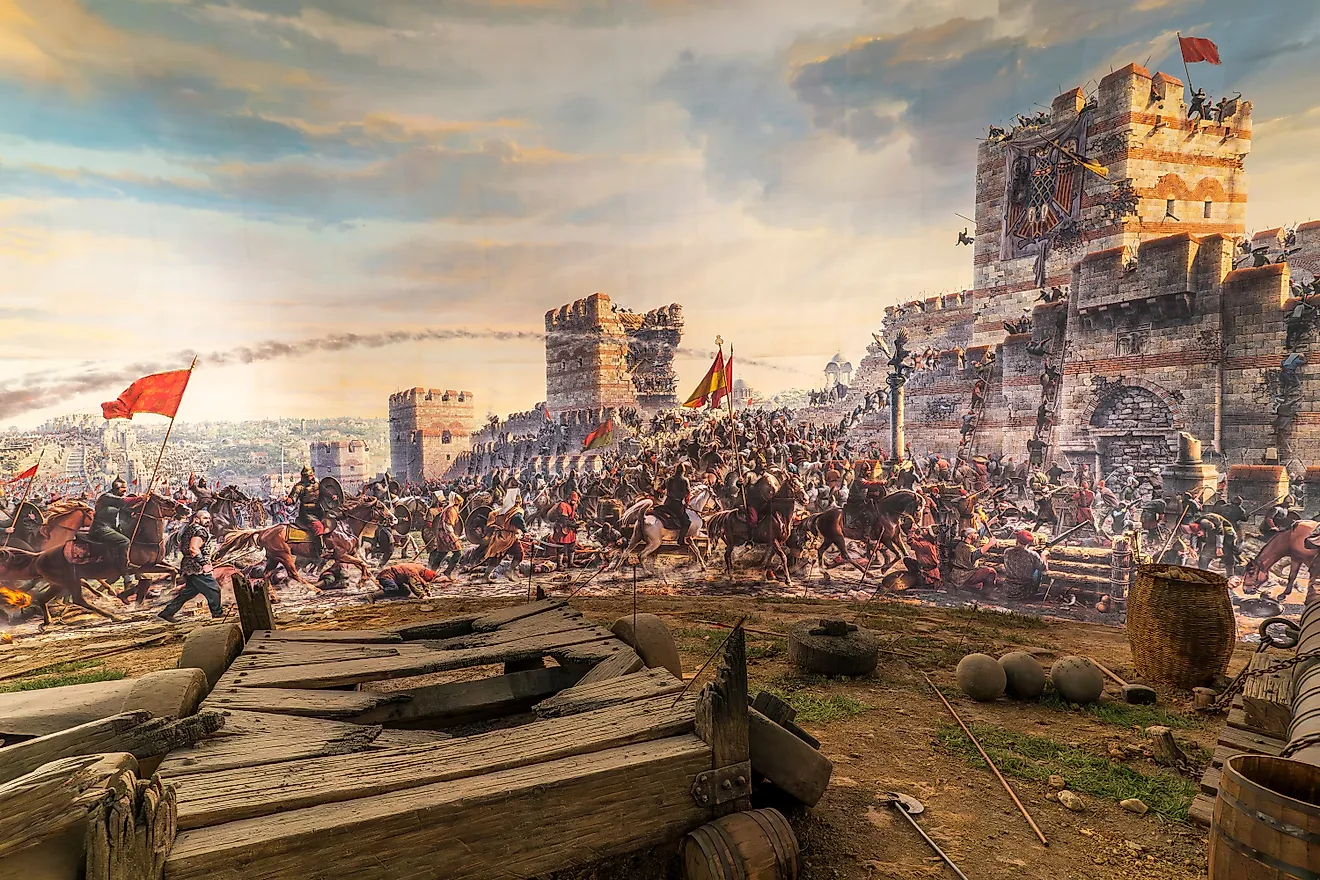
Soon after the Western Roman Empire collapsed, the Eastern Roman Empire (known retroactively as the Byzantine Empire) attempted to reconquer much of its territory. This included North Africa. Led by Emperor Justinian I and his general Belisarius, the Romans launched their campaign in 533 AD. It was remarkably successful, and they beat the Vandals in the Battles of Ad Decimum and Tricamarum. Doing so caused the Vandal Kingdom to collapse and allowed the Romans to retake Carthage. When paired with similar conquests in Europe, it looked like the Roman Empire had returned to its former glory.
This wouldn’t last. The rise of Arab-Muslim states (first the Rashidun Caliphate and then the Umayyad Caliphate) posed a major problem. The final loss began in the seventh century. Arab Muslim armies entered Byzantine Egypt around 639 and took Alexandria by 642, removing one of the empire’s richest provinces. From Egypt, Muslim forces pushed west across North Africa over the following decades. Byzantine and local forces resisted, but the pressure continued. In 698, an Umayyad army captured Carthage, effectively ending Eastern Roman rule in the central Maghreb and clearing the way for further conquest to the west.
Impact And Legacy
Rome therefore lost its African provinces through two separate waves of conquest. The weakened Western Roman Empire could not stop the Vandals from taking Carthage or defeat them once they controlled the region’s wealth and sea routes. Justinian reversed that loss in the sixth century, but the restored Roman position did not survive the Arab conquests of the seventh. By the end of the 600s, North Africa had ceased to be one of the great pillars of Roman power.