How Many Emperors Did The Roman Empire Have?
The Roman Empire had around 70 emperors from Augustus in 27 BCE through the death of Theodosius I in 395 CE. If the generally recognized emperors of both the Eastern and Western courts are counted through the Western Empire's fall in 476 CE, the total approaches 90. No universally accepted number exists because Rome frequently had co-emperors, rival claimants, and regional rulers whose legitimacy remains disputed. The answer also grows considerably if the Eastern Roman emperors who ruled from Constantinople until 1453 CE are included.
Why There's No Definitive Number

Rome had no permanent law establishing who should succeed an emperor. A ruler might select his son, adopt an heir, appoint a co-emperor, or leave it to the army to determine what happened next. A general in one province could be declared emperor by his soldiers while another ruler controlled Rome. Some challengers governed large territories for years, while others were defeated within weeks. The lack of a clear system often produced competing claims.
Modern historians generally call unsuccessful claimants usurpers, but the distinction was rarely straightforward. Several emperors who were later accepted also gained power through rebellion. Military support, control of the capital, recognition by the Senate, and eventual victory could all determine legitimacy. Applying those standards differently produces different totals.
Why Julius Caesar Wasn't the First Emperor
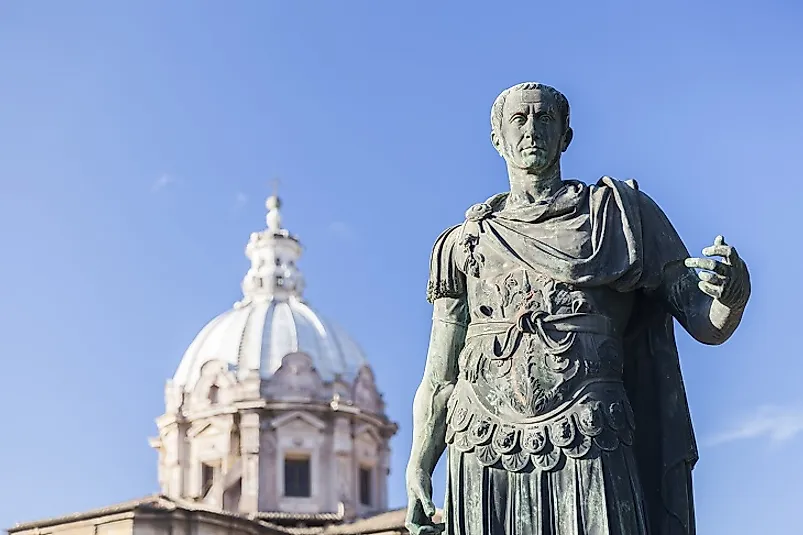
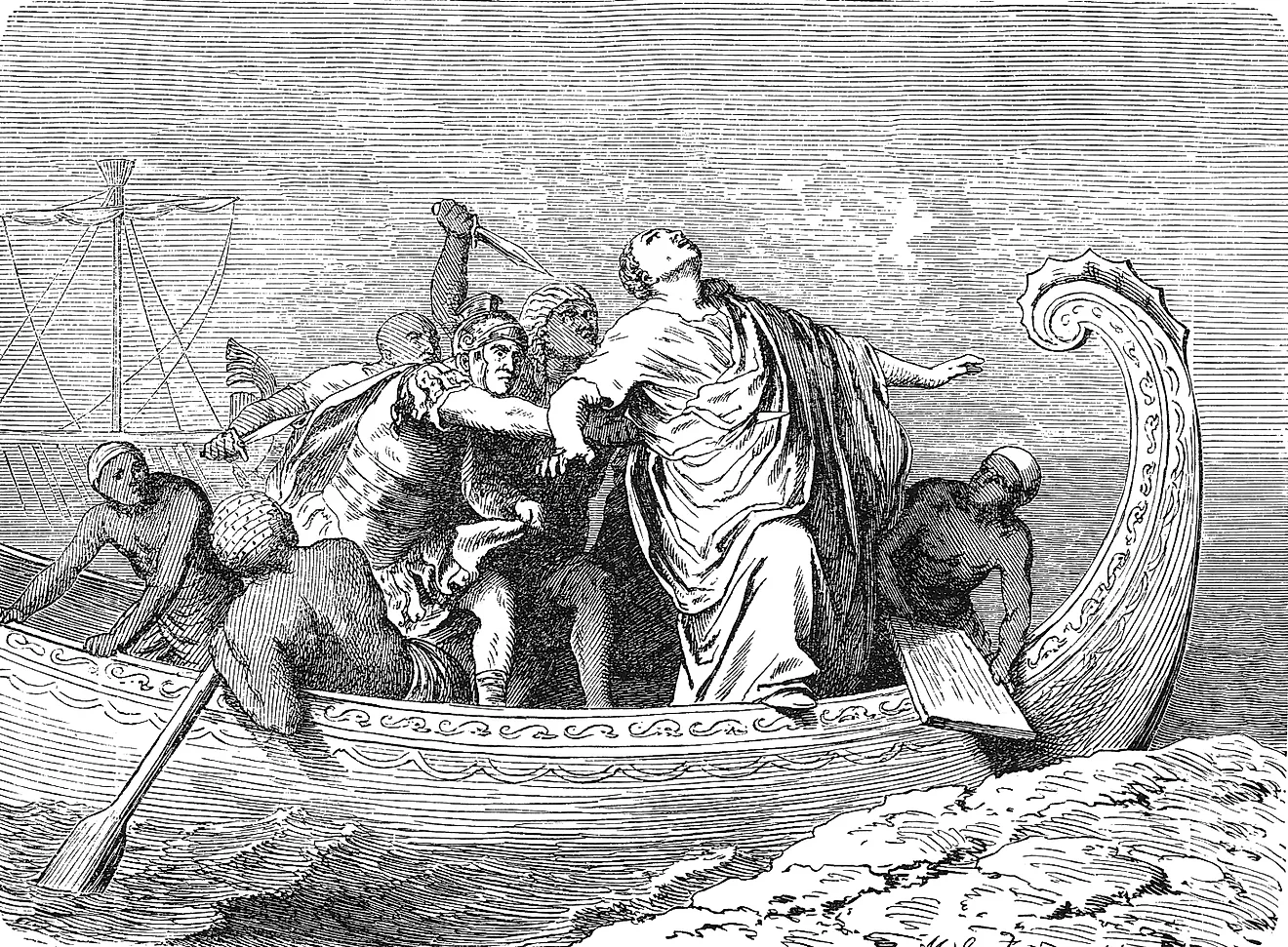
Julius Caesar is frequently mistaken for Rome's first emperor. His name even became an imperial title used by later rulers. However, Caesar governed during the final years of the Roman Republic and never held the position later associated with Roman emperors. Caesar was appointed dictator for life in 44 BCE, giving him extraordinary authority. His growing power contributed to his assassination by a group of senators that same year.
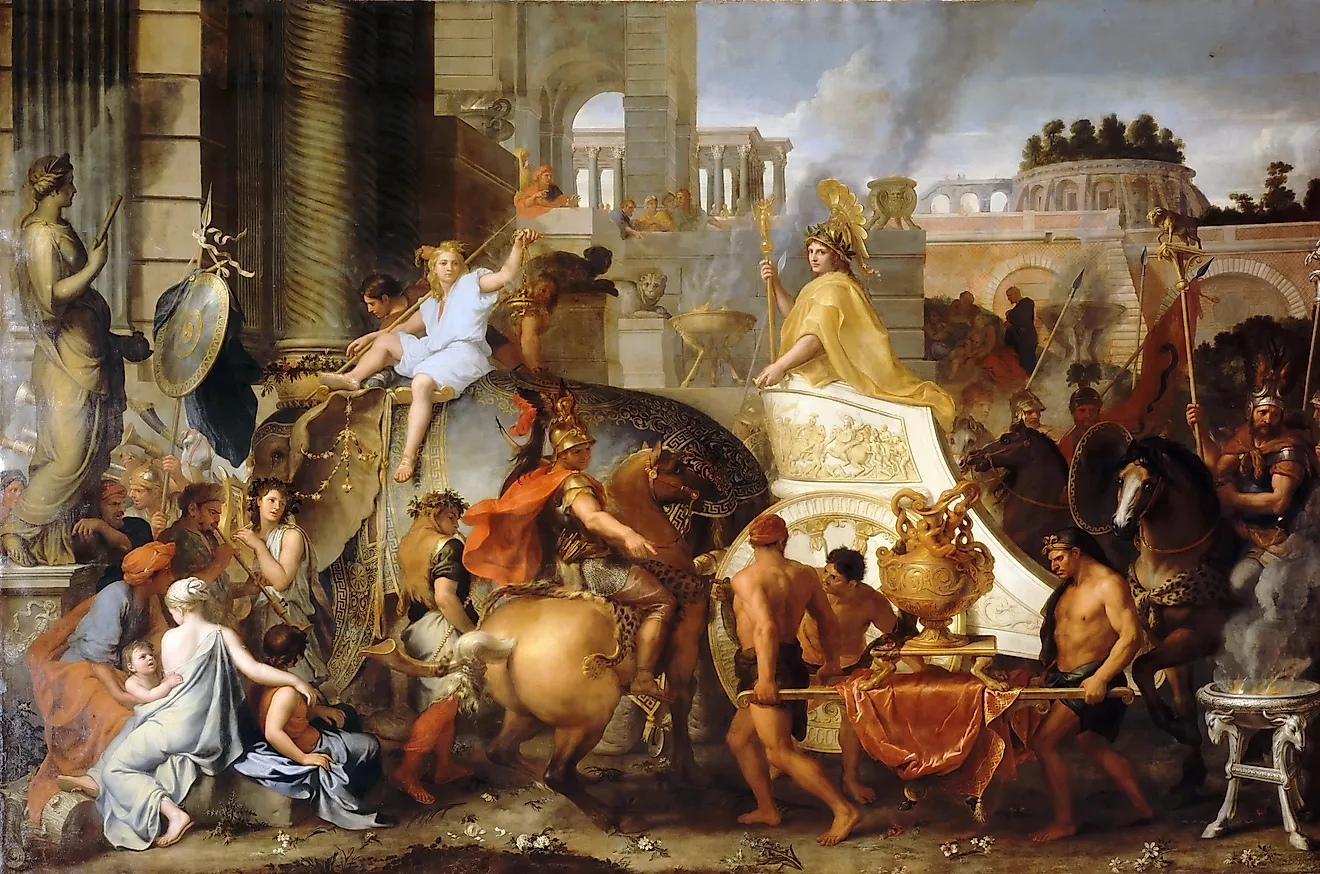
Civil war followed. Caesar's adopted heir, Octavian, eventually defeated Mark Antony and Cleopatra, leaving him in control of the Roman world. In 27 BCE, the Senate granted Octavian the name Augustus. That event conventionally marks the beginning of the Roman Empire, making Augustus its first emperor.
Augustus and the Five Good Emperors

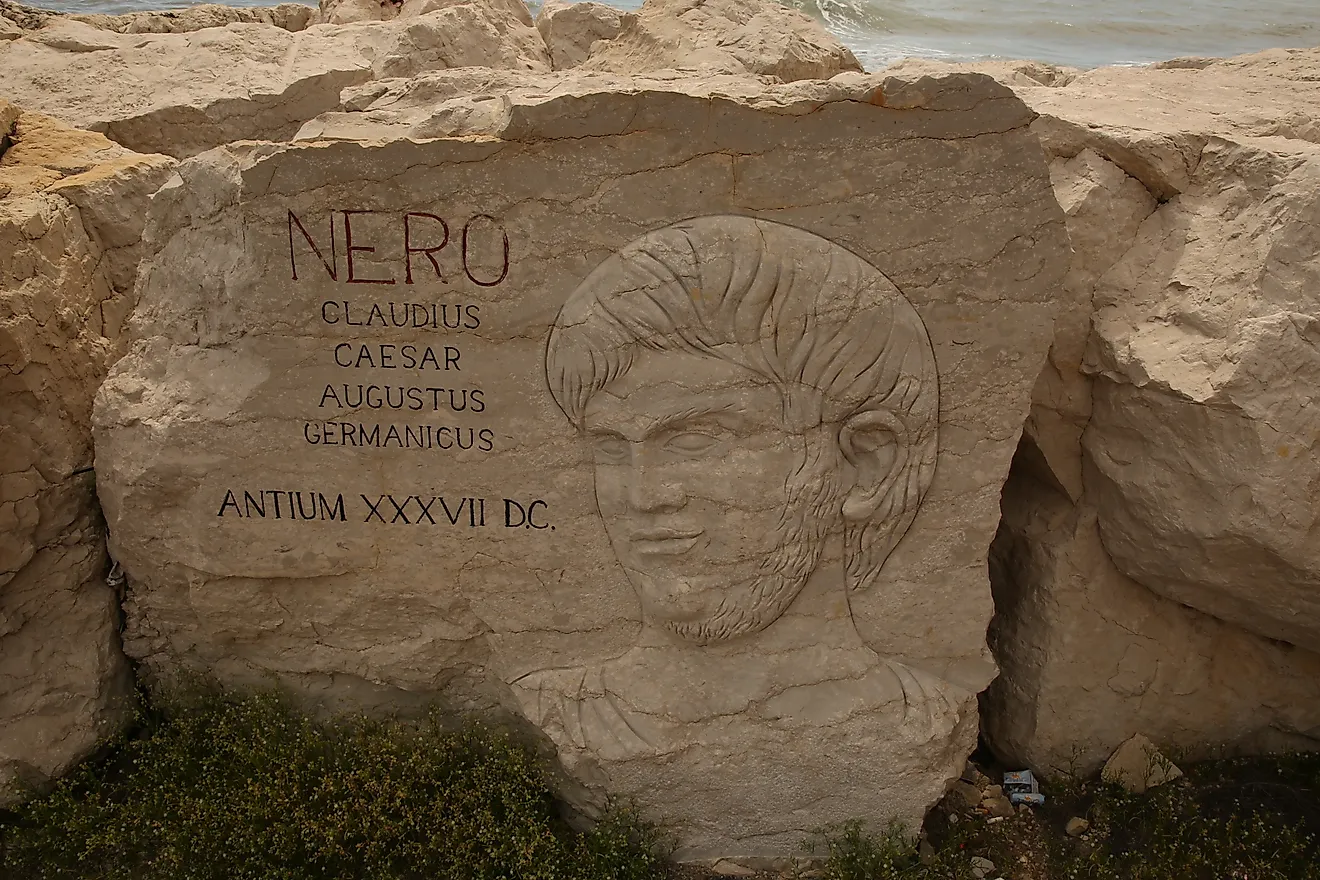
Augustus ruled for more than 40 years and created a system that allowed one person to dominate Rome while preserving the appearance of republican government. Tiberius, Caligula, Claudius, and Nero followed him as members of the Julio-Claudian dynasty. Nero's death in 68 CE left no clear successor. The next year became known as the Year of the Four Emperors, with Galba, Otho, Vitellius, and Vespasian fighting for power. Vespasian prevailed and established the Flavian dynasty, which also included his sons Titus and Domitian.
A more stable period began with Nerva in 96 CE. He was followed by Trajan, Hadrian, Antoninus Pius, and Marcus Aurelius. These rulers are traditionally called the Five Good Emperors. The empire reached its greatest territorial extent under Trajan. Even then, imperial power didn't always belong to one person. Marcus Aurelius initially ruled alongside Lucius Verus. Both counted as emperors, although Marcus became the better-known ruler.
When Emperors Rose and Fell Rapidly

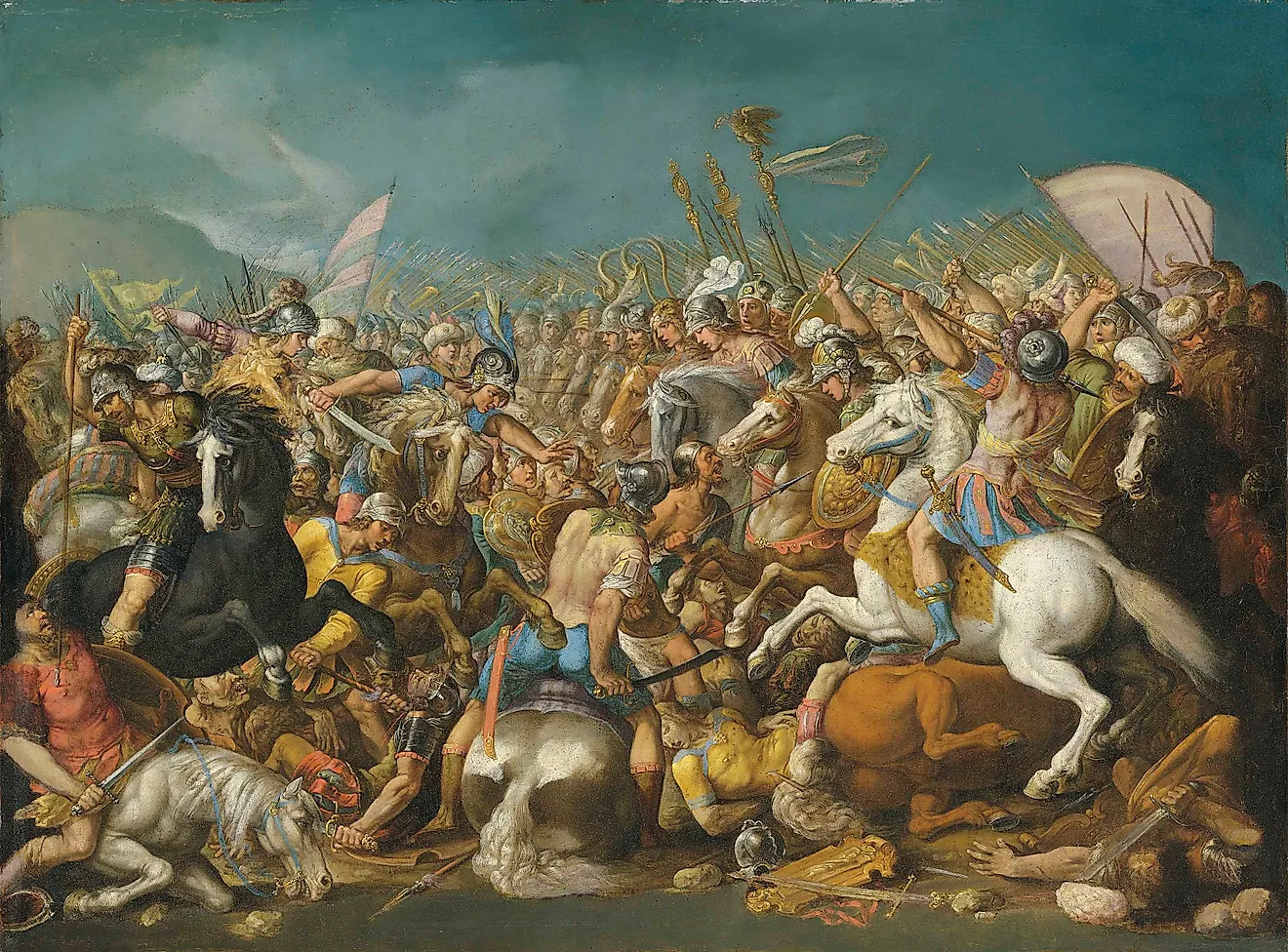
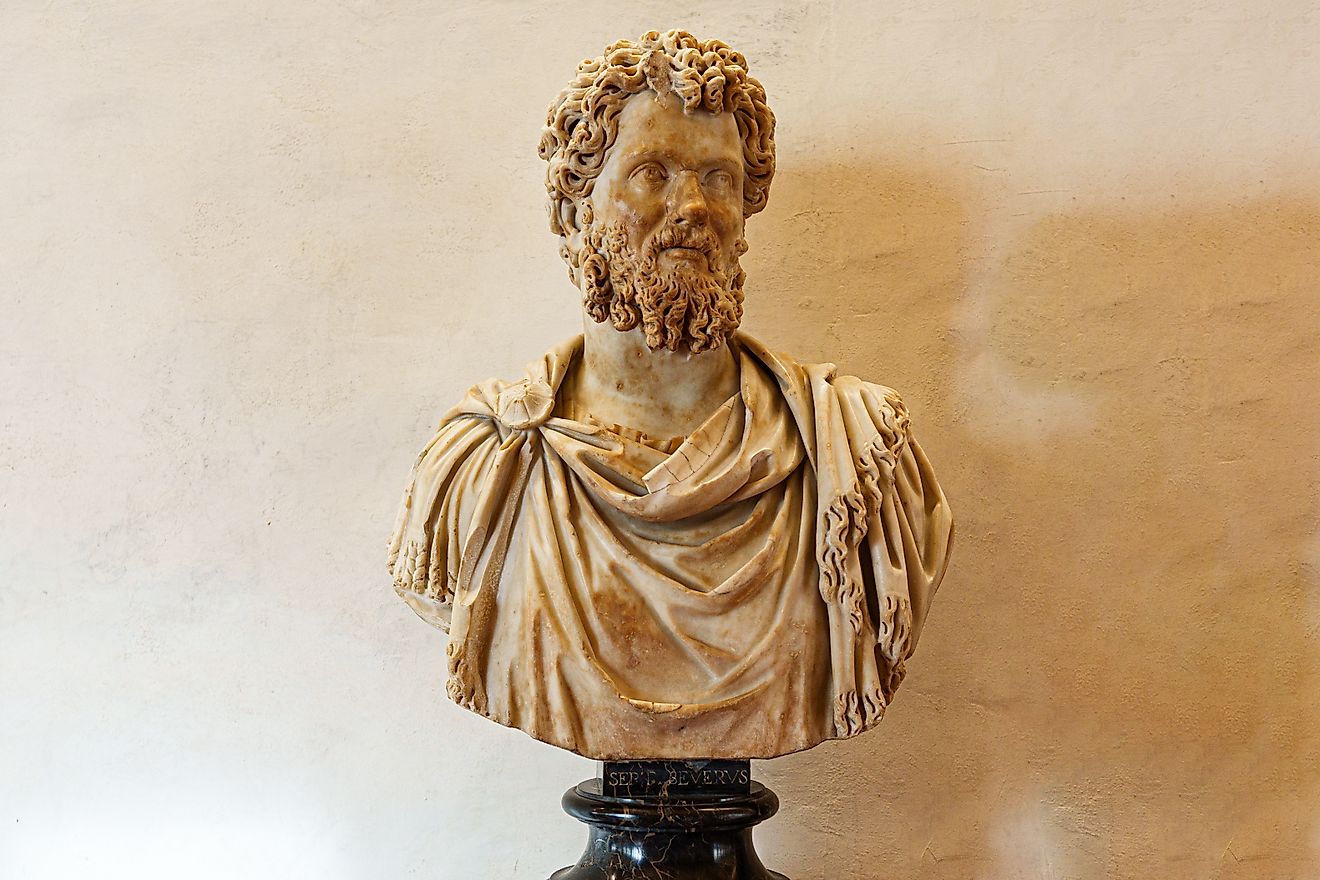
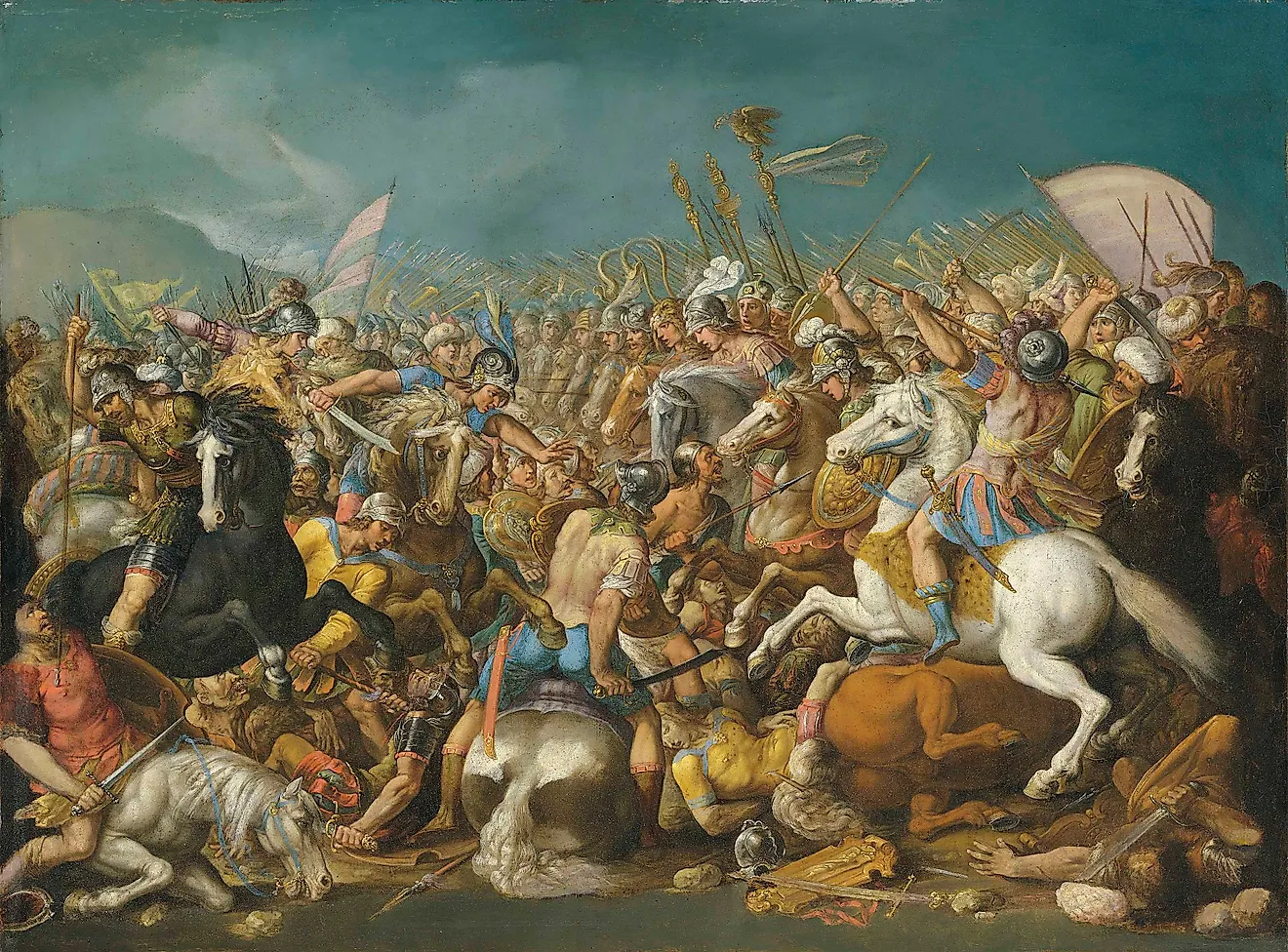
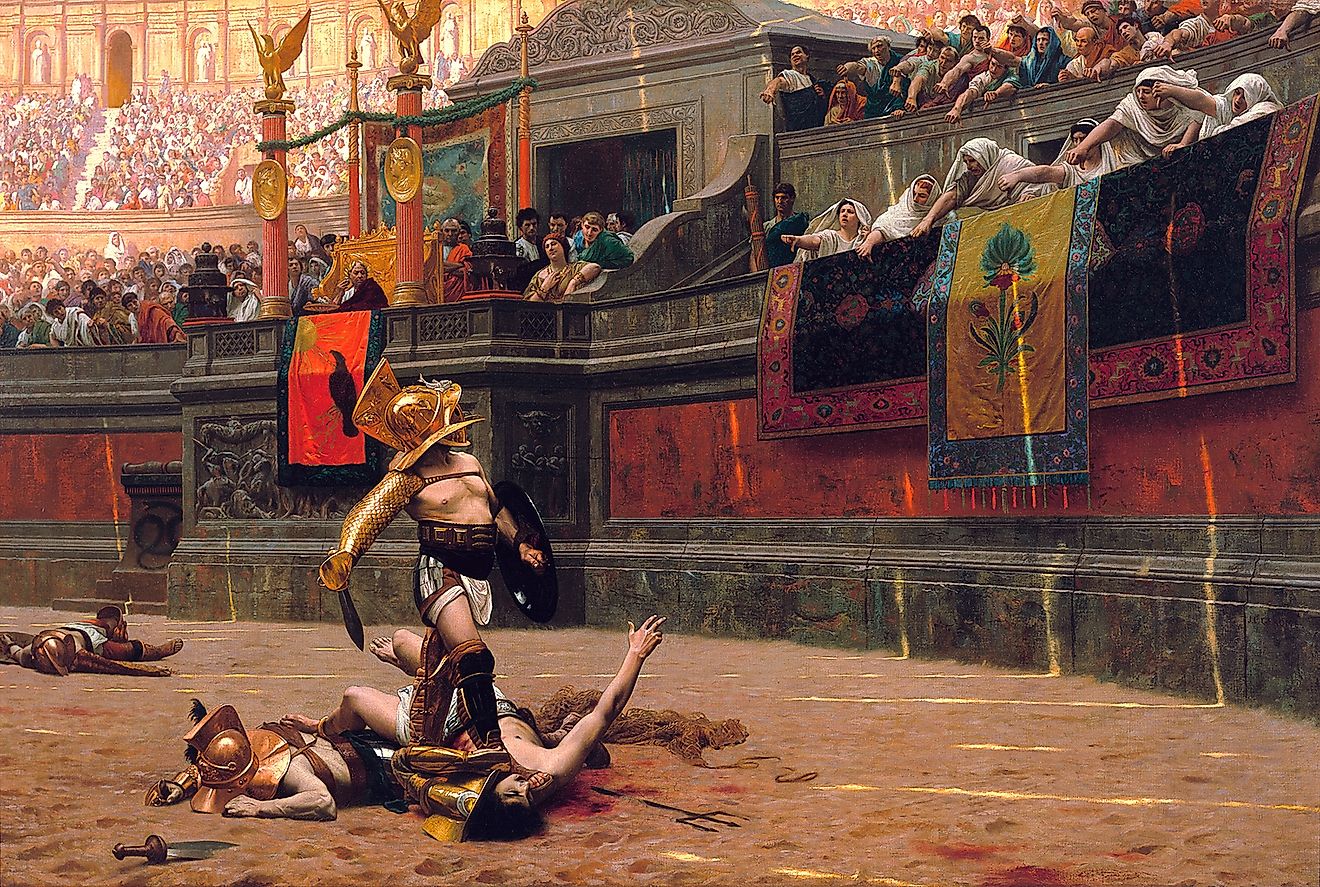
The killing of Commodus in 192 CE began another violent struggle. Five men claimed imperial authority during the following year, known as the Year of the Five Emperors. Septimius Severus defeated his principal rivals and founded a new dynasty, but the stability didn't last. Rome entered a deeper crisis in 235 CE. During the next 50 years, emperors were repeatedly overthrown, killed in battle, or murdered by their soldiers. Armies stationed in different regions elevated their own commanders, and some rulers survived for only a few months.
Rival states also appeared inside Roman territory. The Gallic Empire controlled parts of western Europe, while the Palmyrene Empire dominated several eastern provinces. Their leaders adopted imperial titles and ruled Roman subjects. This Crisis of the Third Century creates one of the largest counting problems. A restrictive list includes only rulers who gained broad recognition. A more inclusive list also counts regional emperors and unsuccessful claimants, producing a much higher total.
Diocletian's Four-Emperor Solution

Diocletian came to power in 284 CE and introduced a new way to govern Rome's enormous territory. Instead of relying on one emperor, he divided authority among four rulers in an arrangement known as the Tetrarchy, formalized in 293 CE. Two senior emperors held the title Augustus, while two junior rulers were called Caesar. Each governed a different region and could respond more quickly to invasions or rebellions. The Caesars were supposed to succeed the Augusti, creating an orderly transfer of power.
The plan collapsed into civil war after Diocletian retired. Constantine eventually defeated his rivals and became the sole ruler in 324 CE. He also transformed Byzantium into Constantinople, dedicated in 330 CE as an eastern capital that would outlast the western imperial government. The Tetrarchy further complicates the count because four men could possess recognized imperial authority at once. Excluding junior rulers understates how Rome was governed, while including every disputed claimant inflates the total.
The Final Western Roman Emperors

Theodosius I was the final emperor to govern both the eastern and western territories. After his death in 395 CE, authority passed to his sons: Arcadius in the East and Honorius in the West. The two regions remained parts of the same empire in theory, but their governments increasingly followed separate paths. The Western Empire weakened during the fifth century. Several emperors were children, figureheads, or rulers dependent on powerful generals.
Romulus Augustulus is traditionally identified as the final Western Roman emperor. The military leader Odoacer deposed him in 476 CE and didn't appoint a replacement. However, the Eastern emperor had never recognized Romulus. Julius Nepos, whom Romulus's father had removed, continued claiming the Western throne until his death in 480 CE. Depending on the standard used, either man can be considered the final Western emperor.
Did Roman Emperors Continue After 476 CE?

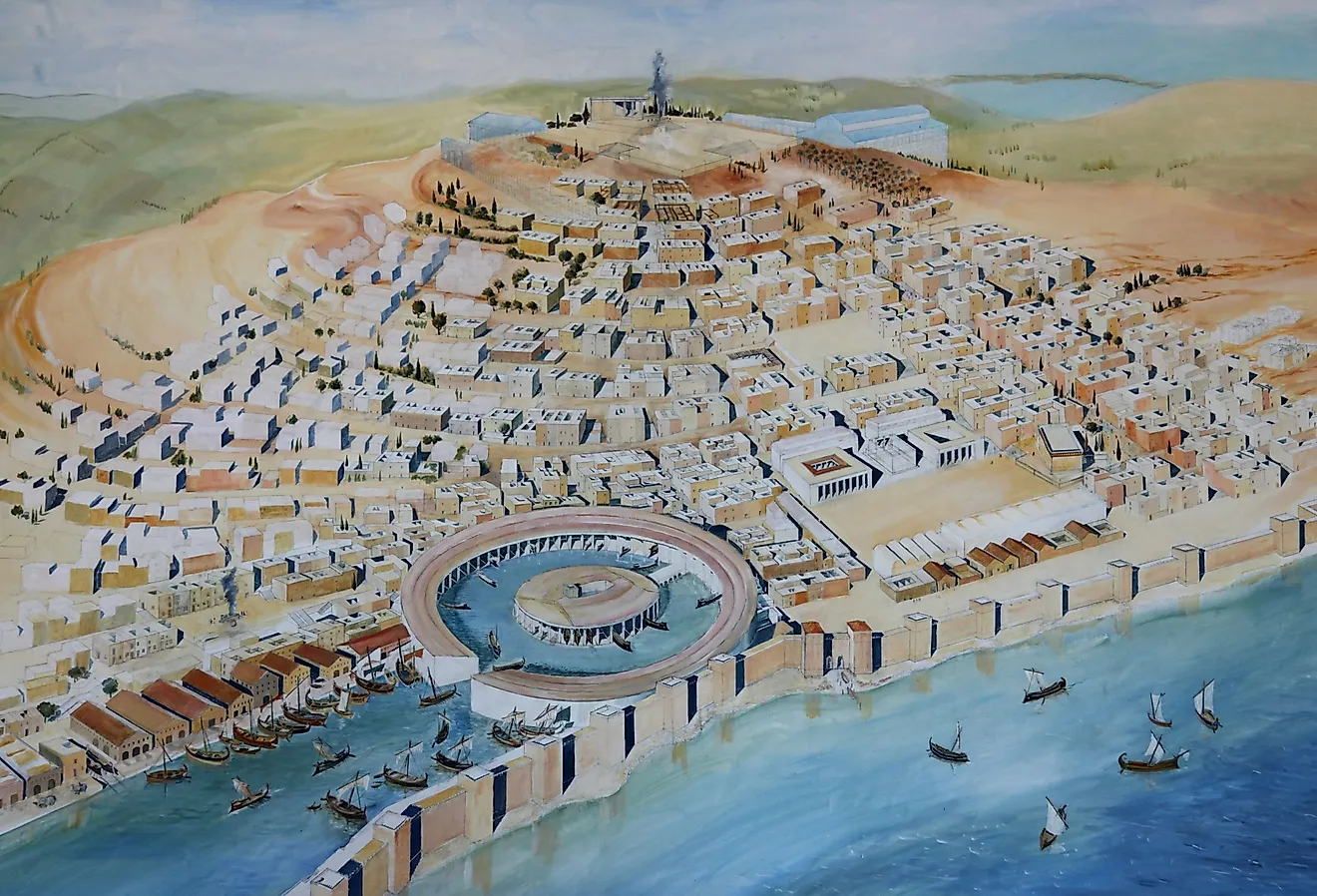
The deposition of Romulus didn't end the Roman Empire everywhere. The Eastern Roman Empire, governed from Constantinople, survived for nearly another thousand years. Its people called themselves Romans, and its rulers considered their state a continuation of Rome. Later historians adopted the term "Byzantine Empire" to distinguish this medieval, increasingly Greek-speaking state from ancient Rome. Including its rulers would raise the emperor count far beyond the conventional figure of 90. Their line continued until Constantine XI died during the Ottoman conquest of Constantinople in 1453 CE.
So, How Many Roman Emperors Were There?

Every total is really a decision about where Roman history stops. A list closing with Theodosius I in 395 CE runs to roughly 70 names. Carrying it through the collapse of the Western court in 476 CE pushes the figure toward 90, and following the eastern line to 1453 CE produces a far larger number still. Underneath the arithmetic sits a harder question. It is whether a general acclaimed by his legions on the Rhine frontier belongs on the same list as a ruler confirmed by the Senate in Rome. Co-emperors, usurpers, and contested successions keep that question open, which is why no single figure has ever settled the matter. Rome built one of the most powerful offices in history and never agreed on a reliable method for filling it.