How Ancient Generals Used Fear As A Weapon
The most effective weapon in an ancient general's arsenal was often invisible. Fear could win a battle before the first sword was drawn. By inflicting it on their opponents, military leaders gave their armies and the governments they served a psychological and strategic advantage. Some razed entire cities to make the point, while others relied on public torture, political purges, or reputation alone. How fear was inflicted depended on the general and the goal of the campaign.
Destroying Entire Cities

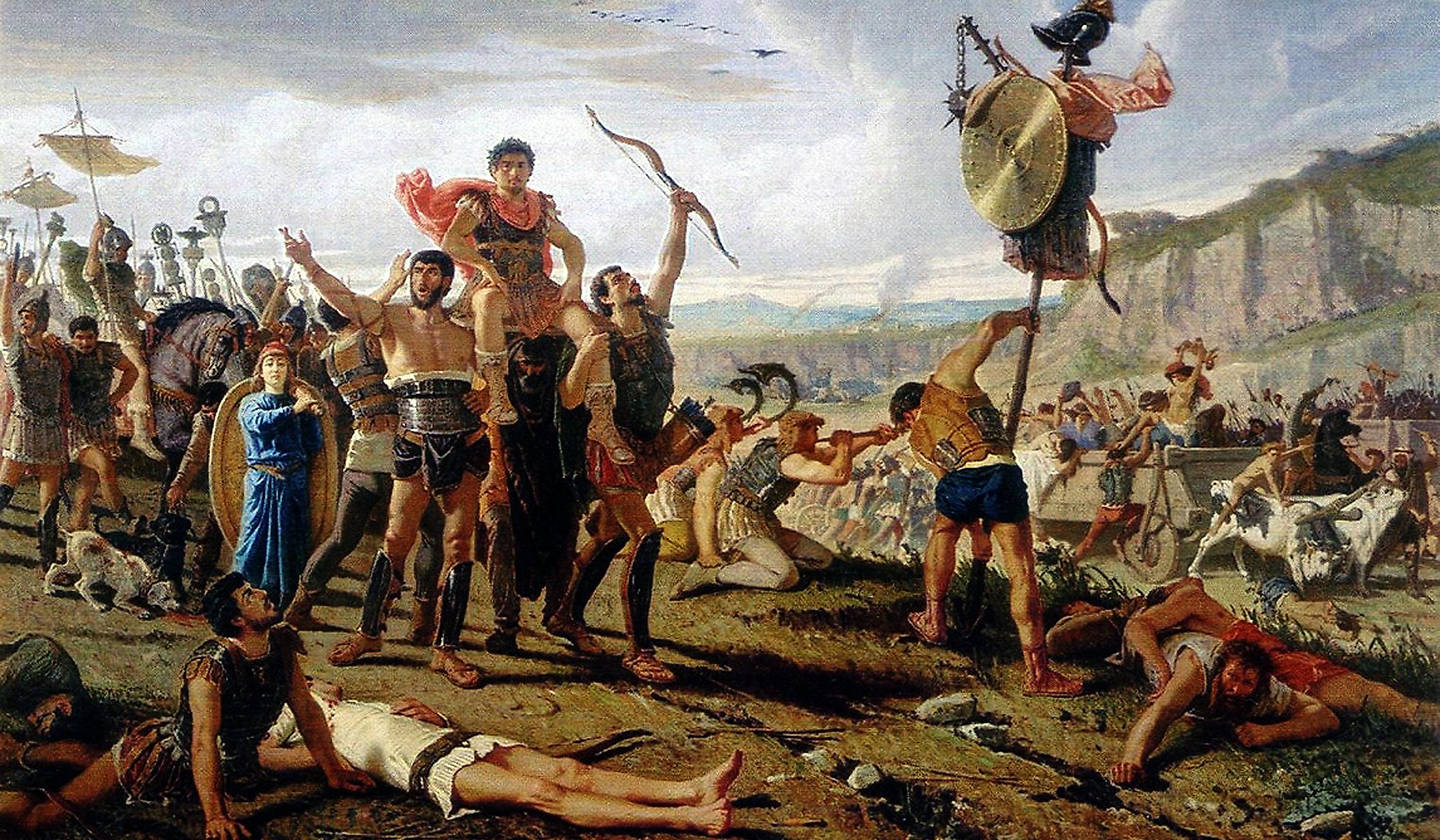
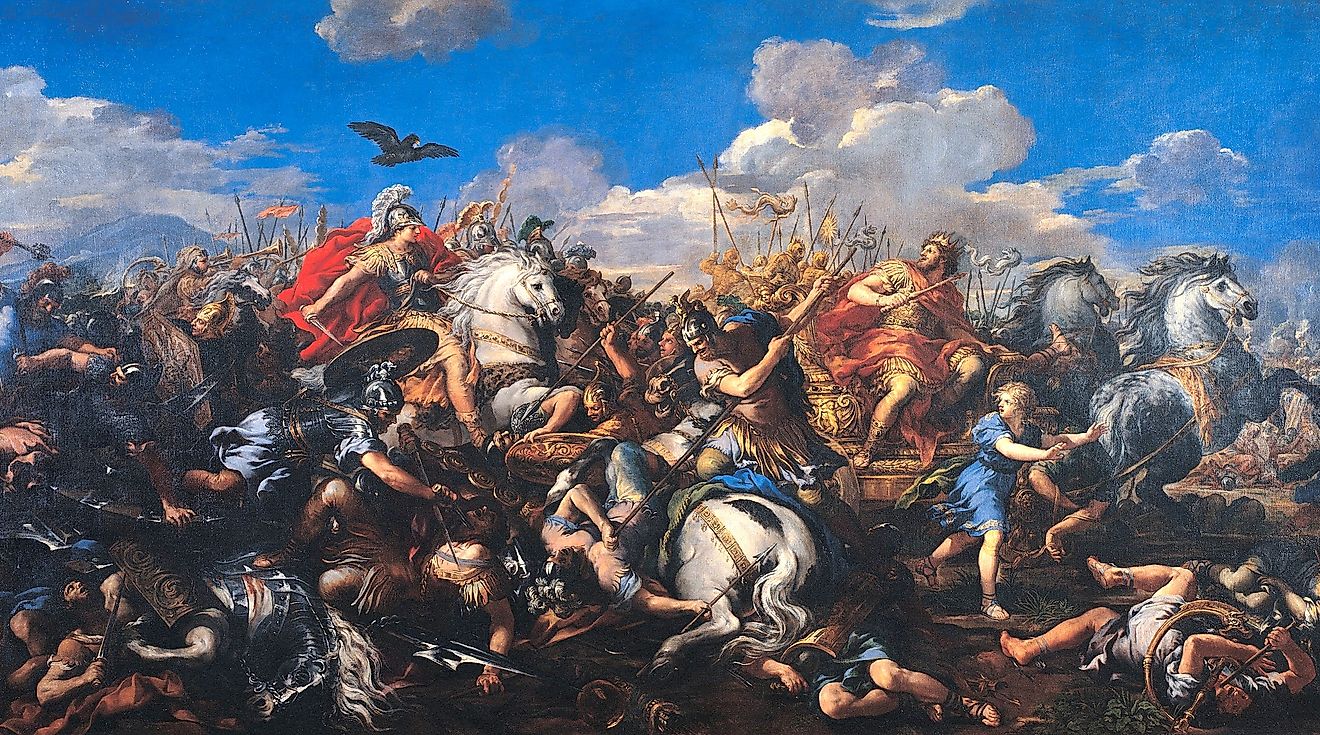
Alexander the Great has a reputation for being an enlightened and tolerant leader. There is some truth to this claim. He was tutored by Aristotle as a teenager and was genuinely interested in the cultures of the places he conquered. At the same time, Alexander could be brutal and tyrannical. The clearest example of this came when Thebes revolted against Macedonian rule in 335 BCE. The city did so after false reports that Alexander died during his campaign in the Balkans. Upon hearing news of the rebellion, the Macedonian king immediately marched his army south, covering roughly 250 miles in just 14 days. When the Thebans refused to surrender, Alexander reduced the city to the ground, killing thousands and destroying nearly every building. While ancient historians sympathetic to Alexander portray this event as a tragic last resort, those less favorable towards him argue that he did so out of anger. Regardless of the reason, the fear it inflicted on the rest of Greece was palpable, and for the rest of Alexander's life, there were far fewer concerns in terms of uprisings against Macedonian rule in the region.
Brutality As Propaganda

The Neo-Assyrian Empire was one of the most formidable powers of the 8th and 7th centuries BCE. Since it controlled territory stretching across Mesopotamia, the Levant, parts of Anatolia, and Egypt, the empire encompassed a wide variety of peoples and cultures. This necessitated brutal measures to keep the state together. Rebels were sometimes impaled or skinned alive, and entire ethnic and/or cultural groups were deported from their homelands in an attempt to destroy their national identities. Most crucially, the Neo-Assyrians carried out this brutality in the open. Torture and execution victims were displayed publicly, and royal inscriptions made records of these acts. This sent a message: rebel, and you will meet the same fate. The fear this caused amongst the general populace was instrumental in the Neo-Assyrian Empire's longevity.
Making The Enemy Fear The Battlefield Itself

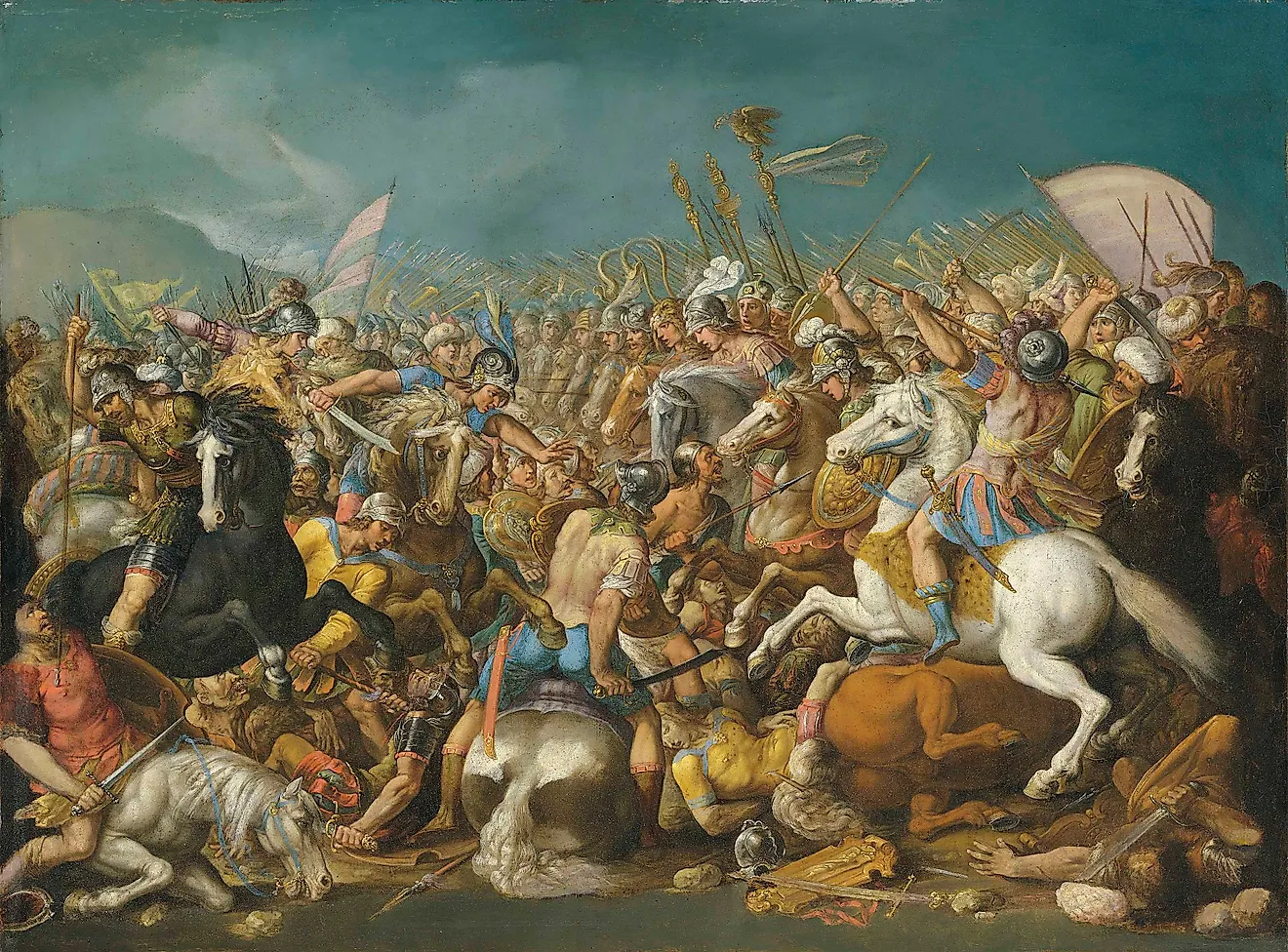
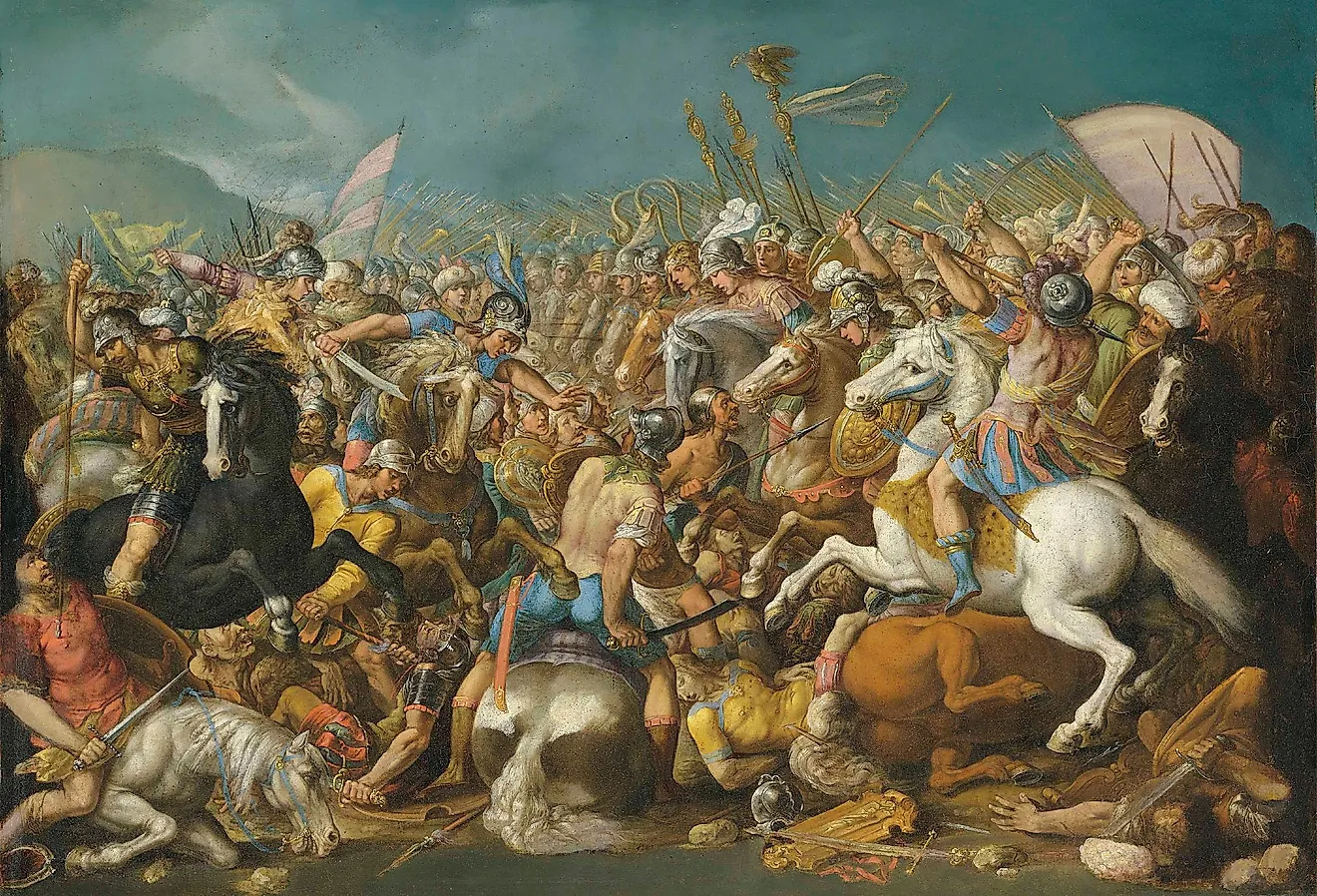
Ancient generals often made the enemy fear the battlefield itself. The clearest example of this occurred after the Battle of Cannae in 216 BCE. Fought between the Roman Republic and Carthage, it was arguably the most important engagement of the Second Punic War. Up to that point, the Romans had lost battle after battle after being surprised by Carthaginian general Hannibal's invasion of northern Italy. Frustrated by this constant losing, the Roman Senate ordered the largest army yet to be raised to push Hannibal out of Italy once and for all. 80,000 to 86,000 troops therefore gathered near the village of Cannae to fight the Carthaginians.
Despite being significantly outnumbered, Hannibal had a cunning plan. He stationed his weaker troops in the middle and his stronger troops on the side. As the Romans pushed inwards, these stronger troops enveloped and surrounded them. With nowhere to run, the Romans were slaughtered. Over 50,000 troops were killed, and the scale of the loss was so dramatic that it prompted a fundamental rethinking of the Roman military approach for the war. Fearing another catastrophic defeat, they revisited the Fabian strategy, which emphasized utilizing superior supply lines and guerrilla warfare to win via attrition.
Political Purges
![Portrait of Sulla on a denarius minted in 54 BC by his grandson Pompeius Rufus[1].](https://www.worldatlas.com/r/w960-q80/upload/bb/5d/10/q-pompeius-rufus-denarius-54-bc-rrc-434-1-sulla-only-s3cdn.jpg)
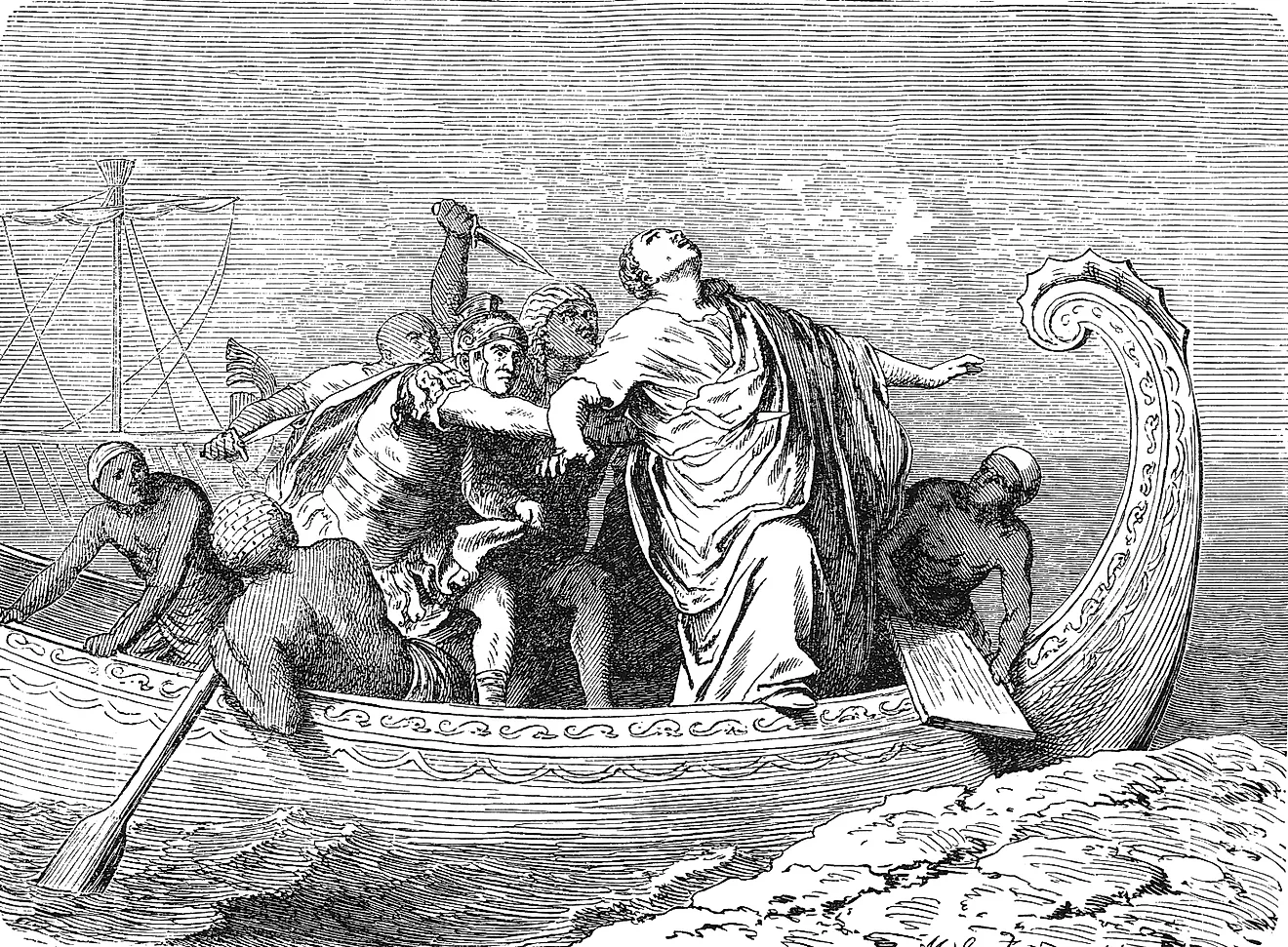
Ancient Rome was notorious for its political purges. Perhaps the two most famous instances occurred under general and dictator Lucius Cornelius Sulla in 82 BCE, and under the Second Triumvirate (Mark Antony, Octavian, and Lepidus) in 43 BCE. These purges had a measurable strategic purpose. Sulla wanted to eliminate the allies of his former rival, Gaius Marius, whereas the Second Triumvirate needed to secure power and raise funds for their imminent war with Julius Caesar's assassins. However, they also served a less measurable, but equally important, function. Targeting one's political enemies discouraged people from becoming too involved in the political sphere. Instead, they were incentivized to keep their heads down or risk retribution once a new regime came to power.
Reputation As A Weapon

Reputation alone is often enough to inflict fear. This was particularly true in the ancient world. The Greek city-states of Athens and Sparta are illustrative of this reality. Consider Athens. At the height of its power in the 400s BCE, it had the most formidable navy in Greece. This formed the backbone of the Delian League, an alliance of Greek city-states that functioned like an Athenian Empire. Cities in the Delian League were forced to pay tribute to Athens in the form of money or ships. If they refused to do so, or rebelled, they faced swift and harsh retribution. Since many feared Athenian naval power, this limited the number of revolts.
On the other hand, Sparta was the pre-eminent land power in Greece. Its entire society was built around strength and warfare. Spartan troops, therefore, had a reputation for not surrendering and fighting to the last man. That reputation underpinned a Spartan-led alliance of city-states called the Peloponnesian League. Much like in its Athenian counterpart, members of the Peloponnesian League were discouraged from revolting due to fear of the Spartan military.
Impact And Legacy
What ties these examples together is that fear was rarely an end in itself. It was a tool for controlling people the army could not garrison and battles it preferred not to fight. Alexander razed one city to quiet a whole region, and the Neo-Assyrians turned execution into a public message aimed at everyone still watching. Hannibal's slaughter at Cannae reshaped how Rome chose to fight, while Sulla and the Second Triumvirate used the same instrument inward, against rivals rather than foreign enemies. Athens and Sparta relied on the cheapest version of all, letting a reputation for retribution deter revolts that ships and spears would otherwise have had to suppress. In each case, the point was to make resistance feel more dangerous than submission.


.jpg)


.jpg)
