What Happened After The Fall Of The Western Roman Empire?
The fall of the Western Roman Empire in 476 CE was a monumental event. As the dominant power in Europe and the broader Mediterranean world for centuries, its end brought about significant changes. At the same time, the legacy of the Roman Empire was never erased. Over a thousand years of history have left Rome with an indelible mark on the world. Here's a breakdown of what happened in the world following the fall of the Western Roman Empire.
Context

By the 5th century, the Western Roman Empire was in trouble. Centuries of systemic political and economic problems had left the empire a shell of its former self. Barbarians were another issue. Defined at the time as any group of people outside of the Roman cultural, historical, political, and linguistic sphere, barbarians increasingly attempted to settle within the empire during the 4th and 5th centuries.
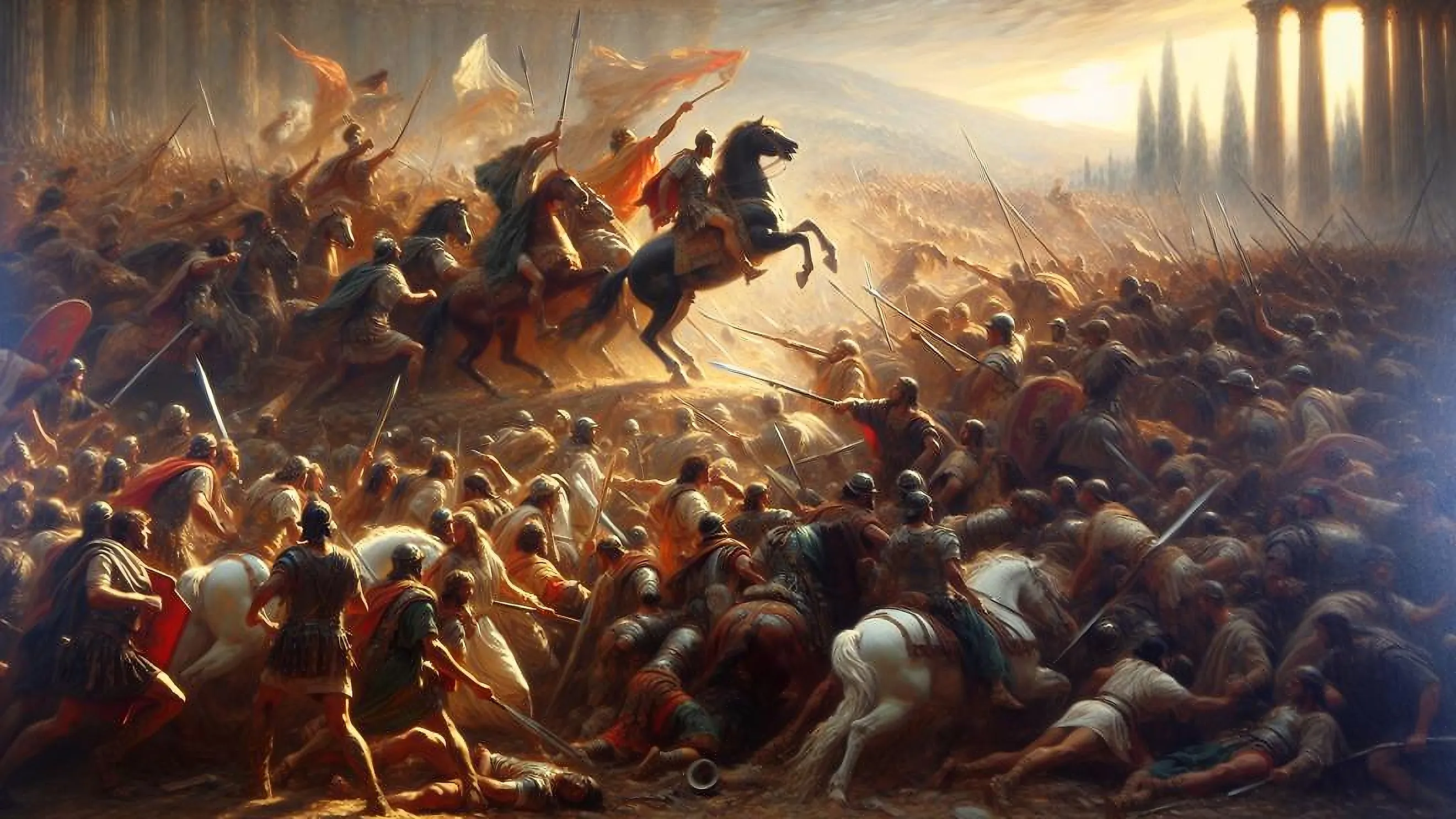
The Romans often treated barbarians horribly, leading to revolts and all-out wars. In one particularly disastrous incident, the city of Rome itself was sacked by the Visigoths in 410 CE. Eventually, the barbarian leader Odoacer deposed the Roman emperor Romulus Augustulus in 476 CE. Historians generally consider this to have marked the official end of the Western Roman Empire.
Continuity

Immediately after deposing Romulus Augustulus, Odoacer declared himself king of Italy. He also formally acknowledged the authority of the Eastern Roman emperor. However, by that point, the Western and Eastern Empires were so disconnected that one had no practical authority over the other. Odoacer could therefore rule Italy as he saw fit.
Odoacer kept many Roman political practices and institutions. The Senate functioned as an important symbolic governmental body until 603 CE. Odoacer also continued to govern former Roman subjects in accordance with Roman laws. Finally, Odoacer kept many Roman administrative practices. Traditional Roman magistrates continued to collect tax revenue, and they permitted Christians and pagans to practice their religions as they saw fit.
Political Division
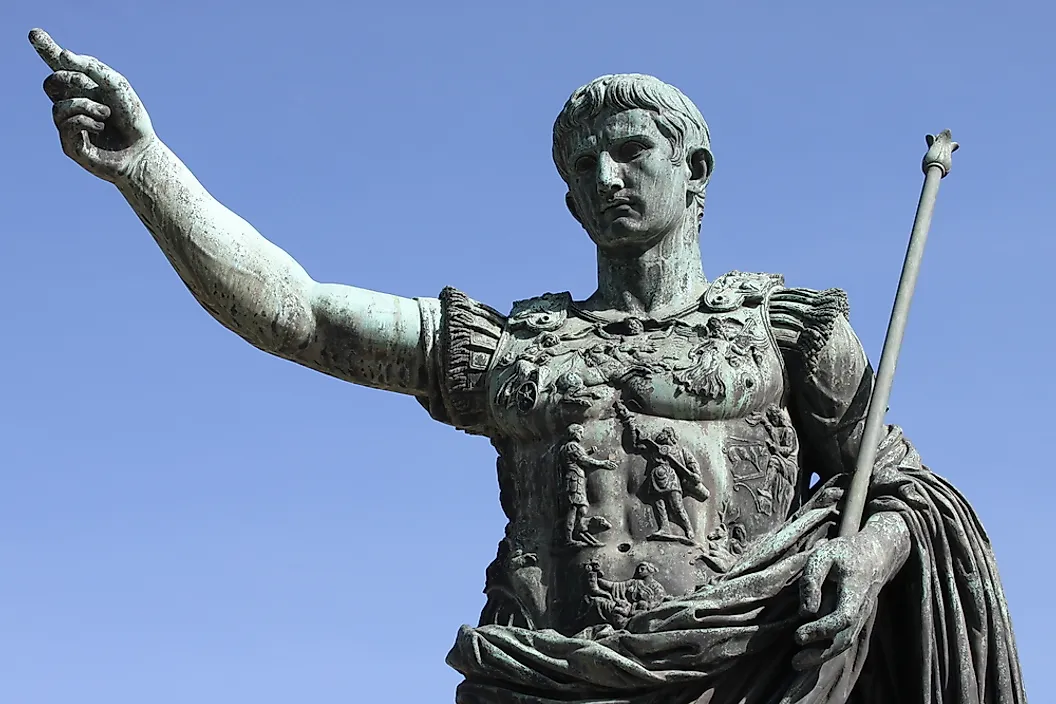
Odoacer couldn’t keep one of the defining features of the Roman Empire: its size. By the time Western Rome fell, many different barbarian groups had established independent kingdoms across its provinces. In Gaul, the Franks were united under Clovis I. In Spain, a Visigothic kingdom emerged. In North Africa, the Vandals established their own state.
While these places continued Roman traditions, they were isolated and insulated from one another. Over time, they developed their own cultures and political systems. All these factors formed the foundation of Medieval Europe.
Changes In Everyday Life

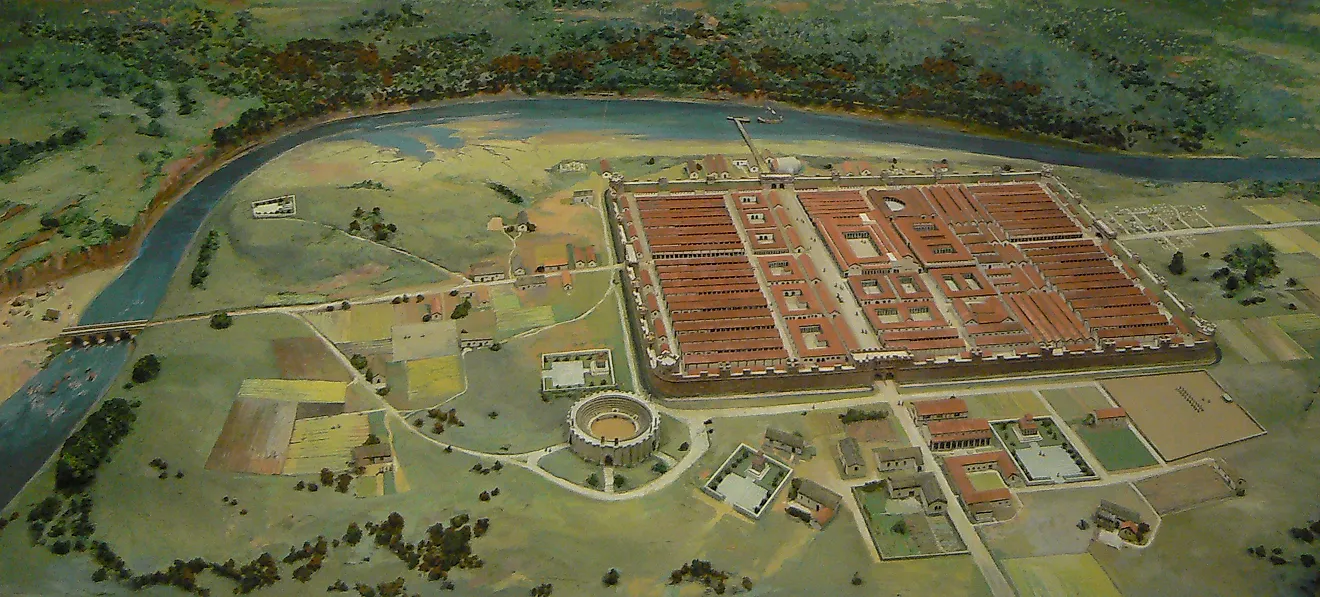
Significant changes in everyday life accompanied the fall of the Western Roman Empire. Perhaps the most immediate impact was on urban living. During the empire, many cities had public baths, aqueducts, amphitheaters, paved streets, and markets. While these luxuries didn’t disappear overnight, they gradually fell into disrepair as people left cities for smaller, agricultural communities. This dynamic was particularly bad in Britain, where some Roman towns were completely abandoned.
Long-distance trade also declined. The Roman Empire had one of the largest integrated economies in world history. Its vast and sophisticated network of roads meant that a merchant could transport olive oil from Spain, grain from Egypt, and pottery from Tunisia all around the empire. This was no longer possible after Rome fragmented. Trade routes were more dangerous, and political borders served as roadblocks.
The Rise Of The Church

Arguably, the biggest change was the Christian Church's increased role. As centralized political authority fractured and everyday life became more dangerous, the church functioned as a vital stabilizing force. It fed the poor, provided refuge to travelers, and took in orphans and widows. In the absence of formal Roman schools, the church also became Europe’s main educational institution. Without it, literacy levels would have fallen even further than they did during the Middle Ages.
Finally, the church was one of the main institutions that enabled Roman civilization to survive. Writings by figures like Virgil, Cicero, and Livy were transcribed by Monks in Christian monasteries, and church services were held in Latin, the traditional language of the Roman Empire.
The Eastern Roman Empire

As all these changes occurred in the former Western Empire, the Eastern Roman Empire persisted. We know it today as the Byzantine Empire, but the people living in it at the time considered themselves Romans. Its capital, Constantinople, was the new center of Roman civilization, and it quickly grew into one of the largest and most cosmopolitan cities in the world.
There were some differences between the Byzantine and Roman Empires. Perhaps the most obvious was geographic. While the Byzantines regained much of Rome’s former territory under the reign of Justinian the Great (527 to 565 CE), this was short-lived. For most of its existence, the empire dominated the eastern Mediterranean. Byzantium also had a different linguistic basis. Latin still existed, particularly early on, but it eventually gave way to Greek.
Much like Western Rome, the Byzantine Empire faced increasingly existential challenges over time. Competition with the Sasanian Empire drained its resources, and numerous different Muslim empires conquered its provinces in North Africa and the Middle East. The true turning point came in 1204, when Christian crusaders from Western Europe sacked Constantinople. The city never regained its full strength, and the Byzantines struggled to survive for the next two centuries. Byzantium eventually fell in 1453, when the Ottoman Empire captured Constantinople.