Why Did the Roman Empire Split?
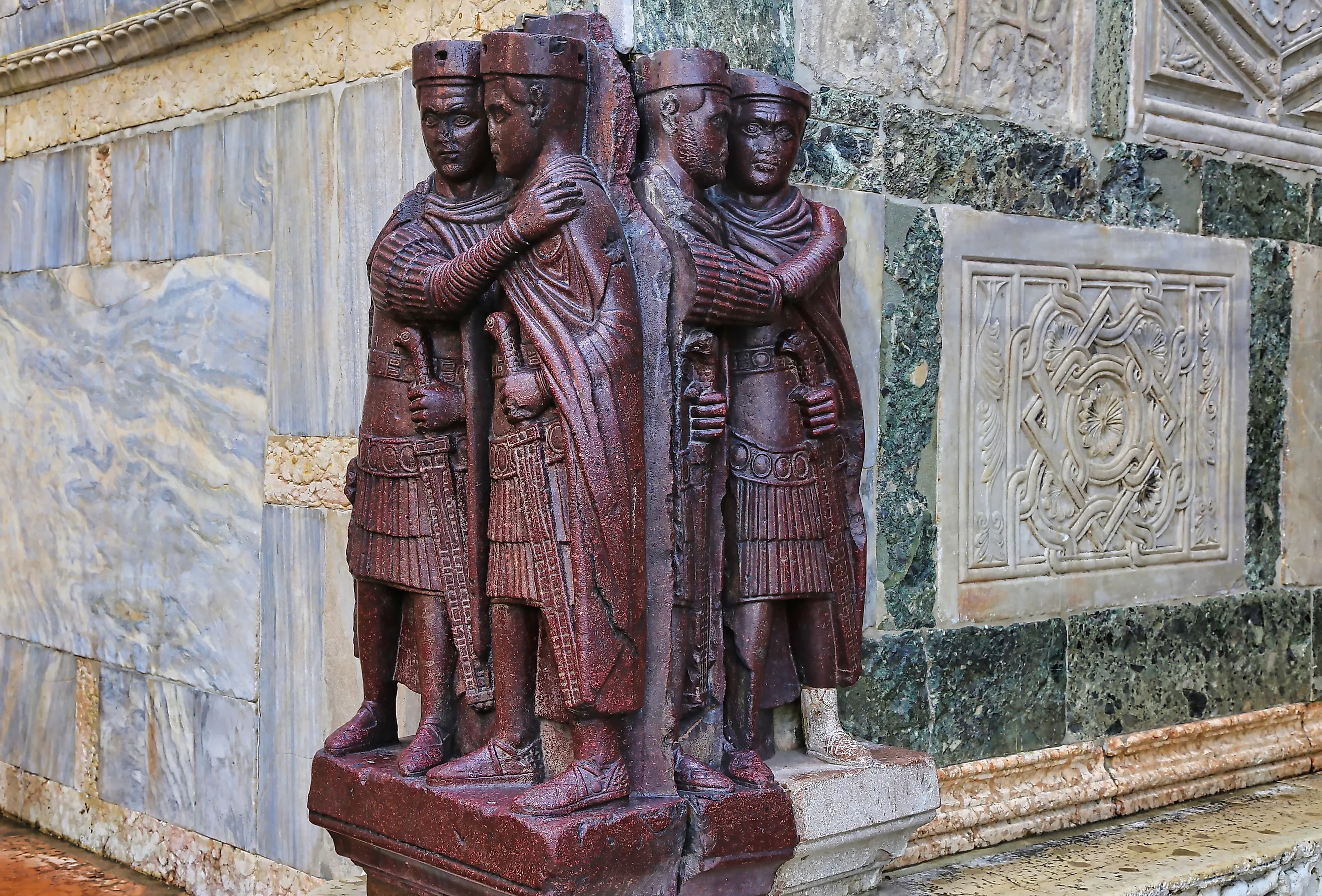
By the late third century CE, the Roman Empire had grown too large and too fractured to hold together under a single ruler. Emperor Diocletian acknowledged as much in 293 CE when he split governance into the Tetrarchy, a direct response to decades of civil war that had cycled through more than twenty emperors in less than fifty years. The economic and cultural divide between East and West deepened from there, and when Theodosius died in 395 CE and split the empire between his two sons, he was formalizing a separation that had been a century in the making.
The Empire Was Too Large

The Roman Empire was massive. Stretching from Britain to Mesopotamia, and from Spain to Egypt, it had become nearly impossible for the central government to understand the needs of its citizens and adequately address them. One of the biggest issues was foreign invasions. If hostile groups crossed into a region such as Spain, it took weeks for the government to learn about it and then provide military aid.
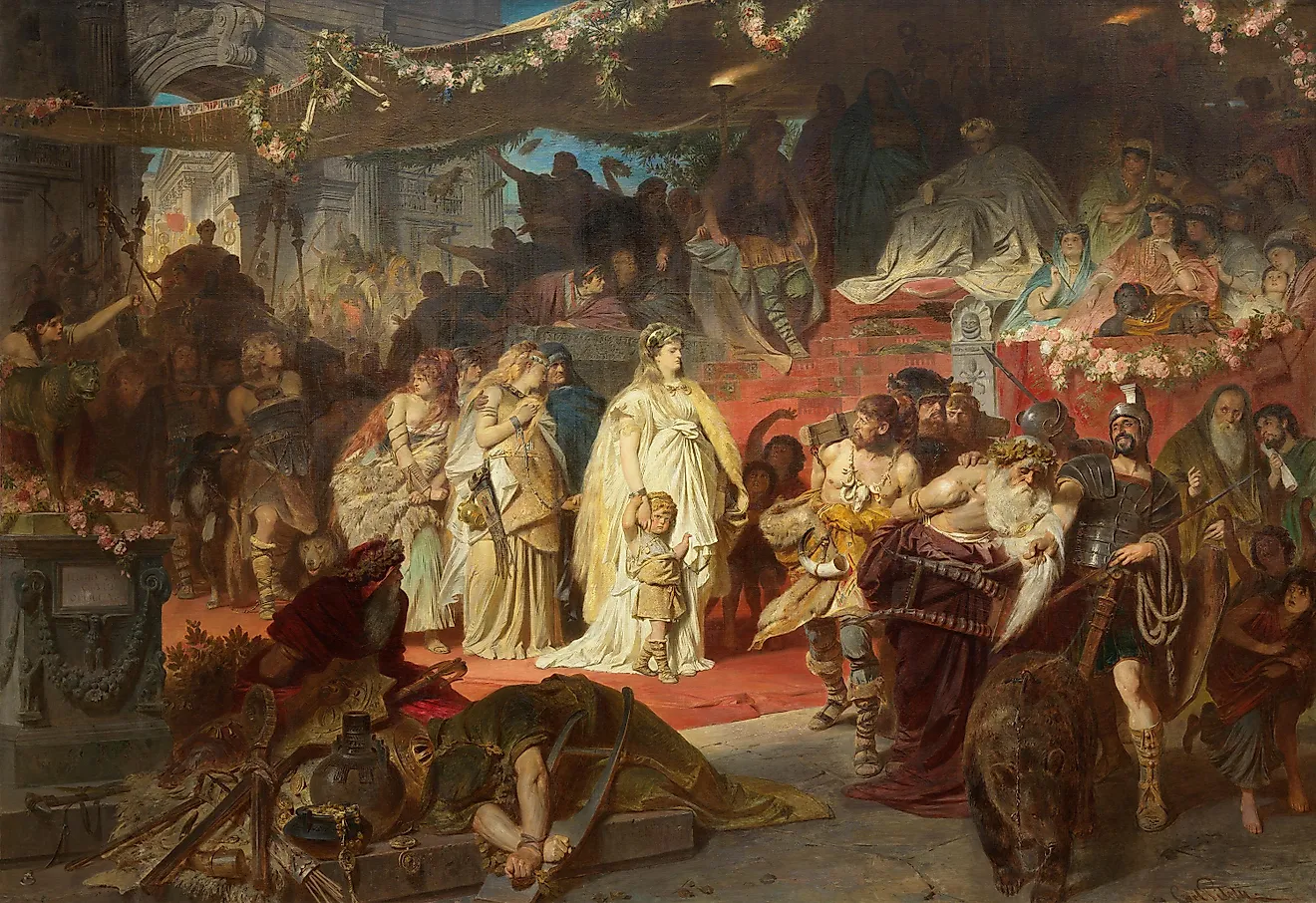
The empire’s size also diminished the emperor’s authority, since he had no meaningful presence in most people’s lives. This gave rise to rogue generals and competing claims for the emperorship. These pressures helped fuel the Crisis of the Third Century, a prolonged period of civil wars, invasions, and economic and political instability between 235 and 284 CE, during which over 20 emperors rose and fell. This chaos convinced many that major administrative reforms were necessary.
Economic Differences

The Western Roman Empire and Eastern Roman Empire had major economic differences. The East included powerhouse provinces like Egypt, Anatolia, and Syria, which had strong agricultural outputs, dense urban centers, and robust intra-regional trade. The West was substantially weaker. While it had some major cities, like Rome, it was generally more rural. The ever-present threat of barbarian invasion from the North also forced the government to spend more on the military rather than invest in areas like agriculture and infrastructure. As a result, the Western government collected far less tax revenue than the East.
Linguistic and Cultural Differences

Western and Eastern Rome were divided linguistically and culturally. In the West, people primarily spoke Latin. The city of Rome itself remained central to Western Roman cultural memory and tradition, though imperial political power in the West later shifted to other court centers such as Ravenna.

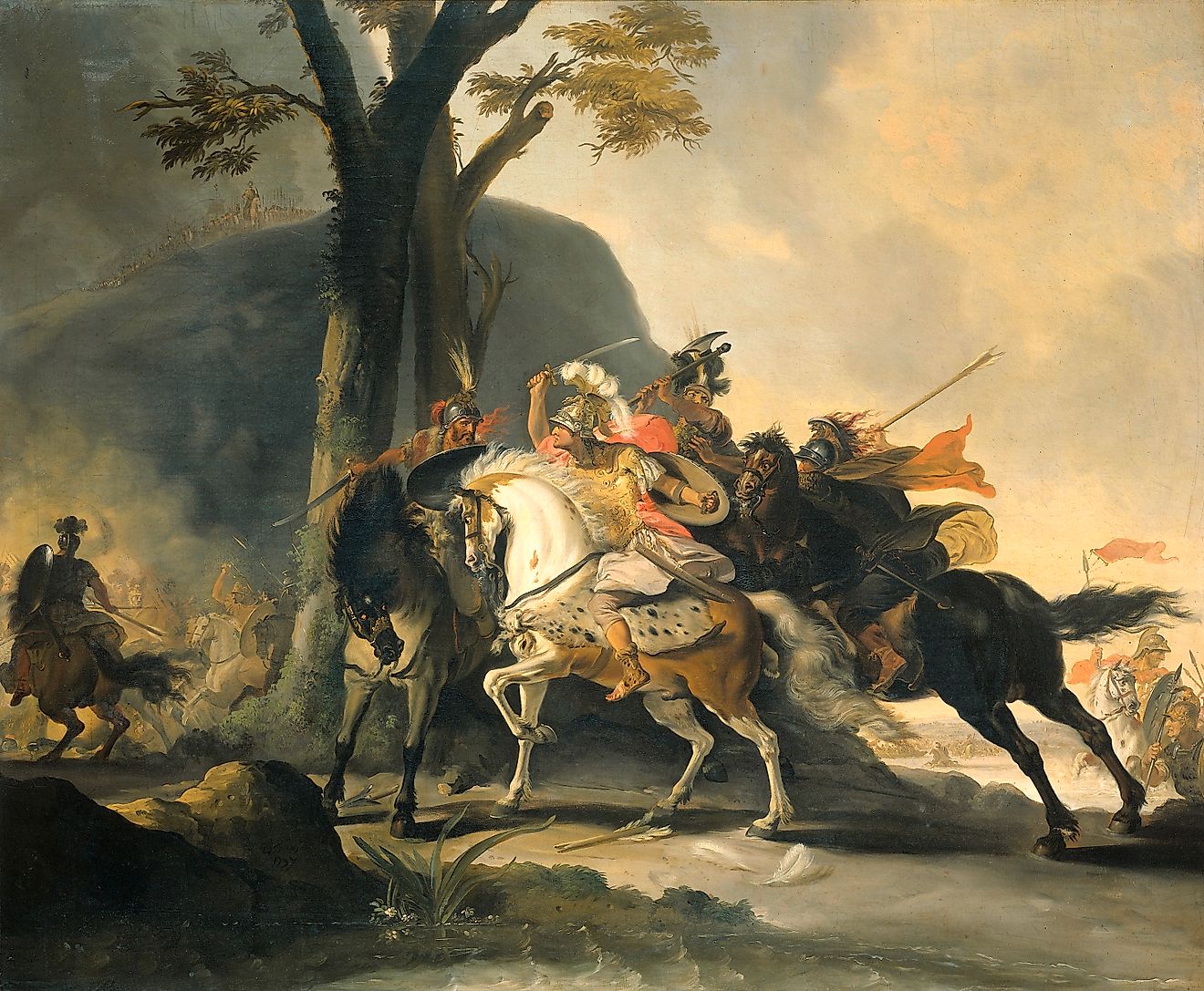
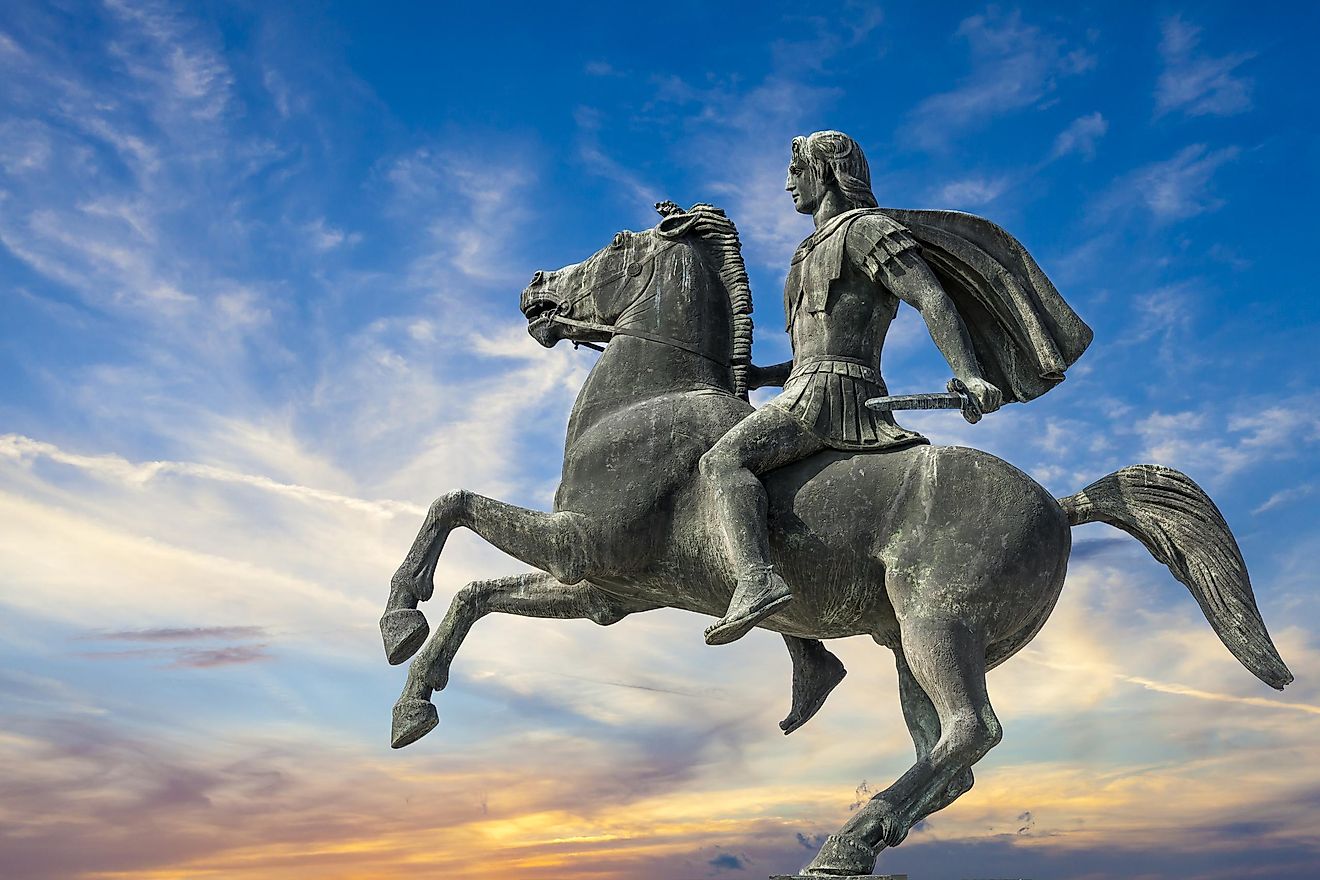
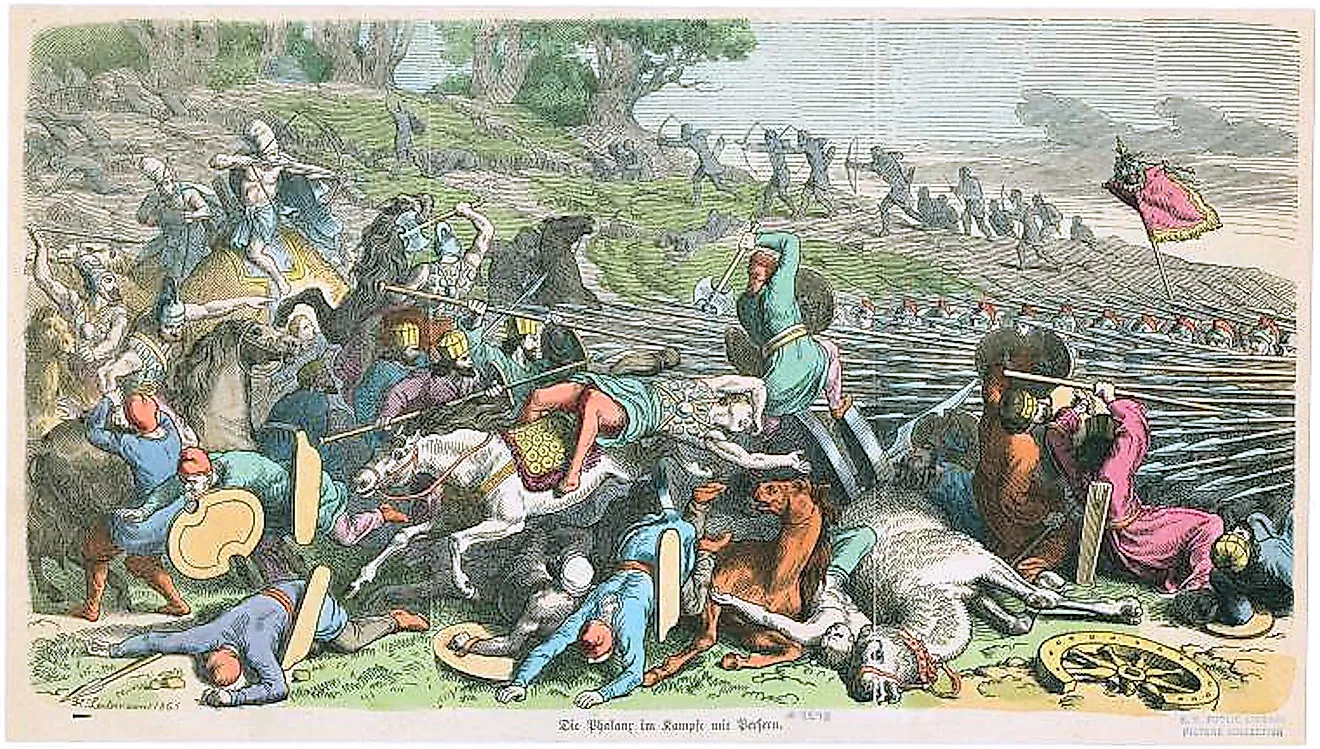
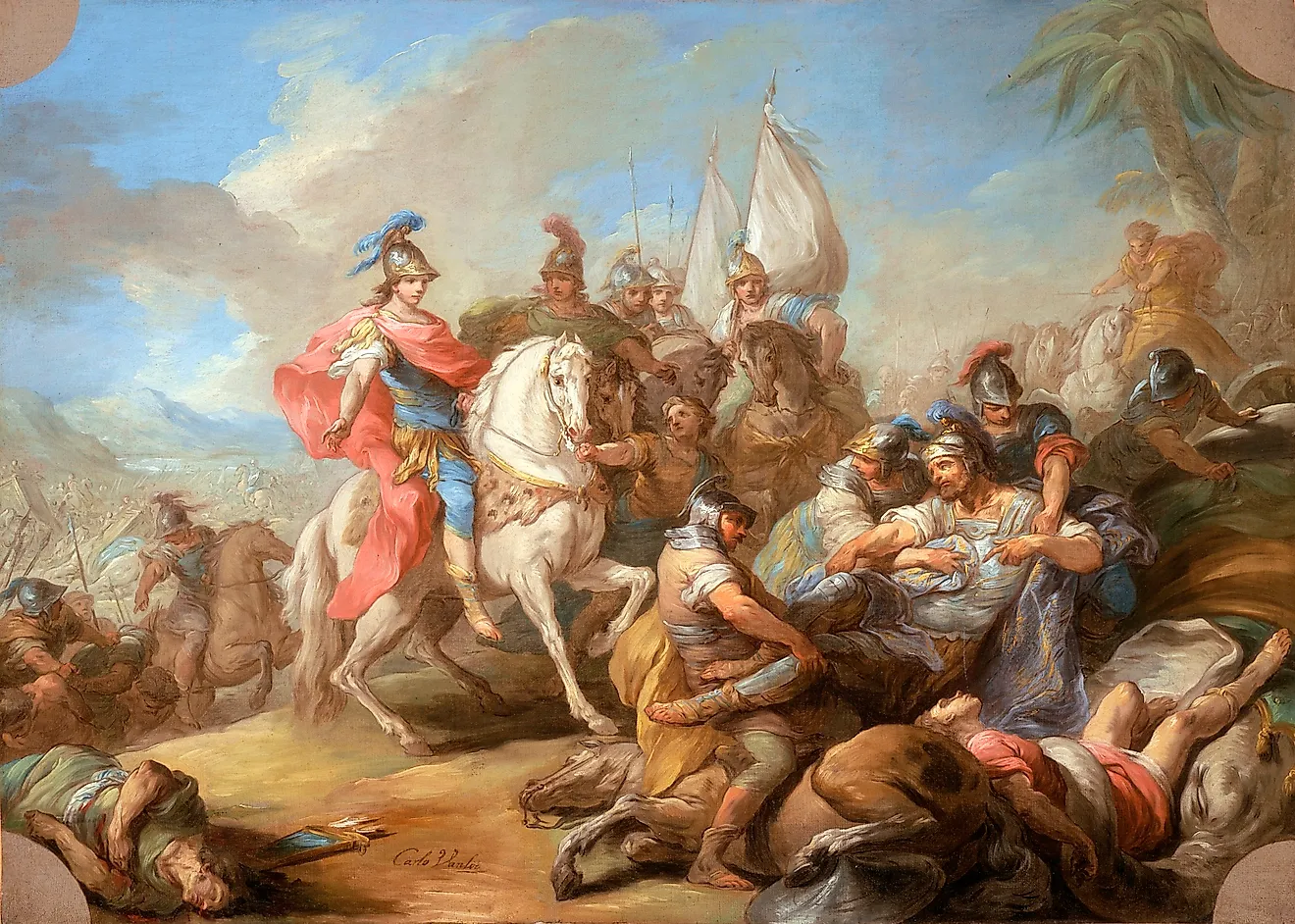
People in the East primarily spoke Greek. This was related to a larger cultural legacy that could be traced back to Alexander the Great. In the 330s and 320s BCE, he built an empire that stretched from Greece to India. His conquests and the successor kingdoms that followed helped spread Greek culture and encouraged a fusion of Greek and Eastern elements across much of the eastern Mediterranean and Middle East. When Rome moved into the eastern Mediterranean and the Middle East, it never really supplanted this cultural influence. While people living in the Eastern Roman Empire still considered themselves “Roman”, they felt disconnected from the “Latin West”.
The Split Begins

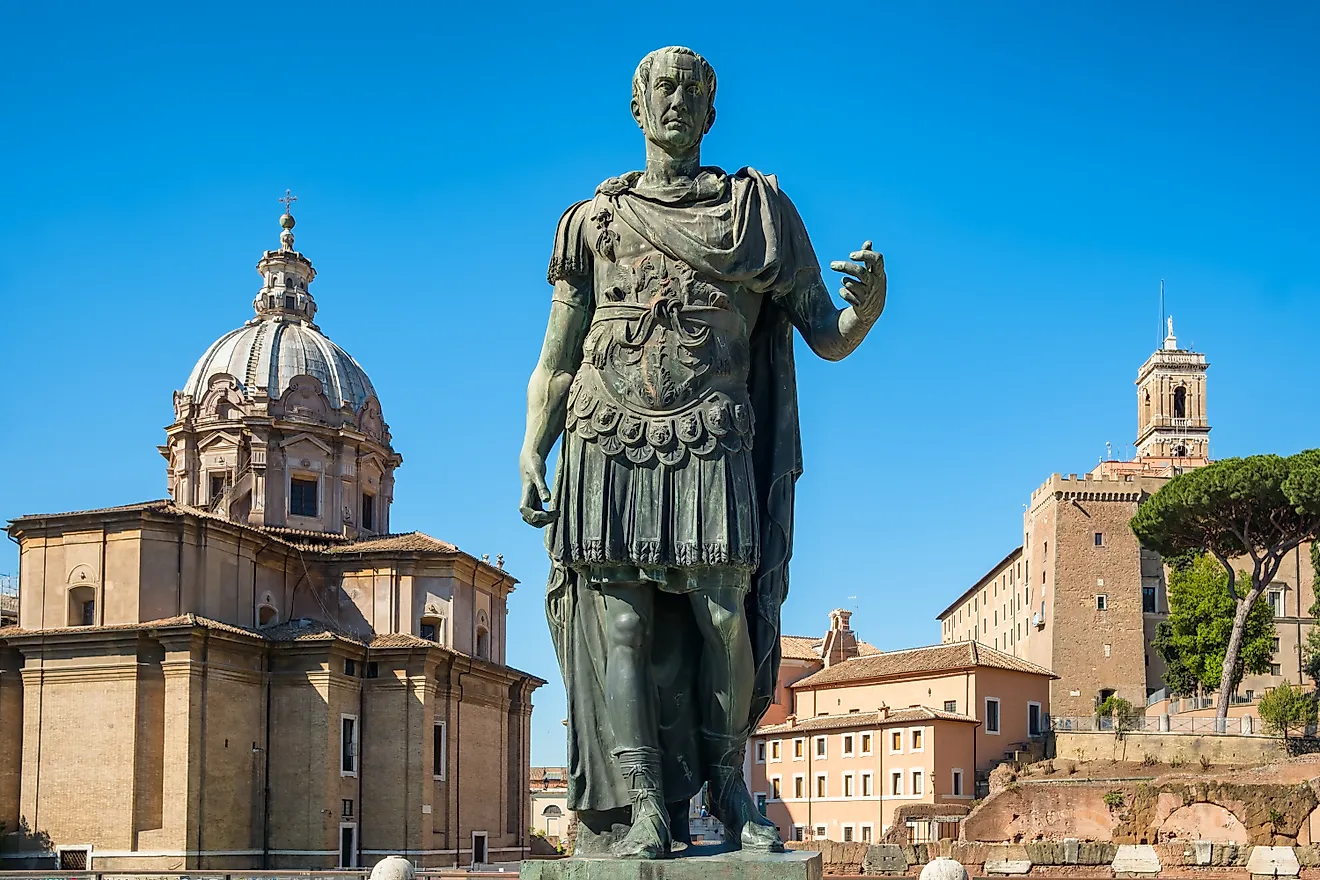
The split began under Emperor Diocletian, who reigned from 284 to 305 CE. Facing these challenges, he believed that one emperor could no longer properly rule the empire and created the Tetrarchy (“rule of four”) in 293 CE. The Roman Empire was now governed by the Tetrarchy: two senior emperors, called Augusti, and two junior emperors, called Caesars. While the Tetrarchy ultimately descended into civil war, it nonetheless established the precedent of dividing Rome.
Another major turning point came under Emperor Constantine, who ruled from 306 to 337 CE. In 330 CE, Constantine dedicated Constantinople, his “New Rome,” on the site of the ancient Greek colony of Byzantium. Its location on the Bosporus, with access through the Sea of Marmara and the Dardanelles to the Mediterranean, gave it several key advantages: it was easier to defend, controlled trade between the Black Sea and the Mediterranean, and sat close to Rome’s more prosperous eastern provinces. While smart politically and strategically, moving the capital to Constantinople further shifted power away from the West and helped entrench differences between the empire’s two spheres.
The Split Is Finalized

Despite being reunited several times after Diocletian, the Roman Empire split for good in 395 CE. When Emperor Theodosius died in that year, he divided the empire between his sons. Arcadius received the East, and Honorius received the West. From this point on, the Western Roman Empire and Eastern Roman Empire were functionally two different states. While they both considered themselves Roman and had a shared history, their trajectories were very different. The Western Empire fell in 476 CE when the barbarian leader Odoacer deposed Emperor Romulus Augustulus. The Eastern Empire, later known as the Byzantine Empire, survived for nearly another thousand years before falling to the Ottomans in 1453 CE.
Why Rome’s Division Became Permanent

The Roman Empire was divided for several reasons. Its sheer size made it practically impossible for one person to govern. Economic and cultural differences between East and West also deepened the separation between the two halves. Emperor Diocletian, therefore, began experimenting with multiple rulers and administrative states. This experiment failed, but it set a precedent that helped make the empire’s permanent division possible in 395 CE.