The Most Effective Ancient Military Tactics Ever Used
Ancient warfare could be brutally simple. Armies met, cities were surrounded, and victory often depended on who died first. Yet the most successful ancient commanders rarely relied on force alone. They found ways to make an enemy fight on unfavorable terms, whether by pinning troops in place, surrounding them, or changing tactics when a plan stopped working. Some of these methods were so effective that they became models of military strategy for centuries afterward.
The Macedonian Phalanx and Companion Cavalry

The Macedonian phalanx was arguably one of the most influential military techniques of the ancient world. This was because it transformed the Greek hoplite system into part of a more flexible, combined-arms approach. Previously, the traditional Greek phalanx featured soldiers equipped with a shield and a spear, arranged in close formations. While effective, it relied heavily on the troops keeping formation.
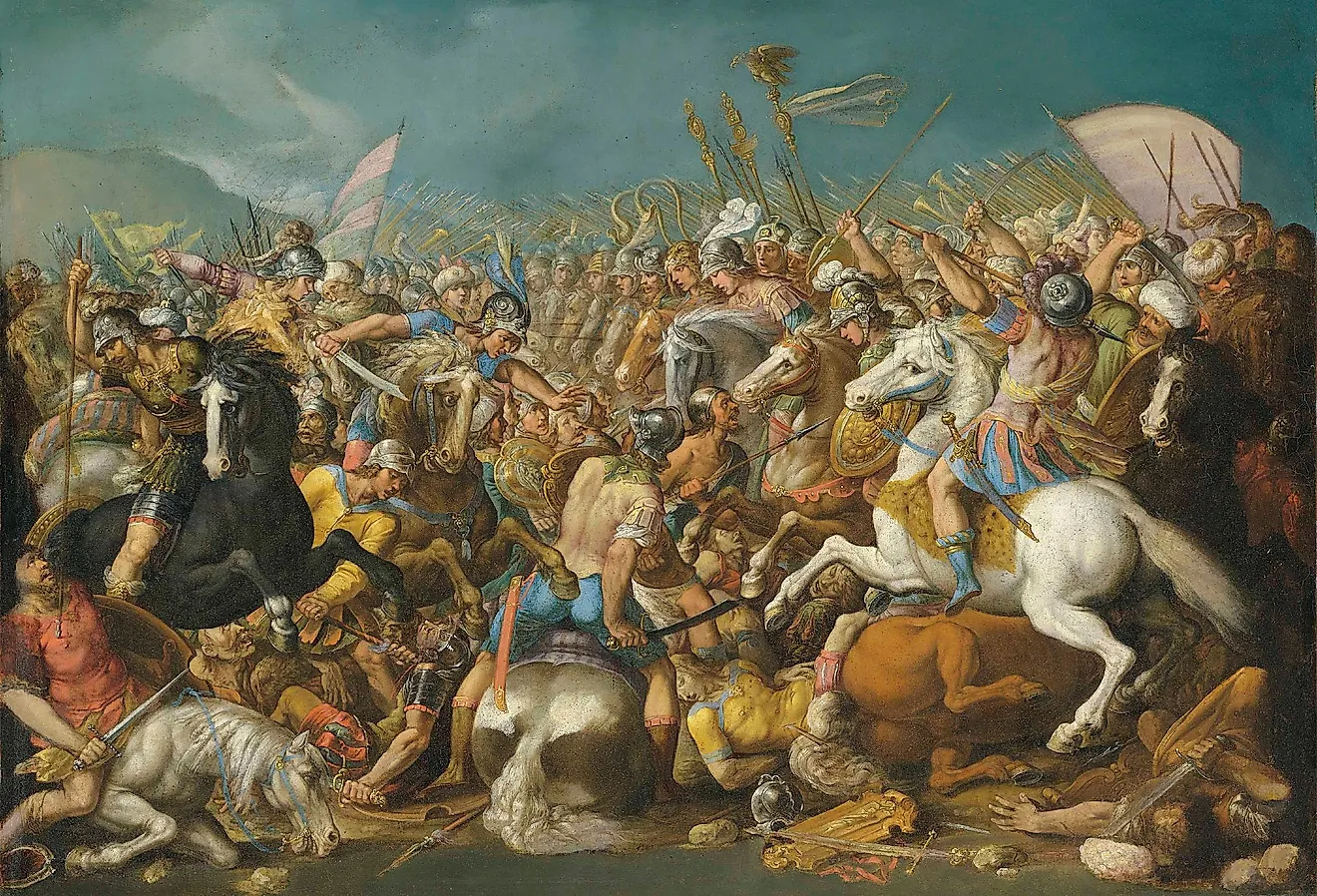
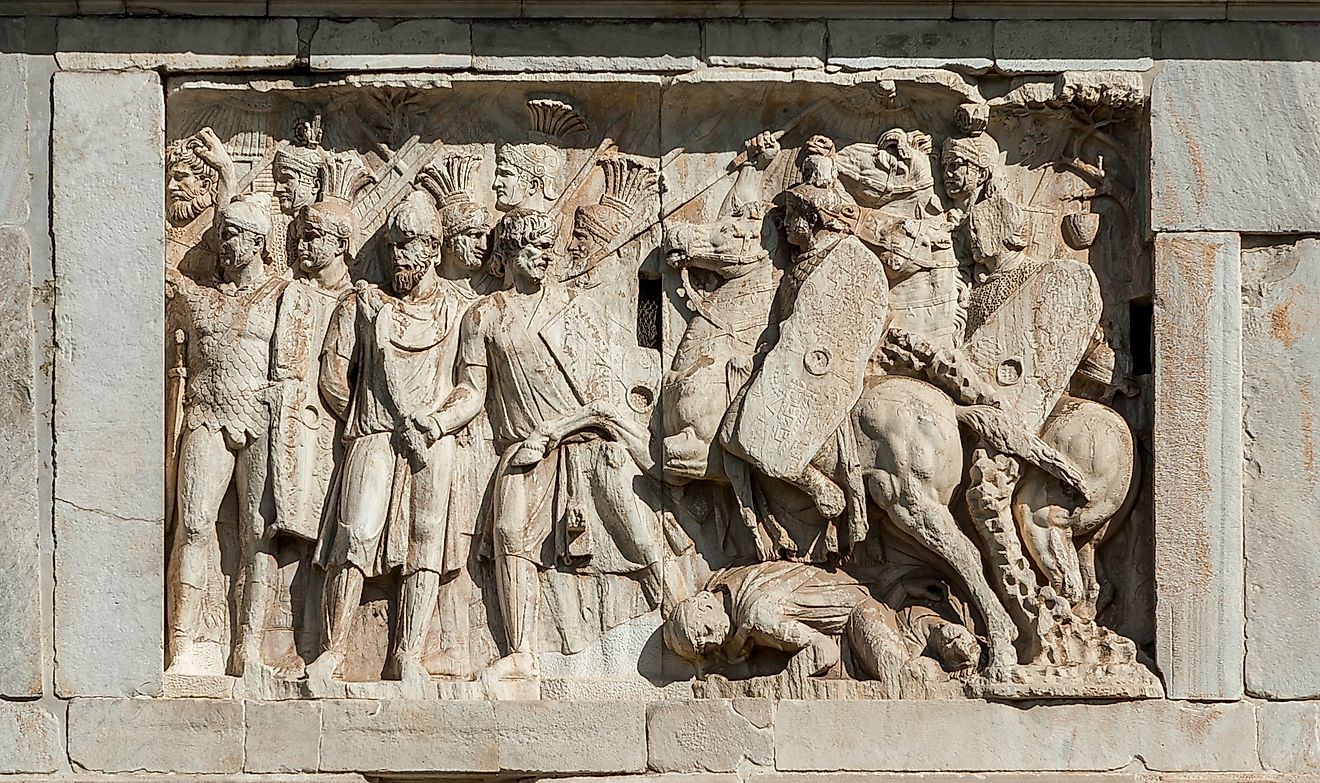
To increase its effectiveness, Macedonian King Philip II, who reigned between 359 and 336 BCE, introduced the sarissa, a much longer spear. Doing so gave his army greater reach and made the phalanx extremely difficult to attack from the front. However, it was still vulnerable from the sides and rear. Therefore, Philip II adopted a combined-arms approach. The centerpiece was the Companion Cavalry. After the phalanx pinned the enemy in place, the Companion Cavalry could strike exposed flanks or the rear. This system helped make the Macedonian army extraordinarily successful. Under Philip's leadership, Macedonia became the dominant power in Greece. His son, Alexander the Great, who reigned between 336 and 323 BCE, then established an empire that reached across Greece and Egypt, through the Persian Empire, and into northwestern India. The strength of the Macedonian phalanx and Companion Cavalry working together was a major reason why he was able to accomplish this.
Hannibal's Double Envelopment

Perhaps more than almost any other military leader, Carthaginian general Hannibal Barca demonstrated that the size of an army was not everything. The clearest example came at the Battle of Cannae in 216 BCE. Over the previous two years, the Carthaginians had defeated the Romans in several major battles. Frustrated, Rome raised an enormous army in an attempt to defeat Hannibal in Italy once and for all.
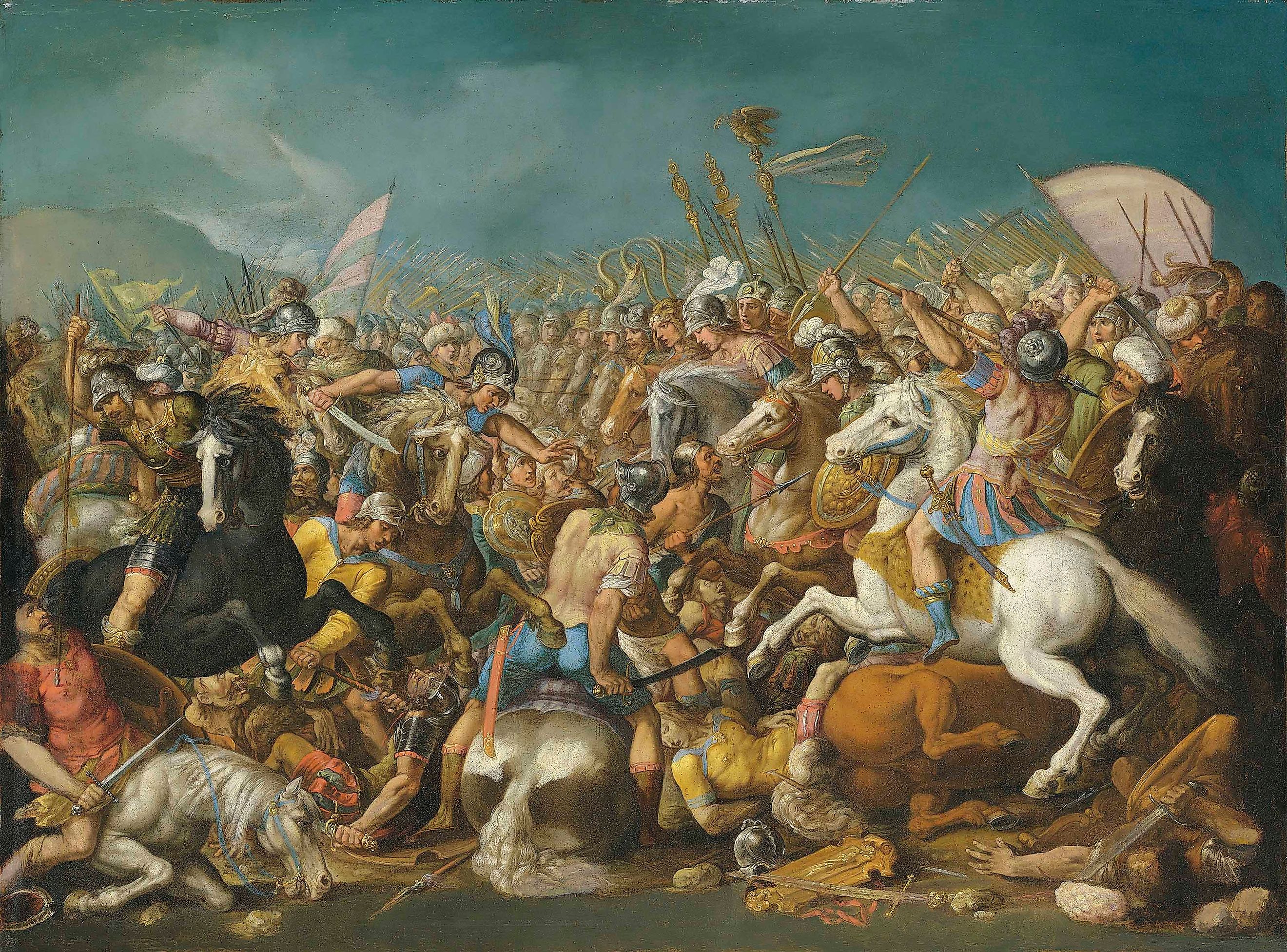
Despite being heavily outnumbered, Hannibal had a cunning plan. He stationed Gallic and Iberian infantry in the center while stronger African infantry stood on the sides. As the Romans attacked the center, Hannibal's troops gradually gave ground, drawing the Roman soldiers farther forward. The African infantry then turned inward against the Roman flanks. Meanwhile, Carthaginian cavalry defeated the Roman cavalry and attacked the infantry from behind. The Romans were surrounded.
This double-envelopment tactic worked with devastating effectiveness. Ancient accounts give different casualty totals, but tens of thousands of Roman and allied soldiers were killed or captured, while Carthaginian losses were far smaller. Cannae became one of the most famous encirclements in military history because Hannibal used the Romans' own aggressive advance against them. Instead of trying to stop a larger army head-on, he allowed it to move exactly where he wanted it to go.
Siege Craft

Ancient cities were often formidable. They frequently had massive stone walls, towers, gates, and ditches. Many were also located on elevated or otherwise defensible positions, making them even more difficult to penetrate. Such sophisticated defenses required equally sophisticated methods to defeat them.
Alexander the Great oversaw several sieges, arguably the most famous of which was the Siege of Tyre in 332 BCE. Located off the coast of modern-day Lebanon, Tyre was an island city protected by powerful fortifications. The Macedonian army built a massive causeway to reach it. Alexander also gained the support of Phoenician and Cypriot fleets, allowing him to blockade and attack the city from the sea. These measures eventually allowed the Macedonians to take Tyre after a siege lasting about seven months.
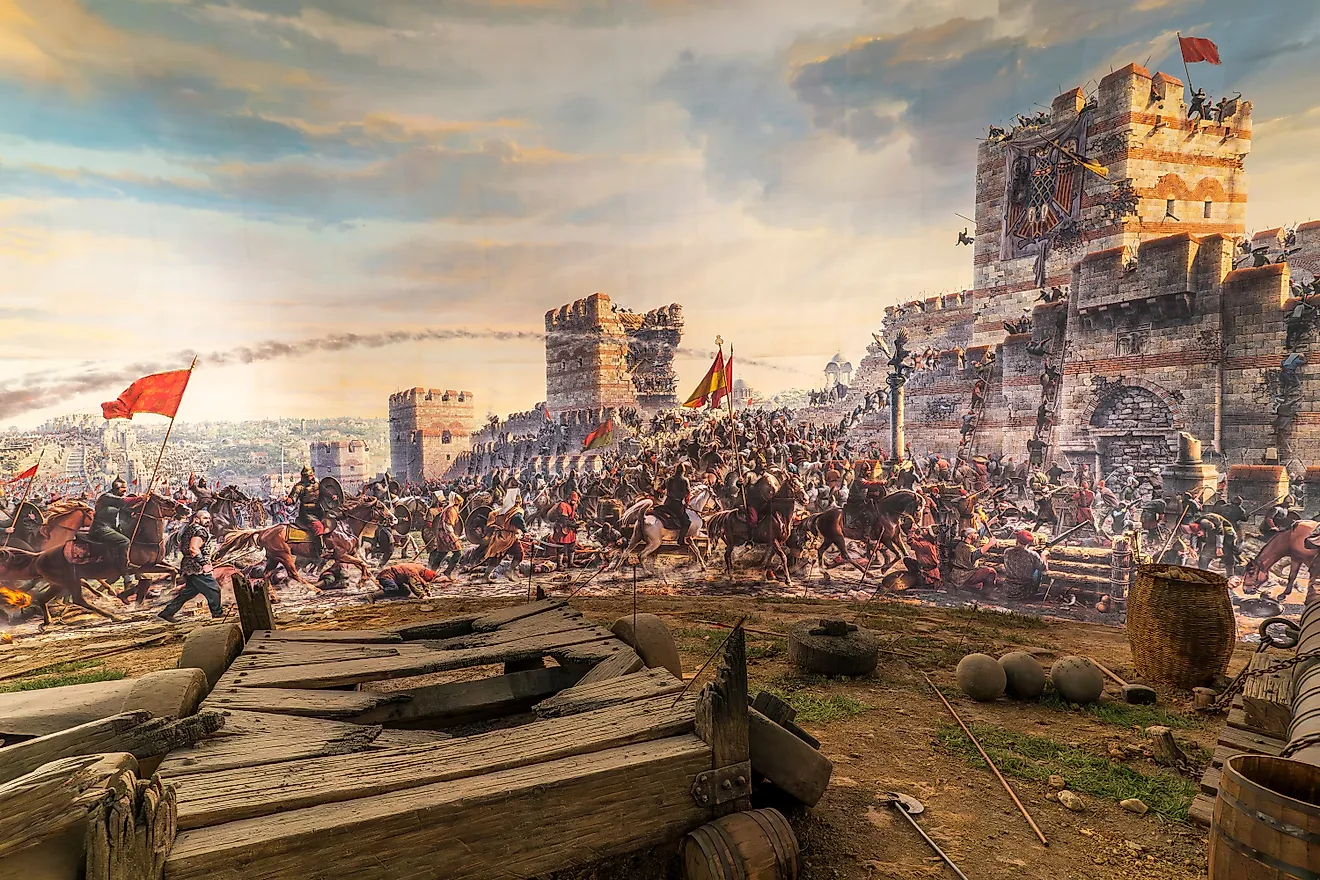
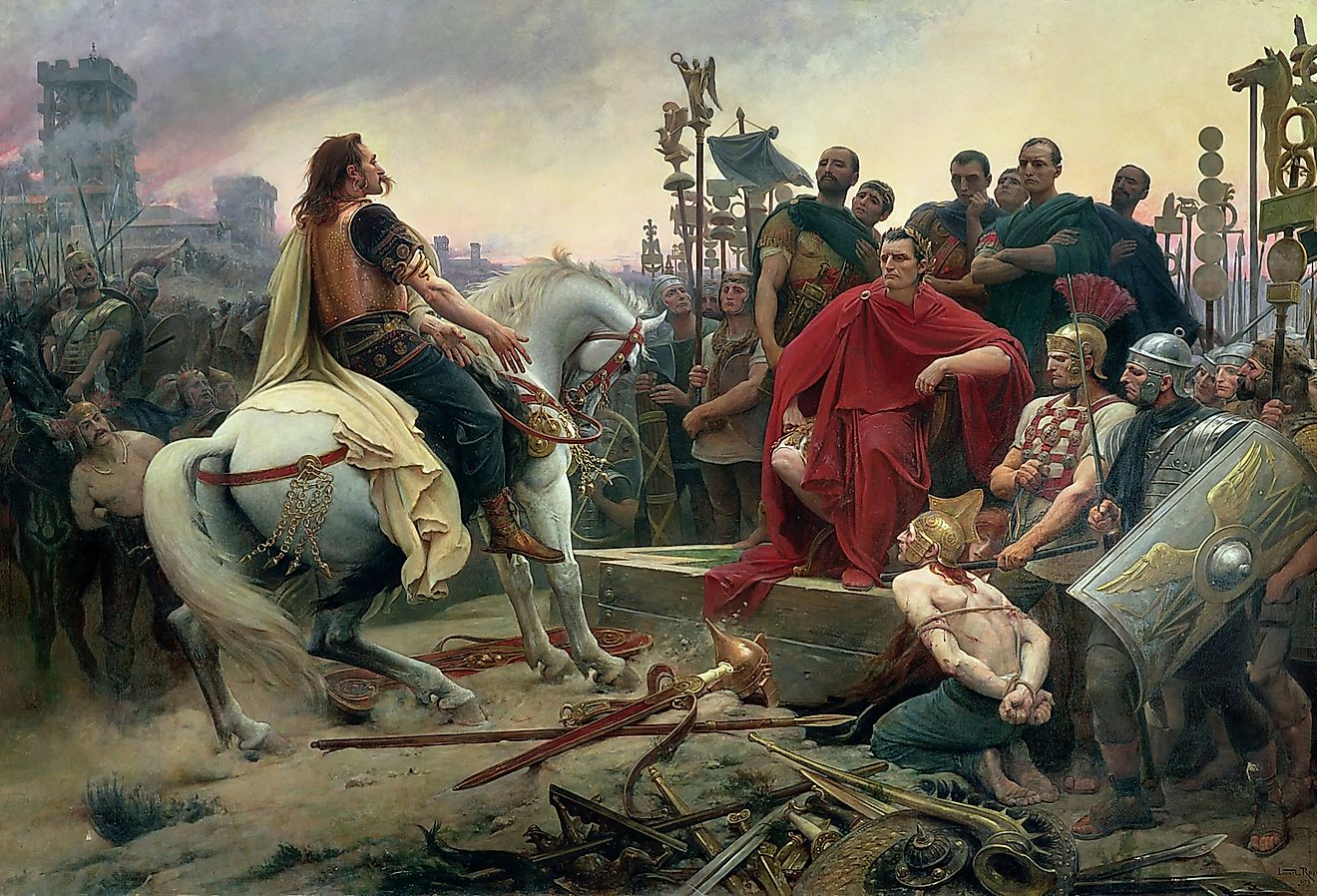
If Alexander demonstrated the power of combining engineering with naval and land forces, the Romans turned siege craft into a systematic military practice. One of the clearest examples came in 52 BCE with the Siege of Alesia. The climactic engagement of Julius Caesar's Gallic campaign, the siege trapped the Gallic leader Vercingetorix inside the fortified settlement of Alesia. The Romans constructed an inner line of fortifications to contain the defenders and prevent them from breaking out. They then built an outer line to defend themselves from an approaching Gallic relief force. This approach worked spectacularly. The relief army failed to break through the Roman defenses, and Vercingetorix eventually surrendered.
Overall Flexibility And Adaptability

Perhaps more than any one tactic or technique, ancient warfare shows the importance of flexibility and adaptability. Many of the greatest commanders from this period were willing to change their approach if the situation required it. Consider Alexander the Great. At the Siege of Tyre, he adapted a land-based operation into a combined land-and-sea assault once naval forces became available.
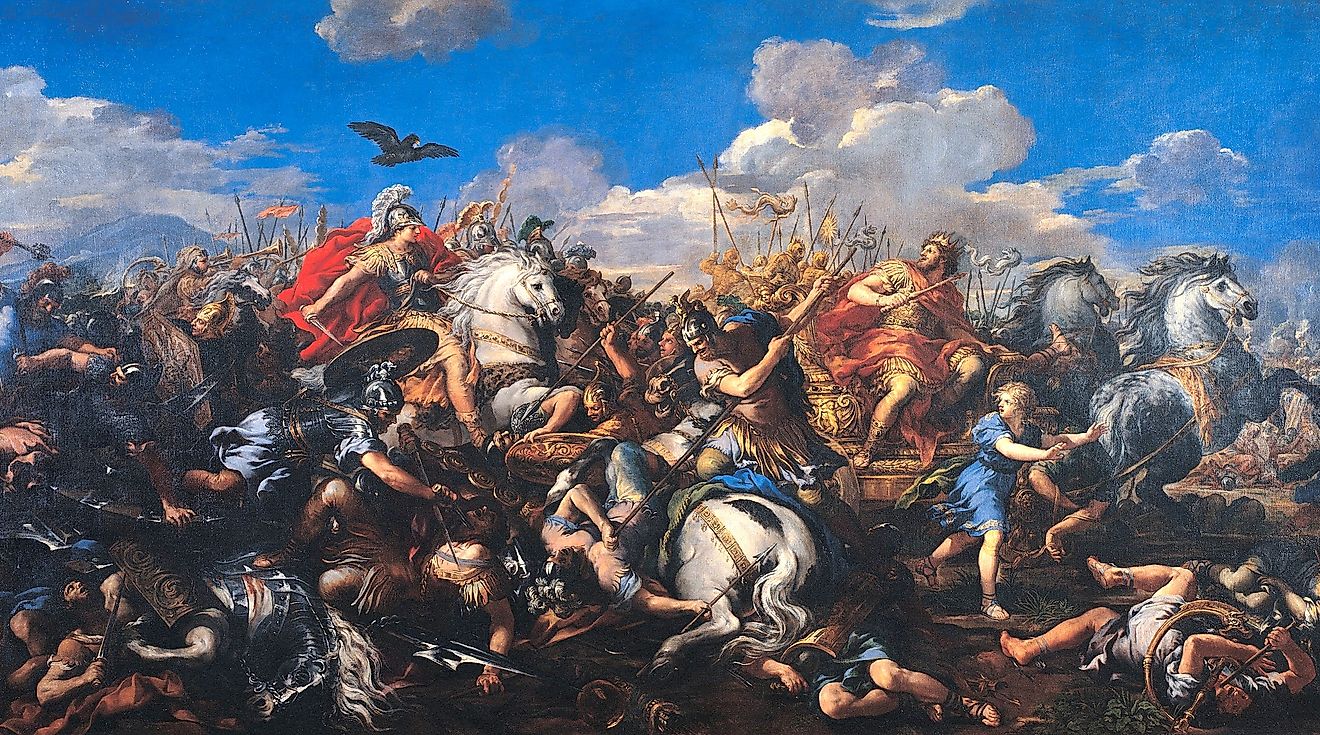
Alexander again changed his approach at the Battle of Gaugamela in 331 BCE. Persian King Darius III chose a wide, open battlefield that allowed his cavalry and chariots to move freely. However, Alexander moved his right flank diagonally outward, drawing part of the Persian force away from the center and helping create a gap in its defenses. Alexander then led a cavalry attack toward Darius, who eventually fled the battlefield.
The Romans were also willing to adopt new military approaches. In the First Punic War, which lasted between 264 and 241 BCE, the Roman Republic and Carthage fought for control over Sicily and the western Mediterranean. To compete with Carthaginian sea power, the Romans rapidly expanded their naval capacity, helping them win the war. During the Second Punic War, Rome also learned that repeatedly meeting Hannibal in major pitched battles could be disastrous. After the Roman defeat at Lake Trasimene in 217 BCE, Quintus Fabius Maximus Verrucosus adopted what became known as the Fabian Strategy. Instead of confronting Hannibal directly, he emphasized delay, harassment, and attacks on Carthaginian supplies. The Romans did not consistently follow this strategy, as the disaster at Cannae the following year demonstrated. However, Rome eventually avoided giving Hannibal the kind of decisive victory he needed. Hannibal was finally defeated at the Battle of Zama in 202 BCE by Scipio Africanus.
Impact And Legacy
Understanding the most effective ancient military tactics gives us insight into a type of warfare that can seem distant from the modern world. The combined-arms approach of the Macedonian phalanx and Companion Cavalry helped Alexander win battles across a vast territory. Hannibal's double envelopment at Cannae allowed him to destroy a much larger Roman force. Siege craft allowed armies to overcome cities and fortresses that appeared almost impossible to capture. Above all, the most successful ancient commanders understood that no tactic worked everywhere. Victory often belonged to the side that could recognize a weakness, adapt fastest, and force the enemy to fight on its terms.