The Civil War That Doomed The Roman Republic
The Roman Republic effectively died in 49 BCE. Even though it existed on paper for the next two decades, that year marked the beginning of a catastrophic civil war. As Julius Caesar, Pompey, and the Senate fought for control of Rome, its political system and norms changed beyond recognition. When Caesar emerged victorious in 45 BCE and proclaimed himself dictator for life the following year, the nature of this transformation was made clear. Even though Caesar was soon assassinated by senators concerned about his tyrannical rule, it only delayed the inevitable. Rome officially transformed from a republic into an empire in 27 BCE.
A Republic In Crisis

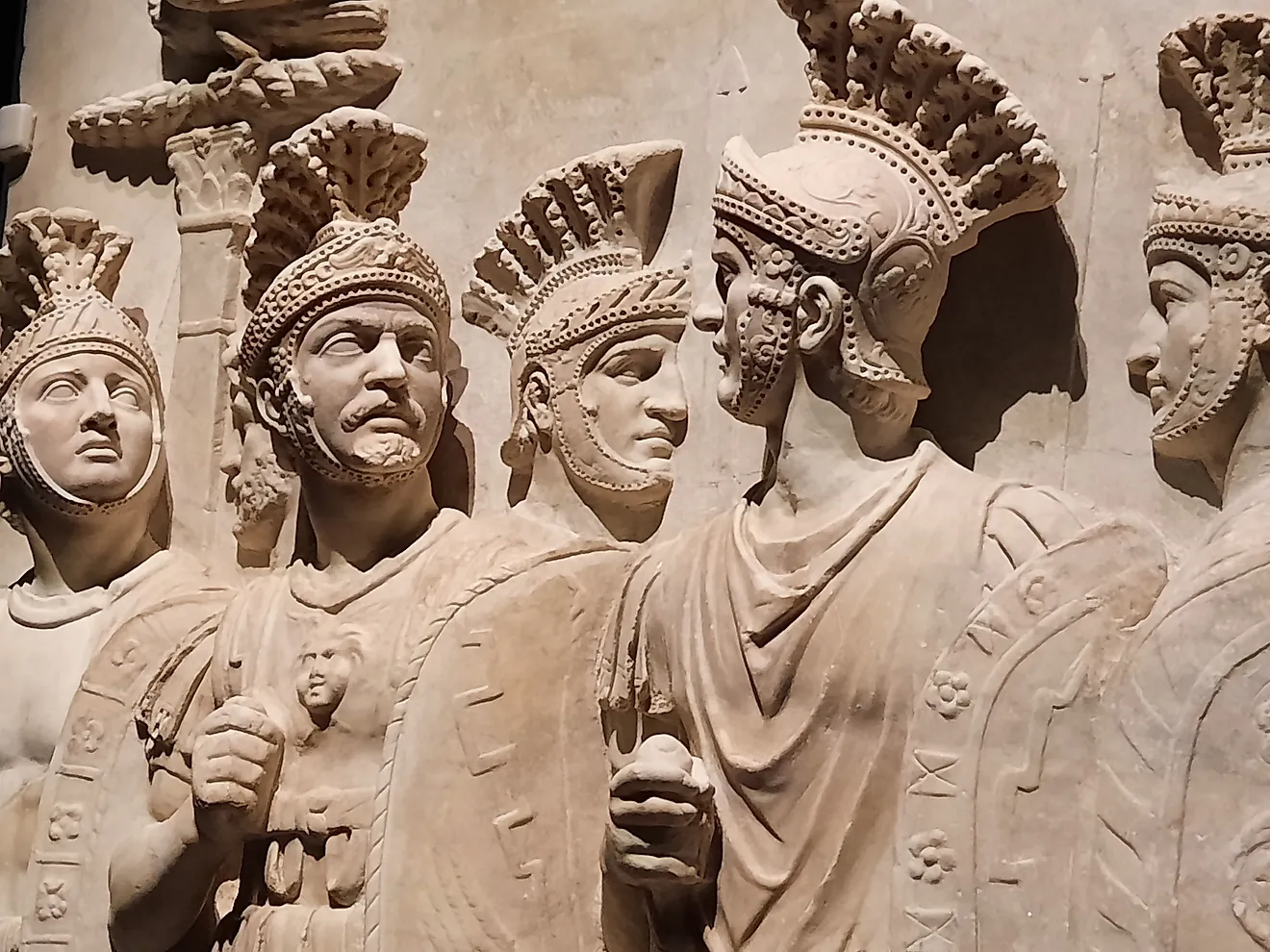
By the 50s BCE, the Roman Republic was in trouble. The root of many of its issues was the mismatch between its political system and its geographic, cultural, and political reality. Originally designed for a small Italian city-state, republican institutions, like the Senate, proved woefully inadequate in addressing the needs of millions of citizens who lived across the Mediterranean. To compensate, regional generals were given immense power. These generals paid substantial salaries to their troops, thereby often inspiring loyalty towards them rather than the Roman state. Realizing the power that came with this, many generals began to wield it for political purposes.
The most famous early example was Lucius Cornelius Sulla, who twice marched on Rome with his army. In doing so, he led to massive constitutional reforms. Most importantly, Sulla established the precedent that the military could be used in domestic politics.
Caesar And The First Triumvirate

In 60 BCE, three ambitious generals, Julius Caesar, Pompey, and Marcus Licinius Crassus, formed an alliance. Known as the First Triumvirate, this unofficial pact dominated Roman politics for the next ten years. However, tensions soon emerged. Between 58 and 50 BCE, Caesar led Rome's conquest of Gaul (modern-day France, Belgium, and Luxembourg).

He gained enormous personal wealth, popularity, and fame in the process. Jealous of Caesar's success, Crassus led an ill-advised campaign to conquer the Persia-based Parthian Empire, resulting in his death in 53 BCE. Without his moderating presence, the already tenuous relationship between Caesar and Pompey became even more fraught. Caesar's daughter, Julia, had also died the previous year. Since she was married to Pompey, the two men now lacked any familial connection, further exacerbating their rivalry.
Crossing The Rubicon

As Caesar's command of Gaul neared its end, the Senate (and Pompey) saw an opportunity to address the biggest threat to its power. It therefore ordered that he disband his army and return to Rome as a private citizen. Fearing persecution from his political enemies without the protection of his military, Caesar tried to negotiate a compromise. These negotiations failed. Backed into a corner, Caesar made a decision that altered the course of Roman history. In January 49 BCE, he crossed the Rubicon River with his army. Roman law forbade a general from bringing his army into Italy. The Rubicon served as the border between Italy and Gaul, so crossing it was an effective declaration of war on Pompey and the Senate.
Pompey Flees And Caesar Conquers

Since he had his own army, the Senate expected Pompey to stop Caesar. But Caesar advanced so quickly that Pompey was forced to flee to Greece, allowing Caesar to take Italy with essentially no resistance. Before pursuing Pompey, the general turned his attention to Spain. A site of major support for Pompey, Caesar knew that securing it was crucial to ensure he didn't end up fighting a war on two fronts. He did so quickly and famously proclaimed afterward that "I came to fight an army without a general before fighting a general without an army".
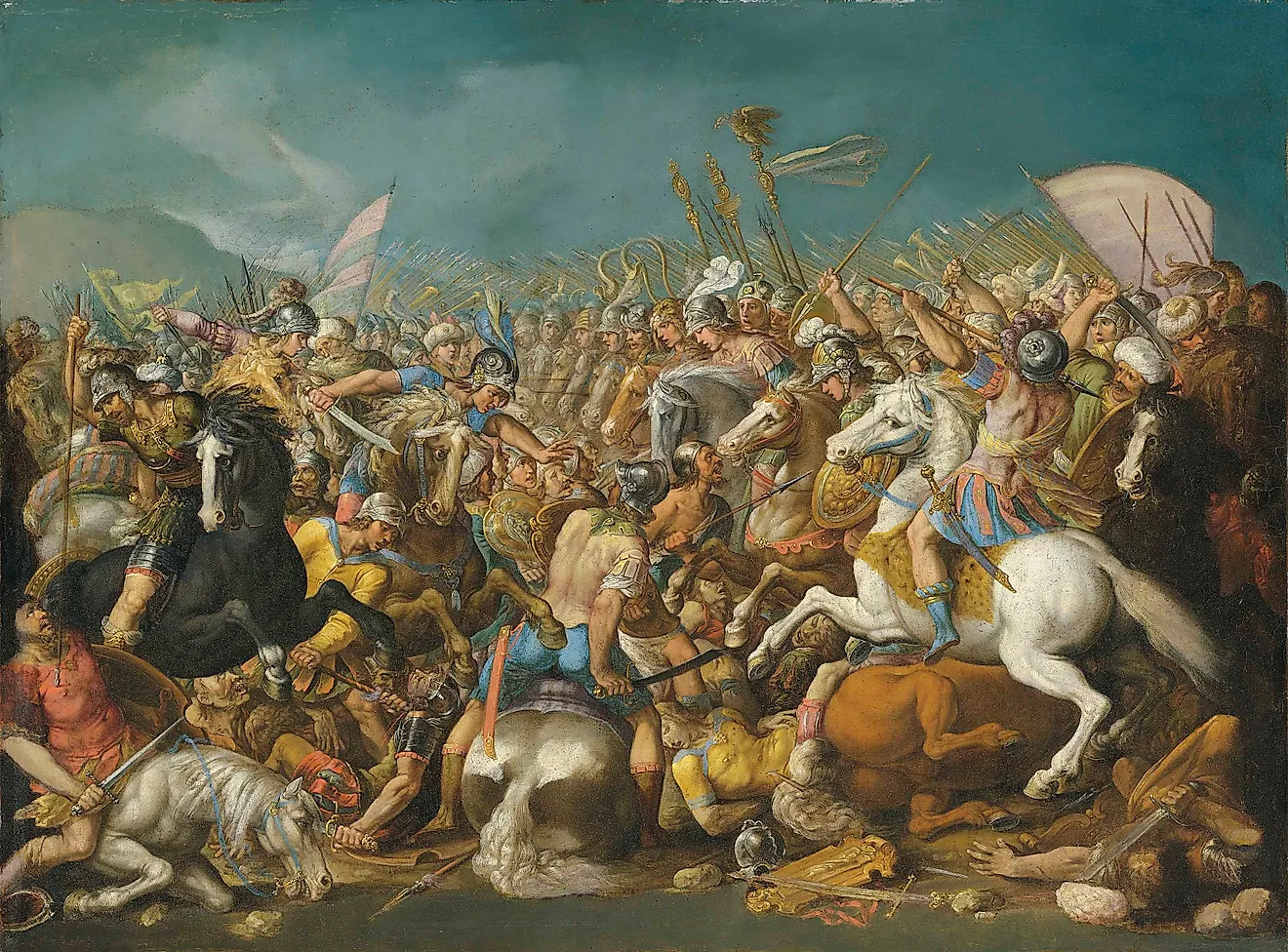
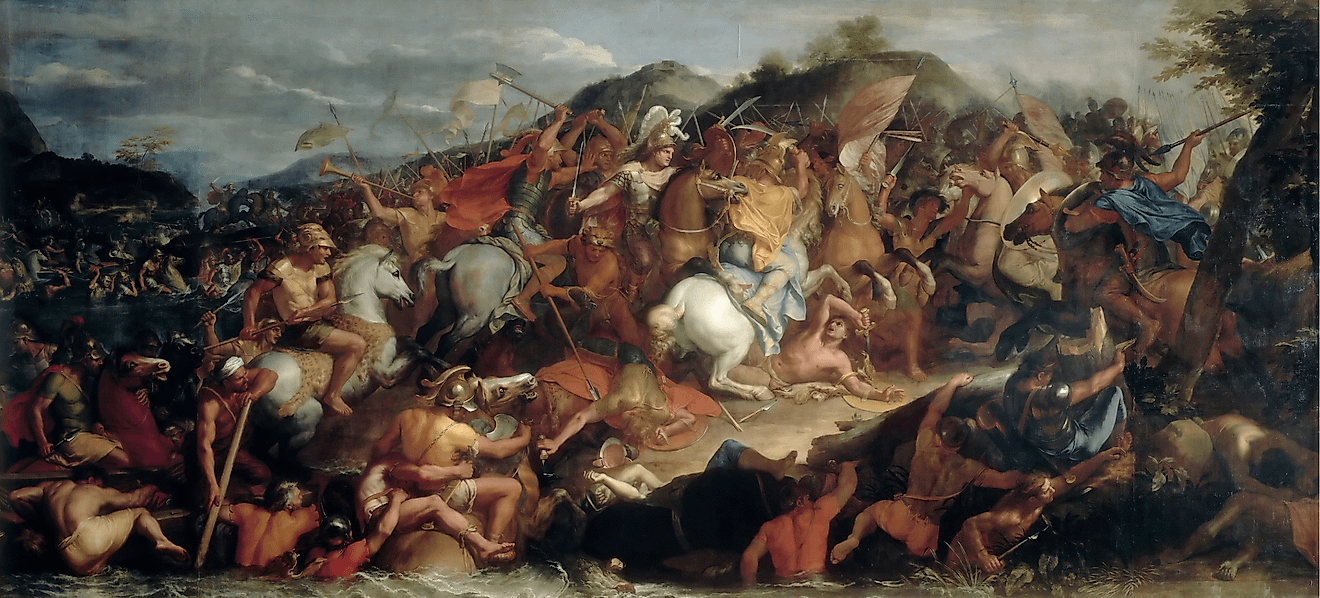
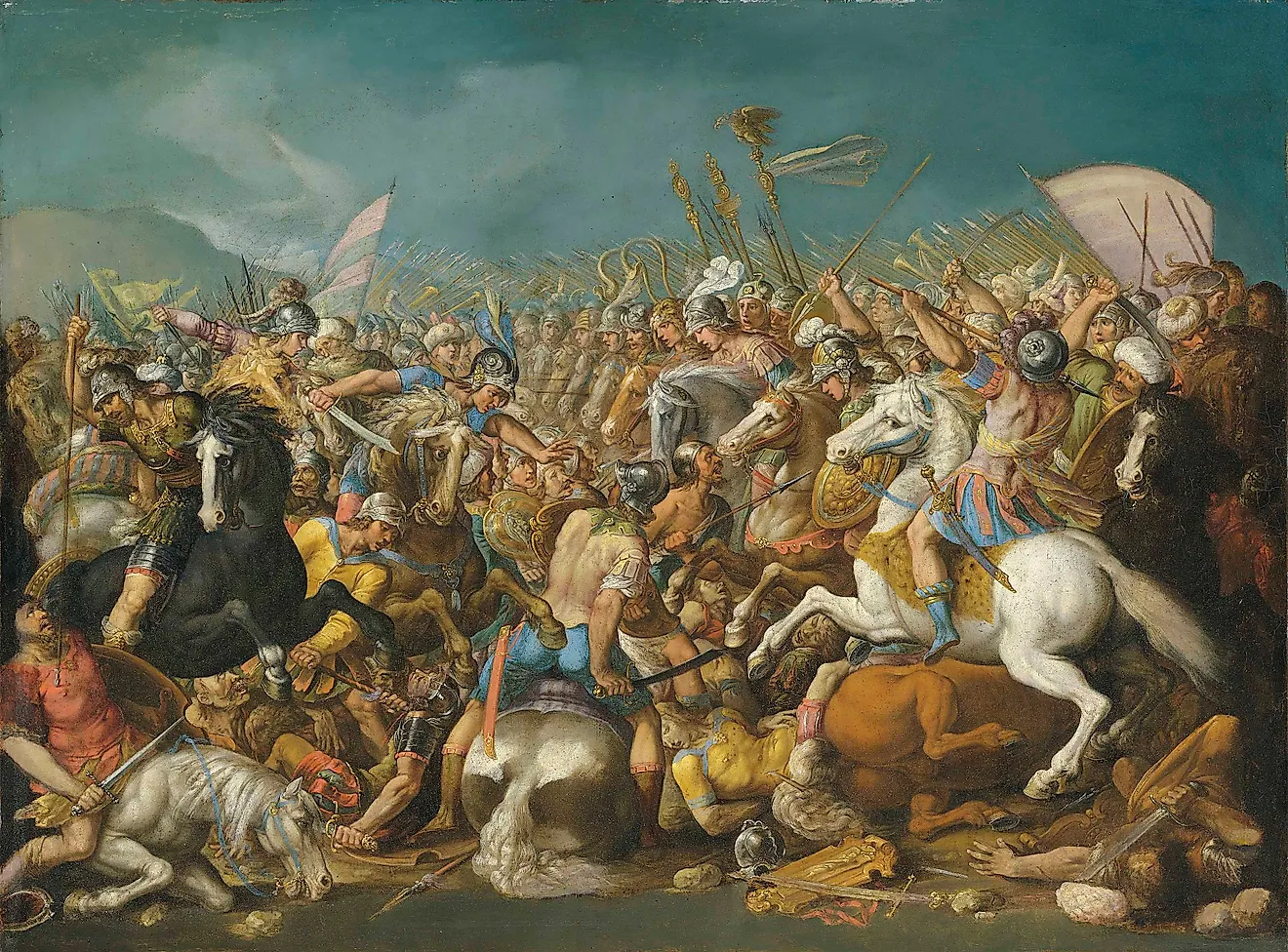
With Pompey's western support eliminated, Caesar set his eyes on Greece. The two generals met in 48 BCE in the Battle of Pharsalus. Pompey's army was bigger, but Caesar's was more experienced due to years of campaigning in Gaul. This experience allowed it to surround Pompey's forces. The battle quickly turned into a rout, and Pompey was again forced to flee, this time to Egypt. Now without an army, his chances of success were slim to none.
Caesar Wins The War

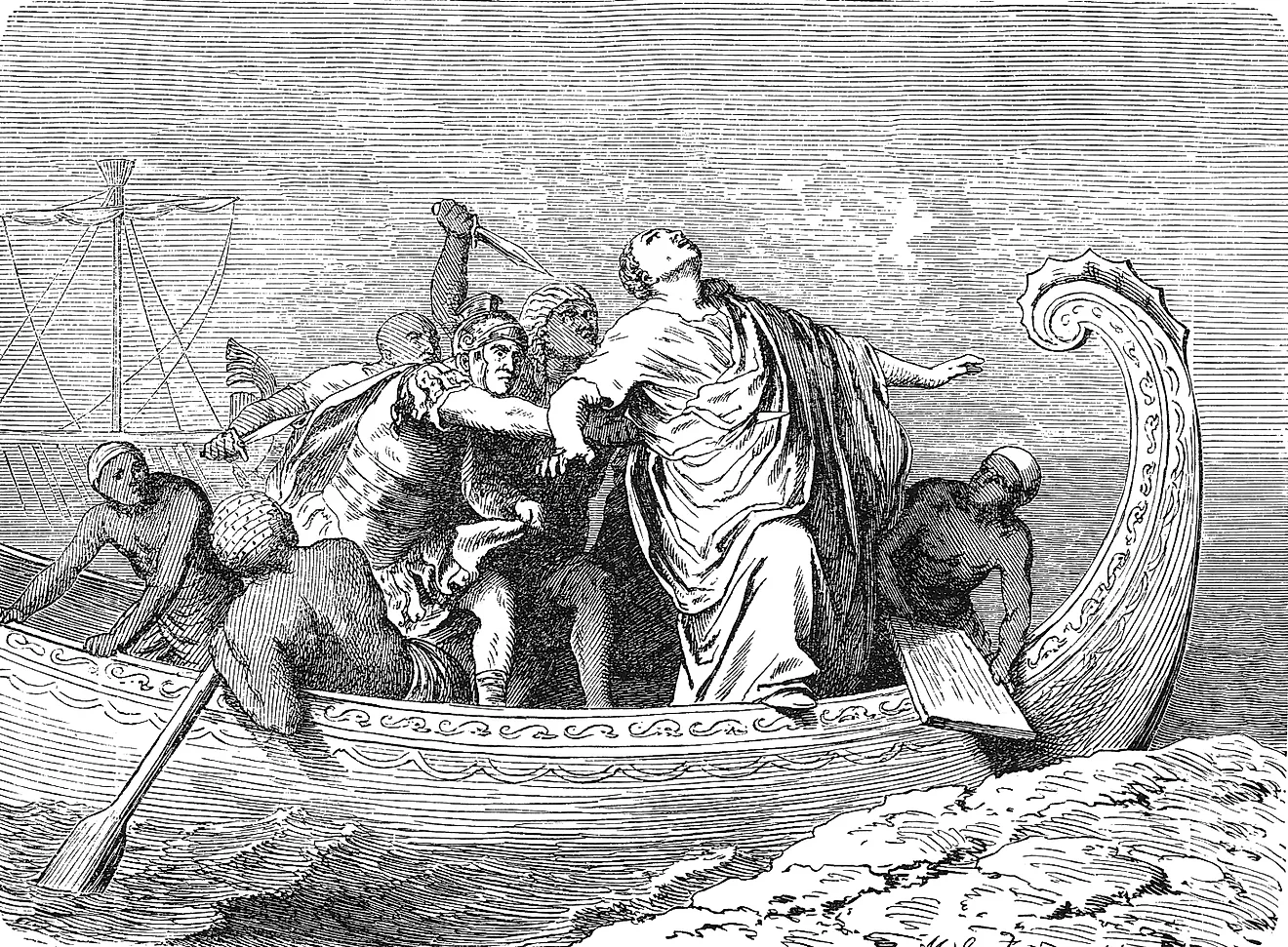
Shortly after arriving in Egypt, Pompey was killed by Pharaoh Ptolemy XIII Theos Philopator, who was fighting his own civil war against his sister, Cleopatra. The young pharaoh's advisors believed that this act would win Caesar's favor, who in turn would provide military support and help Ptolemy secure his position as Egypt's leader. This didn't work out, since Cleopatra had already courted Caesar.

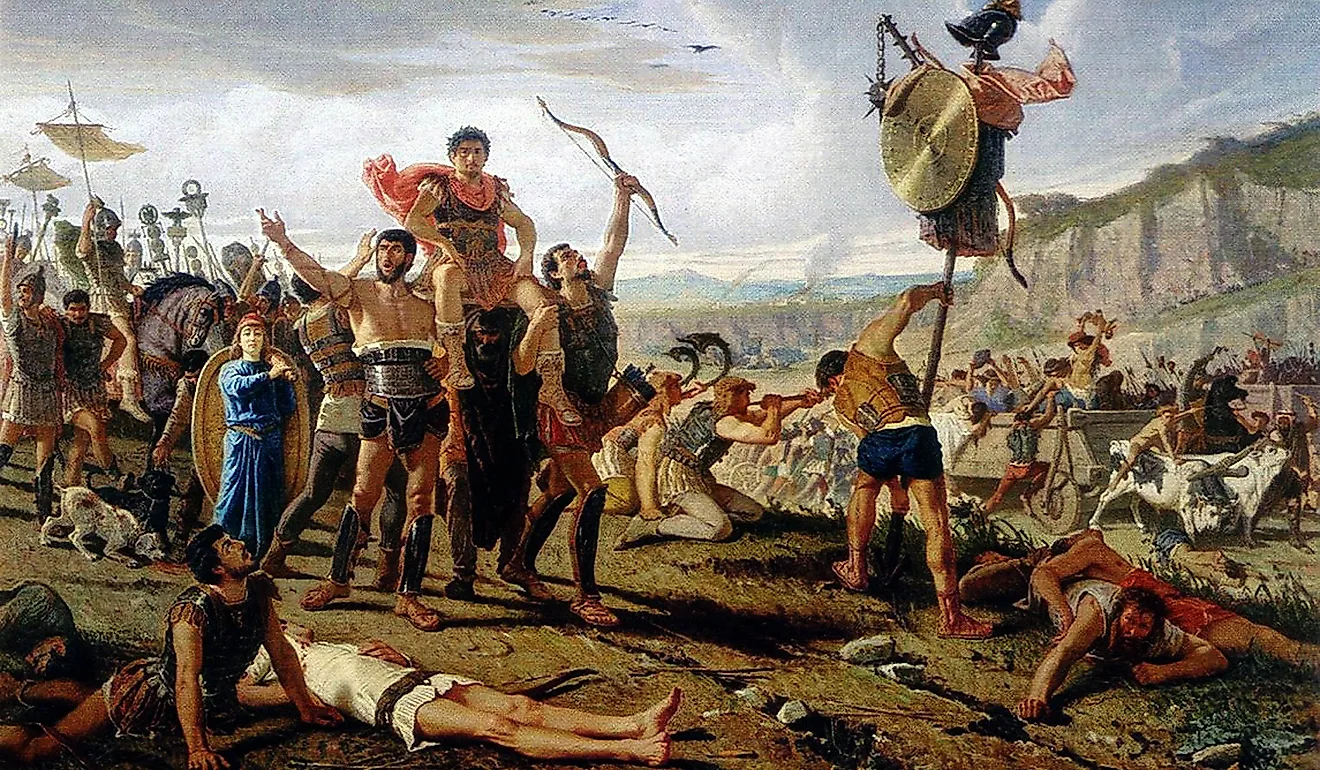
The two entered into a romantic and political relationship, and the Roman general helped Cleopatra defeat her brother. With little organized opposition and more military strength than ever, Caesar spent the next few years battling Pompey's remaining troops, which his sons now controlled. Some notable battles included the Battle of Thapsus and the Battle of Munda. By 45 BCE, essentially all of Caesar's opposing forces were defeated.
The Assassination Of Caesar And The End Of The Republic

Caesar emerged from the war as the most powerful man in the history of the Roman Republic, and he declared himself dictator for life in 44 BCE. Many Romans genuinely admired him and thought this was a good thing. A formidable general and skilled administrator, Caesar seemed like he could be more effective than the Senate. On the other hand, others feared that Caesar intended to be king. The Romans hated kings; this hatred was the reason the Republic existed in the first place. Therefore, a group of 60 senators launched a plot to address the problem.
The Death Blow That Missed Its Mark
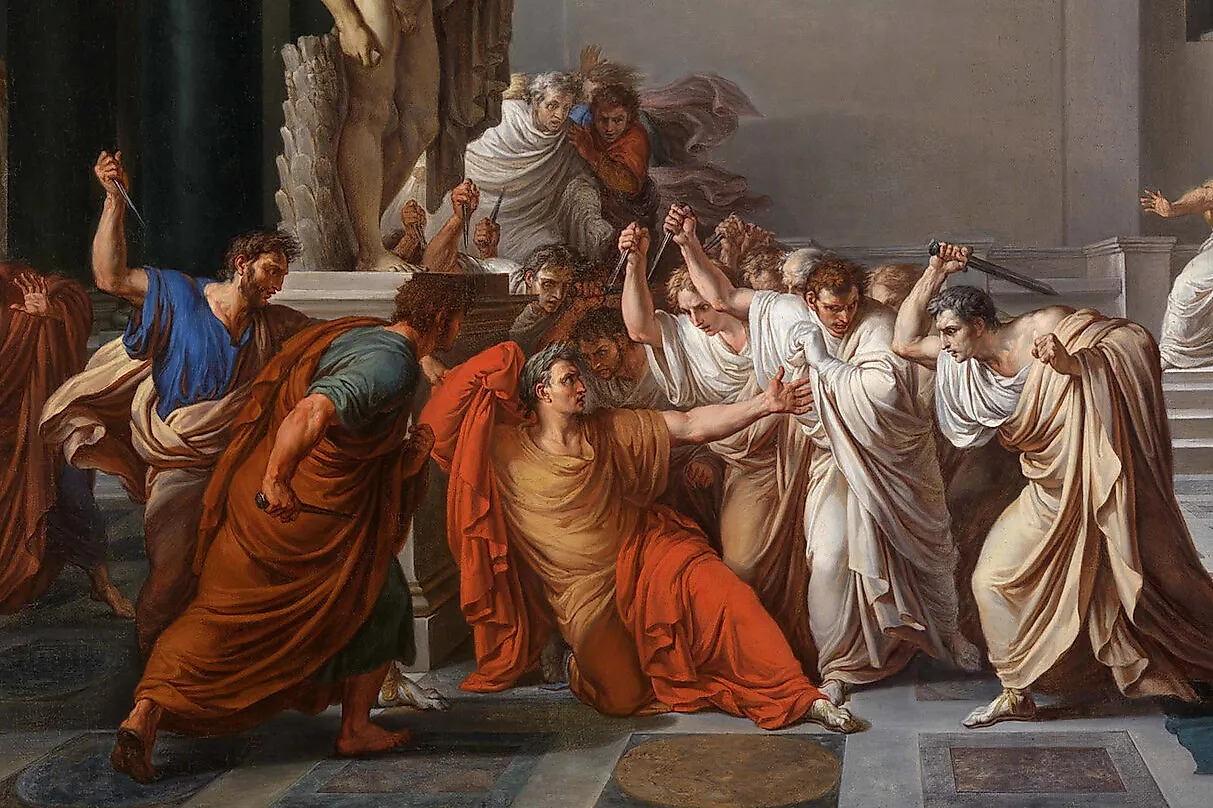
The plan came to fruition on March 15th, 44 BCE, when the senators, led by Marcus Junius Brutus and Gaius Cassius Longinus, assassinated Caesar. Ancient sources assert that he was stabbed 23 times, though this is impossible to verify. Regardless, with Caesar dead, the senators hoped that the Republic was saved. In reality, they had actually just sealed its fate. They had no real plans for how to rule after Caesar, and with the Senate's credibility still in disarray, Rome once again descended into civil war. It only regained stability in 27 BCE when Augustus became its first emperor.