The Most Ruthless Roman Generals
The Roman Republic and Empire produced some of the most ruthless generals in world history. Consider Scipio Aemilianus, who razed Carthage to the ground and killed and enslaved thousands in the process. Marcus Crassus also harshly punished rebel slaves following the Third Servile War. Finally, Julius Caesar made genocide a cornerstone of his Gallic campaign. Read on to learn how Sulla and Mark Antony turned that same violence against their fellow Romans, and why the precedents these generals set outlived them.
Scipio Aemilianus

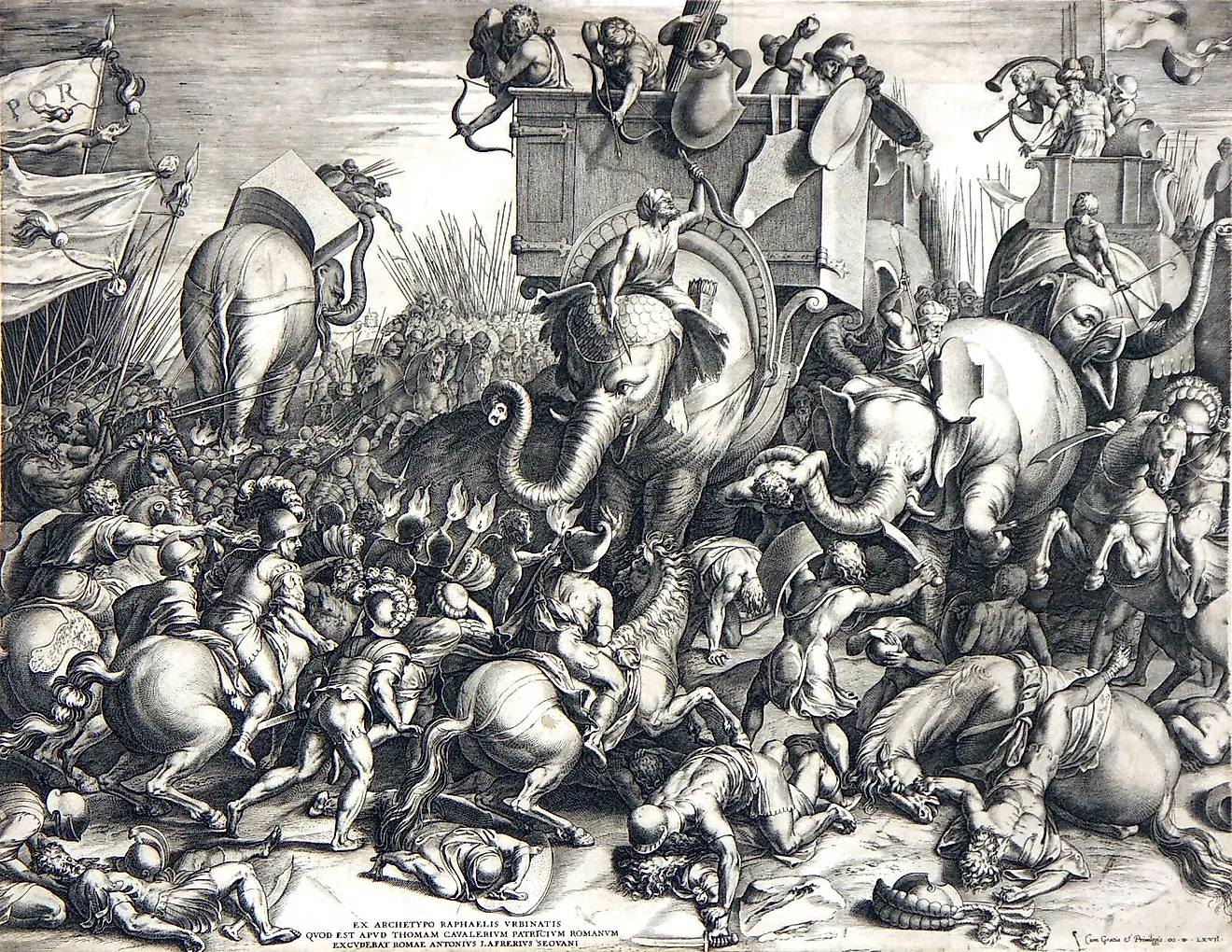
While Scipio Aemilianus had an extensive military and political career, the Third Punic War (149 to 146 BCE) defined it. This conflict saw the Roman Republic besiege its historic enemy, Carthage, to wipe it off the map once and forever. However, the first two years went poorly. The Romans suffered a series of defeats while contending with disease and poor morale. On the other hand, the Carthaginians defended their city with far more ferocity than expected. This forced the Romans to change their approach.
Scipio Aemilianus oversaw the shift. He ordered the harbor to be blockaded, halting the main source of Carthaginian food and supplies. This worked wonders, and by early 146 BCE, the city was on the verge of falling. The final assault, also led by Scipio Aemilianus, was characterized by brutal street fighting, fires, and large-scale slaughter. The exact death toll is unknown, but it was almost certainly in the tens of thousands. 50,000 were also enslaved, and the city was razed to the ground.
Lucius Cornelius Sulla

One can't tell the story of the fall of the Roman Republic without including Lucius Cornelius Sulla. A major general in the early 1st century BCE, he rivaled Gaius Marius, leading Sulla to march on Rome with his army in 88 BCE. When Marius and his supporters regained power, Sulla again marched on Rome and made himself dictator. Afterward, he purged Marian supporters via proscriptions (public death lists). Even though Sulla voluntarily resigned as dictator in 80 BCE, the damage his ruthlessness had done to Roman political norms was already done. Future ambitious generals like Pompey the Great and Julius Caesar built on Sulla's example by using their armies and violence to accomplish political goals.
Marcus Licinius Crassus

Marcus Licinius Crassus was one of the most important figures in Roman history. A general and politician, he was also the richest man in the Roman Republic. This wealth helped him rise to prominence during the Third Servile War (73 to 71 BCE), a slave revolt led by the Thracian gladiator Spartacus. Crassus took command of eight legions and played a central role in ending the revolt, doing so with notorious harshness. He reinstituted decimation, a punitive measure in which one in every ten soldiers in units that showed cowardice or broke formation was executed. When the war was won, Crassus crucified about 6,000 slaves along the Appian Way, a major road from Rome to Capua. As the slaves died and rotted, it sent a chilling warning to any others thinking about revolting.
Julius Caesar

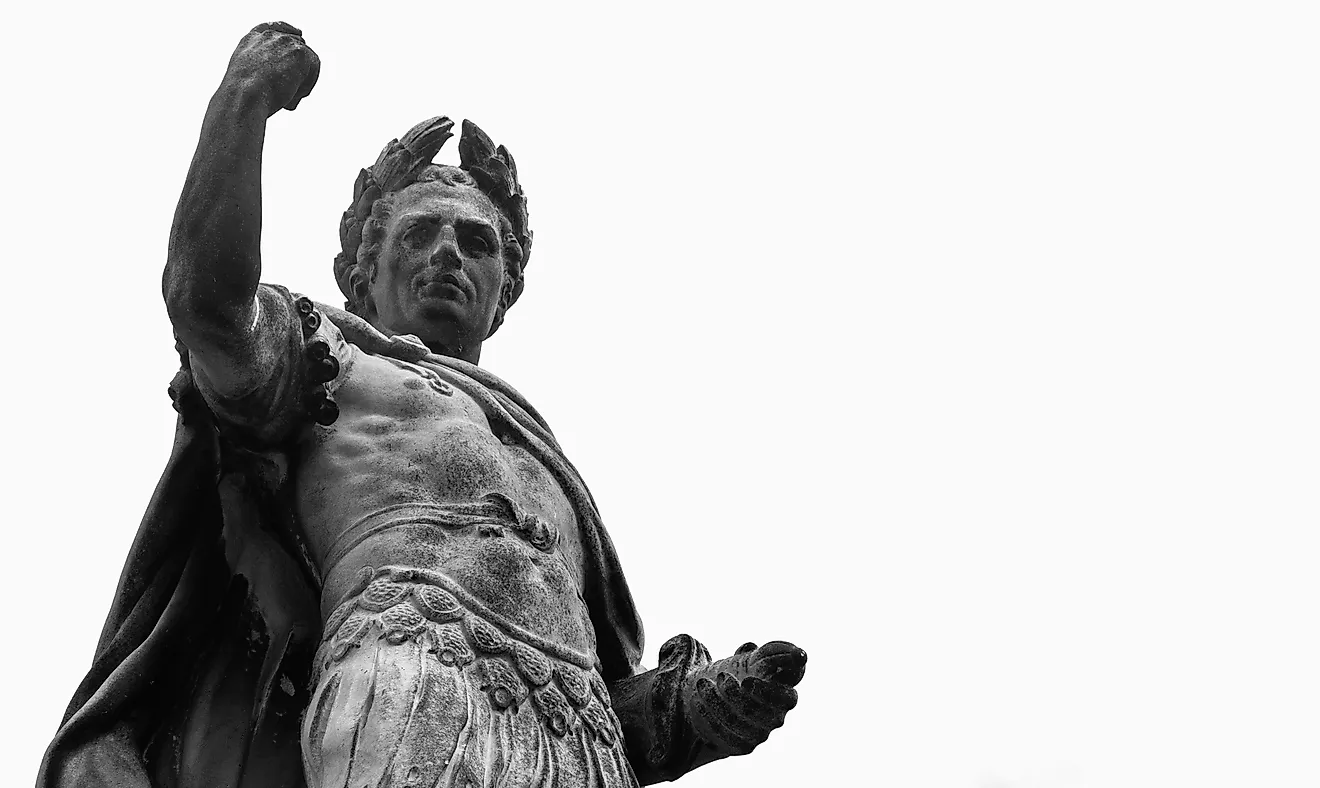
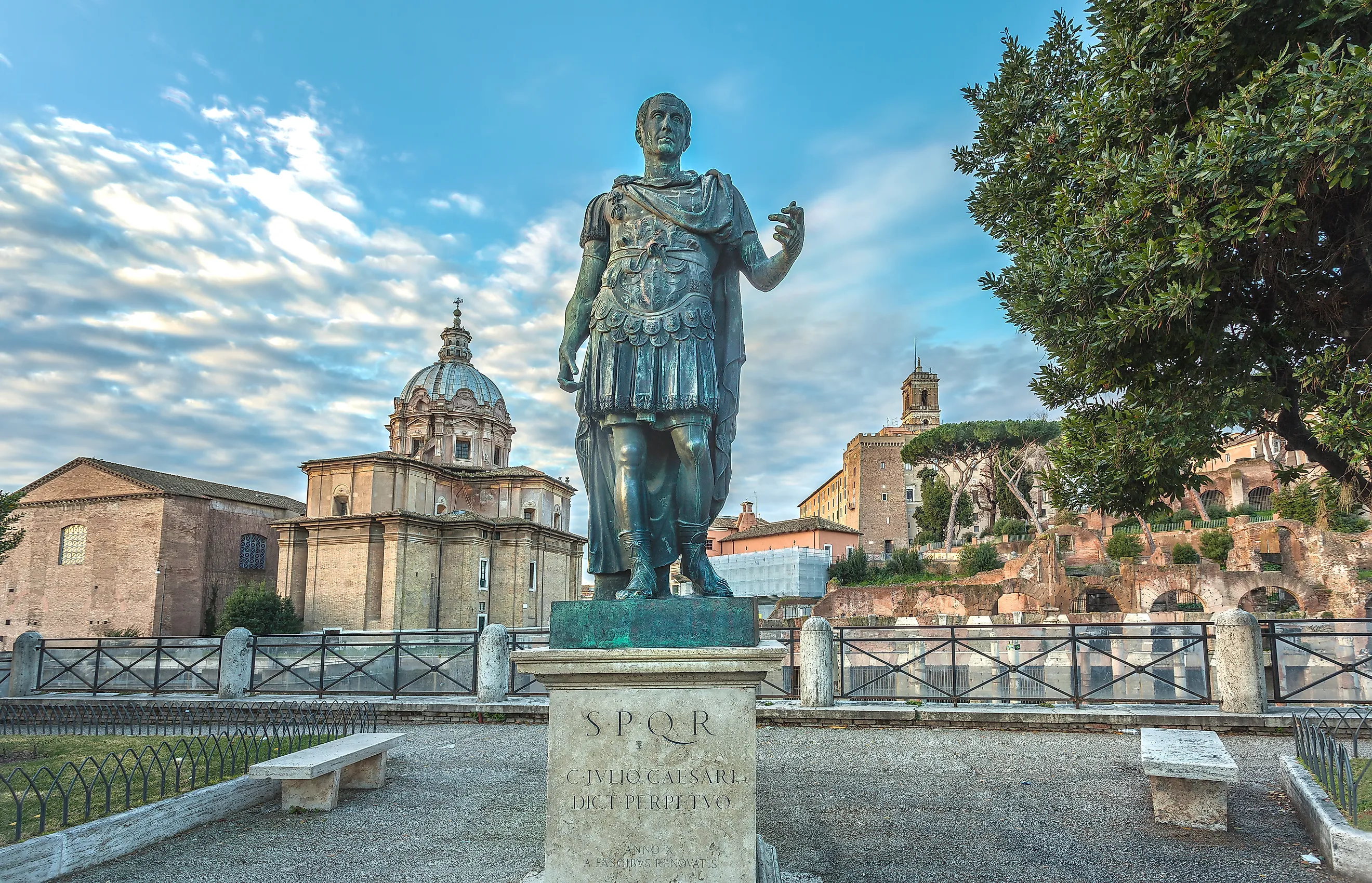
Excluding Alexander the Great, Julius Caesar is likely the most famous general in world history. His career defied Republican tradition and resulted in a civil war that led to the rise of the Roman Empire. His dictatorial rule also laid the blueprint for future emperors. However, Caesar first needed to rise to prominence. His Gallic campaign (58 to 50 BCE) was instrumental in this regard.
Roughly corresponding to modern-day France, Belgium, Luxembourg, and parts of neighboring countries, Gaul had a centuries-long history of conflict with Rome. Caesar conquered it by utilizing extraordinary brutality. The Gallic tribes were divided, so he played them against each other. This divide-and-conquer approach often coincided with genocidal tactics. Consider his treatment of the Usipetes and Tencteri in 55 BCE. Despite having representatives from these tribes come to treat with the Romans, Caesar still massacred them. While his claim of killing over 400,000 needs to be taken with a grain of salt, the death toll was undoubtedly very high.
Two years later, Caesar dealt with the Eburones. They had previously revolted against the Romans, humiliating and angering Caesar. Therefore, he ordered his troops and neighboring tribes to seize their livestock, destroy their property, and kill as many as possible. In doing so, Caesar aimed to destroy the Eburones in "stock and name". Goals like this, paired with the campaign's overall death toll (ancient sources put it at a million people, though again, this number can't be taken at face value), are why many modern historians consider his Gallic wars to have been genocidal.
Mark Antony

Julius Caesar was assassinated in 44 BCE. In the aftermath, three of his allies, Mark Antony, Octavian, and Lepidus, formed an alliance called the Second Triumvirate. They then used their combined power to purge political enemies via proscriptions. Cicero, a renowned orator and vocal critic of Mark Antony, was perhaps the most famous victim. According to the ancient historian Plutarch, Antony insisted that Cicero be put on the proscription lists, despite Octavian's objections. Cicero was assassinated on December 7th 43 BCE, and his head was brought back to Rome and put on display.
Antony's bloodshed didn't stop with the purge. After Caesar's assassins were defeated, he came to control Rome's eastern provinces and launched a series of bloody military campaigns in places like Parthia and Armenia. Thousands died, and Antony humiliated Artavasdes II, king of Armenia, by transporting him to Alexandria and making him a prisoner. During a campaign against the Parthians in 36 BCE, Antony also reportedly used decimation to instill discipline in his troops.
Impact And Legacy
Several Roman generals were defined by their ruthlessness. Scipio Aemilianus oversaw Carthage's defeat and destruction. Sulla shattered precedent by marching on Rome with his army and purging his political opponents. Crassus' treatment of his own soldiers was horrific, as was his crucifixion of 6,000 slaves along the Appian Way. Even though the term wouldn't be coined for thousands of years, Julius Caesar's campaign in Gaul had many of the hallmarks of genocide. Finally, Mark Antony used Caesar's death to eliminate his political opponents. His eastern campaigns further darkened his reputation.